
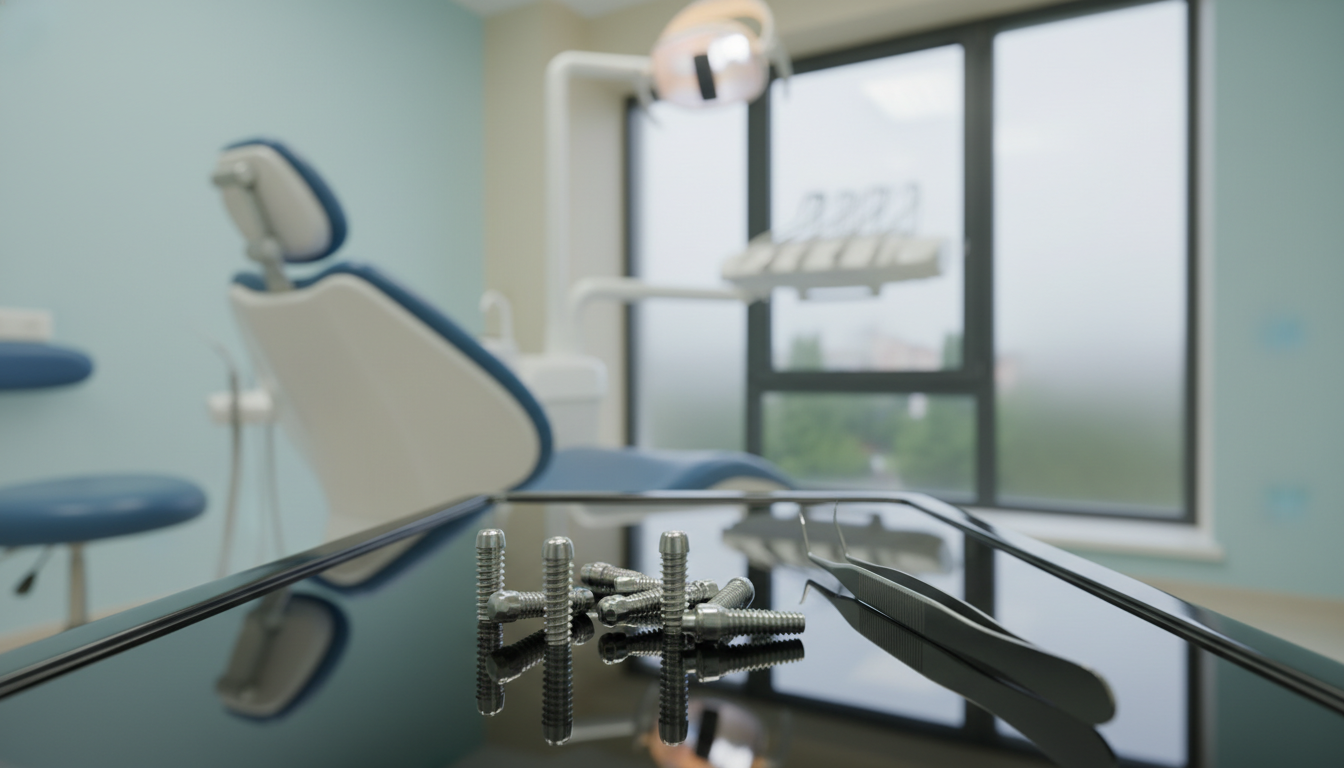
Could a smaller implant be the less invasive solution someone needs to reclaim function and joy with their teeth?
The article opens with a clear, compassionate look at modern tooth replacement. It explains how mini dental implants provide a secure, smaller option that often fits where traditional dental implants cannot.
Many patients find these implants smaller in size and easier on the jawbone. That means fewer cases of bone grafting and a shorter recovery time for people with limited bone density.
A trusted dentist assess process helps determine candidacy. The guide emphasizes proper care, oral hygiene, and how implants offer natural-feeling teeth without compromising long-term effectiveness.
Key Takeaways
- Mini dental implants are a less invasive option for many patients with limited bone.
- The smaller size often reduces the need for bone grafting and speeds recovery time.
- A dentist assess ensures candidacy and personalized treatment planning.
- With proper care and oral hygiene, implants can restore function and confidence.
- The procedure offers a reliable solution without compromising long-term results.
Understanding Mini Dental Implants: Your Complete Guide to a Confident Smile
Modern small implants give many people a predictable path back to natural function.
Small-diameter implants are a smaller version of traditional dental implants. They typically measure less than 3 millimeters in diameter and act as sturdy anchors in the jawbone.
These devices often suit patients with limited bone density or smaller jaws. Because of the smaller size, they often avoid bone grafting and can speed recovery time.
“When placed by a qualified dentist, small implants can restore chewing, speech, and confidence with low invasiveness.”
- Procedure: titanium posts are inserted into bone and serve as artificial roots.
- Options: crowns, bridges, or denture retention for a natural look and feel.
- Outcome: long-term function that mimics natural teeth.
| Feature | Small-Diameter Implants | Traditional Implants |
|---|---|---|
| Diameter | Under 3 mm | 3.5–5.0 mm |
| Bone Needs | Lower bone density tolerated | Often needs grafting |
| Recovery Time | Faster recovery | Longer healing period |
How Mini Implants Function in the Jawbone
A precise metal post and the body’s healing process combine to create a stable new foundation for teeth.
Titanium Post Mechanics
The core of mini dental implants is a titanium post. Titanium is biocompatible, so the jawbone bonds tightly around the post.
This fusion—called osseointegration—gives immediate stability and helps shorten recovery time for many patients.
The Role of Artificial Roots
These small implants act like artificial roots that support crowns, bridges, or denture retention.
Because of their smaller size, they often suit patients with lower bone density and avoid extensive grafting.
“When the implant integrates, it preserves bone and restores function for daily chewing and speech.”
The dentist places the post precisely in the jawbone so it becomes a permanent part of the mouth. Over time the integrated implant helps maintain the structure of the jaw and smile.
Key Benefits of Choosing Mini Dental Implants
A less invasive approach can make restoring teeth faster and gentler for many patients.
Minimally invasive procedure: The technique uses fewer incisions and disturbs less gum tissue than many traditional methods. That often means less bleeding and lower immediate discomfort.
Quicker recovery time: Many patients return to normal activities sooner. Because the implants are smaller, healing can be faster and follow-up visits fewer.
Single-visit placement: Implants smaller in diameter can often be placed in one office visit, providing a convenient solution for people short on time.
Less bone grafting: For those with limited bone density, this option can avoid complex grafting. That makes the process accessible to more people without compromising long-term function.
- Cost-effective compared with many full-size options.
- Stable support so artificial teeth stay secure for eating and speaking.
- Natural-looking results that boost confidence in daily life.
“The stability and speed of recovery make this option appealing for patients seeking practical, durable tooth replacement.”
Comparing Mini Dental Implants to Traditional Dental Implants
Size, surgical impact, and healing time are the key contrasts most people consider first.
Size differences: Mini versions typically measure between 1.8 and 3 millimeters. Traditional dental implants are wider and require more jawbone volume. The smaller size allows precise placement in tighter spaces without extensive reshaping of bone.
Size Differences
The smaller size makes mini implants a good option for people with narrower jaws. Compared traditional implants, the small posts often avoid grafting. That can shorten the overall process.
Invasive Nature
Unlike traditional implants, mini implants are generally less invasive. They require less drilling and fewer incisions. Patients often report lower immediate discomfort after the procedure.
Recovery Timelines
Recovery time is usually faster with smaller posts. Because the procedure disturbs less tissue and bone, patients return to normal routines sooner.
“For many patients, the reduced surgical impact and quicker healing make mini implants an attractive, practical solution.”
- Cost: Mini options often require less chair time and lower fees than traditional dental implants.
- Bone suitability: Mini implants require less bone volume, helping those with limited bone density.
- Function: Properly placed, they support restorations that feel like natural teeth.
| Feature | Mini Implants | Traditional Implants | Benefit |
|---|---|---|---|
| Diameter | 1.8–3.0 mm | 3.5–5.0 mm | Smaller size fits limited jawbone |
| Surgical Invasiveness | Less invasive, fewer incisions | More extensive surgery, possible grafting | Quicker, gentler procedure |
| Recovery Time | Shorter recovery | Longer healing period | Faster return to daily life |
| Typical Cost | Lower overall cost | Higher investment | Budget-friendly option |
Assessing Your Candidacy for Mini Implants
A careful clinical review helps determine if smaller implant options fit an individual’s mouth and health.
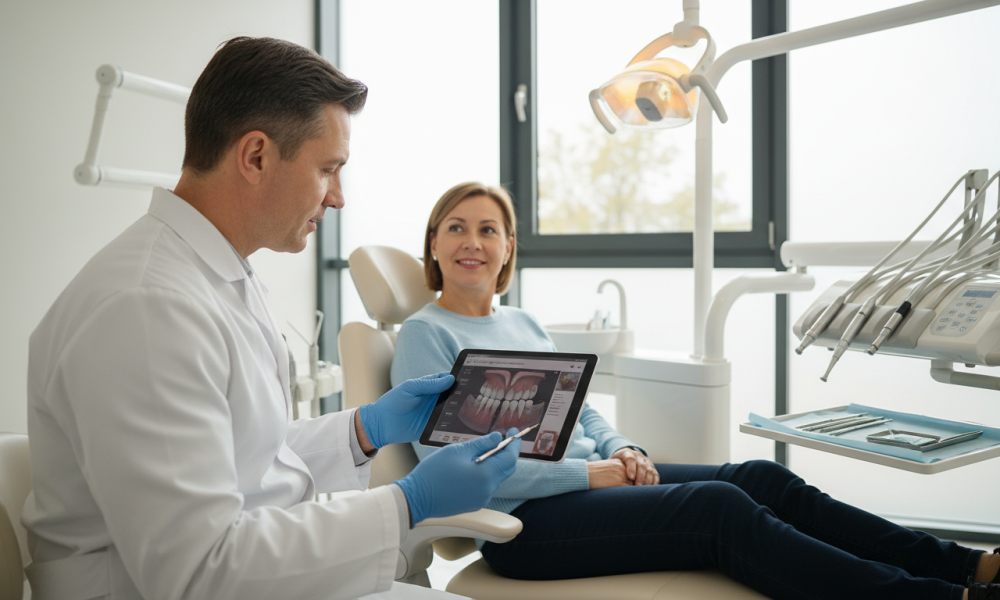
A thorough consultation is the first step. During this visit, the dentist assess oral health, medical history, and overall goals.
Diagnostic imaging—X-rays or 3D scans—lets the dental team examine jawbone structure and spacing. This helps confirm if mini dental implants are appropriate when there is less bone.
Patients with lower bone density often find that small implants provide a viable, less invasive solution. In many cases, these posts fit areas where traditional implants would need grafting.
The dentist also reviews benefits and risks so the patient understands the procedure, recovery expectations, and long-term care. Clear discussion supports confident decision-making.
| Assessment Step | Purpose | Outcome |
|---|---|---|
| Medical & Oral Review | Identify risks and systemic factors | Personalized treatment plan |
| Imaging (X-ray/CT) | Measure jawbone volume and spacing | Confirm implant placement feasibility |
| Risk/Benefit Discussion | Explain less invasive option vs traditional implants | Informed consent and expectation setting |
“Avoiding bone grafting can simplify the process and shorten recovery for many patients.”
The Role of Bone Density in Implant Success
How dense the jawbone is can make or break an implant’s long-term stability.
Bone density is a critical factor in the success of any implant procedure. The jawbone must hold the titanium post firmly so the restoration can handle chewing and daily forces.
Avoiding Bone Grafting
For patients with insufficient bone, mini implants offer a clear advantage. Their smaller diameter allows placement in areas with limited bone without extensive grafting.
Many patients avoid the extra surgery, shorter recovery times, and lower cost by choosing this less invasive option.
“Osseointegration—the fusion of bone and post—creates a durable base for the final tooth restoration.”
- The dentist measures bone volume with imaging to plan precise placement.
- Osseointegration secures the implant and preserves jaw structure over time.
- Regular follow-up checks bone health and keeps the restoration stable.
In short: When bone is limited, these small implants can be a reliable solution that restores function and improves the smile with less time and invasive work than many traditional implants.
Overview of the Surgical Placement Procedure
Using digital imaging, clinicians map the jaw so the posts fit with minimal disturbance.
The surgical placement is intentionally minimally invasive. Small incisions give direct access to the jawbone. That approach reduces trauma and speeds recovery.
Digital scans guide the dentist during the procedure. This planning helps place each post precisely so surrounding gum and bone stay healthy.
When implants are placed, they act as anchors for crowns, bridges, or denture retention. Many patients find they resume normal activities quickly because of the shorter recovery time.
“Careful planning and gentle technique let patients enjoy reliable support with less time away from daily life.”
Often a single visit completes placement. Compared with traditional implants, the process can be faster and more convenient for busy patients.
- Small posts allow precise placement with less bone alteration.
- Post-op instructions help ensure a smooth healing process.
- Follow-up visits confirm stability before final restorations are attached.
Understanding the Osseointegration Process
Osseointegration is the body’s way of turning a metal post into a living part of the jaw.
It is the biological process where the titanium post of a dental implant fuses directly with the jawbone. Bone cells grow around the surface and lock the post in place.
This fusion is essential for both mini dental implants and traditional dental implants. It gives the restoration the strength needed for chewing and everyday use.
For many patients, mini implants integrate faster. That shorter healing time can speed the path to final artificial teeth and reduce overall recovery.
A dentist monitors progress in follow-up visits. Good oral care supports healthy bone growth and helps the implant remain secure for years.
“Osseointegration creates the stability that makes implants feel and act like natural teeth.”
- Osseointegration = bone bonding to titanium.
- It matters for long-term success of dental implants.
- Healthy bone density and oral hygiene speed reliable integration.
Factors Influencing the Cost of Treatment
Understanding what drives expense helps patients plan for implant treatment wisely.
Case complexity and the number of posts are primary drivers. More units raise lab fees and chair time. Provider experience also affects price: highly trained clinicians often charge more but deliver predictable results that protect long-term value.
On average, many patients can expect $500–$1,500 per mini dental implants post. This range is usually more affordable than comparable dental implants. Still, added steps like bone grafting or custom crowns will increase the total.
Because mini implants are often placed in a single visit, overall costs may drop thanks to less chair time and fewer appointments. Discuss financial options and insurance with the dentist—some policies cover part of the procedure.
“Choosing a qualified professional helps ensure the investment in teeth is backed by modern technology and quality care.”
- Number of posts and restorations
- Need for grafting or extra procedures
- Provider skill and lab fees
- Single-visit placement can reduce time and cost
Navigating Insurance and Financial Options
Knowing which costs insurers pay and which fall to the patient helps plan treatment with confidence.
Patients should call their carrier and ask if dental implants or mini implants are covered under their plan. Coverage varies widely, and some policies only cover part of the cost.
The clinic can help. Most offices provide an itemized estimate that lists fees for the implant post, final crown, and any bone grafting or scans.
Many people use payment plans, dental financing, or health savings accounts to spread the expense. Some practices offer all-inclusive packages that bundle the consultation, procedure, and final teeth into one price.
Discuss budget openly with the dentist and staff. They can suggest options that balance quality care with financial needs.
“Investing in oral health is a long-term commitment—understanding costs and options reduces stress and helps patients move forward.”
| Cost Item | Typical Range | Notes |
|---|---|---|
| Implant post | $500–$1,500 | Varies by type and clinic |
| Final restoration (crown/bridge) | $800–$2,000 | Lab and material affect price |
| Bone grafting | $300–$1,200 | Needed only if bone density is low |
| Single-visit package | Variable | May lower overall time and cost |
Managing Recovery and Post-Operative Care
Patients usually find the first days after placement manageable when they follow clear care steps.
Dietary adjustments are important for the initial weeks. Stick to soft foods like yogurt, mashed vegetables, and smoothies. Avoid hard, crunchy, or sticky items that place pressure on the new posts.
Managing discomfort is straightforward for most people. Many patients report only mild soreness. Over-the-counter pain relief, taken as the dentist recommends, typically controls any pain.
Keep the area clean. Gentle brushing and warm salt rinses help prevent infection and support bone healing. Follow all post-op instructions carefully—this protects the implant and the jawbone during integration.
- If swelling or persistent pain appears, contact the dentist promptly.
- Compared with traditional dental implants, recovery time is often shorter and less disruptive to daily life.
- Attend follow-up visits so the clinician can confirm healing and plan final restorations.
“Following simple care steps helps ensure the implant integrates and the smile returns to full function.”
Essential Tips for Long-Term Maintenance
Small, regular steps in oral care add up to durable results for implanted teeth.
Daily oral hygiene is the foundation. Brush twice and floss once daily to keep plaque from accumulating around posts and crowns.
Consider an advanced electric brush such as the Oral-B iO. It can remove more plaque and help protect both natural teeth and mini dental implants.
See the dentist regularly. Professional cleanings and checks catch issues early in the process and confirm that bone and soft tissue stay healthy.
Avoid hard habits. Chewing ice, biting pens, or grinding teeth can stress restorations and shorten their lifespan.
“Promptly report looseness, pain, or swelling—early care prevents bigger problems.”
- Use recommended tools for interdental cleaning around posts.
- Follow post-op guidance for the first few weeks after placement.
- Maintain routine exams so implants remain a reliable solution for many years.
Addressing Potential Durability Concerns
Some patients worry that smaller posts might not hold up as long as traditional implants.
That concern is understandable. Compared with traditional implants, a smaller diameter can face more force from habits like grinding or clenching.
The good news: a dentist can often reduce risk. Wearing a custom night guard limits pressure during sleep and protects the posts.
Regular maintenance matters. Professional cleanings and check-ups spot wear early and keep surrounding bone healthy.
With steady care, these small posts are intended as a long-term solution. They can support a crown or bridge and act like a natural tooth when the mouth is stable.
If durability is a worry, bring specific questions to your next visit. Discuss bite forces, bruxism history, and protective options so the clinician can tailor a plan.
“Understanding limits and strengths helps patients take proactive steps and extend the life of their implant restorations.”
- Protective night guard for bruxism
- Routine professional cleanings
- Watch bite changes and report looseness promptly
Choosing the Right Dental Professional
A skilled clinician brings precision, technology, and patient-centered planning to every case.
Choosing the right dentist is a critical step. The success of implant therapy often depends on the provider’s training and attention to detail.
Dr. Robert Lee, with over 35 years of clinical experience, stresses that modern tools matter. Clinicians who use 3D imaging and guided planning offer more predictable placement and less guesswork.
Look for a proven record of successful traditional implants and clear before-and-after results. Ask about outcomes for patients with limited bone and how the clinician tailors the plan for each mouth.
“A good professional explains the full pathway—from initial assessment through the final restoration—so patients know what to expect.”
- Confirm experience with traditional implants and restorations.
- Verify use of advanced imaging for precise planning.
- Request patient references or case photos for similar bone conditions.
When a dentist combines expertise, technology, and clear guidance, the result is a practical solution that supports long-term tooth health and patient confidence.
Real Patient Experiences and Outcomes
Patient accounts often highlight practical gains—better chewing, clearer speech, and renewed confidence.

Many patients describe the treatment as life-changing. They say the restoration feels like natural teeth and lets them enjoy favorite foods again.
For people who struggled with loose prosthetics, this option became a stable, comfortable solution. Testimonials often note faster recovery and clearer speech.
“I can eat steak and laugh without worry—my bite feels secure and very natural.”
- Improved chewing and speech that match expectations set by traditional implants.
- Greater comfort compared with ill-fitting dentures and fewer daily hassles.
- Consistent, long-term satisfaction reported by many patients after follow-up care.
These stories help reduce anxiety and show that, with a skilled dentist, outcomes can restore function and appearance. Consider asking your provider for patient examples when weighing choices.
Conclusion
To conclude, this minimally invasive option presents a practical solution for people seeking restored function with less surgery.
With careful planning and follow-up, patients often enjoy quicker recovery and a comfortable treatment experience.
By following clear post-op steps and maintaining proper care, these restorations can serve as a long-lasting foundation for artificial teeth.
Talk with a trusted dentist about candidacy and protective steps. A qualified dentist will tailor the plan so the treatment fits each mouth and lifestyle.
Take the first step—consult a professional and explore whether this solution matches your oral-health goals and well-being.
FAQ
What is the difference between mini implants and traditional implants?
Mini versions use a smaller, single-piece titanium post that often suits patients with limited bone. Traditional implants are wider and usually require more invasive surgery, and sometimes bone grafting, to support crowns or bridges. Smaller posts can be placed with less tissue disruption and shorter chair time.
Who is a good candidate for smaller-sized implants?
Adults with one or more missing teeth who have reduced jawbone volume, want a less invasive option, or seek faster recovery may be candidates. A dentist will assess oral health, gum condition, and bone density to recommend the best solution without compromising success.
Do these implants require bone grafting?
Often they do not. Because the posts are narrower, many patients avoid bone grafting even when bone height or width is limited. However, insufficient bone or active disease may still necessitate grafting; a clinician will evaluate each case.
How long does the surgical placement procedure take?
Placement is typically quicker than traditional implant surgery — often completed in one visit lasting under an hour for a single tooth. Multiple sites take longer. The procedure is minimally invasive and performed under local anesthesia in most cases.
What is the recovery like after placement?
Recovery tends to be faster with less swelling and discomfort. Patients usually return to normal activities in a day or two, with soft-food dietary adjustments for a short period and routine oral hygiene to support healing.
How do these posts integrate with the jawbone?
Integration relies on osseointegration — bone cells attach to the titanium surface, forming a stable anchor. Good bone density and proper placement improve bonding; following post-op care and avoiding smoking support this process.
Are they as durable as traditional implants?
They are durable for many applications, especially for stabilizing dentures or replacing single teeth in low-stress areas. For heavy bite forces or large restorations, wider implants may offer greater long-term strength.
What maintenance is required to keep them healthy?
Regular brushing, flossing, and professional cleanings are essential. Patients should schedule follow-ups so the dentist can check attachment stability and surrounding gum health, and address issues early to preserve the prosthetic and bone.
Can cancer patients or survivors receive these implants?
Many cancer patients can, but treatment history matters. Radiation, chemotherapy, and ongoing medications can affect healing and bone quality. A coordinated plan with oncology and dental providers ensures safety and optimal timing.
How do costs compare to traditional implants and are financing options available?
Smaller posts often cost less due to shorter procedures and fewer surgical steps. Insurance coverage varies; many clinics offer financing or payment plans. An itemized estimate and discussion with the insurer clarify out-of-pocket expenses.
Will they look and feel like natural teeth?
When planned well, restorations on these posts can mimic natural teeth in appearance and function. Proper prosthetic design and precise placement help achieve a natural bite and comfortable fit.
What risks or complications should patients expect?
Risks include infection, loosening, and peri-implant inflammation. These are minimized by good oral hygiene, regular dental visits, and selecting a qualified provider who assesses bone quality and overall health before treatment.
How should patients choose the right dental professional?
Look for a dentist or oral surgeon with specific experience placing these posts, verified patient outcomes, and clear pre- and post-operative protocols. A thorough exam, imaging, and a written treatment plan reflect quality care.
Related guides
How Long Does a Dental Implant Procedure Take?
Curious if the journey to a restored smile will fit your life? Many patients wonder about the full…

Best Hair Transplant in Istanbul,Turkey
Could one clinic end years of worry and restore your confidence with a clear, tailored plan?Dr. Serkan Aygin…
What is Zygomatic Dental Implant?
Could anchoring into the cheekbone restore a confident smile when the upper jaw can’t?Zygomatic dental implants offer an…