
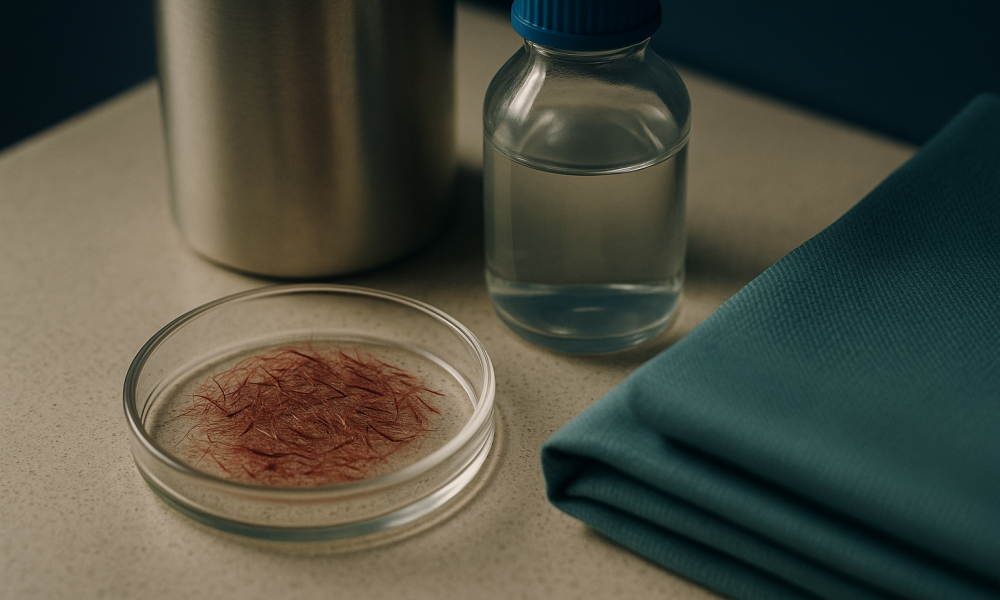
The Process: Beard Transplant in Turkey, step by step
- Enquiry: The journey begins with your initial enquiry. This is typically done through online platforms where you express interest in a beard transplant. A healthcare coordinator will reach out to discuss your expectations, medical history, and any other relevant details. This phase is crucial for understanding the basic requirements and setting realistic expectations.
- Assessment: Following your enquiry, a detailed assessment is conducted. This usually involves sending photographs of your current facial hair situation and possibly a video consultation with a specialist. The surgeon evaluates the density and quality of your donor hair, often located at the back of your scalp, to ensure suitability for the transplant. This stage helps in planning the number of grafts required and the overall approach to achieve natural-looking results.
- Travel: Once your assessment is complete and you decide to proceed, travel arrangements are made. Many clinics offer packages that include airport transfers, accommodation, and sometimes even guided tours. Patients typically fly into Istanbul, a hub for medical tourism, where they will be received by the clinic’s representative.
- Treatment Days: The actual procedure takes place over one or two days. On the first day, you meet the surgical team, finalize the treatment plan, and undergo pre-operative preparations. The transplant procedure itself is performed under local anaesthesia and can last between 4 to 8 hours, depending on the number of grafts. The surgeon meticulously extracts hair follicles from the donor area and implants them into the beard region, following the natural growth pattern.
- Discharge: After the procedure, patients are typically discharged on the same day. Post-operative instructions are provided, including how to care for the transplanted area, medications to reduce swelling and prevent infection, and what activities to avoid during the initial recovery phase. You are encouraged to stay in Turkey for a few days post-procedure to attend a follow-up appointment.
- Follow-up: Follow-up care is an essential part of the process. Clinics in Turkey often offer remote follow-up consultations to monitor your progress. You may be asked to send regular photos of the transplant area to ensure the healing process is on track. Full recovery takes about 2-3 weeks, while visible results start to appear after 3-6 months as the transplanted hairs begin to grow naturally.
What Beard Transplant is and who it is for
A beard transplant is a cosmetic procedure designed to enhance facial hair density by transplanting hair follicles from a donor site, typically the back of the scalp, to the beard area. This procedure is increasingly popular among individuals who suffer from patchy or thin facial hair growth due to genetics, scarring, or medical conditions. The goal is to achieve a fuller, natural-looking beard that complements the patient’s facial structure.
The procedure involves two main techniques: Follicular Unit Extraction (FUE) and Follicular Unit Transplantation (FUT). FUE is the more commonly used technique in Turkey, where individual hair follicles are extracted and then implanted into the beard area. This method is favored for its minimal scarring and quicker recovery time. FUT, on the other hand, involves transplanting a strip of skin with hair follicles, but it is less common due to the potential for linear scarring.
Beard transplants are suitable for men of various ages and ethnicities who desire a fuller beard or wish to cover up scars and gaps. It is particularly beneficial for those who have struggled with beard growth due to hormonal imbalances, genetic predispositions, or previous trauma to the facial area. Before considering a beard transplant, candidates should be in good overall health and have realistic expectations about the outcome.
Ideal candidates are those with sufficient donor hair density, as this is crucial for achieving the desired results. Patients are advised to consult with a qualified surgeon to discuss their individual needs and assess their suitability for the procedure. The consultation process helps in setting realistic goals and understanding the potential outcomes and limitations of the transplant.
In summary, a beard transplant is a viable solution for anyone looking to improve their facial hair aesthetics. With advancements in technology and the expertise available in Turkey, patients can expect a high level of care and results that enhance their confidence and self-image.
Are you a candidate? Criteria and preparation
Determining whether you are a suitable candidate for a beard transplant involves several considerations that should be evaluated carefully. The first factor is your overall health. Candidates should be in good general health, as this can significantly affect the healing process and the success of the transplant. Chronic conditions such as diabetes or autoimmune disorders may require special attention or adjustments in treatment protocols.
Another critical criterion is the availability of adequate donor hair. Typically, hair is harvested from areas of the scalp where the hair is genetically resistant to balding, such as the back or sides of the head. The quality, density, and colour of the donor hair should match the beard area to ensure a natural appearance. If you have significant hair loss in these donor areas, a beard transplant might not be feasible.
Age can also play a role, although there is no strict age limit for beard transplants. However, younger patients might be advised to wait until their facial hair growth pattern has fully matured to ensure that the transplant results align with their natural beard development.
Realistic expectations are crucial. Candidates should understand that the final result will depend on several factors, including the extent of their existing facial hair and the quality of the donor hair. It’s essential to discuss your goals with a qualified specialist who can provide a realistic assessment of what can be achieved.
Preparation for a beard transplant is equally important. Before the procedure, you may need to avoid certain medications, such as blood thinners, as they can increase the risk of bleeding during surgery. Smoking cessation is also strongly advised, as smoking can impair blood flow and negatively affect healing.
- Ensure you are in good general health.
- Assess the availability and quality of donor hair.
- Consider your age and the maturity of your facial hair growth.
- Set realistic expectations for the transplant outcome.
- Avoid blood-thinning medications as advised by your doctor.
- Cease smoking to promote better healing post-procedure.
- Discuss any chronic health conditions with your healthcare provider.
- Stay informed about the procedure and recovery process.
By adhering to these criteria and preparation guidelines, you can enhance the likelihood of a successful beard transplant with results that meet your expectations.
Techniques and options available in Turkey
Turkey has emerged as a leading destination for beard transplants, offering a range of advanced techniques and options to cater to diverse patient needs. One of the most widely used methods is Follicular Unit Extraction (FUE). This technique involves harvesting individual hair follicles from the donor site, typically the back or sides of the scalp, and implanting them into the beard area. FUE is favoured for its minimally invasive nature, reduced scarring, and relatively quick recovery time.
Another popular technique is Direct Hair Implantation (DHI). Similar to FUE, DHI involves extracting individual hair follicles; however, the implantation process is slightly different. DHI uses a specialised tool known as a Choi pen, which allows the surgeon to implant the follicles directly into the skin without creating prior incisions. This method can offer more precise control over the angle, depth, and direction of each hair, potentially leading to more natural-looking results.
In addition to these techniques, some clinics in Turkey offer hybrid approaches, combining elements of both FUE and DHI to tailor the procedure to the specific needs and characteristics of the patient. This flexibility ensures that patients receive a customised treatment plan that maximises the aesthetic outcome while minimising discomfort and recovery time.
Turkey’s reputation as a hub for medical tourism is supported by highly skilled surgeons and state-of-the-art facilities. Many clinics offer comprehensive packages that include not only the procedure itself but also pre-operative consultations, post-operative care, and even accommodation and transport services for international patients. This all-inclusive approach can make the process more convenient and less stressful, allowing patients to focus on their recovery and results.
Cost is another factor where Turkey holds an advantage. While the exact price of a beard transplant can vary depending on the technique used, the extent of the transplant, and the clinic’s location, prices in Turkey are generally more competitive than in many Western countries. Patients can expect indicative costs to range from £1,500 to £3,500, making it an attractive option for those seeking high-quality, affordable treatment.
Overall, the techniques and options available in Turkey for beard transplants are both diverse and advanced. By choosing a reputable clinic and an experienced surgeon, patients can benefit from cutting-edge procedures that offer promising results in terms of aesthetics and durability.
Recovery and aftercare timeline
Understanding the recovery process following a beard transplant is crucial to achieving the best results. Patients should be aware of what to expect and how to care for the transplanted area in the weeks following the procedure. This section provides a detailed timeline of the recovery process and essential aftercare instructions to ensure optimal healing and hair growth.
| Period | What to expect | Care notes |
|---|---|---|
| Day 1-3 | Swelling and redness are common in the transplanted area. Patients may also experience minor discomfort or tightness around the donor and recipient sites. | Keep the area clean and avoid touching or scratching. Sleep with your head elevated to reduce swelling. Follow prescribed medications strictly. |
| Day 4-7 | Scabs may form around the transplanted follicles. Mild itching is common as the healing process continues. | Do not remove scabs manually; they will naturally fall off. Use a saline spray as recommended by your doctor to clean the area gently. |
| Week 2-3 | Most scabs will have fallen off, and the redness will begin to subside. The transplanted hairs may start to shed, which is a normal part of the process. | Continue gentle washing of the face and avoid direct sunlight on the transplanted area. Refrain from strenuous activities that cause sweating. |
| Month 1-3 | The shedding phase continues, and new hair growth may begin to appear. Hair growth will be minimal at first but will gradually increase. | Maintain a healthy diet and avoid smoking and alcohol to promote hair growth. Regular follow-up appointments with your surgeon are essential during this period. |
| Month 4-6 | Noticeable hair growth can be observed, and the beard will begin to take shape. Any lingering redness should have dissipated. | Continue to care for your skin with moisturizers and avoid harsh chemicals. Trim new hair growth carefully as advised by your doctor. |
| Month 7-12 | The beard will continue to thicken, and the final results will become more apparent. Full results are typically visible by the end of this period. | Adopt a regular grooming routine to maintain the desired beard style. Continue periodic check-ups with your healthcare provider for ongoing assessment. |
Following these guidelines and maintaining open communication with your healthcare provider will ensure a smooth recovery and satisfactory results.

Risks, safety and how accredited Turkish providers manage them
Like any surgical procedure, beard transplantation carries certain risks. However, when performed by qualified professionals in accredited facilities, these risks are minimized. Patients should be informed about potential complications and how Turkish healthcare providers ensure safety and quality in their services.
Common risks associated with beard transplants include infection, scarring, and unsatisfactory hair growth. Infection is a rare but possible risk that can occur if the transplanted area is not properly cared for post-operation. Accredited Turkish clinics take stringent measures to prevent infections, such as maintaining sterile environments and providing comprehensive aftercare instructions.
Scarring is another potential risk, although modern techniques like Follicular Unit Extraction (FUE) have significantly reduced the likelihood and visibility of scars. In Turkey, clinics specializing in hair restoration often employ the latest technologies and methods to ensure minimal scarring. Patients are advised to follow post-operative care instructions meticulously to aid in proper healing.
Unsatisfactory hair growth can occur if the transplanted follicles do not take root effectively. This risk is mitigated by thorough pre-operative assessments and the expertise of skilled surgeons who evaluate the suitability of candidates for the procedure. Turkish clinics often have a multidisciplinary team that includes dermatologists and hair specialists to plan and execute the procedure meticulously.
Accredited facilities in Turkey are subject to strict regulations and standards. These clinics are regularly inspected by healthcare authorities to ensure compliance with international safety protocols. Additionally, many clinics are affiliated with international accreditation organizations, providing an added layer of quality assurance.
To further enhance patient safety, Turkish providers often offer comprehensive pre-operative consultations. During these consultations, potential patients are evaluated for their overall health and suitability for surgery. This evaluation includes assessing medical history, discussing potential allergies, and setting realistic expectations for the outcome.
Post-operative care is another critical aspect of risk management. Turkish clinics provide detailed aftercare plans, including medication regimens to prevent infection and guidelines for maintaining the transplanted area. Patients are encouraged to attend follow-up appointments to monitor progress and address any concerns promptly.
In summary, while risks are inherent in any surgical procedure, the expertise of Turkish healthcare providers and the rigorous standards to which they adhere significantly reduce these risks. Patients considering a beard transplant in Turkey can be assured that accredited clinics are well-equipped to manage potential complications effectively, ensuring a safe and successful outcome.
Choosing the Right Provider in Turkey
When considering a beard transplant in Turkey, selecting the right provider is crucial to ensure a safe and successful procedure. Accreditation is a key factor to consider. Look for clinics that are accredited by reputable international healthcare organizations, such as the Joint Commission International (JCI) or the International Society of Hair Restoration Surgery (ISHRS). These accreditations indicate that the clinic adheres to high standards of care and safety.
The experience and expertise of the surgeon are also paramount. Choose a surgeon who specializes in hair restoration and has extensive experience in performing beard transplants. It is beneficial to review the surgeon’s qualifications, including their education, training, and years of practice in the field. Additionally, ask to see before-and-after photos of previous patients to gauge the surgeon’s skill and aesthetic sensibility.
When researching clinics, be aware of potential red flags. Be cautious of clinics that offer extremely low prices or make unrealistic promises about outcomes. A reputable clinic should provide a thorough consultation process, where the surgeon assesses your suitability for the procedure, discusses realistic expectations, and answers any questions you may have.
Another important aspect is the level of post-operative care provided by the clinic. Ensure that the clinic offers comprehensive aftercare services, including follow-up appointments and guidance on how to care for your transplanted hair as it heals. Good communication is essential, so choose a provider that is responsive and willing to address any concerns you may have throughout the process.
Finally, consider reading reviews and testimonials from previous patients. Online platforms and forums can provide valuable insights into the experiences of others who have undergone beard transplants at the clinic you are considering. This research can help you make an informed decision and choose a provider that aligns with your expectations and needs.
Beard Transplant Cost in Turkey
The cost of a beard transplant in Turkey is one of the most attractive aspects for international patients, often significantly lower than in other countries. To give you a clearer picture, here is an indicative price comparison table:
| Country | Indicative Price Range (USD) |
|---|---|
| Turkey | $2,000 – $4,000 |
| United Kingdom | $6,000 – $9,000 |
| United States | $8,000 – $15,000 |
| Germany | $7,000 – $12,000 |
| Australia | $8,000 – $13,000 |
| Canada | $7,000 – $12,000 |
In Turkey, many clinics offer all-inclusive packages that cover a range of services beyond the surgery itself. These packages typically include pre-operative consultations, the surgical procedure, post-operative care, accommodation, airport transfers, and sometimes even a personal host to assist with language barriers and local navigation.
Several factors can influence the cost of a beard transplant. The extent of the area to be covered and the number of grafts required are primary determinants. Additionally, the surgeon’s experience and the clinic’s reputation can affect pricing, with more renowned surgeons and clinics potentially charging higher fees. The specific techniques used during the transplant, such as FUE (Follicular Unit Extraction) or DHI (Direct Hair Implantation), may also impact the overall cost.
When reading quotes from clinics, it is important to understand what is included in the price. Clarify whether the quoted price is all-inclusive or if there are additional costs for consultations, medications, or post-operative care. Ensure that you receive a detailed breakdown of the costs to avoid any unexpected expenses.
Ultimately, while cost is an important consideration, it should not be the sole factor in your decision-making process. Prioritize the quality of care, the expertise of the surgeon, and the reputation of the clinic to ensure a successful and satisfying outcome for your beard transplant.
Frequently Asked Questions
What is the average cost of a beard transplant in Turkey?
The average cost of a beard transplant in Turkey ranges from $2,000 to $4,000. Prices can vary based on factors such as the number of grafts needed, the technique used, and the reputation of the clinic and surgeon. Many clinics offer all-inclusive packages that cover additional services like accommodation and transfers.
How do Turkish beard transplant prices compare internationally?
Beard transplant prices in Turkey are generally lower than in many Western countries. For example, in the UK, costs range from $6,000 to $9,000, while in the US, they can be between $8,000 and $15,000. This makes Turkey an attractive option for those seeking affordable yet high-quality beard transplants.
Is it safe to get a beard transplant in Turkey?
Getting a beard transplant in Turkey can be safe, provided you choose a reputable clinic and experienced surgeon. Look for clinics accredited by international healthcare organizations and ensure the surgeon has extensive experience in hair restoration. Research thoroughly and prioritize quality over cost to ensure safety and satisfactory results.
What does an all-inclusive beard transplant package in Turkey typically include?
An all-inclusive beard transplant package in Turkey usually includes the surgical procedure, pre-operative consultations, post-operative care, accommodation during your stay, airport transfers, and sometimes a personal host to assist with language and local navigation. Always confirm the details with the clinic to understand exactly what is covered.
How long does the recovery process take after a beard transplant?
The initial recovery period after a beard transplant typically lasts about 5 to 7 days, during which you may experience some swelling and redness. Most patients can return to normal activities within a week. Full results, including hair growth, are usually visible after 3 to 6 months, as the transplanted hair gradually starts to grow in.
Can I combine a beard transplant with other procedures in Turkey?
Yes, many patients choose to combine a beard transplant with other cosmetic procedures while in Turkey. Common combinations include hair transplants or other facial aesthetic treatments. Discuss your goals with the surgeon during the consultation to plan a personalized treatment schedule that suits your needs.
What should I expect during the initial consultation for a beard transplant?
During the initial consultation, the surgeon will assess your facial hair pattern, discuss your goals, and determine your suitability for the procedure. They will explain the technique to be used, the number of grafts required, and provide a realistic overview of the expected results. This is also an opportunity to address any questions or concerns you may have.
Are there any risks associated with beard transplants?
As with any surgical procedure, beard transplants carry some risks, including infection, scarring, and poor hair growth. However, these risks are minimized when performed by an experienced surgeon in an accredited clinic. Following post-operative care instructions is also crucial to ensure a smooth recovery and optimal results.
How soon can I see the results of my beard transplant?
Initial signs of hair growth from a beard transplant can be seen within a few months, but full results typically take 6 to 12 months. The transplanted hair will initially shed before new hair growth begins. Patience and following post-operative care instructions are important to achieving the best possible outcome.
What should I look for in a beard transplant surgeon?
When choosing a beard transplant surgeon, look for someone with specialized training and experience in hair restoration. Check their qualifications, certifications, and years of practice. Viewing before-and-after photos of their previous patients can also help you assess their skills and aesthetic judgment.
How do I arrange travel and accommodations for a beard transplant in Turkey?
Many clinics offering beard transplants in Turkey provide assistance with travel and accommodations as part of their all-inclusive packages. This typically includes airport transfers and hotel bookings. Confirm these details with the clinic and ensure you have all necessary travel documents and arrangements in place before your trip.
Will I need follow-up appointments after my beard transplant?
Yes, follow-up appointments are an essential part of the beard transplant process. They allow the surgeon to monitor your recovery and address any concerns. These appointments are usually included in the all-inclusive package, and the frequency will depend on your individual healing process and the clinic's protocol.