
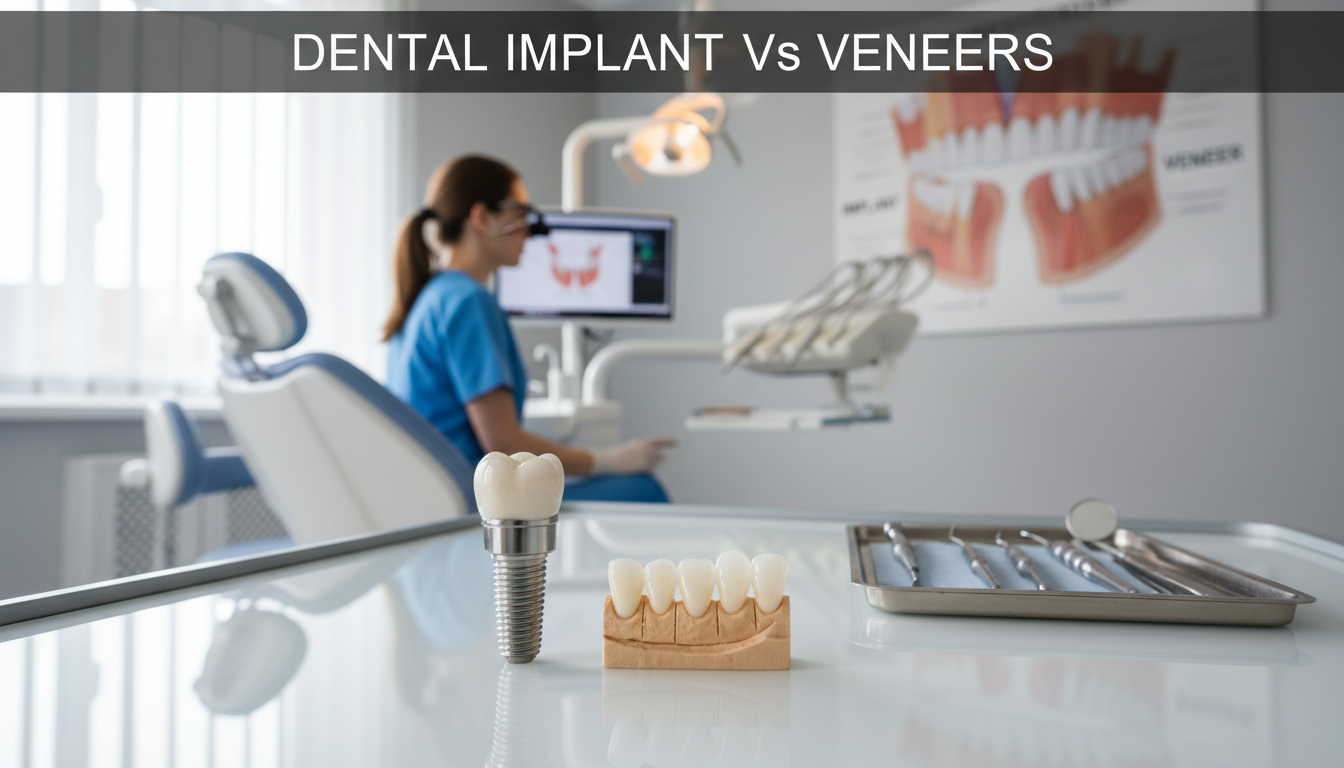
Which restoration truly matches your goals: long-term function or instant cosmetic change? Choosing between these two options is a major decision that affects both oral health and the look of your smile.
This short guide clarifies the fundamental differences so readers can weigh practical benefits and aesthetic outcomes. It explains how each treatment impacts chewing, maintenance, and longevity.
Readers will learn key contrasts between dental implants veneers and more conservative coverings, plus real-world factors that shape long-term satisfaction.
The tone is compassionate and clear, aimed at helping adults—especially those facing health challenges—make confident choices. By comparing implants vs. veneers side by side, the guide supports informed, personalized decisions that fit lifestyle and medical needs.
Key Takeaways
- Understand how each option affects function, care, and lifespan.
- Consider medical history and long-term goals before choosing.
- Durability often favors one route, while appearance may favor the other.
- Maintenance needs and costs differ—plan for both.
- Consultation with a trusted clinician helps align treatment with values.
Understanding the Basics of Dental Implant Vs Veneers
Choosing between a structural repair and a cosmetic cover hinges on what you need your teeth to do.
Maintaining good dental health often means picking between restorative implants and cosmetic veneers. Implants are built to replace missing teeth and restore chewing and jaw support. Veneers are thin shells that improve the front surface and overall appearance of existing teeth.
Patients should consider medical status and the condition of natural teeth when weighing these options. One path replaces the entire tooth structure, offering a long-term solution. The other preserves more enamel and focuses on immediate aesthetic change.
Both treatments can transform a smile, but they serve different purposes. Discussing function, upkeep, and goals with a clinician helps identify which treatment aligns with long-term health and lifestyle.
| Feature | Implants | Veneers |
|---|---|---|
| Main purpose | Replace missing teeth | Improve front surface appearance |
| Effect on tooth structure | Replaces root and crown | Covers front only |
| Typical benefit | Restores function and jaw health | Quick cosmetic enhancement |
| Considerations | Overall health and bone support | Condition of existing enamel |
What Are Dental Implants
A reliable tooth replacement does more than restore appearance—it supports the jaw and preserves facial structure.
The Surgical Process
An implant begins as a titanium post surgically placed into the jawbone. Over weeks to months, osseointegration lets the bone fuse to the post. This creates a stable foundation for a custom crown that looks and acts like a natural tooth.
The procedure can vary by need. For single missing teeth, one post may suffice. For full-arch restorations, systems such as Hybridge often use five or six posts to support a fixed set of teeth.
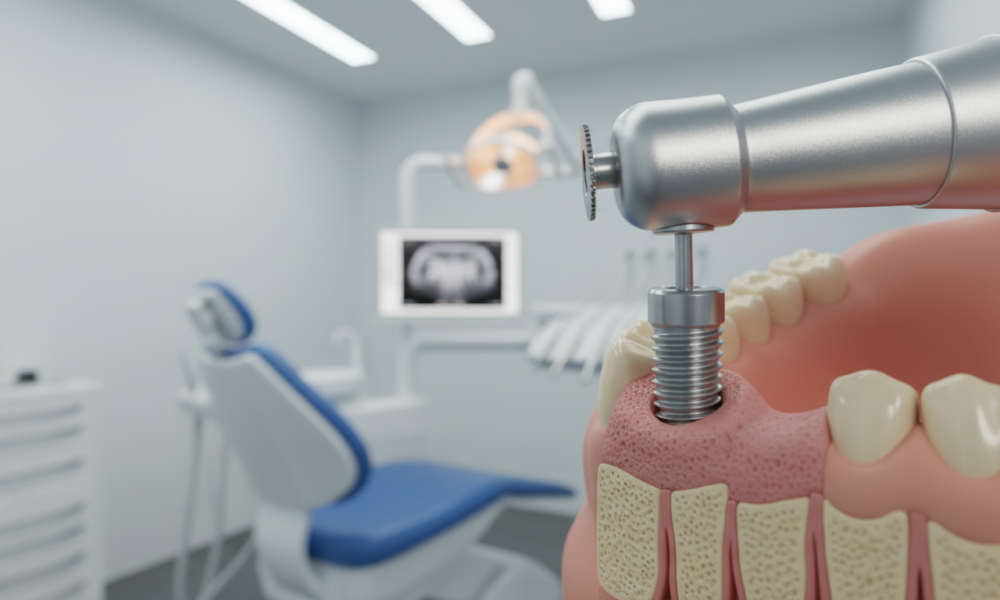
Benefits for Jawbone Health
By stimulating the jawbone, implants slow the bone loss that follows tooth loss. That preserves facial contours and supports the gums and surrounding teeth.
Long-term care matters: with proper hygiene and regular visits, implants can last a lifetime and prevent many common bone-related issues. For many patients facing complex oral problems, this replacement offers the most durable and functional option available.
The Role of Dental Veneers in Cosmetic Dentistry
Thin porcelain shells can transform a smile quickly, masking chips, stains, and small gaps with a conservative approach.
These shells are custom-made and bonded to the front of teeth to improve appearance. They hide discoloration, repair small chips, and close minor gaps without replacing the underlying tooth structure.
The application process involves removing a small amount of enamel so the shell sits flush and looks natural. Because some natural enamel is altered, the change is permanent—so a careful consultation is essential.
Porcelain options resist common stains from coffee, tea, and red wine, and they keep their color longer than many restorative materials. For healthy teeth that need cosmetic refinement, this approach offers a fast route to a uniform, bright smile.
Patients choose this option when the goal is to improve appearance without surgery. Discuss risks, upkeep, and realistic outcomes with a trusted clinician before proceeding.
- Thin, custom shells bonded to front surfaces
- Minor enamel removal for fit and natural look
- Porcelain resists stains and maintains color
Key Differences in Procedure and Longevity
Knowing how each treatment is done and how long it lasts helps people pick the option that fits their life.
The surgical route replaces a missing tooth root with a metal post and finishes with a crown. This process restores full chewing function and protects the jawbone from shrinking over time.
By contrast, thin shells cover the front of existing teeth to change appearance. That cosmetic process removes a little enamel but avoids major surgery.
Longevity differs: shells usually need replacement after about 10–15 years, while a well cared-for post and crown can serve as a lifelong solution.
Compared with removable dentures, a fixed post integrates with bone and feels stable during eating. Both paths need regular care—brushing, flossing, and dental visits—to keep results healthy and long-lasting.
- Procedure: surgical replacement versus cosmetic covering.
- Longevity: years versus lifelong solution.
- Function: restores chewing and bone support versus focuses on look.
Comparing the Pros and Cons of Each Treatment
Choosing between a long-term restorative route and a quick aesthetic fix involves clear trade-offs in function, cost, and care.
Dental Implant Advantages
Implants replace a missing tooth permanently, offering a stable crown that restores chewing and supports the jawbone. This titanium‑rooted solution helps preserve facial structure and nearby gums.
Dr. Brett Voegele notes that implants prioritize function first and appearance second. With good home care and regular visits, they can last a lifetime.
Veneer Aesthetic Benefits
Veneers provide fast cosmetic improvement. Porcelain shells cover chips, stains, and small gaps to create a uniform smile.
Porcelain resists stains from coffee, tea, and red wine, so color stays stable. The process is less invasive and often faster than surgical routes.
Potential Risks and Drawbacks
Veneers require irreversible enamel removal, which can increase sensitivity and mean future replacements. They are more prone to chipping or staining than a robust crown.
Implants demand a surgical process, higher upfront cost, and good bone support. Not every patient qualifies right away; some need bone grafting or longer procedures.
“Patients must weigh long-term stability against the desire for a quick cosmetic fix.”
- Consider: function and longevity versus speed and appearance.
- Cost and process: surgery and recovery versus a quicker office procedure.
- Care: both require maintenance, but their needs differ.
Factors to Consider When Choosing Your Restoration
Deciding which restoration fits your life depends on damage level, jaw support, and cosmetic goals.
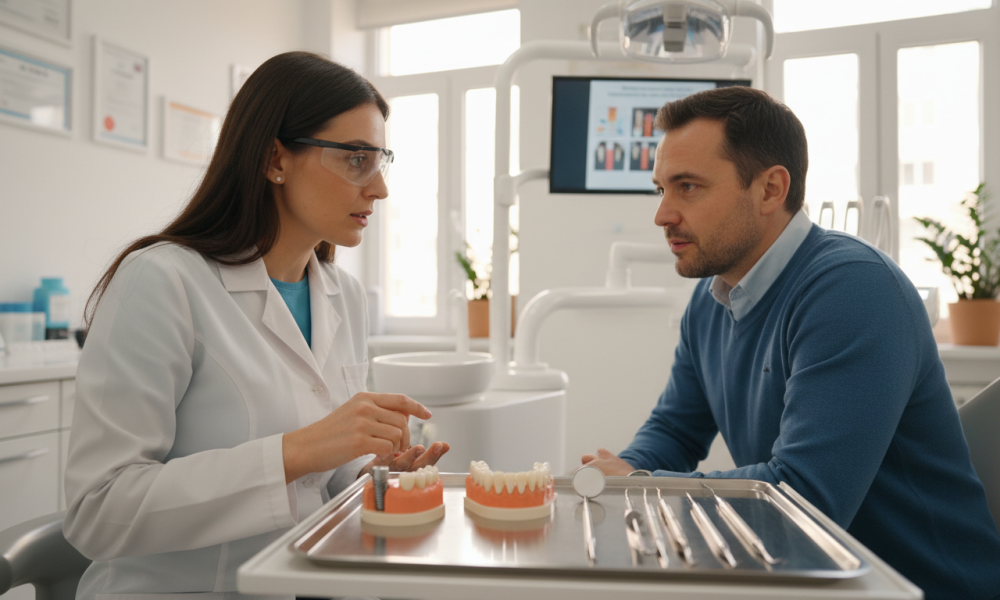
Start with the extent of damage. For major issues that affect root or bone, dental implants often provide the best long-term solution. For small chips and surface flaws, veneers offer a quick way to improve appearance.
Dental Implant Advantages
Implants restore chewing and can stabilize the jawbone, helping prevent shifting and bite changes. A single dental implant supports a crown and can last for many years with proper care.
Veneer Aesthetic Benefits
Veneers and dental veneers create a uniform front surface. Lumineers are half as thick as traditional porcelain options and feel less invasive when minimal enamel change is desired.
Potential Risks and Drawbacks
Consider recovery time, cost, and future upkeep. Veneers may need replacement after many years, while implants require surgery and sufficient bone. Both need good oral hygiene to protect dental health and preserve results.
| Factor | Implants | Veneers |
|---|---|---|
| Best for | Missing tooth, bone support, bite stability | Chips, stains, minor gaps |
| Longevity | Long-term (with care and crown maintenance) | 10–15 years typical |
| Invasiveness | Surgical, may need grafting | Conservative; some enamel removal |
| Material | Titanium post + crown | Porcelain or composite shell |
Can You Combine Implants and Veneers
When missing and damaged teeth coexist, a blended treatment often gives the best long-term result.
Yes — it is entirely possible to combine dental implants with veneers to rebuild both function and smile aesthetics. An implant can replace a missing tooth while shells are placed on adjacent teeth to match shape and color.
That combined approach restores structural integrity and improves surface appearance at once. Many patients report the most natural-looking results when a single lost tooth is replaced and nearby teeth receive cosmetic refinement.
- A clinician will evaluate bone, bite, and enamel before planning the sequence of work.
- Often, clinicians place the structural post first, then finish with shells on neighboring teeth.
- This integrated pathway ensures every tooth in the smile is optimized for form and function.
Modern practice offers flexibility—patients do not always have to choose one path. With careful planning, implants and veneers work hand in hand to deliver a durable, attractive result.
Conclusion
Conclusion
Choosing between these options is a personal decision that depends on your goals, health, and daily life.
For missing teeth, implants often offer a long-term solution that supports bone and bite. For surface flaws, veneers improve appearance quickly and conserve remaining enamel.
Both treatments need proper care and regular visits to last for many years. Porcelain shells resist stains, and a stable post can preserve facial structure when bone is healthy.
Discuss all options with a qualified clinician to weigh risks, benefits, and costs. Whether you choose implants, veneers, or a combined plan, the aim is a healthy, confident smile that serves you well.
FAQ
What is the main difference between an implant and a veneer?
An implant replaces a missing tooth by anchoring a titanium post into the jaw and attaching a crown, restoring function and supporting bone. A veneer is a thin porcelain shell bonded to the front of a natural tooth to change its color, shape, or size—primarily a cosmetic fix rather than a replacement.
Which option is better for restoring chewing and bite function?
For restoring full chewing strength and bite stability, a properly placed implant with a crown is usually superior. It acts like a natural tooth root, supports surrounding teeth, and helps preserve bone, making it the preferred choice for functional replacement.
Can a veneer fix gaps, chips, or stains?
Yes. Veneers are commonly used to close small gaps, repair chips, and cover intrinsic stains that whitening cannot remove. They provide immediate aesthetic improvement with minimal reshaping of the visible tooth surface.
How long do implants and veneers typically last?
Implants can last 15–30 years or longer with good care, since the titanium post is durable and the crown can be replaced if needed. Porcelain veneers usually last 10–15 years depending on habits, oral hygiene, and maintenance.
Is surgery required for implants, and is it painful?
Yes, implants require oral surgery to place the titanium post into the jawbone. Most patients receive local anesthesia and often sedation; discomfort is manageable with prescribed pain relief and usually subsides within a few days to a week.
Do veneers harm natural tooth enamel?
Veneer placement involves removing a thin layer of enamel to create room for the shell. This is permanent—once enamel is reduced, the tooth will always need a restoration such as a replacement veneer or crown to protect it.
Who is a good candidate for an implant?
Good candidates have a missing tooth or teeth, adequate jawbone volume, healthy gums, and no uncontrolled medical conditions that impair healing. A dentist or oral surgeon evaluates bone health—sometimes bone grafting is recommended before placement.
Who should consider veneers instead of a replacement option?
People with healthy teeth who want to improve the appearance—fixing discoloration, minor misalignment, or shape issues—are ideal candidates. Veneers are not suitable when teeth are severely decayed, broken, or missing.
Can implants prevent jawbone loss?
Yes. The implant post stimulates the jawbone much like a natural root, reducing the bone resorption that occurs after tooth loss. This helps maintain facial structure and supports long-term oral health.
Are there important risks or complications to consider?
Both treatments carry risks. Implants can have surgical complications, infection, or implant failure if osseointegration fails. Veneers risk sensitivity, color mismatch, chipping, or the need for future replacement. A consultation will outline patient-specific risks.
How do cost and insurance typically compare?
Implants are generally more expensive up front due to surgery, materials, and possible grafting. Veneers cost less per tooth but may require replacement over time. Many dental plans limit coverage for cosmetic treatments, so patients should check benefits and financing options.
Can someone combine an implant and a veneer as part of one plan?
Yes. Treatment plans often combine restorations—implants replace missing teeth while veneers improve the appearance of remaining teeth for a cohesive smile. A prosthodontist or cosmetic dentist coordinates staged treatments for function and aesthetics.
How should patients care for implants and veneers long-term?
Good oral hygiene—brushing twice daily, flossing, and regular professional cleanings—protects both. Avoid hard foods, nail-biting, and using teeth as tools. Night guards help if grinding is an issue. Regular dental check-ups monitor the restoration and surrounding tissue.
What factors should guide the treatment decision?
Consider the clinical need (replacement vs. cosmetic), oral health, jawbone condition, budget, longevity expectations, and lifestyle. A thorough exam, X-rays, and a discussion of goals with a dentist will determine the best personalized plan.
Related guides
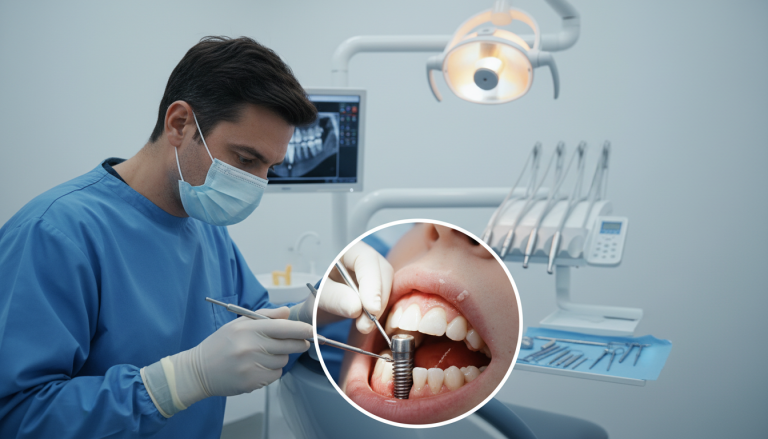
How Long Does a Dental Implant Procedure Take?
Curious if the journey to a restored smile will fit your life? Many patients wonder about the full…

Best Hair Transplant in Istanbul,Turkey
Could one clinic end years of worry and restore your confidence with a clear, tailored plan?Dr. Serkan Aygin…

What is Zygomatic Dental Implant?
Could anchoring into the cheekbone restore a confident smile when the upper jaw can’t?Zygomatic dental implants offer an…