
Breast Lift Surgery
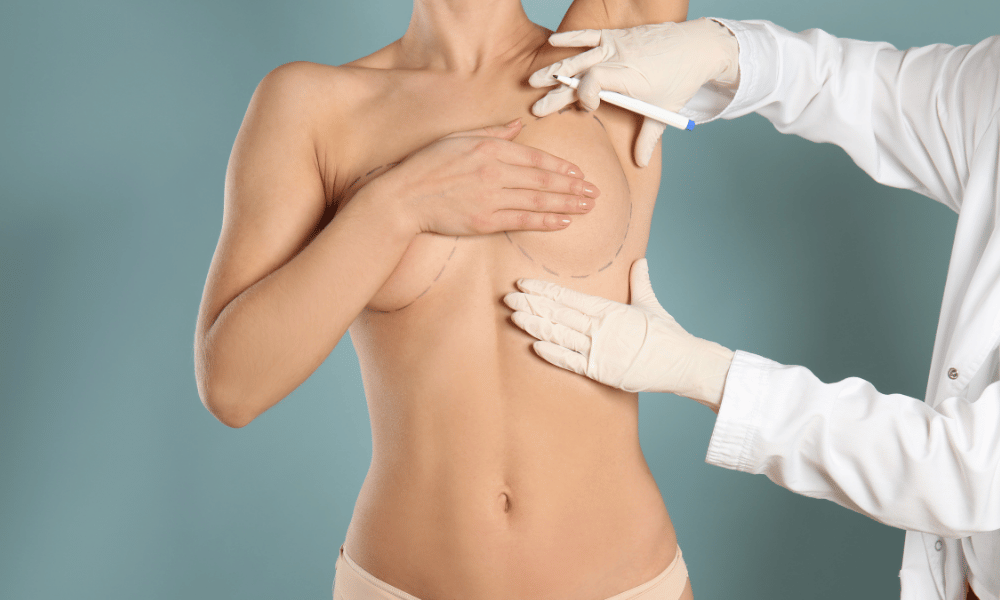
A breast lift (mastopexy) is a surgical procedure that reshapes and elevates sagging breasts to create a firmer, more youthful contour. It treats loss of elasticity, drooping, and low nipple position commonly caused by aging, pregnancy, weight changes, or genetics. Many patients also choose to have a breast lift abroad to access experienced, board-certified surgeons and reputable clinics at a lower cost.
Rediscover Your Youthful Shape: A Guide to Breast Lift Surgery Abroad
Has time, gravity, or life changes left your breasts less firm or lifted than you’d like? A breast lift — also called mastopexy — is a surgical procedure that restores a higher, firmer breast position and can improve nipple placement and overall shape. Beyond appearance, many patients report a meaningful boost in confidence after the procedure.
For many people, accessing a breast lift through medical tourism makes this treatment more affordable without sacrificing quality. Top international clinics often offer experienced, board-certified surgeons and modern facilities at prices lower than in the USA or Western Europe. This guide explains what to expect from the procedure, how to choose a safe clinic abroad, typical costs and recovery, and practical planning tips so you can make an informed decision.
What you’ll learn in this guide: the types of breast lift techniques, candidate criteria, recovery timeline, potential risks and benefits, and how to compare international clinics and costs — all aimed at helping you plan a safe, confident path to improved breast shape.
Why Choose Medical Tourism for a Breast Lift?
Medical tourism for a breast lift can provide meaningful savings, access to experienced surgeons, shorter wait times, and an opportunity to recover in a comfortable, private setting — combining your procedure with travel and dedicated post-op care.
Many patients choose a breast lift abroad because reputable international clinics often offer modern facilities and board-certified surgeons at prices lower than in the USA, Canada, or the UK. As shown later in this guide, cost differences can be substantial, but quality and safety should remain your top priorities.
Other advantages include typically shorter scheduling times and greater privacy for those who prefer discretion. Some clinics provide complete packages — surgery, accommodation, and recovery support — which can simplify planning and help ensure a smoother recovery.
Quick checklist before you book: accreditation (e.g., JCI), surgeon credentials and breast lift experience, what the package includes (anesthesia, hospital stay, follow-up), clear written pricing, and post-op follow-up plans.
Is a Breast Lift Abroad a Safe Option?
A breast lift performed abroad can be safe when you choose an accredited facility, confirm the surgeon’s credentials, and follow all pre- and post-operative instructions. Diligent research and clear communication with your care team are essential to reduce risk.
Safety depends on the same factors as any breast surgery: facility standards, surgeon experience, sterile technique, and proper pre-op assessment. Look for internationally recognized accreditation (for example, JCI — Joint Commission International), ask whether the surgeon is board-certified in their country, and review before-and-after photos and patient testimonials.
Recommended verification steps include requesting the surgeon’s CV, asking about complication and revision rates, confirming anesthesia and emergency protocols, and ensuring there is a clear plan for post-op follow-up. If anything is unclear or a clinic avoids providing specifics in writing, treat that as a red flag.
How Do I Select the Best International Clinic for My Breast Lift?
To choose the best international clinic for your breast lift, verify accreditation (for example, JCI), confirm the surgeon’s experience with breast lift procedures, read patient reviews and before‑and‑after photos, compare what each package includes, and ensure clear communication and reliable post‑operative support.
Selecting the right surgeon and facility is the most important decision you’ll make. Ask whether the surgeon is board‑certified in their country and how many breast lift procedures they perform annually. Request the surgeon’s CV, facility accreditation details, and patient references or testimonials specific to the breast lift procedure.
Review package contents carefully — does the price include the consultation, anesthesia, operating room fees, hospital stay, follow‑up visits, and any required dressings or drains? Confirm written policies on complications, revisions, and what follow‑up care looks like once you return home. Good communication, transparent pricing, and clear post‑op plans are hallmarks of reputable providers.
Pre‑consultation checklist to request: surgeon CV, before/after photos, facility accreditation, itemized quote, anesthesia protocol, expected recovery timeline, and a written post‑op follow‑up plan.
What’s the Recovery Experience Like When Traveling for a Breast Lift?
Recovering from a breast lift while traveling means resting in a comfortable, pre-arranged accommodation, following your surgeon’s post-op instructions, and having clear access to follow-up care. Plan to avoid strenuous activity and allow sufficient time before flying home.
Typical recovery after a breast lift includes initial swelling, bruising, and soreness that improve over days to weeks. Many surgeons advise staying in the destination country for about 7–14 days before flying, though the exact recommendation depends on your individual healing, whether drains were used, and your surgeon’s guidance.
Common recovery milestones: most patients return to light, non‑strenuous work in 1–2 weeks; sutures are often removed within 1–2 weeks; avoid heavy lifting and vigorous exercise for 4–6 weeks. Swelling and final contour can take several months to settle. Ensure you have travel insurance that covers medical complications and confirm who handles any required follow‑up once you return home.
Travel checklist for recovery: comfortable loose clothing, surgical/support bra, prescribed medications, contact details for your surgeon, written post‑op instructions, and a travel companion to assist during the first 48–72 hours.
How Much Does a Breast Lift Cost Globally, and How Can I Save?
The cost of a breast lift varies widely worldwide — commonly from about $3,000 to $15,000+ — and choosing medical tourism can often reduce your out‑of‑pocket expense while still giving access to experienced surgeons and accredited facilities.
Price depends on the country, the clinic’s reputation, the surgeon’s experience, the complexity of the procedure, and what the package includes (operating room, anesthesia, hospital stay, and follow‑up). In many Western countries, breast lift surgery commonly ranges from $6,000 to $15,000+, while medical tourism destinations often offer lower base prices — see the comparison table below for typical ranges.
Keep in mind that the quoted procedure cost may not include travel expenses, accommodation, meals, or travel insurance. When comparing options, ask for an itemized quote that lists exactly what’s covered and whether post‑op complications or revisions are included or billed separately.
Tip to save safely: compare multiple accredited providers, prioritize surgeon experience over lowest price, and factor in all travel-related costs (flights, lodging, companion expenses, and insurance) to calculate a realistic total. For patients considering combined procedures (for example, a breast lift with augmentation using implants), bundled pricing may offer better value but confirm implant type and warranty details.
| CountryEstimated Breast Lift Cost (USD)Typical Savings vs. USA | ||
| United States | $6,000 – $15,000+ | (Baseline) |
| Mexico | $3,500 – $7,000 | 40-60% |
| Turkey | $3,000 – $6,500 | 50-70% |
| Colombia | $4,000 – $7,500 | 35-55% |
| Thailand | $4,500 – $8,000 | 30-50% |
Note: These are estimated ranges intended for comparison; actual quotes depend on individual needs, surgeon fees, implant choice (if combined with breast augmentation), and facility. Ask each provider for an itemized, dated quote and verify what’s covered.
What Exactly is a Breast Lift (Mastopexy)?
A breast lift (mastopexy) is a surgical procedure that removes excess skin, tightens the surrounding breast tissue, and repositions the nipple and areola to a higher, more youthful location—creating a firmer, elevated breast contour.
Breast ptosis (sagging) can result from aging, gravity, pregnancy and breastfeeding, significant weight changes, or genetics. During a lift, the surgeon reshapes the underlying breast tissue, trims excess skin, and moves the nipple and areola to improve position and symmetry while preserving as much healthy breast tissue as possible.
A mastopexy is primarily intended to improve breast shape and position rather than substantially increase size. For patients who want more volume in addition to lift, surgeons may recommend combining a breast lift with breast augmentation using implants. Your surgeon will explain the trade‑offs between reshaping existing breast tissue and adding implants to achieve your desired projection and overall shape.
Who is an Ideal Candidate for Breast Lift Surgery?
Ideal candidates for a breast lift are healthy, non‑smoking women with realistic expectations who have sagging breasts (ptosis) and want a more elevated, youthful breast appearance without necessarily increasing size.
You may be a good candidate if your breasts have lost firmness or volume, look elongated or flattened, or have nipples that sit below the breast crease or point downward. Common causes include pregnancy and breastfeeding, aging, significant weight loss, or genetics.
Beyond physical signs, candidates should be in general good health, maintain a stable weight, and have realistic goals. If you plan future pregnancies, consider delaying surgery until after childbearing, and if you recently breastfed, wait until breast size and shape have stabilized—typically several months. Discuss smoking cessation (surgeons commonly ask patients to stop smoking at least 4–6 weeks before surgery) and any medical conditions with your surgeon during consultation.
What Are the Different Types of Breast Lift Procedures?
Breast lift techniques vary according to the degree of sagging and the desired outcome. Common approaches include periareolar (donut), vertical (lollipop), inverted‑T (anchor), crescent lifts, and combined lifts with implants — each using different incision patterns to reshape breast tissue and reposition the nipple‑areola complex.
Surgeons choose a technique based on ptosis severity, the amount of excess skin, and your aesthetic goals. Typical options include:
- Periareolar Lift (Donut): Incision is made around the areola. Best for minimal sagging; it can subtly lift the breast and allow modest areola reduction with relatively limited scarring around the areola.
- Vertical Lift (Lollipop): Incisions circle the areola and run vertically to the breast crease. Suited for moderate sagging, it provides more reshaping and projection with a vertical scar that typically fades over time.
- Inverted‑T Lift (Anchor): Combines the vertical incision with a horizontal scar in the breast crease. Used for significant sagging and excess skin removal; offers the most reshaping but results in longer scars concealed in natural folds.
- Crescent Lift: A small incision along the upper edge of the areola. Appropriate for very mild sagging or slight nipple repositioning; scarring is minimal.
- Combined Lift with Implants: For patients seeking both uplift and added volume, a breast lift can be performed with breast augmentation using implants. Discuss implant type, size, and placement with your surgeon, since combining procedures affects incision choice, scarring, and recovery.
Expected scarring and visibility differ by technique: periareolar and crescent approaches generally produce less visible scars, while vertical and inverted‑T incisions provide greater reshaping at the cost of longer scars. During your consultation, your surgeon will recommend the incision pattern that matches your degree of sagging and desired shape, explain scar placement, and review expected recovery for the chosen procedure.
What Should I Expect During Breast Lift Recovery?
Post-breast lift, expect swelling, bruising, and discomfort that are managed with prescribed pain medication and supportive garments. You’ll wear a surgical or support bra, avoid strenuous activity for several weeks, and follow a staged return to normal routines — with full healing taking several months.
Immediately after surgery your breasts will be bandaged and supported. Typical early symptoms include pain, soreness, bruising, and swelling; these improve over days to weeks and can be controlled with medication and rest. Some surgeons place drains to prevent fluid buildup; if used, they are usually removed within a few days.
Recovery milestones to expect: most patients return to light, non‑strenuous work within 1–2 weeks; sutures are commonly removed around 1–2 weeks; avoid heavy lifting and vigorous exercise for at least 4–6 weeks. Swelling and final breast shape continue to refine over several months. Follow‑up visits are important to monitor healing and address any concerns promptly.
Care tips: wear the recommended support bra day and night as instructed, keep incisions clean and out of direct sun to reduce scar darkening, take prescribed medications, and contact your surgeon if you have increasing pain, fever, or unusual drainage.
What Are the Potential Benefits of Breast Lift Surgery?
A breast lift can restore a firmer, more elevated breast appearance, improve symmetry, and help clothing fit better—often giving patients a meaningful boost in confidence and body image.
Beyond cosmetic changes, many patients report improved self‑esteem and greater comfort in everyday activities and clothing choices after their breast lift. The procedure reshapes existing breast tissue and repositions the nipple‑areola complex to achieve a more youthful contour.
A lift can also correct asymmetry and restore a more proportionate silhouette. While results are long‑lasting, it’s important to have realistic expectations—aging, weight changes, and gravity can affect appearance over time. Discuss expected outcomes and longevity with your surgeon during consultation to match results to your goals.
Are There Any Risks or Complications Associated with a Breast Lift?
Like any surgery, a breast lift carries risks such as scarring, changes in nipple or breast sensation, asymmetry, and potential issues with breastfeeding. Careful surgeon selection and adherence to pre‑ and post‑operative instructions reduce the chance of complications.
While breast lift surgery is commonly safe, possible complications include:
- Scars: Incisions are permanent but typically placed to be as discreet as possible; scar appearance usually improves over time with proper care.
- Changes in Nipple/Breast Sensation: Temporary numbness or increased sensitivity can occur; in some cases changes may be long‑term.
- Asymmetry: Slight differences in shape or position are possible and may require revision in rare cases.
- Infection or Bleeding: Standard surgical risks; early treatment reduces long‑term problems.
- Difficulty with Breastfeeding: Many women can still breastfeed after a lift, but some experience reduced ability—discuss this if future breastfeeding is important to you.
- Poor Wound Healing: More likely in smokers or people with certain medical conditions; smoking cessation and medical optimization lower this risk.
How to reduce risks: stop smoking at least 4–6 weeks before surgery, manage medications that increase bleeding (like NSAIDs) as advised by your surgeon, maintain stable weight, and follow instructions on wound care. Ask your surgeon for their complication and revision rates and how they handle emergencies and revisions. Clear, documented expectations and a transparent post‑op plan help ensure the best possible outcome.
How Long Do the Results of a Breast Lift Typically Last?
Breast lift results are durable and can maintain an improved breast position and shape for many years—commonly around 10–15 years—though individual outcomes vary depending on aging, weight changes, future pregnancies, and gravity.
Most patients enjoy a noticeably firmer, more elevated breast contour for a decade or longer, but it’s important to understand that no surgical procedure stops the natural aging process. Over time, tissues relax and changes in weight or pregnancy can alter the breasts’ appearance.
To help preserve results, maintain a stable weight, wear supportive bras as recommended, avoid significant weight fluctuations, and follow a healthy lifestyle. If you’re considering future pregnancies, discuss timing with your surgeon since pregnancy can affect lift longevity and may warrant delaying the procedure.
Quick next steps: 1) Research accredited surgeons and clinics, 2) schedule a consultation to discuss your goals and technique options, and 3) plan recovery logistics and a realistic budget (including travel and follow‑up if having surgery abroad).
Take the Next Step with DGS Healthcare
Ready to explore safe, affordable options for a breast lift? Compare top-rated international clinics, review surgeon profiles, and get a free, personalized quote for your breast lift surgery at DGS Healthcare. Start planning your journey to renewed confidence today.