
Liposuction
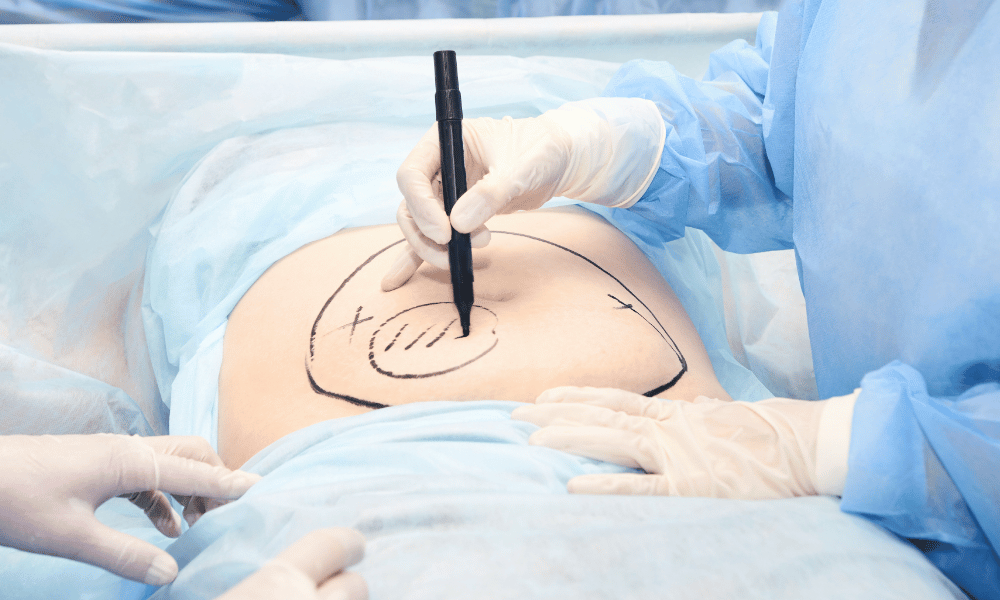
Liposuction is a cosmetic procedure that removes excess fat deposits from specific body areas to sculpt a slimmer contour when diet and exercise fall short. For many people, medical tourism can make this body-contouring treatment more accessible and cost-effective without sacrificing quality.
Contour Your Body, Not Your Wallet: Liposuction Abroad Made Easy
Dreaming of a more sculpted physique but worried about the cost? You’re not alone. Liposuction is a widely performed body contouring procedure that helps people target stubborn pockets of fat that resist diet and exercise. In many Western countries the price of the surgery can be high, which leads some patients to explore international options.
Medical tourism offers an alternative: choosing liposuction abroad can deliver comparable treatment from experienced specialists at significantly lower prices in many destinations — studies and market estimates commonly report savings of 30–60% depending on location and package. Many international clinics also focus on recovery-friendly settings so you can recuperate comfortably.
This guide explains what the liposuction procedure involves, the types of techniques available, who is a suitable candidate, and how to plan safe, affordable medical travel. We’ll also outline practical steps to compare surgeons and clinics so you can make an informed decision. If you want personalized options, consider requesting more information from a trusted facilitator like DGS Healthcare to compare clinics and get an informational quote.
What exactly is Liposuction and how does it work?
Liposuction is a surgical technique that suctions out stubborn fat cells from beneath the skin, refining body shape by targeting areas resistant to traditional weight-loss methods.
Liposuction is a cosmetic surgery procedure designed to remove localized pockets of fat and improve body contours. It is a contouring treatment—not a treatment for obesity or a substitute for diet and exercise. Common areas treated include the abdomen, flanks (love handles), thighs, buttocks, arms, neck, and chin.
Surgeons make small, discreet incisions and insert a cannula (a thin, hollow tube) into the targeted area. By moving the cannula back and forth, the surgeon dislodges fat cells, which are suctioned out using a surgical vacuum or syringe. The controlled removal of fat aims to create smoother, more proportionate contours—many patients liken the process to sculpting.
Often a tumescent solution (saline with lidocaine and epinephrine) is injected before removal. This tumescent technique helps numb the area, reduce bleeding, and make fat extraction easier. Note: lidocaine dosing and anesthetic approach vary by patient weight and the extent of the procedure; some cases use local tumescent anesthesia while others require general anesthesia. The fat cells removed do not return, but maintaining a stable weight is essential to preserve results.
What are the different types of Liposuction procedures?
Liposuction techniques vary — from traditional tumescent approaches to energy-assisted options like ultrasound and laser — each using different methods to loosen and remove fat depending on the area and goals.
Advances in cosmetic surgery have produced several procedure types, each with advantages for specific situations. The best option depends on the treatment area, the amount of fat to remove, skin quality, and whether the procedure is primary or a revision of prior surgery. Below are the most common types:
- Tumescent Liposuction (traditional liposuction): The most widely used technique. A large volume of tumescent solution (saline with lidocaine and epinephrine) is injected into the fatty tissue to numb the area, firm up fat, and minimize blood loss. A cannula (thin tube) is then used to remove fat. Tumescent liposuction is versatile and often performed under local or general anesthesia depending on the extent of removal.
- Ultrasound-Assisted Liposuction (UAL): UAL uses a specialized cannula that emits ultrasonic energy to emulsify (liquefy) fat before suction. It can be effective for dense, fibrous areas (such as the back or male breasts) and for secondary procedures where scar tissue is present. UAL may reduce surgeon effort and can improve removal in challenging areas.
- Laser-Assisted Liposuction (LAL) — e.g., SmartLipo: A laser fiber is inserted via a small incision to deliver energy that helps rupture fat cells and may stimulate some collagen production, which can aid mild skin tightening. LAL is commonly used for smaller areas and for patients seeking modest skin retraction. Note: SmartLipo is a brand name for one laser system.
- Power-Assisted Liposuction (PAL): PAL employs a mechanically vibrating cannula tip to break up fat, making removal quicker and often more precise for the surgeon. It can reduce operating time and surgeon fatigue, which may improve control during the procedure.
Quick comparison (one-line): Tumescent — versatile baseline for most areas; UAL — useful for fibrous or revision cases; LAL — best for small areas and possible skin tightening; PAL — helps speed and precision. Your surgeon will explain which type suits your anatomy, how many areas can be treated in one session, and whether general anesthesia or local/tumescent anesthesia is recommended.
Am I a good candidate for Liposuction?
Ideal candidates for liposuction are near their ideal weight, have good skin elasticity, and specific localized fat deposits, understanding it’s for contouring, not obesity.
Determining candidacy for liposuction helps ensure safety and satisfactory results. Liposuction is a cosmetic surgery for contouring specific areas of the body — it is not a treatment for obesity. The best candidates are generally healthy people who have localized fat that has not responded to diet and exercise.
Typical candidate characteristics include:
- Within a reasonable range of their ideal weight (many surgeons evaluate BMI and overall health rather than a strict percentage).
- Good skin elasticity — skin that can retract after fat removal improves contouring outcomes; poor elasticity may require additional procedures (for example, a tummy tuck).
- Good general health without uncontrolled medical conditions (e.g., uncontrolled diabetes, active heart disease, bleeding disorders) that could increase surgical risk.
- Non-smokers or individuals willing to stop smoking well before and after surgery, since smoking impairs healing.
- Realistic expectations about what the procedure can achieve — liposuction improves silhouette and removes fat in targeted areas but is not a substitute for a healthy lifestyle.
Practical pre-consult checklist: bring a list of medications and medical history, note any prior surgeries in the areas you want treated, be prepared to discuss smoking history and weight goals, and ask about your surgeon’s experience with the specific procedure type. A qualified surgeon will review your health, assess skin quality, and recommend the right liposuction approach for your anatomy and goals.
What is the recovery process like after Liposuction?
Recovery from liposuction typically involves wearing a compression garment for several weeks, managing swelling and bruising, and gradually resuming normal activities over 2-4 weeks.
Recovery after liposuction varies by person and by the extent of the procedure, but common early symptoms include discomfort, bruising, and swelling in the treated areas. Your surgeon will prescribe pain medication as needed; many patients find discomfort is manageable with short-term medication. It’s also normal to have some fluid drainage from incision sites during the first 24–72 hours as the tumescent solution and residual fluids exit the body.
Wearing a compression garment is a key part of post-op care. Most surgeons recommend continuous wear for roughly 4–6 weeks, with daytime-only wear continued for several weeks more depending on your healing and surgeon guidance. The garment reduces swelling, supports skin retraction, and helps maintain the new contour. Be sure to follow your surgeon’s specific instructions about how long and when to wear the garment.
Activity restrictions typically include light walking beginning the day after surgery to promote circulation and reduce blood clot risk. Avoid strenuous exercise, heavy lifting, and intense workouts for at least 2–4 weeks (often longer for more extensive procedures) or until your surgeon clears you. Most people can return to light work within a few days to a week, but expect swelling and some limitations for several weeks. Final swelling can take months to fully resolve.
Signs that require prompt medical attention include fever, increasing redness or pain at incision sites, sudden shortness of breath, chest pain, or unusual drainage with a foul smell. For personalized post-op guidance and a recovery plan tailored to your procedure and travel plans, discuss aftercare and follow-up options with your surgeon or clinic before booking the procedure.
What results can I expect from Liposuction?
Liposuction removes targeted fat cells to create a more sculpted contour in treated areas; initial improvement appears quickly, while final results generally emerge as swelling subsides over months.
The main result of liposuction is improved body shape and proportion in the areas treated. The fat cells removed during the procedure are gone permanently, so if you keep a stable weight the treated area typically maintains its new contour. That said, liposuction does not prevent future weight gain — remaining fat cells in treated or untreated areas can still expand if you gain weight.
You can often see visible improvement within a few weeks, but expect most swelling to resolve over 3–6 months; in some cases minor changes continue up to a year. Skin quality matters: patients with good skin elasticity generally see smoother, more defined results, while those with loose skin may notice less retraction and could require an additional procedure to address excess skin.
To help preserve your results, follow a maintenance plan that includes a balanced diet and regular exercise. Practical tips: track your weight, aim for consistent moderate exercise, and follow post-op guidance from your surgeon. Think of liposuction as a long-term tool to reshape areas of your body — not a one-time fix that replaces healthy lifestyle habits.
Why choose medical tourism for Liposuction?
Medical tourism for liposuction can offer lower prices, faster scheduling, and access to experienced specialists, while allowing patients to recover in comfortable, travel-friendly settings.
Many people consider medical tourism for elective procedures like liposuction because of the potential for significant cost savings and shorter wait times. In several popular destinations, comparable treatment and surgical care can be available at a fraction of the price charged in the US, UK, or Canada. These savings often make treatment accessible for patients who might otherwise delay or forego surgery.
Beyond price, medical tourism provides access to internationally trained surgeons and clinics that specialize in cosmetic procedures. Many facilities maintain high standards of health and safety and hold international accreditation—look for recognized credentials (for example, JCI) when comparing providers. That said, it’s important to balance benefits with risks: verify surgeon qualifications, read independent reviews, and confirm post-op care and follow-up before booking.
Finally, medical travel can let you combine recovery with a restful getaway — recuperating in a calm, scenic setting may help your overall experience. If you’re considering this option, start by comparing surgeons, clinics, and accreditation, and ask about treatment packages that include recovery logistics so you can plan safely and confidently.
What are the best countries for affordable Liposuction, and how do costs compare?
Countries like Mexico, Turkey, Thailand, Colombia, and South Korea are popular for affordable liposuction and for offering a range of surgical expertise and facility options that suit international patients.
Many people choose medical tourism for liposuction because several countries offer high-quality procedures at substantially lower prices than in North America or Western Europe. Lower operating costs, favorable exchange rates, and clinics that specialize in international patient care help make these destinations competitive.
Popular destinations and strengths:
- Mexico: Convenient for North American patients, with many clinics offering packages and short travel times.
- Turkey: Known for experienced surgeons and advanced clinics that perform high volumes of cosmetic procedures.
- Thailand: A leader in medical tourism with well-established infrastructure, hospitality, and recovery-focused facilities.
- Colombia: Growing reputation for skilled plastic surgeons, particularly in cities like Medellín and Bogotá, with competitive pricing.
- South Korea: Global hub for aesthetic surgery offering cutting-edge techniques and specialist surgeons, often favored for facial and refined contouring work.
Cost comparison (general estimates, per treated area):
| CountryAverage Liposuction Cost (USD)Typical Savings vs. USA | ||
| USA | $3,500 – $8,000+ (per area) | – |
| Canada | $3,000 – $7,000+ (per area) | Up to 20% |
| UK | $4,000 – $9,000+ (per area) | – |
| Mexico | $2,000 – $4,500+ (per area) | 30% – 60% |
| Turkey | $2,500 – $5,500+ (per area) | 30% – 50% |
| Thailand | $2,000 – $5,000+ (per area) | 40% – 60% |
*Estimates only — costs vary by number of areas treated, the surgeon’s experience, clinic facilities, and the exact procedure type. “Per area” typically refers to a single treatment zone (for example, one thigh or the abdomen). For multi-area procedures or package pricing (surgery + accommodation + transfers), request a detailed quote and confirm what is included.
How to ensure safety and quality when getting Liposuction abroad?
Ensuring safety abroad involves verifying clinic accreditation (JCI), researching surgeon credentials and experience, reading patient reviews, and having clear communication regarding aftercare.
Patient safety should be the top priority when considering medical travel for liposuction. Start by checking the clinic’s accreditation and licensing — international accreditations such as Joint Commission International (JCI) are a strong indicator of standardized care, though reputable regional or national accreditations may also apply. Confirm the facility’s infection-control policies and whether it follows recognized surgical safety protocols.
Thoroughly vet your surgeon: verify board certification, relevant training in cosmetic surgery, years of experience, and before-and-after photo galleries for the specific procedure type. Ask for license numbers and check them against regional medical boards when possible. Request a virtual consultation to discuss your goals, expected blood loss management, anesthesia plan, and the surgeon’s complication rates.
Insist on a clear aftercare plan: confirm post-op follow-up frequency, who to contact in an emergency, telemedicine options once you return home, and how medical records will be transferred. Ask about liability, cancellation policies, and whether the clinic provides or recommends medical travel insurance. A concise verification checklist can help — accreditation, surgeon credentials, independent patient reviews, before/after photos, infection rates or safety statistics, and a written aftercare plan.
What should I consider when planning Liposuction travel?
Planning liposuction travel requires budgeting for treatment and travel, understanding visa requirements, arranging accommodations for recovery, and coordinating with your chosen clinic for logistical support.
Medical travel for a cosmetic procedure requires more planning than a typical vacation. Build a realistic budget that includes the procedure cost, flights, accommodation (pre- and post-op), local transport, meals, and any follow-up visits. Factor in extra days for recovery — clinics typically advise staying on-site for several days to a few weeks depending on the extent of the procedure.
Practical timeline (example): pre-op consult and tests → travel day → procedure day → immediate recovery (2–3 days) → short-term recovery (7–14 days) with follow-up checks → return home with remote follow-up. Exact timing depends on your surgeon’s advice and the type of procedure.
Packing checklist and logistics: bring prescription medications, copies of medical records, photos of the areas you want treated, a compression garment if provided or recommended, and comfortable clothing. Check visa requirements well in advance, and review travel insurance policies — many plans exclude elective surgery, so confirm coverage for medical emergencies or consider specialized medical travel insurance. Arrange quiet, comfortable accommodation for recovery and consider a travel companion to help with errands and support during the first days after surgery.
Before you book, coordinate with the clinic about post-op care, expected days off work, and how follow-up care will be handled once you return home. Clear communication and a written aftercare plan will help you manage recovery and travel safely.
What are the benefits of using a medical tourism facilitator like DGS Healthcare?
DGS Healthcare simplifies medical travel by connecting you with accredited clinics, providing cost comparisons, assisting with logistics, and ensuring a seamless, stress-free experience for liposuction abroad.
Coordinating an international procedure can be time-consuming and confusing. A facilitator like DGS Healthcare helps streamline the process so you can focus on your health and recovery. They act as an intermediary between you and the clinic, helping to translate medical options into clear, comparable choices.
Typical services facilitators provide include:
- Vetting clinics and surgeons and sharing verified credentials so you can compare surgeon experience and procedure results.
- Providing transparent cost comparisons and package options that may include the procedure, accommodation, and transfers.
- Helping with logistics: scheduling consultations, arranging travel, and coordinating post-op follow-up and telemedicine where available.
- Offering language support and local recommendations for recovery-friendly accommodations and care.
A good facilitator makes it easier to compare surgeons, procedures, and expected results while reducing administrative burden. Before relying on any service, ask how they vet clinics and surgeons, what guarantees or policies they offer, and whether they provide documented aftercare support so you have confidence in your treatment plan.
Are there any specific risks or complications with Liposuction?
While generally safe, liposuction carries potential risks like infection, fluid accumulation, contour irregularities, numbness, and allergic reactions, which are discussed during consultation.
Like any surgery, liposuction involves risks. Serious complications are uncommon when the procedure is performed by an experienced surgeon in an accredited facility, but it’s important to understand possible outcomes and know when to seek help.
Common, usually temporary risks:
- Swelling and Bruising: Expected after the procedure and typically improve over weeks to months.
- Pain and Discomfort: Managed with prescribed medications; most patients report that pain subsides significantly within days to a few weeks.
- Numbness or Altered Sensation: Temporary numbness is common and usually resolves, but in rare cases altered sensation can persist.
- Fluid Accumulation (Seroma): Pockets of fluid can develop and may require drainage in the clinic.
Less common but serious complications:
- Infection: Rare with sterile technique and antibiotics, but may require treatment if it occurs.
- Contour Irregularities: Unevenness, dimpling, or lumpiness can result from uneven fat removal or poor skin elasticity; revision procedures may be necessary.
- Skin Necrosis: Very rare—tissue loss can occur in severe cases, often linked to overly aggressive removal or compromised blood flow.
- Internal Organ Injury or Fat Embolism: Extremely rare but serious. Fat embolism occurs when fat enters the bloodstream and can travel to the lungs or brain; internal organ injury can result from overly deep instrumentation. Both require emergency care.
When to seek emergency care: call your surgeon or local emergency services if you have fever, increasing redness, sudden worsening pain, heavy or foul-smelling drainage, sudden shortness of breath, or chest pain. During your consultation, ask your surgeon about reported complication rates, how they manage bleeding and anesthesia, and what emergency protocols are in place.
Choosing a board-certified surgeon and an accredited clinic reduces risks. Your surgeon will review your medical history, discuss anesthesia options (including whether general anesthesia is needed), and outline expected outcomes and safeguards so you can make an informed decision.
How long do Liposuction results last?
Liposuction results are permanent in the sense that removed fat cells do not regenerate, but keeping a stable weight and a healthy lifestyle is essential because remaining fat cells can still enlarge and alter contours over time.
When fat cells are removed from a treated area, those particular cells are gone long-term. For many patients, this means the improved contour in the treated areas is durable. However, liposuction does not stop aging or prevent future weight gain — any significant weight gain can cause remaining fat cells to expand or lead your body to store fat in untreated areas, changing your overall proportions.
Timeline expectations: you’ll often notice visible improvement within weeks, but final results typically emerge as swelling subsides over roughly 3–6 months; subtle refinements can continue up to a year. Skin elasticity and the specific procedure type (and anesthesia used) influence how well skin conforms to the new contours.
To help maintain results long-term, adopt a simple maintenance routine: follow a balanced diet, aim for regular exercise (cardio + strength training), track your weight, and adhere to your surgeon’s post-op recommendations. Think of liposuction as a durable tool to reshape specific areas — ongoing healthy habits are what preserve those results over months and years.
Take the Next Step with DGS Healthcare
Interested in liposuction abroad? Explore accredited international clinics, compare procedure options and transparent pricing, and request a free, personalized quote or consultation. Ask about recovery support, compression garment guidance, and recommended post-op care so you can plan your trip with confidence.