
Kidney Cancer
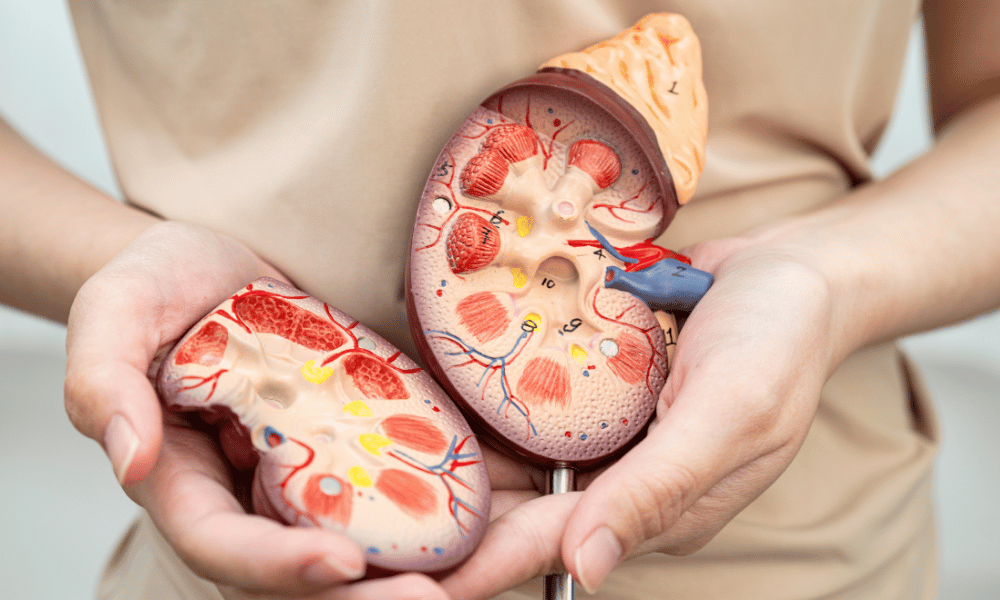
This overview introduces kidney cancer and explains why some patients consider treatment abroad: to access high-quality care, advanced procedures, and often lower costs or shorter wait times. Typical treatment approaches for many localized kidney cancers include surgical removal (nephrectomy), and in selected cases systemic options such as targeted therapy or immunotherapy are added—treatment is individualized based on the cancer’s type and stage. If you consider care overseas, verify hospital accreditation and surgeon credentials to ensure safe, continuous care.
Navigating Kidney Cancer: Your Guide to Advanced Treatment Abroad
A diagnosis of kidney cancer can be overwhelming. This guide is written to help you — whether you’re just beginning to recognize symptoms or actively researching treatment options — and to explain when pursuing care abroad may be a sensible option. We cover key topics: recognizing symptoms, understanding causes and risk factors, the main types of kidney cancer, treatment approaches, recovery expectations, and practical steps for medical travel.
How to use this guide: start with the sections on symptoms and diagnosis if you’re newly concerned; jump to treatment options and recovery if you already have a diagnosis; and read the logistics and safety sections when considering care overseas. If you want immediate next steps, request a specialist consultation and gather your medical records (imaging, pathology, and reports) to share with any international clinic for a preliminary assessment.
What are the Symptoms of Kidney Cancer?
Many early kidney cancers cause no symptoms and are found incidentally on imaging. When symptoms occur, common warning signs include blood in the urine, persistent flank or back pain, unexplained weight loss, fatigue, or a palpable lump — but these can also be caused by less serious conditions.
Recognizing symptoms early can speed diagnosis, but because signs are often subtle or mimic other problems (urinary tract infection, kidney stones), confirmatory tests are important. Below are the warning signs people most often notice or search for, with plain-language notes to help you decide when to see a doctor.
- Blood in the Urine (Hematuria): Visible blood — pink, red, or cola-colored urine — is the most common apparent sign. Even small amounts that change the urine color or are found on a urine test should be evaluated.
- Persistent Back or Flank Pain: A dull ache or sharp pain just below the ribs on one side that does not go away and is not explained by injury.
- Unexplained Weight Loss: Losing weight without trying, especially when accompanied by fatigue or loss of appetite.
- Fatigue: Persistent tiredness that is not relieved by rest and interferes with daily life.
- Lump in the Abdomen or Side: A mass you can feel under the ribs or on the side of the abdomen — less common, usually with larger tumors.
- Fever: Unexplained low-grade fevers that persist without an obvious infection.
- Swelling in Ankles and Legs: Fluid buildup can occur with more advanced disease or if kidney function is affected.
- High Blood Pressure: New or worsening hypertension can be related to kidney problems and should prompt evaluation.
When to seek care: see a healthcare professional promptly if you notice visible blood in your urine, a persistent, unexplained flank pain, or a combination of the symptoms above. Your doctor may order urine tests, blood work, and imaging (ultrasound, CT) to check for kidney tumors and rule out common alternatives like infection or stones.
What Causes Kidney Cancer and Who is at Risk?
The exact cause of kidney cancer is often not known, but several risk factors increase the likelihood of developing the disease. Some risks—like age, sex, and inherited genetic syndromes—cannot be changed, while others—such as smoking, obesity, and uncontrolled high blood pressure—are modifiable. Awareness of these factors helps with prevention and earlier detection in people at higher risk.
People commonly ask, “what causes kidney cancer?” and “who is more likely to get it?” The answer is usually a mix of genetic and environmental factors. Below we separate the main modifiable risks from non‑modifiable ones and offer practical steps to lower risk where possible.
- Modifiable risk factors:
- Smoking: A major risk factor. Quitting reduces your risk over time.
- Obesity: Excess weight is linked to higher kidney cancer risk—weight management and healthy diet help lower risk.
- High blood pressure (hypertension): Poorly controlled hypertension is associated with increased risk; managing blood pressure through lifestyle and medicines is important.
- Occupational exposures: Long-term contact with substances like cadmium, asbestos, and some herbicides has been linked to higher risk—follow workplace safety guidelines.
- Non-modifiable risk factors:
- Age and sex: Risk increases with age (most cases occur after 40), and men develop kidney cancer more often than women.
- Family history and genetics: Inherited conditions—such as Von Hippel–Lindau disease, Birt‑Hogg‑Dubé syndrome, and hereditary papillary renal cell carcinoma—significantly increase risk.
- Chronic kidney disease and dialysis: Long‑term dialysis and end‑stage kidney disease raise the chance of developing kidney cancers.
How to lower your risk: stop smoking, maintain a healthy weight, control blood pressure, and follow occupational safety. If you have a strong family history or a hereditary syndrome, discuss targeted screening with a specialist. For authoritative guidance on prevention and screening, consult professional sources such as national cancer or urology guidelines.
What are the Types of Kidney Cancer and Treatment Options?
The most common type of kidney cancer is renal cell carcinoma (RCC), which accounts for the large majority of cases. Treatment depends on the specific type, the stage of disease, and the patient’s overall health; options range from surgery (partial or radical nephrectomy) and local ablation for small tumors, to systemic therapy (targeted agents or immunotherapy) for advanced or metastatic disease. A multidisciplinary team typically customizes the plan to balance cancer control with preserving kidney function and quality of life.
When people search for “kidney cancer treatment options” or “best treatment for kidney cancer,” it’s important to know the approach hinges on tumor type and stage. Roughly 9 out of 10 kidney cancers are renal cell carcinomas, and within RCC there are subtypes—clear cell, papillary, and chromophobe—that influence prognosis and sometimes therapy selection.
Common treatment strategies include:
- Surgery (Nephrectomy):
- Radical nephrectomy: Removal of the entire kidney and sometimes nearby tissues (adrenal gland, surrounding fat, and selected lymph nodes) — usually for larger or centrally located tumors.
- Partial nephrectomy: Tumor removal with preservation of healthy kidney tissue; preferred for small, localized tumors to maintain renal function.
- Minimally invasive techniques (laparoscopic or robotic): These approaches use smaller incisions, often reducing pain and shortening recovery time compared with open surgery.
- Ablation: For select small tumors, radiofrequency ablation (RFA) or cryoablation can destroy tumor tissue without removing the kidney—often an option for patients who are poor surgical candidates.
- Targeted therapy: Drugs that block specific pathways tumors use to grow (for example, agents that inhibit angiogenesis). These therapies are commonly used for advanced RCC and are selected based on tumor biology and prior treatments.
- Immunotherapy: Checkpoint inhibitors and combination immunotherapies help the immune system recognize and attack cancer cells and are standard options for many patients with advanced or metastatic renal cell carcinoma.
- Radiation therapy: Not commonly used as primary treatment for kidney tumors but effective for symptom control or treating metastases in bones or brain.
- Active surveillance: Small, slow-growing tumors in older or frail patients may be monitored with periodic imaging instead of immediate intervention.
Systemic therapy choices (targeted agents, immunotherapy, or combinations) are guided by factors such as tumor histology (e.g., clear cell vs non–clear cell), stage, presence of metastases, prior treatments, and patient health. Examples of commonly used classes include VEGF pathway inhibitors and immune checkpoint inhibitors—your oncology team will explain the expected benefits, side effects, and monitoring required for each option. A multidisciplinary tumor board (urologist, medical oncologist, radiologist, pathologist) should tailor the optimal plan for each patient.
Am I Eligible for Kidney Cancer Treatment Abroad?
Eligibility for kidney cancer treatment abroad depends on clinical factors (type and stage of disease), your overall health, prior treatments, and the policies of the destination hospital. Most people with kidney cancer can be considered for international care, but a formal medical review and virtual consultation are essential to confirm safe and appropriate options.
Many patients ask, “who can get kidney cancer treatment abroad?” The short answer is that candidacy is case‑by‑case. Clinics evaluate several key items before approving international treatment:
- Cancer stage and type: Whether the cancer is localized, regionally advanced, or metastatic—and whether it is RCC or another histology—shapes which procedures or systemic therapies are appropriate.
- Overall health and comorbidities: Heart disease, diabetes, and other conditions affect surgical risk and eligibility for systemic treatment; clinics require recent test results and medical history.
- Previous treatments: Prior surgery, radiation, or drug therapy informs what can be safely offered next.
- Logistics and finances: Ability to cover treatment, travel, and accommodation—plus visa eligibility—are practical requirements. Some programs offer packages, but you should request an itemized quote.
- Travel and post-op considerations: Timing of return travel after surgery or systemic therapy depends on recovery and risk (e.g., wound healing, need for IV treatments); clinics will advise safe timelines.
To speed eligibility assessment, prepare a package of documents for the international team: recent imaging (CT/MRI), pathology reports (biopsy/surgical), operative notes, current medications, lab results, and a summary of prior cancer treatments. Request a virtual consultation so specialists can review your case and discuss recommended next steps, realistic timelines, and potential risks. If you have concerns about continuity of care, ask how follow-up will be handled once you return home.
What is the Recovery Time and What to Expect After Kidney Cancer Treatment?
Recovery after kidney cancer treatment depends on the type of therapy and your overall health. Minimally invasive procedures often allow a faster return to normal activities, while open surgery or complex multimodal treatments typically require longer convalescence. Regular follow-up and lifestyle adjustments play a central role in long-term recovery and kidney health.
People commonly search for “recovery after nephrectomy” or “life after kidney cancer treatment” to understand timelines and what daily life might look like. Below are typical recovery patterns and practical expectations for different treatments.
- Type of surgery:
- Minimally invasive (laparoscopic/robotic) nephrectomy: Hospital stays are often 2–4 days. Many people resume light activities within 2–4 weeks, but lifting and strenuous exercise are usually restricted for 4–6 weeks.
- Open nephrectomy: With a larger incision, hospital stays commonly run 5–7 days and full recovery can take 6–12 weeks or longer, depending on individual factors and any complications.
- Ablation procedures (RFA/cryoablation): Often performed as outpatient or with a single overnight stay; most people return to normal activities within days to a week.
- Systemic therapies (targeted therapy, immunotherapy): These are ongoing treatments rather than one-time procedures. Side effects such as fatigue, skin changes, diarrhea, or blood pressure changes can affect daily life and require monitoring and supportive care throughout therapy.
- Overall health: Younger and generally healthier people tend to recover faster; coexisting conditions can prolong recovery.
What to expect after treatment:
- Pain management: Incision soreness or flank discomfort is common and usually controlled with prescribed pain medication and progressive activity.
- Fatigue: Expect weeks to months of reduced energy; pacing, light exercise as advised, and good sleep hygiene help recovery.
- Activity restrictions: Avoid heavy lifting and strenuous activities until cleared by your surgeon—gradually increase activity per your care team’s guidance.
- Dietary and kidney health: If a single kidney remains, follow dietary and hydration advice to protect kidney function; your team may recommend moderate protein intake and regular blood pressure control.
- Follow-up monitoring: Regular clinic visits, blood tests (including kidney function), and imaging are essential to monitor for recurrence or treatment effects.
- Emotional support: Anxiety, depression, or emotional stress are common—consider counseling, support groups, or patient navigators.
If you plan treatment abroad, discuss safe timing for travel after surgery (many surgeons recommend waiting several weeks depending on the procedure and recovery) and arrange clear follow-up with both the international team and your local providers. Your medical team will provide tailored post-operative instructions and a recovery timeline based on your surgery, stage of cancer, and overall health.
What are the Risks and Side Effects of Kidney Cancer Treatment?
All treatments for kidney cancer carry potential risks and side effects. Surgical procedures can lead to bleeding, infection, or injury to nearby organs; systemic therapies such as targeted agents and immunotherapy have distinct side-effect profiles that require monitoring. Understanding these possibilities helps patients weigh benefits and plan appropriate follow-up care.
Knowing the common “kidney cancer surgery risks” and the side effects of systemic therapy supports better decision-making. Below are the primary risks associated with different treatment approaches and practical signs to watch for.
Surgical risks (nephrectomy/partial nephrectomy):
- Bleeding: Can occur during or after surgery and, in some cases, require transfusion or re-operation.
- Infection: At the incision site or internally; antibiotics and wound care reduce risk.
- Pain and wound issues: Post-operative pain is expected and typically managed with medication; poor wound healing or hernia can occur, especially after open surgery.
- Damage to nearby organs or structures: Rare but possible injuries include harm to bowel, spleen, liver, or ureter, which may require additional treatment.
- Reduced kidney function: If the remaining kidney is impaired, there is a risk of chronic kidney disease or, rarely, kidney failure.
- Anesthesia-related reactions: As with any major surgery, anesthesia carries general risks that your anesthesiologist will review.
Risks of ablation procedures (RFA/cryoablation):
- Bleeding or hemorrhage: A possible complication of probe insertion.
- Infection: Local infections or abscess can occur and may need antibiotics or drainage.
- Injury to nearby structures: Bowel, ureter, or diaphragm can be affected depending on tumor location.
- Incomplete tumor destruction: Occasionally the ablation does not fully eliminate the tumor, requiring additional therapy.
Side effects of systemic therapies (targeted therapy and immunotherapy):
- Targeted therapy: May cause fatigue, high blood pressure, skin changes (hand–foot changes), diarrhea, mouth sores, or thyroid dysfunction. Blood tests and blood pressure monitoring are part of routine care.
- Immunotherapy: Can trigger immune-related adverse events where the immune system attacks healthy organs — common targets include skin (rash), gut (colitis), endocrine glands (thyroid or adrenal problems), liver (hepatitis), or lungs (pneumonitis). Early detection and management (steroids or other immunosuppressants) are crucial.
Emergency signs that need immediate attention include heavy bleeding, fever with a wound or chills, sudden shortness of breath, chest pain, severe abdominal pain, or new neurologic symptoms. For patients on systemic therapy, report severe diarrhea, difficulty breathing, persistent high fever, jaundice, or sudden severe weakness right away. Your care team will provide a monitoring schedule — typically regular blood tests, blood pressure checks, and symptom reviews — to catch side effects early and adjust treatment.
Discuss expected side effects and emergency protocols with your multidisciplinary team before treatment. When planning care abroad, confirm how side-effect management and urgent care are handled locally and what follow-up will look like once you return home.
How Much Does Kidney Cancer Treatment Cost Worldwide?
Costs for kidney cancer care vary widely by country, hospital, the specific procedure or therapy, and whether expensive drugs are required. While care in the USA and Western Europe is often the most expensive, many medical tourism destinations can offer comparable quality for substantially lower prices—though exact savings depend on the procedure and local factors.
Price is a major reason people consider treatment abroad. The figures below are illustrative ranges to help you compare options; they should be verified with an itemized quote from your chosen clinic because estimates can change with surgeon fees, length of stay, pre- and post-op care, and drug costs (especially for targeted therapy or immunotherapy).
| Procedure TypeUSA/Western Europe (Estimated)Medical Tourism Destinations (Estimated) | ||
| Partial Nephrectomy (Laparoscopic/Robotic) | $30,000 – $70,000+ | $10,000 – $25,000 (Turkey, India, Mexico) |
| Radical Nephrectomy (Laparoscopic/Robotic) | $35,000 – $80,000+ | $12,000 – $30,000 (Turkey, India, Mexico) |
| Ablation (RFA/Cryoablation) | $15,000 – $40,000+ | $7,000 – $15,000 (Turkey, India) |
| Targeted Therapy/Immunotherapy (Per cycle, excluding drugs) | Highly variable, often $10,000 – $20,000+ per month for drugs alone | Significantly lower in some regions, especially for drug procurement and administration fees (India, Thailand) |
*Estimates are illustrative and may change. Always request an itemized quote that clarifies whether pre-op tests, ICU care, pathology, drug costs, and follow-up imaging are included. Travel, accommodation, and visa fees are usually additional.
If cost is a major concern, ask clinics for a detailed breakdown and compare total packages (procedure, hospital stay, medications, and post-op care). Consider also the long-term costs of systemic therapy for advanced cancer, since targeted drugs and immunotherapies can be expensive over months of treatment. A financial plan and clear communication with your international team will help you evaluate affordable kidney cancer care options without compromising safety or outcomes.
Why Consider Kidney Cancer Treatment Abroad?
Patients consider seeking kidney cancer care abroad for a mix of clinical and practical reasons: lower overall costs, access to advanced technology and experienced specialists, shorter waiting times for surgery or oncologic therapy, and sometimes a more private or personalized care pathway. When chosen carefully, international treatment can complement local care and improve access to timely interventions for kidney disease and cancer.
The decision to pursue medical travel is personal and should weigh the potential benefits against risks and logistical needs. Below are common advantages people cite when comparing domestic versus international options for kidney cancer treatment.
- Cost savings: For many patients, especially those facing high domestic bills, hospitals in countries popular for medical tourism can offer comparable procedures—such as partial nephrectomy or radical nephrectomy—at substantially lower prices, making timely treatment more accessible.
- Access to advanced technology and expertise: Leading international centers often provide robotic surgery, high-quality imaging, and multidisciplinary oncology teams with experience in treating complex renal cell carcinomas and other kidney tumors.
- Reduced waiting times: Immediate access to diagnostic imaging, surgery, or systemic therapy can be crucial when a tumor is growing or symptoms are worsening.
- Privacy and personalized service: Some patients prefer the discretion of receiving care away from their local community and benefit from patient coordinators and concierge-style support offered by many international hospitals.
- High-quality care and accreditation: Many facilities treating international patients hold recognized accreditations and follow global clinical standards; however, quality varies, so verification is essential.
Risk-mitigation tips: before choosing overseas care, verify hospital accreditation and surgeon experience, request outcome data for the specific kidney cancer procedure you need, confirm details of follow-up and emergency care, and get an itemized quote that includes pre-op tests, pathology, and post-op follow-up. Discuss continuity of care with your local providers so staging, imaging, and long-term surveillance are coordinated. When planned carefully, treatment abroad can be a safe, cost-effective option for people facing kidney cancer.
Which Countries Offer the Best Value for Kidney Cancer Treatment?
Many international centers offer excellent value for kidney cancer care by combining experienced specialists, modern technology, and competitive pricing. Common destinations that attract patients seeking high-quality, cost-effective renal cell carcinoma treatment include Turkey, India, Mexico, Thailand, and South Korea — each with strengths in different areas such as robotic surgery, comprehensive oncology services, or proximity to certain patient populations.
When people search for “best countries for kidney cancer treatment” or “top hospitals for kidney cancer abroad,” they are usually comparing quality, outcomes, and total cost. The following countries frequently rank highly for offering a balance of advanced care and affordability:
- Turkey: Known for modern, internationally accredited hospitals (many in Istanbul and Ankara) that perform high volumes of robotic and laparoscopic kidney surgeries. Turkey is a common choice for patients from Europe and the Middle East seeking high-quality surgical care at lower prices.
- India: A global medical tourism hub for complex surgeries and oncology care. Cities like Chennai, Mumbai, and Delhi host centers with strong multidisciplinary teams for RCC and other kidney tumors, often at a fraction of Western costs.
- Mexico: Preferred by many North American patients due to proximity and competitive pricing. Major cities and border-region hospitals offer modern facilities and, in some cases, surgeons trained in the U.S. or with international credentials.
- Thailand: Offers advanced facilities and a strong hospitality focus, particularly in Bangkok. Thailand provides a broad range of kidney cancer treatments, including minimally invasive and robotic surgery, often with comprehensive patient services.
- South Korea: Known for medical innovation and high surgical standards. While costs may be higher than some other Asian destinations, South Korea excels in advanced surgical techniques and technology for complex renal surgeries.
Keep in mind that quality varies between hospitals and individual surgeons. When considering a destination, request hospital accreditation details, surgeon credentials, and outcome data for the specific kidney cancer procedure you need. Also evaluate practical factors—language support, ease of travel, expected length of stay, and plans for follow-up care at home—to ensure continuity and safety in your cancer treatment journey.
What to Expect When Traveling for Kidney Cancer Treatment?
Traveling for kidney cancer care requires careful coordination: a clear diagnosis, review of imaging and pathology, visa arrangements, travel logistics, accommodation, and a plan for post-treatment follow-up. Medical tourism facilitators and dedicated patient coordinators can simplify these steps and help ensure safe continuity of care between the international center and your local providers.
Embarking on medical travel for kidney cancer involves several predictable stages. Below is a practical outline of what to expect and a checklist of documents and actions to prepare before you go.
- Initial consultation and records review: Most international clinics begin with a virtual review. You will be asked to send diagnosis details, imaging (CT/MRI), pathology reports (biopsy or surgical), lab results, and a summary of prior treatments so specialists can propose a preliminary plan.
- Receive a treatment plan and quote: After review, the clinic provides a detailed plan including recommended procedure or systemic therapy, estimated length of stay, and an itemized quote. Ask what the quote includes (hospital stay, surgeon fees, anesthesia, pathology, imaging, drugs) and what is extra (travel, accommodation, visas).
- Travel and accommodation logistics: Arrange flights, patient-friendly accommodation (many hospitals have partner hotels or patient housing), and local transport. Check whether the hospital offers airport transfer or a patient coordinator to assist on arrival.
- Visa and documentation: Confirm visa requirements for medical travel — some countries offer medical visas but processes differ. Ensure your passport is valid, carry printed medical records, and have translations if required.
- Pre-treatment appointments: On arrival, expect repeat assessments: consultations with surgical and oncology teams, pre-op labs, imaging review, anesthesia evaluation, and consent discussions. These confirm suitability and finalize the plan.
- Treatment and in-country recovery: After the procedure or start of systemic therapy, you’ll have an inpatient recovery period (if surgery) and short-term follow-up while still in the country. The team will advise when it is medically safe to travel home.
- Language and cultural support: Many hospitals serving international patients provide interpreters and multilingual coordinators; confirm availability ahead of time if you need language assistance.
- Post-treatment follow-up and continuity of care: Establish how follow-up will be shared with your local doctor—arrange transfer of records, imaging, and pathology reports. Ask about virtual follow-ups with the treating team and what local providers should monitor (labs, imaging schedule, signs of complications).
Quick checklist to prepare: recent CT/MRI images and reports, pathology (biopsy/surgery) reports, latest blood tests, list of current medications, summary of prior treatments, passport and visa documents, travel and health insurance that covers international oncology care, emergency contact, and a written plan for local follow-up.
Travel timing after surgery: surgeons commonly recommend waiting several weeks before long flights after major abdominal surgery—exact timing depends on the procedure, wound healing, and your recovery. Discuss return‑travel timing with your surgeon and arrange transport that minimizes strain. Finally, confirm clear plans for monitoring (imaging intervals, blood tests) to watch for cancer recurrence or changes in kidney function once you return home.
How to Ensure Safety and Quality of Kidney Cancer Treatment Abroad?
Choosing safe, high-quality kidney cancer care overseas requires thorough vetting: confirm hospital accreditation, review surgeon and oncology credentials, examine outcome data and patient testimonials, and verify clear emergency and follow-up protocols. These steps reduce risk and help ensure continuity of care between the international center and your local providers.
Ensuring safe kidney cancer treatment abroad means doing due diligence. Below are practical checks and questions to help you evaluate a clinic or hospital.
- Verify accreditation: Look for recognized international accreditations (for example, Joint Commission International). Accreditation indicates that a facility follows established standards for patient safety and quality processes.
- Check physician credentials and experience: Request surgeon and oncologist CVs, board certifications, case volumes for kidney surgeries (partial and radical nephrectomy), and experience with robotic or minimally invasive techniques. Ask about multidisciplinary tumor board review for complex cases.
- Assess technology and infrastructure: Confirm availability of required equipment—high-quality CT/MRI imaging, intraoperative support, robotic systems if indicated, and ICU capabilities for post-op care.
- Review outcomes and patient testimonials: Request anonymized outcome statistics (complication rates, margin status, readmission rates) and seek independent patient reviews. Genuine testimonials and case examples help gauge real-world experience.
- Confirm transparent communication: The clinic should provide a clear treatment plan, itemized costs, informed consent documents, and an interpreter if language is a barrier. Make sure they explain potential risks and follow-up schedules.
- Understand insurance and emergency protocols: Ask how medical emergencies are handled, whether your travel insurance or local coverage applies, and what support is available for urgent complications.
- Use reputable facilitators carefully: A vetted medical tourism facilitator can help coordinate care and logistics. If using a facilitator, confirm how they select partner hospitals and whether they verify accreditations and outcomes.
- Get a second opinion: Even when planning to go abroad, obtain a second opinion from a local specialist to validate the proposed international treatment plan and to coordinate post‑treatment care at home.
Quick checklist to request from a prospective hospital: accreditation certificates, surgeon CVs and case volumes, anonymized outcome data for the procedure you need, an itemized cost estimate, sample treatment consent forms, and a clear follow-up plan (including how records will be shared with your local team). Taking these steps helps minimize risk and supports a safe, well-coordinated kidney cancer treatment journey abroad.
What are Patient Success Stories from Abroad for Kidney Cancer?
Many patients who pursue kidney cancer treatment abroad report positive outcomes, including access to timely surgery, effective systemic therapies, and significant cost savings that made care possible. While individual results vary, these accounts often emphasize improved quality of life, compassionate care, and coordinated follow-up.
Individual patient stories are personal and varied, but several common themes emerge when people search for “kidney cancer treatment abroad reviews” or “medical tourism success stories kidney cancer.” Below are typical benefits patients report, followed by two anonymized example scenarios to illustrate real-world outcomes.
- Financial relief: Patients facing high domestic costs find that options like partial or radical nephrectomy in certain countries can be substantially less expensive, allowing them to access timely, potentially curative surgery without crippling debt.
- Access to timely and advanced care: People removed from long waiting lists have received prompt surgery or started systemic therapy sooner, which in some cases prevented further cancer spread and improved outcomes.
- High-quality medical outcomes: Many testimonials describe successful tumor removal with clear margins and good postoperative recovery, reflecting experienced surgical teams and appropriate perioperative care.
- Enhanced patient experience: Coordinated services—patient navigators, multilingual staff, and organized pre- and post-op logistics—often make the process less stressful and more patient-centered.
- Renewed hope and quality of life: For many, gaining access to effective treatment abroad restores a sense of control and optimism, especially after exhausting local options.
Anonymized example — Case A (surgical): A patient with a 3.5 cm renal tumor (localized RCC) faced long domestic wait times. After virtual review by an international center, they had a robotic partial nephrectomy abroad within weeks. Pathology showed complete tumor removal (negative margins). The patient reported a 3–4 week recovery, preserved kidney function, and significant cost savings compared with a domestic surgical quote.
Anonymized example — Case B (systemic therapy): A patient with metastatic renal cell carcinoma could not afford certain systemic therapies locally. After coordinating with an international oncology team, they started an evidence-based targeted therapy/immunotherapy combination with close monitoring. The patient experienced tumor shrinkage, manageable side effects with appropriate supportive care, and access to follow-up imaging arranged with their local provider.
A note on interpretation: these examples are anonymized and illustrative—individual outcomes depend on tumor biology, stage, patient health, and quality of care. When evaluating testimonials or success stories, seek verifiable details (hospital accreditation, surgeon credentials, and outcome data) and consider obtaining a second opinion to confirm the recommended plan. Verified case reports and published outcome data provide the most reliable evidence of benefit.
Take the Next Step with DGS Healthcare
Ready to explore international options? Find vetted clinics, compare treatment packages, and request a free, personalized quote. Before you travel, verify hospital accreditation and surgeon credentials to ensure safe continuity of care.