
Skin Cancer Treatment
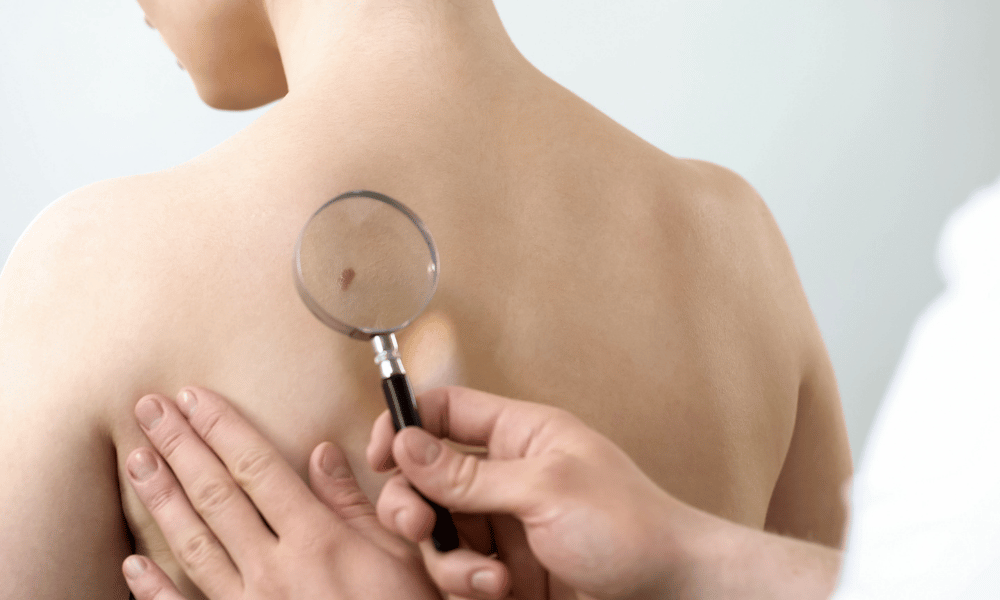
Skin cancer treatment abroad can be a practical option for people seeking high-quality care, lower costs, or faster access to specialized procedures — from surgical excision and Mohs surgery to radiation therapy and systemic treatments for melanoma, basal cell, and squamous cell carcinomas.
Seeking Advanced Skin Cancer Treatment? Explore Global Options
A diagnosis of skin cancer raises many questions: which type do you have, what are the treatment choices, and what will it cost? Early diagnosis improves outcomes, and selecting the right care team — whether local or international — is critical to successful treatment and recovery.
Many patients consider treatment abroad to access specialist dermatologists and oncologists, advanced technologies, or more affordable skin cancer treatment options. Medical tourism for skin cancer has grown as accredited centers in several countries offer competitive pricing and experienced teams capable of managing basal cell, squamous cell, and melanoma cases.
This guide covers what skin cancer can look like (common skin cancer symptoms), why sun exposure and other risk factors matter, the main types of skin cancer and their treatments, and practical steps if you’re exploring care overseas. Use the quick links below to jump to the sections most relevant to you:
If you already have a diagnosis, gather your pathology reports and recent biopsy results before requesting an international consultation — doing so will help a dermatologist or doctor abroad give a timely, accurate recommendation. When you’re ready, you can request a free quote to compare options and prices.
What Are the Common Symptoms of Skin Cancer?
Skin cancer symptoms most often include a new growth or a change in an existing mole, a sore that won’t heal, or a persistent scaly patch that itches, bleeds, or crusts over.
Early recognition of skin cancer symptoms improves the chances of successful treatment. If you notice anything new or changing on your skin, many people ask “what does skin cancer look like?” — below are the typical signs to watch for and how they differ by type.
- Basal Cell Carcinoma (BCC): Often appears as a pearly or waxy bump, a flat, flesh-colored or brown scar-like patch, or a sore that heals and then returns — commonly on sun-exposed areas like the nose, forehead, and cheeks. (If you have a suspicious bump on the face, see a dermatologist promptly.)
- Squamous Cell Carcinoma (SCC): May present as a firm, red nodule or a flat, scaly, crusted lesion that can ulcerate. SCC often arises on sun-damaged skin such as the ears, lips, and hands.
- Melanoma: The most serious form — monitor moles closely using the ABCDE guideline:
- Asymmetry: One half of the mole does not match the other.
- Border: Edges are irregular, ragged, or blurred.
- Color: Multiple colors or uneven color (shades of brown, black, sometimes blue, red or white).
- Diameter: Often larger than 6 mm (about the size of a pencil eraser), though melanomas can be smaller.
- Evolving: Any change in size, shape, color, or new symptoms such as itching or bleeding.
Plain-language summary: a new spot, a sore that won’t heal, or a mole that changes are the most common warning signs. If you notice mole changes or a persistent lesion, see a doctor or dermatologist for evaluation and possible biopsy — early diagnosis often means simpler treatment and better outcomes.
What to bring to your appointment: a list of your skin changes, photos showing progression (if available), and any recent biopsy or pathology reports. Quick action on suspicious skin changes can make a meaningful difference.
What Causes Skin Cancer and What are the Risk Factors?
The primary driver of most skin cancers is excessive ultraviolet (UV) radiation from the sun and tanning devices. Other important risk factors include fair skin, a history of severe sunburns, many or atypical moles, family history, and a weakened immune system.
Yes — unprotected sun exposure is a leading cause of skin cancer. UV radiation damages DNA in skin cells, which over time can lead to basal cell, squamous cell, or melanoma. Artificial UV sources such as tanning beds also increase risk.
Key causes and risk factors to be aware of:
- UV Radiation Exposure: Repeated sun exposure and sunburns damage skin cells and are the most significant, preventable risk for many skin cancers.
- Fair Skin and Light Hair: People with less melanin have less natural protection from UV and are at higher risk.
- History of Sunburns: Even a few severe, blistering sunburns — especially in childhood — substantially increase lifetime risk.
- Many or Atypical Moles (Dysplastic Nevi): Having numerous or irregular moles raises melanoma risk and warrants regular skin checks.
- Family History and Genetics: A close relative with melanoma or other skin cancers increases your risk.
- Weakened Immune System: Immunosuppression from medications or medical conditions can reduce the body’s ability to control abnormal skin cells.
- Exposure to Certain Substances: Long-term exposure to substances like arsenic is linked to higher skin cancer risk.
- Precancerous Skin Conditions: Lesions such as actinic keratoses (sun-damaged patches) can progress to squamous cell carcinoma if untreated.
How to reduce your risk: protect skin daily with broad-spectrum sunscreen (SPF 30+), wear sun-protective clothing and hats, seek shade during peak sun hours, avoid tanning beds, and schedule regular skin checks with a dermatologist — especially if you have multiple risk factors.
If you have concerns about sun exposure or notice changing spots, discuss prevention and surveillance strategies with your doctor; bringing photos of changing moles and any prior biopsy reports will help with diagnosis and planning.
What Types of Skin Cancer Treatments Are Available?
Skin cancer treatments range from local surgical removal (excision, Mohs surgery) to non‑surgical approaches such as cryotherapy, topical chemotherapy, and radiation — and for advanced cases, systemic options like immunotherapy or targeted therapy for melanoma.
The best treatment for a particular case depends on the type of skin cancer (basal cell carcinoma, squamous cell carcinoma, or melanoma), tumor size and depth, location on the body, and the patient’s overall health. Below is a clear breakdown of common surgical and non‑surgical treatments, when they’re typically used, and what to expect.
Surgical Treatments:
- Surgical Excision: The tumor and a margin of healthy skin are removed. Used for most basal cell and squamous cell lesions and many early melanomas; often requires a biopsy or pathology report to confirm clear margins.
- Mohs Surgery: Layer‑by‑layer removal with immediate microscopic examination of margins. Ideal for basal cell and squamous cell carcinomas in cosmetically or functionally important areas (face, ears, hands). Offers high cure rates and preserves healthy skin.
- Curettage and Electrodesiccation: Scraping the lesion followed by cautery; commonly used for small, superficial BCCs and SCCs with quick recovery and minimal equipment needs.
- Cryosurgery: Freezing with liquid nitrogen to destroy superficial lesions (actinic keratoses, small superficial BCCs). Usually an outpatient procedure with short healing time.
Non-Surgical and Systemic Treatments:
- Radiation Therapy: High‑energy beams target cancer cells. Used when surgery is not feasible, for certain difficult‑to‑treat locations, or as adjuvant therapy. Treatment courses vary and can cause skin irritation over weeks.
- Topical Chemotherapy: Creams such as 5‑fluorouracil (5‑FU) or imiquimod are applied to treat superficial skin cancers or precancerous lesions; appropriate for small, superficial basal cell carcinomas and actinic keratoses.
- Photodynamic Therapy (PDT): A photosensitizing drug is applied to the skin and activated by light to destroy abnormal cells — useful for certain superficial lesions and precancerous areas.
- Immunotherapy: Systemic treatments that stimulate the immune system (e.g., checkpoint inhibitors) are a key option for advanced or metastatic melanoma and select high‑risk cases; they require specialist oncologist oversight and monitoring for immune‑related side effects.
- Targeted Therapy: Drugs that act on specific genetic mutations in tumor cells—used mainly in advanced melanoma with identifiable mutations (e.g., BRAF) and managed by oncology teams.
When each is used — quick guidance: small, superficial basal cell or squamous cell lesions often respond to excision, curettage, cryotherapy, topical treatments, or Mohs depending on location; deeper or high‑risk lesions and most melanomas typically require surgical excision with pathology review, and advanced disease may need systemic immunotherapy or targeted therapy.
Example scenarios: a small BCC on the cheek — Mohs surgery may preserve cosmetic appearance; a superficial SCC on the hand — excision or topical therapy may be chosen; a confirmed melanoma with positive sentinel node biopsy — wider excision and possible systemic therapy referral. Always review biopsy and pathology reports before deciding treatment.
If you’re comparing international providers, ask prospective clinics about their experience with Mohs, available reconstructive surgery, access to dermatopathology for accurate biopsy reads, and whether oncology services are on site for advanced melanoma care. For a tailored comparison and second opinion, you can request clinic details and quotes to evaluate the best treatment skin cancer options for your case.
Who Is Eligible for Skin Cancer Treatment Abroad?
Eligibility for skin cancer treatment abroad typically includes patients seeking more affordable care, faster access, second opinions, or specialized expertise — provided they are medically stable to travel and undergo the planned procedure.
Many people consider medical travel for cancer treatment for financial, timing, or specialist‑access reasons. In general, candidates for overseas skin cancer care are those whose condition and overall health make travel and the proposed treatment safe and appropriate.
Quick candidate checklist — you may be eligible if you:
- Have an early‑stage type skin cancer such as a small basal cell or squamous cell carcinoma that is usually treatable with local surgery or topical options.
- Are medically stable for travel — no uncontrolled heart, lung, or other serious conditions that would increase risk during transit or recovery.
- Seek specific expertise (for example, Mohs surgery or complex reconstruction) that may be more available or affordable abroad.
- Want a second opinion where international dermatologists or oncologists can review biopsy and pathology reports.
- Are prepared to cover travel and recovery logistics, and understand follow‑up care requirements once you return home.
Situations that often need extra evaluation before travel:
- Advanced melanoma or metastatic disease, which usually requires specialized oncology centers with systemic treatment and close monitoring.
- Recent major surgery or unstable medical conditions, where travel or anesthesia risks may be higher.
Recommended steps before booking travel:
- Get current medical records ready: pathology/biopsy reports, photos of the lesion, and a summary of prior treatments.
- Ask your home doctor: discuss fitness to travel and obtain any necessary medical clearance.
- Request an international consultation: share your biopsy and records with a prospective clinic to confirm they accept your case and to get a treatment plan and cost estimate.
- Prepare questions to ask the overseas team: about surgeon experience, whether a dermatologist and oncologist are available, biopsy review process, expected recovery time, and follow‑up arrangements.
If you’d like, request a teleconsult with an international dermatologist or surgeon for a second opinion — they can often advise whether your case is straightforward (e.g., early BCC excision) or needs a specialized oncology center (e.g., advanced melanoma). Having clear biopsy and pathology reports available speeds up accurate diagnosis and helps the receiving doctor recommend the best cancer treatment pathway.
What is the Recovery Time and What Can I Expect Post-Treatment?
Recovery time after skin cancer treatment varies by procedure and by individual. Minor excisions often heal within 1–2 weeks; Mohs surgery and larger reconstructions require longer wound care and may take several weeks to months for full healing and scar maturation.
Skin cancer surgery recovery depends on the treatment type, the size and location of the treated area, and your body’s healing ability. Below is a practical overview of what to expect and how to care for the treated skin.
- Minor Surgical Excision / Cryotherapy: Mild pain, redness, and swelling for a few days are common. Most wounds close and feel substantially better within 1–2 weeks. Keep the area clean, follow dressing instructions, and avoid strenuous activity that stresses the site.
- Mohs Surgery: Because Mohs can remove more tissue to achieve clear margins, wounds may be larger and sometimes require stitches, flaps, or skin grafts. Initial healing typically takes 1–3 weeks; swelling and bruising improve over that time, while full scar remodeling can take several months.
- Radiation Therapy: Skin in the treated area can become red, dry, and irritated during and for weeks after treatment. Fatigue is common. Skin reactions usually improve over weeks to months with supportive care.
- Topical Chemotherapy / PDT: Expect pronounced redness, crusting, or blistering in the treated area for several weeks while the skin heals; symptomatic relief and wound care instructions are provided by your care team.
Essential post-treatment care for the treated area and your overall recovery:
- Wound Care: Follow your surgeon’s cleaning and dressing instructions precisely. Keep the area protected from dirt and direct sun while it heals.
- Pain Management: Use recommended over-the-counter or prescription pain relievers as directed; report uncontrolled pain to your doctor.
- Sun Protection: Protect healing skin and reduce risk of new lesions by using broad‑spectrum sunscreen, covering treated areas with clothing, and avoiding peak sun hours.
- Follow‑Up Appointments: Attend scheduled checks with your dermatologist or oncologist to monitor for recurrence or new lesions — follow-up is a crucial part of living with and beyond skin cancer.
Travel timeline guidance for medical tourists
If you travel abroad for treatment, plan your return home based on the procedure: minor excisions may allow travel in a few days, while Mohs with reconstruction, grafts, or systemic therapy often requires staying several weeks for initial recovery and the first follow‑up. Always confirm a recommended minimum recovery time with the treating doctor before booking flights.
What to pack for recovery
- Copies of medical records, biopsy and pathology reports, and photos of the lesion before treatment.
- A supply of loose, comfortable clothing and any prescribed wound‑care supplies or medications.
- Sunscreen, hats, and protective clothing to shield healing skin.
- Contact details for your treating doctor abroad and your home dermatologist for coordinated follow‑up care.
If you have specific concerns about recovery time, travel safety, or post‑procedure care, discuss them with the treating dermatologist or surgeon before you travel. They can provide tailored guidance based on the treatment, the treated area, and your overall health.
What Are the Potential Risks and Side Effects of Skin Cancer Treatment?
All skin cancer treatments carry potential risks — from local effects like scarring and infection to systemic side effects with immunotherapy. Understanding these possibilities helps you and your medical team weigh benefits against harms and plan appropriate follow‑up care.
Treatments for basal cell, squamous cell, and melanoma are generally effective, but every option carries complications. Below are the most common and important risks to discuss with your doctor or dermatologist before deciding on treatment.
- Scarring: Most surgical procedures leave a scar. The size and appearance depend on lesion size, location, and closure technique; scars from wider excisions (for some melanomas) are typically larger.
- Infection: Any wound can become infected. Proper wound care and early use of antibiotics when indicated reduce risk.
- Bleeding and Bruising: Common after surgery; usually self‑limited but should be reported if excessive.
- Nerve Injury: Rare but possible, especially with procedures near facial nerves — can cause temporary or occasionally permanent numbness or weakness.
- Recurrence: Cancer can recur at the same site or develop elsewhere on sun‑damaged skin; regular follow‑up reduces delay in detecting new lesions.
- Pain and Swelling: Expected after many procedures and usually managed with standard analgesics; persistent or worsening pain should be evaluated.
- Side Effects Specific to Therapies:
- Radiation: Local skin redness, peeling, pigment changes and fatigue — typically managed with skin care and time.
- Topical Chemotherapy / PDT: Marked local inflammation, blistering, or crusting while treated skin heals; symptoms can be uncomfortable but usually resolve.
- Immunotherapy / Targeted Therapy: Systemic treatments for advanced melanoma can cause flu‑like symptoms, skin rashes, fatigue, and — less commonly — immune‑mediated effects on organs (colitis, hepatitis, thyroiditis). These require close monitoring by an oncology team.
When to seek urgent care
Contact your treating doctor right away if you have heavy bleeding, spreading redness or swelling around the wound, fever, uncontrolled pain, sudden weakness or numbness, difficulty breathing, or other worrying new symptoms. Early intervention prevents complications.
Your medical team should explain likely side effects, their frequency (common vs. rare), and how they manage them. If you’re considering treatment abroad, confirm how the clinic handles complications and follow‑up, and ensure you have clear instructions and local contacts for urgent issues. Discuss any specific concerns about treatment risks with both your home doctor and the international specialist before proceeding.
Skin Cancer Treatment Cost Comparison: Global Prices
The cost of skin cancer treatment abroad is often lower than in Western countries. For example, a straightforward surgical excision may run several hundred to a few thousand dollars in medical tourism hubs versus considerably higher estimates in the US and UK — but actual prices vary by clinic, case complexity, and country.
Cost is a major reason people explore treatment overseas. When comparing prices, confirm what is included (surgeon fee, anesthesia, pathology/biopsy, hospital stay, medications) and what’s not (travel, accommodation, local transport, follow‑up at home). The table below gives illustrative estimates — include these as ballpark figures and request a detailed quote for your specific case. (Estimates as of 2025; prices fluctuate with currency and clinic.)
| ProcedureUSA (Estimate)UK (Private Estimate)Mexico / Turkey (Estimate)India / Thailand (Estimate) | ||||
| Surgical Excision (small BCC/SCC) | $2,000 – $8,000+ | £800 – £3,000+ | $500 – $2,500 | $400 – $2,000 |
| Mohs Surgery (per stage) | $8,000 – $20,000+ | £3,000 – £8,000+ | $3,000 – $7,000 | $2,500 – $6,000 |
| Melanoma Excision (with lymph node biopsy) | $15,000 – $50,000+ | £6,000 – £20,000+ | $7,000 – $25,000 | $6,000 – $20,000 |
| Radiation Therapy (per course) | $10,000 – $30,000+ | £5,000 – £15,000+ | $4,000 – $12,000 | $3,500 – $10,000 |
Example total cost (illustrative): a Mohs procedure in Turkey ($4,500) + 5 nights’ accommodation ($300) + round‑trip flight ($800) = approximately $5,600 — still often less than the procedure cost alone in some home countries. Always request a detailed estimate that itemizes surgeon fees, pathology, hospital/operating room fees, anesthesia, and any required follow‑up visits.
To get precise, case‑specific pricing and compare options, request a tailored quote from prospective clinics — many offer free initial estimates and can clarify what their package covers. For help comparing clinics and arranging consultations, you can request a free quote and receive personalized cost breakdowns.
Why Consider Skin Cancer Treatment Abroad?
Patients explore medical tourism for skin cancer when they seek lower costs, access to specialists or technologies not available locally, shorter waiting times for surgery or oncology care, or the convenience of bundled treatment packages that include recovery support.
Deciding whether to pursue treatment abroad is personal and often driven by practical and clinical considerations. Below are common benefits — and a brief note on trade‑offs to keep in mind.
- Cost savings: Lower procedure fees and hospital costs in many destinations can make skin cancer treatment accessible to more people, especially for elective reconstructions or when insurance is limited.
- Access to specialists and advanced care: Some centers specialize in Mohs surgery, complex reconstructions, or oncology services for melanoma that may be harder to access locally.
- Shorter wait times: For patients in systems with long public waitlists, private international clinics can offer quicker consultations and scheduling for urgent procedures.
- Privacy and convenience: Some patients prefer the anonymity of receiving care away from home and appreciate comprehensive packages that include lodging, transfers, and recovery support.
- Comprehensive packages: Many international providers offer bundled services that simplify logistics — but you should confirm what the package covers and what you will pay separately.
Weighing the trade‑offs
Consider risks alongside benefits: travel-related health risks, continuity of follow‑up care, language or communication issues, and the need to coordinate pathology and biopsy reports between doctors. Ask prospective clinics about complications management, local emergency contacts, and plans for post‑treatment follow‑up once you return home.
If you want to compare options, request detailed quotes and clinic credentials, and consider a teleconsult with both your home dermatologist and an international specialist. For help comparing clinics and getting a tailored estimate, you can request a free quote to evaluate treatment, cost, and care plans side‑by‑side.
Which Countries Offer the Best Value for Skin Cancer Treatment?
Top destinations for cost‑effective, high‑quality skin cancer care include Turkey, India, Mexico, Thailand, and South Korea. These countries combine experienced specialists, accredited hospitals, and competitive pricing that appeal to international patients seeking treatment options for basal cell, squamous cell, and melanoma.
When researching affordable cancer treatment destinations, look for accredited hospitals, experienced dermatologists and oncologists, and clinics that handle biopsy review and pathology in‑house. Below is a quick country snapshot to help you compare strengths and practical considerations.
- Turkey: Istanbul and Ankara host many JCI‑accredited hospitals with strong dermatology and plastic‑reconstruction services. Good for Mohs surgery and cosmetic outcomes at competitive prices.
- India: Major centers in Delhi, Mumbai, and Chennai offer highly experienced surgical teams and oncology services — often excellent value for complex cases requiring multidisciplinary cancer treatment.
- Mexico: Convenient for North American patients, with quality clinics near the border and in cities like Guadalajara and Mexico City; shorter travel and lower overall trip costs are advantages.
- Thailand: Bangkok and other centers provide a mix of patient hospitality and advanced medical care, with clinics that specialize in international patient services and comprehensive packages.
- South Korea: Known for advanced medical technology and research, South Korea can be a strong option for high‑tech diagnostics and specialized treatments at lower costs than some Western countries.
Practical notes: verify clinic accreditation (eg, JCI), confirm availability of dermatopathology and oncology support, check visa requirements, and plan for post‑op follow‑up — some countries require you to remain for a set recovery period. If you’d like, request sample timelines from clinics (consultation → procedure → recovery → follow‑up) to coordinate travel and care.
To compare doctors, facilities, and prices for your specific case, request detailed quotes and credentials from prospective clinics and consider a teleconsult with an international dermatologist or surgeon before you travel.
What to Expect When Traveling Abroad for Skin Cancer Treatment?
Traveling for skin cancer treatment involves careful planning: researching clinics and doctors, coordinating logistics (visas, flights, accommodation), preparing medical records and biopsy reports, confirming language support, and arranging post‑treatment recovery and follow‑up care.
A medical trip can be manageable with a clear checklist. Below is a step‑by‑step plan to help you organize travel for skin cancer treatment, including practical timelines and what to prepare for consultations with overseas dermatologists and surgeons.
1. Research & select clinics
- Check clinic accreditation (JCI or equivalent), surgeon and dermatologist credentials, patient reviews, and whether the facility handles dermatopathology and biopsies in‑house.
- Request examples of similar cases (e.g., Mohs surgery, melanoma excision) and ask about complication management and local emergency contacts.
2. Initial consultation & quote (1–3 weeks)
- Send medical records, biopsy/pathology reports, and photos of the lesion for an online consult. Ask for a detailed, itemized cost estimate that clarifies what the package includes (surgeon fee, anesthesia, pathology, hospital stay) and what is extra (travel, accommodation, follow‑up).
3. Logistics planning (2–6 weeks)
- Visa: Confirm medical visa requirements and processing times for your destination.
- Flights & Accommodation: Book flights with flexible change options and choose lodging near the clinic to ease recovery.
- Local transport: Arrange reliable transfers to and from the hospital, especially for the first 48–72 hours after surgery.
4. Prepare your medical documents
- Bring or translate pathology and biopsy reports, operation notes, medication lists, allergy information, and current photos of the lesion. Keep digital and printed copies.
- Ask the overseas clinic if they need translations into English and whether they will re‑review your biopsy (important for diagnosis confirmation).
5. Communication & language support
Confirm the clinic provides patient coordinators or interpreters if needed. Clear, documented communication about the treatment plan, risks, costs, and follow‑up schedule is essential.
6. Recovery & follow‑up planning
- Recovery time: Confirm how long you must remain locally after the procedure (minor excisions: often a few days; Mohs with reconstruction or grafts: 1–3+ weeks). Never book a return flight until your treating doctor clears you.
- Follow‑up care: Clarify who provides follow‑up and whether the clinic will coordinate with your home dermatologist or doctor for ongoing monitoring.
7. Practical checklist — what to pack
- Printed and digital copies of biopsy/pathology reports and photos.
- List of current medications, allergies, and emergency contact info.
- Loose, comfortable clothing and any prescribed wound‑care supplies.
- Sunscreen, hat, and protective clothing for healing skin.
If you need assistance, consider using a reputable medical tourism facilitator to coordinate clinics, logistics, and translation services — and always discuss plans with your home dermatologist or doctor before you travel. For help comparing clinics and getting a tailored plan, you can request a free quote and receive guidance on next steps.
How to Ensure Safety and Quality of Skin Cancer Treatment Abroad?
To minimize risk when seeking skin cancer care overseas, choose accredited hospitals, verify doctor credentials, confirm pathology and biopsy review processes, read independent patient reviews, and ensure clear communication about costs, follow‑up, and complication management.
Quality and safety are non‑negotiable. Below is a practical vetting checklist and key questions to ask prospective clinics, dermatologists, and surgeons to help you compare options confidently.
Quick vetting checklist
- Accreditation: Prefer hospitals with international accreditation (e.g., JCI). Accreditation signals standardized patient safety and quality protocols.
- Doctor credentials: Verify dermatologists, surgeons, and oncologists for board certification, years of experience, and specific training in Mohs, melanoma care, or reconstructive surgery.
- Pathology & biopsy review: Ensure the clinic has in‑house dermatopathology or reliable partnerships for biopsy review — accurate pathology is critical for correct diagnosis and treatment planning.
- Facility standards: Check facility photos, virtual tours, and technology availability; ask about infection control and операting room protocols.
- Patient reviews & outcomes: Seek independent patient testimonials and, where available, anonymized outcome data for similar procedures (e.g., Mohs cure rates, reconstruction results).
- Transparency & communication: The clinic should provide clear written details on treatment plans, total costs, expected recovery, and contingency plans for complications.
Questions to ask prospective clinics
- Can you share the surgeon’s experience with my specific condition (number of similar cases, success/recurrence rates)?
- Who will review my biopsy/pathology slides — an in‑house dermatopathologist or an external lab? Can I get copies of the pathology report?
- What exactly is included in the quoted price, and what costs (anesthesia, pathology, hospital stay, implants, follow‑up) are extra?
- How does the clinic handle complications or emergency care for international patients, and who is the local contact after discharge?
- Can you provide references or anonymized patient stories for cases like mine?
Verification and second opinions
Obtain a second opinion from an independent dermatologist or oncologist if you have any doubt. Share your biopsy and pathology reports and, if possible, request a teleconsult to review treatment recommendations. Accurate diagnosis and appropriate staging are essential before any definitive surgery or cancer treatment abroad.
If you prefer assistance with vetting clinics and coordinating logistics, consider a reputable medical tourism facilitator who can verify credentials, arrange consultations, and help manage travel and recovery details. Always confirm facilitator affiliations and request transparent information about any fees or partnerships.
What Are Patient Success Stories from Abroad for Skin Cancer?
Many people who travel for skin cancer treatment report positive experiences: timely access to experts, effective surgical outcomes, lower overall costs, and strong support from international patient services.
While individual results vary by diagnosis, stage, and treatment, common themes in patient feedback include the advantages of experienced surgical teams, good cosmetic outcomes after procedures like Mohs, and the financial relief of more affordable care overseas.
- Successful outcomes: Many patients report clear margins and satisfactory cosmetic results after surgical removal of basal cell or squamous cell carcinomas, particularly when treated with Mohs or experienced excision teams.
- Significant savings: Patients often highlight reduced procedure costs and bundled packages that make needed skin cancer treatment financially feasible.
- Prompt access and personalized care: Shorter wait times, dedicated patient coordinators, and tailored recovery support are frequent positives in patient accounts.
How to interpret success stories: testimonials illustrate individual experiences but may not reflect average outcomes. Ask clinics for anonymized case studies, outcome data for similar procedures, and references when possible. Outcomes for melanoma and advanced cancers depend heavily on staging and multidisciplinary care, so review objective data and seek second opinions if unsure.
If you’d like more detailed patient references or anonymized success metrics for a specific clinic or procedure, request them directly from the international provider or ask a facilitator to arrange verified patient contacts.
Take the Next Step with DGS Healthcare
Ready to explore skin cancer treatment options abroad? Compare accredited clinics, review doctor credentials, and get a confidential, itemized free quote tailored to your case.
After you request a quote, expect a response within 48–72 hours. Have recent biopsy/pathology reports and photos of the lesion ready to speed up an accurate recommendation.
Not ready to request a quote? Download our free planning checklist or schedule a short call to discuss options and next steps.