
TILs Therapy for Advanced Melanoma
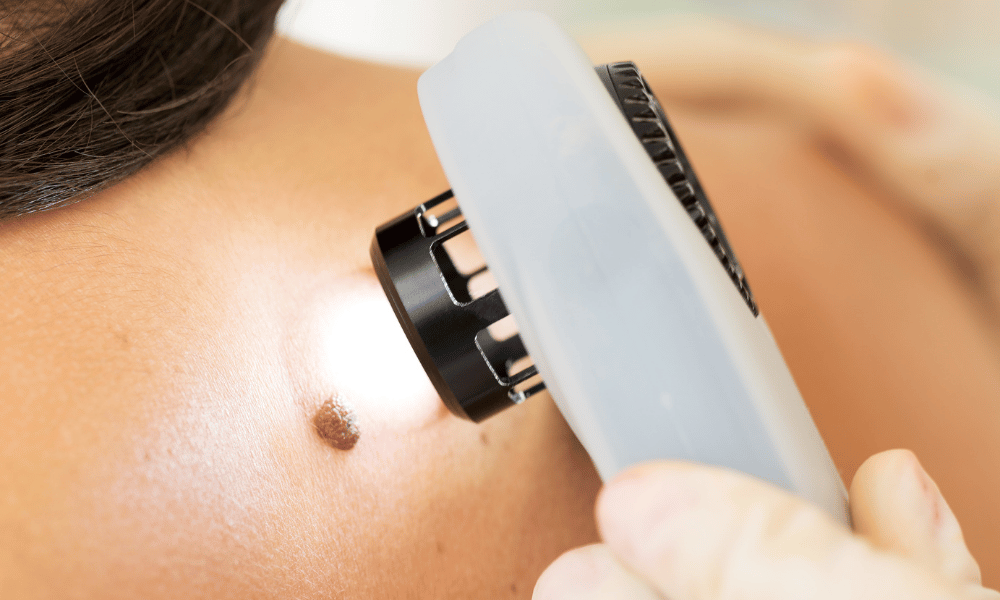
TILs therapy (Tumor-Infiltrating Lymphocytes) is an advanced immunotherapy option for metastatic melanoma that uses a patient’s own immune cells to attack cancer. Many protocols use a single reinfusion of expanded TILs after a short preparatory regimen, but availability and suitability vary by center — this article explains who may be eligible, how the process works, expected benefits and risks, cost considerations, and why some patients travel abroad to access the treatment.
Unlocking Hope: TILs Therapy for Advanced Melanoma Treatment
A diagnosis of advanced or metastatic melanoma often prompts urgent searches for effective options — from standard immunotherapy and targeted therapy to newer approaches like til therapy. When conventional treatments such as checkpoint inhibitors fail or the disease progresses, tils can offer a personalized immunotherapy pathway that harnesses a patient’s own immune system.
TILs therapy is a living-drug approach: tumor-infiltrating lymphocytes are harvested from a patient’s tumor, expanded in the lab to large numbers, and reinfused to enhance the immune attack on cancer. Unlike chemotherapy or radiation, this immunotherapy leverages the body’s own immune cells to seek and destroy melanoma cells systemically.
Patients commonly search for “advanced melanoma treatments,” “immunotherapy for stage 4 melanoma,” or “new options for metastatic melanoma” when exploring next steps. Symptoms that lead to these searches vary by metastatic site and can include fatigue, weight loss, localized pain, respiratory symptoms, or neurological changes. Understanding melanoma’s origins in melanocytes and the role of UV exposure underscores why targeted immune-based therapies are valuable.
Clinical trials and specialist centers have reported meaningful response rates and durable remissions in selected patients, though outcomes vary by study and patient factors. Because tils therapy remains specialized and is not yet universally available, many patients consider traveling to experienced centers. This article will cover how til therapy works, who may be eligible, expected benefits and risks, cost and travel considerations, and how to evaluate treatment centers.
What are the symptoms of advanced melanoma that might indicate TILs therapy?
Symptoms of advanced (metastatic) melanoma depend on where the tumor has spread; common warning signs include new or worsening pain, persistent fatigue, unexplained weight loss, swollen lymph nodes, or organ-specific problems such as breathing difficulty or neurological changes.
When melanoma extends beyond the skin it becomes metastatic, and early recognition of spread symptoms is important. Patients often search for phrases like “melanoma spread signs” or “late-stage melanoma symptoms” when new problems emerge. Below are typical presentations by site to help patients and caregivers identify when to seek prompt medical review.
- Generalized Symptoms: Persistent fatigue, unexplained weight loss, loss of appetite, and a general sense of being unwell—signs that the body is coping with widespread cancer.
- Lymph Node Involvement: New, firm, or tender lymph nodes (neck, armpit, groin) often signal that tumors have reached the immune-filtering system.
- Skin and Nearby Tissue: New lesions distant from the original site or small nodules near the primary melanoma (satellite or in‑transit metastases).
- Lung Metastasis: Shortness of breath, persistent cough, chest discomfort, or coughing up blood.
- Liver Metastasis: Right‑upper‑quadrant pain, jaundice (yellowing of skin/eyes), abdominal swelling, nausea, or unexplained fatigue.
- Bone Metastasis: New or worsening bone pain (often worse at night), increased fracture risk, or localized swelling.
- Brain Metastasis: Persistent headaches, seizures, dizziness, vision changes, new weakness or numbness, or personality/behavior changes—these require immediate medical attention.
- Gastrointestinal Metastasis: Abdominal pain, nausea, vomiting, changes in bowel habits, or GI bleeding.
If you or a loved one with a history of melanoma notice these symptoms, contact your oncology team promptly. Acute signs such as seizures, sudden severe headache, collapse, heavy bleeding, or breathing difficulty warrant emergency care. Not all symptoms mean the tumor has spread, but timely evaluation can determine if advanced treatments—including TILs therapy—should be discussed.
What causes melanoma, and who is at risk for developing it?
Melanoma most often arises after DNA damage to melanocytes caused by ultraviolet (UV) radiation from the sun or tanning beds. Several inherited and environmental risk factors increase the likelihood that these skin cells will become cancerous.
Melanoma is a serious type of skin cancer that develops in pigment-producing cells called melanocytes. While not all cases are preventable, understanding who is at higher risk helps guide screening and protective behaviors.
- UV radiation exposure: Intense, intermittent sun exposure and sunburns (especially in childhood), plus indoor tanning, are the strongest modifiable risk factors.
- Fair skin and phenotype: People with light skin, freckles, red or blond hair, and light-colored eyes have less natural melanin protection and higher risk.
- Many or atypical moles: Having numerous moles or several dysplastic (atypical) nevi raises melanoma risk; clinicians often monitor patients with a high mole count more closely.
- Personal or family history: A prior melanoma or a family history of melanoma suggests genetic susceptibility and increases future risk.
- Weakened immune system: Immunosuppressed people (organ transplant recipients, certain chronic conditions) face higher melanoma rates.
- Age and location: Risk rises with age and with residence closer to the equator or at higher elevations where UV intensity is greater.
Prevention & screening (practical steps)
- Sun protection: Use broad‑spectrum sunscreen SPF 30+ on exposed skin, wear protective clothing and wide-brim hats, and avoid peak sun hours.
- Avoid tanning beds: Do not use indoor tanning—this significantly increases melanoma risk.
- Regular skin checks: Perform monthly self–skin exams and see a dermatologist yearly if you have many moles or other risk factors; high‑risk patients may need more frequent surveillance.
- Know your type and family history: Tell your clinician about any family members with melanoma—this helps determine appropriate screening intervals and genetic testing when indicated.
While some risk factors cannot be changed, consistent sun-safe behaviors and regular dermatologic surveillance are effective ways to reduce melanoma risk and catch tumors early, when standard treatments are most successful.
How does TILs therapy for melanoma actually work?
TILs therapy is a personalized immunotherapy process: surgeons remove a tumor sample, laboratory teams isolate and expand the tumor-infiltrating lymphocytes (TILs), and the expanded cells are reinfused after a short preparatory regimen so they can seek out and destroy remaining cancer cells.
In plain terms, tils therapy turbocharges a patient’s own immune system. Below is a clear, step-by-step overview of the process, typical timing, and practical notes for patients considering this treatment.
- Tumor collection (surgical biopsy): A surgeon removes a portion of a melanoma tumor or a metastatic lesion. The sample must contain viable immune cells (tils) for the next laboratory step.
- Isolation of tumor-infiltrating lymphocytes: In a specialized cell-processing lab, technicians isolate the lymphocytes found within the tumor microenvironment. These immune cells have already recognized cancer antigens but are usually too few to control widespread disease.
- Massive ex vivo expansion: The isolated tils are stimulated and expanded over several weeks (commonly 2–4 weeks in many protocols) until billions of cells are produced. This expansion transforms a small, natural anti-tumor response into a large therapeutic cell product.
- Pre-conditioning (lymphodepletion): Before reinfusion, patients receive a short lymphodepleting chemotherapy regimen. The purpose is not direct tumor kill but to reduce competing immune cells and create ‘space’ for the incoming tils to engraft and expand in the patient.
- TIL reinfusion: The laboratory-grown tils are infused intravenously (similar to a transfusion). The number of cells infused is typically in the hundreds of millions to billions, depending on manufacturing yield and protocol.
- Support with interleukin‑2 (IL‑2): After til infusion, many centers give IL‑2 (a cytokine) to stimulate the transferred immune cells to proliferate and remain active. IL‑2 dosing and duration vary by protocol and carry important toxicity considerations.
Once in the body, these infused immune cells traffic to tumor sites and attempt to attack cancer cells. This living‑cell therapy approach differs from small‑molecule drugs: it is a cellular product (a til cell therapy) that can persist, expand, and potentially provide durable anti‑tumor responses in some patients.
Practical timeline & patient implications
- Typical duration: From tumor resection to til infusion commonly takes several weeks (often 2–6 weeks depending on expansion time and lab capacity); patients should plan accordingly—especially when traveling for treatment.
- Manufacturing variability: Not every tumor yields sufficient tils; some samples may fail to expand adequately, which is why tissue selection and experienced cell-processing labs matter.
- Safety and monitoring: Because lymphodepletion and IL‑2 have significant side effects, patients typically need an inpatient stay during and after infusion for close monitoring and supportive care.
Clinical trials and specialist centers report that tils have produced meaningful responses in subsets of patients with metastatic melanoma; outcomes depend on tumor biology, prior treatments, and patient fitness. When drafting formal patient materials, include references to recent trial data and local protocol details so readers can assess expected response rates and risks for their specific situation.
Who is eligible for TILs therapy, and when is it recommended?
TILs therapy is most often offered to patients with advanced, unresectable, or metastatic melanoma who have progressed after standard systemic treatments (including checkpoint inhibitors) or who have limited options. Eligibility depends on tumor tissue availability, overall fitness, and organ function required to tolerate the treatment and supportive care.
Not every patient with melanoma will be a candidate for tils. A multidisciplinary oncology team evaluates each patient’s disease characteristics, prior therapies, and medical fitness to decide if til therapy is appropriate and likely to provide benefit.
Typical eligibility considerations include:
- Advanced melanoma stage: Most centers consider tils for unresectable or metastatic melanoma (commonly Stage IIIc–IV) after progression on or intolerance to prior systemic therapies, including PD‑1 or CTLA‑4 inhibitors.
- Sufficient tumor tissue: There must be a resectable lesion that yields viable tumor-infiltrating lymphocytes; some tumors do not provide enough cells for successful manufacturing.
- Good performance status: Patients typically need an ECOG performance status of 0–1 (occasionally 2) to tolerate surgery, lymphodepleting chemotherapy, infusion, and IL‑2 support.
- Adequate organ function: Heart, lung, kidney, and liver function must be sufficient to withstand lymphodepletion and possible IL‑2 toxicity; detailed bloodwork and cardiac/pulmonary assessments are standard.
- Brain metastases: Stable, treated brain metastases may be acceptable at some centers, but active or symptomatic brain metastases that require immediate intervention often exclude patients until controlled.
- Age and comorbidities: There is no strict upper age limit, but older adults undergo careful assessment of comorbid conditions and functional reserve.
Quick eligibility checklist for patients
- Documented metastatic or unresectable melanoma and prior treatment history (especially prior inhibitors such as PD‑1/CTLA‑4).
- Available resectable tumor lesion for TIL harvest.
- Recent labs showing adequate blood counts and organ function; cardiac and pulmonary clearance if indicated.
- Willingness and ability to remain near the treatment center for the manufacturing period and for the 2–4+ week inpatient recovery.
Common pre‑treatment evaluations include blood tests, ECG, chest imaging, brain MRI (if indicated), and a multidisciplinary review. Patients should discuss with their oncology team how prior treatments, especially checkpoint inhibitors and targeted therapies, influence candidacy and expected response.
What is the typical recovery time and what should I expect after TILs treatment?
Recovery from TILs therapy commonly includes an initial inpatient period of roughly 2–4 weeks to manage immediate toxicities, followed by a gradual return to normal activities over several months. Patients should expect significant fatigue, transient low blood counts, and close follow-up to monitor response and complications.
Undergoing tils therapy is a major medical procedure. Knowing the typical timeline, common early side effects, and the outpatient monitoring plan helps patients and caregivers prepare practically and emotionally.
- Initial hospital stay (weeks): After lymphodepletion, til infusion, and IL‑2 support, most patients remain in hospital for about 2 to 4 weeks for close monitoring and supportive care. This period addresses immediate complications and stabilizes the patient before discharge.
- Common early side effects: Expect fever, chills, profound fatigue, nausea/vomiting/diarrhea, fluid retention in the body, and organ-specific toxicities related to IL‑2. Lymphodepleting chemotherapy usually causes low blood counts (neutropenia, anemia, thrombocytopenia), which increases infection and bleeding risk and may require transfusions or growth factor support.
- Recovery at home: After discharge, patients commonly experience ongoing tiredness and immune suppression for several weeks to months. Activity should be increased gradually; avoid crowds and infections until blood counts recover. Follow-up phone calls and clinic visits are frequent initially.
- Long-term monitoring: Patients undergo serial imaging (CT or PET scans) and blood tests to assess tumor response and detect recurrence. The immune system can remain altered; some immune-related events may appear months later and require specialist management.
Practical tips and red flags
- Infection precautions: With low blood counts, take precautions—hand hygiene, avoid sick contacts, and report fevers immediately.
- When to seek urgent care: Seek immediate attention for high fever, severe shortness of breath, chest pain, sudden severe abdominal pain, heavy bleeding, confusion, seizures, or collapse—these require emergency evaluation.
- Follow-up schedule example: Typical checks include weekly or biweekly blood tests during the first month, a clinic visit at 2–4 weeks, then imaging at around 6–12 weeks to assess response (center protocols vary).
- Support needs: Caregiver assistance is often essential during the initial months—transport to appointments, medication management, and help with daily activities while recovering strength.
While recovery can be demanding, many patients who tolerate the hospital period and initial recovery achieve meaningful clinical responses. Discuss expected timelines and local follow-up plans with your treatment center before traveling or beginning therapy so you know how long you should plan to stay nearby.
What are the potential risks and side effects of TILs therapy for melanoma?
TILs therapy carries significant risks largely because of the lymphodepleting chemotherapy given before infusion and the subsequent high‑dose interleukin‑2 (IL‑2) support. Common side effects affect multiple organ systems and require close monitoring and intensive supportive care in the hospital.
Understanding the potential effects on the immune system and the body as a whole helps patients weigh benefits against risks. Most serious toxicities are related to the preparative chemotherapy and IL‑2 rather than the tils themselves, and many are reversible with prompt management.
- Chemotherapy‑related risks:
- Myelosuppression (common): Profound drops in white blood cells, red blood cells, and platelets increase infection, anemia, and bleeding risk; blood transfusions, growth factors, and antibiotics are commonly used as supportive measures.
- Mucositis, nausea, vomiting and diarrhea (common): Gastrointestinal irritation is frequent and managed with symptomatic treatments and hydration.
- Hair loss (possible): Usually temporary and reversible.
- IL‑2 related effects (systemic inflammatory effects):
- Fever, chills, hypotension (common): IL‑2 can cause high fevers and low blood pressure that may require IV fluids, vasopressors, and intensive monitoring.
- Fluid retention and pulmonary effects (common): Edema can affect breathing; oxygen support or diuretics may be needed.
- Kidney and liver dysfunction (possible): Temporary elevations in creatinine or liver enzymes are monitored and managed supportively.
- Cardiovascular and neurological effects (less common): Tachycardia and, rarely, more serious cardiac events or confusion/disorientation can occur and require prompt intervention.
- Infections (high risk): Due to immune suppression after lymphodepletion, bacterial, viral, and fungal infections are a major concern; prophylactic antimicrobials and rapid treatment of fevers are standard.
- Tumor lysis syndrome (rare): Rapid tumor breakdown can release metabolic byproducts affecting kidney function; monitoring and preventive hydration/electrolyte management are used when risk is present.
How side effects are managed
- Intensive supportive care: Many patients require care in a high‑dependency or ICU setting for hemodynamic support, transfusions, antibiotics, and organ support such as dialysis if needed.
- Monitoring and prophylaxis: Regular blood counts, metabolic panels, infection surveillance, and prophylactic antiviral/antibacterial agents reduce complications.
- When to intervene urgently: Severe hypotension, high fever, respiratory compromise, new neurologic symptoms, or signs of major bleeding require immediate escalation to emergency care.
Before starting tils therapy, patients should receive detailed counseling on likely side effects, expected severity, and the center’s capabilities for managing complications. Discuss published incidence rates from recent clinical trials with your oncology team to understand how often specific effects occur and which are most likely given your individual clinical situation.
How much does TILs therapy for melanoma cost worldwide, and where can I find affordable options?
The global cost of TILs therapy for melanoma varies widely but commonly ranges from roughly $250,000 to $700,000 USD depending on the center, included services, and complications. Patients seeking more affordable options often compare leading medical tourism destinations—such as South Korea, Singapore, Israel, or select European centers—against top U.S. institutions to balance cost, quality, and access.
TILs is a highly specialized cell therapy: prices reflect complex cell processing, a prolonged hospital stay for lymphodepletion and IL‑2, intensive supportive care, and follow-up. When evaluating treatment options, compare itemized quotes (what is included/excluded), ask about expected length of stay and potential additional costs if complications arise, and verify the center’s experience with tils and related clinical trials or approved protocols.
Worldwide Cost Comparison (Illustrative Estimates in USD):
| Region/CountryEstimated TILs Therapy Cost (USD)Notes | ||
| United States | $400,000 – $700,000+ | Often includes tumor resection, cell manufacturing, inpatient care, IL‑2, and supportive treatments; insurance coverage is variable and institution‑dependent. |
| Western Europe (e.g., Germany, UK) | $300,000 – $550,000 | May offer high-quality care with slightly lower overall pricing; availability varies by country and center. |
| South Korea / Singapore | $250,000 – $450,000 | Leading medical tourism hubs with experienced cell-therapy centers; often competitive pricing for international patients. |
| Israel | $280,000 – $480,000 | Strong oncology research programs and competitive pricing versus some Western centers. |
| Certain developing countries with specialized clinics | Potentially lower, but variable quality/availability | Lower cost options exist but require careful vetting of accreditation, lab capabilities, and follow-up care. |
Factors influencing cost:
- Hospital reputation & location: Prestigious academic centers often charge more but may offer access to trials and extensive experience with tils.
- What is included: Confirm whether quotes cover tumor resection, cell manufacturing, inpatient stay, IL‑2, medications, imaging, and follow‑up; excluded items (airfare, accommodation, companion costs) can add substantially.
- Duration of stay & complications: Extended hospitalizations or ICU care for side effects increase total cost.
- Insurance & approvals: Domestic insurance coverage varies; international patients often pay out-of-pocket unless a prior authorization or agreement is in place.
How to compare offers and get an accurate quote
- Request itemized quotes: Ask centers to break down surgery, manufacturing, hospitalization, drugs, imaging, and follow-up costs so you can compare apples‑to‑apples.
- Ask about clinical trials and approvals: Some centers offer tils as part of clinical trials (which may lower patient cost) or under special access programs; verify trial eligibility and whether the trial covers manufacturing fees.
- Verify accreditation and outcomes: Choose centers with appropriate accreditation and documented experience with tils to balance cost with expected quality of care and response rates.
- Plan for total trip cost: Include travel, accommodation, caregiver expenses, and contingency funds for complications or extended stays.
For patients exploring options, start by requesting a formal, itemized estimate and confirming whether the center participates in relevant clinical trials. If you would like, PlacidWay and similar medical facilitators can help compare centers, verify accreditations, and obtain quotes so you can make an informed decision about therapies and treatment locations.
Why consider traveling abroad for TILs therapy for melanoma?
Patients consider traveling abroad for tils therapy to gain access to experienced centers, potentially lower overall costs, shorter wait times, and specialized expertise or clinical trials that may not be available locally.
When standard options are exhausted or tils is not offered in a patient’s home country, international treatment can be a practical option. Below are common reasons patients choose to pursue treatment overseas, plus important questions and caveats to consider.
- Access to advanced therapy and trials: Some countries and centers run commercial tils programs or active clinical trials that provide access to novel protocols or manufacturing approaches not available locally.
- Cost and value: As shown in the cost comparison, total out‑of‑pocket expenses can be lower in established medical tourism hubs—however, cheaper is not always better; vet accreditation, lab capability, and outcomes first.
- Wait times and speed to treatment: International centers may offer faster scheduling, which can be crucial for aggressive or rapidly progressing disease.
- Specialist expertise: Some institutions have high volumes of tils manufacturing and infusion experience, multidisciplinary teams, and integrated ICU support—important for managing complex side effects.
Key questions and cautions
- Is the program part of clinical trials or approved therapy? Ask whether treatment is delivered within a clinical trial (which may cover some costs) or as an established therapy with regulatory approvals.
- Accreditation and outcomes: Verify hospital accreditation, lab certifications, team experience, published outcomes, and complication rates.
- Follow‑up and return care: Confirm how post‑discharge follow‑up will be handled and who manages complications once you return home.
- Legal, insurance and logistics: Check visa requirements, medical evacuation/insurance coverage, and the financial terms (itemized quote and refund policy for manufacturing failures).
Traveling for tils or enrolling in clinical trials abroad can be life‑changing for some patients, but it requires careful due diligence. If you’re considering this path, compile the above questions and request documentation from prospective centers to compare trials, approvals, and expected outcomes before making a decision.
What should I expect when planning to travel for melanoma treatment?
Traveling for TILs therapy typically involves multiple stages: initial virtual consultations and medical record transfer, scheduling and visa arrangements, a prolonged stay abroad (often weeks to months), and careful post‑treatment follow‑up. Using an experienced facilitator can reduce logistical burden.
Plan ahead and build time in your schedule for each step. Below is a compact timeline and checklist to help you prepare.
- Pre‑trip (weeks to months): Submit full medical records, imaging, and pathology; complete virtual consultations; obtain an itemized quote; and start visa and travel insurance applications. Allow extra time for medical visa processing.
- Arrival & pre‑treatment (days to 2 weeks): Expect repeat imaging, blood tests, and in‑person evaluations to confirm eligibility and finalize the treatment timeline.
- Treatment window (weeks): The tumor resection, laboratory manufacturing (2–4+ weeks), lymphodepleting chemotherapy, til infusion, and the immediate inpatient recovery usually span several weeks; patients should plan to remain local during this period.
- Post‑treatment follow‑up (weeks to months): Many centers require staying nearby for outpatient visits for several weeks after discharge; ongoing imaging and clinic visits continue for months.
Practical tips: bring originals and translated copies of medical records, arrange accommodation for a caregiver, confirm emergency contact numbers at the hospital, and budget for unexpected extra hours or days if complications arise.
How can I ensure safety and quality when choosing a clinic for TILs therapy abroad?
To maximize safety and quality when selecting a TILs provider abroad, prioritize internationally accredited hospitals, verify the clinical and laboratory team’s experience with tils, review independent patient outcomes, and work with reputable medical tourism facilitators to validate credentials and logistics.
Because tils therapy is complex and resource‑intensive, careful vetting reduces risk and improves the chance of a good response. Below are practical steps, top questions to ask, and documentation you should request before committing to a foreign center.
- Check accreditation and certifications: Look for Joint Commission International (JCI) or equivalent national accreditation for the hospital and verify that the cell-processing laboratory meets recognized quality standards. Accreditation indicates adherence to international safety and quality systems.
- Confirm specialization and experience: Ask how many tils procedures the center and specific physicians have performed, the lab’s success rate in manufacturing tils, and published outcome data (response rates and durable responses) or peer-reviewed papers.
- Review physician credentials: Verify board certifications, oncology and surgical experience, training background, and whether the multidisciplinary team (surgery, medical oncology, ICU, infectious disease) is in place to manage complications.
- Inspect infrastructure and ICU capability: Ensure the hospital has advanced diagnostics, a proven cell‑therapy lab, and ICU access—critical for managing chemotherapy and IL‑2 toxicities.
- Ask for outcomes and transparency: Request de‑identified outcome data, complication rates, infection rates, and examples of patient pathways. Independent patient testimonials and third‑party reviews can help confirm real‑world care quality.
- Verify communication and follow-up plans: The center should provide clear, written plans for pre‑treatment evaluation, inpatient care, post‑discharge follow‑up, and arrangements for managing complications after you return home.
- Use reputable facilitators cautiously: Medical tourism facilitators can help compare centers, obtain itemized quotes, and coordinate logistics—but independently verify all claims and request direct contact with treating physicians.
Top 5 must-ask questions for a prospective center
- How many tils infusions have you performed and what are your published response and durable response rates?
- Is tils offered as part of a clinical trial or as a standard program, and what approvals or regulatory oversight apply?
- Can you provide an itemized cost breakdown and a policy for refunds or alternatives if manufacturing fails?
- What ICU and ancillary services are available on site for managing severe side effects (pressors, dialysis, transfusion capability)?
- How will long‑term follow‑up be coordinated with my local oncology team once I return home?
Due diligence—verifying accreditation, published outcomes, lab capabilities, and clear follow‑up plans—helps ensure the potential benefits of tils therapy are pursued within a safe, high‑quality care environment. Request documentation and speak directly to treating clinicians before making travel or treatment commitments.
Take the Next Step with DGS Healthcare
Ready to explore international treatment options? Compare accredited clinics, review expected outcomes, and get a free, itemized quote tailored to your medical needs and travel plans with DGS Healthcare. What you’ll get in your free quote:Itemized cost breakdown • Clinic accreditation & experience • Estimated timeline and follow‑up plan