
Oral Cancer Treatment
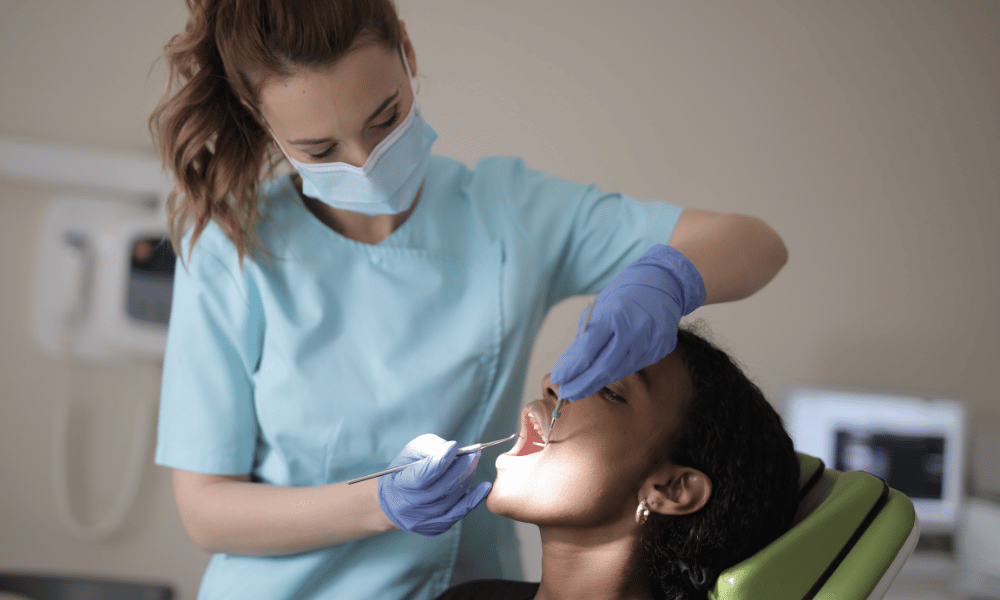
Oral cancer refers to cancers that begin in the mouth or nearby parts of the head and neck, including the lips, tongue, gums, and throat. Standard care for oral cancer typically combines accurate diagnosis (clinical exam and biopsy) with definitive treatments such as surgery, radiation, and chemotherapy, guided by a multidisciplinary team. Early detection improves the chance of successful treatment and long-term survival (see American Cancer Society guidance). This article walks people through symptoms, causes and risk factors, diagnostic tests and staging, treatment choices, recovery and side effects, cost comparisons, and options for seeking high-quality, affordable care abroad.
Navigating Oral Cancer Treatment: Your Guide to Global Care Options
If you or a loved one has received an oral cancer diagnosis, it’s normal to feel overwhelmed. Oral cancer is one of the head and neck cancers and can arise in many parts of the mouth — the lips, tongue, gums, inner cheek lining, roof and floor of the mouth — so understanding where the disease starts helps guide diagnosis and treatment.
Early detection substantially improves outcomes, which is why prompt diagnosis (clinical exam and biopsy) and clear staging are essential. Treatment choices vary by stage and location and commonly include surgery, radiation, chemotherapy, targeted therapy, or combinations of these — decisions best made by a multidisciplinary team.
Many people also explore care options outside their home country to access specialized expertise or lower-cost treatment packages. Medical tourism for oral cancer can connect patients with internationally accredited centers, experienced specialists, and modern technologies — but it requires careful planning and verification.
What this guide covers:
- How to recognize early signs and where to get a diagnosis
- Risk factors and causes for oral cancer
- Treatment options, recovery expectations, and side effects
- Cost comparisons, medical tourism considerations, and how to choose a safe provider
If you are experiencing persistent mouth symptoms or have risk factors, contact your dentist or physician for an evaluation — see the Diagnosis section below for what to expect from tests and staging.
What are the common symptoms of oral cancer?
Common symptoms of oral cancer and mouth cancer can be subtle at first — persistent sores, red or white patches, lumps, difficulty swallowing, or unexplained bleeding are the most frequent early warning signs. Because these changes may look like minor problems, regular dental check-ups and vigilance are important for early diagnosis.
Knowing the symptoms helps you spot problems early. If any of the following signs persist, contact your dentist or doctor for an evaluation — early detection improves treatment options and long‑term outcomes.
- Persistent sores: A sore on a lip or inside the mouth that does not heal within two weeks.
- Red or white patches: Leukoplakia (white) or erythroplakia (red) patches on the tongue, gums, inner cheek, or lips — some patches can be precancerous and need a dental assessment.
- Lumps or thickening: Any unexplained lump, bump, or area of thickened tissue in the mouth or on the lips.
- Difficulty or pain: Trouble chewing, swallowing (dysphagia), speaking, or moving the jaw or tongue; a persistent sore throat or a sensation that something is stuck in the throat.
- Numbness or unexplained pain: Loss of feeling or persistent pain in any part of the face, mouth, or neck.
- Bleeding: Unexplained bleeding in the mouth that is not linked to dental work or injury.
- Voice changes: Persistent hoarseness or changes in voice.
- Unintended weight loss: Losing weight without trying can accompany advanced disease.
- Ear pain: Persistent, one-sided ear pain can be a referred symptom of throat or oropharyngeal cancers.
Quick self-check: use a mirror and good light to inspect lips, tongue, gums, and inner cheeks for sores, patches, lumps, or persistent changes. Gently feel your neck for swollen lymph nodes — enlarged nodes can suggest that cancer has spread to lymph tissue. If you notice anything concerning for more than two weeks, book an appointment for an oral cancer screening.
When to see your dentist or doctor
- Any mouth sore, patch, lump, or unexplained pain lasting longer than two weeks
- New difficulty swallowing, speaking, or persistent throat/ear pain
- Noticeable changes in voice or unexplained weight loss
Your clinician may perform an exam, an oral cancer screening, and if needed, order a biopsy or imaging to rule out or confirm mouth cancer.
What causes oral cancer and what are its main risk factors?
Tobacco use and heavy alcohol consumption are the leading modifiable causes of oral cancer; together they greatly increase the chance that cells in the mouth or throat will become cancerous. Other important contributors include infection with high‑risk HPV strains, prolonged sun exposure to the lips, a weakened immune system, and certain hereditary factors.
Oral cancer develops when normal mouth or throat cells acquire genetic changes that allow uncontrolled growth. While not every case has a single identifiable cause, the following risk factors are strongly linked to a higher likelihood of developing oral or mouth cancer:
- Tobacco use: Smoking cigarettes, cigars, or pipes and using smokeless tobacco (chewing tobacco, snuff, or other tobacco products) are the single biggest risk factors. Chemicals in tobacco damage oral tissue and substantially raise the risk of oral cancer.
- Alcohol: Frequent, heavy alcohol use increases risk — combined use of alcohol and tobacco multiplies the risk compared with either exposure alone.
- Human papillomavirus (HPV): Infection with high‑risk HPV strains, especially HPV‑16, is increasingly associated with cancers of the oropharynx (back of the throat, base of tongue, tonsils). HPV‑positive head and neck cancers have distinct behavior and treatment considerations.
- Sun exposure: Chronic, unprotected sun exposure is linked to lip cancers, particularly of the lower lip, in fair‑skinned individuals.
- Weakened immune system: People with immunosuppression (for example, organ transplant recipients on immunosuppressants or those with HIV) have higher rates of oral cancers.
- Poor nutrition: Diets low in fruits and vegetables and certain vitamin deficiencies may increase vulnerability to mouth cancer.
- Age and genetics: Risk rises with age (most commonly affecting people over 40), and a family history of cancer can suggest a genetic predisposition in some cases.
Top 5 risk factors at a glance: tobacco use (including smokeless tobacco), heavy alcohol use, HPV infection, older age, and prolonged sun exposure to the lips. Reducing tobacco and alcohol, getting HPV vaccination where appropriate, protecting lips from sun, and maintaining good nutrition can lower the risk of developing oral cancer.
Screening recommendations (practical note)
If you have risk factors — especially tobacco or heavy alcohol use, a history of HPV exposure, or a weakened immune system — discuss regular oral exams with your dentist or primary care provider. High‑risk people may need more frequent checks; your clinician can recommend a schedule based on your risk profile and clinical guidelines.
What types of treatments are available for oral cancer?
Treatment for oral cancer commonly combines local therapies (surgery and radiation) with systemic approaches (chemotherapy, targeted therapy, immunotherapy). The final plan depends on the cancer’s stage, location (for example, tongue or lips), and your overall health, and is best made by a multidisciplinary team that includes surgeons, radiation oncologists, medical oncologists, and dental specialists.
Below are the main oral cancer treatment options, with clear, patient-focused notes about when they are typically used and what to expect.
- Surgery: Often the first-line treatment for early-stage mouth cancers. Surgeons remove the tumor plus a margin of healthy tissue; more extensive cases may require partial removal of the tongue (glossectomy), jaw, or surrounding tissue. If lymph nodes in the neck are involved, a neck dissection to remove nodes may be performed. Reconstructive surgery (for example, microvascular free flaps) can restore form and function after large resections.
- Radiation therapy: Uses targeted high‑energy beams to kill cancer cells. Radiation may be the primary treatment for small tumors or used after surgery (adjuvant radiation) to control microscopic disease. Modern techniques (IMRT, proton therapy) aim to spare nearby healthy tissue — ask about salivary‑sparing approaches to reduce long-term dry mouth.
- Chemotherapy: Systemic drugs are used to treat cancer cells throughout the body and are commonly given with radiation (chemoradiation) for more advanced tumors or when surgery is not feasible. Chemotherapy may also be used for metastatic disease. Expect systemic side effects; your team will explain anti-nausea and supportive measures.
- Targeted therapy: These drugs act on specific molecular targets in cancer cells and can be appropriate when testing shows a targetable alteration. Targeted agents may have different side effect profiles than traditional chemotherapy and are part of a personalized treatment approach.
- Immunotherapy: Drugs that boost the immune system’s ability to recognize and attack cancer cells are increasingly used for advanced or recurrent head and neck cancers, including some oral cancers, particularly when other treatments have failed.
How treatment is chosen: stage (I–IV), tumor site (tongue, floor of mouth, lips), pathology, and patient fitness guide recommendations. Your team will balance effectiveness with likely side effects and long‑term function — for example, preserving speech and swallowing is a major consideration when planning surgery or radiation.
Quick comparison (what patients often ask)
Surgery — one-time procedure, recovery varies (days to weeks); Radiation — daily sessions over weeks; Chemotherapy — cycles over months; Targeted/Immunotherapy — given as scheduled infusions or pills, often for advanced disease. Side effects and recovery timelines differ — discuss specifics with your oncologist.
See the Recovery & Side Effects section below for details.
Who is eligible for oral cancer treatment, and how is it diagnosed?
Anyone diagnosed with oral cancer is a candidate for treatment; the exact options depend on the tumor’s location, stage, your overall health, and personal goals. Accurate diagnosis—typically a clinical exam, biopsy, and targeted imaging—is the first step in creating a tailored treatment plan.
Eligibility for specific therapies is individualized. Even older adults or people with other health conditions can often receive effective treatment, though some intensive options may require additional medical optimization. The diagnostic pathway below explains what to expect and why each test matters.
How is Oral Cancer Diagnosed?
- Physical examination: Your dentist or doctor will visually inspect the mouth, lips, tongue, throat, and neck for sores, patches, lumps, or enlarged lymph nodes. This low‑cost exam often identifies areas needing further testing.
- Biopsy (definitive test): A small tissue sample from the suspicious area is removed and examined by a pathologist to confirm cancer and determine the cell type. Types include incisional biopsy (removing part of a lesion) or excisional biopsy (removing the whole lesion). Brush biopsies may be used for screening but are not always definitive.
- Imaging tests: After cancer is confirmed, imaging helps define the tumor’s size, depth, and whether it has spread to lymph nodes or other parts of the body. Common tests and their roles:
- CT scan: Provides cross-sectional images helpful for assessing bone involvement and nearby lymph nodes.
- MRI scan: Offers detailed soft-tissue contrast useful for defining tumor boundaries, especially in the tongue and floor of mouth.
- PET‑CT: A metabolic imaging test that can detect active cancer spread (metastases) beyond the primary site and evaluate suspicious lymph nodes.
- Dental X‑rays / Panoramic (Panorex): Used to check for jaw bone involvement when the tumor is near dental structures.
In some cases, an endoscopy is performed to examine deeper parts of the throat, larynx, or esophagus to rule out additional primary tumors. Your team may also order blood tests and other evaluations to assess fitness for specific therapies.
Staging: After diagnostics, clinicians assign a stage (I–IV) that describes tumor size and spread to lymph nodes or distant sites. Staging guides treatment choices — for example, early-stage oral cancers are often treated with surgery alone, while advanced disease may require combined modalities.
What to expect (quick checklist)
- Bring prior medical records and imaging when possible — this speeds remote review and planning.
- Biopsy results typically take several days; staging scans may be scheduled within 1–2 weeks depending on availability.
- Ask about a second opinion for complex cases or before major surgery; multidisciplinary tumor boards are common in high-volume centers.
What can I expect during recovery from oral cancer treatment?
Recovery after oral cancer treatment varies widely by procedure and by person, but commonly includes managing pain, adapting eating and speaking, rehabilitative therapy, and emotional support. Healing can take weeks to many months, and the focus is on regaining function, preventing complications, and restoring quality of life.
Below are practical expectations, a sample recovery timeline, and tips to help you prepare. Individual recovery depends on whether you had surgery, radiation, chemotherapy, or a combination of treatments.
Sample recovery timeline (typical ranges)
- Weeks 0–4: Immediate post-operative period — pain control, wound care, limited oral intake (soft diet or feeding tube if needed), and initial speech/swallow assessment. If receiving radiation, daily treatments often begin 4–6 weeks after surgery.
- 1–3 months: Gradual improvement in pain and mobility; speech and swallow therapy intensify. Fatigue is common. Nutritional support continues until oral intake is adequate.
- 3–12 months: Ongoing rehabilitation for speech, swallowing, and jaw mobility (trismus prevention); dental rehabilitation and possible prosthetics; psychological adjustment and body‑image recovery after reconstructive procedures.
Key aspects of recovery
- Pain management: Expect prescription pain control initially, with a plan to taper. Mucositis (mouth sores) from radiation or chemo is painful and managed with topical and systemic measures.
- Eating and swallowing: Difficulty is common after surgery or radiation. A soft or pureed diet, high-calorie supplements, and temporary feeding tubes (PEG) may be used until safe swallowing returns. Work closely with a speech‑language pathologist.
- Speech and voice: Depending on tumor site (e.g., tongue) and treatment, speech may be altered. Speech therapy can substantially improve clarity and confidence.
- Physical appearance and reconstruction: Reconstructive surgery can restore form and function, but psychological support and counseling help with body‑image changes.
- Oral hygiene: Meticulous dental care is essential to prevent infection and manage dry mouth (xerostomia) after radiation. Regular dental follow-up is required.
- Fatigue: Persistent tiredness is common after surgery, radiation, or chemotherapy and may take months to resolve.
- Follow-up care: Regular appointments monitor for recurrence, manage late effects, and coordinate dental and rehabilitative services.
Practical tips for a smoother recovery
- Keep a medication and appointment schedule; bring a caregiver if possible during early recovery.
- Work with a dietitian to maintain weight and strength; use high‑protein supplements if eating is limited.
- Start prescribed exercises early to prevent jaw stiffness (trismus) and preserve mouth opening.
- Attend support groups or counseling to address emotional and psychological needs.
When to contact your medical team
- Fever, increasing redness, swelling, or foul drainage from wounds (possible infection)
- Severe uncontrolled pain or sudden changes in breathing or swallowing
- New or worsening numbness, weakness, or bleeding
Recovery is a gradual process. Stay in close contact with your multidisciplinary team, follow rehabilitation plans, and focus on small, steady improvements — these steps improve function and quality of life after oral cancer treatment.
Are there risks and side effects associated with oral cancer treatment?
Yes. Treatments for oral cancer — including surgery, radiation, and chemotherapy — can cause short‑term and long‑term side effects that affect eating, speaking, appearance, and overall quality of life. Understanding common risks and steps to reduce them helps patients prepare and recover more effectively.
Oral cancer therapy is often life‑saving, but each modality carries specific risks. Your medical team should review likely side effects for your planned treatment and outline prevention and management strategies. Below are typical issues patients experience, organized by treatment type.
Common risks and side effects by treatment type
- Surgery:
- Pain and swelling: Typical after procedures — managed with medications and local care.
- Infection and bleeding: Risks of any surgery; antibiotics and wound care reduce complications.
- Difficulty eating/speaking: Especially when tissue from the tongue, floor of mouth, or lips is removed or reconstructed.
- Nerve injury and numbness: Can affect sensation or movement of facial structures.
- Changes in appearance and function: Reconstructive surgery (microvascular flaps, grafts) often required for large resections to restore tissue and function.
- Trismus: Jaw stiffness limiting mouth opening may occur after surgery that affects jaw muscles or post-operative scarring.
- Radiation therapy:
- Mucositis (mouth sores): Painful inflammation that can make eating difficult; typically managed with mouth rinses, pain control, and nutritional support.
- Xerostomia (dry mouth): Damage to salivary glands can be long‑lasting and increase dental decay risk; salivary‑sparing techniques (IMRT) and saliva substitutes help reduce impact.
- Taste changes and swallowing difficulty: Common during and after treatment; rehabilitation can improve function.
- Skin reactions and fibrosis: Local skin redness, peeling, and long‑term tissue stiffness can occur in the radiation field.
- Osteoradionecrosis (rare): In some cases, radiation damages jaw bone leading to non‑healing areas — preventive dental care before radiation reduces this risk.
- Fatigue: Common and can be profound during and after radiation courses.
- Chemotherapy and systemic therapy:
- Nausea, vomiting, and appetite loss: Usually managed with anti‑emetics and nutritional support.
- Hair loss and fatigue: Common systemic effects that typically recover after treatment ends.
- Immune suppression: Increases infection risk; monitoring and supportive measures are standard.
- Neuropathy: Some agents can cause tingling or numbness in hands and feet.
Mitigation strategies: your team should review preventive actions — for example, a dental evaluation and necessary teeth extractions before radiation, salivary‑sparing radiation planning, early speech‑and‑swallow therapy, good nutritional support, and infection prevention during chemotherapy.
Questions to ask your team about side effects
- What side effects am I most likely to experience with my planned treatment?
- What can be done to prevent or reduce dry mouth, jaw stiffness, and dental complications?
- Who will coordinate rehabilitation (speech/swallow therapy, nutrition, dental care) after treatment?
- What warning signs should prompt an urgent call to my medical team?
If you want numeric risk estimates (for example, the chance of osteoradionecrosis or severe mucositis) ask your clinician for rates that reflect your specific plan — incidence varies by radiation dose, treated tissue, and patient factors. Supportive care (pain control, nutrition, dental care, physical therapy, and psychosocial support) is central to reducing the burden of side effects and improving recovery after oral cancer treatment.
How do oral cancer treatment costs compare globally?
Oral cancer treatment costs vary widely around the world. Countries with high healthcare prices (for example, the USA, UK, and Canada) typically charge much more than medical‑tourism destinations such as India, Mexico, Turkey, and Thailand, where comparable treatments are often available at a fraction of the price. These differences reflect variations in health‑system costs, provider fees, and local economies.
Large cost gaps are a major reason people consider treatment abroad. For complex care — involving biopsy, surgery, possible neck dissection, reconstruction, radiation, and chemotherapy — total expenditures can differ by tens or hundreds of thousands of dollars depending on country and facility. The table below gives estimated average ranges to help you compare options; these are illustrative and should not replace personalized quotes.
Oral Cancer Treatment Cost Comparison Table (Estimated Averages in USD)
| CountryInitial Diagnosis & BiopsySurgical Resection (e.g., glossectomy)Radiation Therapy (full course)Chemotherapy (per cycle/session)Total Estimated Cost (Complex Case) | |||||
| USA | $2,000 – $7,000 | $25,000 – $100,000+ | $30,000 – $100,000+ | $5,000 – $20,000+ | $100,000 – $300,000+ |
| UK (Private) | $1,500 – $5,000 | $20,000 – $80,000 | $25,000 – $80,000 | $4,000 – $15,000 | $80,000 – $250,000+ |
| India | $300 – $1,000 | $5,000 – $15,000 | $3,000 – $10,000 | $500 – $3,000 | $10,000 – $40,000 |
| Turkey | $400 – $1,200 | $6,000 – $18,000 | $4,000 – $12,000 | $600 – $3,500 | $12,000 – $45,000 |
| Mexico | $300 – $1,000 | $7,000 – $20,000 | $5,000 – $15,000 | $800 – $4,000 | $15,000 – $50,000 |
| Thailand | $350 – $1,100 | $6,000 – $17,000 | $4,500 – $13,000 | $700 – $3,800 | $13,000 – $48,000 |
Disclaimer: These are estimated averages and actual costs can vary significantly based on the specific hospital, surgeon’s fees, complexity of the case, duration of stay, required prosthetics/reconstruction, and follow‑up care. Always request a personalized, itemized quote that specifies what is included.
What the table may not show: travel and accommodation, translator or facilitator fees, international shipping of pathology or implants, and potential costs for managing complications or extended rehabilitation. When comparing options, confirm whether pre‑op tests, post‑op rehab, dental work, and pathology are included in the quoted price. Lower cost does not always mean lower quality; verify accreditation, surgeon experience, and patient outcomes when evaluating value.
Why should I consider traveling abroad for oral cancer treatment?
Traveling abroad for oral cancer treatment can provide access to high‑quality care at significantly lower overall costs, shorter wait times, specialized technologies, and patient‑centered packages that include logistics and post‑operative support — but it requires careful planning to ensure safety and continuity of care.
Many people consider medical tourism for oral cancer when local options are limited, delayed, or prohibitively expensive. Below are the main advantages and practical considerations to help you decide whether seeking treatment abroad is right for you.
Potential benefits
- Significant cost savings: For comprehensive cases (surgery plus reconstruction, radiation, chemotherapy), total costs in medical‑tourism destinations are often substantially lower than in high‑cost countries. Savings vary by case, so request detailed quotes and compare what is included.
- Access to advanced treatments and specialists: Many international centers offer state‑of‑the‑art equipment, multidisciplinary teams experienced in head and neck cancers, and specialized reconstructive expertise for complex oral cancer surgeries.
- Shorter wait times: Faster scheduling for consultations, diagnostics, and surgery can be critical when timely treatment improves outcomes.
- Personalized care and logistical support: Many clinics provide care coordinators who handle appointments, accommodation, transport, and language support, making the process easier for patients and families.
- Privacy and comfort: Some patients value having treatment and recovery away from home in a comfortable environment that supports healing.
Potential downsides and risks
- Continuity of care: Ensure clear plans for post‑operative follow‑up and how your local providers will coordinate with the treating team abroad.
- Travel and medical risks: Travel after major surgery or during immunosuppression carries risks; factor in recommended recovery times before flying and purchase appropriate medical travel insurance.
- Hidden costs and exclusions: Be aware of items often excluded from initial quotes (rehab, prosthetics, extended hospital stays, management of complications).
- Variable quality and regulation: Not all providers are equal — verify accreditation, surgeon experience, and patient outcome data before you decide.
Practical steps to reduce risk
- Ask for an itemized quote that lists diagnostics, surgery, hospital stay, implants/prosthetics, rehab, and follow‑up.
- Verify hospital accreditation (JCI or equivalent), surgeon board certification, and case volume for head and neck cancers.
- Confirm language support, post‑op care plans, and who will coordinate your return care at home.
- Purchase medical travel insurance that explicitly covers complications from planned procedures abroad.
When done carefully — checking accreditation, surgeon experience, and transparent pricing — many people find affordable oral cancer treatment abroad to be a safe and effective option. If you want, review our country comparisons and patient stories in the next sections to see real examples and evaluate whether medical tourism fits your needs.
Which countries offer the best value and quality for oral cancer care?
Several countries have become frequent choices for people seeking high-quality oral cancer treatment at a lower overall cost. India, Turkey, Mexico, Thailand, and South Korea each offer internationally accredited hospitals, experienced head and neck teams, and competitive pricing compared with many Western nations — but selection should be based on credentials, outcomes, and transparency, not price alone.
When evaluating destinations for oral cancer care, patients typically weigh clinical quality, specialist experience, technology, cost, and logistical convenience. The following country summaries highlight why each is commonly selected for head and neck cancer treatment.
- India: Known for numerous JCI‑accredited hospitals, large case volumes in head and neck cancers, and many English‑speaking specialists. India frequently provides advanced reconstructive surgery and multidisciplinary care at competitive prices.
- Turkey: Offers modern hospitals with growing international accreditation, strong surgical expertise in head and neck reconstruction, and good value, particularly in major cities such as Istanbul and Ankara.
- Mexico: Convenient for North American patients, Mexico provides accessible centers with experienced oncology teams and competitive pricing, especially for radiation and post‑operative care near the US border.
- Thailand: A long‑standing medical tourism leader, Thailand combines high standards of care, modern facilities, and patient‑centered services (including hospitality) that appeal to international patients.
- South Korea: Recognized for cutting‑edge medical technology, research‑driven oncology care, and advanced treatment options; costs may be higher than in India or Turkey but can still be substantially less than in the US or Western Europe for some complex therapies.
Checklist for evaluating a clinic or surgeon:
- Verify international accreditation (JCI or equivalent) and hospital volumes for head and neck cancer cases.
- Check surgeon and oncologist credentials, board certification, and specific experience with oral cancer and reconstructive surgery.
- Request patient outcomes data or case studies and seek verified patient testimonials — be cautious of unverified reviews.
- Ask for a detailed, itemized quote and clarify what is included (surgeon fees, anesthesia, pathology, implants, rehab, follow‑up).
Choosing the right destination and provider involves balancing cost savings with verified quality metrics. If you’d like, the next section explains how to prepare and what questions to ask a prospective international team to reduce risk and ensure continuity of care after you return home.
What to expect when traveling for oral cancer treatment?
Traveling for oral cancer treatment typically involves remote case review and planning, travel logistics, in‑person diagnostics and treatment, an on‑site recovery period, and coordinated follow‑up. Expect to stay longer than a standard vacation — bring a companion if possible and plan carefully for continuity of care.
Below is a practical, step‑by‑step outline of what patients commonly experience when pursuing treatment abroad, plus useful checklists and timing considerations to help you plan.
- Initial consultation and planning:
- Research and contact: Identify accredited clinics and specialists, request credentials, and read verified patient outcomes.
- Medical records submission: Send recent reports, pathology, and imaging so the international team can offer a preliminary treatment plan and an itemized quote.
- Virtual consultation: Discuss the plan, risks, expected timeline, accommodations, and visa needs; confirm language support and translator availability.
- Logistics: Arrange flights (consider direct routes), visa, accommodation, local transport, and secure medical travel insurance that covers complications from planned procedures.
- Arrival and pre‑treatment:
- Airport pickup and settling in: Many clinics or facilitators offer transfers and help arranging nearby accommodation.
- In‑person confirmation tests: Expect repeat physical exam, blood tests, biopsy confirmation if needed, and imaging to finalize staging and the treatment plan.
- Consent and scheduling: Review the final cost breakdown, sign consent forms, and confirm the treatment date and expected hospital stay.
- Treatment phase:
- Receive the planned therapy — surgery (possibly with neck dissection and reconstruction), radiation courses, chemotherapy cycles, or combinations. Hospital stays vary by procedure complexity.
- During inpatient recovery, the hospital team manages pain, wound care, and early rehabilitation (speech/swallow therapy, nutritional support).
- Keep communication channels open — get all discharge instructions, prescriptions, and emergency contact details from your treating physicians.
- Recovery and post‑treatment care:
- Plan to stay for the recommended recovery period — for many surgeries this may be 1–3 weeks minimum, while radiation courses require daily visits over several weeks (so stay duration will be longer).
- Arrange rehabilitation (speech and swallow therapy, dietary counseling, dental follow‑up) and confirm who will coordinate your care once you return home.
- Obtain a complete set of medical records, pathology reports, imaging, operative notes, and a clear follow‑up schedule to share with your local providers.
- Departure and long‑term follow‑up:
- Leave only when the treating team clears you to travel; get written clearance for airline travel if needed.
- Confirm how follow‑up appointments will be handled (telemedicine options, local clinic coordination) and who to contact if complications arise after you return home.
Essential documents & checklist to bring
- Printed medical records, pathology reports, and recent imaging (CT/MRI/PET) on CD or cloud access.
- Medication list, allergy information, and contact details for your local providers.
- Passport, visas, insurance cards, and evidence of medical travel insurance that covers complications.
- Comfort items, an emergency contact, and a companion if possible to support you during recovery.
Timing note: recommended minimum stays vary — simple surgeries may require 1–2 weeks, complex reconstruction 3–6 weeks, and radiation protocols can require daily visits over 4–7 weeks. Always confirm expected stay length with your treating team and factor in extra time for unforeseen delays or complications.
Careful planning, clear communication with the international team, and robust travel insurance are key to minimizing risk and ensuring a smooth treatment journey abroad.
How to ensure safety and quality for oral cancer treatment abroad?
To reduce risk when seeking oral cancer care internationally, prioritize internationally accredited hospitals, verify clinician credentials and case volume, secure transparent, itemized pricing, and confirm a clear post‑operative and follow‑up plan — including medical travel insurance that covers complications.
Careful due diligence makes a major difference. Below are practical steps, questions to ask, and red flags to watch for when evaluating foreign providers for head and neck cancer treatment.
- Check accreditation and facility standards: Look for Joint Commission International (JCI) or equivalent accreditation, modern operating rooms, oncology and reconstructive teams, and evidence of quality systems. If JCI is not present, ask what local or regional accreditation the hospital holds.
- Verify doctor credentials and experience: Confirm that surgeons and oncologists are board‑certified, ask about specific experience in oral cancer and reconstructive surgery, request surgeon case volume and outcomes for similar cases, and check affiliations with recognized medical bodies.
- Request transparent, itemized pricing: Obtain a written quote that lists diagnostics (biopsy, imaging), surgeon and anesthesia fees, hospital stay, implants or prosthetics, radiation sessions, chemotherapy cycles, rehabilitation, and follow‑up care. Clarify which items are excluded to avoid surprises.
- Confirm communication and continuity of care: Ensure availability of English‑speaking staff or qualified translators, a named care coordinator, and a clear handover plan to your local providers for post‑treatment follow‑up.
- Secure appropriate insurance and legal safeguards: Buy medical travel insurance that explicitly covers complications from planned procedures abroad and confirm the clinic’s malpractice and patient compensation policies.
- Use reputable facilitators carefully: If using a medical tourism facilitator, verify their track record, ask how they vet clinics, and confirm whether their quotes include facilitator fees. Facilitators can streamline logistics but do independent verification.
- Seek verified patient outcomes and testimonials: Request anonymized case summaries, survival or complication rates when available, and verified patient references rather than unmoderated reviews.
Questions to ask every prospective team
- How many oral cancer surgeries and reconstructions do you perform each year?
- Can you provide recent, anonymized outcome data or references from patients with similar cases?
- What exactly is included in the cost estimate, and what could trigger additional charges?
- Who will coordinate my post‑operative rehabilitation and follow‑up, and how will information be shared with my local providers?
Red flags — avoid providers that refuse to share credentials, provide vague pricing, lack outcome data, or discourage second opinions. Diligent research and clear, written agreements help reduce risks when pursuing oral cancer treatment abroad.
What are patient success stories from abroad for oral cancer treatment?
Many people have traveled abroad for oral cancer treatment and reported positive outcomes — timely access to surgery or radiation, advanced reconstructive options, and substantial cost savings. These patient‑reported experiences can help others understand possibilities, but outcomes vary and should be verified with clinical documentation.
Below are anonymized, illustrative accounts that highlight why some patients choose international care. Each case includes why the patient chose travel, what treatment they received, and practical notes on verification and follow‑up.
- John (UK) — early-stage tongue cancer: Faced with a long wait for surgery at home, John sought a prompt option abroad. He traveled to India, had surgical removal of the lesion with immediate reconstructive repair, and reported supportive, English‑speaking care. He returned home earlier than expected and resumed normal activities sooner, with much lower out‑of‑pocket costs than private care in the UK. Tip: request operative notes and pathology reports to verify the outcome.
- Maria (Canada) — oral cavity cancer with reconstruction: Maria needed partial jaw resection and reconstruction; domestic costs were prohibitive. She chose a specialized center in Turkey known for head and neck reconstruction. The combined cost of surgery, reconstruction, and short inpatient rehab was substantially lower than the initial Canadian quote. She emphasized close follow‑up care and clear communication from her surgical team. Tip: confirm surgeon experience with similar reconstructions and ask for references.
- David (USA) — lip cancer requiring radiation: To reduce out‑of‑pocket radiation costs, David received precision radiation treatments at a JCI‑accredited center in Mexico where he commuted from the US border for daily sessions. He reported professional care and lower total expenses compared with US prices. Note: verify accreditation and compare the treatment plan to domestic standards before deciding.
A word of caution: these are patient‑reported experiences and outcomes vary by cancer stage, treatment complexity, and individual health. When evaluating testimonials, ask for documentation (discharge summaries, pathology, imaging) and verify provider credentials. Always discuss international plans with your local oncologist to ensure safe continuity of care.
Take the Next Step with DGS Healthcare
Ready to explore safe, high‑quality treatment options for oral cancer abroad? DGS Healthcare can help you compare accredited clinics, review specialist credentials, and get a free, itemized quote tailored to your case — confidentially and without obligation.
What the free quote includes: initial remote review of your records, a proposed treatment pathway, an itemized cost estimate (diagnostics, surgery, hospital stay, radiation/chemotherapy, and basic follow‑up), and logistical support options. After you submit a request, a care coordinator will contact you to explain next steps and documentation needed.
All inquiries are handled privately. Be ready to share recent medical records, imaging, and any pathology reports to receive the most accurate estimate.