
Rectal Resection
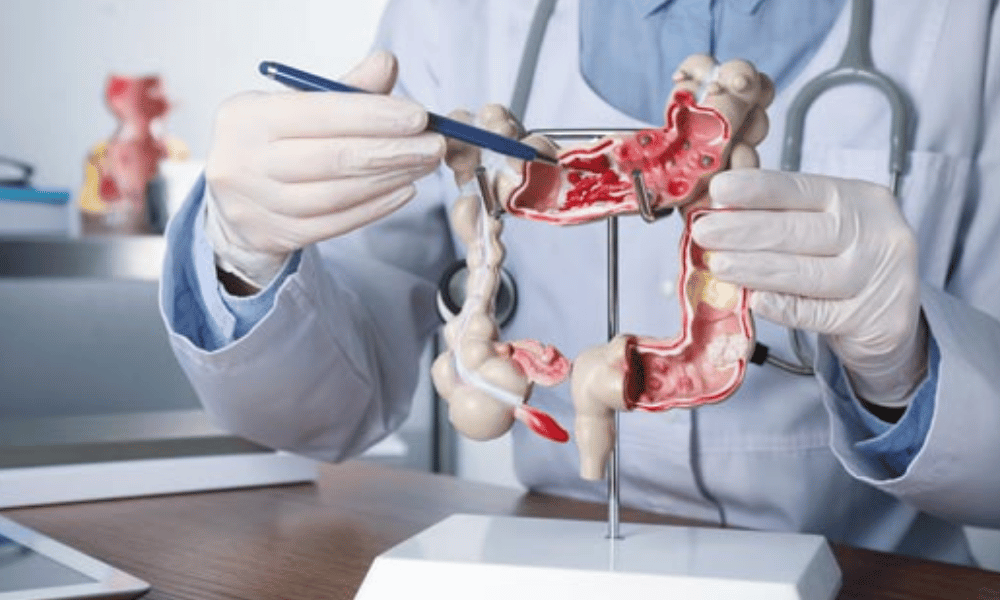
Rectal resection (sometimes called proctectomy) is a surgery that removes part or all of the rectum to treat serious conditions such as rectal cancer, advanced inflammatory bowel disease, or large precancerous polyps. The operation removes diseased tissue and aims to restore bowel health and improve quality of life; depending on the location and extent of disease, an ileostomy or colostomy may be created temporarily to protect the anastomosis or permanently when the anus must be removed. Proper preoperative care and a coordinated surgical team help the body recover and reduce risks associated with the procedure.
Finding Hope and Healing: Understanding Rectal Resection for a Better Tomorrow
A recommendation for major rectal surgery can bring up many emotions — fear, uncertainty, and questions about life afterward. You’re not alone: many people search for terms like “rectal cancer surgery,” “bowel resection,” or “rectum removal” while looking for clear, practical information about treatment options and recovery.
Rectal resection (also called proctectomy) is a type of surgery that removes the diseased portion of the rectum to treat conditions such as rectal cancer, advanced inflammatory bowel disease, complicated diverticulitis, or large precancerous polyps. The aim of the resection is to remove the disease, preserve as much normal bowel function as possible, and reduce the risk of cancer spread when applicable. Treatment plans are tailored by a team of specialists — including your colorectal surgeon — who consider tumor location, disease stage, and overall health to recommend the best approach and follow-up care. For some patients, cost or access to specialized expertise leads them to explore treatment options abroad; if you consider that route, prioritize accredited centers and clear plans for pre- and post-operative care.
What symptoms might indicate a need for rectal resection?
Persistent changes in bowel habits, rectal bleeding, abdominal or pelvic pain, a feeling of incomplete emptying (tenesmus), unexplained weight loss, and ongoing fatigue may be signs of serious rectal disease that warrant evaluation by a doctor.
If you notice new or persistent problems with your bowel function, it’s important to seek medical advice. Many people searching for “rectal cancer symptoms” or “signs of IBD” experience one or more of the following. These symptoms do not always mean you need surgery, but they are reasons to get evaluated so your care team can determine the right treatment.
- Rectal bleeding: Noticing blood in the stool, on toilet paper, or darker (melena) stools. Repeated or heavy bleeding should be assessed promptly.
- Changes in bowel habits: New, persistent diarrhea, constipation, or alternating patterns lasting more than a few weeks. Narrower stools can sometimes indicate a narrowing in the rectum from a growth or obstruction.
- Tenesmus: A frequent or continuous feeling of needing to pass stool even after going, often accompanied by cramping or discomfort.
- Abdominal or pelvic pain: Ongoing lower abdominal, rectal, or pelvic pain that is new or worsening.
- Unexplained weight loss: Losing weight without trying can be a sign of an underlying cancer or severe inflammatory disease.
- Fatigue: Persistent tiredness that may result from anemia caused by chronic blood loss or the body’s response to chronic disease.
When to call your doctor now: seek urgent care or contact your provider if you have heavy or continuous rectal bleeding, signs of infection (fever, severe abdominal pain), fainting, or symptoms of severe obstruction (no bowel movements and severe pain). Otherwise, schedule a prompt evaluation so your care team can order appropriate tests (stool studies, blood work, colonoscopy, and imaging) and discuss treatment options, which may include medical therapy, surveillance, or surgery such as rectal resection when indicated.
What are the common causes and risk factors requiring rectal surgery?
Rectal resection is most often recommended for serious rectal disease such as rectal cancer, severe inflammatory bowel disease, complicated diverticulitis, or very large precancerous polyps that cannot be removed endoscopically.
The decision to perform a rectal resection is individualized and depends on the underlying diagnosis, the location and extent of the disease, and the patient’s overall health. Typical causes and indications include:
- Rectal cancer: The leading indication for rectum resection. Surgery removes the tumor, a margin of healthy tissue, and — depending on stage — nearby lymph nodes to reduce the risk of spread. Your treatment plan will be guided by tumor location, stage, and recommendations from your multidisciplinary care team.
- Severe inflammatory bowel disease (IBD): In conditions such as ulcerative colitis or advanced Crohn’s disease that do not respond to medical therapy, or when complications like strictures, fistulas, or severe dysplasia occur, proctectomy or partial resection may be recommended to control disease and improve quality of life.
- Large or precancerous polyps: Very large, sessile, or suspicious polyps that cannot be safely removed by colonoscopy may require surgical resection of the affected part of the rectum to ensure complete removal of abnormal tissue.
- Complicated diverticulitis or trauma: Although less common in the rectum, severe or recurrent diverticulitis involving the distal bowel or significant rectal injury can necessitate operative resection.
Risk factors that increase the likelihood of developing rectal disease include increasing age, family history of colorectal cancer (or hereditary syndromes such as Lynch syndrome), certain dietary patterns, smoking, and chronic intestinal inflammation. Diagnostic tests such as biopsy, colonoscopy, MRI, and CT scans are used to stage disease and help determine whether resection is the appropriate treatment. Your surgeon and multidisciplinary team will weigh the potential benefits of resection against risks and consider alternatives when appropriate.
What types of rectal resection procedures are available?
Common types include Low Anterior Resection (LAR), Abdominoperineal Resection (APR), proctectomy with pouch (IPAA/J‑pouch), and local excision. Each can be done via open, laparoscopic, or robotic approaches and is selected based on tumor location, disease extent, and patient factors.
Your surgeon will recommend the most appropriate operation after reviewing imaging, biopsy results, and overall health. Below are the main procedures, what they involve, and common considerations about ostomy, recovery, and function.
- Low Anterior Resection (LAR): LAR is commonly used for tumors in the mid or upper rectum. The diseased part of the rectum is removed and the remaining colon is reconnected to the anus (anastomosis). To protect the anastomosis while it heals, your surgeon may create a temporary ileostomy — a small external opening that diverts stool — which is usually reversed in a later operation once healing is confirmed. LAR aims to preserve the anus and continence but may lead to changes in bowel function (see risks).
- Abdominoperineal Resection (APR): APR is used when the cancer involves the very low rectum or anal sphincter and the anus cannot be preserved. This operation removes the anus, rectum, and part of the sigmoid colon, and requires a permanent colostomy — an opening on the abdominal wall where stool is collected in a bag. APR is a definitive cancer operation when sphincter preservation is not possible.
- Proctectomy with J‑pouch (IPAA) or ileal pouch‑anal anastomosis: Primarily for ulcerative colitis or select cases after proctocolectomy, the colon and rectum are removed and a pouch is constructed from the ileum (small intestine) and connected to the anus to restore bowel continuity without a permanent ostomy. Not all patients are suitable for a pouch — suitability depends on disease, anatomy, and surgeon assessment.
- Local excision: For very small, early-stage tumors or benign lesions confined to the rectal wall, local excision removes the tumor with a small margin of tissue around it. This minimally invasive option preserves most bowel function and may avoid a major resection, but it’s only suitable when cancer has not spread to lymph nodes.
Surgical approaches and what they mean:
- Open surgery: A single larger incision in the abdomen — traditional approach used for complex or emergency cases.
- Laparoscopic (keyhole) surgery: Several small incisions and a camera are used. This minimally invasive approach often reduces pain, bleeding, and length of stay, and can speed recovery.
- Robotic surgery: A form of minimally invasive surgery where the surgeon controls robotic instruments for increased precision in confined pelvic spaces; often chosen for challenging low rectal tumors to help preserve nerves and function.
Important technical note: the anastomosis (the surgical join between bowel segments) is critical — its healing determines whether a temporary ileostomy is needed and affects early recovery. Your surgeon will discuss the likelihood of a stoma, timing of reversal if applicable, and expected changes in bowel habits after each type of operation. When considering options, ask your surgeon about their experience with low anterior resection and sphincter‑preserving techniques, expected functional outcomes, and whether a minimally invasive approach (laparoscopic or robotic) is feasible for your specific part of the rectum and disease.
Who is a suitable candidate for rectal resection surgery?
You may be considered for rectal resection if you have a confirmed serious rectal condition (such as rectal cancer or severe inflammatory bowel disease), are medically optimized for major surgery, and have been evaluated by a multidisciplinary team to ensure the benefits outweigh the risks.
Eligibility for rectal resection is determined case by case. Your care team—typically including a colorectal surgeon, oncologist, gastroenterologist, and anesthesiologist—will review diagnostic tests, overall health, and treatment goals. You may be a candidate if you have:
- A confirmed diagnosis: Rectal cancer confirmed by biopsy and staging imaging (MRI is preferred for local staging; CT or PET may be used for distant spread), or medically refractory IBD with complications that require surgery.
- Adequate general health: Sufficient cardiac, pulmonary, and renal function to tolerate general anesthesia and the demands of a major operation; optimization (smoking cessation, nutrition, anemia correction) may be recommended before surgery.
- No prohibitive contraindications: Certain severe comorbidities or poor functional status may make surgery too risky; in such cases, your team will discuss nonoperative treatments or palliative options.
- When treatment benefits outweigh risks: The team considers whether resection offers the best chance for cure (for cancer) or meaningful symptom control (for IBD), compared with alternative treatments.
Prepare for evaluation by gathering recent medical records, pathology reports, imaging (MRI/CT/PET), and a medication list. Ask your surgeon about their experience with rectal resection and specific procedures (for example, low anterior resection vs APR), expected recovery, and whether a minimally invasive approach is appropriate for your case. If you would like a second opinion or are exploring treatment abroad, have your team provide detailed reports and a clear plan for post‑operative care and follow‑up.
What is the typical recovery time and what can I expect after rectal resection?
Initial hospital stay is commonly 5–10 days for most rectal resections, while full recovery often takes between 6 weeks and 3 months; recovery times vary with the type of operation, whether a minimally invasive approach was used, and whether a stoma (temporary ileostomy or permanent colostomy) was created.
Recovery after rectal surgery is a stepwise process. Knowing what to expect at each stage helps you plan for care, manage symptoms, and recognize when to contact your surgical team. Below are typical milestones, practical tips for the first weeks, and longer-term expectations.
- Hospital stay (first days): Most people leave the hospital in 5–10 days depending on the operation (LAR vs APR), how quickly bowel function returns, pain control, and whether there are complications. Minimally invasive (laparoscopic or robotic) surgery can shorten stay for some patients.
- Initial recovery (weeks 1–2): Expect incision pain that is controlled with medication, gradual progression from liquids to soft foods, and encouragement to walk early to reduce risks of blood clots and pneumonia. If you have an ileostomy or colostomy, the hospital team will teach stoma care; practical support at home is important during this period.
- Return to routine (6 weeks – 3 months): Many people can resume light activities within 4–6 weeks and return to most normal activities by 2–3 months, though energy and bowel function may continue to improve beyond this period. If chemotherapy or additional cancer treatment is needed, timelines may shift.
Long-term expectations and common issues:
- Changes in bowel function: After low anterior resection (LAR) in particular, people commonly report increased frequency, urgency, clustering of stools, or occasional incontinence — collectively known as Low Anterior Resection Syndrome (LARS). Dietary adjustments, medications, and pelvic floor rehabilitation often help improve symptoms.
- Stoma care and reversal: A temporary ileostomy protects an anastomosis while it heals and is often reversed after a few months once imaging or endoscopy confirms healing. A permanent colostomy is required after APR. Your team will discuss stoma function, skin care, and support services.
- Fatigue and wound healing: Many patients feel tired for weeks to months; good nutrition, gradual activity increases, and wound care reduce problems with wound infection or delayed healing.
- Anastomosis-related concerns: If your operation included an anastomosis (bowel join), the team will watch for signs of leak or narrowing; symptoms such as fever, severe abdominal pain, or inability to pass stool require urgent attention.
Practical tips for the first weeks: follow wound care instructions, stay hydrated (important for ileostomy output), avoid heavy lifting until cleared by your surgeon, take prescribed DVT prophylaxis if recommended, and keep scheduled follow‑up appointments. Seek care promptly for fever, increasing abdominal pain, persistent heavy bleeding, or signs of dehydration. Your surgeon and hospital team will arrange tailored support — stoma nurses, pelvic floor therapists, and nutritional counseling — to help you regain function and quality of life after surgery.
What are the potential risks and side effects of rectal resection?
Risks after rectal resection include infection, blood loss, anastomotic leak, and bowel obstruction. Longer‑term side effects can affect bowel function (LARS), sexual and urinary function, or lead to stoma‑related problems, depending on the extent and type of the operation.
All major surgery carries general risks, and rectal surgery has some procedure‑specific concerns. Your surgical team will explain these and work to reduce them through careful technique, perioperative care, and follow‑up. Below is a clear breakdown of common risks, how they are managed, and when to seek urgent help.
- General surgical risks: As with any operation, there is a risk of infection (wound or internal), significant blood loss requiring transfusion, blood clots (deep vein thrombosis or pulmonary embolism), and adverse reactions to anesthesia. Most hospitals use DVT prophylaxis, early mobilization, and sterile technique to lower these risks.
- Anastomotic leak: When an anastomosis (the join between two bowel segments) is created, there is a risk it may not heal properly and leak. This is one of the most serious complications and can cause infection or peritonitis. Surgeons may reduce risk by creating a temporary ileostomy, using careful surgical technique, and monitoring closely after surgery. Symptoms such as fever, severe abdominal pain, or abnormal drainage should prompt immediate medical attention.
- Bowel obstruction and adhesions: Scar tissue (adhesions) can form and occasionally cause partial or complete bowel obstruction months or years later, presenting with cramping pain, vomiting, or inability to pass stool or gas.
- Damage to nearby structures: Because pelvic surgery occurs near the bladder, ureters, and nerves, accidental injury can cause urinary problems or other organ dysfunction; nerve-sparing techniques aim to reduce sexual and urinary side effects.
- Stoma complications: If an ileostomy or colostomy is created, possible issues include skin irritation, prolapse, retraction, high output (for ileostomy), or difficulty with appliance fit. Stoma nurses provide training and support to manage these problems and protect skin.
Long‑term side effects:
- Low Anterior Resection Syndrome (LARS): Following low anterior resection, many people experience frequent bowel movements, urgency, clustering, or sometimes incontinence. Management includes dietary changes, medications, pelvic floor therapy, and sometimes more advanced interventions.
- Sexual and urinary dysfunction: Nerve injury during pelvic dissection can lead to erectile dysfunction, ejaculatory problems in men, or dyspareunia and altered sensation in women; bladder control issues can also occur. Referral to specialists, nerve-sparing surgery when possible, and rehabilitation services can help.
- Skin and stoma care: Stoma-related skin problems can generally be managed with proper appliance selection and topical care; stoma therapists provide ongoing support to minimize skin breakdown.
How risks are reduced: modern perioperative protocols (Enhanced Recovery After Surgery), minimally invasive techniques (laparoscopic or robotic), careful anastomotic technique, DVT prophylaxis, stoma education, and multidisciplinary postoperative care all lower complication rates and improve recovery.
When to call your doctor or seek urgent care: you should seek immediate attention for high fever, severe or worsening abdominal pain, heavy or persistent rectal bleeding, sudden inability to pass stool or gas (possible obstruction), fainting, or signs of dehydration. For stoma problems, contact your stoma nurse if you notice severe skin irritation, prolapse, or sudden changes in output.
Your surgeon will review these risks in detail before the operation, explain measures to minimize them, and outline follow‑up plans. If you have concerns about sexual or urinary function after surgery, ask for early referral to rehabilitation services — pelvic floor therapy, sexual health counseling, and specialist support can improve long-term quality of life.
How much does rectal resection cost worldwide?
The cost of rectal resection varies widely by country, hospital, type of operation (open vs minimally invasive), surgeon experience, and case complexity — ranges commonly cited span roughly $10,000 to $80,000+ USD depending on location and included services.
Cost is a common concern when planning major surgery. When comparing options, understand what the quoted price includes and excludes. Typical inclusions are surgeon and anesthesiologist fees, operating room time, standard hospital stay, basic medications, and immediate post‑op nursing care. Common exclusions that can materially affect the final expense include intensive care unit time, specialized implants or disposables, extended hospital stay for complications, pathology fees, rehabilitation services, and follow‑up visits. If you’re considering treatment abroad, also factor in travel, accommodation for a companion, and costs of follow‑up care at home.
| CountryEstimated Cost (USD)Notes on Value | ||
| USA | $40,000 – $80,000+ | Highest listed prices; advanced technology and comprehensive postoperative care often included, but verify itemized billing. |
| Western Europe (e.g., UK, Germany) | $30,000 – $60,000 | High-quality care similar to the US; costs vary by public vs private facility and length of stay. |
| India | $10,000 – $25,000 | Often offers substantial savings; many JCI‑accredited hospitals and experienced surgeons. Verify hospital accreditation and surgeon case volume. |
| Mexico | $12,000 – $30,000 | Closer option for North American patients; private hospitals with competitive pricing. Confirm surgeon credentials and aftercare plans. |
| Turkey | $15,000 – $35,000 | A growing medical tourism hub with modern hospitals and experienced surgeons; check accreditation and outcome data. |
| Thailand | $15,000 – $30,000 | Well‑established medical tourism destination with many JCI‑accredited facilities and comprehensive patient services. |
*These are estimated ranges intended to be illustrative. Actual prices depend on case complexity (e.g., extent of resection, lymph node dissection), whether a stoma is needed, operating room time, length of stay, and included services. Always request an itemized quote, ask which follow‑up visits are covered, and confirm surgeon experience and hospital accreditation before making treatment decisions.
Why consider getting a rectal resection done abroad?
Patients often seek rectal resection abroad for cost savings, access to experienced surgeons and advanced technology, shorter waiting times, and bundled care packages that can simplify logistics and recovery planning.
For many people, choosing treatment overseas is driven by a mix of financial and practical factors. When researching options like “affordable rectal cancer surgery abroad” or “best hospitals for rectal surgery overseas,” these potential benefits commonly stand out:
- Significant cost savings: Procedures that are very expensive in Western hospitals can often be performed for a fraction of the price abroad, while still maintaining high standards of surgical care.
- Access to specialized expertise: Many international centers have colorectal surgeons with high case volumes and experience in complex procedures such as low anterior resection and pelvic surgery.
- Shorter waiting times: When timely surgery is important, traveling abroad can provide faster access to the operating room than long domestic wait lists in some healthcare systems.
- Advanced technology and coordinated care: Many facilities investing in robotic and laparoscopic systems also offer dedicated multidisciplinary teams to plan cancer treatment and postoperative care.
- Comprehensive packages: Some providers include surgery, hospital stay, and certain support services in one package, and may help arrange accommodation and transportation, simplifying the overall process for patients and their companions.
Balance these advantages with potential tradeoffs: continuity of care after you return home, travel risks around the time of major surgery, and the need to verify surgeon and hospital credentials. Before committing, confirm hospital accreditation, review surgeon experience and outcome data, request itemized cost breakdowns, and ensure a clear plan for follow‑up care with your home doctors.
Which countries offer the best value and quality for rectal resection?
Countries such as India, Mexico, Turkey, Thailand, and South Korea are often cited for offering strong value for rectal resection by combining experienced surgeons, internationally accredited hospitals, and competitive pricing compared with Western markets.
Several nations have developed trusted centers for complex colorectal surgery. When evaluating options abroad, look beyond price to surgeon experience, hospital accreditation, outcomes data, and a clear plan for pre‑ and post‑operative care. Brief notes on commonly chosen destinations:
- India: Many JCI‑accredited hospitals and high surgical volumes; English‑speaking teams are common in major centers. Verify individual surgeon credentials and hospital outcome metrics.
- Mexico: Attractive for North American patients because of proximity, competitive costs, and modern private hospitals; ensure clear follow‑up plans with your home doctor.
- Turkey: Rapidly growing medical tourism destination with many hospitals offering colorectal surgery and advanced infrastructure; request surgeon outcome data and accreditation details.
- Thailand: Longstanding medical tourism market with JCI‑accredited facilities and comprehensive patient services; strong emphasis on hospitality alongside clinical care.
- South Korea: Known for advanced medical technology and specialized oncology services; consider travel time and coordination for follow‑up if you live far away.
How to compare hospitals: ask for hospital accreditation (e.g., JCI), surgeon CVs with case volumes for low anterior resection and other rectal operations, infection and complication rates, transparent itemized pricing, and a written plan for follow‑up care at home. Also consider logistics — travel time, language support, and availability of stoma nurses or pelvic floor therapists — since these factors affect recovery and long‑term function.
What should I expect when planning international travel for rectal resection?
When planning international travel for rectal resection, expect to coordinate flights, visas, and accommodation well in advance, gather complete medical records, and allow several weeks for pre‑operative assessment, the operation itself, and initial post‑operative recovery before returning home.
A medical trip for major surgery requires careful preparation. Below is a practical checklist and timeline to help you plan — including key documents, logistics, and questions to ask the care team and your home doctor.
- Thorough research and communication: Start by vetting hospitals and surgeons. Request surgeon CVs (case volumes for low anterior resection, APR, and minimally invasive approaches), hospital accreditation (e.g., JCI), and published outcomes if available. Be prepared to share your full medical history, pathology reports, and imaging for an initial remote consultation.
- Travel and accommodation logistics: Plan flights and visas early. Arrange accommodation for you and a companion (highly recommended) for several weeks. Typical timing: arrive at least a few days before pre‑op clinics/tests; expect to stay in country for 2–6 weeks depending on the procedure (local assessment + surgery + early recovery), longer if complications arise.
- Medical records and tests: Bring originals and digital copies of biopsy reports, colonoscopy notes, MRI/CT/PET images (CDs or downloadable links), blood tests, and a current medication list. Ask the foreign team which additional tests they will perform on arrival and whether prior tests meet their staging requirements.
- Financial planning: Obtain an itemized quote that states what is included (surgeon, anesthesiologist, operating room, hospital stay, basic medications) and what is excluded (ICU, pathology, additional imaging, rehabilitation, travel delays). Reserve extra funds for unexpected costs and for follow‑up care when you return home.
- Language and cultural considerations: Confirm whether the hospital provides English‑speaking coordinators or interpreters. A translation app is useful, but having a bilingual patient coordinator or companion can improve communication with the surgical team.
- Plan for stoma care and postoperative support: If an ileostomy or colostomy is likely, ensure the hospital has stoma nurses and arrange supplies for travel. Discuss wound care, management of high ileostomy output, and skin protection measures before discharge.
Additional practical checklist: passport and visa, travel insurance that covers surgery abroad, contact details for your home doctor and the treating surgeon, medication supply, list of allergies, and emergency contacts. Keep digital backups of all documents and imaging.
Using a reputable facilitator can simplify logistics — they can help verify hospital accreditation, coordinate appointments, and manage travel arrangements — but always verify credentials independently and ensure the facilitator provides transparent information about costs and surgeon qualifications.
Take the Next Step with DGS Healthcare
If you’re considering treatment abroad, request an itemized quote and the treating surgeon’s CV. DGS Healthcare and other facilitators can help compare hospitals, but verify accreditation and follow‑up plans with your local doctor.