
Acoustic Neuroma in Turkey
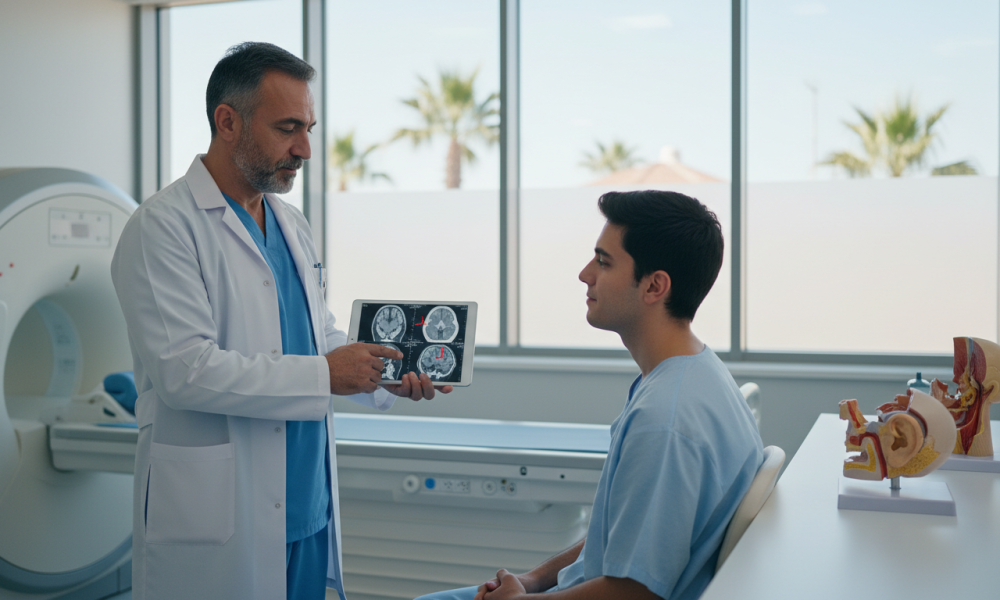
Turkey is now a top choice for those looking for top neurosurgical care. Many people from the UK travel there for Acoustic Neuroma treatment. They find a mix of excellent care and modern facilities.
Turkish clinics focus on the latest medical tech. This ensures top-notch care for complex brain surgeries. And it’s very affordable for visitors from abroad.
Every year, thousands of British patients go to Turkey for surgery. They get to see skilled surgeons and enjoy a full care plan. Turkey is the ideal place for managing Acoustic Neuroma and getting great health outcomes.
Key Takeaways
- Turkey provides world-class neurosurgical expertise for international patients.
- Clinics offer a cost-effective alternative to private healthcare in the United Kingdom.
- Advanced medical technology ensures high success rates for complex cranial surgeries.
- British patients benefit from streamlined, patient-centred care pathways.
- Specialised surgeons in Turkey maintain rigorous standards for clinical excellence.
Understanding Acoustic Neuroma and Its Symptoms
Spotting the early signs of a vestibular schwannoma can greatly help your health. It might seem scary, but knowing what it is helps you manage it better.
This growth, known as an acoustic schwannoma, is not cancerous. It grows on the nerve that carries sound and balance info from the ear to the brain.
The Biological Nature of Vestibular Schwannoma
The tumour starts from Schwann cells, which protect nerve fibres. As it grows, it presses on nearby nerves.
It’s non-cancerous, so it doesn’t spread. But, it can harm nerves if not treated.
Common Clinical Presentations and Hearing Loss
Many people first notice a hearing loss in one ear. This change is often small, so people might not notice it at first.
They also might hear ringing or buzzing in their ear, known as tinnitus. This can be very upsetting and is often why people see a doctor.
The Impact of Balance Problems on Daily Life
The tumour can also mess with your balance. This can make it hard to walk or do everyday tasks.
People might feel off-balance or dizzy, worse when moving fast. Dealing with these balance problems is key to staying safe and independent.
Why Turkey Has Become a Hub for Neurosurgery
More and more people are choosing Turkey for top-notch care for an acoustic schwannoma. The country has made big changes in its healthcare. It now combines skilled doctors with the latest technology for both local and international patients.
This change has made Turkey a go-to place for complex brain surgeries. Turkey focuses on medical research and precise surgery. Now, it offers top-notch treatments for a brain tumour.
Advancements in Turkish Medical Infrastructure
Turkey has spent a lot on its medical setup. Hospitals are now equipped with the newest tools for diagnosis and surgery. Many clinics have neurosurgical suites as good as those in the UK.
These suites use top-notch imaging and robotic systems. This means surgeons can do very precise and safe surgeries.
Accreditation and International Standards in Turkish Hospitals
The Turkish healthcare system is all about strict accreditation. Many top hospitals have international certifications. This shows they meet global safety and quality standards.
These standards give patients from abroad peace of mind. Turkish clinics show a strong commitment to excellence and patient safety in every surgery.
The Role of Medical Tourism Agencies
Getting medical help abroad can be tricky. That’s why professional help is key. Specialist medical tourism agencies are vital for international patients.
These agencies help with everything from booking to aftercare. They make sure the patient’s journey is smooth. Their help ensures a seamless experience from start to finish.
Diagnostic Procedures for Acoustic Neuroma
When you think you might have a vestibular schwannoma, the first step is advanced medical imaging. Finding it accurately is key to good treatment. It lets doctors know exactly where and how big it is. This helps them make a plan just for you.
Advanced Imaging Techniques: MRI and CT Scans
Magnetic Resonance Imaging (MRI) is top for spotting an acoustic tumor. It shows detailed pictures of the inner ear. Sometimes, a CT scan is used to look at the ear’s bones if an MRI can’t be done.
Audiometric Testing and Vestibular Assessment
Doctors also check how the condition affects you. Audiometric tests measure hearing loss, a common sign. Vestibular tests look at balance, as the tumour can mess with the inner ear’s systems.
The Importance of Early Detection
Early detection is key to keeping nerve function and improving surgery results. Finding a vestibular schwannoma early means surgeons can protect nerves and hearing better. Getting tests done quickly is a vital step for a good life with an acoustic tumor.
Treatment Options for Acoustic Neuroma
Patients with an Acoustic Neuroma have several treatment options. Each case is different, so doctors look at the tumour’s size, location, and growth rate. They then decide the best treatment.
Observation and Watchful Waiting Strategies
For small, slow-growing tumours, watchful waiting is often the best choice. This means regular MRI scans to check if the brain tumour is growing. It helps avoid risky surgeries and keeps patients’ quality of life high.
Microsurgical Resection Techniques
Large or fast-growing tumours need microsurgical resection. Surgeons try to remove as much of the tumour as they can. They aim to save the facial nerve and other important areas. This is key for patients needing quick relief from symptoms.
Stereotactic Radiosurgery: Gamma Knife and CyberKnife
Stereotactic radiosurgery is a non-invasive option. It uses the CyberKnife for cancer and Gamma Knife to target the tumour with precise radiation. It’s effective for certain patients and can lead to quicker recovery times than surgery.
| Treatment Method | Primary Goal | Invasiveness |
|---|---|---|
| Watchful Waiting | Monitor growth | None |
| Microsurgical Resection | Complete removal | High |
| Stereotactic Radiosurgery | Stop tumour growth | Low |
Comparing Surgical Approaches in Turkish Clinics
In Turkish clinics, the main aim when treating an acoustic schwannoma is to remove the tumour while keeping hearing loss to a minimum. Surgeons look at the tumour’s size and how well you can hear to decide the best course of action. This approach ensures each patient gets care that fits their unique needs.
Retrosigmoid Craniotomy Explained
The retrosigmoid craniotomy is a common method used in Turkey. It involves making a small hole behind the ear to get to the tumour. This method is great for bigger tumours because it gives the surgeon a clear view.
Using this method, doctors can often remove the tumour completely while keeping you safe. It’s often chosen when trying to save your hearing is a top priority.
Translabyrinthine Approach Considerations
The translabyrinthine approach is used when other methods are hard to use. It involves taking part of the inner ear bone to get to the tumour. This method gives great access but usually means you’ll lose hearing in that ear.
Doctors in Turkey talk openly with patients about this choice. It’s often the safest option for big tumours where hearing is already at risk. The goal is to remove the tumour completely to avoid more problems.
Middle Fossa Approach for Hearing Preservation
For smaller tumours, the middle fossa approach is a special option. This method lets surgeons get to the tumour through the middle part of the skull. It’s designed to help keep your hearing.
This technique is very challenging, so only experienced teams in Turkey do it. It’s a big step forward in treating acoustic schwannoma, helping many patients keep their quality of life after surgery.
| Surgical Approach | Best For | Hearing Preservation | Primary Benefit |
|---|---|---|---|
| Retrosigmoid | Large tumours | Possible | Wide surgical access |
| Translabyrinthine | Large/Complex tumours | Not possible | Direct tumour exposure |
| Middle Fossa | Small tumours | High probability | Hearing preservation |
The Role of Gamma Knife Radiosurgery in Turkey
Patients going to Turkey for a vestibular schwannoma often find Gamma Knife technology helps a lot. This advanced method changes how doctors treat complex brain issues without open surgery.
How Radiosurgery Targets the Tumour
Gamma Knife radiosurgery uses focused radiation beams to treat a brain tumour with great precision. It aims the beams at the tumour site, damaging its DNA.
This stops the tumour from growing while keeping the healthy brain safe. It’s a highly sophisticated method that needs sub-millimetre accuracy for safety.
Benefits of Non-Invasive Treatment Options
This technology is non-invasive, which means no incision in the skull. This lowers the risk of infection and other surgery problems.
Key benefits include shorter hospital stays and less impact on daily life. Many people like avoiding the long recovery times of invasive surgeries.
Recovery Timelines for Radiosurgery Patients
Recovery for radiosurgery patients is much faster than with traditional surgery. Most can go back to normal activities in just a few days.
The full effect on the vestibular schwannoma takes time, but the immediate recovery is smoother. This means a quicker return to work and family life for those with a brain tumour.
| Feature | Gamma Knife Radiosurgery | Microsurgical Resection |
|---|---|---|
| Invasiveness | Non-invasive | Highly invasive |
| Hospital Stay | 1-2 days | 5-10 days |
| Recovery Time | Rapid | Extended |
| Anaesthesia | Local/Light sedation | General |
Selecting the Right Neurosurgeon in Turkey
Your choice of surgeon is key to your recovery and long-term health when dealing with an acoustic tumor. This surgery is delicate, near the brainstem and facial nerves. So, you need a specialist with lots of experience in skull base surgery.
Evaluating Surgeon Experience and Specialisation
Look for surgeons who specialise in removing vestibular schwannomas. A surgeon’s track record in microsurgery shows their skill. Make sure they are board-certified and part of top neurosurgical societies.
Also, think about the medical environment they work in. It’s like finding the right orthopedic clinic. The neurosurgical facility should have a team of experts for full care.
Questions to Ask During Your Consultation
Being prepared is important for a good consultation. Have a list of questions to check if the surgeon fits your health goals. Ask these:
- How many acoustic tumor procedures have you done recently?
- What’s your plan to protect the facial nerve during surgery?
- What are the risks for my tumour size and location?
- What’s the rehabilitation like after surgery?
Reviewing Patient Outcomes and Success Rates
It’s important for a surgeon to be open about their results. Ask about their success rates, like hearing preservation and avoiding complications. Evidence-based outcomes help you know what to expect.
Also, read what other international patients say. A surgeon who talks openly about successes and challenges shows they are trustworthy. Feeling confident in their skills is essential for your treatment.
Preparing for Your Medical Journey to Turkey
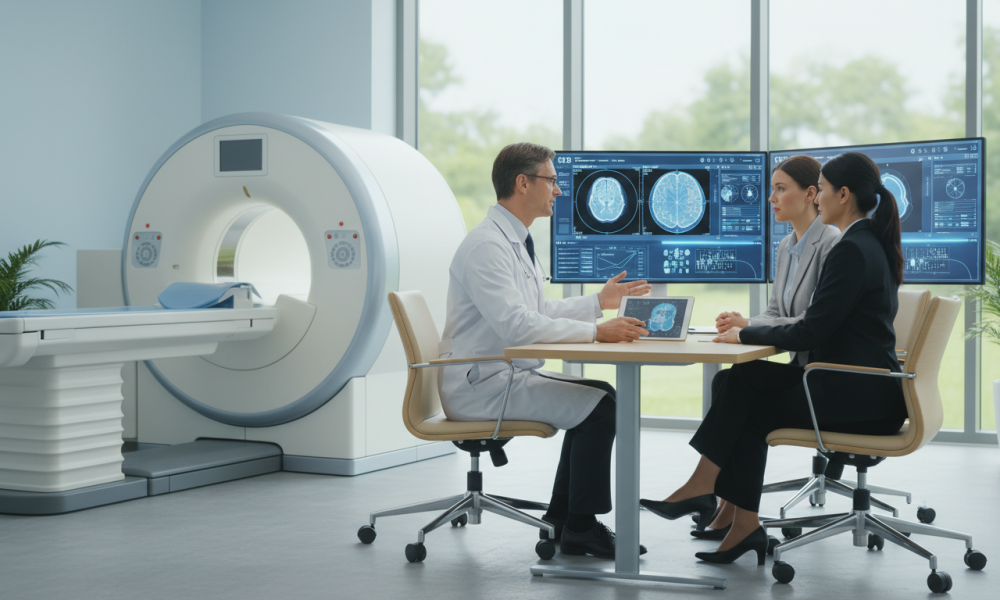
Planning your trip for tumour treatment in Turkey is a big task. Before you pick your travel dates, think about where to go for medical care. Make sure the place meets your health needs. You can find more information on deciding where to go for medical tourism.
Logistics: Travel, Accommodation, and Visa Requirements
Getting your travel plans sorted is key to a smooth trip. Many patients find it easier to work with a medical agency. They help with booking flights and finding places to stay near the hospital.
- Visa Documentation: Make sure your passport is valid for at least six months after you return.
- Proximity: Pick a place to stay that’s close to the clinic to avoid getting tired from travel.
- Support: Check if your transport includes a ride from the airport to your hotel.
Pre-operative Medical Clearances
Before surgery, you need to share your medical history with the Turkish team. This lets them check if you’re safe for surgery and anaesthesia. It’s all about keeping you safe during the tumour treatment.
You’ll have to do some health checks first. These tests help the doctors know how to help you best and how you’ll recover.
| Assessment Type | Purpose | Requirement |
|---|---|---|
| Blood Panels | Check clotting and infection | Mandatory |
| Cardiac Screening | Assess heart health | Standard |
| Imaging Review | Verify tumour size | Essential |
Managing Expectations for Your Stay
It’s important to be realistic about how long you’ll need to recover. Turkish clinics offer top-notch care, but healing takes time. You need to be patient and follow the doctor’s advice.
Plan to stay longer than just the surgery to get checked on. Focus on your health goals. Being positive and informed will make your experience better.
Post-Operative Care and Rehabilitation
Your journey to health doesn’t end when you leave the hospital. You’ll need careful care and checks to make sure you’re healing right. This is similar to what happens after brain aneurysm surgery.
Immediate Recovery in the Hospital Setting
When you wake up, you’ll go to a special recovery area. Here, doctors and nurses will watch your health closely. They check your vital signs and brain function all the time.
They’ll help with pain and moving around. Your comfort and safety are the main things they focus on at first.
Long-term Follow-up and Monitoring
After you go home, you’ll need to see your doctors often. They’ll check how you’re doing and if the surgery site is healing well. You might also have MRI scans to see if the tumour is gone or stable.
Talking to your doctors is key during this time. Tell them about any new symptoms or worries right away. Regular checks help avoid long-term problems.
Physical Therapy for Balance and Vestibular Rehabilitation
Many people struggle with balance problems after surgery. This is because of changes in their inner ear. But, physical therapy can help a lot.
A therapist will make a plan just for you. This plan will help you get better at balancing and moving. With time and effort, most people feel better and can do things they love again.
Managing Possible Complications and Risks
Every surgery has risks, and managing them well is key to quality care in Turkish clinics. Neurosurgery for an acoustic tumor meets international standards. But, patients need to know about possible complications. It’s important for the surgical team and the patient to be open with each other for the best results.
Facial Nerve Preservation Techniques
The facial nerve is near the tumour, making it a main focus during surgery. Turkish neurosurgeons use advanced intraoperative monitoring to watch the nerve’s function in real-time. This helps them avoid damaging it.
These advanced tools help the medical team be precise in their work. Keeping the facial nerve safe is key to helping patients keep their facial expressions and muscle control after surgery.
Addressing Post-Surgical Hearing Challenges
Dealing with hearing loss is a big part of recovery for many. Surgeons aim to remove the tumour fully while trying to keep hearing. If hearing loss does happen, clinics offer lots of support.
Patients get help from audiology specialists to find the best solutions. They might get hearing aids or cochlear implants to improve their life. Proactive management helps patients adjust to their new situation smoothly.
Mitigating Risks of Cerebrospinal Fluid Leaks
A rare but possible problem after removing an acoustic tumor is a cerebrospinal fluid (CSF) leak. Turkish surgeons use careful techniques to close the site and avoid this. They might use special glues and patches to help.
After surgery, patients are closely watched for any signs of fluid leaks. If balance problems happen, there are special programs to help. These exercises help patients get their balance back and feel more confident.
Cost Analysis of Acoustic Neuroma Treatment
Many patients find that private healthcare in the UK can be expensive. But, Turkey offers high-quality options at lower costs. Knowing the total cost of Acoustic Neuroma care is key. This helps you choose the best option for your health and wallet.
Comparing Costs: Turkey versus the United Kingdom
The cost of tumour treatment changes a lot based on where you go and the surgery needed. Private care in the UK is pricey due to high costs. But, Turkish clinics offer great value without sacrificing quality.
| Service Category | United Kingdom (Private) | Turkey (Private) |
|---|---|---|
| Consultation Fees | High | Moderate |
| Surgical Procedure | Premium | Cost-Effective |
| Hospital Stay | Daily Rate | Inclusive Package |
What is Typically Included in Medical Packages
Turkish medical centres provide detailed packages for a smooth experience. These packages aim to be clear and reassuring. They usually include:
- Pre-operative tests and scans.
- Surgeon and anaesthesiologist fees.
- Standard hospital stay with meals and care.
- Post-operative meds and first follow-up visits.
Hidden Costs and Financial Planning
Medical packages cover the main surgery costs, but there might be extra expenses. Effective financial planning should include travel and unexpected costs. It’s smart to have a backup fund for extra needs.
Make sure to check what’s not included in your quote. Knowing the full cost helps you focus on getting better without worrying about money. Good planning makes your recovery smoother.
Patient Experiences and Testimonials
Real-life stories connect what we expect with what we get in Turkish medical care. Hearing from those who’ve had tumour treatment in Turkey can offer comfort and useful tips. These stories often show the high quality of care patients receive.

Navigating the Language Barrier in Turkish Hospitals
Many worry about language issues in foreign hospitals. But, Turkish hospitals have strong systems to overcome this. They ensure language won’t stop you from getting top care.
Top clinics have translators who help during visits and treatments. Most staff speak English well, making it easy to talk about your tumour treatment plans.
Support Systems for International Patients
Turkish hospitals also offer great support to make your stay easy. They have a personal concierge for everything from airport pickup to where you’ll stay.
This helps patients focus on getting better. Whether it’s neurosurgery or cancer treatment in Turkey, the team handles the details.
Real-world Outcomes for UK Patients
UK patients often say they’re very happy with their care. They talk about how smoothly everything went from start to finish.
They praise the advanced technology and the caring doctors. Reading these stories helps others know what to expect.
| Support Feature | Standard Service | Premium Patient Care |
|---|---|---|
| Language Assistance | Basic Translation | Dedicated Medical Interpreter |
| Logistics Support | Self-Managed | Full Concierge Service |
| Follow-up Care | Remote Consultation | Integrated UK-Turkey Link |
| Tumour Treatment | Standard Protocol | Personalised Care Plan |
Ethical and Legal Considerations in Medical Tourism
Knowing your rights is key to safe tumour treatment abroad. When you go for medical care outside the UK, you face a new legal system. Being informed helps protect your health and rights.
Understanding Your Rights as an International Patient
Every patient deserves clear, honest talks about their health and treatment plans. Make sure you get a detailed informed consent document in English before any surgery. This should list the risks, benefits, and possible results of your treatment.
Also, check what legal help you have in the country you’re visiting. Most good clinics follow high standards, but knowing your rights is important. Always keep copies of all agreements and contracts signed during your visit.
Continuity of Care Upon Returning to the UK
After your medical trip, your care doesn’t stop. Plan how you’ll move back to the NHS or private care in the UK. It’s crucial to get a full summary of your medical records, including surgery notes and scans, before you leave.
Talk to your GP or specialist about your care plan before you go. A clear plan ensures your recovery stays on track and any issues are quickly dealt with. Proactive communication between your surgeon abroad and your UK team is key for your long-term health.
Ensuring Quality Assurance in Cross-Border Healthcare
When looking for tumour treatment, choose clinics with international accreditations like the Joint Commission International (JCI). These marks show safety, cleanliness, and top-notch care. Ask clinics about their quality checks.
Look at what other patients say and check the surgeon’s qualifications. Picking places that meet global standards lowers risks and ensures your tumour treatment is safe and professional.
Conclusion
Getting a diagnosis of acoustic neuroma means you need a good plan and expert doctors. Turkey is a top choice for affordable, high-quality neurosurgery compared to the UK.
Choosing to have surgery abroad is not just about saving money. Your health and safety are the most important things. Make sure to check the hospital’s reputation and the surgeon’s skills to get the best results.
Working with a trusted medical tourism agency can make things easier. They help with everything from getting ready for surgery to recovering afterwards. Talking clearly with your clinic helps you know what to expect during your recovery.
This guide helps you understand what to do next. Talk to specialists and look at patient success stories before making a decision. Choosing the right team is key to your health and happiness in the long run.
FAQ
Q: What exactly is an acoustic neuroma and what are its primary symptoms?
A: An acoustic neuroma, also known as a vestibular schwannoma or acoustic schwannoma, is a benign brain tumour. It grows on the vestibulocochlear nerve. Symptoms include hearing loss, tinnitus, and balance problems.
As it grows, it may cause facial numbness or pressure in the ear.
Q: Why is Turkey considered a leading destination for acoustic neuroma treatment?
A: Turkey is a top choice for neurosurgery. It has advanced medical technology and skilled specialists. Turkish hospitals meet high safety and quality standards, like those in the UK.
Patients get quality care at lower costs, making it a cost-effective option.
Q: How is a vestibular schwannoma diagnosed in Turkish clinics?
A: Diagnosing relies on MRI and CT scans for accurate tumour size and location. Specialists also do audiometric testing and vestibular assessments.
These tests help in early detection and treatment.
Q: What are the main treatment options for an acoustic tumor?
A: Treatment varies based on the tumour. Options include ‘watchful waiting’, microsurgical resection, and stereotactic radiosurgery. Istanbul and Ankara use Gamma Knife and CyberKnife for non-invasive treatments.
Q: Which surgical approaches are commonly used by Turkish neurosurgeons?
A: The choice depends on tumour size and hearing status. Common methods include retrosigmoid craniotomy, translabyrinthine approach, and middle fossa approach.
The middle fossa approach aims to preserve hearing in smaller tumours.
Q: How do surgeons protect the facial nerve during brain tumour surgery?
A: Protecting the facial nerve is key. Turkish neurosurgeons use intraoperative electrophysiological monitoring to track nerve activity. This helps avoid permanent facial paralysis.
Q: What is the role of Gamma Knife radiosurgery in treating acoustic neuromas?
A: Gamma Knife radiosurgery is a non-invasive treatment. It uses focused radiation to target the tumour. It’s effective for small to medium-sized tumours and offers quick recovery.
Q: How does the cost of treatment in Turkey compare to private care in the United Kingdom?
A: Treatment in Turkey is much cheaper than in the UK. It can be 50% to 70% less expensive. Turkish clinics offer medical packages that include everything, making costs clear.
Q: What does the recovery and rehabilitation process involve?
A: Recovery starts in the hospital with close monitoring. Rehabilitation includes physical therapy and vestibular rehabilitation. Turkish clinics provide detailed follow-up plans for after returning home.
Q: How do I manage the language barrier and logistics when travelling to Turkey?
A: Turkish hospitals have international patient departments and medical translators for clear communication. Many patients use medical tourism agencies for travel arrangements, making the journey easier.
Q: What happens regarding my continuity of care when I return to the UK?
A: Before leaving, patients get a detailed medical report and imaging copies. It’s important to coordinate with your UK GP or neurologist for ongoing care. Turkish specialists offer remote consultations for follow-up and monitoring.


Orthopedics Marketing in 2025: The Top.
Orthopedic groups continue to face hurdles like staffing gaps and economic pressures, but there’s still plenty of growth to capture..
Read More
Spinal Cord Stimulation for Chronic Pain
Spinal cord stimulation for chronic pain is an implantable treatment that can substantially reduce long-term pain for patients who haven’t.
Read More