
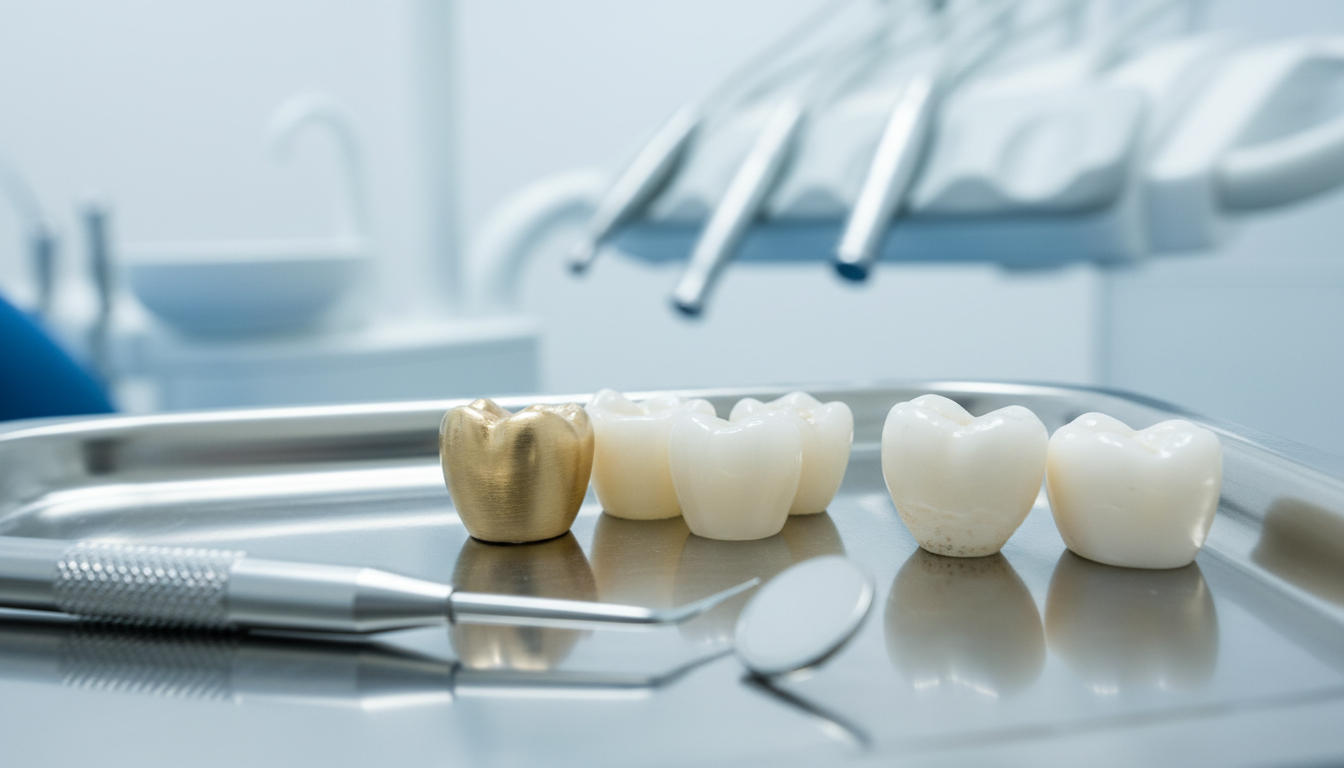
Can one small cap save your smile and stop years of decay in its tracks? Many readers wonder when a simple filling ends and a protective crown becomes the better plan. This guide explains clear steps so a person facing a damaged tooth feels calmer and more informed.
Dental crowns act as a protective cap that restores the shape and function of a tooth. A dentist will discuss materials—porcelain, metal, gold, or zirconia—and the tradeoffs in strength and aesthetics. Understanding the crown procedure helps people choose the best option for long-term oral health and natural teeth care.
Expect practical details about preparation, time needed, how crowns last for years, and tips to avoid foods that harm restorations. The tone is clear and supportive, blending clinical facts with real-world guidance so readers feel ready to talk with their dentist.
Key Takeaways
- Dental crowns protect and restore a damaged tooth, improving function and smile aesthetics.
- Material choice—porcelain, metal, gold, or zirconia—affects strength, look, and lifespan.
- The crown procedure includes shaping the tooth, fitting a cap, and follow-up checks.
- Crowns can last many years with proper care and avoiding certain foods.
- Discuss options with a trusted dentist to match treatment to health needs and goals.
Understanding the Basics of Dental Crowns
Think of a crown as a custom cap that rebuilds a damaged tooth’s form and function. A dental crown is shaped like a natural tooth and fits over a decayed, weak, or broken tooth to restore size and strength.
Before placement, a dentist gently reshapes the tooth by removing a small amount of structure so the crown fits securely. This step helps the crown sit flush with nearby teeth and keeps bite alignment steady.
Key points to know:
- A dental crown encases a compromised tooth to restore shape and chewing ability.
- Well-fitted crowns protect against further wear and help keep surrounding teeth stable.
- Materials vary, but the goal is the same: restore function and a natural look.
| Purpose | When Used | Benefit |
|---|---|---|
| Restore strength | After large fillings or fractures | Improves chewing and prevents breakage |
| Protect a weakened tooth | Following root canal or decay | Shields tooth from daily forces |
| Improve appearance | Misshapen or discolored tooth | Restores natural shape and color |
When You Might Need a Dental Crown
A crown can restore strength and protect a weakened tooth so daily chewing feels normal again. Many people choose this option when a tooth shows deep cracks, large fillings, or heavy wear. A trusted dentist will explain whether a crown best suits the issue or another treatment.
Functional Support
A crown supports and covers a cracked or broken tooth to stop splits from worsening. After a root canal, the treated canal leaves the tooth more brittle, so a crown often seals and protects it.
Cosmetic Enhancements
For visible flaws, crowns hide severe stains or shape problems. Whether made from porcelain for a natural look or metal for strength, these restorations reinforce teeth with large fillings.
“A well-fitted crown can save a damaged tooth and restore confidence in your smile.”
- Supports weak teeth and prevents fractures.
- Protects post-root canal restorations.
- Helps anchor a bridge by covering adjacent teeth.
All About Getting Type of Dental Crowns Types Cost Procedure and Benefits
A precision-made restoration rebuilds a broken tooth so it works like the original.
The procedure is a routine restorative treatment that blends function with appearance. A trusted dentist assesses decay, fracture depth, and the health of surrounding gums before recommending a plan.
Patients learn about material options and how each choice affects feel, longevity, and look. Modern labs and in-office tech give more control over fit and shade.
Working with experienced dentists reduces discomfort and speeds recovery. Good providers explain steps, show mock-ups, and confirm bite alignment.
- Initial visit: exam, X-rays, and a discussion of needs.
- Choice of material based on location and load on the tooth.
- Follow-up checks to ensure long-term success.
| Step | Goal | Outcome |
|---|---|---|
| Consultation | Assess tooth health | Personalized treatment plan |
| Preparation | Shape tooth for fit | Stable, secure crown |
| Placement | Finalize fit and look | Restored chewing and smile |
“A clear plan and skilled care make the restoration predictable and lasting.”
Exploring Different Materials for Your Crown
Choosing the right material for a crown shapes how a repaired tooth looks and holds up under pressure.
Material selection guides durability, fit, and smile appearance. A dentist will weigh the location in the mouth, bite forces, and gum health when advising a choice.
Porcelain and Ceramic Options
Porcelain and ceramic match natural teeth best. They offer superior aesthetics and blend with nearby teeth for front restorations.
Porcelain-fused-to-metal (PFM) needs careful planning. A 0.3mm thickness is often required so the crown fits the prepared tooth surface correctly.
Metal and Gold Alloys
Metal and gold provide unmatched strength and a tight fit. They suit molars and back teeth where chewing loads are highest.
These materials resist wear and reduce the risk of fracture, making them a reliable long-term option.
Zirconia Durability
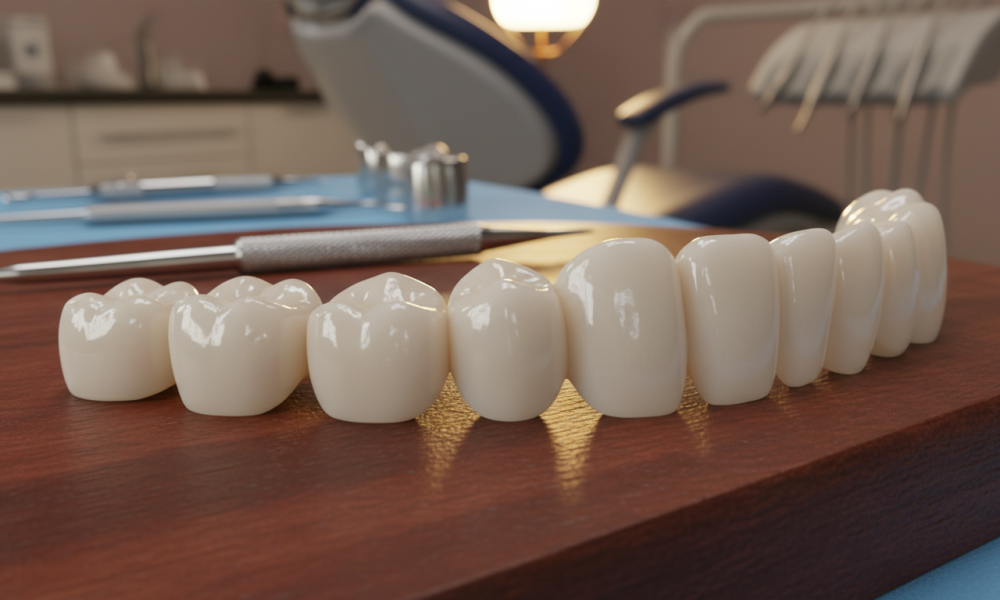
Zirconia crowns combine toughness with a tooth-like color. They resist chipping and can handle strong bite forces without breaking.
When strength matters, zirconia often becomes the recommended option—especially for patients who need both durability and a near-natural look.
- Porcelain: best for front teeth and looks.
- Metal/Gold: best for back teeth and strength.
- Zirconia: best balance of strength and appearance.
| Material | Best Use | Key Strength |
|---|---|---|
| Porcelain/Ceramic | Visible teeth | Aesthetics |
| Gold/Metal | Molars, heavy bite | Durability |
| Zirconia | Bridges, crowns under load | Fracture resistance |
“Balancing look and load leads to a crown that protects the tooth and restores confidence.”
The Conventional Dental Crown Procedure
Most crowns require two dental visits that let the lab craft a durable, well-fitting restoration.
First visit: the dentist examines the tooth and removes a small amount of enamel to shape the structure. This careful preparation helps the crown sit flush with nearby teeth and restore proper bite.
An impression of the prepared tooth is taken and sent to a lab. While the technician makes the permanent crown, a temporary cap protects the reshaped tooth from sensitivity and further wear.
The lab stage usually takes two to three weeks. This time lets technicians match shade and finish so the permanent crown looks natural and fits precisely.
- Examination and shaping of the tooth.
- Impression and placement of a temporary crown.
- Final fitting and cementing of the permanent crown.
“A clear, two-visit process reduces surprises and helps patients feel more confident about their treatment.”
Understanding Same Day Crown Technology
Advanced in-office milling turns digital scans into a ready-to-place crown within hours.
Chairside CAD/CAM systems let a patient leave with a finished restoration after one appointment. The workflow blends speed with precision so a dentist can manage the full process in-house.
The system has three core parts: an intraoral camera that captures a 3-D image, a CAD computer that designs the restoration, and a milling unit that carves the permanent crown from a ceramic block.
Benefits of CAD CAM Systems
Time savings: The entire dental crown procedure can take just 2 to 4 hours, removing the need for a temporary cap.
Accuracy: Digital scans create a precise fit, improving long-term strength and comfort for the tooth.
- Scans produce a 3-D model for exact design.
- Milling fabricates a permanent crown from a high-strength ceramic block.
- The process reduces appointments and speeds recovery.
“Same-day restorations give busy patients a convenient, predictable option without sacrificing fit or finish.”
Financial Considerations and Average Costs
Costs for a single tooth restoration can vary widely based on material, lab fees, and extra treatments.
Typical pricing spans from roughly $800 to $2,500 per crown. The average often sits near $1,100–$1,500 per tooth for many porcelain and zirconia options.
Porcelain and zirconia restorations command higher fees because they offer better aesthetics and durability. Metal and gold options are priced similarly, especially for molars under higher bite forces.
Stainless steel crowns offer an economical choice at about $300–$500 per tooth. Many plans cover roughly 50% of the bill when the crown is needed after a root canal or other medical treatment. Always consult your dentist for a personalized estimate—gum surgery or extra prep raises the final price.
| Material | Typical Range (USD) | Best Use |
|---|---|---|
| Stainless steel | $300–$500 | Temporary or pediatric |
| Porcelain / Zirconia | $1,000–$2,500 | Visible teeth; high aesthetics |
| Metal / Gold alloy | $900–$2,500 | Molars; heavy bite |
“Discuss costs and coverage up front to avoid surprises and choose the right restoration for your smile.”
Essential Aftercare for Long Term Success
Small habits at home help a new crown protect the treated tooth for a decade or more.
Daily Hygiene Practices
Brush gently twice a day using a soft-bristled brush to remove plaque near the crown and gum line. Floss once daily, sliding the floss out from the side to avoid catching the restoration.
Use an antiseptic mouthwash when recommended by a dentist. Schedule regular check-ups so a professional can spot early signs of decay or fit issues.

Avoid hard items like nuts, ice, and hard candies that can crack a crown or damage the underlying tooth. Stay cautious with sticky treats that may pull at a crown or lodge between teeth.
With proper care, many crowns last well over 10 years. Protecting the restoration preserves bite function and keeps a natural smile confident for years.
“Maintaining your crown is a small daily commitment that pays off with lasting protection and fewer surprises.”
- Key tips: brush, floss, and visit the dentist regularly.
- Avoid hard and sticky foods that stress the restoration.
- Report any sensitivity or looseness to your provider promptly to prevent decay.
Potential Risks and Complications
A fitted cap may loosen or crack if underlying support weakens over time.
Sensitivity is common soon after placement. A dental crown that sits high or fits poorly can cause tenderness to hot and cold. Minor adjustments usually fix this quickly.
There is a risk the crown can break or become dislodged. Cement failure or decay of the tooth structure beneath the restoration often causes this problem. Timely care reduces the chance of sudden loss.
Some people react to certain metals or alloy materials. Allergic responses are rare but important to discuss before choice of materials.
If a crown covers a tooth with untreated decay or an unresolved root canal issue, infection and gum disease can follow. The procedure removes enamel, and in rare cases extensive filing may irritate the nerve.
“Early detection and routine exams help catch issues before they become serious.”
| Risk | Signs | Action |
|---|---|---|
| Sensitivity | Hot/cold pain, bite discomfort | Adjust fit; pain relief |
| Loosening / breakage | Movement, rough edge | Re-cement or replace |
| Infection | Swelling, persistent pain | Check for decay; treat root/canal |
| Allergic reaction | Redness, irritation | Change material |
- Schedule regular dental visits to monitor the restoration.
Comparing Crowns to Other Dental Alternatives
Some restorations cover only the face of a tooth, while others encase the entire structure for added protection. This section helps readers compare common options so they can talk confidently with a dentist about the best path for their smile.
Veneers versus Crowns
Veneers are thin shells that fit over the front surface to improve shape and color. They preserve more natural tooth structure and suit cosmetic fixes on visible teeth.
Crowns encircle the whole tooth. They provide extra strength for teeth with large fillings, fractures, or after root canal treatment.
- Inlays and onlays help when a filling won’t hold but a full cap isn’t needed.
- Fixed bridges, implants, and partial dentures are common options when a crown isn’t suitable.
- Veneers often use glass-ceramic or composite; crowns typically use porcelain or metal depending on the material needed.
- Your dentist will recommend a treatment based on bone support, damage extent, and long-term function.
“Exploring alternatives ensures the chosen restoration restores chew function, looks natural, and lasts.”
Maintaining Oral Health for a Lasting Smile
Simple daily habits protect a restored tooth and keep a crowned smile looking its best.
Daily care starts with brushing twice a day using fluoride toothpaste. An electric toothbrush, like an Oral-B iO, removes more plaque than a manual brush and helps protect a dental crown from build-up.
Floss once each day to clear trapped food and plaque from between teeth and around the crown. Rinse with an alcohol-free antibacterial mouthwash to support gum health and freshen breath.
- Brush two times daily with fluoride paste to fight decay.
- Use an electric toothbrush for better plaque removal around the crown.
- Floss daily to protect the tooth margins and nearby teeth.
- Rinse with an alcohol-free mouthwash to calm gums and reduce bacteria.
- Visit a dentist regularly for professional cleanings and checks.
These simple steps help preserve the crown’s function and appearance. With care, crowns can last many years while keeping the restored tooth strong.
“Consistent home care and routine check-ups give the best chance for a long-lasting restoration.”
Conclusion
Modern restorations combine strong materials with lifelike looks so patients regain normal bite and comfort.
Dental crowns offer a versatile treatment that restores damaged teeth while matching nearby enamel. Choose from porcelain, zirconia, metal or gold based on location, strength, and aesthetics.
Work closely with your dentist to weigh material choice and time needed. The standard procedure is predictable, and with good home care these restorations can last for many years.
Regular visits to your dentists help catch wear early and keep the restoration secure. Discuss options so the final choice protects function and looks like your natural teeth.
FAQ
What is a crown and why might someone need one?
A crown is a custom cap placed over a damaged tooth to restore shape, strength, and function. Dentists recommend crowns for large decay, fractures, teeth after root canal therapy, worn teeth, or to cover implants. Crowns protect the remaining tooth structure and improve chewing and appearance.
What materials are crowns made from and how do they differ?
Common materials include porcelain or ceramic for natural color and aesthetics; metal alloys or gold for strength and longevity, especially on back teeth; and zirconia, which combines durability with good aesthetics. Choice depends on location in the mouth, bite forces, allergy history, and cosmetic goals.
How long do crowns usually last?
Lifespan varies with material and care. Metal and gold crowns can last 15–30 years. Porcelain-fused-to-metal and zirconia commonly last 10–20 years. Daily hygiene, avoiding hard foods, and regular dental checkups extend service life.
What is the conventional crown procedure like?
The dentist numbs the area, trims the tooth to create space, takes impressions, and fits a temporary crown. A lab makes the permanent crown, which is cemented at a second visit. The whole process typically takes two appointments over a few weeks.
What are same-day crowns and CAD/CAM systems?
Same-day crowns use digital scanning and in-office milling (CAD/CAM) to design and create a crown during one visit. Benefits include fewer appointments, no temporary crown, and precise fit. Not all cases or materials suit same-day fabrication.
Is a crown required after a root canal?
Often yes. Teeth treated with root canal therapy can become brittle and more prone to fracture. A crown restores strength, prevents reinfection, and protects the treated tooth, especially on molars and teeth with large restorations.
How much do crowns cost and will insurance cover them?
Costs vary by material, lab fees, and location. Porcelain or ceramic crowns typically cost more than metal options. Dental insurance may cover part of the cost, especially if treatment is restorative rather than purely cosmetic. Patients should check their plan and request a preestimate.
What aftercare helps crowns last longer?
Maintain excellent oral hygiene: brush twice daily, floss around the crown, and use non-abrasive toothpaste. Avoid chewing ice, hard candies, or using teeth as tools. Attend regular dental visits and treat any gum disease promptly to protect the crown margin.
Can crowns cause allergic reactions or gum problems?
Allergic reactions are uncommon but possible with certain metal alloys; discussing metal sensitivities with the dentist helps choose safe materials. Poor fit, decay under the crown, or gum disease can lead to inflammation or infection; prompt dental care prevents complications.
How do crowns compare to veneers or implants?
Veneers cover only the front surface for cosmetic improvements and require less tooth reduction; crowns encase the whole tooth for structural support. Implants replace an entire tooth root and crown when a tooth is missing. The best option depends on tooth condition, bone, and long-term goals.
Can a crown be repaired if damaged?
Minor chips or wear may be repaired with composite resin. Significant fractures, loss of fit, or recurrent decay usually require crown replacement. See a dentist promptly if you notice pain, looseness, or visible damage.
Are there special dietary rules after crown placement?
For the first 24–48 hours after cementation, avoid very sticky or hard foods if possible. With temporary crowns, avoid chewing on that side. Long-term, avoid habits like nail-biting or opening packages with teeth to reduce risk of damage.
What should patients ask their dentist before choosing a crown?
Ask about material options and why one is recommended, the expected lifespan, cost and insurance coverage, steps of the procedure, and any temporary limitations. Discuss allergies, aesthetic preferences, and alternatives like onlays, veneers, or implants.
Related guides
How Long Does a Dental Implant Procedure Take?
Curious if the journey to a restored smile will fit your life? Many patients wonder about the full…

Best Hair Transplant in Istanbul,Turkey
Could one clinic end years of worry and restore your confidence with a clear, tailored plan?Dr. Serkan Aygin…

What is Zygomatic Dental Implant?
Could anchoring into the cheekbone restore a confident smile when the upper jaw can’t?Zygomatic dental implants offer an…