
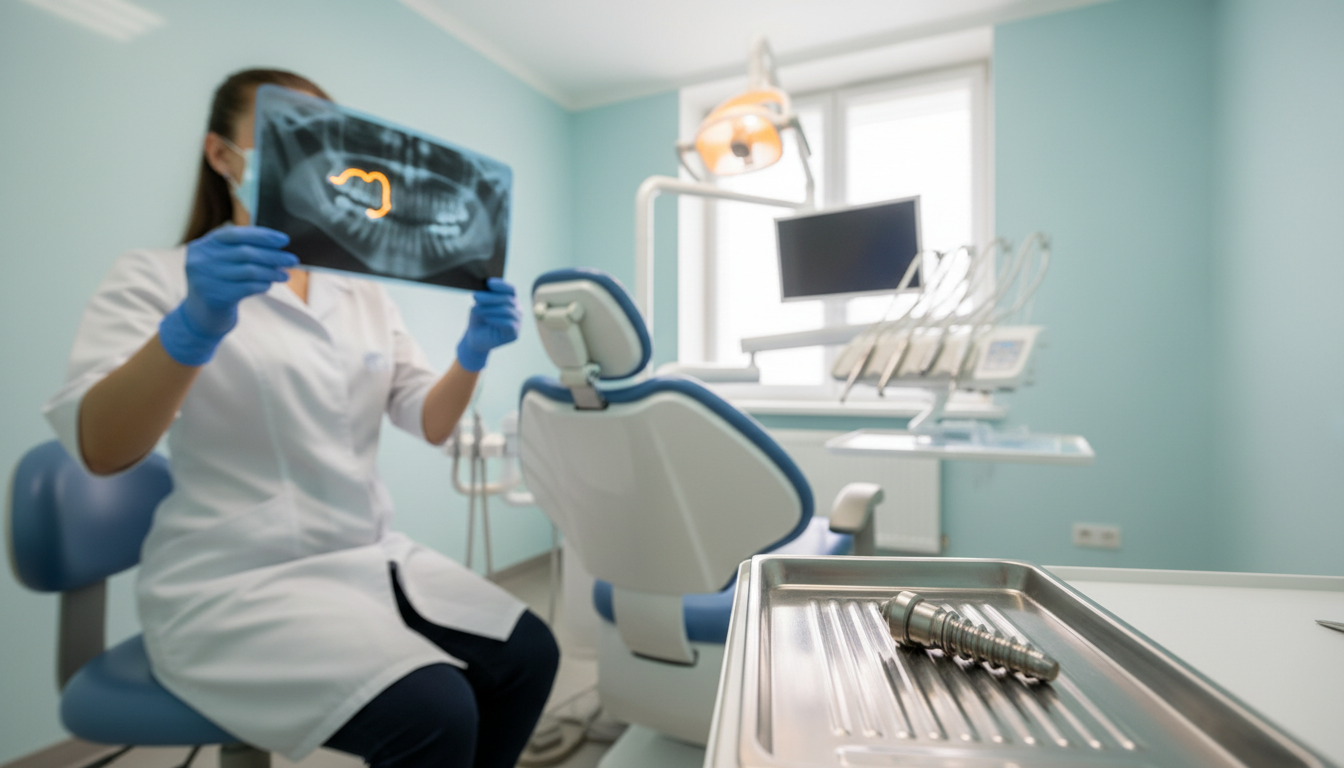
Could a modern tooth replacement change how you eat, speak, and smile tomorrow?
Many patients hesitate when faced with replacing missing teeth. Dr. William Roe has placed hundreds of implants and will take the time to explain each step.
Choosing the right path begins with clear information. A dental implant can act as a permanent foundation that restores function and a natural-looking smile.
Our team creates a personalized treatment plan that fits each patient. We focus on long-term care and rebuilding confidence with gentle, expert guidance.
Call 855-440-2467 to schedule an initial consultation and learn about your options for replacing missing teeth. You’ll get practical answers and a plan that respects your needs and time.
Key Takeaways
- Dr. William Roe offers expert, patient-focused guidance.
- A dental implant provides stable, long-term tooth replacement.
- Personalized treatment restores function and improves smile confidence.
- Care plans prioritize lasting results and patient comfort.
- Call 855-440-2467 to schedule a consultation and discuss options.
Understanding the Basics of Dental Implants
Clear knowledge helps people make calm, confident choices. A dental implant replaces a missing tooth by rebuilding both the root and the visible crown. This approach recreates the full tooth structure so the new restoration can work more like a natural tooth.
What is a dental implant
A dental implant uses a titanium post that mimics a natural tooth root. A skilled dentist places the post into the jaw so it can support a crown. Unlike loose dentures, implants stay secure and restore chewing and speech function.
The process of osseointegration
Osseointegration is when the titanium post fuses with the jawbone. This biological bond creates a stable foundation for the crown and protects nearby bone and gum health.
“When an implant merges with bone, it gives long-term support that feels more like natural teeth.”
- Implants replace the root and crown for lasting support.
- The fused post preserves jawbone and helps prevent shifting teeth.
- This method makes eating and speaking feel much more like natural tooth function.
Key Benefits of Dental Implants for Oral Health
A stable restoration can stop nearby teeth from shifting and preserve facial structure.
September is Dental Implant Awareness Month, a reminder to consult an AAID dentist about care choices. During this month, patients often learn how implants provide critical support for long-term oral health.
When a missing tooth is left untreated, gaps can invite gum disease and bone loss. A dental implant can act as a lasting replacement that stimulates the bone and helps keep surrounding teeth in place.
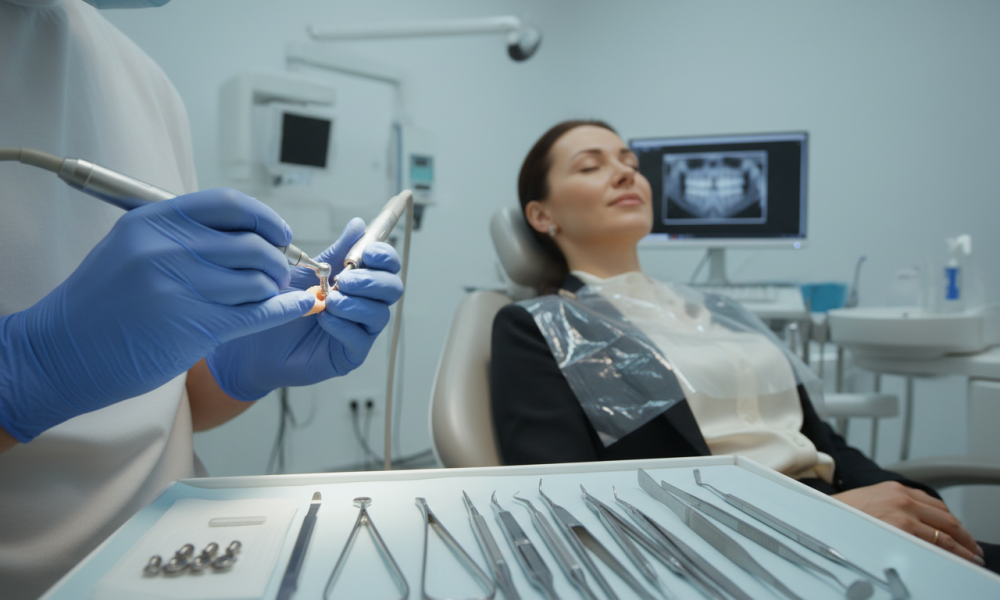
- An experienced dentist explains how implants prevent jaw shrinkage and reduce gum problems.
- Implants provide stability so adjacent teeth do not drift after a missing tooth.
- Choosing the right plan keeps oral health a priority throughout adult life.
For patients weighing options, this approach combines function, structure, and a natural feel—protecting smiles now and into the future.
Restoring Function and Comfort in Daily Life
When a mouth regains solid support, simple tasks like talking and chewing feel easier. That return of function matters every day. It affects what a person eats, how they speak, and how comfortable they feel at work or with family.
Improving speech and chewing ability
Dental implants anchor into the jawbone so the replaced tooth works much like a natural tooth. This stability helps people chew a wider range of food, from crunchy vegetables to lean proteins, which loose dentures often limit.
Because implants stay fixed, speech becomes clearer. Patients stop worrying about slipping dentures during conversation. That confidence restores social comfort and reduces stress.
- Anchored supports keep the jaw aligned and protect bone health.
- Stable implants reduce irritation often caused by bridges dentures and removable prosthetics.
- Restoring natural tooth function helps maintain overall health and enjoyment of meals.
Aesthetic Advantages and Confidence Boosts
A renewed smile can change how a person greets the world, restoring both appearance and self-belief.
Dental implants recreate a tooth’s visible shape and the supporting structure beneath. That look is often indistinguishable from natural teeth, so everyday moments—laughing, speaking, or posing for photos—feel easier and more relaxed.
These implants are anchored in the jaw, which helps stop bone loss that follows a missing tooth. Preventing jawbone shrinkage keeps the face from appearing sunken or aged. That preservation supports long-term oral health and the smile’s contour.

- Secure support restores a natural look so people feel less self-conscious in social settings.
- Anchoring the implant prevents bone loss and protects facial structure.
- Unlike bridges or dentures, implants let patients speak and laugh without worry.
Confidence improves when form meets function. A stable restoration that looks like natural teeth can change daily life—helping people eat, talk, and smile with ease.
Long-Term Durability and Maintenance
Knowing what to expect over time helps patients protect their smile. Durable restorations give peace of mind and steady function for daily life.
Lifespan and what to expect
Dental implants typically last at least 10 years and, with proper care, may last a lifetime. Traditional bridges often need replacing every 5 to 10 years. Over time, implants keep chewing and speech working more like natural teeth.
Proper oral hygiene practices
Daily brushing and flossing are the foundation for long-term success. Regular cleanings and checkups with a trusted dentist help catch problems early. Good gum health protects the implant and the jawbone beneath it.
Protecting your investment
- Avoid chewing very hard food and habits that stress the implant.
- Attend routine visits so your provider can monitor stability and wear.
- With consistent care, implants last for many years and often for life.
Determining if You Are a Candidate for Treatment
A careful exam helps determine if an implant will suit your mouth and long-term needs.
A qualified dentist begins with imaging and a clinical exam to measure bone density in the jaw and jawbone shape. This check shows whether the bone can support a new tooth and help prevent future bone loss.
Healthy gum tissue and excellent oral hygiene are essential. If gums are inflamed, a clinician will treat that first to improve the chance of success for implants.
Medical history matters. The team reviews conditions that affect healing and your overall ability to recover after treatment.
Patients missing a tooth will discuss options, timelines, and what care is needed after placement. Proper care and commitment to follow-up visits help protect your investment and keep teeth, gum, and bone healthy.
- Imaging confirms bone volume and placement planning.
- Gum health and oral hygiene influence long-term outcomes.
- A review of medical history ensures safe healing and treatment success.
Conclusion: Investing in Your Smile
Committing to a modern tooth solution can protect jaw structure and improve everyday comfort.
Dental implants give a long-term path for replacing missing teeth and reduce reliance on dentures. For many patients, this replacement returns normal chewing, clearer speech, and steady confidence.
Choosing this tooth replacement is a step toward better oral health and lasting results. With simple care and regular follow-up, implants can last a lifetime and keep teeth steady.
Talk with a trusted dentist to learn how these options match your needs and time. The rewards often include improved quality of life and lasting comfort—helping you smile with confidence for years to come.
FAQ
What is a dental implant and how does it differ from a bridge or denture?
A dental implant is a small titanium post placed into the jawbone to act like a tooth root. It supports a crown, bridge, or denture and preserves surrounding bone. Unlike traditional bridges, implants don’t rely on adjacent teeth for support. Compared with removable dentures, implants offer greater stability, feel more like natural teeth, and restore chewing function more effectively.
What is osseointegration and why does it matter?
Osseointegration is the biological process where the jawbone fuses to the surface of the implant. This secure bond creates a stable foundation for the replacement tooth, allowing normal biting forces and reducing the risk of bone loss. Successful osseointegration is key to an implant lasting many years.
How can implants improve oral health?
Implants preserve jawbone by transmitting chewing forces into the bone, which helps prevent the bone shrinkage that follows tooth loss. They also protect nearby teeth because no drilling or reshaping is needed, unlike some bridges. With proper care, implants support long-term gum and mouth health and reduce future restoration needs.
Will implants restore my ability to eat comfortably?
Yes. Implants restore chewing efficiency closer to natural teeth, making it easier to enjoy a wider variety of foods. Because they are firmly anchored in the jaw, implants eliminate the slipping or discomfort common with some dentures.
Can implants help my speech?
They can. Missing teeth or unstable dentures may cause slurred or unclear speech. Implants provide a stable bite and predictable tooth position, which often improves clarity and confidence when speaking.
How do implants affect my appearance and confidence?
Implants support facial structure and help maintain the natural contours of the jaw and cheeks. The replacement teeth are custom-made to match color and shape, improving smile aesthetics and often boosting self-esteem and social comfort.
How long do implants last?
With good oral hygiene and regular dental care, implants can last decades and often a lifetime. The crown may need replacement after many years due to normal wear, but the implant fixture in the bone commonly endures when maintained properly.
What daily care do implants require?
Care for implants is similar to natural teeth: twice‑daily brushing with a soft brush, daily flossing or interdental cleaning, and routine dental checkups. Professional cleanings and early attention to gum inflammation help protect the investment and surrounding tissues.
How can I protect my implant investment over time?
Protect implants by avoiding tobacco, treating teeth grinding (bruxism), maintaining excellent oral hygiene, and attending regular dental exams. Address gum disease or bite issues promptly to prevent complications around the implant.
Am I a candidate for implants if I’ve lost bone in my jaw?
Many patients with bone loss can still receive implants. Bone grafting or sinus lift procedures often rebuild lost volume and allow implant placement. A dental specialist will evaluate bone quality, overall health, and treatment goals to recommend the best plan.
Are there health conditions that affect candidacy for implants?
Certain conditions—uncontrolled diabetes, heavy smoking, and some immune disorders—can impair healing and raise risks. However, many patients with chronic conditions can still be treated after medical optimization and coordination with their physicians.
How long does the implant process take from start to finish?
The timeline varies by case. After initial consultation and any preparatory work (like extractions or grafts), implant placement is followed by a healing period for osseointegration—commonly several months. Once healed, the final crown or prosthesis is attached. Advanced protocols can sometimes shorten this timeline.
Will getting an implant be painful?
Most patients experience manageable discomfort after surgery, similar to a tooth extraction. Dentists provide local anesthesia and often sedation options. Post‑op pain is usually controlled with over‑the‑counter or prescribed medications and fades in a few days.
How much do implants cost compared with bridges or dentures?
Implant treatment typically has higher upfront costs than bridges or removable dentures. However, because implants preserve bone, last longer, and often require fewer replacements, they can be more cost‑effective over time. Financing options and treatment planning help many patients access care.
Can implants be used to replace all teeth?
Yes. Full‑arch restorations use multiple implants to support fixed bridges or implant‑retained dentures. This approach restores function and appearance for patients who are missing most or all teeth, often with better comfort and stability than traditional dentures.
Who performs implant treatment and what should I ask at my consultation?
Implant care is commonly provided by oral surgeons, periodontists, and prosthodontists, with general dentists also offering treatment in many practices. At consultation, ask about experience, success rates, treatment steps, alternatives, timelines, costs, and aftercare to ensure a clear, comfortable plan.
Related guides
How Long Does a Dental Implant Procedure Take?
Curious if the journey to a restored smile will fit your life? Many patients wonder about the full…

Best Hair Transplant in Istanbul,Turkey
Could one clinic end years of worry and restore your confidence with a clear, tailored plan?Dr. Serkan Aygin…

What is Zygomatic Dental Implant?
Could anchoring into the cheekbone restore a confident smile when the upper jaw can’t?Zygomatic dental implants offer an…