
Acne in Turkey
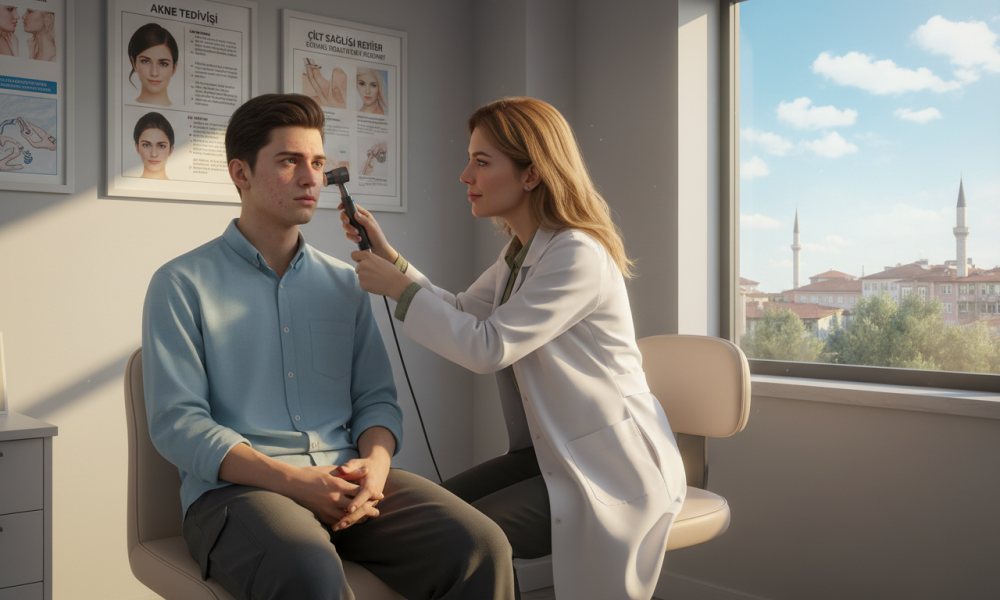
Turkey is now a top choice for those looking for top-notch dermatology care. It has a perfect mix of a Mediterranean climate and world-class medical expertise. This makes it a great place for looking after your skin.
Many people go there to tackle long-standing skin issues, like acne. With modern clinics and skilled doctors, they get treatments that really work for them.
Knowing the local environment is key to keeping your skin clear in Turkey. The country uses the latest dermatological innovations to help with tough acne. This guide will show you how to get the best skin health in this lively country.
Key Takeaways
- Turkey is known worldwide for its top dermatology and skin care.
- The local climate and lifestyle are important for managing skin conditions.
- Patients can find special clinics with the newest tech.
- Getting expert advice is vital for a treatment plan that fits you.
- Turkey is a unique mix of luxury travel and effective medical care.
Understanding the Prevalence of Acne in Turkey
The spread of acne in Turkey is influenced by a mix of genetics and modern environment. People’s skin reacts differently to the conditions in this country. By looking at these factors, we can understand why some skin problems appear more often.
Genetic and Environmental Factors
Genetics play a big role in how our skin reacts to stress. Many Turks have genes that affect how much oil their skin makes and how sensitive their pores are. These internal factors mix with things like sunlight and humidity to cause breakouts.
Environmental factors also play a big part in acne in Turkey. Too much UV radiation can cause inflammation, which is worse for sensitive skin. It’s important to know that these factors change a lot depending on where you are.
Regional Skin Health Trends
Turkey’s varied geography affects skin health in different ways. Coastal areas with high humidity and salty air face different challenges than the dry, high-altitude plateaus inside. People in humid places might get more oil-related problems, while those in dry areas might get dry skin.
Because of these differences, a single solution for acne doesn’t work for everyone. Knowing your local environment is key to keeping your skin clear. By adjusting your skincare to your area’s climate, you can protect your skin from local stressors.
Common Acne Causes and Environmental Triggers
Understanding acne starts with seeing how heat and pollution mess with your pores. In Turkey, your skin faces many challenges that can upset its natural balance.
Knowing these environmental factors is key to keeping your skin clear. By understanding how your surroundings affect your skin, you can take steps to protect it.
Impact of Humidity and Heat
The hot weather in Turkey makes your skin produce more oil. High humidity traps this oil in your pores.
This mix is perfect for bacteria to grow, causing breakouts. Staying cool and dry is essential for your skin health in the summer.
Pollution and Urban Skin Stressors
In cities like Istanbul, urban life is tough on your skin. Pollutants like fine particles and exhaust fumes clog pores and cause inflammation.
These pollutants are big skin stressors that make acne worse. People living or visiting these areas need to know about these acne causes.
To fight these effects, a good cleansing routine is vital. Cleaning your skin well each day helps prevent damage and keeps it strong against city pollutants.
The Role of Diet and Lifestyle in Skin Health
Clear skin starts with what you eat. Your internal health is key to a strong complexion. Knowing how your daily habits affect Acne is important.
Traditional Turkish Diet and Inflammation
The traditional Turkish diet is full of fresh veggies, legumes, and olive oil. These foods are packed with antioxidants. They help reduce body inflammation.
Choosing an anti-inflammatory Acne diet is great for travel. Stay away from processed sugars and refined carbs. They can cause breakouts. Eat local, seasonal foods to get the vitamins your skin needs.
Hydration and Climate Considerations
Turkey’s climate varies, from hot to dry. Keeping your skin hydrated is key. It helps prevent oil buildup and keeps your skin barrier strong.
In hot weather, your skin loses moisture fast. Use a light, non-comedogenic moisturiser and drink plenty of water. Staying hydrated is as important as your Acne diet.
| Dietary Factor | Impact on Skin | Recommended Action |
|---|---|---|
| Olive Oil | Anti-inflammatory | Use in moderation |
| Refined Sugar | Triggers breakouts | Limit intake |
| Fresh Vegetables | Provides antioxidants | Increase daily portion |
| Water Intake | Maintains elasticity | Drink 2 litres daily |
Effective Acne Treatment Options Available in Turkey
Turkey offers many ways to tackle skin problems. You can find well-structured healthcare for all kinds of acne. This makes it easy to get the right treatment.
Over-the-Counter Solutions
Pharmacies in Turkey are easy to reach. They are the first stop for many. The pharmacists are highly trained and can give great advice on products you can buy without a prescription.
There’s a big choice of cleansers, gels, and creams. They have ingredients like salicylic acid or benzoyl peroxide. These are good for mild acne and keeping your skin clean while you’re in Turkey.
Clinical Dermatological Interventions
If you need something stronger, Turkey has many dermatology clinics. Getting acne treatment from a pro means you get a plan made just for you. It’s based on your skin type and what’s causing your breakouts.
Doctors use the latest tools to find out why you’re getting acne. They might give you stronger creams or do medical treatments. The care is top-notch in big cities. Seeing a dermatologist is the best way to get your skin clear and healthy for good.
Professional Skincare Routine for Acne-Prone Skin
A professional acne skincare routine is key to managing breakouts. It focuses on using high-quality ingredients and being consistent. This helps improve your skin’s texture and makes it more resilient over time.
Cleansing and Balancing Techniques
Gentle cleansing is the base of any good skincare plan. Harsh soaps can take away your skin’s natural oils. This can make your skin produce more sebum, leading to more acne.
Choose a pH-balanced, non-foaming cleanser. It cleans without harming your skin’s barrier. Then, use a soothing toner to balance your skin’s pH. This makes it harder for bacteria to grow.
- Use lukewarm water to avoid irritation.
- Pat your face dry with a clean, soft towel.
- Apply a lightweight, oil-free moisturiser to lock in hydration.
Sun Protection for Sensitive Skin
Many people with acne avoid sunscreen, thinking it will clog pores. But, protecting your skin from UV rays is vital, even more so in sunny places where heat can make inflammation worse.
Look for non-comedogenic or oil-free sunscreens to keep your pores clear. A good mineral sunscreen acts as a physical barrier against harmful rays. It’s gentle enough for sensitive skin.
Adding sunscreen to your daily acne skincare routine keeps your skin safe from sun damage. Sun damage can darken spots and slow healing. Being consistent is the way to a clear, healthy skin.
Managing Hormonal Acne with Local Expertise
Hormonal changes can lead to skin problems that need a special approach. Hormonal acne often shows up on the jaw and chin. It gets worse at certain times of the month. Knowing these patterns helps in getting clearer skin.
Many people find their skin health tied to their body’s balance. When usual products don’t work, looking into acne causes is key.
Identifying Hormonal Triggers
Stress and lifestyle changes can upset your skin. High cortisol levels make more oil, which worsens acne. Knowing these triggers helps manage your skin better.
What you eat and how well you sleep affect hormone balance. Keeping a symptom diary helps find what’s causing your issues. This info is very helpful for doctors.
Consulting Specialists in Istanbul and Ankara
Turkey has top dermatologists for complex skin issues. In cities like Istanbul and Ankara, you get access to advanced tools. Consulting a specialist means your treatment fits your unique needs.
These experts use both old and new methods to fight hormonal acne. They might give you strong creams or medicines. It’s important to see a certified dermatologist for safe and effective care.
| Feature | Standard Acne | Hormonal Acne |
|---|---|---|
| Primary Location | T-Zone | Jawline and Chin |
| Typical Triggers | Bacteria and Oil | Stress and Cycles |
| Treatment Focus | Surface Cleansing | Internal Regulation |
| Age of Onset | Puberty | Adult Years |
Medical Tourism for Dermatology and Acne Care
Turkey is now a top spot for those wanting top-notch dermatology and acne treatment. It offers advanced medical care in a friendly setting. This makes it a favourite for tackling tough skin issues.
Why Patients Choose Turkey for Skin Treatments
People from the UK and elsewhere pick Turkey for its exceptional balance of quality and cost. Major cities have clinics with cutting-edge tech, matching Europe’s best. Doctors there are well-trained, giving each acne patient care that fits their skin needs.
Choosing Turkey for your skin care has many perks:
- Get care from top dermatologists with lots of experience.
- Modern clinics with the latest tools for diagnosis.
- Full care packages, including after-care support.
- Prices for treatments are lower than in private UK clinics.
Standards of Care and Clinic Accreditation
Safety is key for those visiting Turkey for medical care. Top clinics have international accreditations, like the Joint Commission International (JCI). This means they follow global standards for patient safety and care.
Make sure to check your specialist’s credentials before your treatment. Look for clinics in recognised dermatology groups. Doing your homework ensures you get the best care during your visit.
Topical Acne Remedies and Pharmacy Access
Turkish pharmacies are a key place for skin care solutions. They offer professional advice and medical-grade products. Knowing how to use these services is vital for your skin health while abroad.
Navigating Turkish Pharmacies
In Turkey, look for the red “Eczane” sign to find pharmacies. The pharmacists there are experts in acne remedies. They can suggest treatments based on your skin type and acne severity.
Don’t be shy to ask for help when you go in. Many pharmacists speak English and help international patients. They can help you choose the right cleansers, creams, and gels for you.
Commonly Available Active Ingredients
When shopping, look for products with proven acne fighters. These ingredients are common in local pharmacies. Knowing these names helps you make better choices.
Key ingredients to look for include:
- Salicylic Acid: Great for unclogging pores and reducing inflammation.
- Benzoyl Peroxide: Kills bacteria on the skin surface.
- Niacinamide: Soothes redness and improves skin texture.
- Azelaic Acid: A gentle option for breakouts and marks.
Knowing these ingredients helps you manage your skin care. Start with a low concentration if your skin is sensitive. This keeps your skin balanced and healthy.
Advanced Procedures for Treating Acne Scars
Turkey is now a top spot for those wanting to improve their skin after acne. Many focus on treating acne itself, but then look for ways to fix the scars it leaves. These advanced treatments help the skin heal and look smoother.
Laser Resurfacing Techniques
Laser therapy is a top acne treatment for deep scars. It uses light to carefully remove damaged skin layers. This helps the skin heal and make new collagen.
People see big improvements in their skin’s look and feel after laser treatments. It’s great for those with serious acne scars. The healing time is usually okay, as long as you follow your clinic’s advice.
Chemical Peels and Microneedling
Chemical peels and microneedling are good for those who don’t want deep treatments. Peels exfoliate the skin to lessen acne scars. They also brighten your skin and even out your tone.
Microneedling makes tiny holes in the skin to start a healing process. It’s known for making the skin denser and less pitted. Both treatments are common in Turkey’s big cities and done by skilled dermatologists.
| Procedure | Primary Benefit | Recovery Time | Best For |
|---|---|---|---|
| Laser Resurfacing | Deep Collagen Renewal | 7-14 Days | Severe Scarring |
| Chemical Peels | Surface Exfoliation | 3-7 Days | Pigmentation & Texture |
| Microneedling | Skin Texture Smoothing | 2-4 Days | Mild to Moderate Acne Scars |
Preventing Future Breakouts While Travelling
Keeping your skin clear in Turkey’s varied landscapes needs a proactive plan. Travel can upset your usual habits, causing skin stress. By planning ahead, you can focus on acne prevention and keep your skin balanced.
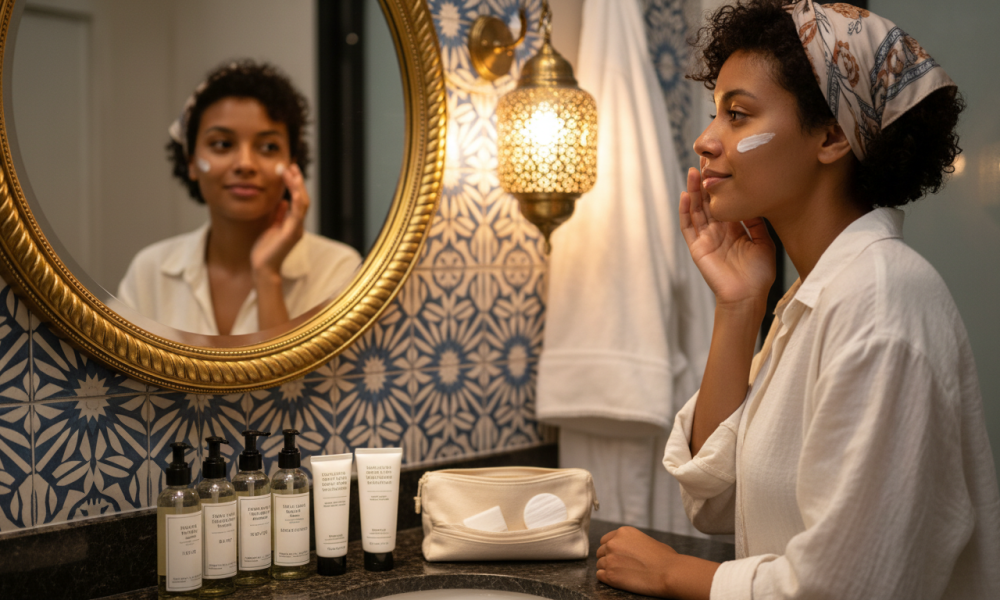
Maintaining Consistency on the Move
Healthy skin on the go comes from a simple, reliable routine. Pack travel-sized cleansers and moisturisers to avoid missing steps. Consistency is key, as new products can cause acne.
Keep your skincare in a special, easy-to-reach bag. This helps you remember your routine after a busy day. Remember, keeping your skin clean is key to acne prevention.
Adapting Skincare to Changing Climates
Turkey’s climates vary, from humid coasts to dry interiors. Your skin may react differently to these changes. It’s important to adjust your products to manage acne well.
In humid coastal areas, use light, oil-free moisturisers to avoid clogged pores. For dry inland zones, choose a slightly more hydrating formula. Adapting your routine to these changes will keep your skin clear and healthy.
Selecting the Right Dermatologist in Major Turkish Cities
Finding the right expert for skin issues is key. Turkey has great medical care, but the number of clinics in Istanbul and Ankara is huge. Choosing a specialist who fits your needs is vital for effective acne treatment.
Researching Credentials and Reviews
Check the doctor’s background before your visit. Look for board-certified dermatologists with the Turkish Medical Association. Verifying their credentials gives you confidence in their ability to handle complex acne.
Online reviews can tell you a lot about the clinic and doctor. Look for positive feedback on treating skin issues. A good specialist will have a track record of success.
Preparing for Your Initial Consultation
Getting ready for your first visit is important. Knowing your skin history helps the dermatologist diagnose you better. Here’s how to prepare:
- List your current skincare products and any acne medications you’ve used.
- Write down your main skin concerns, like how often you break out or where it hurts.
- Make a list of questions about treatment times and expected results.
- Bring any allergy records to keep your treatment safe and effective.
Being prepared lets the specialist create a plan just for you. This teamwork is the start of good skin health.
Prescription Acne Medication and Regulations
In Turkey, getting strong acne medication follows a careful plan. This is to keep patients safe and under doctor’s watch. If you live here or are just visiting, knowing the rules is key for a good acne treatment experience. Following these guidelines helps make sure your skin-clearing journey is both legal and safe.
Understanding Local Prescription Laws
In Turkey, the health system is strict, mainly for skin treatments. Most acne treatments, like oral retinoids or certain antibiotics, need a doctor’s prescription. You must see a qualified dermatologist who will give you an e-reçete, an electronic prescription. This is then sent to pharmacies across the country.
Pharmacists in Turkey are very skilled and can’t give out banned acne medication without the right paper. Trying to get around these rules is illegal and can be very dangerous. Always see a real doctor to make sure your treatment is right.
Safety and Monitoring During Treatment
When you’re on a tough acne treatment, you need to see a doctor often. Strong medicines might need blood tests to check your liver and cholesterol. These tests are important to make sure the treatment is working and to change it if needed.
Your doctor will want to see you every four to six weeks. These visits help the doctor see how you’re doing and handle any side effects early. Keeping these appointments is the best way to get lasting results and stay healthy.
| Treatment Level | Supervision Required | Monitoring Frequency |
|---|---|---|
| Topical Creams | Low | As needed |
| Oral Antibiotics | Moderate | Every 8 weeks |
| Systemic Retinoids | High | Every 4 weeks |
Natural and Traditional Turkish Skincare Practices
Turkey is known for its natural skincare methods that are effective today. These old practices are gentle and help with Acne and skin health. They offer a way to balance tradition with modern skincare needs.
The Benefits of Rose Water and Clay
Turkish rose water is famous for its soothing and anti-inflammatory effects. It’s great for calming sensitive skin and balancing its pH. It’s a simple yet powerful Acne remedy found in local markets.
Clays from Anatolia are rich in minerals and cleanse deeply. They pull out dirt and oil without drying the skin. Using them regularly can make your skin smoother and breakouts less frequent.
Traditional Hammam Etiquette for Acne-Prone Skin
Going to a Turkish hammam is a unique experience, but it needs thought for those with Acne. Tell your attendant about your skin issues before starting. They can adjust the scrubbing to keep your skin safe.
Choose a soft kese (exfoliation mitt) over harsh scrubbing. Use natural soaps like olive oil or laurel soap to avoid irritation. This way, you can relax in the hammam while taking care of your skin.
Integrating Modern Technology into Acne Management
Modern technology is changing how doctors treat acne in Turkey. Dermatologists now use advanced digital tools to create custom care plans for each patient. This move towards precision medicine is making long-term skin health programs more effective.
Light Therapy and Digital Skin Analysis
In places like Istanbul and Ankara, clinics are using photodynamic therapy and light-based systems to fight bacteria. These methods are non-invasive and great for those who don’t get better with usual treatments. Digital skin analysis software also helps doctors map the skin’s surface with great detail.
Doctors can see inflammation deep in the skin with high-resolution imaging. This lets them adjust treatments in real-time based on how the patient’s skin reacts. Here’s a comparison of old and new ways of diagnosing and treating acne.
| Feature | Traditional Method | Digital Analysis |
|---|---|---|
| Diagnostic Accuracy | Visual inspection only | High-resolution mapping |
| Treatment Focus | Generalised protocols | Personalised acne plans |
| Monitoring Progress | Subjective patient feedback | Quantitative data tracking |
Future Trends in Turkish Dermatological Care
The future of dermatology in Turkey includes more artificial intelligence and remote monitoring. Scientists are working on apps that let patients track their skin health and get advice between visits. This focus on acne management keeps Turkey a top choice for medical tourism.
As dermatology advances, we’ll see more on preventative technology. Turkish dermatologists are combining old skills with new tech to set a world standard in skin care. Patients will enjoy faster recovery times and better results as these technologies become common.
Psychological Impact and Support for Acne Sufferers
Managing acne is not just about the skin. It affects how we feel about ourselves and our lives. Many people find that acne impacts their confidence and daily happiness.

Addressing the Emotional Toll of Chronic Acne
Dealing with long-term skin issues can make us feel stressed and anxious. It’s common to feel shy or worried about how others see us. This can make it hard to be ourselves in public.
It’s important to acknowledge these feelings. Prioritising mental well-being is as vital as treating our skin. By doing so, we can start to see ourselves as more than our skin problems.
Finding Support Networks and Professional Counselling
Meeting others who understand can be very uplifting. Support groups offer a place to share and get emotional encouragement. They remind us we’re not alone.
For those facing deeper emotional challenges, counselling can be a game-changer. Therapists teach us to cope with anxiety and build strength. This holistic approach helps both our minds and skin.
Conclusion
Looking after your skin is a mix of expert advice and daily habits. Whether you live in Turkey or just visit, fighting acne is key to clear skin.
Make sure to see dermatologists in places like Istanbul or Ankara. They can make a treatment plan just for you. Their advice is based on science, helping you deal with acne well.
Combine your treatments with a healthy lifestyle and good skincare. Keeping your skin safe from harm and staying hydrated helps it heal. Making small changes every day can make a big difference in your skin’s health.
By sticking to these steps, you can manage your acne and keep your skin looking great in Turkey. Being proactive with your skin care leads to lasting results and confidence.
FAQ
Q: What are the primary acne causes for residents and visitors in Turkey?
A: In Turkey, skin issues often come from genetic predispositions and environmental triggers. The hot and humid coastal areas, like Antalya, and polluted cities, such as Istanbul, can cause more oil and clogged pores.
Q: How does the traditional Turkish diet influence skin health?
A: Turkey’s traditional acne diet is full of fresh Mediterranean foods, antioxidants, and olive oil. This diet helps reduce inflammation. But, staying hydrated is key in Turkey’s climate to flush out toxins and keep skin clear.
Q: What should a professional acne skincare routine look like in a Mediterranean climate?
A: A good acne skincare routine in Turkey should include gentle cleansing and balancing. This helps manage oil without harming the skin. Using strong sun protection is also key to prevent dark spots from the sun.
Q: Are there effective natural acne remedies rooted in Turkish tradition?
A: Yes, Turkey uses natural ingredients for skin health. Rose water from Isparta is a popular toner for its calming effects. Mineral-rich clay masks are used to clean the skin. Visiting a hammam can also help, but follow the proper etiquette to avoid irritation.
Q: Where can I find specialists to manage persistent hormonal acne in Turkey?
A: For hormonal acne, see dermatologists at places like Acıbadem Healthcare Group or Memorial Hospitals Group in Istanbul and Ankara. They can find and treat hormonal issues caused by stress or lifestyle changes.
Q: What advanced acne treatment options are available in Turkish clinics?
A: Turkey has many acne treatment options, from pharmacy products to clinical treatments. Clinics use light therapy, digital skin analysis, and chemical peels to fight breakouts and improve skin texture.
Q: Can advanced procedures help with the reduction of acne scars?
A: Turkish clinics are known for treating acne scars. They offer laser resurfacing, microneedling, and deep chemical peels. These methods help produce collagen and smooth the skin for lasting results.
Q: How do I navigate the regulations for acne medication in Turkey?
A: To get acne medication, like oral retinoids or antibiotics, you need a doctor’s prescription. Turkish pharmacists are well-trained and can advise on ingredients. But, stronger treatments need a doctor’s watch to ensure safety and effectiveness.
Q: What are the best strategies for acne prevention while travelling across different Turkish provinces?
A: To prevent acne while travelling, keep your skincare routine consistent but adapt to the climate. If moving from the humid Black Sea to the dry Anatolian plateau, change your moisturisers to keep your skin balanced and protected from breakouts.
Q: Why is Turkey considered a leading destination for medical tourism in dermatology?
A: Turkey is a top choice for skin care because of its high standards of care, modern facilities, and JCI accreditation of many clinics. The mix of affordable prices and top dermatologists makes it a leading spot for managing chronic skin issues.

Robotic-Assisted Angioplasty Treatment: The Future of.
Globally, coronary artery disease remains a leading cause of illness and death. Angioplasty is a common procedure to open blocked heart arteries.
Read More
Deep Brain Stimulation in Turkey
Deep Brain Stimulation (DBS) is an established neurosurgical treatment that uses implantable electrodes to deliver electrical pulses to specific areas.
Read More