
Bile Duct Cancer Treatment
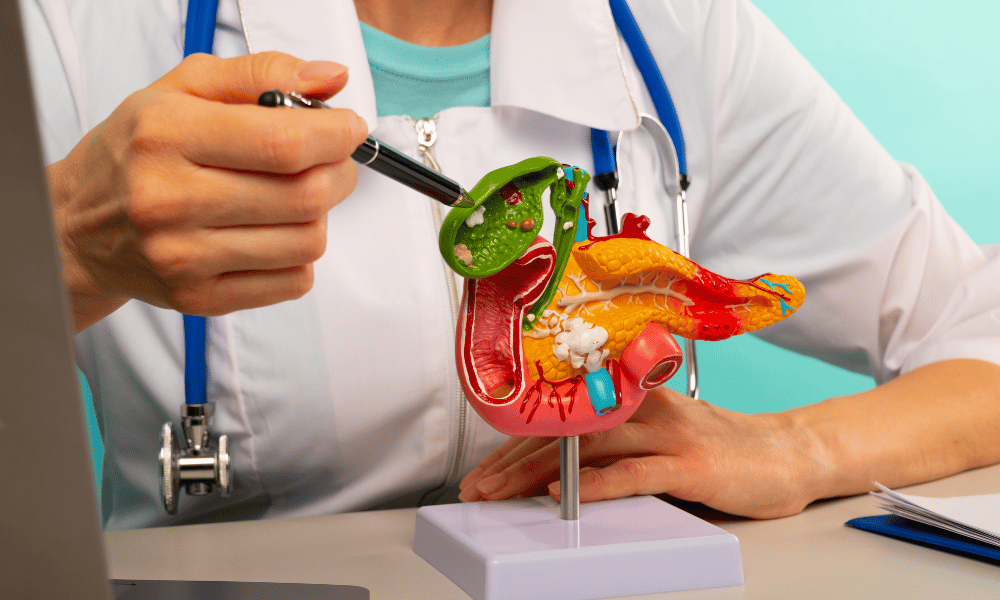
Bile duct cancer (cholangiocarcinoma) is an uncommon but often serious cancer that starts in the ducts that carry bile from the liver to the small intestine. Standard care can include complex surgery, chemotherapy, and radiation, and treatment plans are highly individualized. For some patients, seeking care abroad can provide faster access to specialized centers, advanced technologies, and more affordable options — though benefits vary by country and individual circumstance. Incidence is low (roughly 1–2 cases per 100,000 people annually in many regions) — consult your care team or national cancer registry for the latest local statistics.
Navigating Bile Duct Cancer: Your Guide to Treatment Options Worldwide
A diagnosis of bile duct cancer (cholangiocarcinoma) is understandably frightening. This uncommon cancer arises in the bile ducts — the small tubes that carry bile from the liver to the small intestine — and is often diagnosed at a later stage because early symptoms can be subtle. That complexity makes timely, expert care essential.
Many patients explore every available option, including seeking specialized treatment abroad. Medical tourism can offer access to high-volume centers, shorter waiting times, and advanced technologies, though benefits depend on the facility, country, and the specific clinical situation.
What this guide covers: quick symptom recognition; common causes and risk factors; diagnostic tests and biopsy options; treatment pathways (surgery, chemotherapy, radiation, targeted and immunotherapies); eligibility and recovery expectations; risks and side effects; and practical considerations if you’re thinking about treatment outside your home country. Wherever possible, discuss these topics with your multidisciplinary care team and ask whether genomic testing or clinical trials might apply to your case.
What are the common symptoms of bile duct cancer (cholangiocarcinoma)?
Common symptoms of bile duct cancer relate to blockage of bile flow and may include jaundice (yellowing of the skin and eyes), dark urine, pale stools, persistent itching, unexplained weight loss, and abdominal pain.
Symptoms of bile duct cancer (cholangiocarcinoma) are often subtle at first and can mimic other conditions such as gallstones, hepatitis, or benign bile duct inflammation. Because many signs appear only after bile flow is affected, it helps to know which are red flags that should prompt urgent medical review:
- Jaundice: Yellowing of the skin and the whites of the eyes. This is a classic sign caused by bilirubin buildup in the blood and is often the first clear clue of a bile duct problem.
- Clay-colored (pale) stools: If bile cannot reach the intestines, stools lose their normal brown color.
- Dark urine: Bilirubin filtered by the kidneys can darken urine (often described as tea-colored).
- Itching (pruritus): Intense, generalized itching can result from bilirubin depositing in the skin.
- Unexplained weight loss and loss of appetite: Common in many cancers, including bile duct cancer.
- Upper right abdominal pain: Persistent or worsening discomfort where the liver and bile ducts are located.
- Fever or signs of infection: Obstruction of the bile duct can lead to cholangitis (bile duct infection) causing fever, chills, and tenderness.
- Fatigue and general malaise: Feeling unusually tired or weak, which can accompany advanced disease.
When to see a doctor: seek urgent evaluation if you develop jaundice, clay-colored stools, dark urine, severe persistent itching, or fever with abdominal pain — these can indicate bile duct obstruction or infection that needs prompt treatment. For milder or persistent symptoms (unexplained weight loss, ongoing abdominal discomfort, or prolonged fatigue), discuss them with your primary care provider so you can be assessed with appropriate blood tests and imaging.
What causes bile duct cancer and what are its risk factors?
The exact cause of bile duct cancer (cholangiocarcinoma) is often unknown, but known risk factors mainly involve long-term irritation or inflammation of the bile ducts — for example, primary sclerosing cholangitis (PSC), certain parasitic infections (liver flukes), choledochal cysts, and chronic liver disease.
While many cases have no clearly identifiable cause, clinicians recognize several conditions and exposures that increase a person’s risk of developing bile duct cancer. Most risk factors act through chronic inflammation, scarring, or long-standing bile stasis:
- Primary sclerosing cholangitis (PSC): A chronic inflammatory disease of the bile ducts (often associated with inflammatory bowel disease). PSC is one of the strongest risk factors; patients with PSC have a substantially increased lifetime risk of cholangiocarcinoma and are often enrolled in surveillance programs.
- Chronic bile duct infections — liver flukes: In parts of Southeast Asia, parasitic infections (Clonorchis sinensis, Opisthorchis viverrini) are an important cause of bile duct inflammation and are linked to higher rates of bile duct cancer in those regions.
- Choledochal cysts: Congenital dilations of the bile ducts that can cause chronic stasis and irritation; people with untreated choledochal cysts have an elevated cancer risk.
- Cirrhosis and chronic liver disease: Long-term liver damage from hepatitis B or C, alcohol-related liver disease, or other chronic liver conditions increases overall liver cancer risk and may raise cholangiocarcinoma risk.
- Gallstones and biliary stones: Long‑standing stones that chronically irritate bile ducts can contribute to inflammation and potentially increase risk.
- Metabolic risk factors: Conditions such as diabetes and obesity are associated with higher rates of several cancers, including cholangiocarcinoma.
- Tobacco, alcohol, and chemical exposures: Smoking and heavy alcohol use contribute to liver damage and inflammation. Historical exposures (for example, Thorotrast, an old contrast agent) and certain occupational chemicals have been linked to increased risk.
Who’s at highest risk? People with PSC, those with a history of liver fluke infection in endemic areas, individuals with choledochal cysts, and people with chronic liver disease represent higher-risk groups who may benefit from closer monitoring. However, many people diagnosed with bile duct cancer have no known risk factors.
If you have any of these conditions—or if you live or have lived in a region where liver flukes are common—discuss surveillance and symptom awareness with your hepatologist or gastroenterologist. For up-to-date local risk statistics and guidance, consult national cancer registries or specialist society recommendations.
What types of procedures and treatments are available for bile duct cancer?
Treatment for bile duct cancer (cholangiocarcinoma) depends on the tumor’s location, stage, and the patient’s overall health. Options range from curative surgery for resectable tumors to systemic therapies (chemotherapy, targeted drugs, immunotherapy), radiation, liver transplant in select cases, and palliative procedures such as stent placement to relieve symptoms.
Management is individualized and decided by a multidisciplinary team. Below is a concise, patient-friendly overview of the main treatment pathways and when they’re typically considered.
Surgery — the primary curative option
- Surgical resection: If the tumor is localized and resectable, removing the tumor with clear margins gives the best chance for cure. The specific operation depends on the tumor location.
- Whipple procedure (pancreaticoduodenectomy): Used for distal bile duct cancers near the small intestine; it removes the head of the pancreas, duodenum, gallbladder, and part of the bile duct.
- Bile duct excision with liver resection: For hilar or intrahepatic tumors, surgeons may remove the bile duct along with a liver segment or lobe.
- Liver transplant: In very select early-stage hilar cholangiocarcinoma cases (per transplant center criteria), transplant combined with neoadjuvant therapy may be an option; eligibility is strict and center-dependent.
Systemic therapies (chemotherapy, targeted therapy, immunotherapy)
- Chemotherapy: Standard cytotoxic chemotherapy (often gemcitabine plus cisplatin in many regimens) is used as adjuvant therapy after surgery, neoadjuvantly to attempt downstaging, or palliatively for advanced disease to slow tumor growth and relieve symptoms.
- Targeted therapy: For tumors with specific genetic alterations, targeted agents (for example, FGFR2 inhibitors for FGFR2 fusions or IDH1 inhibitors for IDH1-mutant tumors) can be effective. Tumor genomic profiling is crucial to identify eligibility for these treatments and for trials.
- Immunotherapy: Immune checkpoint inhibitors may be an option for certain patients (for example, tumors with high microsatellite instability or other biomarkers); responses vary and depend on tumor biology.
Radiation therapy
- External beam radiation (EBRT): Used to control local disease, often in combination with chemotherapy.
- Brachytherapy: Internal radiation (less commonly used) places radioactive sources near the tumor for focused treatment.
Palliative and supportive procedures
- Stent placement: Endoscopic or percutaneous stents keep the bile duct open, relieving jaundice, itching, and improving liver function to allow further treatments.
- Biliary bypass surgery: If stenting isn’t feasible, bypass surgery can reroute bile flow around the obstruction to relieve symptoms.
How decisions are made: a typical approach is to assess resectability (if resectable → consider surgery ± adjuvant chemo; if borderline/unresectable → consider neoadjuvant chemo/radiation or clinical trials; if metastatic → systemic therapy and palliative care). Because targeted and immunotherapies depend on tumor genetics, request genomic testing of your tumor tissue or biopsy if applicable.
Ask your care team: “Is my tumor resectable? Has the tumor been genomically profiled? Are there clinical trials or approved targeted agents appropriate for my tumor?” Seeking answers to these questions can help match you with the most appropriate treatments and, where available, promising clinical trials.
Who is eligible for bile duct cancer treatment, and how is eligibility determined?
Eligibility for bile duct cancer treatment, especially major surgery, depends on the cancer’s stage and location, whether the tumor is resectable, and the patient’s overall health and liver function. A multidisciplinary team reviews imaging, biopsy results, and performance status to recommend the safest and most effective plan.
Determining eligibility is a stepwise process carried out by a team that usually includes surgical oncologists, medical oncologists, radiation oncologists, hepatologists, radiologists, and specialized nurses. Below is a patient-friendly checklist of the main factors evaluated and the common tests you’re likely to receive.
Key eligibility factors
- Cancer stage and location: Is the tumor localized (resectable) or has it spread (metastatic)? Tumors that can be removed with clear margins are the best surgical candidates; involvement of major blood vessels or distant organs usually excludes surgery.
- Overall health and performance status: Tools such as the ECOG or Karnofsky scales assess how well a person can tolerate surgery or chemotherapy. Significant heart, lung, or kidney disease can limit aggressive treatments.
- Liver function: Adequate liver reserve is essential for resection and for tolerating systemic therapies; tests include liver enzymes, bilirubin, and synthetic function (INR, albumin).
- Nutritional status: Weight loss or malnutrition can increase surgical risk; teams often optimize nutrition before major procedures.
- Genetic profile of the tumor: Biomarkers found in tumor tissue can determine eligibility for targeted therapy or immunotherapy (see examples below).
- Patient preferences and goals: Treatment should align with the patient’s values, expected quality of life, and goals of care.
Tests and evaluations you will likely receive
- Imaging: Contrast CT scans or MRIs (often MRCP) and sometimes PET scans to define tumor location, extent, and spread.
- Endoscopic or percutaneous procedures: ERCP or cholangioscopy may be used to visualize the ducts and obtain tissue or place stents.
- Biopsy and tissue testing: A biopsy provides pathological confirmation. Tissue is increasingly used for genomic profiling to identify actionable alterations in tumor cells (e.g., FGFR2 fusions, IDH1 mutations).
- Blood tests: Liver function tests, tumor markers (e.g., CA 19-9), and routine preoperative labs.
- Multidisciplinary tumor board review: Specialists review the imaging, biopsy, and clinical status to recommend surgery, systemic therapy, radiation, clinical trials, or palliative care.
Examples of biomarkers to ask about: FGFR2 fusions and IDH1 mutations are two genomic alterations that can make patients eligible for targeted therapies or trials. Ask your team: “Has my tumor been genomically profiled?”
If you are considering treatment abroad, ensure the receiving center can review your imaging and biopsy tissue (slides or blocks) and can coordinate care with your local doctors to manage follow-up and complications. Eligibility decisions are individualized — discuss the risks, benefits, and alternatives with your multidisciplinary team.
What is the typical recovery time and what should I expect after bile duct cancer surgery?
Recovery after bile duct cancer surgery varies by procedure and patient, but hospital stays often range from about 1–3 weeks and full recovery can take several months. Expect pain control, fatigue, dietary changes, close monitoring for complications, and staged follow-up care.
Recovery is a process that depends on the type of surgery (for example, a Whipple procedure is more extensive than a limited bile duct resection), the patient’s baseline health, and whether complications occur. The sections below summarize typical milestones and practical tips to help you prepare.
- Immediate post-operative period (hospital stay)
- Duration: Typical stays are 7–14 days for major procedures (e.g., Whipple) and up to 1–3 weeks depending on recovery and complications.
- Pain management: You’ll receive scheduled and as‑needed pain medication; effective control helps with breathing and mobilization.
- Drains and tubes: Expect temporary drains, possible nasogastric tubes, and IV lines; these are removed as the team assesses healing.
- Early mobility: Nurses and physiotherapists will encourage sitting up and short walks to reduce risks like blood clots and pneumonia.
- Diet progression: You’ll start with clear fluids and gradually return to soft foods; after procedures affecting the pancreas you may need enzyme supplements.
- At-home recovery (first few weeks to months)
- Fatigue: Profound tiredness is common and can persist for weeks to months—plan for gradual return to activities and conserve energy.
- Dietary adjustments: Smaller, more frequent meals may help. After Whipple or other pancreatic-involving surgery you may need pancreatic enzyme replacement; discuss with your team.
- Incision care and watching for complications: Keep wounds clean and dry; report fever, increasing pain, redness, drainage, or jaundice promptly (these can indicate infection, bile leak, or other issues).
- Activity restrictions: Avoid heavy lifting and strenuous exercise for several weeks; follow your surgeon’s guidance on gradually resuming activities.
- Emotional well‑being: Mood swings, anxiety, or depression are common—consider support groups, counseling, and involving caregivers in recovery planning.
- Long-term recovery and follow-up
- Full recovery timeline: Many patients begin feeling substantially better by 3 months, but full recovery can take 3–6 months or longer depending on treatment and complications.
- Follow-up care: Regular appointments monitor wound healing, liver function, nutritional status, and check for recurrence; imaging and blood tests (including tumor markers) are often scheduled at intervals.
- Lifestyle changes: Some people need permanent dietary adjustments or ongoing enzyme supplementation; smoking cessation and moderated alcohol use support liver health.
Practical tips: pack comfortable clothing, any medications, a list of allergies and contacts, and copies of medical records if traveling for surgery. Before discharge, ask your surgeon for a clear recovery timeline and a list of warning signs that require urgent attention.
If you plan treatment abroad, build in extra time for recovery before flying home and ensure local follow-up is arranged. Ask your team about expected hospital stay, likely need for pancreatic enzyme supplements after a Whipple, and when chemotherapy or other adjuvant treatments would start.
What are the potential risks and side effects of bile duct cancer treatments?
Treatments for bile duct cancer (cholangiocarcinoma) vary in their risks: major surgery carries risks of bleeding, infection, bile leaks, and organ-specific complications; chemotherapy commonly causes fatigue, nausea, and neuropathy; radiation may irritate skin and digestive tissue; and targeted or immunotherapies have distinct profiles such as skin reactions or immune-related inflammation. Discuss expected risks and management strategies with your care team.
Every treatment has potential side effects. Below is a clear, patient-oriented summary of the main risks for each procedure and therapy, followed by practical “what to watch for” items and simple mitigation tips.
1. Surgical risks (e.g., Whipple, liver resection)
- Bleeding: Major surgery can cause significant blood loss; transfusion may be needed.
- Infection: Superficial wound infections or deeper intra‑abdominal infections can occur.
- Bile leak: Leakage from bile duct reconnections may require drainage or reoperation.
- Pancreatic fistula (after Whipple): Leakage of pancreatic fluid is a known complication and can prolong recovery.
- Delayed gastric emptying and pancreatitis: Can cause prolonged nausea, vomiting, or inflammation of the pancreas.
- Liver failure: After extensive liver resection, insufficient liver remnant can lead to liver dysfunction.
- Blood clots: Deep vein thrombosis (DVT) or pulmonary embolism are possible after major operations.
- Anastomotic stricture: Narrowing at surgical connections can cause recurrent obstruction.
What to watch for after surgery: fever, increasing abdominal pain, persistent jaundice, increasing wound drainage, shortness of breath, or calf swelling. If any occur, contact your surgical team immediately.
Mitigation tips: early mobilization, preventive blood thinners when indicated, careful wound care, and timely imaging or drainage for suspected collections can reduce complications.
2. Chemotherapy side effects
- Nausea and vomiting: Often preventable or controllable with modern anti‑emetics.
- Fatigue: Common and can be long-lasting; energy conservation strategies help.
- Neuropathy: Numbness, tingling, or pain in hands and feet (may be progressive with some drugs).
- Hair loss, mouth sores, diarrhea or constipation: Manageable with supportive care.
- Low blood counts: Increased infection risk (neutropenia) and anemia—may require growth factors or transfusions.
When to call your oncology team: fever, signs of infection, severe diarrhea, or progressive numbness/weakness. Anti‑nausea drugs, dose adjustments, and supportive medicines can reduce many chemotherapy effects.
3. Radiation therapy side effects
- Fatigue and skin changes: Redness, dryness or irritation over treated areas.
- Gastrointestinal symptoms: Nausea, vomiting, or diarrhea if the stomach or intestines are in the field.
- Radiation-induced liver disease: Rare but possible if a large portion of the liver is irradiated.
Mitigation: careful planning by radiation specialists (including advanced techniques) minimizes exposure to healthy tissue; report severe side effects promptly.
4. Targeted therapy and immunotherapy side effects
- Targeted therapy: Side effects depend on the drug—common issues include skin rashes, diarrhea, high blood pressure, and liver enzyme abnormalities; monitoring is required.
- Immunotherapy: Can cause immune-related adverse events where the immune system attacks healthy organs (colitis, hepatitis, pneumonitis, thyroid dysfunction); these can be serious but are often treatable with steroids or other immune‑suppressing drugs.
Because targeted and immune therapies act on specific pathways, their side effect profiles differ from chemotherapy and require specialized monitoring. If you are offered these drugs, ask which tests and specialist follow-up are planned.
Risk–benefit summary and practical advice
- Discuss expected benefits: Ask your team how each procedure or therapy may improve survival, symptoms, or quality of life and what the likely side effects are.
- Prehabilitation: Optimizing nutrition, stopping smoking, and improving fitness before major surgery can lower complications and aid recovery.
- Symptom management: Anti‑emetics, pain control, neuropathy strategies, and early intervention for immune-related events improve tolerability.
- When to seek help: Fever, uncontrolled pain, worsening jaundice, sudden breathlessness, or new neurological symptoms require urgent evaluation.
Your multidisciplinary medical team will outline specific risks for your case and a plan to monitor and manage side effects. If you’re traveling for treatment, ensure the chosen center provides clear instructions for emergency care and for coordination with your local providers on complications and follow-up.
How do bile duct cancer treatment costs compare globally?
Bile duct cancer treatment costs vary widely across countries. Major procedures (for example, a Whipple or extensive liver resection) plus initial chemotherapy are typically far more expensive in high‑cost health systems (e.g., the USA or private UK care) than in recognized medical tourism hubs such as India, Turkey, Mexico, or Thailand, where patients often report substantial savings — though exact figures depend on hospital, surgeon, and case complexity.
Treatment costs for bile duct cancer can place a heavy financial burden on patients and families. When comparing options, consider not only headline prices but what is included (surgeon fees, ICU, implants or stents, medications, imaging, follow-up) and whether accreditation and surgeon experience meet your standards. Key factors that influence cost include:
- Country and healthcare system: Unit costs, insurance coverage, and public vs private provision vary dramatically between countries.
- Hospital and surgeon reputation: High-volume centers and leading surgeons may charge more but can offer specialized expertise and outcomes.
- Stage and complexity of the cancer: More extensive resections, multi‑disciplinary care, and longer hospital stays increase costs.
- Type of treatment: Surgery is often the largest single expense, but long courses of chemotherapy, targeted drugs, or extended ICU care can also add substantially.
- Package inclusions: Some medical tourism quotes include accommodation, transfers, interpreters, and follow-up; others are medical-only.
Below is a broad comparison of estimated total costs (surgery + initial chemotherapy). These are illustrative ranges — obtain itemized, dated quotes from hospitals for accurate planning.
| CountryEstimated Cost Range (USD) for Surgery + Initial ChemoNotes on value / typical inclusions | ||
| USA | $100,000 – $300,000+ | High-cost system; access to cutting-edge clinical trials and specialized centers; insurance coverage varies. |
| UK (private) | $70,000 – $150,000+ | High quality care in private centers; public (NHS) wait times may be longer. |
| Germany | $60,000 – $120,000+ | Excellent standards, often somewhat less expensive than the US for private patients. |
| India | $15,000 – $40,000+ | Significantly lower costs at many JCI-accredited centers; packages may include accommodation and transfers. |
| Turkey | $20,000 – $50,000+ | Modern facilities, competitive pricing, convenient for many European patients. |
| Mexico | $25,000 – $60,000+ | Convenient for North American patients; many JCI‑accredited hospitals offer competitive packages. |
| Thailand | $20,000 – $50,000+ | Well-established medical tourism destination with high standards and full-service patient support. |
Note: cost ranges are estimates and vary by hospital, surgeon, tumor stage, length of stay, and included services. Always request an itemized, dated quote and confirm what is covered.
How to get reliable quotes: request an itemized estimate that breaks down surgeon fees, hospital bed/ICU days, anesthesia, medications, pathology, imaging, stents or implants, rehabilitation, and follow-up visits. Ask whether international patient coordinators include accommodation, interpreters, and transfers. Compare at least two hospitals and verify JCI accreditation or other quality markers.
Keep in mind that while many patients save 50–70% in certain destinations, cost should be balanced against surgeon experience, hospital outcomes, continuity of care, and the logistics of follow‑up. If targeted therapies or clinical trials are relevant to your case, factor those potential costs (or reimbursements) into planning and discuss options with your oncology team.
Why should I consider seeking bile duct cancer treatment abroad?
For some people with bile duct cancer (cholangiocarcinoma), seeking treatment abroad can provide access to specialized surgical teams, advanced diagnostics or therapies, shorter scheduling times, and potentially lower costs at accredited centers. That said, benefits depend on the hospital, surgeon experience, and how follow-up care is arranged.
Deciding to pursue care outside your home country is a personal choice influenced by clinical need, finances, and practical considerations. Common reasons patients consider medical tourism for bile duct cancer include:
- Access to specialized expertise: Bile duct cancers are rare and technically demanding; some international centers and surgeons have higher volumes and focused experience with complex hepatobiliary surgery and extrahepatic bile procedures.
- Shorter waiting times: When time is critical, patients may obtain faster diagnostic workups, surgical dates, or intra-hospital coordination than in their home system.
- Cost savings: In many countries (for example, India, Turkey, Mexico, Thailand), total treatment costs for surgery plus initial therapies can be substantially lower than in high‑cost systems — but compare itemized quotes and quality indicators, not price alone.
- Access to advanced technologies and clinical trials: Some centers abroad offer cutting‑edge diagnostics, surgical robotics, or participation in trials of targeted agents and immunotherapy that may not be available locally.
- Comprehensive care packages: Many international hospitals provide coordinated services for international patients (translation, accommodation, transfers, and post‑op support), simplifying logistics.
- Second opinions and reassurance: Traveling for a second opinion from a high‑volume center can confirm a treatment plan or offer alternative options.
Pros and cons (brief):
- Pros: Potentially faster access to specialized surgery, lower costs, and access to technologies or trials.
- Cons: Travel risks, complexity of follow-up care, potential differences in legal recourse, and the need to ensure continuity between the foreign center and your local providers.
Checklist for evaluating international hospitals
- Accreditation: Look for JCI or equivalent accreditation and verified quality markers.
- Surgeon experience and volume: Ask how many bile duct cancer resections the surgeon performs annually and request outcome statistics.
- Clinical trials and technologies: Ask whether the center offers relevant trials or advanced therapies for cholangiocarcinoma.
- What’s included in the quote: Request an itemized estimate (surgeon fee, ICU, bed days, imaging, pathology, stents, medications, and follow‑up).
- Post‑op follow-up plan: Confirm arrangements for follow-up and how complications will be managed after you return home.
- Patient references: Where possible, request anonymized outcome data or speak with former international patients.
First steps if you’re considering treatment abroad: arrange a virtual consultation with a prospective center, gather and translate your medical records and imaging, ask for an itemized quote and proposed treatment timeline, and discuss coordination of care with your local team. Always weigh clinical benefit, surgeon experience, and continuity of care alongside cost and convenience.
What should I expect when traveling abroad for bile duct cancer treatment and how can I ensure safety and quality?
Expect detailed planning (travel, accommodation, visas), medical record transfer and translation, and cultural adjustments. To ensure safety and quality, choose JCI‑accredited centers, verify surgeon credentials and outcomes, request an itemized treatment plan and quote, and confirm arrangements for post‑treatment follow‑up at home.
Traveling abroad for bile duct cancer treatment requires careful preparation to protect your health and ensure continuity of care. Below is a practical, step‑by‑step overview of what to expect and how to vet providers so you can make an informed decision.
What to expect (logistics and clinical process)
- Extensive planning: Book flights, check visa requirements, arrange accommodation for you and any caregiver, and plan local transport. Allow extra days before and after procedures for consultations and recovery.
- Medical records and communication: Gather and translate medical records, imaging (CT/MRI/PET), pathology reports, and prior biopsy slides or blocks. Confirm the foreign center can review these before a final treatment decision.
- Pre-treatment consultations: Most international hospitals offer virtual consultations with specialists to review your case, discuss options (surgery, systemic therapy, clinical trials), and provide an estimated timeline.
- Cultural and language considerations: Many centers provide English-speaking staff or interpreters, but be prepared for local customs and healthcare system differences.
- Recovery and timing: Factor in an adequate recovery period abroad before flying home—this is especially important after major surgery such as a Whipple or liver resection.
How to ensure safety and quality
- Choose accredited hospitals: Look for JCI accreditation or nationally recognized equivalents as a baseline indicator of quality and patient safety.
- Verify surgeon credentials and experience: Request the surgeon’s CV, case volume for bile duct cancer procedures, complication rates, and peer‑reviewed publications if available.
- Ask for outcomes and anonymized case references: Request success rates for procedures similar to yours and, where possible, anonymized patient vignettes or aggregated outcome data.
- Use reputable facilitators carefully: Medical tourism coordinators can help with logistics and vetting, but always verify accreditation, surgeon experience, and obtain direct hospital documentation rather than relying solely on a facilitator’s claims.
- Request a detailed treatment plan and itemized quote: Ensure the quote lists surgeon fees, hospital/ICU days, anesthesia, stents/implants, pathology, imaging, medications, rehabilitation, and follow‑up. Confirm what is and isn’t included.
- Clarify post‑treatment follow‑up and local coordination: Ask how the foreign team will communicate results and complications to your local providers, and who to contact in an emergency after you return home.
- Understand legal and insurance issues: Check patient rights, malpractice frameworks, and whether your travel/health insurance covers complications abroad and medical evacuation if needed.
Printable pre‑trip checklist (quick)
- Complete set of medical records, imaging files (DICOM), and pathology slides/blocks or reports (translated if needed).
- List of current medications, allergies, and emergency contact details for local and home teams.
- Itemized treatment quote, written treatment plan, expected hospital stay, and discharge criteria.
- Signed consent forms (review in language you understand) and instructions for post‑op care and follow‑up.
- Copies of passports, visas, travel insurance and medical insurance details, and proof of local accommodation.
By preparing carefully, verifying accreditation and outcomes, and ensuring clear communication between your foreign and local care teams, you can significantly improve the safety and quality of your medical journey. If clinical trials are of interest, ask the center whether trials for cholangiocarcinoma are available and whether you meet eligibility criteria.
Can I hear about patient success stories from those treated for bile duct cancer abroad?
Many people treated for bile duct cancer abroad report positive experiences, citing access to specialized surgical teams, shorter wait times, and meaningful cost savings as key factors. While individual results vary, aggregated and anonymized success stories can help illustrate potential pathways and outcomes.
Individual medical histories are confidential, but composite or anonymized patient vignettes often highlight common themes that prospective patients find helpful when evaluating treatment abroad. Typical elements in these success stories include:
- Access to advanced surgical expertise: Patients frequently report traveling for surgeons and centers that perform high volumes of complex hepatobiliary and extrahepatic bile procedures, such as Whipple or major liver resections, which can correlate with better technical outcomes.
- Life‑changing opportunities: For some, international care provided access to treatments otherwise unavailable locally or to more timely intervention that made a meaningful difference in prognosis or symptom relief.
- Improved quality of life: Success stories often emphasize relief from distressing symptoms (jaundice, itching, pain), restoration of function, and return to normal activities after effective treatment.
- A holistic patient experience: Many patients appreciate coordinated international care—clear logistics, attentive nursing, and rehabilitation support—that eases the overall journey.
- Affordability without compromising care: A recurring theme is receiving high-quality surgery and treatment at substantially lower costs than in some high‑cost systems, enabling access that might otherwise be unaffordable.
How to vet testimonials and success stories: ask for anonymized case summaries that include diagnosis, treatment given (surgery, systemic therapy), timeframe, complications, and follow‑up outcomes; request aggregated outcome data (e.g., complication rates, reoperation rates) rather than relying solely on individual anecdotes.
If you’d like, you can request anonymized case studies or aggregated outcomes from hospitals and reputable facilitators to better understand real-world results and how they may apply to your bile duct cancer treatment options.
Take the Next Step with DGS Healthcare
Ready to explore bile duct cancer treatment options abroad? Compare accredited centers, review surgeon experience and outcomes, and get a free, itemized quote tailored to your condition with DGS Healthcare. Always verify credentials and ask for anonymized outcome data before committing.
Or, if you prefer independent research, request itemized hospital outcome data and surgeon volumes directly from facilities before making travel arrangements.