
Face Lift Surgery
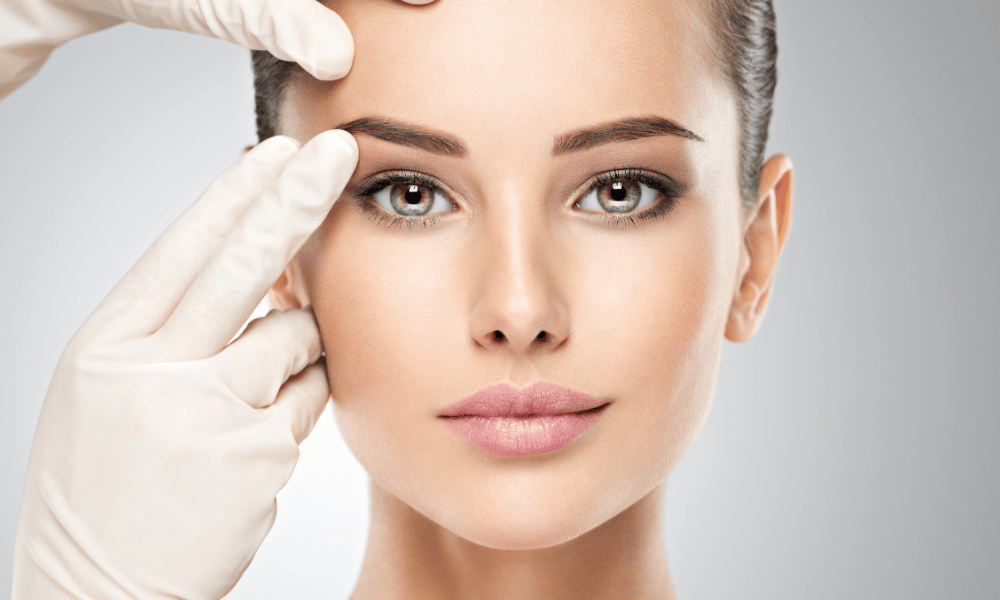
A face lift (rhytidectomy) is a facelift surgery that lifts and tightens the deeper facial tissues and excess skin of the face and neck to reduce sagging, soften deep creases, and improve jawline and neck contour for a more youthful appearance.
Unveil a Younger You: Exploring Face Lift Solutions
Noticing sagging, deep lines, or loss of jawline definition? You’re not alone — many patients pursue a facelift or face lift surgery to restore a refreshed, natural-looking appearance. A face lift (rhytidectomy) tightens skin and deeper tissues of the face and neck to reduce nasolabial folds, diminish jowls, and address excess submental fat.
Think of a facelift as facial rejuvenation that aims to turn back visible signs of aging without changing who you are. Typical improvements include smoother skin, a more defined jawline, and reduced sagging around the lower face and neck — results that can last many years depending on technique and lifestyle.
Medical tourism for facelifts can make facelift surgery more accessible: it often offers potential cost savings and access to experienced surgeons abroad. This guide explains the procedures, compares common techniques and recovery expectations, and walks through planning medical travel and consultation steps so you can make an informed decision.
Who this is for: adults (commonly in their 40s–70s) with visible signs of aging in the lower face or neck who want longer-lasting surgical results and are ready to discuss options in a consultation with a qualified surgeon.
What Exactly is a Face Lift and What Can It Achieve?
A face lift (rhytidectomy) is a surgical procedure that tightens skin and underlying tissues of the lower face and neck to reduce visible signs of aging and restore a firmer, more youthful contour.
A facelift is a cosmetic surgery performed to reduce wrinkles, sagging skin, and jowling in the lower face and neck. Over time, gravity, sun exposure, and lifestyle factors cause the tissues and fat pads of the face to descend, producing deep folds, loss of jawline definition, and excess skin. The procedure addresses these changes by lifting and tightening deeper facial tissues, trimming or redraping excess skin, and—when appropriate—repositioning or removing fat.
Realistic, typical outcomes include: softened nasolabial and marionette folds, reduced jowls, improved chin and jawline definition, and a smoother neck profile. Results vary by technique and patient factors and do not stop future aging, but they often provide long-lasting improvement in appearance and confidence.
Who is the Best Candidate for Face Lift Surgery?
Ideal facelift candidates are generally healthy adults (commonly in their 40s–70s) with realistic expectations, noticeable signs of aging in the lower face or neck, and sufficient skin elasticity to benefit from surgical tightening.
Not everyone is a good candidate for a facelift. The best candidates are patients who have sagging jowls, deep nasolabial folds, a weakened jawline, or loose neck skin but retain some skin tone. Good overall health is important — uncontrolled medical conditions that impair healing (for example, poorly controlled diabetes or bleeding disorders) may make surgery unsafe. Smoking increases risks and can delay recovery, so surgeons usually advise stopping smoking several weeks before and after surgery.
Realistic expectations are crucial: a facelift improves appearance and facial rejuvenation but does not stop aging or remove every wrinkle. Discuss your goals in a facelift consultation so your surgeon can explain likely results, the recovery timeline (often measured in weeks) and whether additional procedures — such as eyelid surgery or a neck lift — might better address your concerns.
Quick checklist for candidacy:
- Healthy enough for surgery (surgeon clearance required)
- Non-smoker or willing to quit before and after the operation
- Realistic expectations about results and recovery
- No active skin infections or uncontrolled chronic illnesses
Micro-CTA: If you’re considering surgery, schedule a consultation with a board-certified surgeon to review your medical history, photos, and options — a proper facelift consultation will determine the best approach for your face and desired outcome.
Exploring the Different Types of Face Lift Procedures
Face lifts cover a range of procedures—from less invasive mini lifts to full traditional and deep plane (SMAS) techniques—each tailored to address specific areas of the lower face and neck for personalized facial rejuvenation.
“Face lift” is an umbrella term for surgical procedures that correct sagging, restore contours, and improve the appearance of the lower face and neck. The right technique depends on your anatomy, degree of aging, skin quality, and goals; your surgeon will recommend the best approach during your consultation.
Below are common facelift procedures, with quick guidance on when each is typically chosen and what to ask your surgeon.
- Traditional Face Lift: A comprehensive procedure addressing the lower face, jawline and often the neck. Typical incisions run from the hairline at the temples, around the ear, and into the lower scalp. This technique repositions tissues, tightens underlying layers, redistributes or removes fat, and removes excess skin to improve overall contour. Choose this for moderate-to-advanced sagging seeking long-lasting results. Ask your surgeon about expected downtime and incision placement.
- Mini Face Lift: A less invasive option with shorter incisions (often near the ear) that primarily targets early jowling and mild neck laxity. Recovery is usually quicker than a traditional facelift, making it appealing for patients with localized lower-face aging. Confirm with your surgeon whether a mini lift will deliver the results you want or if a fuller procedure is needed.
- Mid-Face Lift: Focuses on the cheek (middle third) to lift descended cheek fat pads and soften deep nasolabial folds. Incisions may be hidden in the hairline or inside the mouth. This is useful when the lower eyelid/cheek junction or cheek volume loss is the main concern. Ask about combined procedures (mid-face + lower face) for balanced results.
- Neck Lift (Platysmaplasty): Often performed with a facelift, a neck lift specifically targets loose neck skin, muscle banding, and excess fat under the chin. Incisions are typically placed under the chin and behind the ears so the platysma muscle can be tightened and excess skin removed for a more defined jawline and neck. If neck laxity or a double chin is your main concern, discuss a dedicated neck lift with your surgeon.
- SMAS Lift / Deep Plane (Deep Plane Lift): These techniques work on the deeper facial layer called the SMAS (Superficial Musculoaponeurotic System). A deep plane facelift releases and repositions the SMAS and underlying muscles as a unit, often producing more natural repositioning of facial fat and longer-lasting contour improvement. Because these are technically demanding, seek experienced facial plastic or plastic surgeons who specialize in these procedures and review before-and-after portfolios and complication rates.
When discussing technique with your surgeon, consider: the target area (lower face vs mid-face vs neck), desired longevity of results, acceptable recovery time, and surgeon experience with specific facelift techniques. Request details on incisions, expected recovery weeks, and how the plan affects tissues and fat. Well-chosen technique by a qualified surgeon gives the best chance for natural, long-lasting results.
What Does Face Lift Recovery Involve?
Face lift recovery typically includes swelling, bruising, and mild-to-moderate discomfort for the first 1–2 weeks; most patients return to light activities in about 10–14 days, with gradual improvement over several months.
Understanding recovery is essential for a smooth outcome after facelift surgery. Immediately following the procedure you can expect dressings, possible small drains, and bandaging to reduce swelling and fluid collection. Pain is usually manageable with prescribed medication. Bruising and swelling commonly peak in the first 48 hours and then slowly subside over the next two weeks, though subtle swelling may persist for several months.
Typical recovery timeline (approximate):
- Days 1–7: Rest at home, keep head elevated, manage discomfort with medications, and avoid bending or heavy lifting.
- Two weeks (≈10–14 days): Most patients can resume light, non-strenuous activities and return to work if cleared by the surgeon; visible bruising and swelling are much reduced.
- Weeks 3–6: Gradual return to more active routines; avoid heavy exercise or activities that raise blood pressure for at least 4–6 weeks.
- Months 3–6: Ongoing softening of scar lines and settling of tissues; final results become clearer over time.
Practical tips to support recovery: use cold compresses early (as advised), sleep propped up, follow prescribed wound care, avoid nicotine and alcohol, protect healing skin from sun exposure, and keep follow-up appointments. Pack essentials if you’re traveling for surgery: medications, surgeon contact info, comfortable clothing that fastens in front, and supplies for elevation and icing.
Watch for warning signs and call your surgeon promptly if you experience fever, increasing pain not eased by medication, heavy bleeding, sudden swelling, or drainage that appears infected.
Micro-CTA: Ask your surgeon at the facelift consultation about the expected recovery time for your specific procedure, local follow-up options if you’re traveling, and detailed post-op instructions to optimize results.
How Long Can You Expect Face Lift Results to Last?
Facelift results commonly last about 10–15 years, but individual durability varies by technique, genetics, lifestyle, and ongoing skincare; think of surgery as resetting the aging clock rather than stopping it.
A facelift is a substantial investment in facial rejuvenation, so understanding longevity helps set realistic expectations. While many patients enjoy noticeable improvement for a decade or more, factors such as the specific facelift technique (traditional, SMAS/deep plane, mini), the quality of the tissues treated, and how well you protect and care for your skin will influence how long results appear fresh.
Factors that can extend the life of your results:
- Choice of technique — deeper plane or SMAS lifts often provide longer-lasting structural support.
- Healthy lifestyle — avoiding smoking, protecting skin from sun, and maintaining a balanced diet.
- Ongoing skin care and occasional non-surgical maintenance (fillers, lasers) to address volume loss and surface texture.
When to consider revision: some patients seek touch-ups or secondary procedures after 10–15 years if new sagging appears or if they want further refinement. Discuss timing and expectations with your surgeon — they can advise whether a minor touch-up, a neck lift, or a different approach best suits your goals.
Remember: results vary per patient. Ask your surgeon during consultation about typical longevity for the recommended procedure and how post-op care and lifestyle changes can help preserve your appearance.
Why Consider Medical Tourism for Your Face Lift?
Medical tourism for a facelift can offer substantial cost savings, shorter wait times, access to experienced surgeons and accredited facilities, and the option to recover privately in a comfortable destination.
Many patients consider traveling abroad for facelift surgery because the overall cost of comparable procedures in destinations like Turkey, Mexico, South Korea, Thailand, or Colombia can be much lower while clinics often maintain high standards of care. In addition to price advantages, international centers that serve medical tourists frequently provide streamlined scheduling and bundled packages that include consultation, surgery, accommodation, and transfers.
That said, weigh benefits against practical considerations and aftercare needs: follow-up care, language barriers, and local regulations differ by country. A safe, effective outcome depends on choosing accredited facilities and qualified surgeons — look for international accreditation (for example, JCI), board-certified plastic surgeons with facelift experience, and verified patient reviews.
Quick checklist for vetting overseas options:
- Verify facility accreditation and surgeon board certification;
- Request surgeon before-and-after photos and patient references;
- Confirm what is included in the package (anesthesia, facility fee, follow-ups, and complication coverage);
- Plan for adequate recovery time abroad and clear post-travel follow-up with local providers.
When done carefully — selecting experienced surgeons and accredited clinics and planning for aftercare — medical tourism can be a viable route to a high-quality facelift that improves facial appearance and confidence without compromising safety.
Which Countries Offer the Best Face Lift Medical Tourism Experiences?
Top destinations for facelift medical tourism include Turkey, Mexico, South Korea, Thailand, and Colombia — each known for experienced surgeons, modern facilities, competitive pricing, and established international patient services.
These countries have become popular for facelift surgery because they combine skilled plastic surgeons and clinics that serve international patients with attractive cost-to-quality ratios. Below is a quick snapshot of what each destination commonly offers and what to verify when considering travel for a facelift.
- Turkey (Istanbul): Pros — highly competitive pricing, many clinics offering all-inclusive packages (surgery, accommodation, transfers, interpreter services), and a large pool of surgeons experienced with facelifts and deep plane techniques. Considerations — confirm facility accreditation, surgeon board certification, and verified patient reviews.
- Mexico: Pros — proximity for North American patients, convenient travel, and modern clinics in border and resort cities (Tijuana, Cancun). Considerations — ensure the clinic includes anesthesia and follow-up care in the quote and verify surgeon credentials and facility standards.
- South Korea: Pros — global reputation for advanced aesthetic procedures, refined technique, and strong attention to natural results; good options for combined procedures. Considerations — higher cost than some destinations; confirm language support and aftercare plans.
- Thailand: Pros — world-class private hospitals, attentive hospitality, and attractive recovery environments (Bangkok, Phuket). Considerations — review accreditation, surgeon experience with facelifts (not all clinics specialize in deep plane techniques), and package inclusions.
- Colombia: Pros — strong cosmetic surgery reputation (Medellín, Bogotá), skilled surgeons, and competitive pricing. Considerations — verify international patient services, accreditation, and clear follow-up/complication policies.
Actionable tips: always request proof of facility accreditation (for example, JCI or equivalent), confirm your surgeon’s board certification and experience with the specific facelift technique you want (traditional, SMAS/deep plane, mini), and ask for before-and-after galleries and patient references. Make sure the package clarifies whether anesthesia, facility fees, follow-ups, medications, and any potential complication coverage are included.
Remember: the best country for your facelift depends on your priorities — cost, surgeon expertise, travel convenience, and post-op care — so compare options carefully and discuss them during your consultation to ensure safe, effective results.
Face Lift Cost: A Global Comparison
The cost of a facelift surgery varies widely by country and technique — typical ranges run from roughly $4,000–$10,000 in many medical-tourism destinations to $12,000–$30,000+ in the US and UK — but exact pricing depends on the procedure complexity and what the quote includes.
Price is a major reason many patients consider medical travel for a facelift. Costs fluctuate based on the surgeon’s expertise, the type of facelift (mini, traditional, SMAS/deep plane), facility standards, anesthesia, and local economic factors. Below is a general comparison of approximate facelift costs by country — these are typical ranges, not guarantees, and may change over time.
| CountryApproximate Facelift Cost (USD) | |
| United States | $15,000 – $30,000+ |
| United Kingdom | $12,000 – $25,000 |
| Turkey | $4,000 – $8,000 |
| Mexico | $5,000 – $9,000 |
| Thailand | $6,000 – $10,000 |
| South Korea | $8,000 – $15,000 |
| Colombia | $5,500 – $9,500 |
These figures often include the surgeon’s fee, anesthesia, and facility costs, but quotes vary. What a comprehensive quote should list: surgeon fee, anesthesia, operating room/facility fee, pre-op tests, post-op follow-ups, prescribed medications, and any included transfers or accommodation. When comparing offers — especially overseas packages — confirm whether complication management and revision policies are covered.
Practical tips: get multiple quotes, ask for itemized breakdowns, verify surgeon credentials and facility accreditation, and factor in travel costs, accommodation, and extra recovery days. Also consider currency conversion, local taxes, and contingency funds in case of unexpected follow-up care.
Is Getting a Face Lift Abroad Safe and Effective?
A facelift performed abroad can be safe and effective when you choose accredited facilities and experienced, board‑certified plastic surgeons — careful research and clear plans for follow-up care are essential.
Safety and outcomes depend largely on your provider selection and preparation. Many international hospitals serving medical tourists hold respected accreditations (for example, Joint Commission International or equivalent local authorities) and employ surgeons trained to international standards. That said, credential checks and independent reviews are critical — accreditation and positive patient feedback are good indicators but not guarantees.
Verify surgeon qualifications carefully: ask for board certification in plastic surgery (or the local equivalent), a CV outlining years of facelift experience, and before‑and‑after photos for the specific procedure you’re considering. Confirm the clinic’s experience with the surgical procedure, anesthesia standards, and emergency protocols.
Quick verification checklist:
- Confirm international or recognized local facility accreditation (e.g., JCI);
- Request surgeon credentials, board certification, and case volume for facelifts;
- Review independent patient testimonials and before‑and‑after galleries;
- Confirm language support, clear communication channels, and detailed aftercare plans;
- Ask how complications are handled and whether revision or emergency care is covered.
A final practical note: arrange clear post‑travel follow-up with your local surgeon or primary care provider before you leave home, and ensure the overseas clinic provides written post‑op instructions and a plan for any needed remote or in‑person follow-up. Taking these steps helps make facelift surgery abroad both safe and effective for many patients.
How to Choose the Right Overseas Clinic for Your Face Lift
When selecting an overseas clinic for your facelift, prioritize surgeon qualifications, facility accreditation, clear pricing, patient reviews, and a detailed aftercare plan to ensure a safe surgical experience and smooth recovery.
Choosing a clinic abroad requires careful due diligence. Start by compiling a shortlist of reputable centers and board‑certified surgeons, then use virtual consultations to compare recommended procedures, expected recovery, and total costs. Allow at least 4–8 weeks for research and planning before booking travel and surgery.
Key factors to check and questions to ask during your facelift consultation:
- Surgeon Qualifications: Verify board certification (or the local equivalent), years of experience with facelifts, and the surgeon’s volume of the specific procedure you’re considering. Request a CV and before‑and‑after gallery.
- Facility Accreditation: Look for international accreditation (e.g., JCI) or recognized national licenses to ensure consistent surgical and anesthetic standards.
- Patient Testimonials & Reviews: Read independent reviews and ask the clinic for references from previous international patients to assess outcomes and service.
- Transparent Pricing: Request an itemized quote that lists surgeon fee, anesthesia, facility/OR charges, pre‑op tests, post‑op follow-ups, medications, and any included transfers or accommodation.
- Aftercare & Recovery: Confirm how post‑operative care is handled (in‑clinic follow-ups, remote check‑ins), recommended recovery time abroad, and who manages complications or revisions.
- Communication & Support: Ensure clear language support, written pre/post‑op instructions, and direct communication channels with the clinical team before and after surgery.
Suggested questions for a virtual facelift consultation: How many of these specific procedures have you performed? What are your complication and revision rates? Can you provide itemized pricing and sample before‑and‑after photos? What is the recommended recovery timeline and follow‑up schedule?
Final tips: get multiple quotes, verify credentials independently, factor in travel and extended recovery days, and confirm a written plan for aftercare and emergency management. A thorough consultation and careful clinic selection increase the likelihood of a safe procedure and satisfying facelift results.
Planning Your Journey: A Step-by-Step Guide to Face Lift Medical Travel
Planning your facelift medical trip means choosing a destination and clinic, arranging travel and comfortable recovery accommodation, coordinating consultations and pre-op testing, and confirming clear follow-up care with local and overseas medical teams.
A well-organized approach makes medical travel for a facelift smoother and safer. Use the following step-by-step checklist to plan your procedure, consultations, travel, and recovery so you can focus on healing and results.
- Initial research & virtual consultation: Shortlist accredited clinics and board‑certified surgeons; request a virtual facelift consultation to review photos, discuss suitable procedures (mini, traditional, deep plane), expected results, complication rates, and a recovery plan. Ask for an itemized quote and before‑and‑after photos.
- Medical evaluation & clearance: Provide your medical history and any requested tests (blood work, EKG). Obtain surgeon clearance and confirm anesthesia evaluation before travel.
- Budgeting & booking: Finalize total costs including surgery, anesthesia, facility fees, medications, transfers, accommodation, and extra recovery days. Book flights and secure accommodation near the clinic — plan for at least one to two weeks abroad depending on surgeon recommendations.
- Travel logistics & documents: Check visa requirements, purchase travel insurance (including medical coverage), and prepare a folder with medical records, surgeon contact details, medication list, and emergency contacts.
- Surgery day & immediate post-op: Follow pre-op instructions (no smoking, fasting as directed). After facelift surgery you’ll stay in recovery; clinics typically provide post-op care instructions, and some offer short in-hospital observation or same-day discharge depending on the procedure.
- Recovery abroad: Plan to rest in comfortable accommodation with easy access to the clinic for follow-ups. Typical early recovery is 10–14 days before returning to light activity; confirm recommended recovery time with your surgeon (some procedures require longer).
- Post-travel follow-up: Arrange follow-up care with your local doctor and maintain communication with your overseas surgeon for remote check-ins. Keep records of all post-op instructions and a clear plan for addressing any complications.
Sample timeline (example): Day 0 — surgery; Days 1–7 — rest, early follow-ups in clinic; Day 10–14 — return home if cleared; Week 3–6 — continued healing and staged return to activity; Month 3+ — final results continue to refine. Adjust this based on your surgeon’s guidance and the specific procedure performed.
Packing & practical checklist: copies of medical records, surgeon contact info, prescribed medications, comfortable front‑opening clothes, cold packs, pillows for head elevation, travel insurance details, and a small emergency fund. Confirm language support and transfer arrangements with the clinic in advance.
Micro-CTA: Use your facelift consultation to confirm recommended recovery time, ask about follow-up options at home, and get written pre/post-op instructions. Careful planning reduces stress and helps patients focus on healing and achieving the best possible results.
What Are the Potential Risks and Benefits of a Face Lift?
A facelift can deliver significant facial rejuvenation and long-lasting improvement in jawline and neck contour, but like any surgical procedure it carries risks such as bleeding, infection, nerve injury, scarring, and the possibility of unsatisfactory aesthetic results.
Before committing to facelift surgery, weigh the expected benefits against the potential risks so you can give informed consent. The right patient and the right technique performed by an experienced surgeon typically yield the best outcomes.
Benefits of a Face Lift:
- Significant rejuvenation: A well‑performed facelift reduces deep wrinkles, softens nasolabial and marionette folds, and improves the lower face for a more youthful appearance.
- Improved jawline and neck contour: Procedures that address tissues and fat under the chin and along the jaw can restore definition and reduce jowls and double‑chin appearance.
- Enhanced confidence and appearance: Many patients report improved self‑esteem and satisfaction with their facial rejuvenation results.
- Durable results: Structural improvements—especially with deeper techniques like SMAS/deep plane—can last a decade or more, though individual results vary.
Potential Risks of a Face Lift:
- General surgical risks: These include complications related to anesthesia, bleeding or hematoma, and infection. Discuss your surgeon’s perioperative protocols and complication rates.
- Nerve injury: Temporary numbness or weakness is more common; permanent nerve injury is rare but possible—ask your surgeon about incidence and management.
- Scarring and skin issues: Incisions are usually hidden, but visible scars, hair loss at incision sites, skin discoloration, or, very rarely, skin necrosis can occur—smoking and poor circulation increase these risks.
- Asymmetry or unsatisfactory aesthetic results: Slight differences between sides or outcomes that do not meet expectations can happen; some patients require revision procedures.
- Other considerations: Fat repositioning or removal, liposuction, and manipulation of tissues carry their own specific risks—discuss how the chosen technique affects tissues, fat, and incision placement.
Quantified risks vary by surgeon, technique, and patient health. Ask your surgeon during the facelift consultation for their personal complication and revision rates and how they would manage potential problems.
Micro-CTA: Prioritize a board‑certified plastic surgeon with extensive facelift experience, follow pre‑ and post‑operative instructions closely, and discuss realistic outcome goals to minimize risks and maximize the chance of satisfying, long‑lasting results.
Take the Next Step with DGS Healthcare
Ready to explore safe, affordable options for a facelift or facial rejuvenation? Compare top-rated international clinics, review surgeon credentials and patient results, and get a free, personalized quote for your facelift procedure with DGS Healthcare. We can help you plan surgery logistics, recovery time abroad, and aftercare to support the best possible results. Before you book: verify facility accreditation, confirm surgeon board certification and experience with your chosen procedure, and review the clinic’s aftercare and complication policies.