
High-Intensity Focused Ultrasound (HIFU)
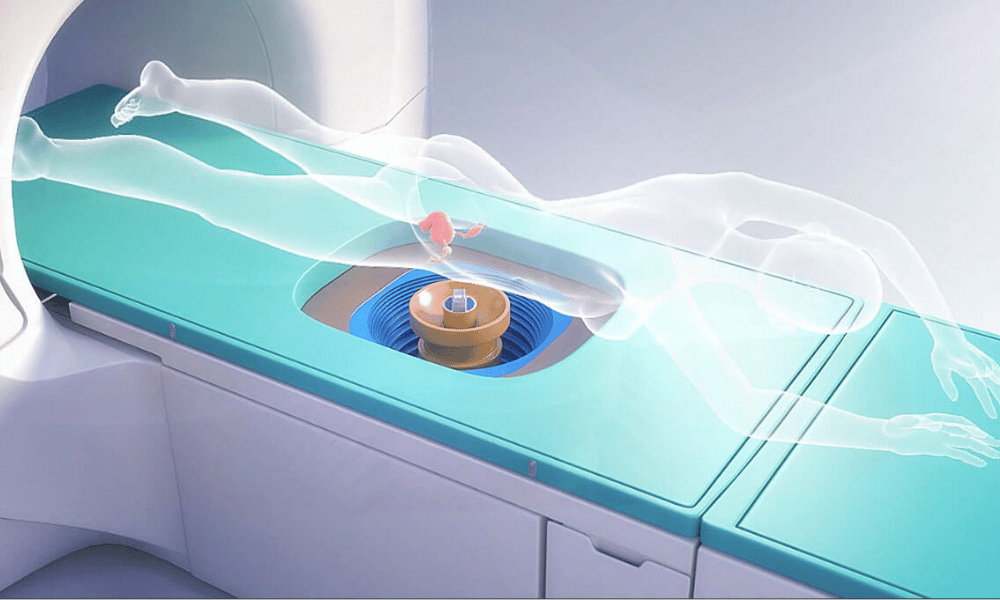
High-Intensity Focused Ultrasound (HIFU) is a non‑invasive medical procedure that uses highly focused ultrasound energy to produce targeted thermal coagulation (ablation) of tissue — for example, destroying localized cancer cells in the prostate or shrinking uterine fibroids — often with less downtime than open surgery. The focused ultrasound beam raises temperature in a precise area, causing cell necrosis while minimizing injury to surrounding tissue. This article explains HIFU’s mechanism, common indications, recovery, risks, cost considerations, and why some patients explore HIFU treatment abroad. Read on to see whether HIFU might be an option for you.
Discover Non-Invasive Healing: High-Intensity Focused Ultrasound (HIFU) Abroad
Facing a diagnosis can be overwhelming, and many patients want effective alternatives to traditional surgery. High-Intensity Focused Ultrasound (HIFU) is a non‑surgical focused ultrasound option used for conditions such as localized prostate cancer, uterine fibroids, essential tremor, and cosmetic skin tightening. The procedure concentrates ultrasound energy into a small area to heat and ablate targeted tissue, frequently allowing faster recovery than invasive operations.
HIFU’s appeal comes from its precision and reduced invasiveness: a focused beam of ultrasound energy creates thermal coagulation in the treatment area while aiming to spare nearby healthy tissue (outcomes depend on device and operator). Note that regulatory status varies by indication and region — for example, MRI‑guided HIFU devices have specific approvals for essential tremor in some markets, while other uses may be more established in certain countries.
For readers considering “HIFU treatment abroad,” medical tourism can offer distinct advantages — lower costs, access to specialized clinics, and shorter wait times. What this article covers: a clear look at how focused ultrasound works, who may benefit, recovery and side effects, cost comparisons, and practical tips for seeking HIFU overseas. Continue reading to learn whether HIFU might be the right treatment option for you.
What Conditions Can High-Intensity Focused Ultrasound (HIFU) Treat?
HIFU is used across specialties to ablate localized tumors and to remodel tissue non‑invasively — common applications include prostate cancer, uterine fibroids, essential tremor, and cosmetic skin tightening.
High‑Intensity Focused Ultrasound (HIFU) delivers focused ultrasound energy to a small target area, producing thermal coagulation that destroys or modifies cells. Below are the primary clinical uses, with a note on how established each indication is and quick comparative context.
- Prostate Cancer: HIFU is an accepted local treatment option for selected patients with localized prostate cancer (typically early‑stage, organ‑confined disease). Focused ultrasound ablates tumor tissue while aiming to spare surrounding nerves that control urinary and sexual function; centers report favorable functional outcomes vs. radical prostatectomy in some series, though long‑term oncologic comparisons are evolving. Many patients consider HIFU when they want a less invasive alternative to surgery or radiation.
- Uterine Fibroids: For symptomatic fibroids, HIFU can heat and shrink fibroid tissue, reducing heavy bleeding and pelvic pressure while preserving the uterus. In appropriate cases (accessible fibroid location and size), HIFU is a uterus‑preserving alternative to hysterectomy or myomectomy; symptom relief rates are good in many cohorts, though some patients may require additional treatment over time.
- Essential Tremor: MRI‑guided focused ultrasound is an established, non‑invasive therapy for medication‑refractory essential tremor in selected patients. By targeting a small brain nucleus with ultrasound waves under MRI guidance, clinicians can reduce tremor without an open procedure; many patients experience rapid and sustained tremor improvement.
- Cosmetic Applications: Branded as HIFU facelifts or HIFU skin tightening, focused ultrasound stimulates collagen remodeling in deeper skin layers to lift and firm lax skin. Cosmetic HIFU is widely available; results are generally more subtle than surgical facelifts and may require repeat sessions for optimal effect.
Quick comparison tip: for tumor control (e.g., prostate), HIFU is best for well‑selected, localized cases and may offer fewer immediate functional side effects; for symptomatic fibroids and cosmetic tightening, HIFU is a less invasive choice but may not match the completeness of surgical removal. For essential tremor, MRI‑guided HIFU is a proven, non‑surgical alternative to deep brain stimulation in many patients.
What Are the Common Symptoms That Suggest HIFU Might Be an Option?
Symptoms vary by condition: urinary changes may point to prostate issues, heavy or painful periods suggest fibroids, involuntary shaking indicates essential tremor, and visible skin laxity is common for cosmetic HIFU candidates. Any of these signs warrant medical evaluation.
Below are common symptoms tied to conditions often treated with HIFU and quick notes on first‑line tests you might expect during an evaluation.
- For Prostate Concerns: Early prostate cancer is often silent, but progressing disease can cause urinary symptoms such as:
- Frequent urination, especially at night (nocturia).
- Difficulty starting or stopping and weak or interrupted stream.
- Painful urination or ejaculation; rarely, blood in urine or semen.
- If you have these signs your doctor may order a PSA blood test and prostate imaging (mpMRI) as first steps; a biopsy may follow to confirm a diagnosis. Many patients search for “prostate symptoms” and “when to see a doctor.”
- For Uterine Fibroids: Common symptoms include:
- Heavy or prolonged menstrual bleeding.
- Pelvic pressure, pain, or frequent urination.
- Constipation, backache, or pain during intercourse.
- Pelvic ultrasound or MRI are typical diagnostic imaging tests; HIFU is considered when fibroid size and location are suitable and uterine preservation is desired.
- For Essential Tremor: The hallmark is an involuntary, rhythmic shaking most often of the hands, head, or voice, especially during purposeful movement. Neurology assessment and imaging (MRI) help determine eligibility for MRI‑guided focused ultrasound therapy.
- For Cosmetic Concerns: Signs that patients commonly seek HIFU for include:
- Mild to moderate skin laxity, loss of jawline definition, and drooping brows.
- Fine lines and early signs of aging.
- Cosmetic evaluation often includes skin assessment and sometimes imaging to determine depth of tissue laxity; cosmetic HIFU frequently requires fewer diagnostic tests than therapeutic HIFU but may need repeat sessions for best results.
When to see a doctor: if symptoms are new, worsening, or affecting daily life. A clinician can recommend targeted tests (PSA, biopsy, pelvic ultrasound, mpMRI) and discuss whether non‑surgical focused ultrasound treatment or another option is appropriate. If you’d like, proceed to the next sections to learn about eligibility, how focused ultrasound compares to other treatments, and what recovery typically looks like.
What Causes the Conditions Often Treated by HIFU?
Causes differ by condition: prostate cancer is linked to age and genetics, uterine fibroids are hormone‑driven, essential tremor has neurological and often hereditary roots, and cosmetic aging stems from loss of collagen and elastin. Understanding risk factors helps guide prevention, screening, and treatment choices.
Below are the common contributors for each condition and quick notes on when to discuss risk with your doctor.
- Prostate Cancer: The exact cause remains unclear, but established risk factors include advanced age (risk rises sharply after about age 50), family history and genetics (having a first‑degree relative with prostate cancer increases risk), and ethnicity (higher incidence reported in African American men). Diet and lifestyle — such as high‑fat diets — may also influence risk. If you have a family history or other risk factors, discuss PSA testing and imaging with your doctor (guidelines vary by country).
- Uterine Fibroids: Fibroids are benign growths influenced primarily by sex hormones (estrogen and progesterone). Genetics and ethnicity affect likelihood and severity (fibroids are more common and often larger in Black women). Other associated factors reported in studies include obesity, higher red meat consumption, and lower vitamin D levels. Talk to a gynecologist if heavy bleeding, pelvic pressure, or changes in menstrual patterns affect your quality of life.
- Essential Tremor: This neurological disorder often runs in families (familial essential tremor) and can be linked to genetic variants; in many cases the exact cause is idiopathic. Neurological evaluation and imaging help determine the diagnosis and whether MRI‑guided focused ultrasound therapy is an option.
- Cosmetic Aging: Skin sagging, lines, and loss of jawline definition are predominantly caused by declining collagen and elastin in deeper skin layers, cumulative sun (UV) exposure, gravity, and lifestyle factors such as smoking and poor nutrition. Cosmetic HIFU targets deeper tissue layers to stimulate collagen remodeling.
Quick action point: if you have risk factors (family history, new or worsening symptoms, or persistent quality‑of‑life impact), schedule an assessment — common screening tools include PSA testing and mpMRI for prostate concerns, pelvic ultrasound for fibroids, and clinical neurology evaluation for tremor. Your doctor can help you interpret risk and whether focused ultrasound treatment or another therapy is most appropriate.
How Does HIFU Compare to Other Available Treatment Options?
HIFU offers a non‑invasive alternative to surgery, radiation, or hormone therapy. For selected patients it can mean shorter recovery, fewer immediate complications, and a treatment approach that preserves surrounding tissue and function.
Below are concise, practical comparisons of focused ultrasound versus other common therapies so you can weigh benefits and trade‑offs for your condition.
- For Prostate Cancer:
- HIFU vs. Radical Prostatectomy: HIFU is non‑invasive (no incision), typically avoids the surgical risks of infection and significant blood loss, and often has faster short‑term recovery. Some centers report lower immediate rates of urinary incontinence and erectile dysfunction after HIFU compared with surgery, but long‑term oncologic comparisons are still evolving — discuss published outcome data with your doctor.
- HIFU vs. Radiation Therapy: Radiation (external beam or brachytherapy) is delivered over multiple sessions; HIFU is often a single session or a few focused treatments. HIFU’s precise targeting can reduce collateral tissue damage, and it may be used as a salvage or repeat therapy in some settings; however, radiation has a larger body of long‑term outcome data for many patients.
- HIFU vs. Active Surveillance: Active surveillance is appropriate for very low‑risk disease to avoid overtreatment. HIFU is an active local treatment option for patients who prefer intervention but want to avoid surgery or extended radiation schedules.
- For Uterine Fibroids:
- HIFU vs. Hysterectomy: HIFU preserves the uterus and fertility potential in many cases and avoids major surgery and general anesthesia, but hysterectomy provides definitive removal of fibroids and symptoms.
- HIFU vs. Myomectomy: Myomectomy surgically removes fibroids (good for large or numerous fibroids); HIFU is non‑surgical and can be ideal for well‑located, accessible fibroids but may have higher retreatment rates in some series.
- HIFU vs. Uterine Artery Embolization (UAE): Both are minimally invasive; UAE blocks blood supply via catheter under X‑ray guidance, while HIFU uses external ultrasound energy and avoids ionizing radiation exposure. Choice depends on fibroid characteristics and patient priorities.
- For Cosmetic Skin Tightening:
- HIFU vs. Surgical Facelift: HIFU is non‑surgical, uses no general anesthesia, and has minimal downtime — good for mild to moderate laxity. Results are generally subtler than a surgical facelift.
- HIFU vs. Radiofrequency (RF) Treatments: Both are non‑invasive; focused ultrasound usually reaches deeper tissue layers (the SMAS/foundation) and may require fewer sessions for comparable tightening, whereas RF often treats more superficial layers.
Decision guide: HIFU’s advantages include non‑invasiveness, targeted tissue ablation, shorter recovery time, and reduced immediate surgical risks (infection, bleeding, anesthesia exposure). However, evidence strength varies by indication — consult a multidisciplinary team (urologist, radiation oncologist, gynecologist, or dermatologist) to review outcomes, retreatment rates, and published data relevant to your case before deciding.
Am I a Good Candidate for HIFU Treatment?
Eligibility for HIFU depends on the condition, disease stage, and individual health. Generally, HIFU is best suited for localized prostate tumors, select fibroid cases, medication‑refractory essential tremor, or mild–moderate skin laxity for cosmetic use.
A specialist evaluates clinical history, imaging, and test results to decide if HIFU is appropriate. The checklist below summarizes typical selection criteria and the common diagnostic workup you can expect.
- For Prostate Treatment:
- Generally suitable for localized disease (organ‑confined prostate cancer). Clinicians review PSA, Gleason score from biopsy, and mpMRI imaging to determine candidacy rather than relying on a single number.
- Good overall health for the planned procedure and realistic expectations about outcomes and potential side effects (urinary symptoms, erectile function) are essential.
- Patients often ask their doctor “Am I eligible for HIFU for prostate cancer?” — expect a tailored discussion based on your imaging and biopsy results.
- For Uterine Fibroids:
- Best for symptomatic fibroids that are limited in number, not excessively large, and in locations accessible to ultrasound energy.
- Pelvic ultrasound and/or MRI help determine size, number, and location; HIFU is often chosen by patients who want to preserve the uterus and fertility when feasible.
- For Essential Tremor:
- Candidates typically have tremor not controlled by medication and are evaluated by a neurologist; MRI imaging is required because the procedure is MRI‑guided, and patients must tolerate lying still in the scanner for the duration of treatment.
- For Cosmetic HIFU:
- Ideal for mild to moderate skin laxity, good skin quality, and realistic expectations; typically most effective for patients in their 30s–60s.
How clinicians decide: expect a pre‑treatment workup (PSA and prostate imaging/biopsy for prostate cases; pelvic ultrasound/MRI for fibroids; neurological evaluation and MRI for tremor; skin assessment for cosmetic cases). Red flags that may limit HIFU candidacy include diffuse or very large tumors/fibroids, infection, or medical conditions that make the procedure unsafe. Speak with a treating doctor to get a personalized assessment — many centers offer remote consultations or a pre‑screening checklist to help you determine if HIFU is an option.
What Can I Expect During Recovery After HIFU Treatment?
Recovery after HIFU is generally quicker than after open surgery, but timelines and aftercare vary by indication. Most patients return to light activities within days, with condition‑specific instructions from their treating team.
Because HIFU uses focused ultrasound energy to raise temperature and coagulate targeted tissue, most side effects are transient. Below is a concise, condition‑by‑condition recovery overview and practical aftercare tips.
- For Prostate Treatment:
- Most patients go home the same day or the next; plan for short‑term urinary changes.
- A urinary catheter is commonly used for several days to a week—your team will advise timing for removal.
- Expect mild discomfort, some swelling or bruising, and temporary urinary frequency or urgency; avoid heavy lifting for a short period.
- Follow‑up typically includes PSA checks and repeat imaging at intervals determined by your doctor.
- For Uterine Fibroids:
- Many patients are discharged the same day; mild abdominal cramping and light vaginal spotting or discharge are common for a few days.
- Return to normal daily activities is often possible within 1–3 days, but avoid strenuous exercise as advised.
- Your clinic will schedule follow‑up imaging (ultrasound or MRI) to assess fibroid shrinkage and symptom improvement.
- For Essential Tremor (MRI‑guided HIFU):
- Patients are usually observed for 24 hours. Many experience immediate tremor improvement.
- Transient dizziness, headache, or numbness can occur; your team will monitor neurologic signs before discharge.
- For Cosmetic HIFU:
- There is minimal downtime; you can usually resume normal activities immediately.
- Expect brief redness, mild swelling, or a tingling sensation for hours to days; multiple sessions may be recommended for best results.
Aftercare checklist and warning signs: follow your doctor’s instructions on activity, medications, and catheter care where applicable; report fever, worsening pain, heavy bleeding, or persistent numbness immediately. Typical follow‑up schedules vary by condition—ask your physician about PSA monitoring for prostate treatment, imaging timelines for fibroids, or neurologic follow‑up after tremor therapy.
If you want a printable recovery checklist or a sample follow‑up schedule tailored to your condition, consult your treating clinic or request a pre‑procedure guidance pack during your consultation.
What Are the Potential Risks and Side Effects of HIFU?
Although HIFU is generally safer and less invasive than many surgical options, it carries procedure‑specific side effects and risks. Most are temporary, but some complications—rarely—can be serious; a thorough discussion with your doctor is essential before treatment.
Below is a practical, patient‑focused summary of common and rare side effects by indication, plus guidance on what to watch for and how risks are typically mitigated.
- For Prostate HIFU:
- Common (usually temporary): urinary frequency, urgency, mild burning on urination, and need for a short‑term urinary catheter.
- Less common/possible: erectile dysfunction (rates are generally lower than after radical prostatectomy but vary by study), temporary urinary incontinence.
- Rare but serious: rectal fistula or significant nerve injury. These complications are uncommon but require prompt medical attention.
- Doctors reduce risks with careful imaging, precise targeting, and peri‑procedural protocols; ask your provider about their complication rates and how they manage adverse events.
- For Uterine Fibroid HIFU:
- Common: mild to moderate abdominal cramping, light vaginal bleeding or discharge for a few days.
- Uncommon: incomplete ablation requiring further treatment.
- Rare: skin burns or unintended damage to adjacent organs; proper patient selection and technician experience minimize these risks.
- For MRI‑guided HIFU for Essential Tremor:
- Common: temporary dizziness, headache, or mild sensory changes.
- Less common: temporary numbness or tingling on one side of the body, transient gait disturbance.
- Rare: persistent neurologic deficits — thorough MRI planning and intra‑procedural monitoring aim to prevent these.
- For Cosmetic HIFU:
- Common (mild): temporary redness, swelling, bruising, tingling, or numbness that typically resolves within hours to days.
- Rare: nerve injury causing prolonged altered sensation — selecting appropriate depth settings and experienced operators reduces this risk.
Risk mitigation and warning signs: clinics use imaging, careful dose‑planning, and real‑time monitoring (temperature mapping for some systems) to limit collateral tissue damage. Pre‑procedure screening (to reduce infection risk), bowel/bladder preparation, and peri‑operative protocols also lower complications. Contact your provider immediately if you experience fever, increasing pain, heavy bleeding, persistent numbness, difficulty urinating, or other worsening symptoms.
Before consenting to treatment, ask the clinic for their published side‑effect rates and how they handle complications. Your doctor should discuss personalized risk based on your anatomy, tumor or fibroid size, prior treatments (e.g., radiation), and overall health to help you make an informed decision.
How Much Does HIFU Treatment Cost Worldwide?
The cost of HIFU varies significantly by country, treated condition, clinic reputation, and the specific HIFU device used. Medical tourism often provides substantial savings versus Western prices, but be sure to compare what each quote includes.
Pricing depends on whether the procedure is therapeutic (e.g., prostate cancer or fibroids) or cosmetic (skin tightening), whether imaging and overnight observation are required, and whether additional items such as pre‑op tests, anesthesia, and post‑op care are bundled. The table below gives estimated ranges to help you compare countries; these are approximate figures (estimates as of 2025) and should be verified with clinics for up‑to‑date, personalized quotes.
| CountryEstimated Cost Range (USD)Notes | ||
| USA / Canada | $20,000 – $40,000+ | Therapeutic HIFU (prostate/fibroids) tends to be most expensive here; cosmetic HIFU typically ranges $1,500–$4,000. Insurance coverage varies—check policy specifics. |
| United Kingdom | $15,000 – $30,000+ | Costs similar to North America for private care; HIFU is less common on public systems. Cosmetic HIFU: ~$1,000–$3,500. |
| Turkey | $8,000 – $18,000 | Known for accredited clinics and experienced teams; includes therapeutic and cosmetic HIFU. Cosmetic HIFU: $500–$1,500. |
| Mexico | $7,000 – $16,000 | Popular for U.S. patients seeking proximity and affordability. Cosmetic HIFU: $400–$1,200. Verify whether quoted prices include imaging, anesthesia, and follow‑up. |
| Thailand | $6,000 – $15,000 | Strong medical infrastructure in Bangkok and Phuket; combines treatment with recovery in tourist‑friendly settings. Cosmetic HIFU: $300–$1,000. |
| India | $5,000 – $12,000 | Highly competitive pricing with experienced specialists and modern clinics. Cosmetic HIFU: $250–$800. |
Disclaimer: These are estimated costs (updated 2025) and will vary based on clinic fees, device type, included pre/post‑operative care, anesthesia, imaging, and individual patient needs. Always request a detailed, itemized quote that clarifies what is and isn’t included.
Sample budgeting tip: for therapeutic prostate HIFU abroad, add estimated travel and accommodation costs and allow time for pre‑op imaging and a short recovery stay—this gives a realistic total cost comparison versus local treatment. To get precise pricing, contact clinics for a personalized quote and inquire whether the price covers the HIFU procedure, anesthesia, probe or device fees, imaging, follow‑up, and any contingency care.
Why Consider Traveling Abroad for HIFU Treatment?
Patients often travel for HIFU to access lower costs, specialized technology and expertise, shorter wait times, and supportive care — especially when local options are limited or the procedure is elective.
Medical travel for HIFU can be a practical option when you want an alternative to local surgery, faster scheduling, or a clinic with specific experience. Below are the main advantages and a simple timeline to help you decide if traveling for treatment is right for you.
- Significant Cost Savings: As the cost table showed, therapeutic HIFU and cosmetic treatments can be substantially cheaper in some countries — making life‑changing care accessible for patients who face high local prices or limited insurance coverage. Always compare itemized quotes (procedure, imaging, anesthesia, follow‑up).
- Access to Advanced Technology & Experienced Doctors: Certain clinics specialize in focused ultrasound and maintain modern HIFU platforms and experienced operators. If your local options lack a specific device or clinical volume, traveling can give you access to that expertise.
- Shorter Wait Times: In healthcare systems with long queues for specialized procedures, traveling abroad can allow you to get treated sooner — reducing anxiety and time living with symptoms. Verify appointment and recovery timelines before you book.
- Privacy and Discretion: Some people prefer the privacy of receiving care away from their local community, which medical travel can provide.
- Combine Treatment with Recovery Time: For elective procedures, you can often recover in a restful, tourist‑friendly setting — a wellness getaway that pairs medical care with recuperation.
Typical medical travel timeline (example): initial virtual consultation and pre‑screening → receive itemized quote and schedule → travel for pre‑op imaging and in‑person evaluation → HIFU procedure (often outpatient) → short recovery stay with follow‑up checks → return home with remote follow‑up arranged. Before committing, check clinic accreditation, doctor credentials, and post‑procedure care options to ensure safety and continuity of care.
What to Expect When Traveling for This Procedure?
When traveling for HIFU, many patients use a medical tourism facilitator to coordinate logistics and clinical communication so they can focus on care and recovery.
Below is a practical walkthrough of a typical international HIFU journey, with timing, key steps, and what to bring. Exact details vary by clinic and indication, so always confirm with your treating doctor and facilitator.
- Initial Consultation & Planning (weeks before travel): Virtual consults with an international specialist confirm whether HIFU is a suitable option; the clinic provides a personalized treatment plan, itemized quote, and pre‑travel checklist (imaging, labs). Facilitators can arrange travel logistics and answer questions about visas and insurance.
- Pre‑Procedure (arrival): On arrival you’ll have in‑person review, any last‑minute imaging (ultrasound or mpMRI) or blood tests, and a pre‑op discussion with the doctor. Plan for 1–2 days of pre‑procedure evaluation for complex therapeutic cases.
- The Procedure Day: HIFU is commonly an outpatient procedure lasting a few hours (MRI‑guided procedures may take longer). Anesthesia needs vary by indication — local sedation or general anesthesia may be used; confirm the plan with your doctor.
- Post‑Procedure & Recovery: Many patients stay 24–72 hours for observation depending on indication (prostate or fibroid cases may require a short inpatient stay or catheter care). Facilitators often help arrange accommodation near the clinic for recovery and coordinate follow‑up visits.
- Follow‑Up & Remote Care: Clinics typically provide a post‑procedure plan (imaging, PSA checks, symptom monitoring). Remote follow‑up with your international team or your local doctor should be arranged before you travel home.
- Language & Cultural Support: Reputable clinics and facilitators offer English‑speaking staff or interpreters and can advise on dietary, cultural, and practical matters during your stay.
Sample 7‑day itinerary (illustrative)
- Day 1–2: Travel and in‑person pre‑op assessment (imaging/tests)
- Day 3: HIFU procedure (outpatient or short observation)
- Day 4–6: Short recovery stay near clinic, follow‑up check
- Day 7+: Travel home with remote follow‑up arranged
What to pack / bring
- Passport, travel documents, clinic quotes, and itemized treatment plan
- Copies of medical records, recent imaging (or access to online records), and a list of medications
- Comfortable clothing for recovery and any required consumables (e.g., catheter supplies if advised)
- Travel insurance that covers medical procedures and potential complications
FAQ highlights: check visa requirements early, confirm whether your travel insurance covers elective procedures, and verify who provides post‑procedure care once you return home. If you’d like, request a pre‑travel checklist from your facilitator or clinic and confirm imaging/probe requirements and expected procedure time with the treating doctor before you book travel.
How to Ensure Safety and Quality When Choosing an International HIFU Clinic?
Prioritize accredited clinics, experienced doctors, modern imaging and HIFU equipment, transparent outcomes data, and clear post‑procedure care plans to reduce risk and ensure high‑quality care when traveling abroad for treatment.
Doing due diligence before you travel is essential. Use the checklist below to evaluate clinics and ask the right questions so you can choose a safe, reputable provider.
- Verify Accreditation and Facility Standards: Look for international accreditation (e.g., Joint Commission International) or national hospital accreditation and evidence of quality systems. Ask the clinic to provide accreditation details you can confirm online.
- Confirm Doctor Qualifications & Experience: Request the treating doctor’s CV, board certifications, and specific HIFU experience (number of procedures, indications treated). Ask for published outcomes or peer‑reviewed data when available.
- Check Technology, Imaging & Device Approval: Ensure the clinic uses current, CE‑marked or FDA‑cleared HIFU systems and appropriate imaging (ultrasound or MRI) for planning and guidance. Ask for the device model and regulatory status.
- Request Patient Outcomes and References: Read verified patient reviews and request anonymized outcome statistics (complication and retreatment rates). Ask whether the clinic has case studies or references you can contact.
- Assess Post‑Procedure Care & Continuity: Confirm the clinic’s post‑op follow‑up schedule, emergency procedures, and how they coordinate care with your local doctor after you return home.
- Use Trusted Facilitators Carefully: Reputable medical tourism facilitators can help verify credentials and manage logistics—but still verify accreditations and doctor qualifications independently.
Questions to Ask Before You Book
- What is the treating doctor’s experience with HIFU for my condition?
- Can you provide complication and retreatment rates for this procedure?
- Which HIFU device and imaging platform will you use, and is it approved in your country?
- What is included in the quoted price (anesthesia, imaging, probe/device fees, follow‑up)?
- What contingency plans exist for complications or if I need additional care after I return home?
Red Flags to Watch For
- Clinic unwilling to share accreditation, device model, or doctor credentials.
- No clear post‑operative plan or refusal to coordinate with your local doctor.
- Extremely low quoted price with vague inclusions—ask for an itemized breakdown.
Taking these steps—verifying accreditation, confirming doctor experience, checking imaging and device approvals, and demanding transparent outcome data—helps reduce risk and ensures you receive high‑quality HIFU care abroad. If you want, request a vetting checklist that you can use with clinics and facilitators during your pre‑travel planning.
What Are Patient Success Stories from Abroad for HIFU?
Many patients who travel for HIFU report satisfaction because they received effective treatment, experienced cost savings, and benefited from coordinated care and recovery support offered by international clinics and facilitators.
The examples below are illustrative and anonymized — individual outcomes vary depending on condition, tumor or fibroid size, device used, and clinician experience. They show typical experiences patients describe when choosing HIFU treatment abroad.
- John from the UK (Prostate): “After months on a waiting list and high private quotes locally, I chose to explore HIFU abroad. The clinic arranged pre‑op imaging and a clear plan. The focused ultrasound procedure took a few hours, recovery was quicker than I expected, and my short‑term urinary symptoms improved. Seeing the cost savings and attentive aftercare made the trip worthwhile for me.”
- Maria from Canada (Uterine Fibroids): “I didn’t want a hysterectomy. After a virtual consultation with an international gynecology center, I traveled for HIFU. The team coordinated my imaging and follow‑up; I had less pain and bleeding after treatment and appreciated that my uterus was preserved. The total cost, even including travel, was much lower than private care at home.”
- Sarah from the USA (Cosmetic HIFU): “I wanted subtle jawline tightening but didn’t want surgery. The clinic recommended a treatment plan that fit my goals. The non‑invasive HIFU sessions had minimal downtime, and the overall experience — from consultation to recovery — was smooth. The trip doubled as a short break, which helped my recovery.”
What these stories illustrate: for some patients, focused ultrasound treatment abroad delivers clinical benefit, cost advantages, and coordinated care. However, outcomes depend on proper patient selection, device/technique, and the treating team’s experience. Always ask clinics for anonymized outcome data, complication rates, and references, and discuss potential side effects and follow‑up plans with the treating doctor before committing to travel.
Take the Next Step with DGS Healthcare
Ready to explore HIFU options abroad? Compare clinics, review doctor credentials and device information, and request a personalized, itemized quote to understand costs and included care.