
Holmium Laser Treatment
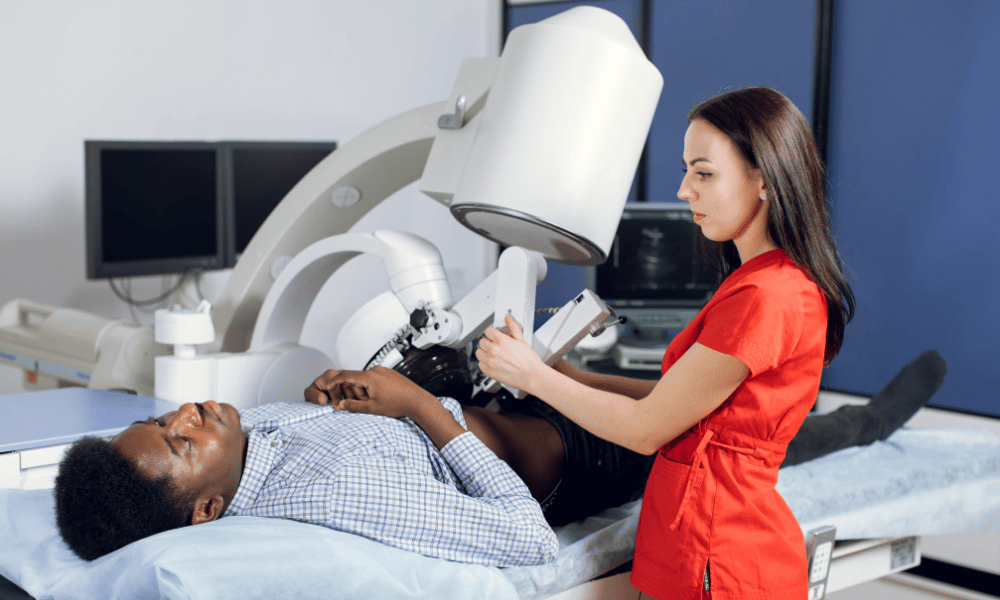
Holmium Laser treatment uses a high‑powered Holmium:YAG laser in a minimally invasive procedure to treat kidney stones and enlarged prostates (BPH). The laser’s precision allows surgeons to fragment stones into dust or to enucleate obstructing prostate tissue with minimal damage to surrounding structures, often resulting in shorter hospital stays and faster recovery compared with open surgery.
Discover the Precision of Holmium Laser Treatment: Your Path to Better Health
If kidney stones or bothersome urinary symptoms from an enlarged prostate (Benign Prostatic Hyperplasia — BPH) are affecting your quality of life, Holmium Laser treatment offers a proven, tissue‑sparing option. The Holmium:YAG laser is widely used in urology for two primary applications: laser lithotripsy to break stones and Holmium Laser Enucleation (HoLEP) to remove obstructive prostate tissue.
During laser lithotripsy, a thin endoscope is guided to the stone and a laser fiber delivers pulsed energy to fragment it into passable dust or small pieces. In HoLEP, the laser precisely separates excess prostate tissue from the surgical capsule, which is then removed — a technique that provides durable symptom relief for many men.
Because these are minimally invasive procedures, patients often experience less bleeding and quicker recovery than with traditional open surgery. Many people also explore Holmium Laser treatment through medical travel to access experienced surgeons, modern equipment, shorter wait times, and competitive pricing. Read on to learn how these procedures work, who is a candidate, recovery expectations, and what to consider when seeking care abroad.
What common symptoms can Holmium Laser treatment effectively address?
Holmium Laser procedures relieve symptoms caused by kidney stones and by an enlarged prostate (BPH). They target the source of obstruction or the stone itself to restore urine flow and reduce pain and bleeding.
The Holmium Laser is used mainly for two urological conditions. Below are the common symptoms that lead patients to seek treatment and when to consider urgent care.
Symptoms of Kidney Stones (Renal Calculi)
Stones can cause severe discomfort and urinary changes. Holmium Laser lithotripsy can treat stones of many sizes and compositions. Look out for:
- Severe pain (renal colic): Sudden, intense pain in the back, side, abdomen, or groin that may come in waves — a common reason to seek treatment.
- Blood in urine (hematuria): Pink, red, or brown urine. Small amounts of blood are common with stones; persistent heavy bleeding needs prompt evaluation.
- Nausea and vomiting: Frequently occur with severe pain and can require medical attention for dehydration.
- Frequent or urgent urination: Especially when a stone is near the bladder.
- Painful urination (dysuria): Burning or stinging when you urinate.
- Fever, chills, or cloudy/foul-smelling urine: These suggest infection and are red flags — seek emergency care immediately.
If you have uncontrolled pain, fever, or inability to pass urine, go to the emergency department — these are signs that urgent intervention is required.
Symptoms of Benign Prostatic Hyperplasia (BPH) / Enlarged Prostate
BPH commonly affects older men and can obstruct urine flow. HoLEP and other laser enucleation options address the obstructing prostate tissue. Common symptoms include:
- Frequent or urgent need to urinate: Especially at night (nocturia), which disrupts sleep and quality of life.
- Difficulty starting urination (hesitancy): A delay before urine begins to flow.
- Weak or intermittent urine stream: Stopping and starting indicates obstruction to flow.
- Dribbling at the end of urination / incomplete emptying: A feeling that the bladder is not fully emptied.
- Recurrent urinary tract infections: Caused by retained urine and incomplete bladder emptying.
- Straining to urinate: Using abdominal effort to start or maintain flow.
Men experiencing moderate to severe symptoms that affect daily life often search for durable solutions such as HoLEP or other laser enucleation procedures. If you have sudden inability to urinate or severe bleeding, seek urgent care.
What are the causes and risk factors for conditions treated by Holmium Laser?
Kidney stones most commonly result from high concentrations of stone-forming substances in the urine (often influenced by diet, hydration, genetics, and certain medical conditions). Benign prostatic hyperplasia (BPH) is strongly associated with aging and hormonal changes in men. Addressing modifiable risk factors can reduce recurrence and improve outcomes.
Knowing the common causes and risk factors helps both prevention and treatment planning — including whether Holmium Laser procedures are appropriate.
Causes and Risk Factors for Kidney Stones
Stones form when urine contains more crystal-forming substances (calcium, oxalate, uric acid) than the fluid in the urine can dilute. Key contributors include:
- Dehydration: Low fluid intake concentrates urine and raises stone risk — increasing daily water intake is a primary preventive step.
- Diet: High sodium, excess animal protein, and oxalate-rich foods (spinach, nuts, chocolate) can increase risk for some stone types.
- Genetics: A personal or family history of stones raises the likelihood of recurrence.
- Obesity and metabolic factors: Higher BMI and metabolic syndrome are associated with greater stone risk.
- Medical conditions and medications: Disorders such as inflammatory bowel disease, hyperparathyroidism, renal tubular acidosis, and certain medications (some diuretics, calcium supplements, or anticonvulsants) can predispose to stones.
Simple prevention steps often recommended include increasing fluid intake, moderating salt and animal protein, and following tailored dietary advice based on stone composition (your clinician can advise after testing).
Causes and Risk Factors for Benign Prostatic Hyperplasia (BPH)
BPH is a noncancerous enlargement of the prostate that commonly develops with age. Several factors are associated with its development:
- Aging: The single strongest risk factor — BPH symptoms increase with age and become common in older men.
- Hormonal changes: Altered balance of sex hormones (testosterone and estrogen) over time is thought to drive prostate growth.
- Family history: A father or brother with BPH increases an individual’s risk.
- Associated health conditions: Cardiovascular disease, diabetes, and obesity have been linked with higher BPH risk.
- Lifestyle factors: Diet and physical activity may play a role, though evidence is still evolving.
If you’re concerned about your risk, simple measures — weight control, regular activity, and medical review of urinary symptoms — can help. For men with bothersome symptoms, Holmium Laser procedures such as HoLEP can remove obstructing prostate tissue to improve urine flow and bladder emptying.
What types of Holmium Laser procedures are available, and how do they work?
The main Holmium Laser procedures are laser lithotripsy for breaking kidney stones and Holmium Laser Enucleation of the Prostate (HoLEP) for BPH. The Holmium:YAG system can ablate, cut, coagulate tissue, and fragment stones, making it a versatile tool in modern urology.
Below are concise, step‑by‑step explanations of each procedure and when they are typically chosen.
1. Holmium Laser Lithotripsy for Kidney Stones
- How it works: A thin, flexible endoscope (ureteroscope or nephroscope) is advanced through the urethra and urinary tract to the stone. A fine laser fiber is passed through the scope and delivers pulsed Holmium energy that fragments the stone into dust or small pieces that can be passed or removed with a retrieval basket.
- Benefits: Effective across stone types and sizes (including stones resistant to other methods), direct visualization of the stone, often performed as an outpatient, and generally a minimally invasive procedure with faster recovery.
- When chosen: For stones in the kidney, ureter, or bladder, especially when ESWL (shock wave) is unsuitable or has failed, or for large or complex stones requiring direct removal.
2. Holmium Laser Enucleation of the Prostate (HoLEP) for BPH
- How it works: A resectoscope is inserted through the urethra to the prostate. Using the Holmium laser, the surgeon precisely cuts and enucleates the obstructive prostate tissue (separating it from the capsule), similar to peeling an orange. The freed tissue is pushed into the bladder and removed with a morcellator.
- Benefits: HoLEP removes virtually all obstructing prostate tissue, producing durable symptom relief. It can treat very large prostates, generally causes less bleeding than open surgery, is suitable for many patients on anticoagulation, and typically shortens hospital stay and recovery.
- When chosen: For men with moderate to severe BPH symptoms, especially large prostate volumes (often >80 g) or patients who need a long‑lasting surgical solution.
Technical notes: The Holmium:YAG laser’s wavelength allows efficient stone fragmentation and controlled tissue cutting with good coagulation. Procedures use a laser resectoscope and camera for visualization; surgeons experienced in laser enucleation and morcellation report the best outcomes. If you are on blood thinners or have a very large prostate, ask your surgeon about HoLEP as a minimally invasive alternative.
Short case vignette examples (illustrative): a 45‑year‑old with a proximal ureteral stone causing renal colic may benefit from ureteroscopic laser lithotripsy; a 72‑year‑old man with an 110 g prostate and severe nocturia may be a strong candidate for HoLEP. Discuss specifics with your urologist to determine the right procedure for your condition.
Who is an ideal candidate for Holmium Laser treatment, and what makes someone eligible?
Holmium Laser procedures are appropriate for many patients with kidney stones or symptomatic BPH. Candidacy depends on the clinical problem, overall health, and diagnostic test results; a urologist will determine the best option after a detailed evaluation.
Eligibility is established by your urologist based on symptoms, imaging, lab tests, medication history, and general medical fitness for anesthesia and surgery.
Eligibility for Holmium Laser Lithotripsy (Kidney Stones)
Most people with obstructive or symptomatic stones can be considered for ureteroscopic Holmium Laser lithotripsy. Key considerations include:
- Stone size and location: Effective for stones in the kidney, ureter, or bladder — including large stones that are not amenable to ESWL.
- Stone composition: Holmium lasers work on calcium oxalate, uric acid, struvite, cystine, and most other stone types.
- Failed conservative care: If stones have not passed or cause persistent symptoms (pain, blood in urine, infection).
- Contraindications to other treatments: Patients unsuitable for ESWL because of body habitus or stone characteristics often benefit from ureteroscopic laser treatment.
- Overall health: Patients should be fit enough for anesthesia; active UTIs must be treated before the procedure.
Typical pre-op tests include urine culture, basic bloodwork (including creatinine), and imaging (CT or ultrasound) to define stone size and location.
Eligibility for Holmium Laser Enucleation of the Prostate (HoLEP)
HoLEP is an excellent option for men with moderate to severe BPH symptoms, especially when durable relief is desired or when other treatments are unsuitable.
- Moderate to severe symptoms: Men with obstructive urinary symptoms that affect quality of life or do not respond to medication.
- Large prostate volume: HoLEP is especially beneficial for prostates generally >80 g (source ranges vary), where other options may be less effective.
- Need for durable solution: HoLEP removes obstructing prostate tissue thoroughly and has low retreatment rates.
- Anticoagulation considerations: Because HoLEP typically causes less intraoperative bleeding, it may be suitable for some men on blood thinners — discuss risks with your surgeon.
- Failed prior treatments: Men who have not improved with medications or prior procedures are often candidates.
Pre-operative evaluation usually includes a prostate exam, PSA blood test, urine culture, and imaging (ultrasound or other) as needed. Discuss anesthesia options (general vs. spinal) with your team — suitability depends on health status and surgeon preference.
Quick candidate checklist: You may be a good candidate if you have obstructive urinary symptoms affecting daily life, a large prostate or stones not passing with conservative care, and are medically fit for anesthesia. Bring your recent imaging and test results to your consultation, and ask your surgeon these questions: How many HoLEP/lithotripsy procedures do you perform yearly? What is the expected hospital stay and recovery timeline? Will I need ongoing medication?
What can I expect during recovery after Holmium Laser surgery?
Recovery after Holmium Laser procedures is generally faster and less painful than after traditional open surgery. For laser lithotripsy most patients resume normal activities within a few days; HoLEP typically involves a short hospital stay (1–3 days) and gradual improvement over several weeks to months.
Because these are minimally invasive procedures, many people experience quicker recovery and lower immediate post‑op discomfort. Below are practical expectations and a checklist of recovery tips and warning signs.
Recovery After Holmium Laser Lithotripsy (Kidney Stones)
- Immediate post‑procedure: Expect mild pain or cramping and some blood in the urine for a few days as fragments pass. Use prescribed pain relief as directed.
- Stent care: A temporary ureteral stent is commonly placed to prevent obstruction and ease passage of fragments; it is usually removed in 1–2 weeks. Stent-related symptoms can include bladder irritation, urinary frequency, and back discomfort — report severe symptoms to your surgeon.
- Activity: Light activities and desk work can often resume within 24–48 hours; avoid heavy lifting and vigorous exercise for 1–2 weeks.
- Hydration: Drink plenty of fluids to help flush fragments and reduce the risk of new stones.
- When to call: Seek urgent care for uncontrolled pain, high fever, inability to pass urine, or heavy bleeding.
Most people ask, “how long to recover after laser kidney stone removal?” Expect many daily activities within days, with full comfort returning over 1–2 weeks, depending on stent symptoms and residual fragments.
Recovery After Holmium Laser Enucleation of the Prostate (HoLEP)
- Hospital stay and catheter: Typical stay is 1–3 days. A catheter is usually left in place 1–2 days to drain and irrigate the bladder; your care team will remove it when safe.
- Initial symptoms: Expect bladder spasms, burning on urination, and blood‑tinged urine for several days to weeks — these commonly improve with time.
- Activity and sexual activity: Avoid heavy lifting and strenuous exercise for 4–6 weeks. Sexual activity is typically postponed for several weeks; discuss timing with your surgeon.
- Hydration and diet: Keep well hydrated and maintain a balanced diet to support healing and bladder flushing.
- Symptom improvement: Many men notice a stronger urine stream soon after HoLEP; full improvement can continue over several weeks to months as swelling subsides.
- Return to work: Light desk work is often possible within 1–2 weeks; full recovery commonly takes up to 6 weeks depending on the patient’s job and healing.
Typical patient searches include “HoLEP recovery timeline” and “how long until normal activity after prostate surgery.” Use those queries to frame expectations in your pre‑op discussion.
Recovery Checklist & Tips for Medical Travelers
- Bring documentation: Pack recent imaging, lab tests, and medications for your international care team.
- Plan post‑op stay: Follow your surgeon’s advice on how long to remain before flying home (often a few days for lithotripsy, longer for HoLEP — typically until the catheter is removed and you are stable).
- Pain control: Use prescribed analgesics and avoid NSAIDs if advised (especially after prostate procedures where bleeding risk is a concern).
- Follow‑up: Arrange remote follow‑up or coordinate with your local surgeon/doctor before travel.
- When to contact your surgeon: Fever, worsening pain, heavy bleeding, inability to pass urine, or signs of deep vein thrombosis after travel.
What are the potential risks and side effects of Holmium Laser procedures?
Like any surgical intervention, Holmium Laser treatments carry some risks. Common side effects are usually temporary (bleeding, urinary discomfort), while serious complications are uncommon when procedures are performed by experienced surgeons. Understanding likely, possible, and rare complications helps you weigh benefits and plan risk mitigation.
Below is a practical grouping of risks for laser lithotripsy and HoLEP, plus typical management steps so you know what to expect and when to contact your care team.
Risks of Holmium Laser Lithotripsy (Kidney Stones)
- Likely / Common: Mild blood in the urine and temporary urinary discomfort as fragments pass; usually self‑limited and managed with fluids and simple analgesics.
- Possible: Urinary tract infection requiring antibiotics; stent‑related bladder irritation, frequency, or flank pain if a ureteral stent is placed.
- Less common / Rare: Ureteral injury during scope insertion (may need repair) or residual stone fragments that require a follow‑up procedure.
Management: infections are treated with antibiotics; stent symptoms can be managed medically and the stent removed (typically within 1–2 weeks). Report high fever, uncontrolled pain, or inability to pass urine immediately.
Risks of Holmium Laser Enucleation of the Prostate (HoLEP)
- Likely / Common: Temporary urinary incontinence (often stress incontinence) immediately after catheter removal and blood‑tinged urine for days to weeks; bladder spasms and burning with urination are common early effects.
- Probable: Retrograde ejaculation (semen enters the bladder rather than exiting) is a frequent outcome after enucleation prostate procedures and can affect fertility; counsel accordingly.
- Possible: Urethral stricture or bladder‑neck contracture from scarring (uncommon), and urinary tract infection treated with antibiotics.
- Rare but serious: Significant bleeding that might very rarely require transfusion; however, bleeding risk is generally lower than with open surgery when performed by experienced teams.
- Sexual function: New or worsened erectile dysfunction is uncommon; most studies report little to no long‑term impact on erections, but individual results vary.
Risk mitigation: careful patient selection, experienced surgeon technique in laser enucleation and morcellation, perioperative antibiotics when indicated, and pelvic floor rehabilitation can reduce and manage many side effects. Ask your surgeon about their complication rates and how they handle issues such as bleeding or urethral strictures.
When to seek urgent care: heavy bleeding, high fever, severe pain, difficulty passing urine, or signs of systemic infection. Your surgeon should provide clear instructions and a contact pathway for post‑operative concerns.
How do Holmium Laser treatment costs compare across different countries?
The cost of Holmium Laser treatment varies widely by country, clinic, and the specific procedure (HoLEP for BPH versus laser lithotripsy for stones). Many patients find meaningful savings when seeking care in established medical tourism destinations, but exact prices depend on surgeon fees, hospital charges, anesthesia, and whether pre‑ or post‑operative care is included.
When comparing options, confirm what the quoted price covers (surgeon, operating room, anesthesia, implantable devices, tests, overnight stay, and follow‑up). Also check whether travel, accommodation, and remote follow‑up are included in any package.
Below is an estimated price range for Holmium Laser procedures (HoLEP or complex laser lithotripsy). These are approximate and should be used as a starting point for inquiries; request personalized quotes from clinics and confirm surgeon experience when evaluating options.
| Country/RegionEstimated Cost Range (USD) – HoLEPEstimated Cost Range (USD) – Laser Lithotripsy | ||
| United States | $15,000 – $35,000+ | $8,000 – $20,000+ |
| United Kingdom | $12,000 – $25,000+ | $7,000 – $15,000+ |
| Turkey | $6,000 – $12,000 | $3,000 – $6,000 |
| India | $5,000 – $10,000 | $2,500 – $5,000 |
| Mexico | $7,000 – $14,000 | $3,500 – $7,000 |
| Thailand | $7,000 – $13,000 | $3,500 – $6,500 |
| Germany | $10,000 – $20,000+ | $6,000 – $12,000+ |
*Note: Estimates typically cover the procedure itself but may exclude travel, accommodation, additional imaging, extended post‑operative care, or complications. Always request a detailed, itemized quote.
If cost is a deciding factor, request quotes from multiple accredited centers, verify the included services, and ask about surgeon experience — the cheapest option is not always the best choice for a procedure or a durable outcome. Financing, insurance coverage, and typical length of stay differ by country and clinic, so confirm these details before booking.
Why should I consider traveling abroad for Holmium Laser treatment?
Traveling abroad for Holmium Laser treatment can provide access to experienced teams, modern Holmium laser systems, shorter waits, and competitive pricing. For many patients, international centers offer high-quality, minimally invasive procedures with coordinated support for medical travelers.
Patients choose medical travel for a mix of practical and clinical reasons. Below are common benefits — and a short risk‑vs‑benefit checklist to help you evaluate options.
- Cost and value: Many countries with established medical tourism programs offer lower out‑of‑pocket prices for HoLEP or laser lithotripsy while maintaining high standards of care; always request an itemized quote so you can compare true value.
- Access to expertise and technology: Specialized urology centers abroad may have high case volumes, experienced surgeons, laser resectoscopes, morcellators, and up‑to‑date Holmium:YAG systems.
- Shorter waiting times: If your symptoms are urgent or conservative care has failed, traveling can speed access to definitive treatment and symptom relief.
- Patient‑centric services: Many clinics offer coordination services (airport pickup, accommodation help, language support) that simplify the process for international patients.
- Privacy and recuperation: Some patients value the privacy of receiving care away from home and the ability to recover in a restful setting.
Risk‑vs‑Benefit Checklist (what to verify)
- Accreditation & quality: Confirm hospital accreditation (e.g., JCI) and read independent patient reviews.
- Surgeon experience: Ask how many HoLEP or laser lithotripsy procedures the surgeon performs annually and request outcome or complication rates.
- What’s included: Get an itemized quote (surgeon, hospital, anesthesia, implants, tests, overnight stay, post‑op care, and any remote follow‑up).
- Insurance & financing: Check whether your insurer covers any portion, and if financing or payment plans are available.
- Follow‑up care: Ensure clear arrangements for remote follow‑up or coordination with your local doctor after you return home.
- Travel logistics & safety: Verify visa requirements, travel insurance that covers medical complications, and plans for extended stay if recovery requires it.
When evaluating centers, ask specific questions about minimally invasive approaches, expected hospital stay, surgeon volume, and whether the facility routinely performs laser enucleation prostate procedures. If you’d like, we can help draft a list of questions to send to clinics when requesting quotes.
What should I expect when planning my medical journey for Holmium Laser treatment abroad?
Planning Holmium Laser treatment abroad involves selecting a reputable center, obtaining a personalized treatment plan and quote, arranging travel and accommodation, and preparing medical documents and tests. With the right planning and support, your medical journey can be efficient and well coordinated from consultation through post‑operative care.
Below is a practical, step‑by‑step outline of what to expect and what to prepare when pursuing Holmium Laser procedures overseas.
1. Initial research and consultation
- Find accredited clinics: Look for hospitals with strong urology departments, international accreditation, and experience in HoLEP and laser lithotripsy. Ask for surgeon credentials and outcome data.
- Share medical records: Send recent imaging (CT, ultrasound), urine culture, basic bloodwork and any prior reports so the team can assess eligibility and prepare a plan.
- Virtual consultation: Many centers offer teleconsultations with the urologist to review your case, discuss risks and expected outcomes, and tailor the procedure (HoLEP vs. lithotripsy).
2. Personalized treatment plan and itemized quote
- You should receive a detailed plan that names the recommended procedure, estimated length of stay, and an itemized cost estimate covering surgeon fees, hospital/OR fees, anesthesia, any devices (stents, morcellator usage), pre‑op tests, and expected post‑op follow‑up. Look for “all‑inclusive” vs. “procedure only” options and confirm what is excluded.
3. Travel and logistics planning
- Visas and flights: Book flights and ensure you meet visa requirements well ahead of time.
- Accommodation & local support: Arrange lodging close to the hospital; many facilitators offer packages that include airport transfers and translators.
- Insurance & travel protection: Obtain travel and medical insurance that covers international treatment and possible complications; confirm evacuation and repatriation terms if relevant.
- Prepare a medical pack: Bring originals and digital copies of test results, medication list, allergy information, and a summary of prior treatments.
4. During your stay: pre‑op tests and the procedure
- Pre‑operative tests: On arrival you may have a urine culture, CBC, creatinine, ECG, and any imaging required to confirm the plan.
- Procedure and anesthesia: Procedures are typically done under general or spinal anesthesia — discuss the preferred anesthesia plan with the team beforehand.
- Post‑op instructions: Before discharge you will get written and verbal instructions covering catheter or stent care, medications, activity restrictions, and warning signs to report.
5. Post‑treatment recovery and follow‑up
- Recovery period: Follow your surgeon’s guidance on how long to stay before flying home (often until the catheter is removed and you are clinically stable). For HoLEP this may be longer than for outpatient lithotripsy.
- Remote follow‑up: Many clinics offer telemedicine follow‑ups or coordinate with your local doctor to manage postoperative care and test results.
Tip: ask for a printable “Before you go” checklist from the clinic — it should list required tests, fasting instructions, medications to stop, and contact details for post‑op concerns. If you’d like, we can draft a template of questions to send to clinics and surgeons when requesting a quote.
How can I ensure high quality and safety when choosing a Holmium Laser clinic internationally?
To protect your health when seeking Holmium Laser care abroad, verify clinic accreditation, review the surgeon’s specific experience with HoLEP or laser lithotripsy, check facility infrastructure (modern laser systems, resectoscope and morcellator availability), and confirm robust post‑operative support and follow‑up arrangements.
Cost savings are important, but safety and outcomes matter most. Use the checklist below to vet centers and surgeons before you commit to travel.
1. Verify accreditation and facility capabilities
- International accreditation: Look for recognized accreditations and certifications that indicate adherence to global patient‑safety standards.
- Equipment and infrastructure: Confirm the clinic uses current Holmium laser systems, high‑quality camera/resectoscope setups, and has access to an ICU or emergency services if needed.
2. Check surgeon credentials and experience
- Specialization: Ensure the urologist is board‑certified and trained in laser enucleation prostate techniques and ureteroscopic laser lithotripsy.
- Procedure volume & outcomes: Ask how many HoLEP or laser lithotripsy procedures they perform annually, their complication and re‑treatment rates, and request anonymized outcome data or patient case summaries.
3. Review patient feedback and clinical results
- Testimonials and reviews: Read independent patient reviews and look for consistent reports on outcomes, recovery, and communication.
- Case studies: Clinics that publish anonymized case studies or outcome registries demonstrate transparency and experience.
4. Confirm communication, follow‑up, and contingency plans
- Continuity of care: Make sure the same surgeon or team will follow you from consultation through follow‑up and that remote appointments are available.
- Emergency planning: Ask about protocols for complications, expected access to ICU or blood transfusion if needed, and how complications are handled for international patients.
5. Practical vetting questions to ask clinics
- How many HoLEP / laser lithotripsy procedures do you perform annually?
- Can you provide recent complication and recovery statistics?
- Is an itemized quote available that shows what the procedure price includes?
- Who will manage my post‑operative care and how is remote follow‑up handled?
Asking these targeted questions — and requesting documentation where possible — helps you choose a safe, experienced provider for Holmium laser enucleation prostate or laser lithotripsy. If you want, we can draft an email template you can send to clinics to request this information.
Take the Next Step with DGS Healthcare
Ready to explore Holmium Laser treatment options abroad? Compare experienced surgeons, review clinic packages, and get a free, itemized quote tailored to your needs — typically within 48 hours.
We respect your privacy: your medical details are shared only with vetted providers to generate accurate treatment plans and quotes.