
Mandible Cancer Treatment
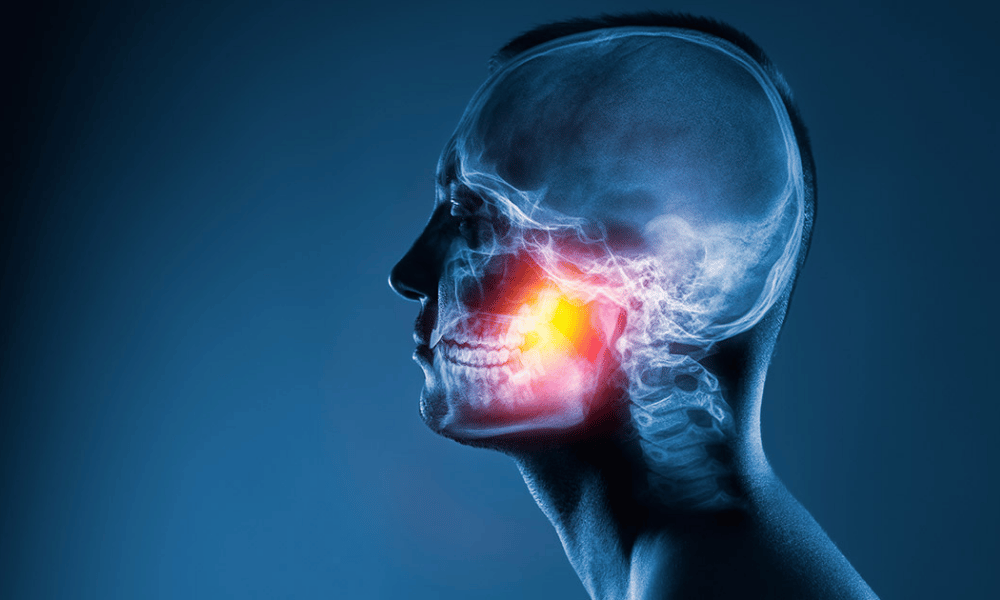
Mandible cancer is a form of oral cancer that starts in the jaw (the lower jaw or mandible) and often requires complex care — including surgery and reconstruction — to remove the tumor and restore function. We understand a diagnosis can be overwhelming; this guide explains symptoms, diagnosis, treatment choices, risks, and safe options for seeking specialized mandible cancer treatment abroad (including how to verify hospital accreditation and surgeon experience).
Battling Mandible Cancer: Your Guide to Treatment and Recovery Abroad
A diagnosis of mandible cancer can feel overwhelming — you likely have questions about symptoms, diagnosis, surgery, reconstruction, and life after treatment. Mandible cancer affects the jaw (lower jaw or mandible) and often requires multidisciplinary care that can include mandibulectomy, microvascular free-flap reconstruction (for example, fibula grafts), radiation, or chemotherapy to control the disease and restore function.
Advances in surgical techniques and oncology mean better outcomes for many patients, and some people choose to combine local care with travel to centers abroad that offer specialized head and neck teams. This guide will walk you through the essentials — symptoms, causes and risk factors, diagnostic steps (imaging and biopsy), treatment options and likely recovery, expected risks and side effects, and practical considerations if you’re exploring safe, accredited treatment abroad.
What you’ll learn in this guide:
• How to spot early jaw and mouth signs that warrant evaluation
• Common causes and risk factors for oral cancer
• Treatment pathways — surgery, reconstruction, radiation, chemotherapy, and newer therapies
• Typical recovery milestones and rehabilitation needs
• Cost considerations and how to evaluate hospitals and surgeons for medical travel
If you’d like help comparing options or getting a second opinion, you can request a free quote at the end of this article to see accredited centers and surgeon profiles that match your needs.
What are the common symptoms of mandible cancer?
Common symptoms of mandible cancer include persistent jaw pain, non-healing sores in the mouth, swelling in the jaw or face, difficulty chewing or speaking, numbness in the lower lip or chin, and loose teeth. Early detection and timely evaluation improve the chances of successful treatment.
Mandible cancer can start subtly. Many signs resemble routine dental or ENT problems, so persistent or worsening symptoms should prompt medical attention. Common search terms patients use include “jaw pain cancer symptoms” and “mouth sore won’t heal.” Below are the key warning signs to watch for, with simple explanations.
- Persistent Jaw Pain: A constant ache or tenderness in the jaw that does not resolve with usual dental care or medications.
- Non-Healing Mouth Sores: Sores, ulcers, or white/ red patches in the mouth or on the gums that bleed easily and fail to heal within two weeks.
- Swelling or Lump: A noticeable lump or swelling on the jaw, inside the mouth, or on the neck that feels different from normal tissue.
- Difficulty Chewing or Swallowing (Dysphagia): Pain when chewing, a sensation that food is getting stuck, or new trouble swallowing.
- Numbness or Tingling: New, persistent numbness or a “pins-and-needles” feeling in the lower lip, chin, or parts of the face — often called “numb chin” and a recognized red flag.
- Loose Teeth or Denture Problems: Teeth becoming loose without gum disease or dentures suddenly not fitting well.
- Changes in Voice or Throat Symptoms: Hoarseness, chronic sore throat, or voice changes lasting more than two weeks (more common with some head and neck cancers).
- Unexplained Weight Loss or Fatigue: Losing weight because eating is difficult or due to systemic effects of a tumor.
If you notice any of these signs for more than two weeks, see a healthcare professional. Start with your dentist or primary care doctor; they can perform an initial exam and refer you to an ENT or head and neck specialist. Typical next steps include a clinical exam, imaging (CT or MRI) to evaluate the jaw and adjacent tissues, and a biopsy to confirm whether a tumor is present.
FAQ — When should I see a doctor for a mouth sore?
If a mouth sore or white patch does not improve within two weeks, or if you have persistent jaw pain, numbness, or a lump, seek evaluation promptly. Early diagnosis improves options for effective oral cancer treatment.
What causes mandible cancer and who is at risk?
Mandible cancer is most often linked to known risk factors such as tobacco use, heavy alcohol consumption, and certain viral infections (notably high‑risk strains of HPV). Other contributors can include excessive sun exposure to the lips, a weakened immune system, and poor nutrition — all of which are associated with an increased chance of developing oral cancers.
Knowing the risk factors for cancers affecting the lower jaw (mandible) helps with prevention and earlier detection. Not everyone with risk factors will develop cancer, but these factors raise the likelihood. Key contributors include:
- Tobacco Use: Smoking or chewing tobacco damages mouth and jaw tissues and is a major risk factor for oral and jaw cancers.
- Heavy Alcohol Consumption: Regular, excessive drinking increases risk, especially when combined with tobacco.
- HPV Infection: High‑risk HPV strains (for example, HPV‑16) are linked to an increasing share of head and neck cancers; their role is stronger for oropharyngeal sites but may be relevant in some oral cancer cases.
- Excessive Sun Exposure: Long-term sun exposure to the lips raises the risk of lip cancer, which can extend to nearby tissues.
- Weakened Immune System: People with compromised immunity (e.g., transplant recipients, some chronic conditions) have higher susceptibility.
- Poor Nutrition: Diets low in fruits and vegetables and certain micronutrient deficiencies can contribute to increased risk.
- Age and Sex: Risk generally increases with age (more common after 40). Historically, men have had higher rates of oral cancers, though patterns vary by region and changing exposures.
Most cancers of the mandible are squamous cell carcinomas (tumors arising from the flat cells that line the mouth and throat). For precise risk estimates (for example, the proportion linked to HPV or tobacco), consult current epidemiologic sources or your oncology team.
How to lower your risk
- Stop tobacco use and avoid secondhand smoke.
- Limit alcohol and seek support if you have difficulty reducing intake.
- Consider HPV vaccination according to local guidelines — it reduces risk for HPV‑related head and neck cancers.
- Protect lips from the sun with SPF and wide-brim hats.
- Maintain a balanced diet rich in fruits and vegetables and attend regular dental and medical checkups.
If you have multiple risk factors or persistent symptoms, ask your provider about screening and referral to a head and neck specialist for evaluation, imaging, and, if needed, biopsy to establish a diagnosis.
What are the treatment options for mandible cancer, including surgery and reconstruction?
Treatment for mandible cancer most commonly centers on surgery (mandibulectomy) to remove the tumor, frequently combined with radiation therapy, chemotherapy, targeted agents, or immunotherapy. Jaw reconstruction using bone grafts or microvascular free flaps (for example, fibula grafts) is often essential to restore form and function after tumor removal.
Care is individualized based on the tumor size, location in the jaw, whether lymph nodes are involved, and the patient’s overall health. A multidisciplinary head and neck team — including surgical oncologists, reconstructive surgeons, radiation oncologists, and medical oncologists — will create the optimal plan. Typical treatment modalities include:
- Surgery (Mandibulectomy): Removal of the tumor and the involved portion of the mandible. Depending on tumor extent, this can be a marginal (rim) resection, segmental mandibulectomy, or hemi-mandibulectomy. When cancer has spread or is suspected in the neck, a neck dissection to remove involved lymph nodes is commonly performed.
- Reconstructive Surgery: Reconstruction restores the jaw’s contour and function. Microvascular free flaps (fibula, scapula, iliac crest) transfer bone and soft tissue with their blood supply for reliable healing and allow later dental rehabilitation (implants). Timing (immediate vs delayed reconstruction) depends on oncologic and patient factors.
- Radiation Therapy: Often used after surgery (adjuvant) when margins are close or nodes are positive, or as primary therapy if surgery isn’t feasible. Modern techniques (IMRT, proton therapy in select centers) help target tumors while sparing nearby tissues.
- Chemotherapy: Systemic drugs may be given before surgery to shrink large tumors (neoadjuvant), after surgery to address microscopic disease (adjuvant), or with radiation (chemoradiation) to increase effectiveness.
- Targeted Therapy and Immunotherapy: For tumors with specific molecular targets or for certain advanced cases, targeted agents and checkpoint inhibitors can be options, often discussed by the medical oncology team.
The overarching goal is complete tumor removal and disease control while preserving or restoring chewing, speaking, and facial form. Reconstruction advances — such as microvascular free flaps and computer-assisted planning — have improved functional and cosmetic outcomes and facilitate later dental rehabilitation.
Who is eligible for mandible cancer treatment and what factors influence eligibility?
Eligibility for specific treatments depends on tumor stage, precise location in the mandible, nodal disease, and the patient’s general health and comorbidities. Most patients are candidates for some form of treatment; the team tailors the plan to balance cure with quality of life.
Key factors guiding eligibility and treatment selection include:
- Cancer Stage and Location: Early, localized tumors may require smaller resections; advanced tumors or those involving bone/soft tissue and lymph nodes need more extensive surgery and adjuvant therapy.
- Overall Health and Comorbidities: Cardiac, pulmonary, or metabolic conditions can affect fitness for major surgery or combined modality therapy; optimization and prehabilitation may be required.
- Nutritional Status: Good nutrition supports healing; patients who are malnourished often receive enteral support pre- and post-operatively.
- Patient Goals and Preferences: Choices around aggressive surgery versus organ/function-sparing approaches are made jointly, considering expected function, appearance, and patient values.
- Smoking and Alcohol Use: Continuing tobacco or heavy alcohol use worsens outcomes; cessation is strongly advised before major treatment.
Staging and diagnostic workflow typically include a clinical exam, imaging (CT and/or MRI of the jaw and neck; PET-CT when metastatic disease is a concern), and a biopsy to confirm tumor type. Discussions about sentinel node biopsy versus formal neck dissection are individualized based on tumor depth and nodal risk.
A short illustrative example
Example: A patient with a small, localized squamous cell tumor in the anterior mandible may undergo segmental mandibulectomy with immediate fibula free-flap reconstruction; if nodes are negative and margins clear, no further therapy may be needed. Larger tumors with nodal spread typically require surgery + adjuvant radiation (± chemotherapy).
If you’re exploring care options — locally or abroad — consider requesting surgeon case volumes and outcomes, and ask whether the center provides coordinated imaging, biopsy services, and post-op rehabilitation. For help comparing accredited centers or obtaining a second opinion, request surgeon profiles and quotes through the facilitator at the end of this guide.
What is the typical recovery process after mandible cancer surgery and reconstruction?
Recovery after mandible cancer surgery and jaw reconstruction is staged and often lengthy — it typically involves a hospital stay, careful pain control, nutritional support (frequently via a feeding tube initially), and coordinated rehabilitation for speech, swallowing, and jaw mobility. Full functional recovery can take months to a year or more depending on the complexity of surgery and adjuvant therapies.
Recovery timelines vary widely, but understanding common milestones helps set expectations. Below is a practical timeline with key goals, therapies, and red flags to watch for.
Immediate: Hospital stay (days to 2 weeks)
- Monitoring and pain control: Close observation (often in ICU initially), drains management, and multimodal analgesia.
- Airway and nutrition: Temporary tracheostomy is occasionally required; many patients have a feeding tube (nasogastric or gastrostomy) until swallowing is safe.
- Wound and flap checks: For microvascular reconstructions, the surgical team monitors blood flow to the grafted tissue closely during this period.
First weeks (2–12 weeks)
- Nutrition transition: Gradual reintroduction of oral intake as swallowing improves under guidance from a speech/swallow therapist; feeding tube removed when safe.
- Swelling and pain management: Swelling peaks then slowly subsides; pain medications are tapered as healing progresses.
- Begin rehabilitation: Early speech and swallowing therapy starts; neck and shoulder exercises are introduced to preserve mobility (important after neck dissection).
Months 3–12
- Ongoing rehabilitation: Continued speech, swallowing, and physical therapy to improve function; progress is gradual and individualized.
- Dental rehabilitation: Planning for dental implants or prosthetics often begins once the reconstructed bone has integrated — commonly around 9–12 months, depending on healing and if radiation was given.
- Adjuvant therapy: If indicated, radiation (± chemotherapy) is usually delivered in the weeks following surgery; this can extend recovery and affect timing of implants.
Beyond one year
- Long-term function and aesthetics: Many patients regain significant chewing and speech function, though some deficits may persist; reconstructive outcomes often allow satisfactory appearance and quality of life.
- Dental restoration: Final prosthetic or implant restoration is completed when the team confirms stable bone and soft tissue.
Common complications and red flags
- Surgical site infection or bleeding: Seek urgent care for fever, increasing wound pain, or heavy bleeding.
- Flap compromise: Early signs include sudden change in skin color, temperature, or increased pain at the flap site — immediate surgical review is needed.
- Nerve injury: Persistent numbness or new facial weakness should be evaluated; some sensory changes may be permanent.
- Osteoradionecrosis: Rare but serious after radiation; report exposed bone or non-healing wounds.
Practical recovery checklist
- Arrange caregiver support for the first 2–6 weeks after discharge.
- Follow feeding and hydration plans set by the nutrition team; keep supplements as instructed.
- Attend scheduled speech and swallowing therapy sessions and perform prescribed home exercises.
- Keep wound and oral hygiene instructions; avoid smoking and limit alcohol to support healing.
Recovery is a team effort. Your surgical, oncology, dental, and rehabilitation teams will coordinate care and adjust timelines based on your response. If you are considering treatment abroad, ensure the center offers integrated post-operative rehabilitation and clear follow-up plans before you travel.
Mandible cancer treatments — like all major cancer therapies — carry potential risks and side effects. Being informed helps patients and families make decisions, prepare for recovery, and recognize when to seek urgent care. Common concerns include surgical complications, radiation- and chemotherapy-related effects, and longer-term functional changes.
- Surgical risks and complications:
- Bleeding & infection: Standard risks that are managed with antibiotics and surgical care.
- Nerve injury: May cause numbness in the lower lip/chin, altered tongue sensation, or facial weakness; some changes can be permanent.
- Speech/swallowing difficulties: Resulting from structural changes or nerve effects; addressed with therapy.
- Facial appearance changes: Even with reconstruction, contour or symmetry can differ from baseline.
- Donor-site issues: If bone or tissue is harvested (fibula, scapula), there may be pain, infection, or functional effects at that site.
- Flap failure: Rarely, grafted tissue (free flap) may not survive and require urgent intervention.
- Radiation therapy side effects:
- Mucositis (mouth sores): Painful ulcers that affect eating and speech.
- Xerostomia (dry mouth): Salivary gland damage that can be long-lasting and affect dental health.
- Swallowing problems & skin changes: Due to tissue inflammation and skin reaction in the treatment field.
- Osteoradionecrosis: A rare but serious complication where irradiated jawbone becomes non-healing; prevention and dental care before radiation reduce risk.
- Chemotherapy, targeted therapy and immunotherapy effects:
- Nausea, fatigue, and hair loss: Common but often manageable with supportive medicines.
- Increased infection risk: Due to lowered blood counts; patients are monitored closely.
- Neuropathy: Some drugs may cause numbness or tingling in the hands/feet.
Your care team will explain which risks apply to your situation, outline steps to reduce them (pre-op dental clearance, smoking cessation, nutritional optimization), and provide supportive therapies to manage side effects.
How much does mandible cancer treatment cost worldwide, and why consider abroad?
Mandible cancer treatment costs vary widely by country, hospital, and complexity — typical ranges for a mandible resection with reconstruction can run from roughly $20,000 up to $150,000 or more. Many patients consider treatment abroad to access specialized head and neck teams, reduce out-of-pocket costs, or shorten wait times, but it’s essential to weigh cost against accreditation, surgeon experience, and follow-up care.
Below is an indicative worldwide comparison to help frame choices; actual prices depend on tumor stage, surgical technique, length of stay, adjuvant therapy, and surgeon/hospital fees.
Worldwide Cost Comparison (Indicative Prices for Mandible Resection with Reconstruction)
| CountryEstimated Cost Range (USD)Key Advantages for Medical Tourists | ||
| United States | $80,000 – $180,000+ | Advanced technology and specialized surgeons, but high costs. |
| United Kingdom | $60,000 – $130,000+ | High-quality care; public wait times may be long for elective complex surgery. |
| India | $20,000 – $45,000 | Affordable care, many JCI-accredited centers, experienced head and neck teams. |
| Turkey | $25,000 – $50,000 | Modern facilities, cost-competitive, good tourism infrastructure. |
| Thailand | $28,000 – $55,000 | Reputable private hospitals with strong patient services. |
| Mexico | $22,000 – $48,000 | Proximity for North American patients and competitive pricing. |
| South Korea | $40,000 – $70,000 | Cutting-edge techniques and strong surgical outcomes in complex cases. |
*Estimates vary — final cost depends on tumor stage, specific surgical approach, length of stay, surgeon and hospital fees, and any adjuvant radiation or chemotherapy.*
How to compare hospitals and surgeons
When evaluating options abroad, consider accreditation (JCI, ISO), surgeon case volume for head and neck cancers, availability of integrated imaging/biopsy and rehabilitation services, patient reviews, and clear follow-up plans. Cost savings are meaningful, but they should not come at the expense of quality or continuity of care.
Which countries offer high-quality, affordable mandible cancer treatment for medical tourists?
Several countries have developed strong programs in head and neck oncology and reconstruction, offering internationally accredited hospitals, experienced surgical teams, advanced imaging and biopsy services, and coordinated rehabilitation — all important when considering mandible cancer care abroad.
When evaluating medical travel options for oral cancers of the jaw, prioritize centers that combine expertise in surgical oncology, reconstructive microvascular surgery, radiation oncology, medical oncology, and comprehensive post-operative rehab. Popular destinations that frequently meet these criteria include:
- India: Many JCI-accredited centers and high-volume head and neck teams in cities such as Delhi, Mumbai, and Bangalore; competitive pricing and robust surgical experience for complex jaw reconstruction.
- Turkey: Modern hospitals in Istanbul and Ankara offer experienced surgeons, English-speaking coordinators, and cost-effective packages for international patients.
- Thailand: Private hospitals with patient-focused services and strong post-operative care options; Bangkok and Phuket are common destinations for medical tourists.
- Mexico: Convenient for North American patients, with growing numbers of internationally recognized hospitals near border regions and in major cities.
- South Korea: Known for advanced technology and surgical innovation, with strong outcomes for complex head and neck cases (typically at a higher price point than some other destinations).
Selecting the right destination involves more than cost. Confirm hospital accreditation (for example, JCI), request surgeon case volumes for head neck cancers and jaw reconstructions, check availability of imaging and biopsy services, and ensure the center provides speech/swallowing rehabilitation and dental rehabilitation options post-op.
What should I expect during the medical travel process for mandible cancer treatment?
Medical travel for mandible cancer typically follows a clear sequence: remote consultation and document review, pre-travel planning, arrival and in-person evaluation (imaging/biopsy as needed), the treatment episode (surgery ± adjuvant therapy), a monitored recovery period, and coordinated follow-up care — often with telemedicine options once you return home.
A practical breakdown of the steps:
- Initial consultation & treatment planning: Send biopsy results, imaging (CT/MRI/PET) and medical records; the team will propose a plan, timeline, and quote — this is a good time to request a second opinion.
- Travel arrangements: Arrange flights, accommodation, and visas; facilitators can help coordinate transfers and interpreters.
- Arrival & pre-treatment evaluation: Repeat imaging or biopsies may be performed to confirm staging and surgical planning.
- Treatment phase & hospital stay: Surgery (mandibulectomy with reconstruction) and any immediate post-op care; hospital stay length depends on procedure complexity.
- Post-operative recovery and rehabilitation: Expect to remain in-country for initial rehab (speech/swallowing therapy, wound checks); duration varies but is typically several weeks to a few months.
- Follow-up care: Before returning home, obtain a clear follow-up plan, rehabilitation schedule, and contact for telemedicine consultations.
Travel checklist: bring originals and digital copies of biopsy reports and imaging, a list of medications, contact details for your home and destination physicians, travel insurance that covers medical evacuation, and a plan for caregiver support during recovery.
Are there patient success stories from individuals who sought mandible cancer treatment abroad?
Many patients report excellent outcomes after traveling for mandible cancer care — improved disease control, restored ability to eat and speak, and satisfactory cosmetic results. Success typically reflects careful patient selection, experienced surgical teams, and coordinated rehabilitation.
When reviewing testimonials, look for specific details: the surgeon’s specialty in head neck cancers, the institution’s accreditation, the rehabilitation plan, and realistic timelines for recovery and dental rehabilitation. If you’d like, the facilitator can provide anonymized case summaries and surgeon outcome data to help your decision.
Take the Next Step with DGS Healthcare
Ready to explore safe, accredited options for mandible cancer treatment abroad? Compare surgeon profiles, hospital accreditation, and prices — then get a free, no‑obligation quote tailored to your needs with DGS Healthcare. We work with JCI‑accredited hospital partners and provide 24/7 patient coordinators; your medical records are handled securely. Prefer to speak with someone? Call our international patient line for urgent questions.
By requesting a quote you consent to securely sharing your medical records with selected hospitals to obtain treatment plans and pricing. For privacy details, see our policy.