
Salivary Gland Cancer
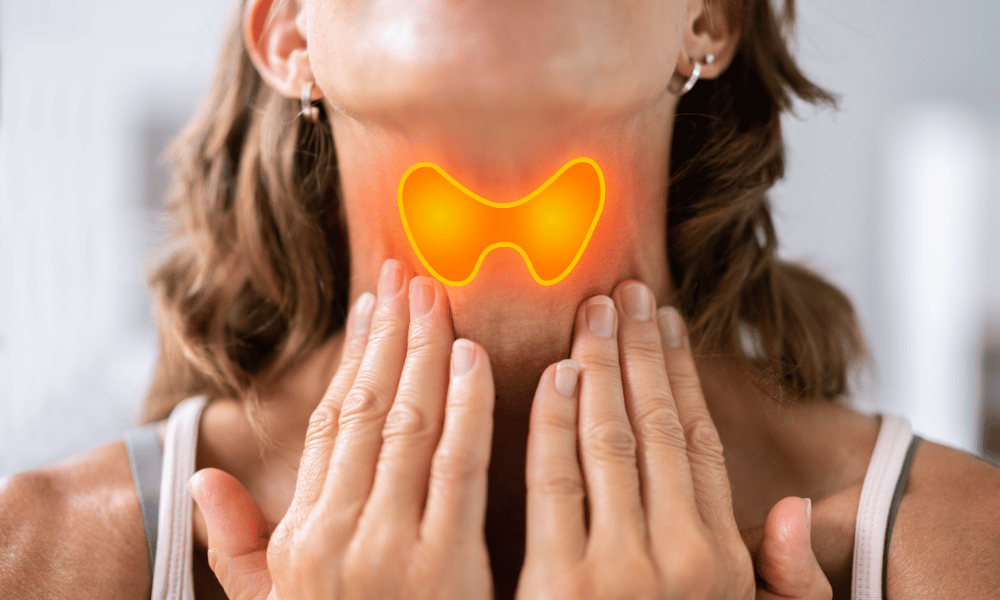
Salivary gland cancer is a rare form of cancer that most often begins in the parotid or other salivary glands; treatment commonly includes surgery to remove the tumor and, depending on type and stage, adjuvant radiation therapy. This guide explains the causes, symptoms, diagnostic steps, and treatment options — including when patients may consider international centers for access to specialized care or cost savings — and offers practical next steps for getting a medical opinion or free consultation.
Navigating Salivary Gland Cancer: Your Guide to International Treatment Options
A diagnosis of salivary gland cancer can be disorienting. The salivary glands — which produce saliva and sit around the mouth and throat — can develop several types of tumors; the parotid glands are the most commonly affected major glands. Because these cancers are relatively uncommon, patients often have questions about symptoms, diagnosis, and the best treatment pathway for their specific tumor type.
This guide is written for patients and caregivers exploring treatment options, including those considering international care for access to specialized surgeons, advanced radiation techniques, or more affordable care. We explain the typical diagnostic steps, evidence-based treatment approaches, recovery expectations, and practical considerations for seeking care abroad — including how to evaluate clinics and arrange safe follow-up.
If you want reliable background from clinical authorities, see sources such as the National Cancer Institute and major head and neck oncology centers for details on diagnosis and treatment. Below you’ll find clear, actionable information on symptoms, treatment choices (surgery, radiation, systemic therapy), and how to compare costs and quality when looking at international options.
What are the common symptoms of salivary gland cancer?
The most common early sign is a painless lump or swelling in the face, neck, or mouth — but symptoms can vary depending on which salivary gland is affected. Other warning signs include changes in facial movement, persistent pain, or difficulty swallowing.
Early recognition of symptoms improves the chance of timely diagnosis and effective treatment. Many lumps in the salivary glands are benign, but see a specialist if a lump persists, grows, or is associated with any of the following red flags. Below are the key symptoms to watch for and brief clues that suggest a lump may need urgent evaluation:
- A painless lump or swelling: Often the first sign. Common sites include the parotid glands (in front of the ear or below the jaw), the submandibular glands (under the chin), or the minor salivary glands on the tongue, roof of the mouth, or throat. Be concerned if the lump is firm, rapidly growing, or fixed to surrounding tissue.
- Numbness or altered sensation: Numbness in part of the face can occur if nearby nerves are affected.
- Muscle weakness on one side of the face: New drooping or asymmetry of facial movement suggests involvement of the facial nerve and needs prompt assessment by a head and neck specialist.
- Persistent pain or ear symptoms: Pain over the gland, pain that radiates to the ear or jaw, or uncommon findings such as fluid draining from the ear are reasons to seek evaluation.
- Difficulty swallowing or opening the mouth: Larger tumors in or near the mouth or throat can interfere with swallowing, speaking, or opening the mouth widely.
When to see a doctor: book an appointment with your primary care physician or an ENT/head & neck surgeon if a lump persists for more than 2–3 weeks, grows, or is associated with any of the red flags above. Initial tests commonly include a clinical exam, ultrasound, and often a fine-needle aspiration (FNA) or core biopsy to help with diagnosis; imaging such as MRI or CT may follow to map the tumor before treatment.
What causes salivary gland cancer and what are its risk factors?
The exact causes of salivary gland cancer are not fully understood. Researchers have identified several factors that appear to increase risk — most notably older age and prior radiation exposure to the head and neck — though many people who develop these cancers have no clear risk factors.
Below are commonly reported risk factors and brief notes on their relevance. For authoritative details, consult resources such as the National Cancer Institute or major head and neck oncology centers.
- Age: Incidence rises with age; many diagnoses occur in people over 60, although salivary gland tumors can occur at any age.
- Radiation exposure: Prior radiation to the head and neck is a recognized risk factor. Patients who received radiotherapy for other head and neck conditions have a higher long-term risk of developing gland cancers.
- Workplace exposures: Some studies have suggested associations with certain occupational exposures (for example, in the rubber or metal industries), but evidence is mixed and not definitive.
- Genetic syndromes: Rare inherited conditions (such as Brooke-Spiegler syndrome) can increase the risk of salivary gland tumors, but these account for a small fraction of cases.
- Infections and other factors: Viral links (for example, EBV or HPV) have been investigated for certain subtypes, but their role is limited and subtype-dependent. Lifestyle factors like smoking and alcohol are major risks for other head and neck cancers but have a less clear direct link to salivary gland cancer.
Types and behavior: salivary gland cancers include many histologic types (for example, mucoepidermoid carcinoma and adenoid cystic carcinoma), which differ in aggressiveness and typical patterns of spread. Adenoid cystic tumors are known for slow growth but a tendency for nerve invasion and late distant spread — information that affects treatment planning and prognosis.
Practical note: there is no routine population screening for salivary gland cancer. If you have risk factors or notice persistent symptoms (see Symptoms section), consult an ENT or head and neck specialist for evaluation and possible imaging or biopsy to clarify diagnosis.
What types of treatments are available for salivary gland cancer?
Primary treatment typically centers on surgery to remove the tumor, often followed by adjuvant radiation therapy for higher‑risk tumors; systemic options (chemotherapy, targeted therapy, immunotherapy) are generally reserved for advanced, recurrent, or metastatic disease. Treatment is individualized based on tumor type, location, and stage.
Choosing the right salivary gland cancer treatment depends on the histologic type (for example, mucoepidermoid carcinoma versus adenoid cystic carcinoma), tumor size and location (parotid, submandibular, sublingual, or minor salivary glands), and whether cancer cells have spread. Below are the main modalities, with practical notes about when each is commonly used and what patients can expect.
- Surgery: The cornerstone of treatment for most localized salivary gland cancers. Options include:
- Parotidectomy: Partial or total removal of the parotid gland; the approach balances complete tumor removal with preservation of the facial nerve when possible.
- Submandibular or sublingual gland excision: Performed when tumors arise in these major salivary glands.
- Excision of minor salivary gland tumors: Often done transorally or via small open approaches for tumors in the mouth, tongue base, or throat.
- Neck dissection and reconstruction: If lymph nodes are involved, removal (neck dissection) may be recommended; reconstructive surgery can restore form and function after large resections.
- Radiation therapy: Frequently used as adjuvant therapy after surgery for high‑grade tumors, close/positive margins, or perineural invasion. Modern techniques (IMRT, proton therapy where available) allow precise targeting to reduce dose to surrounding glands and other structures, lowering long‑term side effects such as xerostomia.
- Chemotherapy: Systemic chemotherapy is not routinely effective for many salivary gland cancers and is typically reserved for palliation or when other options are exhausted; it may be combined with radiation in select settings.
- Targeted therapy and molecular testing: For recurrent or metastatic disease, molecular profiling of tumor tissue can identify actionable alterations (for example, HER2, NTRK fusions, androgen receptor expression in some subtypes). Targeted agents directed at these abnormalities have produced responses in selected patients; testing is increasingly recommended when disease progresses.
- Immunotherapy: Checkpoint inhibitors and other immune‑based therapies remain investigational for most salivary gland cancers but may be an option within clinical trials or for specific molecular profiles.
Patient expectations and side effects: surgery aims for cure in localized disease but can carry risks (facial nerve dysfunction, numbness, cosmetic changes); radiation can cause dry mouth, taste change, and skin effects; systemic therapies produce systemic side effects per agent. Discuss likely outcomes, functional impacts, and rehabilitation (e.g., facial physiotherapy, saliva substitutes) with your multidisciplinary team.
Why consider international centers: patients sometimes seek major salivary gland expertise abroad to access high‑volume surgeons, advanced radiation modalities (proton therapy or stereotactic techniques), or rapid molecular testing and clinical trials. When evaluating options, verify the center’s experience with head and neck cancers, availability of multidisciplinary teams, and published outcomes.
Who is eligible for salivary gland cancer treatment?
Eligibility for salivary gland cancer treatment depends on the cancer’s type and stage, the patient’s overall health and preferences, and whether the patient is fit for surgery or other therapies. A thorough diagnostic workup by a multidisciplinary team is essential to determine the best approach.
Determining “am I eligible for salivary gland cancer treatment” typically involves input from head and neck surgeons, medical oncologists, and radiation oncologists. Key factors considered include:
- Cancer stage and histologic type: The size, location (parotid, submandibular, sublingual, or minor salivary glands), grade, and whether cancer has spread to lymph nodes or distant sites determine whether surgery, radiation, systemic therapy, or a combination is appropriate. For example, adenoid cystic tumors often require careful planning because of perineural invasion risk.
- Overall health and fitness for treatment: Patients are evaluated for fitness for anesthesia and potential recovery from surgery and for tolerance of radiation or systemic therapies. Pre-existing conditions (heart disease, diabetes, pulmonary issues) influence the treatment plan.
- Diagnostic confirmation and staging: A definitive diagnosis uses biopsy (fine-needle aspiration or core biopsy) and imaging (ultrasound, MRI, CT, or PET as indicated) so the team can accurately map the tumor and plan treatment.
- Patient preferences and goals: Treatment decisions should reflect the patient’s values—whether the goal is curative intent, organ/function preservation, or symptom control.
Practical checklist for patients visiting a specialist or international clinic: bring prior imaging (DICOM files if possible), pathology reports, biopsy slides or reports, a list of current medications, and a summary of medical history. Many international centers offer telemedicine pre-evaluations to review records and propose a preliminary plan — ask about typical timelines for definitive evaluation and treatment when you contact them.
What is the typical recovery time and what can I expect after treatment?
Recovery varies with the type and intensity of treatment. Surgical recovery after procedures such as parotidectomy or submandibular gland excision typically spans weeks to months and may involve wound care, pain control, and rehabilitation for facial nerve function; radiation therapy adds its own short‑ and long‑term side effects.
Recovery after salivary gland cancer treatment usually progresses through predictable phases. Below is a practical timeline and what to watch for at each stage:
- Week 0–2 (Immediate post‑op): Expect pain, swelling, and bruising around the surgical site. A drain may be in place for several days. Most patients stay in hospital 1–3 days depending on the procedure and overall health. Follow wound‑care and medication instructions closely.
- Weeks 2–6 (Early recovery): Pain and swelling usually improve; activity increases gradually. Begin gentle facial exercises if advised. Soft diet may be recommended initially, progressing as tolerated.
- Months 2–6 (Rehabilitation): Recovery of function continues. Facial nerve weakness is often temporary, with improvement over months; however, permanent weakness can occur in some cases and may require targeted therapy or reconstructive procedures. If radiation is given after surgery, typical side effects (fatigue, skin changes, dry mouth/xerostomia, taste changes) may appear during treatment and can persist for weeks to months afterward.
- Long term (6–12+ months): Many patients regain most function, but issues such as chronic dry mouth, altered taste, or long‑term nerve deficits may persist and require ongoing management (saliva substitutes, dental care, physical therapy).
Red flags — contact your care team immediately if you experience increasing pain, fever, sudden swelling, signs of wound infection (redness, drainage), worsening facial paralysis, difficulty breathing, or severe difficulty swallowing.
Practical tips: arrange close follow‑up appointments, ask about facial physiotherapy and saliva management if radiation is planned, and ensure your international provider coordinates post‑treatment care with your local clinicians before you travel home.
What are the risks and potential side effects of salivary gland cancer procedures?
Treatments for salivary gland cancers — especially surgery and radiation therapy — carry possible risks such as bleeding, infection, facial nerve injury, and long‑term effects like dry mouth. Understanding likely side effects and available mitigation strategies helps patients prepare and recover better.
Below are the key risks organized by treatment type, with practical notes on frequency where evidence permits and strategies clinicians use to reduce harm.
- Surgical risks (for parotid and other gland surgery):
- Bleeding and infection: Standard after any operation; usually managed with drains, antibiotics, and wound care.
- Facial nerve injury: Because the facial nerve runs through the parotid gland, temporary weakness is common and permanent paralysis is an uncommon but serious risk. Surgeons use nerve-monitoring and nerve-sparing techniques to lower this risk.
- Frey’s syndrome (gustatory sweating): Some patients develop sweating and flushing on the cheek while eating; it can often be managed with topical treatments or Botox injections.
- Salivary fistula and numbness: Temporary saliva leakage or numbness around the ear/jaw can occur and often resolves; persistent sensory changes may require rehabilitation.
- Radiation therapy side effects:
- Dry mouth (xerostomia): Damage to remaining salivary tissue can cause chronic dry mouth, increasing dental problems and altering taste. Advanced planning and techniques like IMRT or proton therapy aim to spare healthy salivary tissue and reduce this risk.
- Skin changes, taste alteration, and fatigue: Usually temporary but can last months after treatment.
- Osteoradionecrosis: A rare but serious condition where radiation damages jaw bone; risk is higher with high doses or dental disease and can be reduced by pre-radiation dental assessment and careful dosing.
- Systemic therapy side effects: Chemotherapy, targeted agents, and immunotherapy can cause fatigue, nausea, mouth sores, hair changes, immune reactions, or drug‑specific toxicities; side effects vary by drug class and are managed with supportive care.
Mitigation and recovery: ask your team about intraoperative nerve monitoring, minimally invasive approaches, saliva‑sparing radiation planning (IMRT), dental care before radiation, early referral to facial physiotherapy, and options for managing xerostomia (saliva substitutes, medications, dental fluoride). Many international centers report experience reducing complication rates — verify outcomes and ask for institutional complication statistics.
When to contact your doctor: increasing pain, fever, wound redness or drainage, sudden worsening of facial weakness, difficulty breathing, trouble swallowing, or any new neurologic symptoms require immediate medical attention.
How do salivary gland cancer treatment costs compare worldwide?
Salivary gland cancer treatment costs vary significantly by country. Many patients find lower prices for comparable procedures in countries such as India, Turkey, Mexico, and Thailand compared with the US or Western Europe, though exact costs depend on case complexity and the chosen facility.
The cost of salivary gland cancer surgery and overall cancer treatment is a major consideration for many patients, particularly those without adequate insurance. The table below gives approximate ranges for a primary procedure (for example, parotidectomy plus initial hospital care) to illustrate differences between countries — these are estimates only and should be verified with a detailed, up‑to‑date quote from each clinic.
Methodology note: ranges are illustrative averages compiled from market estimates and clinic reports; prices vary by surgeon experience, hospital accreditation, need for reconstruction, adjuvant radiation, or systemic therapy. Always request an itemized quote that specifies what is included (surgeon fee, anesthesia, implants/reconstruction, hospital stay, initial follow‑up) and what is excluded (travel, accommodation, visa, extended rehabilitation, management of complications).
| CountryEstimated Cost Range (USD) for Primary Treatment (e.g., Parotidectomy + initial care)Notes | ||
| United States | $30,000 – $100,000+ | High-cost, advanced technology, leading specialists; higher hospital and professional fees. |
| United Kingdom | $25,000 – $70,000+ | Private care or specialist centers; prices can be lower than US but vary. |
| Germany | $20,000 – $60,000+ | High-quality specialized clinics; European pricing. |
| India | $5,000 – $15,000+ | Very competitive pricing in major cities with many JCI‑accredited hospitals; surgeon experience varies—verify credentials. |
| Turkey | $7,000 – $20,000+ | Modern facilities and experienced surgeons; strong medical tourism infrastructure. |
| Mexico | $6,000 – $18,000+ | Convenient choice for North American patients; check hospital accreditation and surgeon expertise. |
| Thailand | $8,000 – $22,000+ | Good value for money with modern hospitals and strong patient services. |
These figures often include the procedure, hospital stay, and initial consultations but may exclude adjuvant treatments (radiation, chemotherapy), pathology or molecular testing, prosthetics/reconstruction, extended rehabilitation, travel and accommodation, and management of complications. Ask potential providers for an itemized quote, a timeline for treatment and follow‑up, and published outcomes or complication rates where available. Currency values change over time — verify prices and include a date when you collect estimates.
Why should I consider traveling abroad for salivary gland cancer treatment?
Patients may travel abroad for salivary gland cancer treatment to access lower costs, specialized surgeons, advanced technology, or faster scheduling — but this choice should be made after careful comparison of quality, logistics, and continuity of care.
People consider affordable cancer treatment abroad for several practical reasons. Below are common benefits balanced with cautions you should weigh when exploring international options.
- Cost savings: For many patients, lower procedure and hospital fees abroad make essential treatment accessible—especially when insurance coverage at home is limited. Always request an itemized quote to compare true out‑of‑pocket costs, including travel and post‑op care.
- Access to specialized care and technology: Certain international centers offer high‑volume head & neck teams, advanced radiation modalities (such as proton therapy), or rapid molecular testing and clinical trials that may not be available locally. Verify the center’s experience with salivary gland cancer and ask about published outcomes.
- Shorter waiting times: In some systems, elective specialty procedures have long waits; traveling can provide quicker access to diagnosis and definitive treatment when time is important.
- Privacy and convenience: Some patients value receiving care away from home for personal reasons or the flexibility to combine treatment with a recovery stay in a supportive environment.
Risks and practical cautions: International treatment requires planning for follow‑up, transfer of medical records, travel during recovery, and potential language or regulatory differences. Ensure the clinic provides clear plans for post‑treatment care, a direct line of communication, and transparent pricing. Ask about accreditation (for example, JCI), surgeon credentials, complication rates, and how they coordinate care with your local providers.
Questions to ask before you go: What is the surgeon’s experience with this specific type of salivary gland cancer? Is the hospital accredited? What exactly is included in the quote? How will follow‑up and emergencies be handled once you return home? Getting written answers helps you compare options and make a well‑informed decision.
Which countries offer the best value and quality for salivary gland cancer treatment?
Several countries combine lower costs with established oncology services and experienced head & neck teams; popular options for patients seeking value and quality include India, Turkey, Mexico, and Thailand, while Germany and South Korea are noted for high‑tech, specialist care at a higher price point.
When evaluating destinations for salivary gland treatment, consider hospital accreditation, surgeon experience with parotid and other salivary gland tumors, availability of multidisciplinary care (surgery, radiation therapy, medical oncology, pathology and molecular testing), and published outcomes. Below are practical notes on commonly chosen countries.
- India: Many JCI‑accredited hospitals in major cities (Delhi, Mumbai, Chennai) offer experienced head & neck surgeons and competitive pricing for major salivary gland procedures and adjuvant care. Verify individual surgeon volumes and hospital oncology credentials.
- Turkey: A growing medical tourism hub with modern hospitals and experienced teams in Istanbul and Ankara; often competitive pricing and strong patient services for international visitors.
- Mexico: Convenient for North American patients; reputable centers in cities such as Monterrey and Mexico City provide accessible care with lower travel costs and shorter flights for many U.S. and Canadian patients.
- Thailand: Known for patient hospitality and modern facilities (Bangkok, Phuket); offers attractive packages and strong service for international patients.
- South Korea: Offers advanced medical technology and research‑driven care, particularly for complex or high‑tech approaches; typically higher cost than other Asian options but strong on innovation.
- Germany: High standard of specialized care and advanced clinics for head & neck oncology; often selected by patients seeking European standards and cutting‑edge diagnostics, at correspondingly higher prices.
Evaluation checklist: before choosing a center, ask for hospital accreditation (e.g., JCI), the surgeon’s experience with parotid and other salivary gland tumors, volume of similar cases, availability of IMRT/proton therapy and molecular testing, published outcomes or peer‑reviewed work, patient testimonials, and a clear, itemized cost estimate. Where possible, request a telemedicine consult and a written continuity‑of‑care plan that explains follow‑up and how complications will be handled once you return home.
What should I expect when traveling for salivary gland cancer treatment abroad and how can I ensure safety?
Expect pre-travel consultations, help with logistics, and coordinated care plans when arranging treatment abroad. Prioritize accredited hospitals, experienced head & neck teams, and clear plans for diagnosis, treatment, and follow‑up to maximize safety and treatment continuity.
Traveling for cancer treatment requires careful preparation. The checklist below explains typical services you can expect from reputable centers and practical steps to ensure quality, safe care while abroad.
What to expect from a reputable international clinic:
- Pre‑travel medical review: Most clinics will ask for your records (imaging, pathology reports) and offer a remote consultation to confirm diagnosis and propose a preliminary treatment plan before you book travel.
- Logistics and patient support: Hospitals or facilitators often help with visa guidance, accommodation, airport transfers, interpreter services, and arranging appointments to reduce stress during travel.
- Multidisciplinary care coordination: Look for centers that provide coordinated head & neck surgery, radiation oncology, pathology (including molecular testing), and medical oncology, plus rehabilitation services (facial therapy, dental care).
- Clear post‑treatment follow‑up plan: Confirm how follow‑up appointments will be handled (remote consultations, local referrals) and how the center will communicate final pathology and treatment summaries to your local doctor.
How to ensure safety and quality:
- Check accreditation and credentials: Prefer hospitals with international accreditation (for example, JCI) and surgeons experienced in salivary gland cancers (ask for case volumes, board certifications, and publications).
- Request outcomes and references: Ask for complication rates, typical recovery timelines, and patient testimonials; where possible, request a second opinion on pathology or proposed treatment plans.
- Obtain a detailed, itemized quote: Ensure the quote lists surgeon fees, anesthesia, hospital stay, pathology/molecular testing, radiation if needed, and what is not included (travel, accommodation, extended rehab, management of complications).
- Prepare documentation: Bring imaging files (preferably DICOM), pathology reports and slides if possible, medication lists, and a concise medical summary to facilitate accurate diagnosis and planning.
- Insurance and legal considerations: Check whether travel or health insurance covers complications abroad and how medical records and privacy are handled. Clarify liability and emergency protocols before you go.
- Coordinate local follow‑up: Arrange for your local primary care or head & neck team to receive the operative and pathology report and to manage ongoing surveillance or supportive care when you return home.
Practical pre‑travel safety checklist: confirm appointment and travel dates, obtain an itemized treatment plan and quote, secure travel and medical evacuation insurance, pack all medical records (imaging on a USB or cloud link), list emergency contacts, and verify language support at the hospital. When in doubt, request a telemedicine second opinion before committing to travel.
Take the Next Step with DGS Healthcare
Ready to explore salivary gland cancer treatment options abroad? Request a free, no‑obligation quote to compare clinics, estimated costs, and proposed treatment timelines — you’ll typically be asked to share recent imaging, pathology reports, and a brief medical history to get an accurate assessment.
Disclaimer: DGS Healthcare connects patients with international clinics but cannot guarantee specific outcomes. Patient privacy is respected — confirm how your medical records will be handled before submitting them.