

Could a permanent change to your digestive anatomy be the turning point for lasting weight loss and better health?
Reviewed by weight loss surgeon Francisco Guzman, MD, in January 2025, this guide explains how a sleeve gastrectomy works. The bariatric surgery trims the stomach to limit food intake and reduce hunger signals.
Patients choose this procedure to begin a journey toward steady weight loss and improved wellbeing. The change is permanent, so understanding risks and lifestyle shifts matters.
This introduction outlines the basic steps and the physiological shifts that follow. It helps readers learn what to expect from the operation, recovery, and long-term care.
Key Takeaways
- This bariatric option reduces stomach size to aid weight loss.
- Francisco Guzman, MD, reviewed the information in January 2025.
- The procedure causes lasting anatomical change and appetite reduction.
- Recovery and lifestyle changes are essential for long-term success.
- Understanding physiology helps patients make an informed choice.
Understanding What Is Gastric Sleeve Surgery?
A vertical sleeve gastrectomy (VSG) reshapes the stomach into a narrow tube to limit intake and support steady weight loss.
This procedure removes a large portion of the stomach, creating a smaller, tube-shaped sleeve so patients feel full sooner. The change is permanent and focuses on reduction of stomach volume rather than rerouting the intestines.
Compared to a gastric bypass, the operation is simpler and avoids intestinal bypassing. Many people choose this option because it produces weight loss results similar to more complex operations while keeping the digestive tract more intact.
The sleeve surgery helps those who struggled with diet and exercise alone. By limiting how much one can eat and lowering hunger signals, the procedure supports safer, sustained loss and improved health markers.
- Also called: vertical sleeve gastrectomy (VSG).
- Main goal: reduce stomach size to promote weight loss and better outcomes.
Determining Your Candidacy for the Procedure
Eligibility rests on BMI thresholds, related illnesses, and readiness to change eating habits.
A medical team evaluates body mass index and health conditions to decide if this type of bariatric surgery is appropriate. Typical candidates include people with a BMI of 40 or higher, or a BMI of 35+ with serious obesity-related illnesses such as diabetes.
BMI Requirements
Common thresholds: BMI ≥ 40, or BMI ≥ 35 with comorbidities. Patients who are about 100 pounds or more above ideal weight often see the most benefit from this weight loss operation.
Health Considerations
A qualified surgeon reviews medical history, current medications, and heart and lung health. Commitment to a healthier diet and lifestyle is required before and after the procedure to ensure durable results.
| Factor | Typical Criteria | Why It Matters |
|---|---|---|
| BMI | ≥ 40, or ≥ 35 with conditions | Predicts surgical risk and expected benefit |
| Comorbidities | Diabetes, sleep apnea, heart disease | May justify earlier intervention |
| Behavior | Dietary commitment, support system | Improves long-term weight loss |
For those considering revision or specialized pathways, see guidance on who qualifies as a candidate for revision gastric sleeve in.
How the Surgical Operation is Performed
The team starts with the patient under general anesthesia, ensuring comfort and safety for the entire operation.
The surgeon uses minimally invasive techniques and makes a few small incisions to reach the abdomen. Through these ports, laparoscopic tools and a camera guide precise work.
During the procedure, about 75–80% of the stomach is removed. This leaves a narrow, tube-like sleeve that limits how much a person can eat at one time.
Because the approach does not reroute the small intestine, it avoids intestinal bypass and remains simpler than some other weight-loss options. The shorter operation time and focused changes to the stomach help reduce recovery burden.
The result is a smaller stomach that supports steady weight loss by restricting intake and lowering hunger signals. Patients typically discuss time in hospital and follow-up plans with their surgeon before discharge.
- Minimally invasive, small incisions
- General anesthesia for patient comfort
- Removal of most of the stomach to form a sleeve
- No bypass of the small intestine
Physiological Changes and Weight Loss Mechanisms
Physical changes to the digestive tract trigger hormonal shifts that help many people eat less and feel satisfied sooner.
The Role of Ghrelin
Removing a large part of the stomach lowers ghrelin, the main hunger hormone. Less ghrelin means many patients report fewer cravings and smaller appetites after the procedure.
Satiety and Stomach Capacity
With a narrower sleeve, the stomach holds less food. People feel full after smaller meals, which supports steady weight loss without drastic calorie counting.
The combined hormonal and mechanical effects are powerful. Many who choose a sleeve gastrectomy lose about 60% or more of excess weight within two to three years. Unlike a gastric bypass, this approach does not reroute the small intestine but still often improves blood sugar and metabolic results.
- Hormone change: lower ghrelin reduces hunger.
- Smaller capacity: earlier satiety with less food.
- Metabolic benefit: many see improved blood sugar and durable weight results.
Preparing for Your Upcoming Surgery
Simple changes in the weeks before the procedure can shrink the liver and lower surgical risk.
Begin a liquid diet as your surgeon recommends. A short, calorie-controlled liquid diet reduces liver volume and makes the operation safer.
Patients must also stop smoking. Tobacco raises the risk of complications and slows healing. Quitting several weeks before the date helps recovery.
Pre-operative Dietary Guidelines
Follow the specific instructions your surgeon gives to make sure you are ready physically and mentally. Adjustments to medications are common and tailored for each person.
- Start the prescribed liquid diet for the period indicated.
- Pause or change certain medicines under medical advice.
- Stop smoking at least several weeks before the planned date.
- Stay hydrated and keep protein goals in mind during the pre-op phase.
These steps help the team lower risk and support steady weight loss after the gastrectomy. Preparing carefully makes the procedure and recovery smoother.
Navigating the Immediate Recovery Phase
Immediate recovery focuses on watching for complications while adjusting to smaller meal portions.
Monitor incisions and pain closely. Keep dressings clean and dry. Expect soreness and follow prescribed pain control to stay comfortable.
Your surgeon will check for early signs of bleeding or leaks. Report any fever, sudden belly pain, fast heartbeat, or drainage from incisions right away. These symptoms can signal a problem that needs prompt attention.
Most people need several weeks to regain energy and routine. Fatigue is common as the body adapts to rapid weight loss and a reduced stomach capacity.
Reintroduce foods slowly under clinical guidance. Start with clear liquids, then move to protein-rich purees and soft foods before regular textures.
- Watch incisions daily for redness or swelling.
- Take medications and follow activity limits.
- Attend follow-up visits so the surgeon can assess healing.

Long-Term Dietary and Lifestyle Commitments
Sustaining weight loss takes more than healing; it requires a new routine around food, movement, and supplements.
Nutritional Supplementation
Patients must take vitamin and mineral supplements for life. Reduced stomach volume can limit nutrient absorption, so daily multivitamins, calcium, vitamin D, and often B12 are standard.
Work with a surgeon or dietitian to set blood-test schedules. Labs guide dose adjustments and prevent long-term deficiencies.
Protein Intake Strategies
Prioritize protein at each meal to preserve muscle and support steady weight loss. Aim for small, frequent portions that meet protein targets set by your clinician.
Avoid sipping liquids with meals and chew foods thoroughly. These habits help with comfort and improve digestion after a sleeve procedure.
Physical Activity Goals
Establish regular activity goals to protect body composition and boost health. Start gently and progress to routine aerobic and strength work over weeks and months.
This type of lifestyle change is a permanent part of the bariatric journey and helps people maintain results and enjoy better long-term health.
Potential Risks and Complications to Consider
Some risks are common to many medical procedures; others relate directly to how the stomach is reshaped and healed.
Patients should know key complications: acid reflux (reflux), stomach leaks, and dumping syndrome can follow a sleeve gastrectomy. These issues vary in severity and timing.
The chance of problems is higher for people with severe obesity or other health conditions. Nutrient deficiencies may require lifelong supplements and regular blood tests.
| Complication | How Often | Common Signs | Typical Management |
|---|---|---|---|
| Reflux | Moderate | Heartburn, regurgitation | Medication, diet changes, sometimes revision |
| Stomach leak | Rare | Fever, severe pain, rapid heart rate | Prompt imaging, antibiotics, possible intervention |
| Dumping syndrome | Occasional | Nausea, dizziness after food | Diet modification, small frequent meals |
| Clots/Infection | Rare | Swelling, fever, redness | Monitoring, anticoagulants, antibiotics |
Before any surgery, the surgeon will review these risks and explain monitoring after general anesthesia. Careful follow-up helps detect problems early and supports safe weight loss.
Comparing Gastric Sleeve to Other Bariatric Options
Choosing between procedures means balancing speed of results, long-term risk, and daily life changes.
The gastric sleeve is a simpler, minimally invasive option. It uses small incisions and removes part of the stomach without rerouting the small intestine. That avoids many of the intestinal changes that follow a bypass.
For some people, bypass operations produce faster early weight loss. However, bypass can carry higher long-term risks tied to nutrient absorption and anatomical changes. The sleeve often offers strong results with fewer surgical complexities.
Surgeons recommend the sleeve when patients need to lose much weight but prefer to avoid intestinal rerouting. Recovery time is often shorter and the chance of some complications, like certain malabsorption issues, is lower.
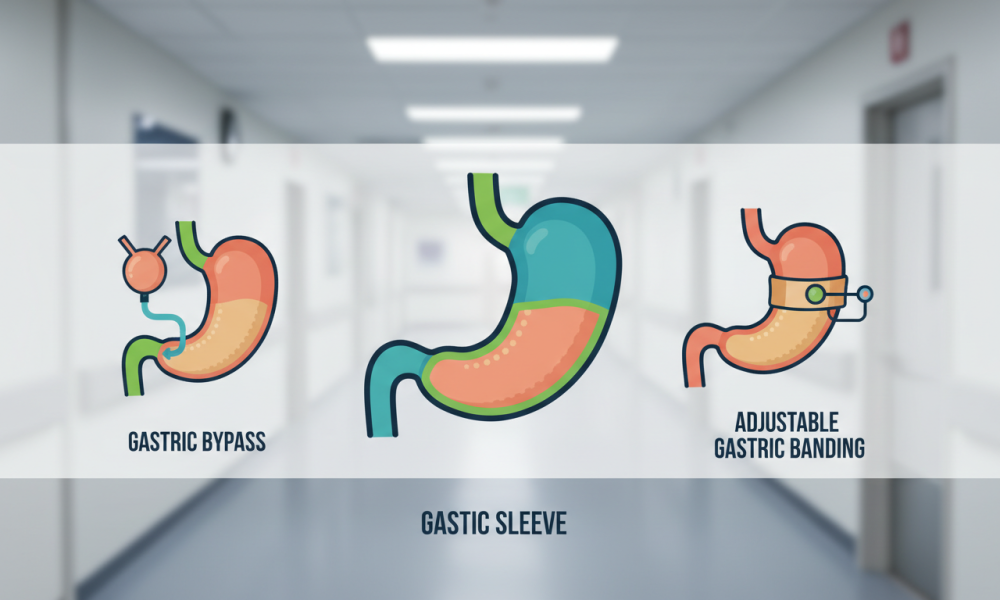
- Minimally invasive approach with small incisions.
- No rerouting of the small intestine, so fewer long-term absorption risks.
- Effective weight loss with a typically quicker recovery period.
Conclusion
Realistic goals, medical guidance, and daily habits together shape lasting results after bariatric care.
Gastric sleeve remains a highly effective bariatric surgery that can improve weight and overall health for many people. Commit to a balanced diet and steady activity to support long-term loss and well-being.
Other procedures, such as gastric bypass, offer alternatives, but the sleeve often balances strong results with fewer anatomical changes. Talk with a qualified team to review options and risks.
Make sure you have follow-up care, support, and realistic expectations. With the right plan and support, this path can lead to a healthier, more active life after surgery.
FAQ
What does the procedure involve?
The operation removes about 60–80% of the stomach to form a narrow, sleeve-shaped pouch. Surgeons typically perform it with laparoscopy using small incisions and general anesthesia, which reduces pain and shortens hospital time. The goal is to limit food capacity and change eating patterns to support steady weight loss.
Who qualifies for this type of bariatric procedure?
Candidates are usually adults with a BMI of 40 or higher, or a BMI of 35–39.9 with serious obesity-related conditions such as type 2 diabetes or high blood pressure. Healthcare teams also evaluate mental health, prior weight-loss attempts, and readiness to follow lifelong dietary and lifestyle changes.
Are there specific health considerations before proceeding?
Yes. Providers screen for heart or lung disease, uncontrolled diabetes, vitamin deficiencies, and reflux disease. Smoking, certain medications, and psychiatric conditions may need management first. A thorough pre-op assessment helps reduce surgical risk and improve outcomes.
How is the operation performed step by step?
Under general anesthesia the surgeon places trocars through small abdominal incisions. A portion of the stomach is stapled and removed, creating the sleeve. Surgeons may check for leaks and place a drain if needed. Most procedures last about one to two hours.
How does the body change after the procedure to cause weight loss?
Weight loss results from reduced stomach volume plus hormonal shifts. Smaller capacity means less food per meal. The operation also lowers levels of hunger-stimulating hormones and alters glucose metabolism, helping patients feel full sooner and eat less over time.
What role does ghrelin play after the operation?
Ghrelin, the hormone that drives hunger, is produced mainly in the stomach fundus—the portion removed during the procedure. Levels usually fall after the operation, which reduces appetite and makes dietary adherence easier for many people.
How quickly will someone feel full with a smaller stomach?
Most people notice satiety after just a few tablespoons to a small cup of food early on. Over weeks to months the stomach adjusts, but capacity remains much less than before, so smaller, protein-focused meals are recommended to meet nutrition goals.
What pre-operative dietary steps are required?
Surgeons often prescribe a short-term liquid or low-calorie diet for one to four weeks before the operation to shrink the liver and reduce intraoperative risk. Patients must also stop smoking and avoid certain medications as directed by the surgical team.
What should patients expect in the immediate recovery phase?
Hospital stays are commonly one to two nights. Pain is managed with medications, and patients start with clear liquids before advancing to pureed foods. Activity begins quickly with walking encouraged to lower clot and lung complication risks. Wound care and follow-up appointments are essential.
What long-term eating changes are required?
Lifelong changes include eating smaller, nutrient-dense meals, prioritizing protein, and avoiding high-sugar or carbonated drinks. Patients learn new portioning skills and meal timing. Regular follow-up with dietitians helps maintain weight loss and prevent deficiencies.
Are vitamin and mineral supplements necessary?
Yes. Reduced intake and altered digestion can cause deficiencies. Common supplements include a multivitamin with iron, calcium with vitamin D, and sometimes B12. Blood tests guide personalized supplementation plans.
How much protein should patients aim for after the operation?
Most clinicians recommend 60–80 grams of protein per day, adjusted by body size and activity. Protein supports muscle mass, aids healing, and promotes satiety. Protein-rich foods and supplements are often used, especially during early recovery.
What physical activity goals help long-term success?
Patients are encouraged to start gentle walking soon after surgery and to progress toward at least 150 minutes per week of moderate aerobic activity plus strength training two to three times weekly. Exercise preserves muscle, boosts metabolism, and supports weight maintenance.
What are the main risks and complications to consider?
Potential complications include bleeding, infection, leaks at the staple line, blood clots, and adverse reactions to anesthesia. Long term, patients may face nutrient deficiencies, gastroesophageal reflux, or weight regain without lifestyle adherence. Careful follow-up reduces these risks.
How does this option compare with gastric bypass and adjustable bands?
Compared with Roux-en-Y gastric bypass, the sleeve avoids intestinal rerouting, so it has fewer issues with dumping syndrome and fewer long-term malabsorption problems, but it may be less effective for certain reflux or severe metabolic disease. Adjustable bands offer less dramatic weight loss and higher revision rates. Choice depends on medical history, goals, and surgeon recommendation.
Will insurance cover the operation?
Many insurers cover weight-loss procedures when medical criteria are met, including documented weight history, attempts at medical management, and comorbid conditions. Preauthorization and documentation from the medical team are typically required.
How soon are results visible, and how much weight can someone expect to lose?
Most patients see rapid weight loss in the first six months, with continued reduction through 12–18 months. Average excess weight loss varies widely; many lose 50–70% of excess weight, depending on adherence, starting weight, and metabolic factors.
Can the procedure be reversed?
The operation is not easily reversible because part of the stomach is permanently removed. Revisions or conversions to other bariatric procedures are possible in some cases, but they carry additional risks and require specialist assessment.
How are leaks detected and treated?
Early signs include fever, fast heart rate, abdominal pain, or difficulty breathing. Diagnosis uses CT scans or contrast studies. Treatment ranges from antibiotics and drainage to reoperation, depending on leak size and patient stability.
What follow-up care is essential after leaving the hospital?
Regular clinic visits monitor weight, nutrition, and mental health. Labs check vitamins and minerals. Ongoing support from dietitians, primary care, and behavioral health improves outcomes and helps manage complications if they arise.
How does reflux change after the procedure?
Many people see improved blood sugar and weight outcomes, but some develop or worsen gastroesophageal reflux. Surgeons evaluate reflux history before surgery; acid-suppressing medications and lifestyle strategies may be needed afterward, and in some cases, revision is considered.
Are there lifestyle limits after full recovery?
Long term, patients should avoid oversized meals, alcohol excess, and high-calorie liquids. Regular exercise, routine labs, and healthy eating patterns are lifelong commitments. With these habits, many people achieve durable health benefits.
Related guides
How Long Does a Dental Implant Procedure Take?
Curious if the journey to a restored smile will fit your life? Many patients wonder about the full…

Best Hair Transplant in Istanbul,Turkey
Could one clinic end years of worry and restore your confidence with a clear, tailored plan?Dr. Serkan Aygin…

What is Zygomatic Dental Implant?
Could anchoring into the cheekbone restore a confident smile when the upper jaw can’t?Zygomatic dental implants offer an…