
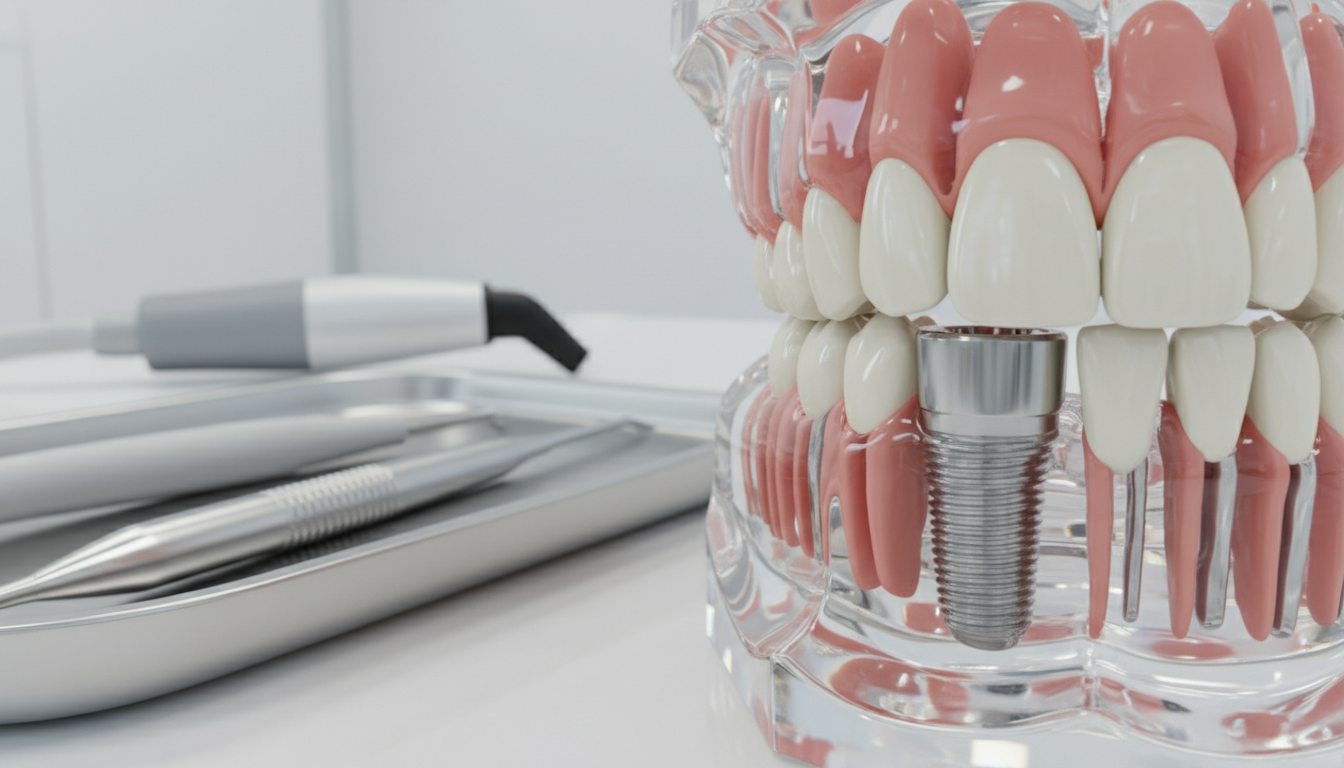
Could a tiny titanium post be the secret to a confident, lasting smile?
Dental implants act as a replacement tooth root and provide a sturdy base for an artificial tooth that looks and works like the real thing. Patients who choose implants often regain normal chewing, clear speech, and the freedom to laugh without worry.
Aspen Dental reports a 98% success rate, which shows how reliable this modern option can be. When people decide to replace missing teeth with an implant, they invest in long-term oral health and daily confidence.
The team combines advanced technology with compassionate care to create a natural-feeling smile. These implants stay put, so people can eat, speak, and enjoy life with less concern about shifting or slipping.
Key Takeaways
- Implants serve as durable, lifelike tooth roots for stable restorations.
- Choosing to replace missing teeth often improves both function and appearance.
- Aspen Dental reports a high success rate—about 98%—for this treatment.
- Patients regain normal eating and speaking with a secure implant-supported tooth.
- The approach blends modern tech with caring support to restore confidence.
Understanding What Are Dental Implants?
Replacing a missing tooth uses engineered components that work with your body to restore function.
Anatomy of an implant
The core piece is the implant body — a screw placed into the jawbone so it can fuse with surrounding bone.
A small abutment then connects the implant to the visible crown, which looks and acts like a natural tooth.
This three-part design — body, abutment, crown — lets people chew and speak with confidence.
Evidence shows the Mayans used shell fragments around 600 AD to replace mandibular teeth.
In 1809, J. Maggiolo placed a gold tube into an extraction site, and later advances followed.
By 1940, the Strock brothers used Vitallium screws; Dr. Linkow introduced blade designs in 1967.
Today, titanium is the preferred material because it bonds well and resists corrosion.
“Successful restorations depend on careful integration with the jawbone and correct component selection.”
- Understanding jaw structure guides the choice of implant types and placement.
- Proper fusion to bone is essential for lasting support of new teeth.
Key Benefits of Choosing Implants
Choosing a fixed tooth solution changes daily life by restoring reliable bite force and comfort.
Durable, long-term results: These restorations act like natural roots and deliver stability that closely matches real teeth. Many people keep them for decades with proper care.
Proven peace of mind: Aspen Dental supports this choice with a 25-year warranty for dental implants, giving patients added confidence in their investment over the years.
Eat and smile freely: Patients report enjoying favorite foods again and feeling more confident in social settings. Unlike removable dentures, these restorations stay in place day after day.
Facial support and oral health: A secure implant helps preserve bone and protects adjacent teeth. The result is a natural look and improved bite alignment for long-term mouth health.
“Permanent restorations restore function and protect surrounding structures.”
For cost comparisons and treatment options, see more on implant costs in Turkey.
Determining Your Candidacy for Treatment
A careful exam of jaw strength and gum health is the first step to deciding if this treatment fits you.
Assessing bone health
Clinicians check jawbone density and the condition of the gums during an initial visit. This helps them see if a dental implant can get the lasting support the mouth needs.
If the jawbone is too thin or weak, a bone graft may be recommended. This pre-treatment builds volume so the implant seats securely. Even with some bone loss, many people still qualify after these steps.
- Your Aspen Dental care team will review medical history and oral health, then measure bone density.
- We evaluate gums to confirm they are healthy enough to hold an implant long term.
- If existing bridges or dentures feel unsatisfactory, implants offer a more permanent option that feels like real teeth.
“Proper bone and gum health are essential for long-term success and reliable support.”
The Surgical Placement Process
The journey from consultation to a healed restoration follows clear, staged steps tailored to each smile.
Initial Consultation
First, the team performs a clinical exam and takes a 3D scan to map bone and nerves. This shows whether a dental implant is suitable and helps plan safe implant placement.
- Bone and tissue checks identify needs for extractions or bone grafts before surgery.
- The plan considers whether the patient is replacing one missing tooth or several teeth.
Surgical Stages
During the procedure, the implant body is set into the jaw to act as a sturdy anchor. Clinicians may use a two-stage approach so the implant sits below soft tissue while initial bonding occurs.
Mandibular placement often needs 2 to 3 months of undisturbed healing. Maxillary sites usually require 3 to 6 months for full bone integration.
Healing and Integration
After months of healing, the abutment is attached and the final crown or prosthesis is crafted to match the shade and fit. The care team supports comfort through the dental implant surgery and follows healing progress.
“Precise placement and thoughtful follow-up help patients regain function and confidence in their smile.”
Common Materials Used in Modern Dentistry
Modern restorations often use metals and ceramics chosen for strength, biocompatibility, and long-term stability.
Titanium remains the standard choice. Studies report a 97% success rate and a nearly 99% ten-year survival for titanium use. Its strength, corrosion resistance, and bone-friendly surface support reliable implant placement and osseointegration.
Zirconia offers a metal-free option. This ceramic suits people with metal sensitivities or specific medical conditions. It provides good aesthetics and stability while avoiding metal exposure.
During surgery, clinicians use precise drills and copious cool saline. Keeping bone temperature below 47°C prevents necrosis and supports healthy healing. Proper technique helps the abutment and crown integrate with the jawbone over months.
- Material choice affects the surgical procedure and long-term care.
- Temperature control and surgical precision protect bone and gum health.
- Regular checkups ensure the restoration lasts for years.
| Material | Key Benefit | Typical Use |
|---|---|---|
| Titanium | High biocompatibility; proven longevity | Standard implant bodies and long-term restorations |
| Zirconia | Metal-free, strong, aesthetic | Alternative for metal sensitivity and visible crowns |
| Surgical Protocols | Cool saline, precision drilling, gentle handling | Protects bone during osteotomies and aids healing |
Exploring Different Types of Implant Solutions
Options range from a single crown to a full fixed arch, depending on smile needs and bone support.
Endosteal implants sit directly in the jawbone and are the most common choice. They act as strong anchors instead of bridges or removable dentures.
Subperiosteal implants rest on top of the bone but under the gums. This solution helps when the jawbone lacks height or density for an endosteal approach.
An implant crown is a perfect option if you have one missing tooth; it blends with the smile and restores chewing. For several missing teeth, an implant bridge anchors a permanent span to the jaw.
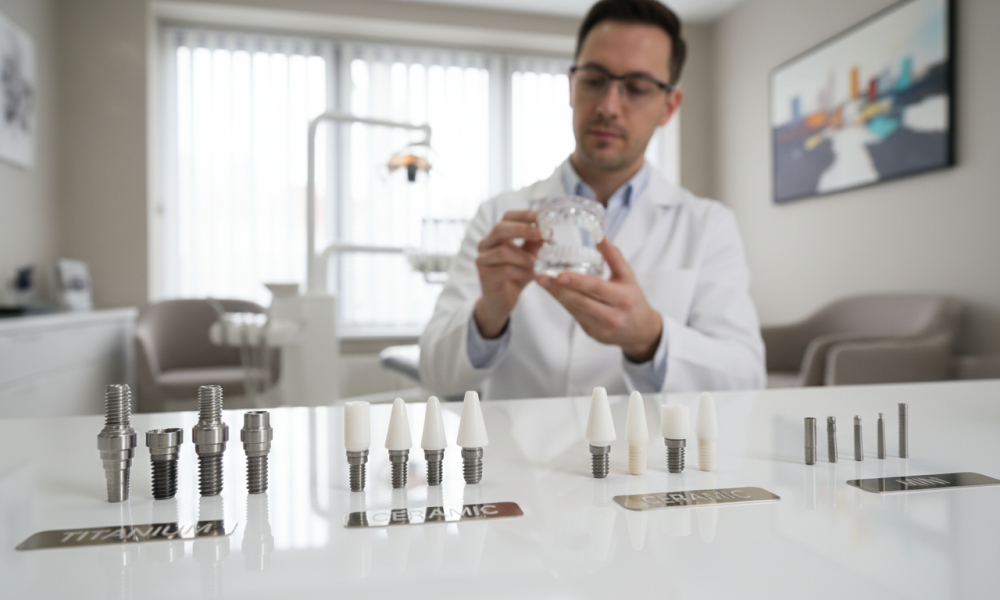
Implant dentures snap onto fixtures for added stability and reduce reliance on adhesives. Fixed full arch implants replace a whole row of teeth with a non-removable set.
- Each solution includes the implant, the abutment, and the final crown, custom-fit for comfort and appearance.
- Surgeons and dentists assess jaw, gums, and bone to recommend the best types based on individual needs.
Choosing the right implant solution helps replace missing teeth and restores function, support, and confidence in everyday life.
Essential Care and Maintenance Habits
A few practical routines keep prosthetic teeth healthy and the surrounding gums strong.
Daily brushing with a soft-bristled toothbrush and gentle strokes removes plaque without harming tissue. Aspen Dental also recommends using a power flosser to clean around the abutment and beneath the crown for better debris removal.
Use an antimicrobial mouthwash daily to lower bacteria and keep your smile feeling fresh. Implants cannot develop cavities, but nearby gums and natural teeth still need protection to avoid infection and bone loss.
- Brush twice a day with a soft brush and low-abrasive toothpaste.
- Use a power flosser or gentle interdental brush around the implant regularly.
- Rinse daily with an antiseptic mouthwash for added protection.
- Keep routine checkups so the care team can monitor stability and gum health.
Clinicians provide personalized tips on how to clean each dental implant and the surrounding areas. Your commitment to these simple habits helps protect the investment and supports long-term oral health and comfort.
Comparing Implants Against Traditional Dentures
Deciding between a permanent restoration and removable plates often comes down to function, look, and long-term value.
Long-term durability: Traditional dentures typically need replacement every 5–7 years. In contrast, a titanium dental implant can last a lifetime with proper care and regular checkups.
Bone health and support: Implants stimulate the jaw and help prevent the bone loss that follows missing teeth. Removable dentures do not replace that stimulation and may allow gradual facial change over time.
The treatment process for an implant is more involved than getting dentures. It takes more visits and healing time. Yet the result is a stable, natural-feeling solution that restores bite strength.
- Unlike dentures, implants stay fixed and avoid daily adhesives.
- Dentures cost less up front, but implants often save money over time.
- Those seeking a near-natural feel usually choose a fixed implant option.
| Feature | Implants | Dentures |
|---|---|---|
| Longevity | Often lifelong (titanium) | Replace every 5–7 years |
| Jaw bone | Stimulates and preserves bone | Can contribute to bone loss |
| Daily routine | Permanent, care like natural teeth | Remove nightly, need adhesives |
| Initial process | More involved surgical process | Quicker fitting and adjustment time |
Addressing Potential Risks and Complications
Any surgical plan begins by weighing known risks against clear benefits for each person.
While dental implants offer high success, risks exist. Infection, nerve injury, and incision reopening are the most common problems after dental implant surgery. Nerve damage can cause altered sensations — numbness, tingling, or increased sensitivity — usually in the jaw or lip area.
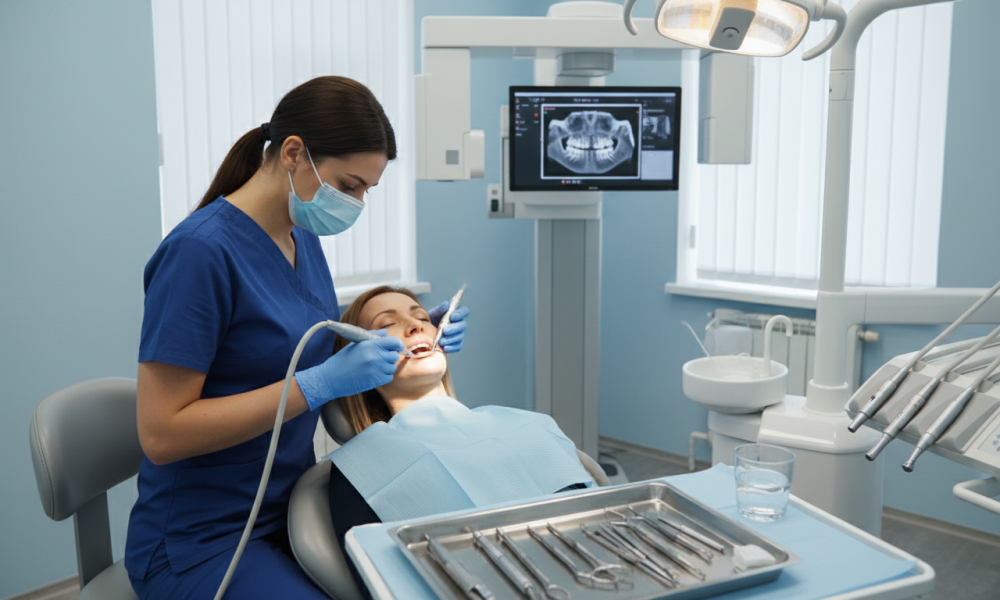
Clinicians take precise measurements to avoid the mandibular canal during implant placement. If the abutment or implant becomes exposed while healing, the dentist may adjust dentures or relieve pressure to protect tissue and promote healing.
Smoking, uncontrolled diabetes, and certain health conditions raise complication risk. Sedation and careful pain control support comfort during surgery and early recovery.
Early follow-up matters: regular checkups spot mobility, bone loss, or infection sooner. By following post-op instructions and keeping routine care, people greatly reduce long-term failure and preserve support for adjacent teeth and jawbone.
“Timely care and honest communication with your surgeon help keep risks low and healing on track.”
Conclusion
Choosing a long-term tooth solution starts with clear information and a trusted care team. , The right plan blends skilled surgeons, attentive dentists, and your daily routines.
Dental implant treatment can restore function and confidence. Implants support chewing and protect jaw health when they fuse properly. Follow-up care, good oral hygiene, and honest communication about medical conditions help keep results stable.
Discuss options with your surgeon to see if a single tooth replacement or a full-arch solution fits your needs. Schedule a consultation to learn more about the procedure, expected process, and ongoing care — and take the next step toward a lasting, natural smile.
FAQ
What is a tooth implant and how does it replace a missing tooth?
A tooth implant is a small titanium post surgically placed into the jaw to act as an artificial root. After the bone heals and integrates with the post, a connecting abutment and a crown restore function and appearance, giving a stable option to replace one or several missing teeth.
How is an implant structured — what parts make up the system?
The typical system has three parts: the titanium implant (root), the abutment (connector), and the crown (visible tooth). Some solutions use a bar or overdenture attachment when supporting removable prosthetics for several missing teeth.
How did modern implant treatment develop?
Modern implants evolved after researchers discovered that titanium bonds with bone through osseointegration. Over decades, surgical techniques, imaging, and materials improved, making the procedure more predictable and widely used.
What advantages do implants offer compared with bridges or dentures?
Implants preserve jawbone, avoid altering adjacent teeth, restore chewing efficiency, and often last longer when well cared for. They can also improve comfort and confidence versus removable dentures.
Who is a good candidate for implant treatment?
Suitable candidates are adults in generally good health with adequate jawbone and healthy gums. Cancer survivors or people with chronic conditions should consult their dental team to coordinate care and timing.
How do dentists assess bone health before placement?
Dentists use clinical exams, X-rays, and cone beam CT scans to measure bone quantity and quality. When bone is insufficient, bone grafting or sinus lift procedures can rebuild the jaw to support implants.
What happens at the initial consultation?
The clinician reviews medical history, examines the mouth, takes images and impressions, and discusses treatment options, timelines, and costs. A personalized plan outlines any preparatory steps such as extractions or grafts.
What are the main surgical stages for implant placement?
Typical stages include placing the implant into the jaw, allowing time for osseointegration, attaching an abutment, and fitting the final crown or prosthesis. Some cases use immediate loading to attach a temporary tooth the same day.
How long does healing and integration take?
Healing usually takes several months — commonly three to six — depending on bone quality, health factors, and whether grafting was needed. The dentist monitors progress to confirm stable integration before final restoration.
What materials are commonly used in implants and restorations?
Implants are most often titanium or titanium alloy due to strength and biocompatibility. Restorative parts may use porcelain-fused-to-metal, all-ceramic, or zirconia crowns for aesthetics and durability.
What types of implant solutions are available?
Options include single-tooth implants, implant-supported bridges, full-arch fixed prostheses, and implant-retained dentures. Choice depends on the number of missing teeth, bone volume, and patient goals.
How should patients care for implants long-term?
Maintain daily brushing and flossing, use interdental brushes where recommended, and visit the dentist for regular exams and professional cleaning. Good oral hygiene and quitting tobacco reduce the risk of complications.
How do implants compare to traditional removable dentures?
Implants offer greater stability, improved chewing, and better preservation of the jawbone. Removable dentures can be less invasive initially but may lead to bone loss and require adhesives or frequent adjustments.
What risks or complications can occur after implant surgery?
Possible issues include infection, implant failure, nerve injury, sinus problems in upper-jaw cases, and peri-implantitis (gum infection around the implant). Early detection and prompt care minimize long-term harm.
How long do implants typically last, and what affects their survival?
With proper care, implants can last decades. Success depends on bone health, oral hygiene, smoking status, medical conditions like diabetes, and regular dental follow-up.
Related guides
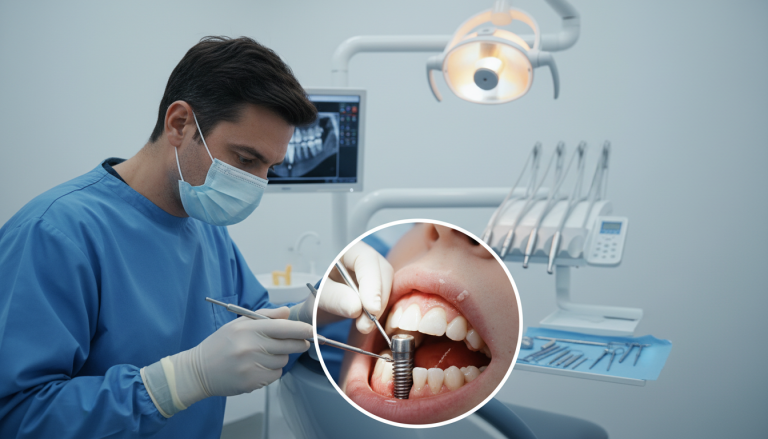
How Long Does a Dental Implant Procedure Take?
Curious if the journey to a restored smile will fit your life? Many patients wonder about the full…

Best Hair Transplant in Istanbul,Turkey
Could one clinic end years of worry and restore your confidence with a clear, tailored plan?Dr. Serkan Aygin…

What is Zygomatic Dental Implant?
Could anchoring into the cheekbone restore a confident smile when the upper jaw can’t?Zygomatic dental implants offer an…