
Best Hydrocele (Hydrocelectomy) Surgery in Turkey
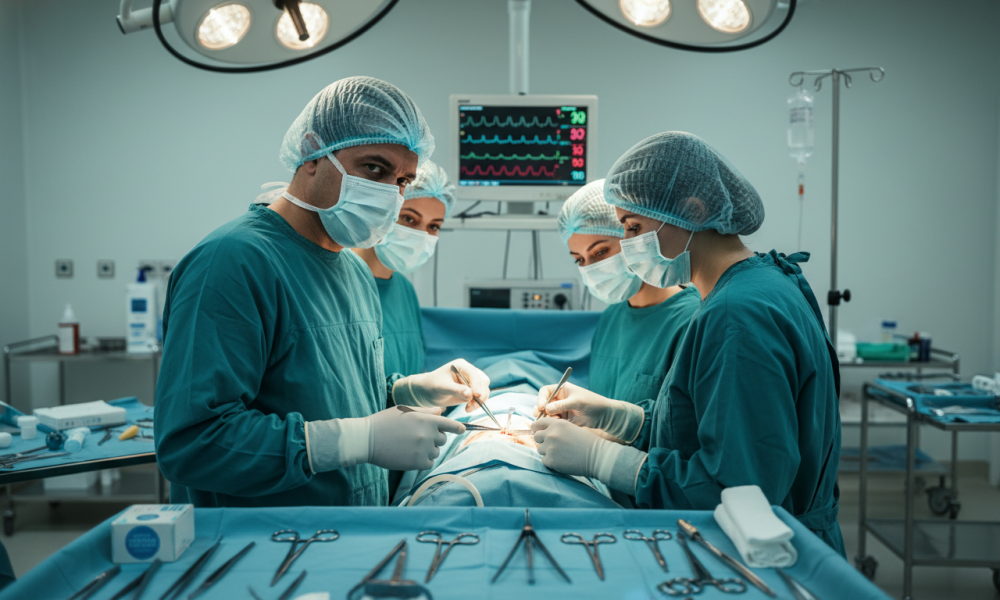
More people are going abroad for medical care because it’s affordable and of high quality. Many from the UK are now traveling for special urology treatments. Turkey is a top choice, known for its top-notch facilities and skilled doctors.
Looking for the Best Hydrocele (Hydrocelectomy) Surgery is key for your health. Turkish clinics offer exceptional standards of care, matching those in private British hospitals. This choice means shorter waits and big savings.
This guide will show why Turkey is a top pick for many. We’ll look at the clinical excellence and focus on patients that define the Best Hydrocele Surgery. Our aim is to help you make a smart choice for your medical journey.
Key Takeaways
- Turkey offers a premier destination for patients seeking high-quality urological care.
- British citizens frequently choose Turkish clinics for their cost-effectiveness and efficiency.
- Modern facilities ensure that international standards are met during every procedure.
- Reduced waiting times allow for a faster return to your daily routine.
- Comprehensive support services assist patients throughout their entire medical experience.
Understanding Hydrocele and the Need for Surgical Intervention
Many patients look for the best hydrocele surgery when scrotal swelling doesn’t go away. This condition is when fluid builds up in the pouch around the testicle. It’s usually painless but can cause a lot of discomfort and worry.
Defining the Condition and Its Symptoms
A hydrocele looks like a soft, fluid-filled sac that makes the scrotum swell. It often looks bigger on one side. Discomfort usually comes from the swelling’s size, which can make daily life harder.
It’s key to tell this apart from other scrotal masses. A doctor’s check-up is needed to confirm it and check for other issues. Early diagnosis helps find the best hydrocele surgery options.
When Conservative Management Fails
Doctors might first suggest waiting if the hydrocele is small and doesn’t hurt. But, as the fluid grows, this approach often doesn’t work. When the swelling causes pain, skin problems, or makes moving hard, surgery is needed.
Patients often say the fluid’s weight feels like it’s pulling them down. At this point, doctors usually suggest surgery. Temporary fixes don’t last long enough for lasting relief.
The Clinical Necessity of Hydrocelectomy
For hydroceles that don’t go away or cause problems, surgery is the best option. This surgery removes or fixes the sac to stop more fluid from building up. Choosing the best hydrocele surgery means a good chance of success and less chance of it coming back.
| Symptom/Stage | Conservative Approach | Surgical Intervention |
|---|---|---|
| Mild Swelling | Monitoring | Not Required |
| Chronic Discomfort | Limited Relief | Recommended |
| Significant Size | Ineffective | Necessary |
| Recurrent Fluid | Not Applicable | Highly Effective |
Why Turkey is a Leading Destination for Urological Procedures
Turkey has quickly become a top choice for those needing Hydrocelectomy Surgery. It combines top-notch medical tech with a focus on the patient. This makes it a favourite for urological care.
Investment in Modern Medical Infrastructure
The Turkish government and private sector have invested heavily in top hospitals. These facilities have the latest tools and robotic systems, matching those in the UK.
Patients enjoy a smooth experience in these modern settings. Key features include:
- State-of-the-art operating theatres for cleanliness.
- Advanced imaging for precise planning.
- Hotel-style recovery suites for rest after surgery.
The Reputation of Turkish Urologists
The success of Hydrocelectomy Surgery relies on the surgeon’s skill. Turkish urologists are known for their top training and experience.
Many have done fellowships or training in Europe and North America. This keeps them up-to-date with urological innovation and best practices.
Integration of International Healthcare Standards
Turkey focuses on global healthcare standards for safety and satisfaction. Many clinics have Joint Commission International (JCI) accreditation. This shows they meet or exceed top international quality standards.
By following these global protocols, Turkish hospitals offer reliable and effective care. Patients getting Hydrocelectomy Surgery can trust their treatment will be as good as at home.
The Best Hydrocele (Hydrocelectomy) Surgery Options Available
Knowing about Hydrocelectomy Surgery helps patients make smart choices. Turkish medical centres offer many advanced options. These are tailored to meet individual needs. Learning about these methods helps prepare for a specialist consultation.
Traditional Open Hydrocelectomy Techniques
The traditional open method is highly reliable for treating hydroceles. A small incision in the scrotum allows the surgeon to remove or repair the sac. This is often chosen for bigger or more complex hydroceles, where seeing the area is key.
Many patients pick this method because it’s safe and effective. It gives the surgeon full access to the area, reducing the chance of the problem coming back. Hydrocelectomy Surgery done this way is a common and successful treatment.
Minimally Invasive Laparoscopic Approaches
Laparoscopic techniques offer a modern, less invasive option. This method uses small incisions and a camera for the surgeon to guide the repair. It’s known for its precision, leading to less pain and a quicker recovery.
Many clinics in Turkey use this technology to improve patient comfort. By minimising tissue trauma, laparoscopic Hydrocelectomy Surgery makes healing smoother. It’s great for those who want a quicker recovery and smaller scars.
Choosing the Right Procedure for Your Anatomy
Choosing the right surgery depends on your anatomy and the hydrocele’s specifics. Your surgeon will assess you to decide between open or laparoscopic surgery. Personalised care means the chosen method fits your health goals.
Talking about your medical history and what you hope for with your surgery is key. Your team will discuss the pros of each method. This helps you feel sure about your choice. The aim of Hydrocelectomy Surgery is to solve the problem while keeping you comfortable and well.
Criteria for Selecting a Top Hydrocele Surgeon in Turkey
Finding a top hydrocele surgeon in Turkey needs careful research. Your health depends on the surgeon’s skills. Look for clear, objective criteria to ensure safety.
Verifying Board Certification and Specialisation
Start by checking the surgeon’s qualifications. Look for board certification from recognised urological associations in Turkey. Specialisation in reconstructive urology shows they have the right skills for your condition.
Also, check if the surgeon is a member of international medical bodies. These groups set high standards. Verifying these credentials means your surgeon is respected by peers.
Reviewing Surgeon Experience and Case Volumes
Experience is key when choosing a top hydrocele surgeon. Surgeons who do many hydrocelectomies are better at complex cases. A good track record shows they are skilled.
Ask about the surgeon’s experience with similar cases. A clinic should share their success rates openly. High case volumes mean fewer complications and quicker recovery.
The Importance of Patient Testimonials and Outcomes
What past patients say is very important. Testimonials give insight into the care quality. Look for feedback on the surgeon’s communication and patient support.
Good outcomes are a sign of a top hydrocele surgeon. Focus on reviews that mention clear advice and good follow-up care. Choosing a provider with a proven reputation makes your experience safe and successful.
Advanced Surgical Techniques for Hydrocele Repair
Choosing a top hydrocele surgeon in Turkey means you get the latest repair methods. These experts use the latest techniques to make sure every surgery is precise and caring.
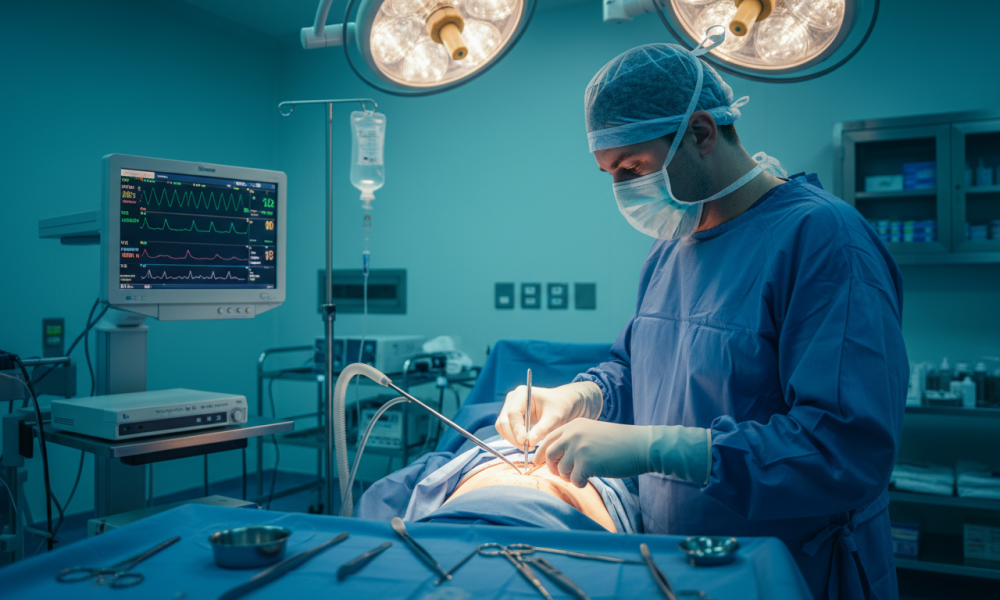
Precision in Sac Excision and Eversion
The main goal is to remove the fluid sac and stop it from coming back. Surgeons use excision and eversion with great care to prevent recurrence.
They fold or remove the sac lining to get rid of the fluid space. This is how a top hydrocele surgeon focuses on long-term health, not just quick fixes.
Utilising Modern Anaesthesia Protocols
Comfort is key in Turkish clinics. They use modern anaesthesia to make sure patients don’t feel pain during surgery.
These new methods help patients recover faster. They feel less stressed and more stable right after the surgery.
Minimising Tissue Trauma and Scarring
Modern tools mean smaller cuts and less damage to the body. This approach leads to quicker healing and less scarring.
The table below shows how modern Turkish techniques differ from old methods:
| Feature | Traditional Approach | Modern Turkish Technique |
|---|---|---|
| Incision Size | Larger, more invasive | Small, precise incisions |
| Recovery Time | Extended healing period | Rapid return to activity |
| Scarring | Visible and prominent | Minimal and discreet |
| Recurrence Risk | Moderate | Very low |
Preparing for Your Hydrocelectomy Surgery Abroad
Starting your medical trip well before flying is key. Good preparation ensures your Hydrocele Treatment goes smoothly. A well-planned approach helps you recover without worry.
Initial Consultations and Medical History Review
Top clinics in Turkey offer remote consultations. You’ll talk about your symptoms and health history with a specialist. It’s important to be clear and honest about your medical past.
Your team will check if you’re right for the surgery. This is your chance to ask questions and understand what to expect from your Hydrocele Treatment. A good start with your medical team boosts your confidence.
Pre-operative Diagnostic Testing Requirements
You’ll need to do some tests before you go. These include a physical check-up and a scrotal ultrasound. This helps your surgeon plan with maximum precision.
Some tests can be done at your GP in the UK. Your coordinator will tell you what tests you need. Doing these early avoids delays at the clinic.
Lifestyle Adjustments Before Your Flight
Small changes can make a big difference. Stopping smoking two weeks before your Hydrocele Treatment helps healing. Eating well and drinking plenty of water also prepares your body.
Check your medications with your doctor. Some might need to stop to avoid complications. Following these professional guidelines keeps you healthy for your journey and recovery.
What to Expect During the Hydrocele Operation
Your journey to effective Hydrocele Treatment starts when you arrive at the clinic. A dedicated patient coordinator will help with all the paperwork. This step is designed to alleviate any anxiety you might have about the procedure.
Arrival at the Hospital and Pre-surgical Checks
When you arrive, the nursing staff will take you to your private room. You’ll have a series of health checks, like blood pressure monitoring. A brief chat with your anaesthetist is also part of these essential safety checks.
The Surgical Process Step-by-Step
In the operating theatre, the medical team will give you anaesthesia. This ensures you stay comfortable during the procedure. The surgeon makes a small incision to access the fluid-filled sac.
They will drain the fluid and either remove or evert the sac. This step is key to preventing the condition from coming back. The whole process usually takes thirty to sixty minutes. The team uses advanced techniques to keep tissue damage to a minimum, helping you recover faster.
Immediate Post-surgical Monitoring
After the surgery, you’ll be moved to a recovery area. Nurses will keep a close eye on your vital signs. This is a critical time to make sure you wake up comfortably from the anaesthesia.
You’ll receive attentive care until the medical team says you’re stable. Then, you’ll be allowed to return to your room.
| Stage of Stay | Primary Focus | Estimated Duration |
|---|---|---|
| Admission | Documentation and Vitals | 45 Minutes |
| Surgical Procedure | Sac Repair and Excision | 30-60 Minutes |
| Recovery Phase | Monitoring and Comfort | 1-2 Hours |
Post-Operative Care and Recovery Protocols
After your hydrocele operation, following the right care is key. The surgery is simple, but your body needs time and care to heal. Listening to your doctor’s advice will help you get back to normal quickly.
Managing Pain and Discomfort After Surgery
It’s normal to feel some swelling or mild pain in the scrotal area at first. Your doctor will give you a plan to manage pain. This might include over-the-counter painkillers or stronger medicine. Using a cold compress can also help reduce swelling and ease pain.
Resting is important for healing. Keeping the area up and avoiding too much movement helps your body repair itself. If you’re unsure about how long it will take to recover, comparing it to other surgeries like tummy tuck surgery might be helpful.
Wound Care and Hygiene Instructions
Keeping your incision clean is the best way to avoid infection. Make sure to keep the dressing dry and follow your surgeon’s advice on when to change it. Gently clean the area with mild soap and warm water once the dressing is off.
Always wash your hands before touching the area to prevent bacteria. If you see signs of infection, like more redness, fever, or discharge, call your doctor right away. Keeping the area clean helps it heal properly.
Activity Restrictions During the Healing Phase
Getting back to your usual life should be done slowly. Avoid heavy lifting, hard exercise, or anything that puts pressure on your groin for two to four weeks. Listen to your body and stop if you feel pain.
You can usually go back to light work in a few days, but wait until your doctor says it’s okay to do manual jobs. Sticking to these rules helps your surgery heal right and ensures a good outcome from your hydrocele operation.
Comparing Costs: Hydrocele Treatment in the UK versus Turkey
It’s key to know the cost difference between the UK and Turkey for private healthcare. Many see getting a hydrocele operation abroad as a big money-saver. Yet, they don’t have to sacrifice quality of care.
Breakdown of Surgical and Hospital Fees
Looking at the cost of a hydrocele operation, it’s vital to break down the bill. In the UK, private hospital fees can add up fast. This includes charges for the surgeon, anaesthetist, and the facility itself.
In Turkey, medical centres offer a clear, all-inclusive pricing structure. This means the surgeon’s fees, operating theatre costs, and nursing care are all in one price. This makes planning your finances much easier.
Hidden Costs and Value-Added Packages
There are extra costs to think about after surgery. In the UK, you might need to pay extra for follow-up visits and medication. But in Turkey, these are often included in value-added packages.
These packages in Turkey also cover luxury accommodation, airport transfers, and a dedicated patient coordinator. This holistic approach makes the total cost of your hydrocele operation clear and manageable.
Financial Planning for Medical Tourism
Good financial planning is key for a smooth medical trip. You should think about flight costs, time off work, and any extra expenses. Many find the savings on the procedure itself cover travel and accommodation costs.
Also, check if your private medical insurance covers international procedures. Keeping a clear budget ensures your hydrocele operation is stress-free from start to finish.
| Cost Component | Typical UK Private Cost | Typical Turkey Cost |
|---|---|---|
| Surgical Procedure | High | Moderate |
| Hospital & Facility Fees | High | Included |
| Accommodation & Transfers | Not Included | Included |
| Total Estimated Value | Premium | Cost-Effective |
Accreditation and Standards of Turkish Medical Centres
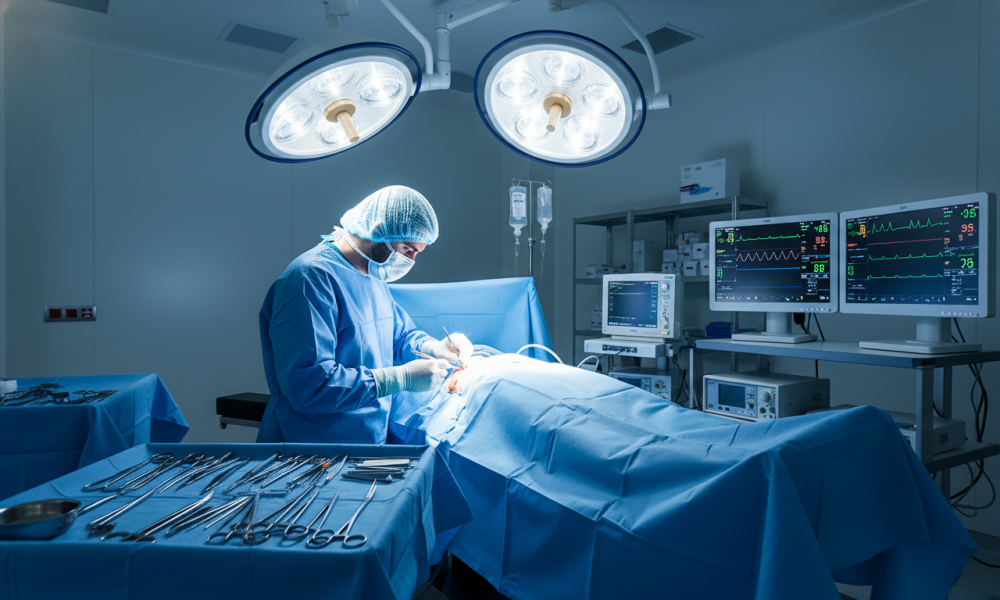
When you travel for surgery, the clinic’s accreditation is key. It shows safety and quality. For Hydrocele Repair abroad, choose places that follow global health standards. This ensures your care is safe and professional.
JCI Accreditation and International Benchmarks
The Joint Commission International (JCI) is the top mark for healthcare quality. Clinics with JCI accreditation meet high international standards. This means you can trust your care is safe and well-coordinated.
Technology and Equipment Standards in Top Clinics
Top Turkish hospitals use the latest medical tech. They have modern theatres with advanced tools for Hydrocele Repair. This helps surgeons work more accurately and quickly.
- Advanced Imaging: High-resolution ultrasound and tools for planning.
- Sterile Environments: Modern theatres to lower risks of complications.
- Digital Records: Systems for easy team communication.
The Role of Regulatory Bodies in Turkey
The Turkish Ministry of Health sets strict rules for clinics. These rules make sure clinics act ethically and professionally during Hydrocele Repair. Regular checks by these bodies ensure care meets both local and international standards.
Patient Safety and Infection Control Measures
Modern Turkish hospitals focus a lot on keeping everything clean and safe. When you’re getting ready for a Hydrocele Repair, you’ll know your place is top-notch. They use the latest tech and strict rules to keep you safe.
Sterilisation Protocols in Operating Theatres
Top Turkish clinics use the best sterilisation systems in their operating rooms. Every tool is cleaned in several steps, like high-pressure autoclaving and chemical cleaning. Cleanliness is not just a standard; it is a fundamental requirement for every successful surgical outcome.
These theatres also have air filters, like HEPA filters, to keep the air clean. They control the air and humidity to stop germs from spreading. This careful work makes sure your Hydrocele Repair is done safely.
Monitoring for Post-operative Infections
In Turkey, watching for infections is a big part of getting better. Doctors and nurses check often to catch any problems early. If you’re looking for a clinic, you might want to read a guide to choosing the right one to see how they keep standards high.
Patients get clear advice on how to care for their wounds at home. Doctors and nurses keep in touch to check on how you’re doing. This comprehensive approach helps you feel at ease while you’re getting better.
Emergency Response Capabilities
Turkish hospitals are ready for emergencies. Every team knows how to handle serious problems quickly. They have 24/7 access to intensive care and special doctors.
| Safety Feature | Standard Practice | Patient Benefit |
|---|---|---|
| Sterilisation | High-pressure Autoclave | Zero Contamination Risk |
| Air Quality | HEPA Filtration | Reduced Infection Rate |
| Emergency Care | 24/7 ICU Access | Rapid Intervention |
| Monitoring | Daily Clinical Review | Early Issue Detection |
Choosing a place that focuses on safety means your Hydrocele Repair will be top-notch. Your safety is the main goal for the whole team.
Navigating Travel Logistics for Medical Tourism
Planning your trip to see a Hydrocelectomy Specialist is key to your recovery. A good plan lets you focus on your health, not travel worries.
Visa Requirements and Travel Documentation
British citizens going to Turkey for medical care need to check their travel papers early. Make sure your passport is valid for at least six months after your entry date.
You might need an e-visa or check if you can enter visa-free. Always have digital and physical copies of your medical invitation letters. These may be asked for at the border.
Accommodation Options for Patients and Companions
Choosing where to stay is important for a good recovery. Many clinics have specialised recovery suites for urological surgery patients.
- Hospital-affiliated hotels: They offer quick access to medical staff if needed.
- Luxury recovery apartments: Great for those with companions who want a private setting.
- Proximity-focused lodging: Staying close to your clinic means less travel during recovery.
Coordinating Transfers and Local Support
Good transport is key to a smooth medical tourism experience. Reputable clinics often have dedicated transfer services to take you from the airport to your stay.
Before booking, research your clinic and medical team. Make sure they offer good local support. Having a local coordinator who speaks your language can help a lot with city navigation and follow-up appointments with your Hydrocelectomy Specialist.
Personalised Care and Patient Support Services
Traveling for surgery can be easier with a dedicated team. Top clinics know your comfort is key, just like the skill of your Hydrocelectomy Specialist. They focus on every detail to make your experience smooth.
The Role of Patient Coordinators
Patient coordinators are your main contact during your journey. They help from the start to your recovery, making sure you’re never alone. They take care of everything from booking appointments to arranging transport.
- Coordinating pre-operative assessments and hospital admissions.
- Managing your itinerary to ensure a stress-free travel experience.
- Providing constant updates to your family or companions.
Language Assistance and Translation Services
Good communication is key when talking about your health. Clinics offer translation services for all talks and paperwork. This way, you understand your treatment and trust your Hydrocelectomy Specialist.
Continuity of Care After Returning to the UK
Your health care doesn’t stop when you leave the clinic. Quality clinics, like those at hcor-hospital-do-coracao, focus on your long-term recovery. They give you detailed reports for your GP in the UK.
Many clinics also offer digital support for after surgery. This ongoing support lets you ask questions anytime. It gives you peace of mind as you recover at home.
Managing Possible Risks and Complications
Choosing an Expert Hydrocele Surgeon is a smart move. But, knowing about recovery is key. Every surgery has some risks. Being ready helps you heal with confidence.
Recognising Warning Signs During Recovery
Most people recover well. But, watch your body for any odd changes. Catching problems early stops them from getting worse.
If you see any of these signs, call your doctor right away:
- Persistent or worsening fever that doesn’t get better with usual meds.
- Big, sudden swelling or bruising on your scrotum.
- Pus or bad smell from the cut.
- Severe pain that the pain meds can’t fix.
Communication Channels with Your Surgical Team
Good care needs clear talk. With an Expert Hydrocele Surgeon, you get easy ways to talk to your team.
Got questions about meds or wound care? Your patient coordinator is there for you. They make sure your concerns reach the team fast, giving you peace and advice in Turkey.
Mitigating Risks Through Proper Aftercare
You can lower risks after surgery. By following your Expert Hydrocele Surgeon‘s advice, you cut down on risks like haematomas or infections.
Here’s how to help your recovery:
- Maintain strict hygiene: Keep the area clean and dry to stop bacteria.
- Follow activity restrictions: Don’t lift heavy or do hard exercise to let tissues heal.
- Attend all follow-up appointments: These check-ups are key for watching your progress and success.
Success Rates and Long-Term Outcomes of Hydrocelectomy
Choosing an expert hydrocele surgeon is key to a smooth recovery. A skilled surgeon offers high success rates and a lasting fix for most patients. Knowing what to expect helps you adjust and get back to normal life easily.
Expected Recovery Timelines
Most people start feeling better within a few days after surgery. Swelling is common but usually goes down in two to four weeks. You can start with light activities in a week, but avoid hard exercise for longer.
Here’s a table showing what you might go through during healing:
| Recovery Phase | Typical Duration | Key Focus |
|---|---|---|
| Immediate Post-op | Days 1-3 | Pain management and rest |
| Early Healing | Weeks 1-2 | Wound care and light movement |
| Full Recovery | Weeks 4-6 | Resuming normal physical activity |
Preventing Recurrence of Hydrocele
Preventing recurrence is easy with good urological health. Avoid heavy lifting and strain in the first few weeks. Following your doctor’s advice is crucial for a stable and healthy site.
If you see swelling or discomfort again, contact your clinic right away. Early action can prevent bigger problems. Keeping an eye on your health is the best way to avoid future issues.
Long-term Urological Health and Follow-up
Long-term health needs regular check-ups and following advice. An expert hydrocele surgeon will schedule follow-ups. These are important to make sure everything is healing well.
Living a healthy lifestyle, like drinking enough water and eating well, helps your urological health. Staying in touch with your doctors ensures you get the most from your surgery. Taking care of your health is essential for years to come.
Conclusion
Choosing hydrocelectomy in Turkey means getting top-notch surgery and modern care. You’ll work with expert urologists who use the latest methods. This ensures you recover well and feel comfortable for a long time.
Deciding to get treatment abroad needs careful thought and research. Look for clinics with board-certified surgeons and accredited facilities. This way, you save money and get safe care, unlike private care in the UK.
Choosing to improve your health is a big step towards a better future. You can get all the help and advice for medical tourism patients to make your journey smooth. Contact a trusted surgical team today to talk about your needs and begin your journey to a lasting solution.
FAQ
Q: Why is Turkey considered a leading destination for the Best Hydrocele Surgery?
Q: What are the primary differences between traditional and minimally invasive Hydrocelectomy Surgery?
Q: How can I verify the credentials of a Top Hydrocele Surgeon in Turkey?
Q: What is the typical cost advantage of seeking Hydrocele Treatment in Turkey compared to the UK?
Q: How long is the recovery period after a Hydrocele Repair?
Q: Is it safe to travel back to the UK shortly after a Hydrocele Operation?
Q: What role does a Hydrocelectomy Specialist play in preventing recurrence?
Q: What support services are available for English-speaking patients in Turkey?


Adjuvant Chemotherapy in Turkey
Adjuvant chemotherapy in Turkey: Innovative therapies and expert medical care for enhanced treatment outcomes.
Read More
Bichectomy Cost in Turkey
Bichectomy — commonly called buccal fat removal — is a cosmetic surgery procedure that removes excess buccal fat pads from.
Read More