
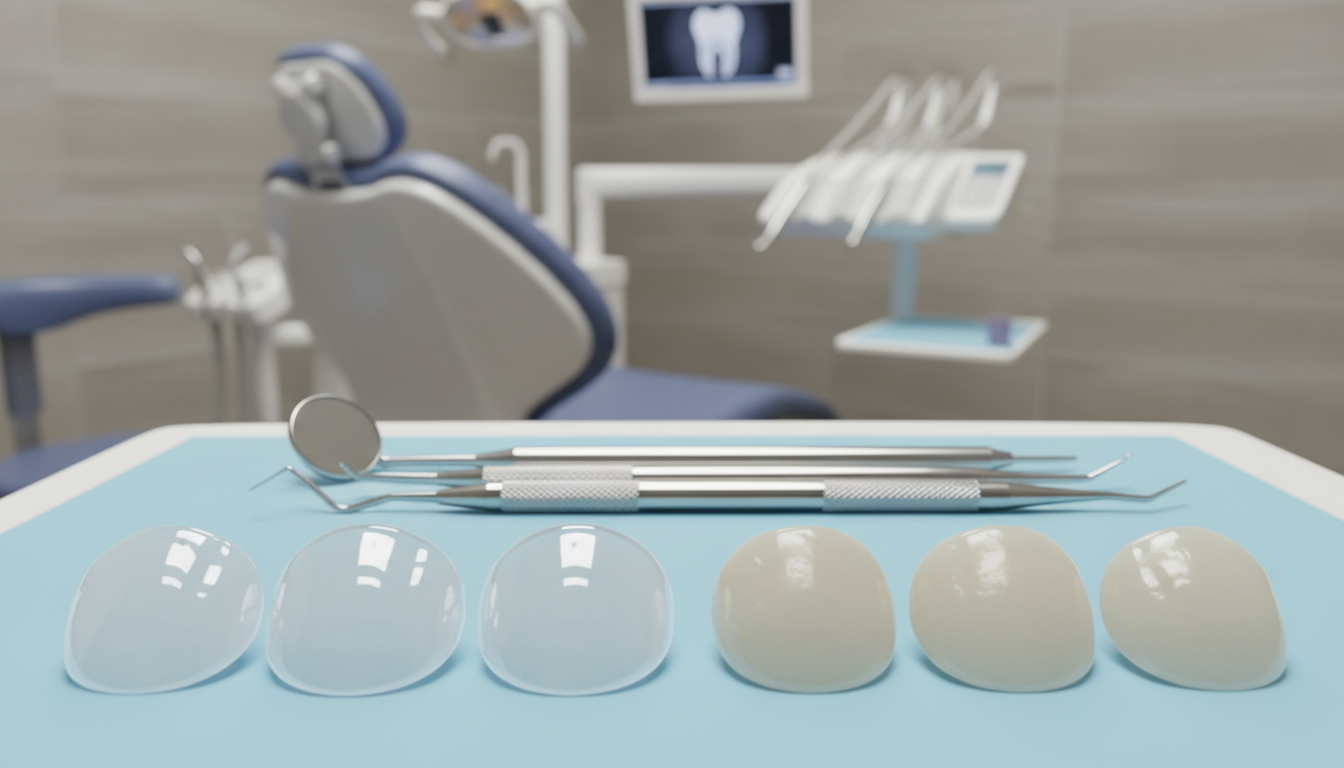
What if a small, precise change could restore a confident smile? Many people wonder whether a cosmetic shell can fix discoloration, tiny chips, or gaps between front teeth.
Their interest is practical. These thin shells are a common cosmetic option that bond to the front of teeth to mask imperfections and close gaps. The process is usually straightforward and aimed at creating a more uniform, brighter smile.
Understanding the choices matters. Knowing the differences in materials, longevity, and the steps involved helps a person pick the best solution for their goals and oral health needs.
Key Takeaways
- Thin shells attach to front teeth to hide chips and stains.
- The bonding process creates a more even, brighter smile.
- Options vary by material, durability, and cost.
- Many people choose this solution to close gaps teeth.
- Consultation helps match aesthetic goals with health needs.
Understanding Dental Veneers Types
Choosing the right shell for a smile starts with knowing how each material behaves.
Understanding the main types helps patients set clear goals. Not every type veneer suits every mouth. Anatomy, bite, and cosmetic aims guide the choice.
Different shells bond and wear in distinct ways. Some preserve more enamel. Others need more preparation but offer greater strength. Think about how each option will interact with your natural teeth over time.
- Suitability: What fits one smile may harm another.
- Longevity: Materials vary in durability and repair needs.
- Appearance: Color, translucency, and edge fit matter for a natural look.
- Health impact: Consider tooth structure and oral hygiene demands.
A professional evaluation clarifies which route to take. Bring photos or examples to share your goals. Clear communication helps align expectations with the right choice of dental veneers.
The Benefits of Porcelain Veneers
Porcelain options blend artistry and strength to restore a natural-looking smile.
Porcelain veneers have been a trusted solution since the 1930s. They mask chips, gaps, and discoloration while matching the color and shape of natural teeth.
Porcelain is non-porous and resists staining from coffee, tea, and wine. With proper care, these shells can last up to 20 years. The process requires careful enamel removal so the porcelain fits precisely.
Patients often choose this option for its realistic appearance and strong protection for a damaged tooth. A second visit is typically needed to finalize fit and polish.
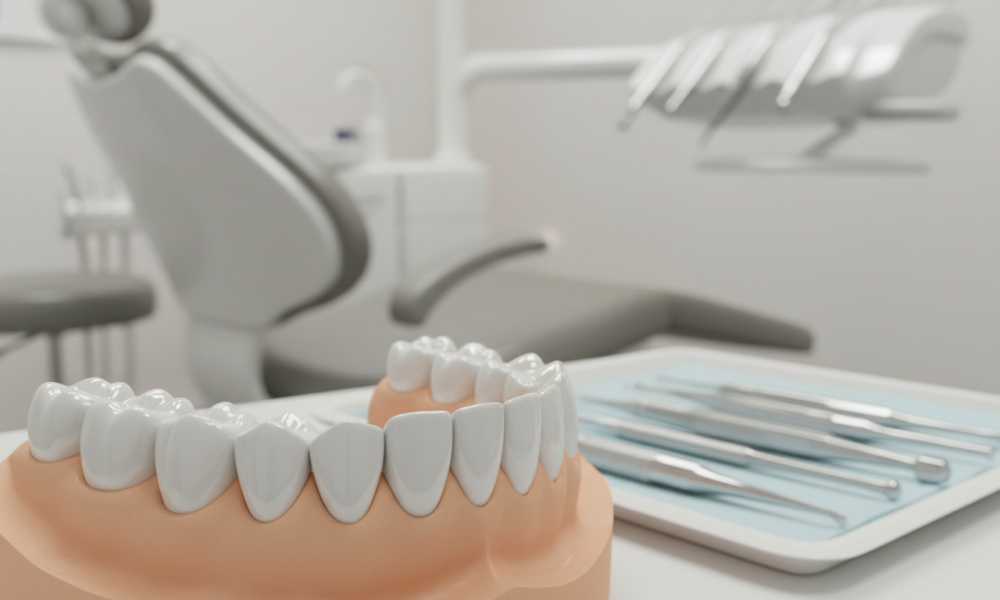
Stacked and Pressed Ceramic
Offers layered translucency for a lifelike look. Good for fine color matching and edge detail.
Lithium Disilicate
Combines strength and esthetics. It is a popular material when both durability and color are important.
Zirconia
Extremely durable and resistant to fracture. Best for heavy bite forces or larger restorations.
| Material | Advantages | Typical Lifespan | Best Use |
|---|---|---|---|
| Stacked Ceramic | Superior translucency and color match | 10–15 years | Front teeth, high esthetic needs |
| Lithium Disilicate | Good strength and esthetics | 10–20 years | Versatile crowns and veneers |
| Zirconia | High durability and fracture resistance | 15–20 years | Back teeth or strong bite forces |
Exploring Composite Resin Solutions
For many people, resin bonding offers a practical cosmetic upgrade in a single visit.
Durability and Maintenance
Composite veneers are a cost-effective solution that a skilled dentist can often place in one visit. The resin material is layered and shaped directly on the front teeth to hide chips or discoloration.
These restorations usually last about 5 to 10 years. They are easier to repair than porcelain and offer a fast way to improve appearance and color without extensive prep.
Composite is more prone to staining and minor wear. With regular care—gentle brushing, avoiding very dark drinks, and routine checkups—patients can extend how long veneers last.
- Quick treatment: Most work is done in one visit, saving time.
- Repairable: Chips and stains can be fixed without full replacement.
- Affordable: A budget-friendly option for an improved smile.
Total Care Dental has applied bonded composite solutions for years, helping patients get a natural-looking result with a shorter timeline.
Benefits of No-Prep Veneer Options
Ultra-thin no-prep veneers cling to the front surface like a contact lens and preserve most enamel.
Conservative dentistry is the main draw: brands such as Lumineers, DURAthin, and Vivaneers are designed to bond to natural teeth with minimal enamel removal.
Patients save time because the process often needs no temporaries. Appointments are shorter and recovery is faster.
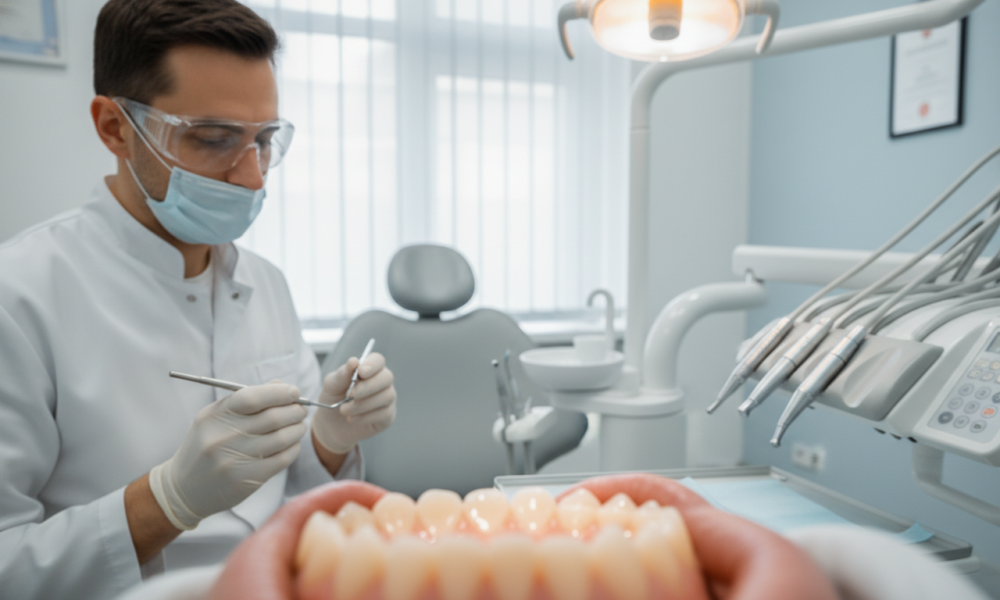
- Less enamel loss: A gentler option than traditional porcelain shells.
- Quick transformation: Many people complete treatment in fewer visits.
- Long-lasting: With proper care, no-prep veneers can last up to 20 years.
Limitations matter. These ultra-thin shells may not mask deep damage or very dark staining as well as thicker porcelain pieces.
“No-prep options offer a conservative route to a cosmetic change while keeping more of the natural tooth intact.”
For many, this solution balances aesthetics and oral health—an appealing option when preserving structure is a priority.
Specialized Applications for Unique Needs
Some cases call for faster or more targeted approaches than standard cosmetic work. Modern in-office systems let a practice craft custom porcelain restorations in hours, not weeks.
Same-Day CEREC Technology
Same-day CEREC uses CAD/CAM scanning and milling so a dentist can design and mill a porcelain piece during one visit.
This option suits patients who need a single damaged tooth fixed quickly or want a minor aesthetic change without multiple appointments.
Palatal Veneers
Palatal solutions protect the inside surfaces of upper teeth from wear. They can be crafted from porcelain, composite, or even gold when strength is essential.
By matching the exact shape of existing teeth, these restorations preserve function and support a natural smile.
- Fast, precise: Chairside milling reduces lab time and repeat visits.
- Targeted protection: Palatal pieces guard against attrition and structural loss.
- Customized fit: CAD/CAM ensures the shape fits the bite and esthetic needs.
“Whether a same-day repair or a specialized palatal treatment is needed, modern techniques keep form and function intact.”
Our Shelton office applies these methods to meet specific patient needs efficiently and with care.
Factors to Consider Before Your Visit
Preparing for a visit means thinking about both your smile goals and your mouth’s current needs.
Before an appointment at Weare Family Dentistry in Weare, NH, assess gum health and look for signs of decay or inflammation. These issues must be treated before any cosmetic work.
Your dentist will examine oral health and decide if you are a candidate for porcelain veneers or composite restorations. A careful check prevents surprises and protects natural teeth.
Personal habits matter. Patients who grind their teeth often need a nightguard to prevent damage. Discuss lifestyle, budget, and how much enamel removal you accept.
Understand that veneers offer a permanent change. The process usually alters the tooth surface, so commit to routine care and follow-up visits to keep the appearance fresh for years.
- Assess gums and decay before cosmetic work.
- Discuss nightguards for grinding to protect restorations.
- Choose material based on budget, lifestyle, and enamel removal comfort.
- Plan for regular care and follow-up appointments.
| Consideration | Why It Matters | Action at Consultation |
|---|---|---|
| Gum and decay check | Prevents failure of the restoration | Treatment first, then cosmetic plan |
| Bruxism (grinding) | Can damage porcelain or composite | Nightguard recommendation |
| Material choice | Impacts appearance, longevity, and enamel removal | Compare porcelain vs. composite options |
| Long-term care | Preserves appearance for years | Set follow-up schedule and home care plan |
Conclusion
The best choice for your smile balances aesthetics, budget, and lasting function. Consider how each option meets your personal needs and daily routine.
Whether you choose porcelain veneers or a more conservative route, professional guidance matters. A dentist will match material, longevity, and maintenance to your oral health and goals.
Different types dental options offer varying durability and upkeep. Plan for regular checkups and simple home care to protect results and preserve natural tooth structure.
Talk with your clinician to pick the right dental veneers for your lifestyle. Clear planning and consistent care help keep a bright, healthy smile for years.
FAQ
What are the main material options for porcelain shells used to improve a smile?
Porcelain shells commonly include stacked or pressed ceramic, lithium disilicate (e.max), and zirconia. Stacked or pressed ceramics offer excellent translucency for a natural look. Lithium disilicate balances strength and aesthetics well for front teeth. Zirconia provides superior strength for patients who need durability against grinding or larger restorations.
How do composite resin shells differ from porcelain in appearance and lifespan?
Composite resin shells are applied directly or fabricated in a lab and bonded to teeth. They cost less and can often be completed in one visit, but they stain and wear faster than porcelain. With proper care, composite options can last several years; porcelain generally lasts longer and resists discoloration better.
What are no-prep options and who are they best for?
No-prep options require little or no enamel removal before placement, preserving natural tooth structure. They suit patients with mild discoloration, small gaps, or slightly misshapen teeth who want a conservative approach. A dentist will evaluate enamel thickness and bite to determine suitability.
Can same-day CEREC technology deliver high-quality results?
Yes. CEREC uses digital scans and milling to create ceramic restorations in one visit. It’s convenient for single-tooth cases and some veneers, offering good aesthetics and a tight fit. Complex cosmetic cases may still benefit from lab-fabricated ceramics for optimal customization.
What are palatal shells and when are they recommended?
Palatal shells are thin restorations bonded to the back surface of teeth to restore worn enamel, improve bite, or change tooth shape. They’re useful for patients with erosion or occlusal wear and can help rebuild function without full-coverage crowns.
How long do different materials typically last?
Lifespan varies: composite shells often last 5–7 years with good care; porcelain options commonly last 10–15 years or longer; high-quality zirconia can last even longer in appropriate cases. Oral hygiene, bite forces, and routine dental visits influence longevity.
Will getting shells damage my natural enamel?
Some options require enamel removal while no-prep choices do not. Conservative preparation preserves most enamel and reduces sensitivity risk. The dentist will discuss how much enamel, if any, needs removal based on material, desired outcome, and tooth alignment.
How do shells address gaps, chips, and discoloration?
Thin shells can close small gaps, mask stains resistant to whitening, and rebuild chips. Porcelain provides superior stain resistance and translucency for a natural appearance. Composite can be a quick fix for minor chips and small spacing issues.
What should a patient consider before scheduling a visit?
Consider goals (color, shape, function), budget, time (single visit vs. multiple), and existing oral health. Discuss bruxism, gum health, and past restorations with the dentist. A thorough exam and digital imaging help determine the best material and approach.
How do I care for shells to make them last longer?
Maintain daily brushing and flossing, use a nonabrasive fluoride toothpaste, avoid biting hard objects, and wear a nightguard if you grind teeth. Attend regular dental check-ups and professional cleanings to monitor margins and overall oral health.
Are there aesthetic differences between pressed ceramic and lithium disilicate?
Yes. Pressed ceramics can be layered for lifelike translucency and characterization. Lithium disilicate offers an excellent balance of translucency and strength, often preferred for front-tooth restorations when both beauty and durability matter.
Can insurance cover the cost of these cosmetic procedures?
Insurance coverage varies. Cosmetic-only treatments are often not covered, but restorative needs (repairing chips that affect function) may be partially covered. Patients should check with their insurer and discuss payment options or financing with the dental practice.
Related guides
How Long Does a Dental Implant Procedure Take?
Curious if the journey to a restored smile will fit your life? Many patients wonder about the full…

Best Hair Transplant in Istanbul,Turkey
Could one clinic end years of worry and restore your confidence with a clear, tailored plan?Dr. Serkan Aygin…

What is Zygomatic Dental Implant?
Could anchoring into the cheekbone restore a confident smile when the upper jaw can’t?Zygomatic dental implants offer an…