
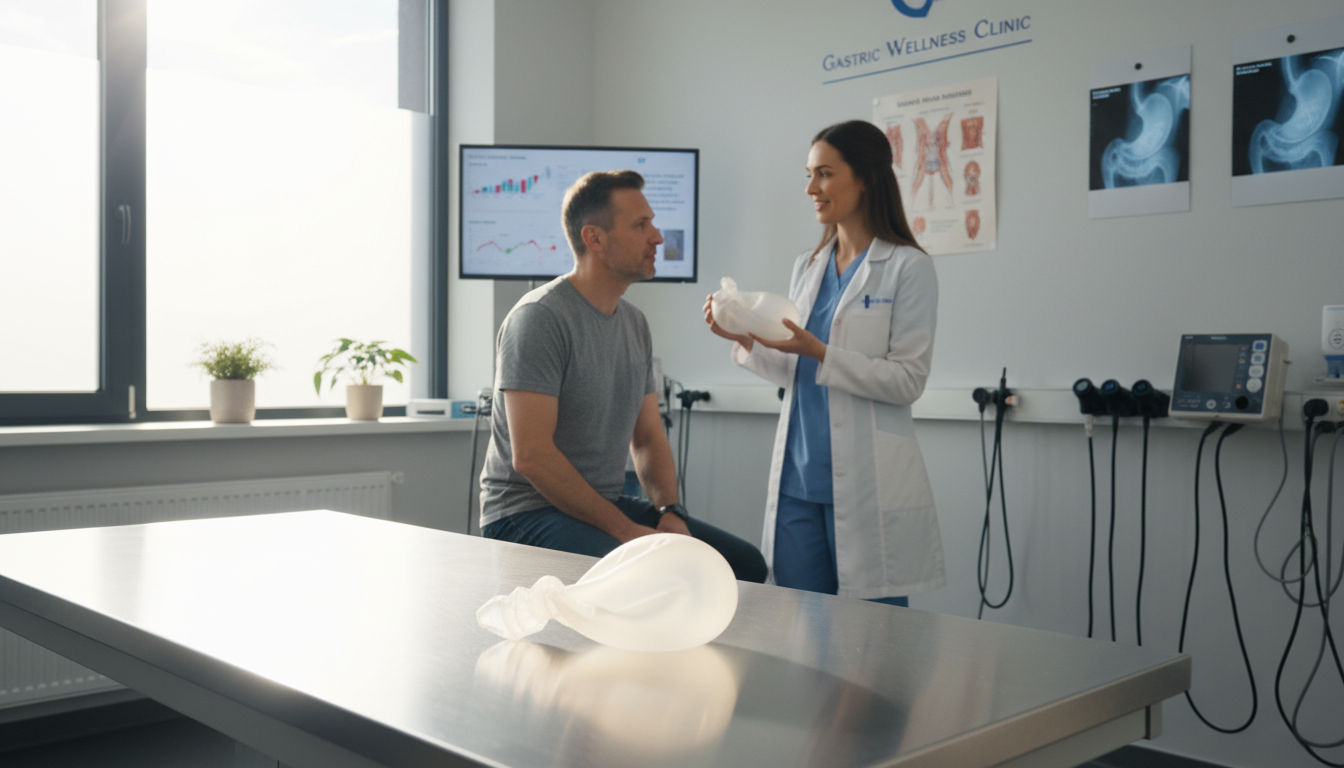
Could a simple, temporary implant change how a person eats — and how they feel about their body? This question challenges common ideas about quick fixes and invites a careful look at a medical option many consider today.
The device is a minimally invasive, non-surgical tool that occupies space in the stomach to help people eat less and feel full sooner. With over 1.4 billion adults classified as overweight or obese worldwide, this procedure offers a structured path for those seeking meaningful change.
Benefits include a reduced appetite, a clear plan of care, and regular follow-up from a dedicated clinical team. Understanding the time involved and how the balloon works is the first step toward better health.
This introduction outlines how the program supports the body, promotes safe progress, and helps people set realistic goals. Readers will learn what to expect and whether this approach fits their lifestyle and medical needs.
Key Takeaways
- The treatment is minimally invasive and non-surgical.
- It helps promote fullness after smaller meals.
- Over 1.4 billion adults may benefit from effective interventions.
- A dedicated team supports the patient’s health and progress.
- Timing and commitment are important for long-term success.
Understanding the Gastric Balloon For Weight Loss
A soft, fluid-filled sphere placed by endoscope helps shorten mealtime and curb appetite.
The mechanism is simple: once the device is placed in the stomach and balloon filled with saline, it occupies space. This reduces how much food a person can eat comfortably at one time and promotes earlier satiety.
How it works
- The implant limits portion size and supports behavioral changes around eating.
- It is a temporary, non-surgical option that avoids invasive surgery risks.
- Typical devices remain in place for up to 6 months to support steady progress.
History and context
In 1985, Lloyd and Mary Garren introduced the first intragastric device, a milestone in this treatment’s history.
The average adult stomach holds about 1200 mL, though it can stretch. By taking up space, modern balloons help with weight management and can improve conditions like type 2 diabetes.
Assessing Your Candidacy for the Procedure
Not everyone is an ideal candidate; careful clinical screening clarifies who benefits most.
Determining candidacy begins with a review of body mass index and a full medical history. A doctor will check BMI and other markers to see if this option is safer than surgical paths.
Key clinical checks
- Measure body mass index and evaluate mass index trends.
- Review prior surgeries, medications, and digestive anatomy.
- Screen for conditions that could block safe use of an endoscope.
The team prioritizes health and patient safety. For people who do not meet criteria for more invasive surgery, the balloon can be a focused, non-surgical option to support weight loss goals.
| Assessment Area | What Clinicians Check | Why It Matters |
|---|---|---|
| Body mass index (BMI) | Current BMI, trends, comorbidities | Ensures the procedure aligns with weight and health goals |
| Medical history | Medications, prior GI surgery, chronic disease | Identifies contraindications to safe placement |
| Stomach anatomy | Endoscopic evaluation, imaging if needed | Confirms proper fit and reduces complication risk |
Ultimately, a candidate-focused plan helps match treatment to needs. The clinical team explains whether the gastric balloon is an appropriate option and outlines next steps.
Preparing for Your Weight Loss Journey
A thoughtful pre-procedure plan brings medical checks, medication, and lifestyle coaching together.
Medication and Pre-procedure Planning
The care team starts by reviewing medical history, current BMI, and daily habits. This helps the doctor tailor the program and reduce risks.
Medication is often part of preparation. Many patients begin a proton pump inhibitor several weeks before placement to lower stomach acid and protect the lining.
Alongside meds, the program includes diet coaching and lifestyle work. A registered dietitian creates a practical plan to support long-term health and steady weight change.
- Close follow-up with the team ensures medication is managed safely.
- Simple diet shifts before the procedure ease the transition afterward.
- Behavioral support helps patients keep gains after device removal.
Proper planning reduces surprises and builds confidence. With clear steps and steady support, patients enter treatment ready to take the next step in their health journey.
What to Expect During the Placement Procedure
Placement usually takes under half an hour and is done while a patient rests comfortably under sedation.
During the brief procedure, a doctor uses an endoscope to guide the balloon through the mouth and into the stomach. The team watches on a monitor to ensure correct positioning and safety.
Once the balloon is placed stomach-side, it is filled with saline. This step helps the body feel full sooner and supports early portion control during the treatment months.
The process typically lasts 15 to 30 minutes. Most people return home the same day and begin recovery in familiar surroundings.
- The procedure is performed under sedation so the patient is comfortable.
- Using an endoscope ensures precise placement and reduces risk.
- Quick recovery time lets people resume light activity within days as advised by their doctor.
Key advantages: fast placement, minimal hospital time, and targeted support for portion control. Talk with your care team about any questions before the appointment so you feel prepared and confident.
Navigating the Immediate Recovery Period
Immediate post-procedure care focuses on hydration, nausea control, and brief observation.
Managing Nausea
After the roughly 30-minute placement, patients usually rest in the endoscopy unit for a few hours. Nurses may give IV fluids and anti-nausea medication to ease symptoms.
Some nausea is common as the stomach adjusts to the implant. The team monitors comfort and will offer clear instructions on managing queasiness at home.
Returning to Daily Activities
The care plan includes steps on when to resume normal routines. Many people feel well enough to return to light activity within a few days.
Staff check the mouth and throat and guide safe eating and drinking during the first 48–72 days. If anything feels unusual, contact the clinic promptly.
- Expect a short stay in recovery after the procedure.
- Follow medication and hydration advice closely.
- Attend scheduled follow-up to review placement and progress over the months ahead.
Dietary Transitions and Nutritional Guidelines
Initial nutrition focuses on hydration and easy-to-digest liquids to support healing and comfort.
Patients start on a full-liquid plan for the first few days after placement. Clear broths, protein shakes, and smooth soups keep calories and fluids steady while the stomach settles.
Over the next several days, the diet shifts to soft, blended foods. Pureed or mashed options ease chewing and help prevent discomfort in the mouth or stomach.
Within two weeks, most people may return to regular food if they follow the care team’s guidance. Small portions and slow eating are essential because the balloon filled saline reduces available space and increases satiety.

- Start with full liquids, then move to soft foods in stages.
- Prioritize protein and micronutrients to support recovery and weight goals.
- Eat small, frequent meals and pause between bites to gauge fullness.
| Phase | Typical Duration | Recommended Foods |
|---|---|---|
| Full liquids | 1–3 days | Broths, protein shakes, strained soups |
| Soft/pureed | 4–10 days | Mashed vegetables, yogurt, blended meats |
| Regular texture | After ~2 weeks | Lean proteins, cooked vegetables, whole grains (small portions) |
Follow-up visits help tailor the diet to personal needs over the coming months. Adhering to these transitions supports recovery, preserves muscle, and improves long-term weight outcomes.
The Role of the Interprofessional Care Team
A coordinated clinical team makes the difference between a treatment and a successful, lasting program.
The program is led by experienced clinicians such as Christopher Thompson, MD, Director of Endoscopy and Bariatric Endoscopy. This leadership helps ensure each step is medically sound.
The team includes doctors, registered dietitians, nurses, and behavioral specialists. They meet regularly to review progress and tailor the plan.
What this means for patients: practical diet guidance, close medical oversight, and timely adjustments to the treatment and lifestyle plan.
- Collaborative reviews help adapt care when goals or challenges change.
- Specialists coordinate to reduce risks linked to surgery alternatives.
- Dedicated support makes using balloons for weight loss more manageable and supportive.
By combining expertise, the team addresses the whole person—stomach symptoms, nutritional needs, and long-term lifestyle habits—to improve outcomes and sustain change.
Managing Potential Side Effects and Complications
A clear plan for spotting and reporting symptoms reduces risk during the months after placement.
Recognizing Warning Signs
While the treatment is safe for many people, patients should watch for persistent nausea or severe stomach pain. These symptoms can signal a complication after balloon placement and need prompt attention.
Your doctor will monitor the device and check how it sits in the stomach. If unusual symptoms occur, the team may use an endoscope to evaluate the device and act quickly.
Medication is available to ease discomfort and control nausea. Clinicians also review BMI and other conditions that affect risk, so patients understand when to call their clinic.
- Ongoing nausea or vomiting that does not improve with meds
- Sharp or worsening abdominal pain, fever, or dizziness
- Inability to keep food or fluids down for more than 24 hours
Regular check-ins ensure the balloons support weight loss goals without unnecessary risk. Prompt reporting, simple tests, and timely follow-up keep care safe and effective.
Long-Term Weight Management and Lifestyle Changes
Sustaining results after device removal depends largely on daily habits and ongoing clinical support.
After removal, patients typically join a supervised 6-month program that emphasizes realistic, lasting change.
Your doctor and dietitian guide gradual shifts in diet and activity. They focus on portion control, protein-rich choices, and steady progress to protect muscle and metabolic health.
The team meets regularly with people to review BMI and adapt the plan. These check-ins help prevent regain and keep health goals on track.
Remember: the gastric balloon is a temporary tool. True, lasting success stems from your commitment to a healthy lifestyle and sensible food choices over time.

| After Removal | Support | Focus |
|---|---|---|
| 0–6 months | Medical follow-up, diet coaching | Portion control, protein, activity |
| 6–12 months | Periodic visits, behavioral support | Maintain BMI, prevent regain |
| Ongoing | Access to team resources | Long-term lifestyle habits |
- Structured follow-up supports sustained weight loss and body health.
- Practical diet plans teach how to choose filling, nutritious food.
- Consistent contact with your doctor helps track progress and prevent setbacks.
Evaluating the Health Benefits Beyond Weight Loss
Clinical gains after placement often show up in sleep quality and blood sugar control.
Patients typically lose about 10–15 percent of total body mass during the program. That drop often leads to measurable improvements in type 2 diabetes and sleep apnea.
Reducing body mass index lowers long-term risks tied to heart disease, high blood pressure, and fatty liver. Many people also report better mobility and more energy for daily tasks.
Key non-scale benefits:
- Improved glycemic markers and fewer diabetes symptoms.
- Less daytime sleepiness and reduced sleep apnea severity.
- Lower blood pressure and improved liver tests in some cases.
Your doctor and care team will track changes using BMI, blood tests, and clinical exams. They assess how the treatment and saline-filled placement affected overall health.
| Area | Typical Improvement | Why It Matters |
|---|---|---|
| Diabetes control | Lower A1c, reduced meds | Decreases long-term complications |
| Sleep apnea | Less snoring, better sleep | Improves daytime function and heart health |
| Cardio risk | Lower blood pressure, better lipids | Reduces stroke and heart disease risk |
Conclusion
Starting this treatment means joining a structured program that pairs medical care with practical coaching.
Patients work with a dedicated team—a doctor, dietitian, and nurses—to follow a clear plan in the weeks and months after placement. Small, steady changes in diet and lifestyle make the difference.
Expect active follow-up in the days after the procedure and during recovery. The program emphasizes practical skills that fit daily life and support lasting results.
Care is continuous: ask questions, attend visits, and use the team as partners in each step. Consistency with the diet and appointments helps people get the most from the treatment.
FAQ
What is the intragastric device and how does it work?
The intragastric device is a soft silicone balloon placed endoscopically into the stomach and then filled with saline. It reduces available space in the stomach, helping people feel full sooner and eat less. The device complements a supervised program of diet, medication when needed, and lifestyle coaching for safer, sustained body mass change.
Who is a good candidate for this non-surgical treatment?
Candidates are adults with a body mass index (BMI) typically between 27 and 40 who have struggled with conventional diet and exercise alone. People with certain digestive conditions, previous stomach surgery, or uncontrolled psychiatric or substance-use disorders may not qualify. A medical team, including a physician and dietitian, will assess overall health and readiness.
How long does the placement procedure take and is anesthesia used?
Placement usually takes 15–30 minutes and is done under light sedation or general anesthesia, depending on the clinic and patient needs. An endoscope guides the balloon into position through the mouth, so no incisions are required. Recovery from sedation takes a few hours.
What should a patient do to prepare before the procedure?
Preparation often includes stopping certain medications such as blood thinners, fasting for several hours, and completing pre-procedure tests. The care team provides specific instructions about medications, smoking cessation, and arranging transport home after sedation.
What are common side effects immediately after placement?
Nausea, vomiting, abdominal discomfort, and reflux are common in the first days to weeks. These symptoms usually improve with anti-nausea medicines, pain control, and gradual diet progression. Most symptoms resolve within one to two weeks as the body adapts.
How soon can someone return to normal activities and work?
Many people resume light daily activities within a few days and return to desk work in about one week. Strenuous exercise and heavy lifting are usually limited for several weeks. The timeline depends on individual recovery and the care team’s guidance.
What diet changes are needed after placement?
Diet progresses from clear liquids to purees, then to soft foods, and finally regular textured meals over several weeks. Portion control, higher protein intake, and reduced sugary or high-fat foods help maximize results. Long-term nutritional counseling supports sustained changes.
How does the care team support patients during the program?
An interprofessional team — including a gastroenterologist or bariatric specialist, dietitian, nurse, and behavioral counselor — provides ongoing medical follow-up, diet planning, exercise advice, and mental-health support. Regular visits help monitor progress and address complications early.
What complications should patients watch for and when should they seek help?
Warning signs include severe abdominal pain, persistent vomiting, fever, trouble breathing, or sudden stopping of bowel movements. These may indicate balloon deflation, obstruction, or infection. Seek immediate medical attention or go to the emergency room if these occur.
How long is the device typically left in place and what happens at removal?
The device is commonly kept for six months but some types allow longer use depending on the product and clinical plan. Removal is done endoscopically under sedation. The balloon is punctured, emptied, and withdrawn through the mouth, then patients recover similarly to placement.
How much weight can people expect to lose and how durable are results?
Average weight loss varies, often between 10–20% of initial body weight during the treatment period. Long-term success depends on adopting lasting lifestyle changes. Combining the device with structured support, ongoing diet, exercise, and sometimes medication improves durability.
Can this option help people with type 2 diabetes or other health conditions?
Many people with type 2 diabetes see improvements in blood sugar control as they lose weight. The device can also reduce blood pressure and improve sleep apnea severity. Individual benefits vary; the medical team will tailor expectations and monitor chronic conditions closely.
Are there different types of balloons or similar devices available?
Yes. Devices vary by fill material (saline or gas), volume, duration of use, and whether they are adjustable or dual balloons. Some newer options include swallowable, capsule-based systems. A clinician will recommend the best type based on health status and treatment goals.
Is the procedure covered by insurance and what are typical costs?
Coverage varies widely. Many insurers consider this therapy elective and may not cover it, while some plans offer partial coverage. Costs depend on the device, clinic fees, and included follow-up care. Patients should verify benefits and discuss financing options before proceeding.
How is follow-up care structured after removal to prevent regain?
After removal, follow-up emphasizes continued dietitian visits, exercise plans, behavior therapy, and regular medical check-ins. Some patients transition to medication-assisted programs if needed. Ongoing support increases the likelihood of maintaining improvements.
What risks exist with leaving the device in place too long?
Extended placement beyond recommended duration can raise risks of deflation, migration, ulceration, or gastric perforation. Adhering to the scheduled removal timeline and attending follow-up visits minimizes these risks.
Can people become pregnant while the device is in place?
Pregnancy is not recommended with the device in place. Women should use reliable contraception during treatment. If pregnancy is planned or occurs, the team typically advises removing the device and managing weight with pregnancy-safe approaches.
How does the team handle medication needs during treatment?
The team reviews all medications before placement. Some drugs, such as anticoagulants and certain diabetes medicines, may need temporary adjustment. Ongoing prescriptions for nausea, antacids, or supplements are common to support comfort and nutrition.
What lifestyle changes make the biggest difference after removal?
Consistent physical activity, portion-controlled meals, high-protein choices, and mindful eating habits provide the strongest benefits. Psychological support to address emotional or binge eating is also critical for long-term success.
Related guides
How Long Does a Dental Implant Procedure Take?
Curious if the journey to a restored smile will fit your life? Many patients wonder about the full…

Best Hair Transplant in Istanbul,Turkey
Could one clinic end years of worry and restore your confidence with a clear, tailored plan?Dr. Serkan Aygin…

What is Zygomatic Dental Implant?
Could anchoring into the cheekbone restore a confident smile when the upper jaw can’t?Zygomatic dental implants offer an…