
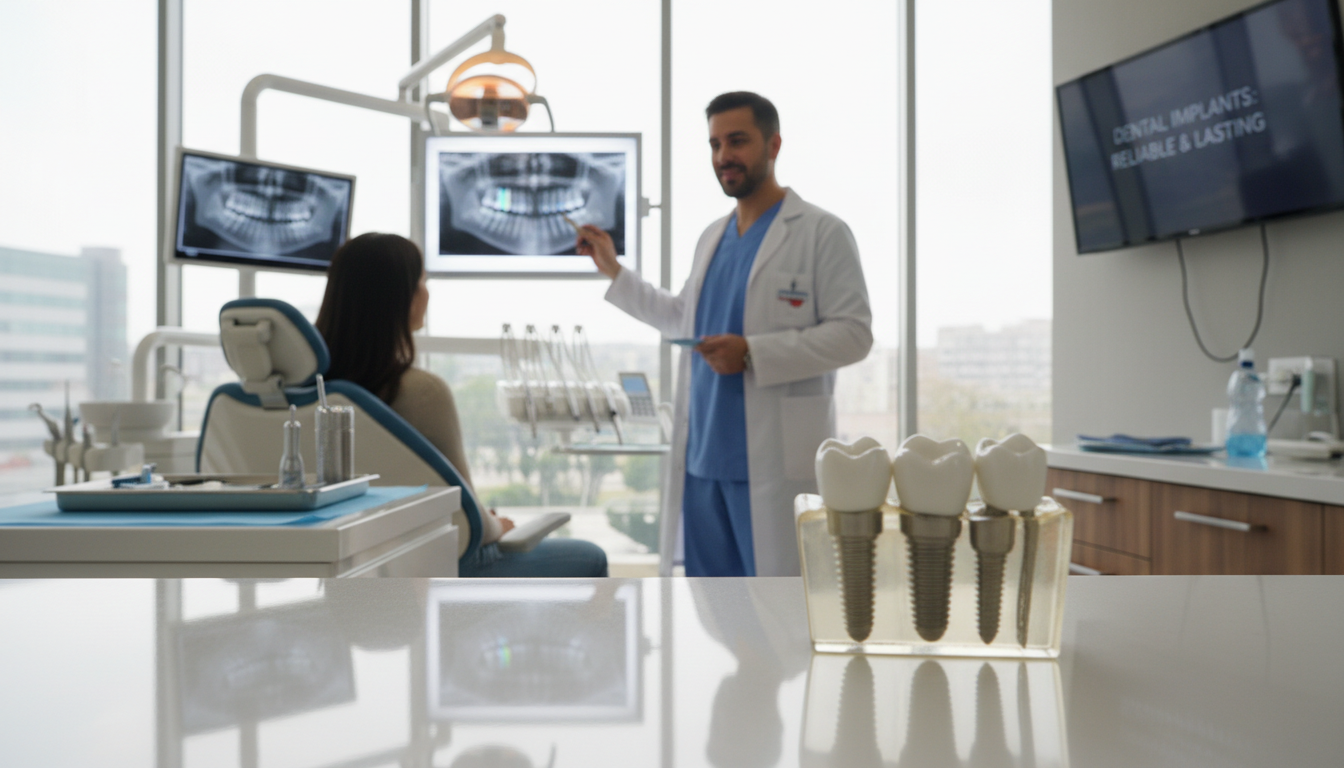
Can a new tooth truly become a lifetime anchor for your smile? This question matters when people weigh options for replacing a missing tooth.
Modern implant restorations replace both the root and the visible tooth. Clinical studies show a 96.4% survival rate at ten years, which explains why many consider these fixtures the gold standard in restorative care.
Success depends on more than surgery. Routine checkups, good home care, and overall health all play a role. With attention and regular follow-up, prosthetic teeth often give decades of stable function.
Our team aims to share clear, accurate information so readers feel supported and informed. The next sections will break down parts of the system, what maintenance looks like, and realistic expectations for outcomes.
Key Takeaways
- Implant restorations replace root and crown, offering strong stability.
- Clinical studies report about a 96.4% survival at ten years.
- Longevity depends on care: checkups, hygiene, and health matter.
- With proper maintenance, implants can function for many years.
- Patient education and clear communication support better outcomes.
Understanding the Anatomy of Dental Implants
The implant system combines engineered parts that mimic a natural tooth from root to crown. This design restores function and helps preserve surrounding bone and gum. Readers gain confidence when they know what each piece does.
The Titanium Post
The post is a biocompatible titanium screw placed into the jaw. Over months it bonds with the bone in a process called osseointegration. Proper placement helps the gum heal snugly around the post and reduces complications.
The Abutment and Crown
The abutment links the post to the visible crown, acting as a precise connector. The crown mimics the shape and bite of natural teeth so chewing feels normal. Together, these parts form a stable, long-term restoration when cared for correctly.
- The post replaces the missing tooth root and supports the restoration.
- The abutment secures the crown to the post for reliable function.
- The crown restores appearance and chewing ability.
| Component | Primary Role | Key Benefit |
|---|---|---|
| Post (titanium) | Anchors into jaw bone | Stable foundation; bonds with bone |
| Abutment | Connector between post and crown | Ensures secure fit and proper alignment |
| Crown | Visible chewing surface | Mimics tooth shape for function and appearance |
How Long Do Dental Implants Last
Predicting the service life of a tooth replacement often comes down to materials and care. Clinical data show roughly 80% of restorations remain fully functional after 20 years. This offers reassurance for anyone weighing options.
The titanium post is engineered to be a permanent fixture in the jaw. With good hygiene and routine exams, many people keep their implant well beyond two decades.
Crowns face normal wear and may need replacement at about 15–20 years. Replacing the crown is a simpler procedure than removing the post.
“A durable restoration combines quality components, precise surgery, and consistent home care.”
- Post intended as permanent support.
- Research: dental implants last decades with proper maintenance.
- Crown replacement after about 15–20 years is common.
| Factor | Typical Expectation | Why It Matters |
|---|---|---|
| Post (titanium) | Lifetime potential | Stable anchor; bonds to bone |
| Crown | 15–20 years | Replaced for wear or esthetics |
| Maintenance | Regular checkups | Prevents complications; extends service |
The Role of Osseointegration in Long-Term Success
Osseointegration creates the critical bond between metal and bone that lets a replacement tooth act like a natural root.
Osseointegration is the biological process where jaw bone fuses directly to a titanium implant. This fusion forms a solid anchor that supports chewing and everyday use.
The typical healing period lasts about 4 to 6 months. During this time, bone cells grow into the implant surface and lock it into place. Without that integration, the implant will not gain the stability needed for function.
If a patient shows significant bone loss, a surgeon may recommend bone grafting. This restores density so the implant post can integrate safely and reduce risk of failure.
“Successful osseointegration is the main factor that determines long-term success and protects against future loss.”
- The success of your dental implants relies on this 4–6 month healing process.
- Good bone quality matters; bone grafting can help when bone loss exists.
- Strong osseointegration reduces the chance of implant failure and preserves structure.
Distinguishing Between the Implant Post and the Crown
The visible crown and the buried post serve very different roles in a restoration. The dental implant post is engineered to remain fixed in the jaw, while the crown replaces the chewing surface you see each day.
The crown faces constant pressure from chewing and can show signs of wear over the years. Most crowns may need a replacement after about 15 to 20 years because of normal wear, chipping, or material aging.
If the post becomes loose or the area around the implant shows redness, swelling, or pain, you should contact a dentist right away. Early attention reduces the risk of implant failure and protects the surrounding gum and bone.
When to Replace a Crown
Replacing a crown is usually a simple process. The post stays integrated in the jaw, so the dentist removes the old crown and fits a new one.
- The post is intended to last a lifetime; the crown is the part that often wears.
- Crowns may need replacement after about 15–20 years due to normal use and wear.
- Address any discomfort or changes around implant promptly to avoid complications.
| Component | Typical Expectation | Why It Matters |
|---|---|---|
| Post | Decades to lifetime | Stable anchor; rarely removed |
| Crown | 15–20 years | Replaced for wear, chipping, or esthetics |
| Gum & surrounding area | Ongoing care | Healthy tissue prevents infection and failure |
“Prompt care for changes around the implant protects the restoration and supports long-term success.”
Factors That Influence the Lifespan of Your Restoration
Where a tooth sits in the mouth and how it is used can change its expected lifespan. Several factors work together to determine whether a restoration thrives for many years or needs earlier attention.
Location of the Tooth
Back teeth face higher chewing forces. That extra pressure can speed crown wear and increase the risk of chipping.
Front teeth handle less force and often show better aesthetic longevity.
Material Quality
Choosing a high-quality crown, like porcelain fused to strong substructures, helps resist everyday wear. Better materials usually mean fewer replacements over years.
Bite Pressure
Patients with heavy bite pressure or grinding can stress an implant and its crown. Night guards and bite adjustments reduce wear and protect the supporting bone and prosthesis.
“Understanding these factors lets patients take practical steps to protect their restoration.”
- Location, material, and bite pressure are key factors that influence how long your restorations last.
- Good osseointegration during healing improves stability and durability.
- Managing pressure and choosing quality crowns extends service for many years.
The Impact of Oral Hygiene on Implant Health
Keeping the mouth clean around a replacement tooth is the single most effective step to prevent infection and preserve supporting bone.
Consistent oral hygiene reduces plaque buildup and lowers the risk of gum disease near an implant. Brushing twice daily and gentle flossing help protect the gum and the bone that hold the post in place.
Patients should visit their dentist every six months. These visits let a clinician spot early signs of disease that are not visible at home.
- Consistent hygiene is essential to keep dental implants free from plaque and infection.
- Neglecting daily care can let bone around the implant deteriorate and invite disease.
- Specialized brushes, floss, and irrigators clean the area around implant more effectively.
- Regular professional checks catch problems before they threaten the implants or surrounding teeth.
“Good home care and routine exams protect the tissues that support an implant and prevent peri-implant disease.”
| Practice | Benefit | Why it matters |
|---|---|---|
| Daily brushing & flossing | Removes plaque | Prevents gum disease and protects bone |
| Specialized tools | Targets hard-to-reach area | Reduces bacteria around implant |
| Biannual dentist visits | Early detection | Treats disease before bone loss |
Why Smoking Poses a Risk to Your Smile
Smoking changes the mouth’s healing environment and raises real concerns for any implant patient. Research shows smokers face about an 11% failure rate compared with roughly 5% for non-smokers. That difference is meaningful when planning care and expectations.
Smoking restricts blood flow to the gum and bone. This slows the healing process and makes successful osseointegration harder to achieve. Without good healing, the implant is more likely to fail.
Tobacco also increases plaque buildup around implant sites. More plaque raises the chance of gum disease, infection, and ultimately implant failure.
“Stopping tobacco use improves the odds of stable healing and long-term success.”
- Smoking doubles the risk of problems after the surgical placement process.
- Quitting before and after surgery gives the implant a much better chance to integrate and remain stable.
- Discuss smoking cessation with your dentist to reduce the risk and protect your teeth and gum health.
Managing Medical Conditions for Better Outcomes
Chronic health issues shape how well the mouth heals after surgery.
Managing underlying medical conditions is essential for implant success. Conditions such as diabetes or cardiovascular disease can slow healing and raise the risk of complications.
Patients with weakened immunity or low bone density should coordinate care with their physicians. Optimizing blood sugar, medications, and nutrition improves the body’s capacity to support an implant.
Your dental team will review medical conditions and history before treatment. This helps identify disease or medications that affect bone quality and healing.

“A proactive approach to health gives the body the best chance to integrate the implant and preserve bone.”
- Control chronic conditions to reduce surgical and healing risk.
- Work with doctors to improve bone health and immune response.
- Share full medical history so the dentist can plan for success.
| Issue | Why it Matters | Typical Action |
|---|---|---|
| Diabetes | Slows healing; raises infection risk | Improve glucose control before surgery |
| Low bone density | Weak support for the post | Bone grafting or medical management |
| Immunosuppression | Higher complication risk | Coordinate timing with medical provider |
Recognizing the Signs of Potential Implant Failure
Spotting early changes around an implant helps preserve the surrounding bone and nearby teeth. Redness, persistent swelling, or pus around the area are urgent signals. So is an implant that feels loose when biting or chewing.
If pain occurs during chewing, the dentist will consider whether the bone is supporting the post properly. That pain can be a key risk factor for implant failure.
Treating a Failed Implant
Not every problem requires removal. Professional cleaning and targeted care can reverse early disease if the bone loss is limited. If the damage is advanced, removal and staged replacement after several months of healing may be necessary.
- Recognize redness, pus, or looseness and see your dentist quickly.
- Pain while chewing often means the bone is compromised—act fast.
- Maintain excellent oral hygiene to reduce disease and failure risk.
- Evaluation focuses on bone quality to decide if replacement is viable.
| Sign | Possible Meaning | Likely Action |
|---|---|---|
| Redness or pus | Peri-implant disease | Professional cleaning; antibiotics if needed |
| Mobility or bite pain | Bone not supporting implant | Imaging and evaluation; possible removal |
| Slow healing after surgery | Compromised osseointegration | Monitor; delay replacement until bone recovers |
What to Expect During the Surgical Process
Placement of a titanium post is the first step in a staged, patient-focused treatment plan.
The surgical process begins with positioning the post into the jaw bone. This creates the foundation that the rest of the restoration depends on.
Patients often report a feeling of pressure rather than sharp pain. Clinicians use local anesthesia and careful technique to keep discomfort low.
You can expect a healing window of about 4 to 6 months. During that time the bone integrates with the post and the surrounding gum tissues recover.
If bone loss exists, the team may perform bone grafting before placing the post. That step rebuilds structure so new teeth have reliable support.
Temporary dentures or provisional crowns often keep appearance and function while the site heals. These help patients maintain normal routines without major disruption.
- The clinician places the post into the jaw bone.
- A healing period of several months allows integration.
- The final crown is attached by the dentist, designed to last many years with care.
“The staged approach reduces risk and gives the body time to form a strong, lasting anchor.”
| Step | What to Expect | Why it Matters |
|---|---|---|
| Post placement | Minor surgery under local anesthesia | Creates stable anchor in jaw bone |
| Healing (4–6 months) | Bone integrates; gum soft tissue heals | Ensures long-term support for crown |
| Optional grafting | Bone added before implant if needed | Provides adequate structure for teeth |
| Final restoration | Crown attached to post | Restores chewing, appearance for years |
Comparing Implants to Other Tooth Replacement Options
When weighing tooth replacement, patients often compare stability, comfort, and long-term bone health.
long dental implants preserve the jaw by replacing an artificial tooth root. This helps prevent progressive bone loss and keeps adjacent teeth supported.
By contrast, removable dentures may need frequent relining and can feel unstable. Bridges restore appearance and function but often require filing healthy neighbor teeth.
- Bone preservation: implants protect the jaw where a missing tooth once sat.
- Stability: implants act as a fixed, natural-feeling solution, unlike removable options.
- Longevity: bridges commonly serve about 10 to 15 years before replacement is needed.
Choosing an implant is an investment in future oral health and quality of life. Patients report easier chewing and fewer limits on food or speech when they select this type of restoration.
| Option | Typical lifespan (years) | Key trade-off |
|---|---|---|
| Implant + crown | Decades | Preserves bone; fixed solution |
| Bridge | 10–15 | Needs nearby teeth alteration |
| Dentures | 5–10 (varies) | Removable; may need relines |
“Selecting the right option means balancing function, care needs, and the goal of protecting bone.”
Professional Care and Routine Checkups
Regular professional visits give clinicians the chance to catch small problems before they become serious. Routine checkups every six to twelve months let a dentist monitor tissue health, confirm the titanium post remains stable, and assess bite pressure.
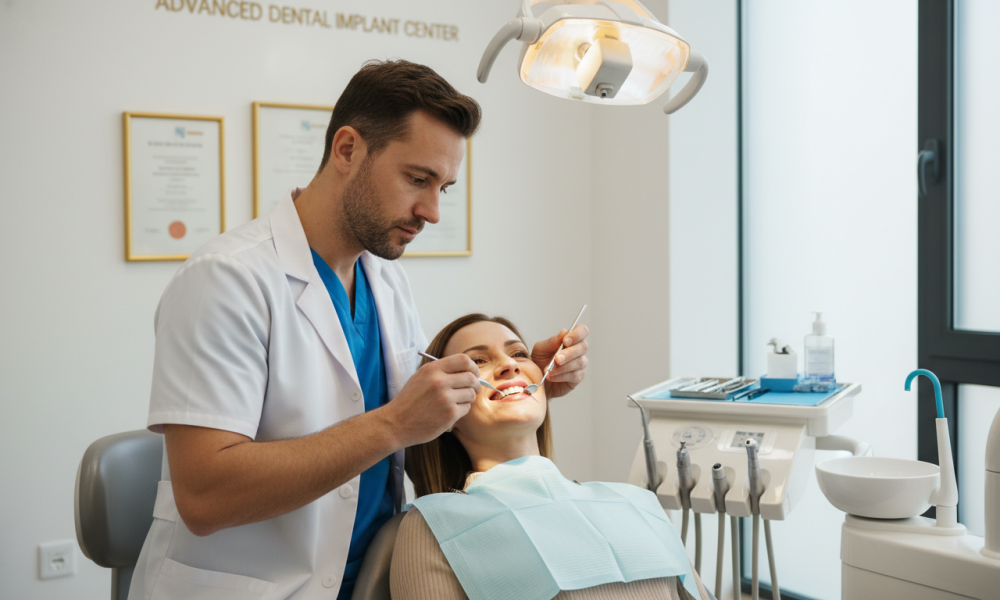
Professional cleanings use tools designed to protect the quality of the implant surface while removing plaque. This reduces the risk of gum disease and other disease that threaten bone and soft tissue.
Consistent oral hygiene at home paired with clinical oversight keeps implants healthy for years. Patients with a history of gum disease may need visits more often to guard surrounding bone and soft tissue.
- Standard recommendation: checkups every 6–12 months.
- Exams confirm balanced pressure on the restoration and absence of infection.
- Specialized tools preserve the integrity of the titanium surface.
“Professional care is the cornerstone of maintaining your implants; early action protects the whole mouth.”
For cost planning or travel options, consider resources like dental implant cost in Turkey as part of informed decision making.
Conclusion
Longevity depends on teamwork: clear planning, steady home care, and regular visits help dental implants reach their full potential. Simple habits protect the investment and support healing.
Understand the main factors that shape success. Quitting smoking, controlling medical conditions, and managing bite pressure all improve outcomes. Early signs of implant failure demand prompt attention.
With routine checks and smart daily care, restorations can last years and deliver reliable function. Talk with your dentist about personalized steps to guard your smile and reduce risk.
FAQ
What is the expected lifespan of a titanium implant post?
The titanium post that anchors an artificial tooth often lasts decades when bone integrates well and the patient maintains good oral hygiene. Osseointegration — the process where bone fuses to the metal — is the key to long-term stability. With regular dental checkups and no major medical complications, the post can remain functional for 20 years or more.
How long does the crown or prosthetic tooth usually last?
Crowns attached to implants wear over time and typically need replacing every 10 to 15 years, depending on material quality and bite forces. Porcelain, zirconia, and metal-ceramic crowns vary in durability; heavy grinding, poor oral hygiene, or gum disease may shorten their lifespan.
What role does osseointegration play in implant success?
Osseointegration creates a rigid bond between bone and the implant post, allowing the restoration to handle chewing pressure like a natural tooth. Successful integration during the healing months reduces the risk of loosening and failure later on.
Can poor oral hygiene cause implant problems?
Yes. Plaque and bacteria around an implant can lead to peri-implant mucositis and peri-implantitis — inflammatory conditions that cause tissue recession and bone loss. Daily brushing, flossing, and professional cleanings protect the restoration and surrounding bone.
Does smoking affect implant outcomes?
Smoking reduces blood flow and impairs healing, increasing the risk of implant failure and infection. Patients who quit or reduce tobacco use before and after surgery improve chances for long-term success.
How do medical conditions influence implant longevity?
Conditions such as diabetes, osteoporosis, and autoimmune disorders can slow healing or weaken bone. Good medical control, clear communication with the dentist, and sometimes adjunctive treatments like bone grafting help achieve better outcomes.
Are implants at risk if bone volume is low?
Insufficient bone may compromise implant stability. Bone grafting or sinus lifts can rebuild the site and allow safe placement. Without adequate bone, the implant may fail under normal chewing forces.
What are early signs that an implant might be failing?
Warning signs include persistent pain, swelling, pus, loosening of the tooth, shifting bite, and visible bone loss on X-rays. Early detection by a dentist improves the chance of saving the implant or treating infection.
How is a failed implant treated?
Treatment ranges from cleaning and antibiotics for infection to removing the implant and addressing bone loss. After healing, a replacement implant or an alternative such as a fixed bridge or removable denture may be recommended.
Does the location of the replaced tooth affect how long the restoration lasts?
Yes. Back teeth endure higher bite pressure and may wear crowns faster, while front teeth face different forces and visibility concerns. The restoration material and design are chosen with location and function in mind.
How often should patients see a dentist after implant placement?
Regular visits — typically every 3 to 6 months at first, then at least twice a year — help monitor tissue health, plaque control, and the integrity of the crown and abutment. Professional care detects problems early and preserves the implant.
Are implants better than dentures or bridges?
Implants replace single teeth or support bridges and overdentures while preserving adjacent teeth and jawbone. They offer superior chewing function and comfort for many patients, though individual health, bone availability, and budget influence the best option.
What happens during the surgical process?
Surgery typically involves placing the titanium post into jawbone, allowing several months for osseointegration, attaching an abutment, and fitting the final crown. Some cases use immediate loading or all-on-4 concepts, but the treatment plan depends on bone, health, and goals.
Can bruxism or heavy bite pressure cause implant failure?
Chronic grinding or clenching places excessive force on the crown and supporting bone, increasing the risk of fracture and bone loss. Night guards, occlusal adjustments, and careful restoration design reduce this risk.
What daily habits improve the odds of a lasting restoration?
Consistent brushing and flossing, using interdental brushes around implants, quitting smoking, controlling medical conditions, and attending professional cleanings all extend the life of the implant and crown.
Related guides
How Long Does a Dental Implant Procedure Take?
Curious if the journey to a restored smile will fit your life? Many patients wonder about the full…

Best Hair Transplant in Istanbul,Turkey
Could one clinic end years of worry and restore your confidence with a clear, tailored plan?Dr. Serkan Aygin…

What is Zygomatic Dental Implant?
Could anchoring into the cheekbone restore a confident smile when the upper jaw can’t?Zygomatic dental implants offer an…