
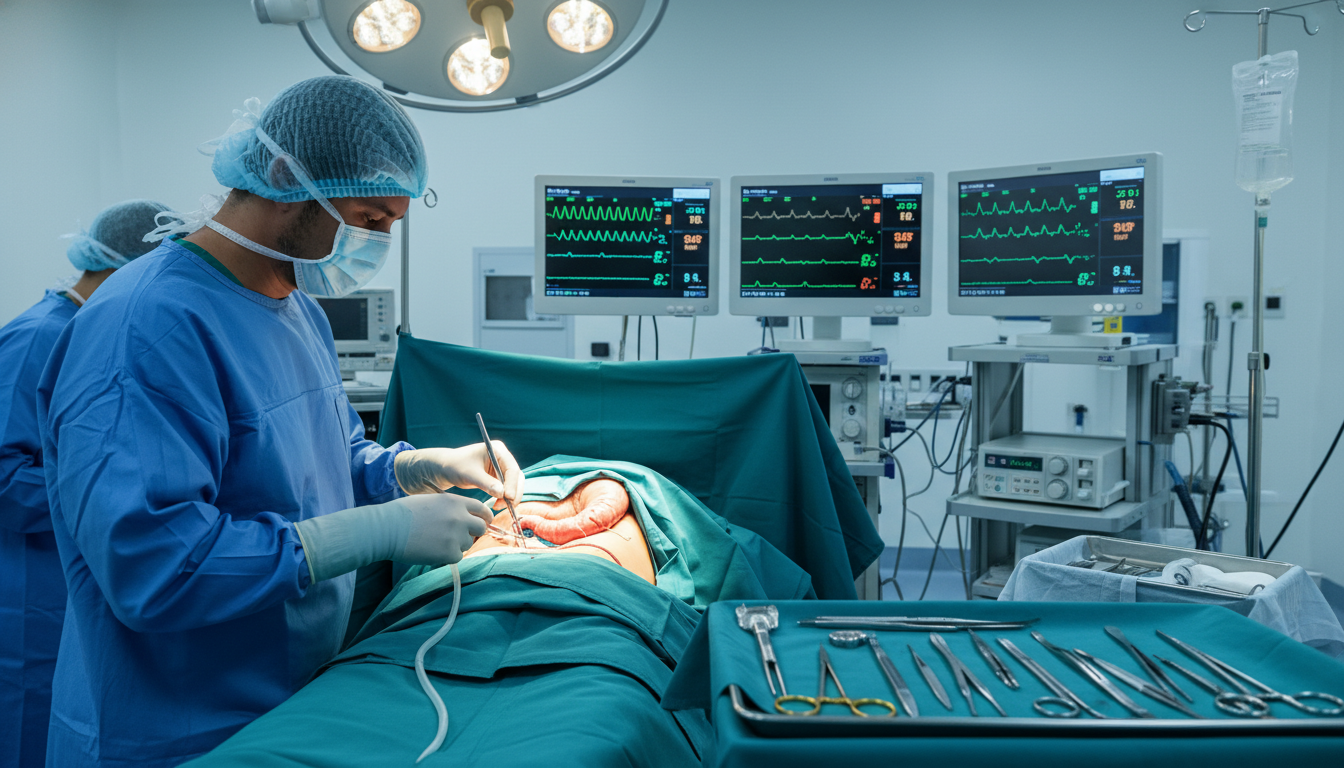
Curious whether a single operation can truly reset your path to health? Many people wonder if the time in the operating room matches the life change that follows.
The sleeve gastrectomy is a common bariatric surgery that reduces the size of the stomach to promote weight loss. Patients and families often focus on time in the OR, but the full journey also includes preparation, diet changes, and months of recovery.
UCLA Health’s bariatric team offers comprehensive care and clear timelines so patients can plan work, family, and recovery. Their surgeons guide each step with safety and long-term weight loss in mind. For personalized questions, patients may call the UCLA team at 310-206-0367.
Key Takeaways
- Expect a short operation time, but allow extra weeks for full recovery.
- The procedure reduces stomach size to support lasting weight loss.
- Preparation includes diet changes and mental readiness for months ahead.
- Choosing an experienced bariatric team improves safety and outcomes.
- Compare gastric bypass and sleeve options with your surgeon for best fit.
Understanding How Long Does Gastric Sleeve Surgery Take
Understanding how much time the procedure occupies helps people plan work, family, and recovery. A brief operation is only one piece of the journey; prep and follow-up shape the full timeline.
What to expect: At consultation, the surgeon explains that the sleeve gastrectomy limits stomach capacity to support lasting weight loss. The team outlines expected hours in the OR and the weeks and months of healing ahead.
The procedure is well established and widely performed by experienced bariatric surgery teams. Many patients see meaningful weight loss when sleeve surgery is paired with a tailored post-op diet and follow-up care.
- Consultation covers procedure time, risks, and recovery steps.
- Reducing stomach size helps people feel full faster, aiding weight loss.
- Healing unfolds over several weeks; lifestyle changes continue for months.
Clear information empowers patients to plan and feel confident about their health choices.
The Surgical Process and Operating Room Duration
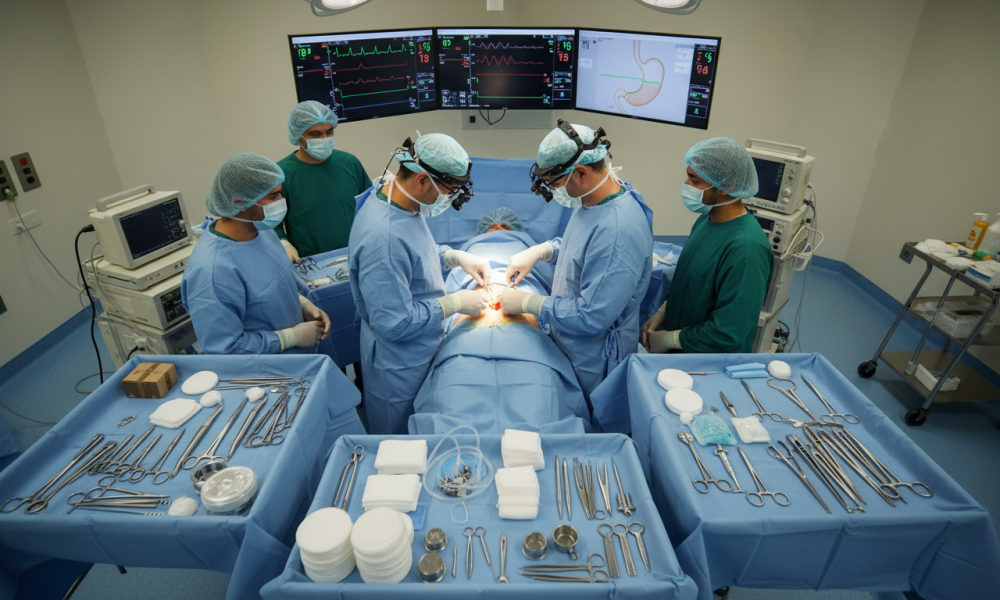
In the OR, precise teamwork and clear steps keep the procedure efficient and safe. Typical operating room time is brief—most cases finish between 40 and 70 minutes—but the care around that time matters just as much.
Anesthesia and Preparation
Patients are placed under general anesthesia while the team monitors blood pressure and comfort. The surgeon and nurses position trocars through a few small incisions to allow a minimally invasive approach.
The Stapling Procedure
The surgeon inspects the stomach, divides lateral blood vessels, and inserts a bougie tube as a sizer. About 75–80% of the stomach is removed, leaving a narrow tube about 20–25% of the original volume.
- The stapler fires in a continuous motion to separate the two parts of the stomach.
- Unlike a gastric bypass, the small intestine is not rerouted, which shortens OR hours.
- Removing most of the stomach lowers hunger hormones and supports long-term weight loss and health.
Note: For people considering revision options after prior bariatric work, a helpful resource on revision gastric sleeve is available at revision gastric sleeve.
Factors That Influence Procedure Length
From liver size to scar tissue, each person presents unique challenges that affect the operation’s duration. Since the first laparoscopic gastric sleeve was done in 2000, techniques have improved to boost safety and speed.
A higher BMI or complex medical conditions can make the procedure longer. A bulky liver or dense adhesions from prior surgeries often require more careful incisions and dissection.
Different types of bariatric procedures bring varied complexity. Some procedures need extra steps that add hours, while a straightforward sleeve gastrectomy may be quicker.
Experienced bariatric teams often work more efficiently without sacrificing care. Surgeons plan for individual anatomy—the size of the stomach and surrounding tissues affects how much time is needed.
Understanding these factors helps people set realistic expectations for the OR hours and the recovery that follows. The primary goal remains the same: safe, effective weight loss and improved health.
Hospital Stay and Post-Operative Monitoring
A brief hospital stay gives the care team time to watch for early signs and to start recovery steps.
Discharge Criteria
Most patients leave the hospital after 1–2 nights following a gastric sleeve procedure. Nurses and the surgeon check vital signs, pain levels, and fluid balance each day.
The team asks patients to walk within 3–4 hours after surgery. Early movement lowers risk and boosts healing.
- Clear liquids tolerated: Patient can drink without nausea.
- Pain controlled: Only minimal oral medication needed.
- Stable vitals: No fever or worrying signs.
| Item | Expected | Notes |
|---|---|---|
| Hospital stay | 1–2 days | Most people go home the next day if stable |
| Early walking | 3–4 hours post-op | Reduces clot risk and aids recovery |
| Diet after discharge | Clear liquids, then soft foods in weeks | Follow surgeon’s plan for best weight loss |
| Supplements | Multivitamin + B complex | Supports nutrition and overall health |
Clear instructions from the care team help patients and families feel ready for home. Following the post-op diet and daily checks optimizes recovery and long-term weight goals.
The Recovery Timeline After Bariatric Surgery
Recovery unfolds in stages. In the first weeks, people often feel tired as the body adjusts to a liquid diet and the new stomach shape.
Initial weeks of healing: Rest is key. Most patients report low energy for 1–3 weeks. By week three, many add soft food and notice rising energy.
Returning to Work
Most people return to desk work in 2–4 weeks. Jobs that require heavy lifting may need a longer break. The surgeon guides timing based on healing and pain control.
Long-Term Dietary Adjustments
The new banana-shaped stomach tube helps food pass faster through the intestine. Long-term success means small portions, protein-first meals, and avoiding sugary drinks.
- Begin gentle exercise around 4 weeks to support weight loss and health.
- Expect most weight loss in the first 12–24 months—about 60–70% of excess weight for many patients.
- Ongoing follow-up with the care team helps manage vitamins, diet, and any side effects.
Takeaway: A planned, stepwise recovery helps people regain energy, return to work, and build lasting diet habits for improved health.
Comparing Sleeve Gastrectomy to Other Procedures
Different bariatric procedures offer distinct paths to weight loss and overall health.
The gastric sleeve is often chosen because it shortens OR time and avoids rerouting the small intestine. It reduces stomach volume and lowers hunger hormones without causing malabsorption.
The gastric bypass reroutes part of the intestine and can give stronger early weight loss, but it usually needs a longer operation and more long-term nutrient monitoring.
“Patients should discuss risks and benefits with a surgeon to find the best option for their life and goals.”
Many people prefer the sleeve for its relative simplicity and fewer long-term complications. Both procedures support meaningful weight loss when paired with follow-up care.
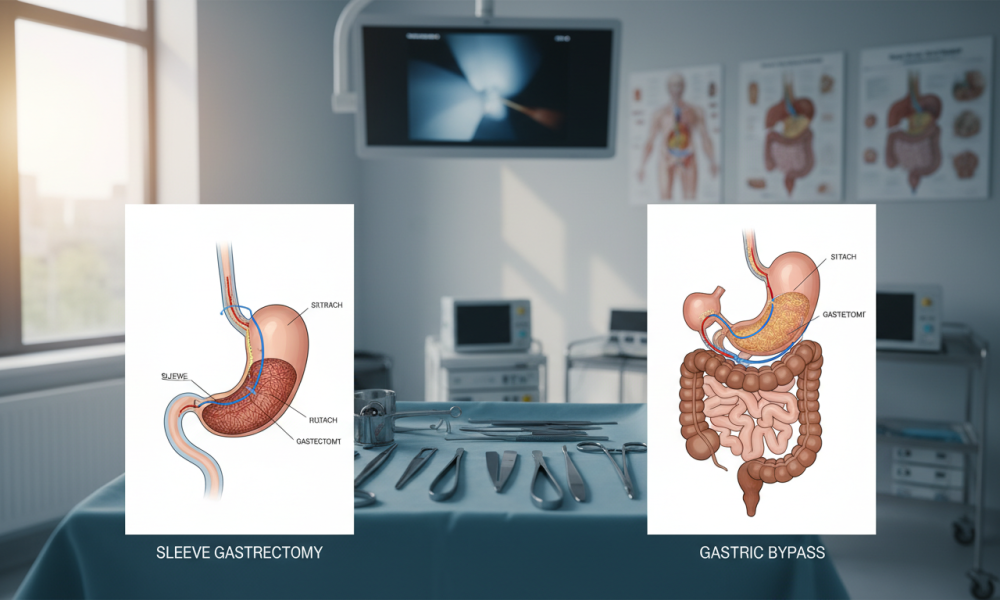
| Feature | Sleeve Gastrectomy | Gastric Bypass |
|---|---|---|
| Typical OR time | 40–70 minutes | 2–3 hours |
| Intestine rerouted | No | Yes |
| Malabsorption risk | No | Higher |
| Long-term monitoring | Moderate | Intensive |
For practical planning and comparisons, explore options like affordable travel and care at affordable countries for gastric sleeve surgery.
Conclusion
Recovery and follow-up care shape the real impact of any bariatric operation more than the brief time under anesthesia. The gastric sleeve and the sleeve gastrectomy itself usually occupy about 40–70 minutes in the OR, with most people leaving the hospital in 1–2 nights.
What matters most is the months of recovery and the lifestyle changes that follow. Reducing stomach size supports steady weight loss and helps improve obesity-related conditions when paired with a clear diet and regular activity.
Work with your bariatric team for tailored plans. Discuss options versus a gastric bypass, ask about expected hours and hospital steps, and make a plan that fits your health goals. Reach out to a qualified surgeon to learn if gastric sleeve surgery is right for your care and future health.
FAQ
What is a sleeve gastrectomy and who is a candidate?
A sleeve gastrectomy is a bariatric operation that removes roughly 75–80% of the stomach, leaving a narrow tube that limits food intake and reduces hunger hormones. Candidates typically have a body mass index (BMI) of 40 or higher, or 35 with obesity-related conditions such as type 2 diabetes, sleep apnea, or heart disease. A multidisciplinary team evaluates medical history, diet, mental health, and prior weight-loss efforts before approval.
What happens in the operating room from arrival to leaving?
After arrival, the team completes consent checks, monitoring placement, and general anesthesia. The surgeon and assistants create small incisions for laparoscopic instruments, remove the stomach portion, and staple the remaining section. The team inspects for leaks, then closes incisions. Total time in the operating room includes anesthesia induction and recovery phases as well as the surgeon’s active time.
How long is anesthesia and preparation before the surgeon begins?
Induction of general anesthesia and positioning typically lasts 20–40 minutes. During this window, the anesthesiologist secures the airway, starts IV fluids, and the surgical team performs final safety checks. This preparation ensures a stable, controlled environment before the abdominal work starts.
How long does the stapling and stomach resection part usually take?
The resection and stapling portion commonly takes 45–90 minutes for an experienced bariatric surgeon. Time varies with anatomy, liver size, adhesions from prior surgeries, and whether intraoperative tests for leaks are performed. Efficient teams and laparoscopic technique shorten this phase.
What factors can make the procedure take more time?
Several elements can extend the operation: large liver size that limits exposure, prior abdominal operations causing adhesions, complex anatomy, need for concurrent procedures (for example, hiatal hernia repair), or unexpected bleeding. Patient comorbidities such as cardiopulmonary disease may also slow the process for increased safety monitoring.
How long do patients stay in the hospital after the operation?
Many patients go home the same day or after an overnight stay when criteria are met: stable vital signs, adequate oral fluids, controlled pain with oral medications, normal urine output, and no signs of bleeding or leaks. Others require 1–2 days of monitoring, especially if complications arise or there are medical comorbidities.
What are the usual discharge criteria following bariatric procedures?
Discharge depends on pain control with oral meds, tolerance of clear liquids, ambulation without significant dizziness, stable labs and vitals, and clear follow-up arrangements. Education on diet progression, wound care, activity limits, and emergency signs is reviewed before leaving.
What does the early recovery timeline look like in the first weeks?
The first week focuses on rest, gradual walking to reduce clot risk, and a liquid diet. Mild pain and fatigue are common. By 2–4 weeks, many switch to pureed foods, increase activity, and see reduced soreness. Follow-up visits monitor healing, nutrition, and vitamin needs. Complications like leaks or infections are uncommon but require prompt attention.
When can patients typically return to work and normal activity?
Return-to-work timing depends on job demands. Desk-based roles often resume in 1–2 weeks, while physically demanding work may require 4–6 weeks. Light exercise can start within a few weeks, progressing as tolerated; heavy lifting is usually avoided for 6–8 weeks. The surgeon provides personalized clearance based on healing.
What long-term dietary changes are required after the operation?
Long-term changes include smaller portion sizes, prioritizing protein, slow and mindful eating, and avoiding high-sugar liquids. Lifelong vitamin and mineral supplementation is common to prevent deficiencies. Regular follow-up with a dietitian helps maintain nutrition and supports sustained weight loss.
How does this procedure compare with gastric bypass in operation length and recovery?
A gastric bypass typically takes longer in the operating room—often 90–180 minutes—because it involves rerouting the small intestine. Recovery can be slightly longer and carries different nutritional risks due to malabsorption. Sleeve procedures are generally shorter with fewer long-term nutrient-absorption issues, but each operation has distinct benefits and risks that the surgeon reviews with the patient.
What are common risks during and after the operation?
Risks include bleeding, infection, leaks at the staple line, blood clots, and anesthesia-related issues. Long-term concerns involve acid reflux, vitamin deficiencies, and, rarely, strictures or weight regain. Most risks are low with experienced surgical teams and careful follow-up.
How should patients prepare to minimize operation time and complications?
Preoperative steps that help include weight loss when advised, stopping smoking, optimizing chronic conditions like diabetes, and following pre-op liver-reduction diets if recommended. Clear communication with the surgical team and adherence to instructions improve safety and can streamline the procedure.
Related guides

How Long Does a Dental Implant Procedure Take?
Curious if the journey to a restored smile will fit your life? Many patients wonder about the full…

Best Hair Transplant in Istanbul,Turkey
Could one clinic end years of worry and restore your confidence with a clear, tailored plan?Dr. Serkan Aygin…

What is Zygomatic Dental Implant?
Could anchoring into the cheekbone restore a confident smile when the upper jaw can’t?Zygomatic dental implants offer an…