
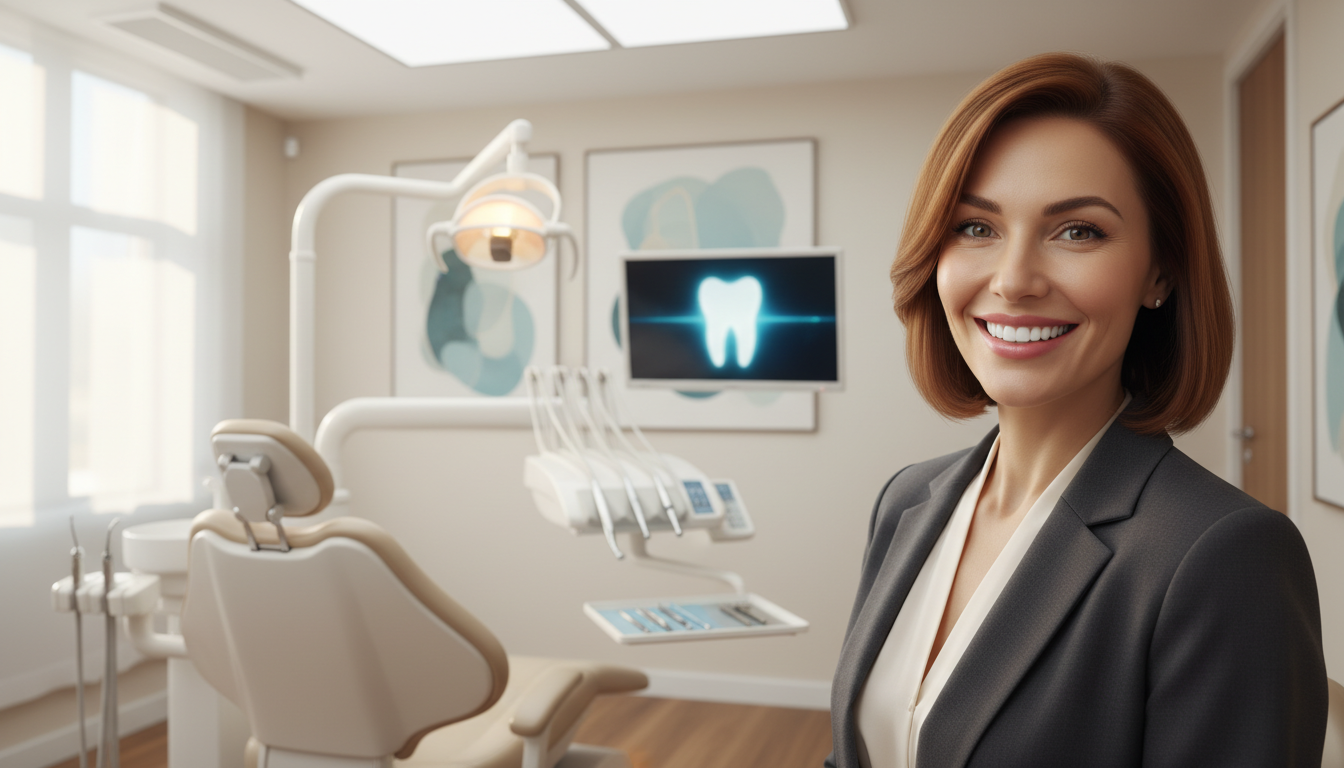
Can one carefully planned makeover truly change how someone feels about their face? Many patients ask this before any consultation.
The hollywood smile is a comprehensive cosmetic dentistry plan that blends porcelain veneers, crowns, professional teeth whitening, and gum contouring. It aims to deliver a bright, balanced, and natural-looking result that matches facial proportions and skin tone.
Experienced dentists use digital smile design to preview outcomes before any tooth work begins. That step helps set realistic expectations about cost, procedure stages, and long-term care.
For those weighing options, the guide ahead explains treatment choices, typical pricing, and how materials like porcelain veneers affect longevity and appearance. It also highlights why many patients travel to Istanbul for quality care at lower price points.
Key Takeaways
- The hollywood smile combines two or more treatments for a full makeover.
- Digital planning lets patients preview results before tooth preparation.
- Choices include porcelain veneers, crowns, whitening, and gum work.
- Cost and care vary by materials and the dentist’s expertise.
- Options can be tailored from ultra-white to a more natural color.
Understanding What Is a Hollywood Smile?
A modern full smile makeover brings several cosmetic goals together into one thoughtful plan. Dentists address color, shape, alignment, and gum balance so results fit the face and skin tone.
, The term began as a nod to bright, uniform smiles from film and television, yet today the emphasis is on natural-looking outcomes tailored to each patient. Digital planning helps guide choices before any tooth work starts.
By treating chips, stains, and minor cracks with veneers, whitening, or crowns, the procedure creates a harmonious dental arch. Patients often report higher confidence and easier social interactions after their makeover.
- Facial harmony: Teeth are sized to match facial proportions.
- Gum balance: Contouring improves symmetry and health.
- Comprehensive care: Function and aesthetics are both considered.
In short, this approach blends artistry with clinical planning to deliver lasting, radiant smiles.
Core Components of a Complete Smile Makeover
Combining technology and artistry, clinicians craft smiles that match facial features and lifestyle.
Digital Smile Design
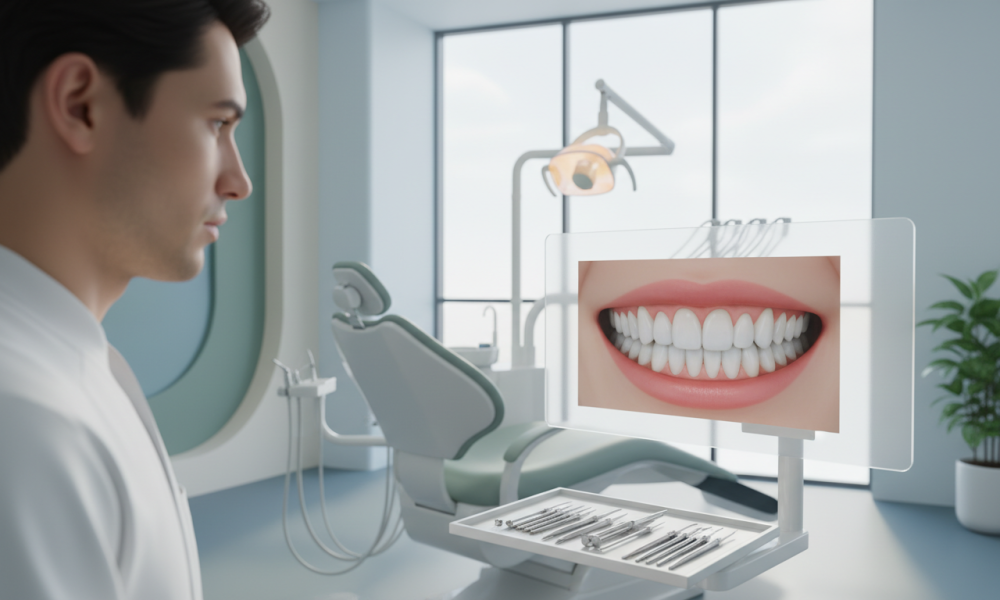
Digital smile design lets dentists overlay proposed tooth shapes and shades onto patient photos. This preview helps patients and clinicians agree on color, shape, and proportion before any tooth work begins.
Patients can suggest subtle changes during planning. That collaboration reduces surprises and builds confidence in the final result.
Aesthetic Characteristics
Key decisions focus on color selection tied to skin tone, tooth proportion, symmetry, and gum balance. Each tooth receives a size that fits the smile arc to avoid an artificial look.
- Color: shades chosen to complement age and complexion.
- Proportion: teeth scaled to facial width and smile arc.
- Balance: even gum lines that frame the teeth naturally.
The treatment plan may include porcelain veneers, crowns, and teeth whitening. For readers curious about celebrity procedures and public interest, see this brief exploration that highlights common cosmetic choices.
The Step-by-Step Clinical Procedure
A clear clinical roadmap helps patients move from consultation to final bonding with confidence.
First, the dentist performs a thorough consultation and oral health check. X-rays or 3D scans reveal any underlying condition that needs care.
Digital smile design at MDC creates a visual preview so patients approve the proposed shape and color before any tooth work starts.
- Preparatory cleaning, fillings, or gum care to ensure optimal health.
- Tooth preparation—often minimal—before impressions for veneers or crowns.
- Temporary restorations protect teeth while the lab fabricates porcelain pieces.
- Final bonding by a cosmetic dentist, bite check, and polish for the finished result.
Dental implants may be part of the plan when missing tooth roots must be replaced. This ensures the full arch is stable and the makeover feels natural.
| Stage | Purpose | Typical Time |
|---|---|---|
| Consultation & Scans | Assess health, plan treatments | 1 visit |
| Preparatory Care | Cleaning, fillings, implant placement if needed | 1–4 weeks |
| Preparation & Temps | Tooth shaping, temporary veneers/crowns | 1–2 visits |
| Lab Fabrication | Create porcelain veneers/crowns | 1–3 weeks |
| Final Bonding | Fit, polish, and post-op care | 1 visit |
Comparing Veneer Materials and Options
Material choice strongly affects final appearance, upkeep, and price for a smile makeover.
Porcelain Veneers
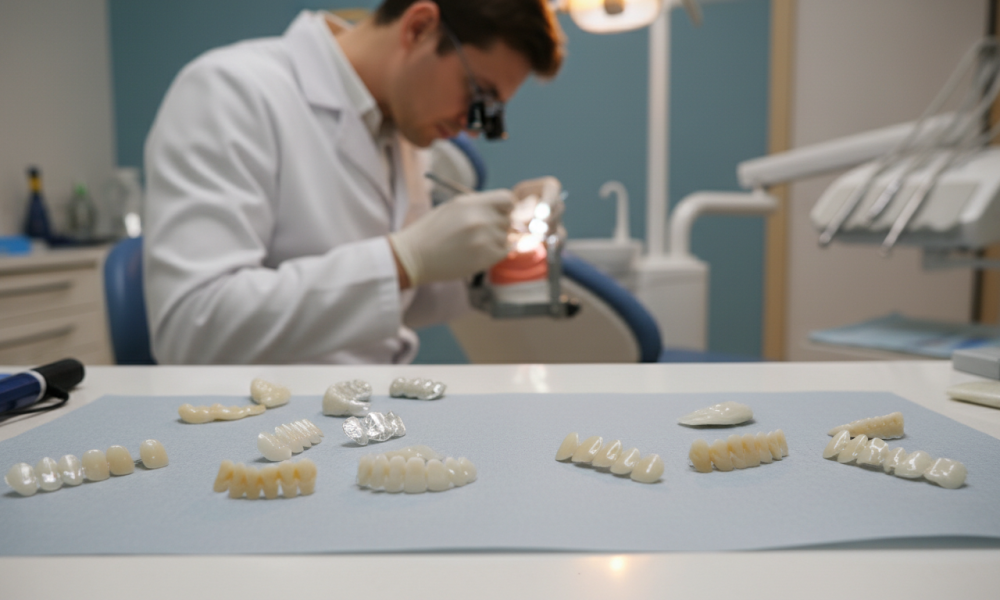
Porcelain veneers are thin ceramic shells bonded to the front teeth. They handle discoloration, chips, and minor misalignment well.
Porcelain offers high stain resistance and natural translucency. With good care, porcelain veneers often last 10–20 years. A 2012 review reported about 96% survival at 10 years.
Composite Veneers
Composite veneers use tooth-colored resin sculpted chairside. They cost less and need minimal preparation.
These provide fast cosmetic results but stain more easily and need more maintenance than porcelain. Patients seeking lower cost and quick fixes often consider this route.
Dental Crowns
Dental crowns cover the entire tooth when structure is compromised.
Modern ceramic crowns restore function and match natural color and shape. Ceramic crowns typically last 10–15 years with proper care. Crowns suit posterior teeth or roots treated by endodontic therapy.
- Choice depends on goals, budget, and desired longevity.
- Discuss pros and cons with the dentist to plan the best treatment for each smile.
Determining Your Candidacy for Treatment
Not every person should move straight to veneers or crowns. A careful review by a cosmetic dentist checks oral health, jaw development, and enamel quality before any plan begins.
When Treatment May Be Delayed
Active decay or periodontal disease must be treated first. These conditions undermine outcomes and increase the long-term risk to veneers or crowns.
Those who grind or clench teeth may need a nightguard and behavior management to protect new restorations. Patients under 18 usually wait until growth finishes.
- Good oral hygiene and structurally sound teeth support lasting results.
- Preparatory care—fillings, gum therapy, or implants—may be required before cosmetic work starts.
- A thorough consultation determines prognosis, realistic expectations, and projected cost.
- Commitment to routine check-ups helps the new smile remain functional and attractive.
In short, candidacy hinges on health, commitment, and careful planning—when those align, the makeover can succeed for many patients.
Essential Maintenance for Long-Term Results
Daily care decisions shape how long veneers and crowns last more than the initial procedure does. Simple habits protect tooth structure and preserve the final results.
Brush twice daily with a soft-bristle brush and non‑abrasive toothpaste. Floss every day to protect gum margins and the bonding edges of veneers and crowns.
Avoid biting hard or brittle foods such as ice or hard candy. These place intense force on porcelain veneers, composite veneers, and crowns and can cause cracks or de-bonding.
Schedule professional cleaning and an exam every six months. Regular visits let the dentist spot early wear, check whitening stability, and manage any needed maintenance.
- Wear a custom nightguard if grinding occurs to prevent fractures.
- Limit staining drinks like coffee and red wine to keep the smile bright.
- Follow material-specific guidance for long hollywood results and oral health.
Consistent hygiene and routine care help the treatment last longer and keep teeth healthy. Small steps today protect the investment and sustain confident results for years.
Why Patients Choose Istanbul for Cosmetic Dentistry
Istanbul draws international patients with a mix of advanced clinics and competitive pricing.
Cost advantages play a major role. In Turkey, a full hollywood smile package for 16–20 restorations typically ranges from €4,000 to €8,000.
This price can be up to 75% lower than in the UK, EU, or the United States. For many, lower cost makes comprehensive veneers or crowns affordable without sacrificing quality.
In-house laboratory capabilities
Many clinics maintain on-site labs. That setup allows same-visit adjustments to shade, shape, and fit.
Patients often finish treatment within a 5–7 day visit. Quick turnarounds suit travelers who need a short, reliable procedure timeline.
“Digital smile design and in-house labs reduce surprises and let patients approve color and shape before tooth preparation.”
| Feature | Benefit | Typical Result |
|---|---|---|
| In-house lab | Faster adjustments | Better fit on final visit |
| Digital smile design | Preview outcomes | Higher satisfaction |
| Trained cosmetic dentists | International standards | Reliable long-term care |
Experienced dentists often train in Europe or the US and use modern materials—porcelain veneers, dental crowns, and implants—so patients get durable results and attentive post-op care.
Conclusion
Careful planning and modern materials let dentists craft lasting, natural results that fit each face. Smile design and skilled work with veneers or crowns shape a trustworthy outcome that supports both function and appearance.
For many patients, the procedure leads to higher confidence and easier social engagement. With daily hygiene and routine check-ups, new teeth can serve well for many years and protect the initial investment.
Choosing treatment in Istanbul may offer quality care and notable cost savings for an accessible makeover. Discuss goals with a qualified clinician to build a personalized plan and start the journey toward a long hollywood smile.
FAQ
What does a Hollywood smile involve?
A Hollywood smile is a full cosmetic dentistry makeover that improves color, shape, alignment and proportion of the front teeth. It often combines porcelain veneers, whitening, crowns or dental implants with digital smile design to achieve a bright, symmetrical appearance that fits the patient’s facial features.
Which procedures form the core of a complete smile makeover?
Core elements include digital smile design planning, porcelain or composite veneers, teeth whitening, possible dental crowns for damaged teeth, and implant restorations when teeth are missing. Treatment plans are tailored to health, bite function and aesthetic goals.
How does digital smile design help?
Digital smile design uses photos, scans and software to simulate outcomes. This lets patients preview veneers or crowns, refine shape and color, and ensures predictable results before any irreversible work begins.
What aesthetic characteristics define the look?
Desired traits are natural translucency, balanced tooth proportions, harmonious gum contours and a shade that complements skin tone. The aim is an attractive yet realistic smile rather than overly artificial whiteness.
What are the clinical steps in the treatment process?
Typical steps: consultation and health assessment, digital planning and mockups, tooth preparation where needed, impressions or digital scans, lab fabrication of restorations, final fitting and adjustments, then follow-up and maintenance.
How long does the full process usually take?
Timelines vary. Simple whitening and composite work can finish in days to weeks. Porcelain veneers or implant cases often require several appointments across a few weeks to months, depending on lab turnaround and healing time for implants.
How do porcelain veneers compare with composite veneers?
Porcelain veneers are stronger, stain-resistant and more durable, lasting many years with care. Composite veneers cost less and can be completed in one visit but stain and wear more quickly and typically need more frequent touch-ups.
When are crowns preferred over veneers?
Crowns are chosen for teeth with extensive damage, root canal treatment, or when more structural support is required. They cover the entire visible tooth and restore both function and aesthetics.
Who is a good candidate for this type of aesthetic dentistry?
Candidates have good oral health, healthy gums and realistic expectations. Bite issues, active gum disease or certain medical conditions may require treatment first. A cosmetic dentist will assess teeth, gums and overall health before recommending options.
When might treatment be delayed or modified?
Treatment may be postponed for uncontrolled periodontal disease, untreated decay, bruxism that needs management, or medical issues that affect healing. Smoking cessation and improved oral hygiene are often required before elective cosmetic work.
What maintenance is required to keep results long-term?
Regular dental checkups, professional cleaning, daily brushing and flossing, avoiding stain agents or using a straw for beverages, and wearing a nightguard if grinding teeth are essential. Porcelain restorations usually need less maintenance than composite ones.
Why do patients travel to Istanbul for cosmetic dentistry?
Many choose Istanbul for advanced clinics, lower fees compared with some countries, skilled cosmetic dentists and in-house dental laboratories that speed up fabrication. Comprehensive packages often include treatment planning, travel coordination and aftercare.
How do cost advantages and in-house labs affect results?
In-house labs reduce turnaround time and improve communication between clinician and technician, which can enhance customization and consistency. Competitive pricing often reflects lower operating costs while maintaining high-quality materials like porcelain.
What are typical price ranges and what affects cost?
Costs depend on materials, number of teeth treated, complexity, and need for implants or crowns. Porcelain veneers cost more than composite options; implant-supported work raises the price further. A consultation and digital plan provide an accurate estimate.
How long do results last for different materials?
Porcelain veneers and well-made crowns can last 10–15 years or longer with care. Composite veneers may last 5–7 years before replacement or repair. Implants, when well maintained, can last decades.
Are there health risks to consider?
Risks include tooth sensitivity after preparation, potential need for future replacement, and complications if periodontal disease or decay isn’t addressed first. Choosing a qualified cosmetic dentist minimizes risks and supports long-term oral health.
Can cancer patients or survivors safely undergo cosmetic dental procedures?
Many can, but timing and choices depend on current treatments, immune status and overall health. Coordination with oncologists is essential. A dental team experienced with medically complex patients can adapt protocols for safety and healing.
How should patients prepare for a cosmetic consultation?
Bring medical history, a list of medications, photos of desired smiles if available, and recent dental records or x-rays. Share concerns about sensitivity, budget and timeline so the cosmetic dentist can propose a realistic plan.
Related guides
How Long Does a Dental Implant Procedure Take?
Curious if the journey to a restored smile will fit your life? Many patients wonder about the full…
Best Hair Transplant in Istanbul,Turkey
Could one clinic end years of worry and restore your confidence with a clear, tailored plan?Dr. Serkan Aygin…

What is Zygomatic Dental Implant?
Could anchoring into the cheekbone restore a confident smile when the upper jaw can’t?Zygomatic dental implants offer an…