
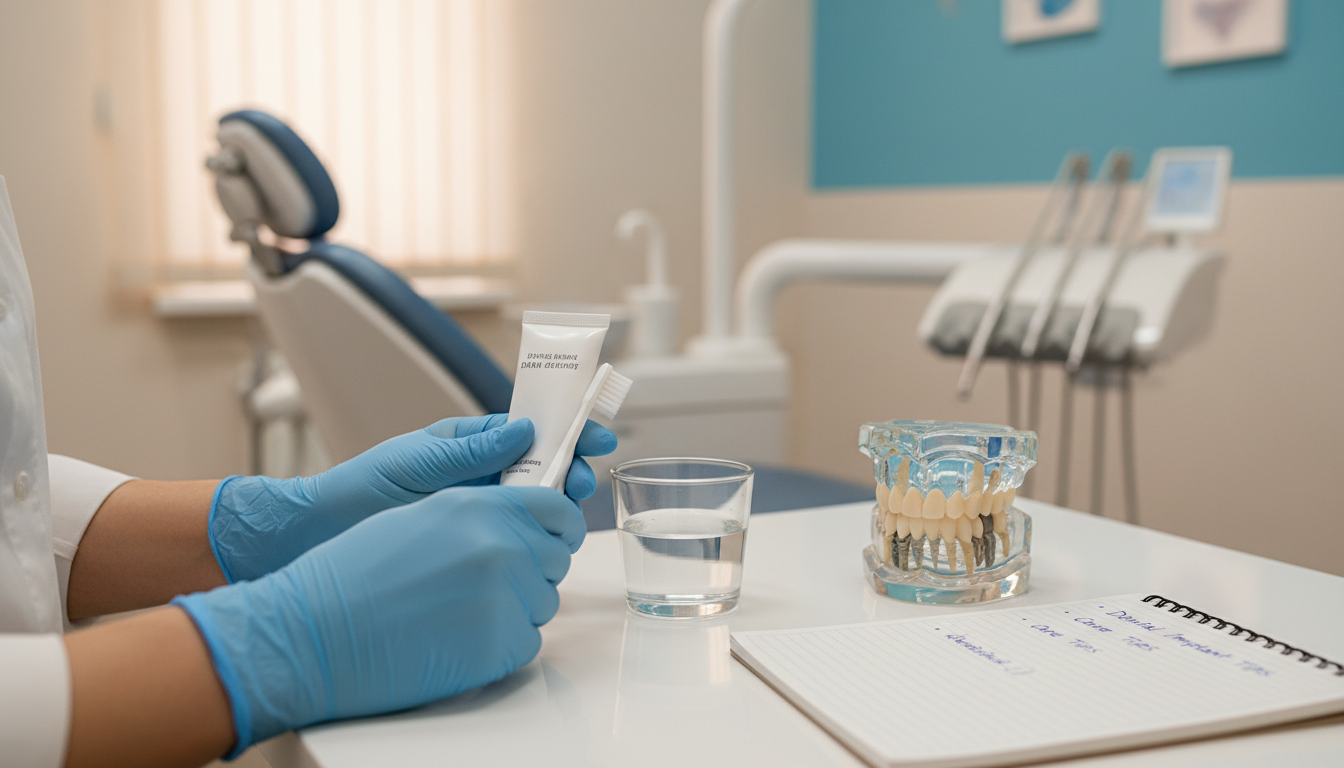
Can a simple daily routine really keep an implant safer than a natural tooth?
Understanding implant care matters. Clinical studies report over 95% long-term success for eligible patients when proper maintenance is followed.
Metrolina Periodontics & Dental Implants stresses that routine hygiene and regular professional cleaning protect gum tissue and bone. This lowers the risk of implant failure and supports healing.
Patients should adopt a short daily routine: a soft toothbrush, gentle flossing, and a water flosser help stop plaque buildup on the implant surface. Avoiding hard foods and managing pressure on the new tooth also speeds recovery.
With clear guidance from your dental team and consistent maintenance, implants become a lasting solution that preserves oral health and reduces bacteria-related loss.
Key Takeaways
- Proper hygiene and professional maintenance support the 95% success rate.
- Daily tools: soft toothbrush, floss, and water flosser prevent plaque buildup.
- Healthy gum and bone care reduce the risk of implant failure.
- Avoid hard foods and control biting pressure during healing.
- Regular follow-ups with your dentist keep implant surfaces clean and stable.
Understanding the Importance of Dental Implant Care
Implant-supporting tissues demand attention because they react to inflammation differently than natural teeth. The bone and gum around an implant do not have the same defenses as a natural tooth. That makes regular checks essential.
Proper care is the foundation of lasting oral health. Daily hygiene reduces plaque and lowers the chance of bone loss. Good habits help an implant function like a healthy tooth.
Research shows a professional maintenance visit should last about one hour. Scheduling this visit every three months lets clinicians check the implant, surrounding bone, and gum. Early detection prevents complications and loss of the restoration.
Consistent maintenance is the most effective way to protect your smile. Prioritizing hygiene and follow-up care keeps implants stable and reduces inflammation risk.
| Focus | Why it matters | Frequency | Goal |
|---|---|---|---|
| Clinical exam | Detects early gum or bone changes | Every 3 months | Prevent loss and inflammation |
| Professional cleaning | Removes plaque at margins | One-hour visits | Protect supporting bone |
| Home hygiene | Limits bacterial buildup | Daily | Keep implant stable like a natural tooth |
| Monitoring | Tracks long-term changes | Quarterly | Preserve restoration function |
How to take care of dental implants?
Right after surgery, simple actions can make a big difference in early recovery. Follow the clinician’s guidance for the first 24 hours and keep instructions close at hand.
Immediate Post-Op Care
Bite gently on gauze or sponges to control bleeding and keep your head elevated for the first 8–12 hours. Avoid rinsing the mouth during that period to protect the delicate gum tissue.
Contact the team at Van Hoof Dental if questions arise: (920) 733-4555. They can guide you through the first days of healing and any concerns about pain or swelling.
Long-Term Maintenance Goals
Prevent bacterial buildup and plaque on the implant surface with consistent cleaning habits. Regular maintenance reduces the chance of implant failure and preserves surrounding bone and gum.
“Establishing a routine hygiene plan is the most effective way to support mouth health and implant longevity.”
| Phase | Focus | What to do |
|---|---|---|
| Immediate (0–24 hrs) | Bleeding control, swelling | Gently bite sponges, keep head elevated |
| Early healing (1–14 days) | Protect gum tissue | Avoid rinsing, follow dentist advice |
| Long term | Hygiene & maintenance | Daily cleaning, regular professional cleaning |
Essential Daily Oral Hygiene Practices
A reliable home routine helps prevent plaque buildup and supports healing around implants. Simple habits protect gum and bone and keep the surrounding area healthy.
Brushing Techniques
Use a soft-bristled toothbrush and gentle, short strokes over the implant surface. The BASS technique — angling bristles toward the gum line — helps remove plaque near the gum without scratching the abutment.
Flossing and Interproximal Cleaning
Daily floss and a water flosser reach the spaces around implant fixtures and between teeth. Patients should glide floss carefully under the crown margin and use interdental brushes where recommended.
Using Antimicrobial Mouth Rinses
Antimicrobial rinses reduce harmful bacteria and lower infection risk during healing. Your dental team may suggest a specific rinse based on the implant area and health needs.
- Soft toothbrush for gentle surface cleaning
- Daily flossing and water flosser for hard-to-reach areas
- Antimicrobial rinse when advised by a dentist
Dietary Adjustments for Implant Longevity
What you eat affects how long your implant restoration lasts. Simple swaps reduce pressure and lower damage implant risks.

Avoid hard snacks such as ice, popcorn kernels, or crusty bread. Biting hard items can place sudden pressure on an implant and harm the surrounding bone or tooth.
Sticky sweets like taffy or caramel cling to the implant surface and nearby teeth. That increases plaque buildup and raises the chance of gum irritation.
- Let hot drinks cool slightly to protect tissue and the restoration.
- Choose softer options after surgery and chew on the opposite side if possible.
- Maintain a balanced diet to support overall mouth health and faster healing.
Hygiene after meals matters as much as food choices. Rinse gently, brush when ready, and use interdental tools to remove trapped particles.
| Food Group | Risk | Practical Tip |
|---|---|---|
| Hard items (ice, nuts) | High pressure; risk of cracking | Cut into small pieces or avoid |
| Sticky sweets (taffy, caramel) | Clings to surface; increases plaque | Limit intake; brush afterward |
| Hot beverages | May irritate tissue during healing | Allow to cool slightly before sipping |
| Balanced meals (fruits, proteins) | Supports healing and maintenance | Include vitamins and soft textures |
“Mindful eating and prompt hygiene can extend restoration life and reduce costly maintenance.”
Professional Maintenance and Dental Checkups
Routine follow-up appointments help clinicians catch small changes before they threaten an implant’s stability.
Regular dental checkups every six months allow a dentist to perform professional cleaning and compare X-rays over time. These visits protect natural teeth and support long-term oral health.
The Role of Regular Radiographic Evaluation
Radiographs reveal problems that are not visible during a visual exam. They spot early bone loss, shifting crowns, or signs that an implant may be under stress.
- The dental team checks tissue around implants for inflammation or infection.
- Plastic or nonmetal instruments remove plaque from the implant surface safely.
- If pain, swelling, or changes appear, contact your dentist right away.
| Visit | Purpose | Tools | Frequency |
|---|---|---|---|
| Routine exam | Check gums and crowns | Visual exam, probing | Every 6 months |
| Radiographic check | Detect bone loss early | Periapical or CBCT imaging | Baseline, then periodic |
| Professional cleaning | Remove plaque from surface | Plastic scalers, polisher | At each checkup |
| Patient review | Assess home hygiene and healing | Instruction, floss or water flosser demo | Every visit |
“Maintaining a routine of professional visits is essential for long-term success and swift action if implant failure risks appear.”
Recognizing Signs of Potential Implant Failure
Watch for subtle changes around your implant — small symptoms often signal larger problems. Early recognition helps clinicians act quickly and protect long-term results.
Be alert for these red flags:
- Persistent pain, swelling, or a loose feeling near the restoration. These are not normal and need review.
- Bleeding or any pus-like discharge around implants. Seek care right away to reduce the risk of peri-implantitis and bone loss.
- Visible movement or horizontal mobility of a dental implant. Movement requires urgent specialist evaluation.
- Ongoing plaque build-up that brushing and floss cannot remove. This fuels gum inflammation and increases the chance of a damage implant scenario.
- Any change in bite or a new pressure on an adjacent tooth. Report it promptly to prevent further loss.
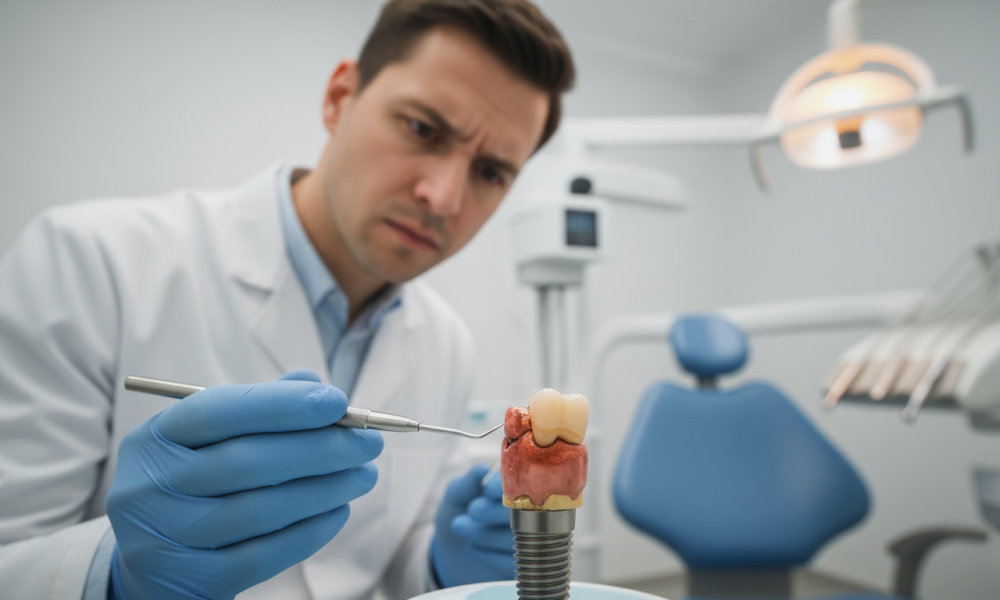
Early intervention offers the best chance to save a site. Keeping a close watch around implants protects your smile and reduces long-term risk.
Lifestyle Habits That Impact Implant Health
Everyday habits play a large role in the long-term stability of an implant. Small changes in routine can help or hurt healing and maintenance.
The Dangers of Smoking and Tobacco Use
Smoking and tobacco slow the body’s natural healing process. This raises the risk of implant failure and inflamed gum tissue.
Excess alcohol can weaken the bone around a dental implant and reduce resistance to infection. Together with tobacco, alcohol makes long-term outcomes less predictable.
Use a mouthguard during contact sports to shield the restoration from sudden trauma or a damage implant incident. A simple guard prevents costly repairs and protects nearby natural teeth.
Maintain good hygiene, use floss or a flosser, and avoid hard foods that add extra pressure. These habits lower wear and protect supporting bone.
“Your dentist strongly advises quitting smoking for the best possible healing and long-term implant success.”
- Quit tobacco and limit alcohol for better healing.
- Wear a mouthguard during sports.
- Stick with gentle hygiene: toothbrush, floss, or flosser every day.
Conclusion
Small daily actions build lasting protection for your smile and surrounding tissue. Consistent care of dental implants with a gentle toothbrush, regular floss use and a water flosser limits plaque and supports healing.
Routine home hygiene plus periodic professional cleaning helps preserve the implant surface and nearby gum and bone. This approach protects oral health and keeps the restoration functioning like natural teeth.
Patients who stick with this plan and attend follow-up visits give their team the best chance to spot issues early. For any question about a tooth implant, contact your dentist for tailored advice and support.
FAQ
What should a patient expect immediately after implant surgery?
Expect mild swelling, light bleeding and soreness for a few days. Apply ice in 10–15 minute intervals for the first 24 hours, follow prescribed pain medication and keep the area clean with gentle rinses using warm salt water or a dentist-recommended mouthwash. Avoid heavy chewing, hot foods and vigorous rinsing during initial healing to prevent disturbing the surgical site.
Why is ongoing implant maintenance important?
Long-term stability depends on healthy gum tissue and solid bone support. Daily plaque control and regular professional cleanings prevent peri-implant mucositis and peri-implantitis—bacterial conditions that can cause bone loss and implant failure. Early detection through exams and X-rays preserves function and reduces the need for complex treatment.
What are the key steps in daily oral hygiene for implants?
Brush twice daily with a soft-bristled toothbrush and nonabrasive toothpaste, paying attention to the crown and gumline. Use interdental brushes or floss designed for implants to remove plaque between the implant and adjacent teeth. Rinse with an antimicrobial mouthwash when recommended by the dental team to lower bacterial load.
How should brushing be done around an implant?
Use gentle, short strokes at a 45-degree angle toward the gumline to clean the implant crown and surrounding tissue. Avoid heavy scrubbing or hard-bristle brushes that can irritate gums or scratch implant surfaces. Electric toothbrushes with soft heads are effective and often recommended.
Which interdental tools work best for cleaning between implants and natural teeth?
Small-diameter interdental brushes with nylon bristles, implant-specific floss, and water flossers like Waterpik are effective. Choose a brush that fits without forcing, and use a gentle motion. A water flosser can be particularly helpful for patients who find thread flossing difficult or who have prosthetic restorations.
Are antimicrobial mouth rinses necessary after implant placement?
Antimicrobial rinses such as chlorhexidine may be prescribed short-term after surgery to control bacteria and support healing. Long-term use should follow a dentist’s guidance because prolonged use can change taste and affect oral flora. Alcohol-free formulations are often preferred for comfort and tissue health.
What dietary changes support implant healing and longevity?
In the first days after surgery, stick to soft, nutrient-rich foods—yogurt, mashed vegetables, smoothies and eggs—avoiding hard, crunchy or sticky items that stress the implant. Over time, a balanced diet rich in calcium, vitamin D and protein supports bone health and reduces risk of complications.
How often should a patient see the dentist after implant placement?
Follow-up visits occur frequently during initial healing—usually within a week, then at set intervals determined by the restorative team. After integration, maintenance checks and professional cleanings are recommended every 3–6 months for high-risk patients and every 6–12 months for others. Regular radiographs help monitor bone levels.
Why are X-rays important for implant follow-up?
Radiographs reveal bone changes around the implant that aren’t visible clinically. Early bone loss or changes in integration can be detected and managed promptly. Panoramic or periapical X-rays are typically used based on the clinical situation.
What warning signs suggest an implant might be failing?
Watch for persistent pain, increased mobility, swelling, pus, receding gums around the implant or a sudden change in bite. Any persistent bleeding or bad taste despite good hygiene warrants prompt evaluation. Early intervention improves the chance of saving the implant.
How do smoking and tobacco use affect implant outcomes?
Tobacco significantly raises the risk of implant complications by reducing blood flow, impairing healing and increasing bacterial buildup. Smokers have higher rates of infection, bone loss and implant failure. Quitting or reducing use before and after surgery improves success.
Which lifestyle habits can harm implant health?
Poor oral hygiene, uncontrolled diabetes, heavy alcohol use, clenching or grinding (bruxism) and smoking all increase risk. Nightguards, medical management of systemic disease and routine professional care help protect implants over time.
Can hard foods or excessive pressure damage an implant?
Yes. Chewing on very hard items—ice, hard candy, nuts or bones—can fracture the crown or stress the implant-bone interface. Avoid using implants as tools (opening packages) and address bruxism with a custom nightguard to reduce damaging forces.
What role does the dental team play in long-term implant success?
The team provides surgical expertise, prosthetic design, tailored hygiene instructions and maintenance care. Regular professional cleaning with instruments safe for implants and periodic imaging allow early correction of issues and ensure optimal function and comfort.
Related guides
How Long Does a Dental Implant Procedure Take?
Curious if the journey to a restored smile will fit your life? Many patients wonder about the full…

Best Hair Transplant in Istanbul,Turkey
Could one clinic end years of worry and restore your confidence with a clear, tailored plan?Dr. Serkan Aygin…
What is Zygomatic Dental Implant?
Could anchoring into the cheekbone restore a confident smile when the upper jaw can’t?Zygomatic dental implants offer an…