
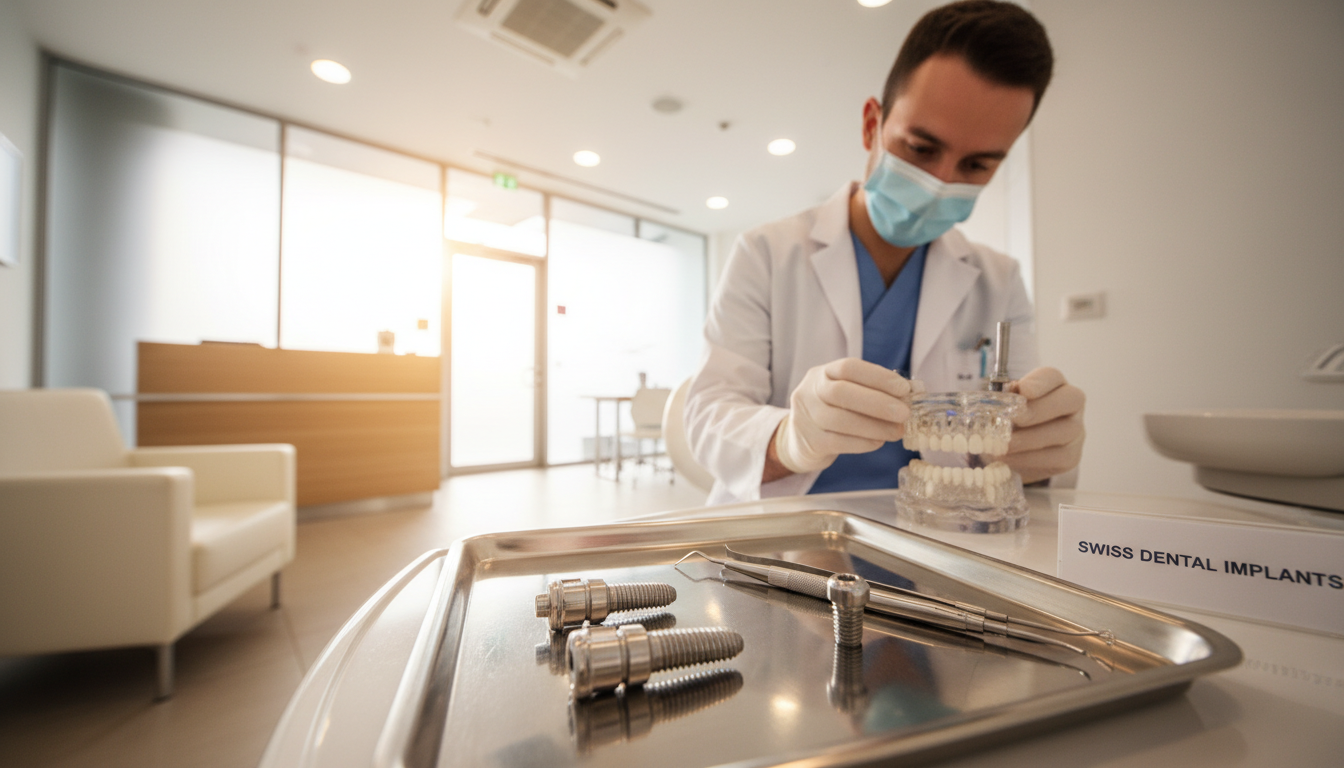
What if one choice today could protect your oral health for decades?
Patients deciding on a restorative path need clear facts and calm guidance. For over 20 years, IML SA Swiss has focused on design and production that puts patient safety and long-term function first.
Choosing the right treatment affects comfort, chewing, and overall health. This guide explains how engineering, clinical know-how, and decades of experience combine to deliver a reliable solution for people seeking lasting results.
The tone is compassionate and clear: readers will learn practical steps, expected outcomes, and why consistent quality matters when planning care that should last many years.
Key Takeaways
- IML SA Swiss brings two decades of focused research and production.
- Proper treatment planning protects function and comfort long term.
- Engineering and clinical experience support predictable outcomes.
- Patient health and quality of life are central to decision-making.
- This guide offers clear steps to evaluate advanced restorative options.
- Choosing proven systems can reduce future complications and visits.
Understanding Swiss Dental Implants The Key to Advanced Dental implant Solutions
Materials science and precise placement shape the success of modern tooth replacement.
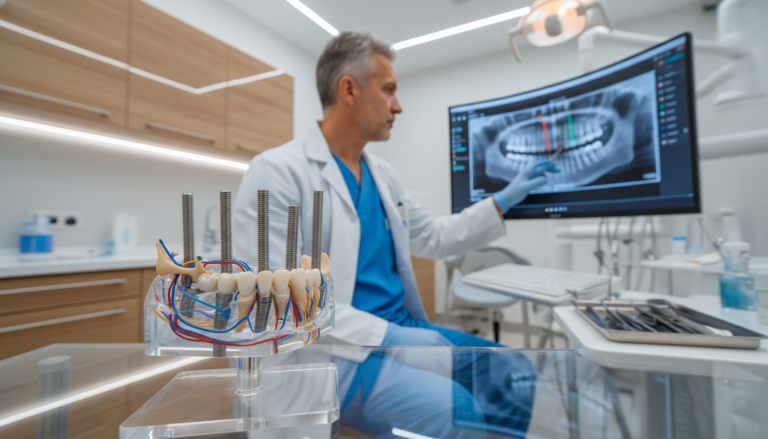
These dental implants are made from biocompatible metals, primarily titanium, and are surgically placed into the jawbone. That design gives a stable base so a replacement tooth feels and works like natural teeth.
Implants designed with tight tolerances allow accurate placement. Accurate placement helps with function and comfort. It also supports long-term bone health.
Patients who need to replace missing teeth often prefer this approach because it integrates with the jawbone. Each dental implant meets strict manufacturing and clinical standards. That focus helps ensure a predictable, aesthetic, and durable result.
| Feature | Benefit | Clinical Impact |
|---|---|---|
| Titanium core | Biocompatible strength | Stable osseointegration in jawbone |
| Precision threads | Accurate placement | Improved chewing and comfort |
| High manufacturing standards | Consistent quality | Lower complication risk |
- Long-term solution for many who must replace missing teeth.
- Engineered to integrate with bone and soft tissue for natural results.
Why Swiss Engineering Represents the Gold Standard in Dentistry
When manufacturing meets biology, outcomes become more predictable and long-lasting.
Precision Manufacturing
Exact production uses advanced CNC systems and strict tolerances. Each titanium component is milled to tight specs so an implant fits as planned.
This level of control reduces variation in surgical placement. It also lowers the chance of mismatches during prosthesis attachment. High-quality dental implants mean fewer adjustments and a smoother recovery.
Accelerated Osseointegration
Surface science speeds the process where bone bonds to metal. Specialized textures guide bone growth along the implant and into the jawbone.
Faster integration shortens healing time and strengthens the interface. That focus on biological interaction improves long-term durability and lowers failure risk.
- Exact manufacturing ensures consistent fit and function.
- Surface technology optimizes the osseointegration process.
- Rigorous testing makes a swiss implant a clinical benchmark.
Key Advantages for Patients Seeking Long Term Restoration
Durable implant systems aim to return both form and function to a patient’s smile. Many patients find that a well‑placed implant restores a lost tooth and renews confidence quickly.
High quality materials and precise design give these dental implants notable durability and a natural appearance. With proper care, a dental implant can serve a person for many years and often reduces future repairs.
Choosing this treatment also saves time and costs over the long run. Fewer adjustments and a predictable outcome mean less chair time for patients and a more efficient option for dentists.
- Durability: Fewer replacements across many years with solid long‑term performance.
- Aesthetics: Implants blend with natural teeth for a confident appearance.
- Function: A stable implant works like a tooth, aiding chewing and oral health.
Comparing Swiss Systems with Other Global Implant Technologies
Not all products deliver the same long-term stability; metrics matter when selecting a system.
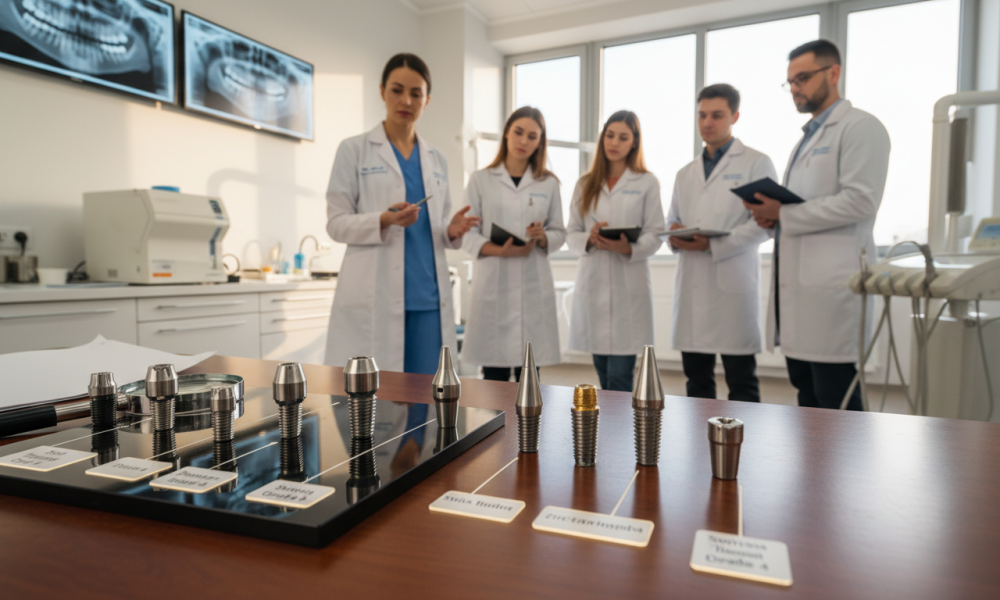
Top manufacturers such as Straumann, Nobel Biocare, and SPI lead with measurable performance. Clinicians review survival rates, osseointegration speed, and mechanical strength when assessing options.
Quality of manufacture and surface engineering influence how well an implant bonds with surrounding bone. That bond affects chewing function and long-term durability for patients.
Performance Metrics
- Survival rate: Long-term studies show consistent results across leading products.
- Bone integration: Surface treatments and thread design support stable bone contact.
- Manufacturing consistency: Tight tolerances reduce prosthetic mismatch and extra visits.
Many of these products are exported to over a hundred countries, which supports global confidence in their structure and clinical track record. For patients, that means access to proven options refined over years of research and practice.
Step by Step Guide to the Surgical Placement Process
A stepwise approach reduces uncertainty and supports reliable outcomes for patients. This short guide explains what happens from first visit through final restoration.
Initial Consultation
During the first visit, a dentist evaluates oral health and reviews medical history. X-rays and scans check bone and soft tissue. Together, clinician and patient plan timing, costs, and expectations.
Surgical Placement
In the surgery, an implant is precisely positioned into the jawbone. Implants designed with accurate threads aid stable seating and promote proper implant placement.
Local anesthesia keeps the patient comfortable. The surgical step focuses on stable fixation and minimal trauma to surrounding tissue.
Prosthesis Attachment
After a period of healing, the dentist confirms bone integration. Once integrated, the final tooth is attached to complete the dental implant procedure.
Careful follow-up supports healing and long-term durability. Each phase aims to restore function and match natural teeth so patients enjoy a seamless result.
- Clear planning reduces surprises.
- Precise placement protects bone and soft tissue.
- Final attachment restores chewing, comfort, and health.
Managing Your Recovery Timeline After Surgery
A careful recovery plan helps patients protect their new tooth and speed safe healing.
Immediately after the implant procedure, the first 48–72 hours focus on rest and minimizing swelling. Many patients see mild bruising and discomfort that improves with prescribed care and cold packs.
Over the next weeks, the process of osseointegration begins as titanium bonds with the jawbone. This critical phase often takes several months and requires avoiding heavy chewing on the site.
Daily hygiene matters during healing. Gentle brushing, targeted rinses, and following the clinician’s instructions reduce infection risk and support long‑term longevity of the tooth replacement.
- Follow activity limits and soft‑food guidance for the first two weeks.
- Attend scheduled checks so the dental implant can be monitored.
- Report unusual pain or swelling — early care protects bone and overall health.
With proper care and patience, many patients enjoy stable implants that restore function and confidence for years to come.
Essential Aftercare Practices for Lasting Oral Health
Simple habits at home keep a new tooth healthy for decades. Good routine supports healing and preserves function.
Daily Hygiene Habits
Consistent, gentle cleaning prevents plaque buildup and protects surrounding tissue. Brush twice daily and use floss or interdental brushes to clean around the implant site.
Keep regular appointments with a trusted dentist to monitor gum condition and check stability. Professional care finds problems early, which improves long-term quality and durability.
Treat implants like natural teeth: avoid hard foods during healing and follow instructions on rinses or topical gels. Proper steps reduce infection risk and help your new dental implant last for many years.
- Brush gently with a soft brush to protect soft tissue.
- Use floss or an interdental cleaner daily to remove plaque.
- Attend follow-up visits so a clinician can assess healing.
| Habit | Purpose | Result |
|---|---|---|
| Daily brushing | Remove surface plaque | Reduced inflammation |
| Interdental cleaning | Clean around abutment | Lower infection risk |
| Regular checkups | Professional monitoring | Early problem detection |
| Diet precautions | Avoid heavy forces while healing | Better osseointegration |
Determining if You Are an Ideal Candidate for Treatment
Good outcomes begin with clear clinical checks.
Not every person who wants a restored smile is an automatic candidate. A key medical test is whether there is enough bone in the jawbone to support an anchor for a dental implant.
A dentist will examine the mouth and use scans to rule out active gum disease. That step protects healing and the long-term success of the dental implant procedure.
Many patients with controlled diabetes or other stable conditions can proceed when they follow instructions and stay under medical review. Commitment to daily hygiene and regular follow-ups is critical.
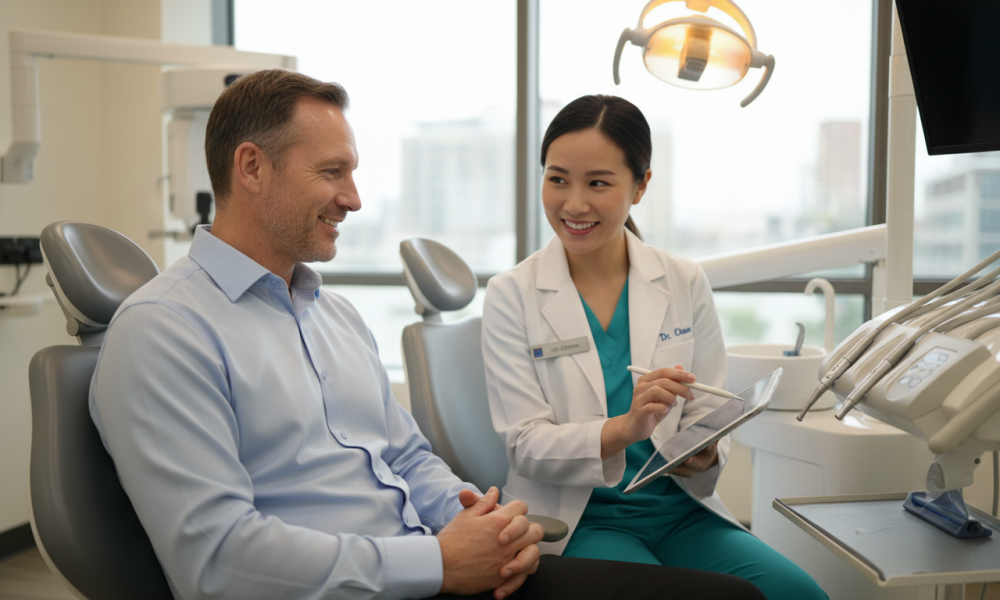
- Bone support: enough volume for stable placement.
- Health control: chronic conditions monitored and stable.
- Oral status: no active gum disease before treatment.
- Follow-up: proper care and check-ups after the implant procedure.
Choosing a high‑quality swiss implant solution can improve odds for those who previously struggled with tooth replacement. Honest screening helps match each patient with the right treatment plan and care pathway.
Aesthetic Benefits and Smile Design Outcomes
A well-planned restoration can change how a person feels about their appearance and daily life. It aims to blend function with a natural look so results feel seamless.
Custom work focuses on matching color, shape, and size. A crafted crown sits next to natural teeth and mirrors their lines. This careful match helps the new tooth look like it has always belonged.
Many patients report a real confidence boost after a full restoration that replaces missing teeth with a natural-looking solution. Restoring a smile can improve social ease and eating comfort.
Prosthetic design also considers long-term oral health. When form and function align, chewing forces stay balanced and surrounding bone and gum tissue remain stable.
| Benefit | How it looks | Clinical result |
|---|---|---|
| Natural contour | Matches tooth shape | Seamless smile line |
| Color match | Shade selected to blend | Improved appearance |
| Functional fit | Occlusion restored | Better chewing and health |
| Confidence | Natural aesthetics | Higher quality of life |
Evaluating Material Options Including Titanium and Ceramic
Modern restorative care offers metal and metal‑free choices that meet diverse needs.
When considering dental implants, patients compare a long-standing metal choice with newer ceramic alternatives.
Titanium is prized for its proven strength and predictable osseointegration. It suits many clinical situations where mechanical durability is essential.
Ceramic implants, typically zirconia, provide a metal-free option with a natural white hue. This color helps prevent any dark structure from showing through the gums during healing.
Both material paths are engineered to support the bone and jawbone. Each aims to create a stable base for the replacement tooth and a durable final result.
“Choosing a material is a balance of aesthetics, biology, and long‑term strength.”
- Discuss options with your specialist to match health needs and aesthetic goals.
- Consider long‑term quality and how material affects the healing process.
- Ongoing innovation continues to improve implant performance and patient outcomes.
How to Select the Right Dental Specialist for Your Needs
Finding a clinician who blends surgical skill with clear communication makes recovery easier and outcomes more predictable.
Start by prioritizing a dentist with measurable experience in the dental implant procedure. Ask about case volume, complication handling, and timeframes for each stage of the placement process.
Choose a professional who explains every step—from initial planning and implant placement to the final attachment of the tooth. Clear explanations reduce anxiety and improve follow-up care.
Look for advanced technology in the office: 3D imaging, guided surgical tools, and modern prosthetic workflows. These tools improve placement accuracy and overall quality of care.
Check a clinician’s record of success and patient reviews. Good outcomes, clear communication, and empathy matter as much as technical experience.
| Selection Factor | Why it Matters | What to Ask |
|---|---|---|
| Clinical experience | Handles complex cases | How many procedures per year? |
| Technology | Improves placement accuracy | Do you use 3D planning or guides? |
| Communication | Reduces uncertainty | Can you explain the full process? |
| Proven results | Predictable outcomes | Can I see before/after cases? |
For cost context and planning, review a clinic’s estimates like a clear guide to pricing and options at dental implant cost.
Conclusion
A confident smile grows from reliable products, careful technique, and steady aftercare. This approach restores both function and the natural appearance of your teeth while prioritizing long-term health.
Choosing a high-quality solution means investing in a treatment that aims for lasting durability and longevity. Proper care and regular check-ups help a tooth replacement remain stable for many years.
We hope this guide answered your frequently asked questions and clarified the implant procedure. For more asked questions or personal advice, consult a qualified professional to plan the next steps toward better oral health.
FAQ
What is a modern implant and how does it replace missing teeth?
A modern implant is a small titanium or ceramic fixture placed in the jawbone to act like a tooth root. After healing and integration with bone, a crown or bridge attaches to it, restoring chewing, speech, and appearance much like a natural tooth.
Who is an ideal candidate for implant treatment?
Good candidates are adults with one or more missing teeth, adequate jawbone volume, and healthy gums. Cancer survivors or patients with systemic conditions may still qualify after medical review and coordination with their care team.
How long does the surgical placement process take?
The procedure itself often takes one to two hours per implant for a straightforward case. Total treatment time varies—typically several months—because bone healing (osseointegration) must occur before final prosthesis attachment.
What can patients expect during the initial consultation?
The consultation includes medical history, oral exam, imaging (often a CBCT scan), and discussion of options. The dentist or specialist will evaluate bone quality, discuss material choices like titanium or ceramic, and outline a personalized plan.
Does implant surgery hurt and what is the recovery timeline?
Patients feel some discomfort, swelling, and mild bruising after surgery. Pain is usually managed with over-the-counter or prescribed medications. Most people return to normal activities in a few days; full healing and final restoration often take three to six months.
How durable are implants and how long do they last?
With proper care, implants can last many years—often decades. Longevity depends on oral hygiene, regular dental visits, smoking status, and overall health. High-quality manufacturing and precise placement improve long-term outcomes.
What are the main material options and differences?
Titanium implants are well studied and highly biocompatible, offering strong mechanical stability. Ceramic implants provide a metal-free option with favorable aesthetics and low corrosion risk. Your clinician will recommend the best choice based on anatomy and goals.
How does bone quality affect treatment and are bone grafts common?
Sufficient bone volume and density are essential for stability. When bone is thin or resorbed, grafting or sinus lift procedures can rebuild support. These steps add time but expand options for long-term success.
What are the aesthetic benefits and smile design outcomes?
Implants support natural-looking crowns that match adjacent teeth in color and shape. They preserve facial structure by preventing bone loss, improving long-term appearance and confidence in the smile.
How should patients care for implants every day?
Daily oral hygiene—brushing twice, flossing or using interdental brushes, and rinsing as advised—keeps implants healthy. Regular dental checkups and professional cleanings are crucial to detect issues early and maintain gum health.
How do patients choose the right specialist for implant treatment?
Look for a clinician with implant-specific training, experience with complex cases, and good patient reviews. Ask about the technologies they use (CBCT, guided surgery), success rates, and how they coordinate care for patients with medical histories like cancer.
How do modern systems compare globally in performance?
Top systems prioritize precision manufacturing, surface treatments that speed osseointegration, and rigorous quality control. Clinical evidence, long-term studies, and clinician training are key indicators when comparing options.
What complications should patients be aware of?
Complications are uncommon but can include infection, implant failure, nerve irritation, or sinus issues. Early detection through follow-up visits and prompt treatment reduces risks and improves outcomes.
Can implants be placed immediately after tooth extraction?
In selected cases, immediate placement is possible and can preserve bone and soft tissue. The dentist will assess infection risk, bone condition, and prosthetic needs to determine if immediate placement is appropriate.
What factors influence the total cost of implant treatment?
Costs vary with the number of implants, material choice, need for grafting or extra procedures, imaging, and prosthetic work. A detailed treatment plan and cost estimate from the provider will clarify expenses and payment options.
Related guides
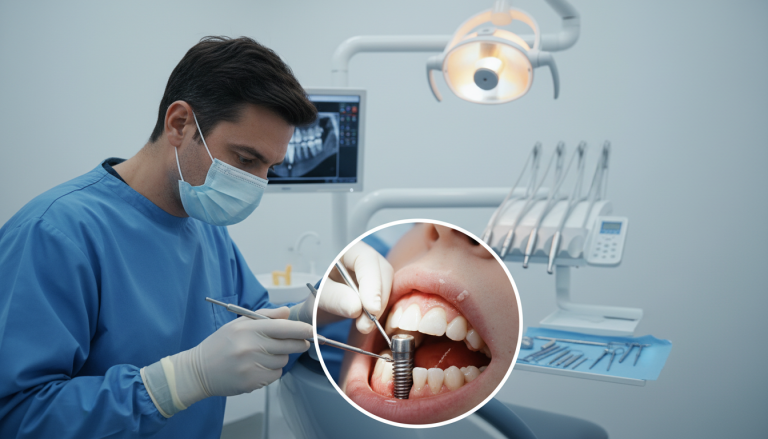
How Long Does a Dental Implant Procedure Take?
Curious if the journey to a restored smile will fit your life? Many patients wonder about the full…

Best Hair Transplant in Istanbul,Turkey
Could one clinic end years of worry and restore your confidence with a clear, tailored plan?Dr. Serkan Aygin…
What is Zygomatic Dental Implant?
Could anchoring into the cheekbone restore a confident smile when the upper jaw can’t?Zygomatic dental implants offer an…