
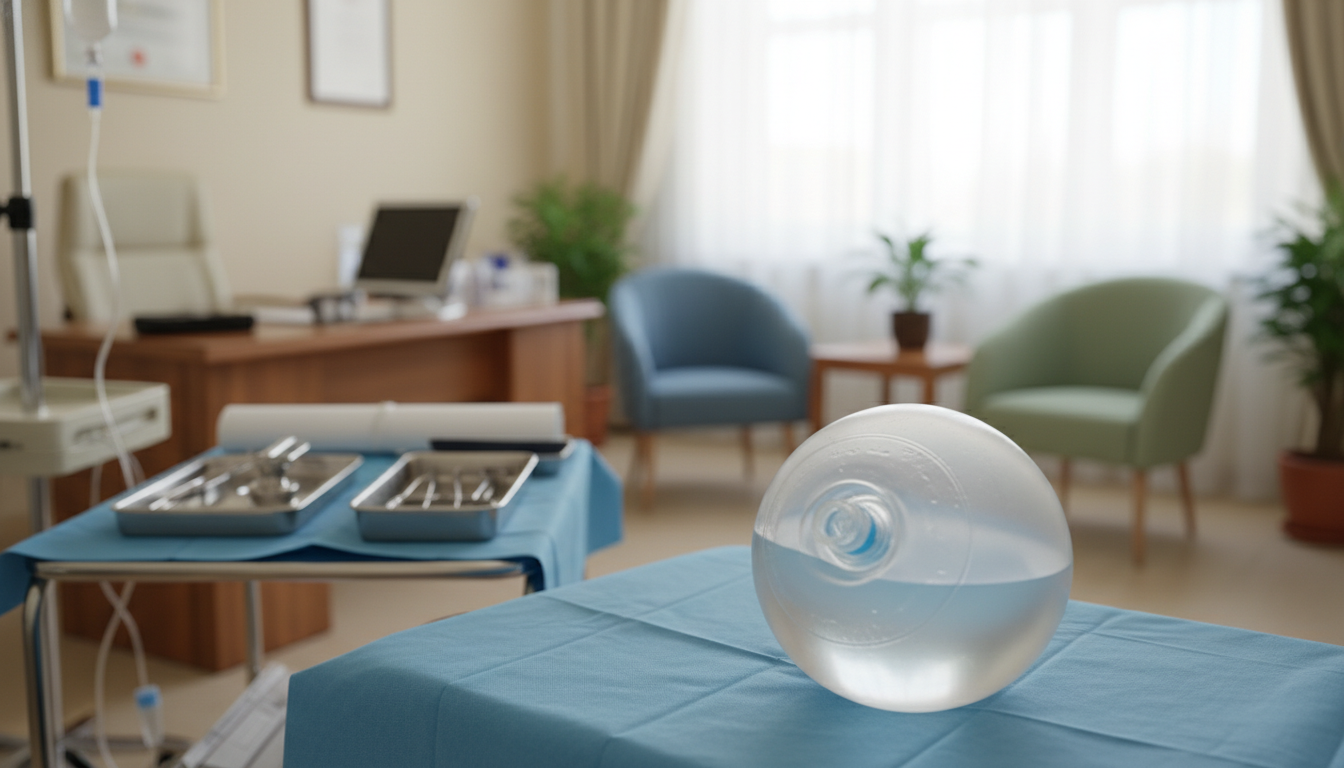
Could a temporary space inside your stomach offer lasting weight loss without major surgery? This question matters to people weighing options today. Since Nieben introduced a space-occupying device in 1982, intragastric balloon use has helped many with weight loss while avoiding traditional surgery. Still, recent FDA notes show a rise in deaths worldwide from seven to twelve since 2016, which calls for careful review.
This short guide outlines common side effects, how an endoscope helps place and remove balloons, and why early deflation can lead to obstruction in rare cases. It also explains why a multidisciplinary team and a recovery program matter for results and long-term lifestyle changes.
Key Takeaways
- Balloon therapy is a non-surgical medical procedure used for decades to aid weight loss.
- Talk with a doctor to weigh risks like nausea, pain, deflation, and obstruction against benefits.
- An endoscope and general anesthesia are often part of placement and removal steps.
- Monitoring, early detection, and a multidisciplinary team reduce complications and speed recovery.
- Long-term success depends on lifestyle changes and participation in a behavior program.
Understanding the Gastric Balloon Procedure
A step-by-step look at insertion and removal shows how a reversible approach supports short-term appetite control.
How the Device Works
The intragastric balloon occupies part of the stomach, reducing available space for food. This helps people feel full sooner and supports steady weight loss over about six months.
Nieben first introduced this concept in 1982 to promote satiety. Today, balloons remain a non-surgical option for those who want results without major surgery.
The Insertion and Removal Process
Placement is brief. During a roughly 20-minute procedure, a doctor uses an endoscope to guide a deflated balloon into the stomach.
The device is then filled with saline. No incisions are needed, and most patients go home the same day.
“The reversible nature of this procedure lets people try a temporary tool while they adopt lasting habits.”
- Recovery: Shorter than bariatric surgery; many resume normal activities in days.
- Support: A nutritionist and exercise therapist form a team to guide long-term health and weight management.
- Commitment: The balloon is a tool that works best with structured programs and behavior changes.
| Step | Time | Purpose |
|---|---|---|
| Consultation | 1 visit | Assess suitability for obesity treatment |
| Insertion | ~20 minutes | Place deflated balloon via endoscope and fill |
| Therapy period | Up to six months | Support appetite control and weight loss |
| Removal | ~20 minutes | Endoscopic retrieval; begin recovery plan |
Is the Gastric Balloon Safe?
Data and careful monitoring clarify safety for most candidates.
Data from more than 280,000 placements worldwide shows this temporary intragastric balloon is widely used for obesity care. In clinical trials, patients saw an average 15% weight loss after six months when they followed a supervised program.
Most people report brief side effects such as nausea or light abdominal pain as their body adjusts. These symptoms usually fade within days.
A doctor will track progress during the months the device is in place. The endoscope is used for both insertion and removal, making the procedure reversible and time-limited.

“With medical oversight, a multidisciplinary team reduces complications and supports better long-term results.”
- Pros: Non-surgical, reversible, supported weight loss up to about 15%.
- Cons: Short-term discomfort, rare complications, and a need for prompt attention to deflation or unusual pain.
- Key: Adherence to the program and early contact with your care team improve safety and outcomes.
Identifying Ideal Candidates for Weight Loss
Clinicians use BMI, medical history, and lifestyle readiness to decide if a device fits a patient’s plan.
Medical Contraindications
Who usually qualifies: People with a BMI between 30 and 40 who have not lost weight through diet and exercise may be considered for this intragastric balloon approach.
Who is excluded: Patients with a large hiatal hernia, prior gastric surgery, active stomach ulcers, or inflammatory GI disease are not candidates. Those with variceal disease or persistent heartburn despite medication are also screened out.
- A doctor must review full medical history and current meds.
- Participation in a supervised program and behavior change plan is required.
- Previous bariatric surgery usually disqualifies a patient from this procedure.
“Careful screening helps ensure people chosen for this approach get benefit with lower risk.”
| Criteria | Acceptable | Not Acceptable |
|---|---|---|
| BMI | 30–40 | <30 or >40 without other indications |
| Stomach conditions | Normal anatomy | Hiatal hernia, active ulcers |
| Prior surgery | No prior bariatric operations | Previous gastric surgery or variceal disease |
Common Side Effects and Recovery Expectations
Early weeks after placement usually bring adjustment symptoms, yet most patients find relief with simple measures.
Most people report nausea, mild abdominal pain, or brief vomiting. Symptoms typically ease within one to two weeks as the body adapts.
A doctor may prescribe antiemetics, antacids, or pain meds to help during that time. Outpatient care means patients go home the same day and recover quickly.
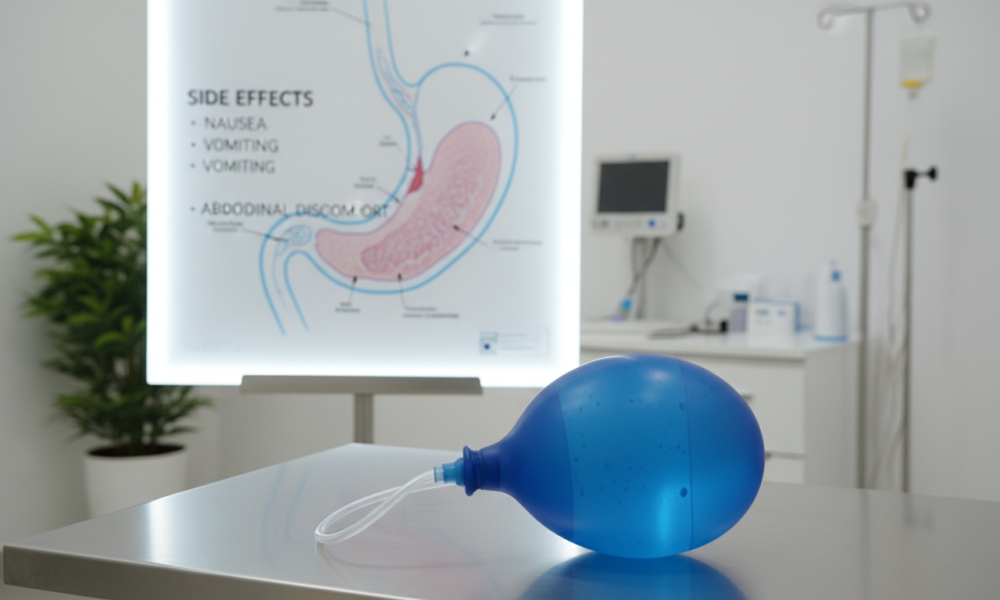
“If discomfort persists or severe pain occurs, early retrieval is a safe option to protect overall health.”
- Side effects usually subside in 7–14 days.
- Early removal may be needed for intolerance or serious complications.
- Follow-up visits monitor weight loss and stomach response.
| Issue | Usual Timeframe | Action |
|---|---|---|
| Nausea/vomiting | Days–2 weeks | Medications, fluids, clinic follow-up |
| Abdominal pain | Days–2 weeks | Analgesics, rest, consult doctor |
| Persistent intolerance | Within first months | Consider early removal, close monitoring |
Managing Potential Complications and Risks
Managing risks means watching for warning signs and acting quickly when symptoms change.
Gastric ulcers and erosion
Ulcers and erosion can develop when a device rubs against stomach lining. A 44-year-old patient needed early retrieval after severe nausea and a gastric ulcer.
Regular follow-up visits help spot this problem before it worsens. Doctors may treat ulcers with medication and remove the balloon if needed.
Bowel obstruction concerns
Obstruction is rare but serious. If a device deflates and moves, it can block the intestine and cause severe pain, vomiting, and other urgent signs.
Quick action matters. An endoscope can remove some obstructions. In other cases, surgery is required to protect health and allow future weight loss efforts.
The importance of early retrieval
Early retrieval is a key safety step for patients with persistent pain, ongoing vomiting, or signs of a deflated balloon. Some endoscopists prefer general anesthesia during removal to keep people comfortable.
- Report any unusual symptoms right away.
- Proper clinician training in deflation and retrieval reduces risks.
- Timely care lowers chances of perforation or obstruction.
“Prompt recognition and skilled removal keep complication rates low and support long-term success.”
The Role of Lifestyle Changes in Long-term Success
Success after removal often comes down to small, steady changes in daily routines.
Patients who stick with diet adjustments and regular activity keep more weight off after the device is out. Early weight loss is fastest during initial months, but lasting results need new habits.
Follow-up from a multidisciplinary team helps bridge that transition at six months. Nutrition counseling, exercise plans, and mental health support make a real difference.
Key elements include goal setting, routine check-ins, and a behavior program that teaches portion control and activity pacing.
“The device helps jumpstart change, yet lasting health comes from what patients do daily.”
- A team offers ongoing coaching and problem-solving.
- Regular check-ins spot slips early and adjust plans.
- Success measures include weight, energy, and improved health markers.
| Phase | Focus | Typical Support |
|---|---|---|
| During therapy | Appetite control, habit formation | Dietitian, exercise coach, monthly visits |
| At removal (six months) | Transition planning, relapse prevention | Behavior program, counseling, follow-up schedule |
| Long term | Maintenance, health metrics | Quarterly check-ins, community resources |
Comparing Balloon Therapy to Surgical Alternatives
Choosing between a temporary device and permanent surgery depends on goals and medical risk.
Balloon therapy offers a non-surgical path for people who want to lose weight but do not qualify for or decline bariatric surgery. It is reversible and requires no incisions, so recovery tends to be quicker and less painful than surgical options.
Many patients pick a balloon because it avoids permanent changes to anatomy. For those with a BMI of 30–40, this intragastric balloon approach can deliver meaningful weight loss when paired with follow-up care and a behavior program.
“A less invasive procedure can help people jumpstart change while they learn new habits.”
- Temporary and reversible versus permanent anatomical change.
- Shorter recovery and lower immediate procedural risk.
- Surgery may give larger long-term loss for some, but involves greater risk and longer downtime.
- Both paths need commitment to lifestyle change for lasting benefit.
| Option | Invasiveness | Typical Recovery | Best for |
|---|---|---|---|
| Balloon therapy | Low (no incisions) | Days to weeks | Patients seeking reversible, short-term aid |
| Bariatric surgery | High (incisions, permanent) | Weeks to months | People needing larger, lasting weight loss |
| Both | Varies | Requires lifestyle commitment | Ideal with multidisciplinary support |
Conclusion
A clear conclusion helps readers weigh benefits, risks, and real-world results before choosing a path.
For patients, a gastric balloon offers a non-surgical option to start meaningful weight loss. It can ease appetite and prompt early change when paired with a solid program and a supportive team.
Clinicians must watch for side effects such as nausea or signs of deflation that could lead to obstruction. Quick action with an endoscope can prevent worse complications and speed recovery.
Compared with bariatric surgery, this procedure is less invasive but still needs medical follow-up and lifestyle work. With careful selection, close follow-up, and patient commitment, many achieve lasting results and better health.
FAQ
Is the gastric balloon safe for weight loss?
Balloon therapy is generally safe when placed by an experienced medical team. Most patients tolerate the device well for up to six months, with common short-term effects such as nausea and abdominal discomfort. Serious complications — like balloon deflation, obstruction, or gastric erosion — are uncommon but possible. A pre-procedure evaluation and close follow-up reduce risk.
How does an intragastric balloon work to reduce weight?
The soft silicone balloon occupies space inside the stomach, which helps patients feel full sooner and eat less. Combined with a structured diet, behavior coaching, and medical monitoring, this temporary tool supports significant weight loss over the treatment period.
What happens during insertion and removal?
Placement and removal typically use an endoscope under sedation or light anesthesia. Insertion involves guiding a deflated balloon into the stomach and then filling it with saline. Removal reverses that process. Procedures usually take less than an hour and patients can often go home the same day.
Who is an ideal candidate for balloon therapy?
Candidates are adults with overweight or class I–II obesity who have not achieved lasting results with diet and exercise alone. People seeking a non-surgical option, willing to commit to lifestyle change and follow-up care, are good fits. A multidisciplinary team evaluates medical history, medications, and any prior stomach surgery.
Are there medical contraindications?
Yes. Contraindications include active gastrointestinal bleeding, large hiatal hernia, prior gastric bypass, certain clotting disorders, poorly controlled psychiatric illness, and pregnancy. The care team screens for these conditions during assessment.
What side effects should patients expect after placement?
Early symptoms often include nausea, vomiting, bloating, and abdominal pain as the body adapts. Most resolve within days to weeks with anti-nausea medications and diet adjustments. Longer-term effects may include reflux and changes in bowel habits.
How long is recovery after placement?
Recovery is usually brief. Many resume normal activities within 48–72 hours, though fatigue and mild pain can persist. Regular follow-up visits support dietary progression and monitor for complications.
What are the main risks and complications?
Key risks include spontaneous deflation, migration of a deflated balloon leading to bowel obstruction, gastric ulcers, and device-related erosion of the stomach lining. Infection and adverse reactions to sedation are rare. Early detection and timely removal limit harm.
How do ulcers and erosion occur and how are they managed?
Constant pressure or irritation from the balloon, combined with acid, can cause ulceration or erosion. Symptoms may include severe pain or bleeding. Management ranges from medication and close monitoring to early balloon removal and endoscopic or surgical treatment if needed.
What causes bowel obstruction and how often does it happen?
Obstruction can occur if a deflated balloon passes into the small intestine and becomes lodged. This is an uncommon complication. Sudden abdominal pain, vomiting, or inability to pass gas require urgent evaluation. Surgical or endoscopic intervention may be necessary.
Why is early retrieval important?
Leaving a device past its intended duration increases risks such as deflation, migration, and material breakdown. Removing the balloon on schedule — usually around six months — minimizes complications and supports a safer treatment course.
How important are lifestyle changes for long-term results?
Balloon therapy is a tool, not a cure. Sustained weight loss depends on nutrition education, exercise, behavior modification, and ongoing support. Programs that integrate dietitians, psychologists, and exercise specialists produce the best long-term outcomes.
How does balloon therapy compare with bariatric surgery?
Balloon therapy is less invasive, reversible, and has a shorter recovery time than procedures such as sleeve gastrectomy or gastric bypass. Surgical options typically deliver greater and longer-lasting weight loss but carry higher risks and require permanent anatomical changes. Choice depends on weight-loss goals, medical conditions, and risk tolerance.
Can cancer patients or survivors use this treatment?
Many cancer survivors can consider balloon therapy, but treatment must align with oncology follow-up and current health status. Active cancer, recent major surgery, or immunosuppression may contraindicate use. Coordination with oncology and the bariatric team is essential.
What should patients ask their doctor before proceeding?
Ask about expected weight loss, procedure steps, anesthesia plan, follow-up schedule, potential complications, and alternatives such as pharmacotherapy or bariatric surgery. Confirm the care team’s experience, emergency protocols, and the support program for lifestyle change.
Related guides
How Long Does a Dental Implant Procedure Take?
Curious if the journey to a restored smile will fit your life? Many patients wonder about the full…

Best Hair Transplant in Istanbul,Turkey
Could one clinic end years of worry and restore your confidence with a clear, tailored plan?Dr. Serkan Aygin…

What is Zygomatic Dental Implant?
Could anchoring into the cheekbone restore a confident smile when the upper jaw can’t?Zygomatic dental implants offer an…