

A patient flying abroad for treatment is rarely shopping for a vacation. They are usually trying to solve a real problem – long wait times, high out-of-pocket costs, limited specialist access, or a procedure their local system makes difficult to schedule. That is why the best treatments for medical tourism tend to share the same traits: they offer meaningful savings, strong specialist expertise, predictable outcomes, and a recovery plan that can realistically be managed away from home.
For patients, that means choosing treatments that balance value with safety. For hospitals and clinics building international programs, it means focusing on services that travel well, convert consistently, and support long-term patient trust. Not every procedure is equally suited to cross-border care, and that distinction matters.
What makes the best treatments for medical tourism?
The strongest medical tourism treatments are not simply the cheapest. Price gets attention, but sustainable patient demand comes from a mix of clinical quality, physician experience, hospital accreditation, treatment speed, and post-treatment follow-up. Procedures that are easier to evaluate before travel and easier to monitor after discharge usually perform better in the medical travel market.
There is also a practical layer. Treatments that require one trip, a short hospital stay, or a defined recovery timeline are generally more suitable than highly complex care that demands frequent in-person follow-up for months. This does not mean advanced procedures cannot work abroad. It means patient selection and care coordination become far more important.
Turkey stands out in this space because it combines modern private hospitals, internationally experienced physicians, competitive pricing, and strong accessibility for international patients. That combination has made it a flagship destination across several high-demand specialties.
Dental care remains one of the best treatments for medical tourism
Dental treatment consistently ranks near the top because the patient value proposition is easy to understand. Full-mouth restorations, implants, crowns, veneers, and smile design procedures can cost significantly less abroad than in the US, even after travel and accommodation are considered. At the same time, the treatment plan is often clear from imaging and consultation before the patient books a flight.
Dental tourism also works because timelines are relatively manageable. Some cases can be completed in one visit, while others require staged appointments. Patients still need to understand the trade-off: cosmetic work may be fast, but implant-based treatment often needs healing time and sometimes a second trip. Clinics that communicate this clearly build better trust than those promising unrealistically fast results.
For provider organizations, dental services are also highly marketable internationally because the outcomes are visible and demand is steady. That said, the programs that perform best are the ones that pair aesthetic results with proper diagnostics, sterilization standards, and realistic aftercare guidance.
Cosmetic and plastic surgery attracts strong international demand
Cosmetic procedures are another major category among the best treatments for medical tourism. Hair transplantation, rhinoplasty, liposuction, breast surgery, tummy tucks, and facelifts are commonly sought abroad because patients can access experienced surgeons and lower pricing without necessarily compromising on facility standards.
Turkey has become especially well known for hair transplants and rhinoplasty. That reputation did not happen by accident. It comes from concentrated physician experience, specialized clinics, and a mature ecosystem for international patient coordination.
Still, cosmetic travel has less room for poor planning than many patients assume. A lower price does not automatically mean better value if revision surgery becomes necessary later. Patients need to evaluate surgeon credentials, before-and-after consistency, anesthesia safety, hospital backup, and how complications would be handled once they return home. For clinics, conversion is important, but so is suitability screening. Turning away the wrong candidate is often the best long-term business decision.
Orthopedic procedures can deliver high value when timing is right
Orthopedic care is a strong medical tourism category, particularly for knee replacement, hip replacement, arthroscopy, and certain spine procedures. These treatments appeal to patients facing long wait times or very high domestic surgical costs. In many cases, the price difference is substantial enough to justify travel, especially when treatment can be arranged quickly.
The main issue is recovery logistics. Joint replacement is not a simple fly-in, fly-out experience. Patients may need inpatient rehabilitation, mobility support, and a well-structured follow-up plan once they return home. That makes orthopedic tourism more suitable for patients who can stay abroad long enough for early recovery and who have reliable support at home.
From a hospital growth perspective, orthopedics can be a high-value service line, but it requires stronger coordination than cosmetic or dental cases. International patient teams must be able to manage pre-op evaluations, surgical planning, rehab expectations, and post-discharge communication with precision.
Fertility treatment is highly sought after but deeply personal
IVF and other fertility services are among the most researched options in medical tourism. Patients often look abroad because of lower costs, access to specialized expertise, shorter waiting periods, or treatment options shaped by local regulations. For many intended parents, time matters as much as money.
This category demands a more sensitive approach than most. Success rates vary by age, diagnosis, and treatment history, so broad promises can quickly become misleading. The best fertility programs focus on transparency, proper case review, and clear communication about what is included, from testing and medication to embryo transfer and follow-up.
For patients, emotional readiness matters just as much as logistics. For providers, trust is everything. Fertility travelers are not just comparing prices. They are evaluating whether a program can guide them through one of the most stressful healthcare decisions they may ever make.
Bariatric surgery continues to grow in medical travel
Weight loss surgery has become one of the best treatments for medical tourism because it addresses a major health issue with a significant cost gap between countries. Sleeve gastrectomy and gastric bypass are the most common procedures sought abroad, especially by patients paying privately.
The reason this category performs well is simple: the procedure itself may be completed in days, but the life impact is long term. Patients often see medical tourism as a way to access surgery faster and at a cost they can manage. Yet this is also where poor facilitation can create real problems. Bariatric surgery requires nutritional monitoring, behavioral support, and ongoing physician oversight.
Programs that treat bariatric travel like a one-time sale miss the point. The better model is end-to-end coordination, including pre-op testing, hospital quality controls, discharge education, and post-op communication after the patient returns home.
Eye treatments and elective procedures are often a smart fit
LASIK, cataract surgery, and other ophthalmology procedures can also work well in the international market. These treatments are attractive because they are relatively standardized, specialist-led, and often completed with limited downtime. For self-pay patients, affordability can be a major driver.
The main advantage here is predictability. The main caution is candidacy. Not every patient qualifies for every vision procedure, and a credible provider will never reduce the decision to a quick price quote. Good screening protects both outcomes and reputation.
How patients should choose among the best treatments for medical tourism
The smartest question is not, “What is the cheapest country?” It is, “Where can I get the right treatment with the right team and a clear follow-up plan?” Patients should assess physician experience, hospital accreditation, infection control standards, treatment volumes, language support, and what happens if recovery does not go exactly as planned.
They should also be realistic about travel itself. A minor dental procedure and a major joint replacement do not carry the same risk profile. The more complex the treatment, the more important coordination becomes. Medical records, diagnostics, airport transfer, hotel planning, companion support, and post-treatment communication all affect the final experience.
This is where a guided model matters. DGS Healthcare supports patients and provider partners with a more structured approach to international treatment access, combining patient acquisition, operational coordination, and healthcare-specific systems that improve both conversion and care continuity.
Why some treatments are not ideal for medical tourism
Some treatments are simply harder to manage across borders. Highly unstable conditions, emergency care, or therapies requiring constant local monitoring may not be the best fit. Oncology can work in certain cases, especially for diagnostics or second opinions, but many treatment plans require repeated visits over time. That can limit practicality unless the care journey is carefully designed.
This is an important point for both audiences. Patients need honest guidance, not blanket encouragement to travel for everything. Providers need service-line strategy, not just international advertising. The strongest medical tourism programs grow by focusing on treatments that are clinically suitable, operationally manageable, and commercially sustainable.
Medical tourism works best when the treatment, destination, and care pathway make sense together. If you start there, cost savings become a benefit, not the only reason to book.
Related guides

Healthcare Content Compliance Guide for Growth
A high-performing treatment page can generate international patient inquiries within hours. It can also create material risk if…
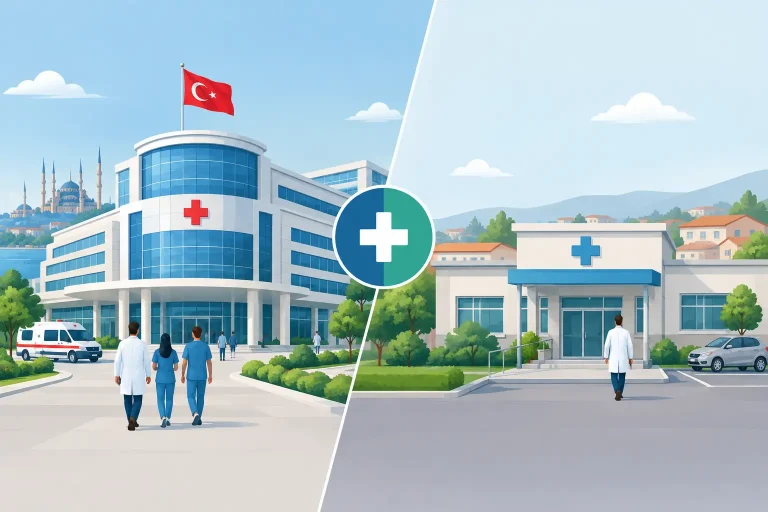
Turkey Hospitals vs Local Hospitals Compared
A lower procedure quote can get a patient’s attention. It should not make the decision on its own.…

Patient Experience That Drives Trust and Growth
A patient who has already uploaded medical records, compared providers, and arranged time away from work is not…