
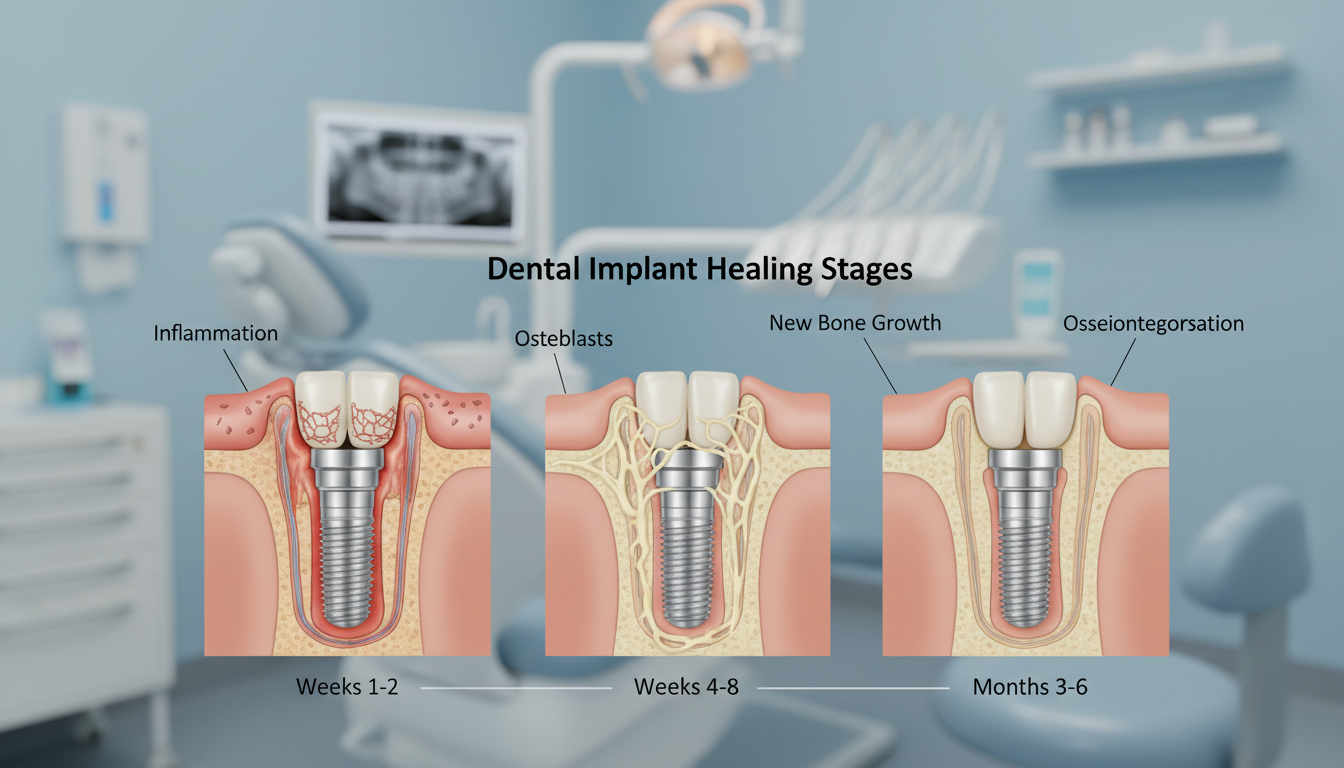
Could a clear roadmap for recovery change how patients face tooth replacement?
Many people enter treatment with questions about pain, time, and success. Understanding the Dental Implant Healing Stages gives patients the context they need to prepare and to follow post-operative instructions. The process mirrors natural tooth support and relies on careful care by both patient and dentist.
The journey includes placement, osseointegration with the jawbone, and final restoration with a crown. Each phase asks for patience, good hygiene, and attention to factors like bone density and overall health.
With clear guidance and proper care, implant recovery can lead to a lasting smile and lower risk of failure. This article will guide readers through expected discomfort, swelling, timeline in days and weeks, and ways to support successful outcomes.
Key Takeaways
- Knowing the healing timeline helps reduce anxiety and set realistic expectations.
- Osseointegration is central to long-term success—bone health matters.
- Following dentist instructions and hygiene cuts the risk of complications.
- Recovery often spans months; patience improves outcomes.
- Minor swelling and discomfort are common in the first days and weeks.
Understanding the Dental Implant Healing Stages
After surgery, the mouth begins a careful sequence of repair steps that lead to a stable, long-term result.
Most posts are made from titanium, a biocompatible metal that the body tolerates well. Early recovery focuses on soft tissue repair at the site and initial integration with the jawbone. This is a gradual process that often takes months rather than days.
- Commitment to care: follow your dentist’s instructions, take medications, and rest as advised.
- Hygiene matters: good oral hygiene reduces infection risk and supports osseointegration.
- Risk factors: smoking and poor health can slow recovery and increase the chance of failure.
- Manage discomfort: pain and swelling are common in the first days and weeks and are often manageable.
- Long-term success: proper care during the early weeks helps ensure the crown and surrounding teeth remain stable.
If questions arise, patients should speak with their dental professional to tailor the plan and support a smooth implant recovery.
Initial Consultation and Treatment Planning
Before any procedure, a careful consultation maps out a personalized plan for replacing missing teeth. This step sets expectations for the timeline, possible risks, and the likely path to recovery.
Medical History Evaluation
Medical history is reviewed closely. The dentist checks chronic conditions, medications, and habits that could affect healing. Patients with diabetes or immune concerns receive tailored care plans to reduce risk.
Oral hygiene and overall health are evaluated to support long-term success. This review helps determine how many implants are needed to restore function and the final crown plan.
Diagnostic Imaging
High-resolution X-rays or 3D scans pinpoint the best site for each implant and measure jawbone density. Imaging guides the precise placement and alerts the team to factors that may change the procedure.
- Assess jawbone and plan for bone grafts if required.
- Customize the surgical approach to limit pain and swelling.
- Discuss the recovery time in days and months and outline post-op instructions for good oral hygiene.
Clear planning reduces surprises and supports successful osseointegration. A thoughtful plan helps the patient feel prepared for surgery and confident about the path to a restored smile.
Surgical Placement and Immediate Recovery
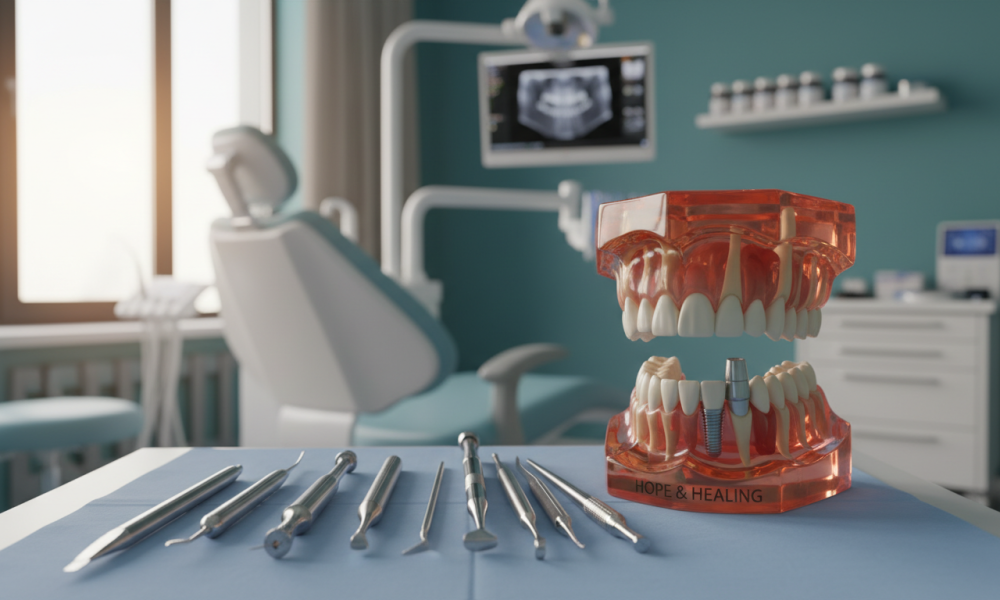
Immediate recovery centers on managing pain, protecting the bone entry point, and preventing infection. In the hours after implant surgery, mild swelling, minor bleeding, and tenderness near the implant site are common. Slight bleeding may continue for 24 to 48 hours; this is often normal.
Managing Early Post-Operative Symptoms
Follow your dentist’s instructions for medications and care. Use a cold compress to limit swelling and take only prescribed or recommended pain relievers.
Stick to soft foods and avoid chewing on the treated side. Gentle oral hygiene protects the surgical site—rinse as directed and skip vigorous spitting.
- Expect mild swelling and discomfort during the first 24–48 hours.
- Avoid smoking and strenuous activity to support bone and tissue recovery.
- Follow post-op instructions closely to help osseointegration and long-term success.
If unusual pain, heavy bleeding, or fever occurs, contact your dentist promptly. Careful attention in these first days gives the best chance for steady recovery and a secure crown in the months ahead.
The Critical Process of Osseointegration
Osseointegration is the biological bond that turns a metal post into a solid base for new teeth. This process lets bone grow tightly around the implant so it can support a crown without shifting.
Most dental implants take three to six months to fully join with the jawbone. Time varies by overall health and bone density at the site.
Good oral hygiene and careful care during this period make a big difference. The dentist will check progress at regular visits and look for signs of problems like infection or excessive pain.
- Keep the area clean: follow oral hygiene instructions to avoid bacterial buildup.
- Avoid smoking: tobacco slows bone growth and raises the risk of failure.
- Eat soft foods: protect the site until the bone fully supports the implant.
- Be patient: stability grows over months, and regular check-ups guide safe recovery.
With steady care and attention to overall health, osseointegration gives patients a lasting foundation for restored function and comfort.
Soft Tissue Healing and Abutment Attachment
When the abutment is fitted, the gum tissue must adapt and form a natural cuff around the connector.
The abutment is attached after osseointegration is complete to act as a connector for the final crown. This step moves the process from bone work to soft tissue shaping and brings the patient closer to restored teeth.
The soft tissue around the post needs a few weeks to heal and contour. During this time, mild soreness or swelling is common. These symptoms are usually normal and short-lived.
Your dentist will confirm the abutment is stable and will monitor the gum health before taking impressions for the crown. Good oral care during these weeks keeps the area clean and lowers infection risk.
Practical tips:
- Stick to soft foods and avoid chewing on the treated side.
- Follow brushing and rinsing instructions to protect tissues around the post.
- Report persistent pain, increased swelling, or unusual discharge to your dentist right away.
This stage is a key milestone in the implant healing process, signaling that the foundation is ready for the final crown and long-term recovery.
Final Restoration and Crown Placement
When the custom crown is seated, the restoration looks and acts like a natural tooth. This final step secures the crown to the abutment and completes the dental implant process.
What to expect: the crown is crafted to match color, shape, and size for a seamless fit. The dentist checks bite, alignment, and comfort before final cementation.
Once attached, most patients regain full chewing and speech function. Return to a wider variety of foods over weeks as comfort improves. Minor sensitivity or brief pain may occur but usually fades within days.
Regular check-ups are still important. These visits monitor the crown, surrounding bone, and gum health. Good oral care and periodic professional exams help implants last for many years.
- The crown restores function and esthetics.
- Fit and bite are verified by your dentist.
- Gradual return to normal foods is encouraged.
- Ongoing care preserves long-term health of implants.
| Phase | Typical Signs | Patient Action |
|---|---|---|
| Before crown | Soft tissue shaping, impressions taken | Follow care, avoid hard foods |
| At crown placement | Final fit check, minor sensitivity | Report bite issues, follow dentist advice |
| After crown | Full function restored, regular maintenance | Brush, floss, attend check-ups |
| Long-term | Durable restoration, routine monitoring | Maintain health, avoid tobacco |
Dietary Guidelines for Every Phase
Choosing the right foods after surgery makes a big difference in comfort and bone recovery. A clear, staged plan helps protect the implant site while providing needed nutrition.
Liquid and Soft Food Phase
For the first few days, focus on soothing, easy-to-swallow meals. Smoothies, broths, yogurt, and mashed vegetables supply calories without pressure on the post.
Cold foods can ease soreness. Avoid straws to prevent dry socket and disruption of the healing clot.
Transitioning to Solid Foods
Move slowly back to firmer items over weeks. Start with soft cooked vegetables, tender fish, and soft grains. Chew away from the treated side and follow your dentist’s guidance.
Foods to Avoid During Recovery
Avoid hard, crunchy, sticky, or spicy foods that can stress the area. Keep hot beverages mild and skip nuts, chips, and chewy candy until full implant healing is confirmed.
“A careful diet supports bone growth and reduces the risk of complications.”
- Tip: Maintain oral hygiene after meals to lower infection risk.
- Tip: Follow specific dietary instructions your dentist provides.
Managing Discomfort and Potential Complications
Some soreness is normal in the week after oral surgery, but worsening pain is a clear signal to seek care. Patients should track symptoms and follow post-op instructions closely.
Contact your clinic if you have persistent or increasing pain, heavy bleeding, fever, or any discharge at the implant site. Early communication helps your provider act fast and reduce risk.
Warning Signs of Implant Failure
Watch for a loose post, persistent swelling, spreading redness, or pus. These can suggest infection or poor osseointegration and require prompt evaluation.
Do not try home remedies for severe symptoms. Your dentist can prescribe antibiotics or other treatments and suggest measures to protect the bone and soft tissue.
- Persistent pain that worsens — call your clinic.
- Loose or shifting implant — seek immediate review.
- Ongoing swelling, fever, or pus — possible infection.
- Follow oral hygiene and care instructions to lower risk.
Early intervention improves the chance of full recovery. If something feels off during the dental implant healing process, reach out and get professional advice rather than waiting.
Lifestyle Habits for Long-Term Success
Lifestyle choices today shape the durability of your restored teeth tomorrow. Simple daily steps make a big difference in long-term outcomes after dental implant surgery.
Daily oral hygiene is essential. Brush twice a day, floss gently, and use any mouth rinses your provider recommends. The Australian Dental Association supports these routines to protect both natural teeth and dental implants.
Avoid smoking and limit alcohol. Tobacco slows bone repair and raises infection risk around the post. These habits can shorten implant life and complicate recovery.

Schedule regular check-ups for professional cleanings and stability checks. Wear a nightguard if you grind your teeth to prevent excess force on implants.
- Eat well: a balanced diet supports bone and gum health.
- Treat implants like natural teeth: consistent care protects your investment.
- Keep follow-ups: routine visits are the cornerstone of long-term success.
“Small, steady habits matter more than occasional big efforts.”
Conclusion
A successful recovery is a step-by-step path where small daily choices shape long-term results.
Patience and consistent care help these treatments become stable, natural-feeling teeth that restore function and confidence.
Follow your clinician’s instructions, keep hygiene routines, and attend follow-up visits to protect bone and soft tissue. Good habits lower complications and support lasting success with dental implants.
If you are considering dental implant surgery or want a review of your plan, contact Ascentia Dental Studio at (03) 5910 3107 to discuss a personalized approach.
We are here to support you through every phase of recovery. Your dedication to care will help implants remain healthy for years to come.
FAQ
What should I expect during the first week after surgery?
Expect mild to moderate discomfort, swelling, and minor bleeding the first 48–72 hours. Use prescribed pain relievers and cold packs, sleep with head elevated, and stick to liquids and soft foods. Follow your dentist’s oral hygiene instructions to reduce infection risk and speed recovery.
How long does it take for the jawbone to fuse with the post?
Bone integration typically takes three to six months, depending on bone quality and overall health. This process, called osseointegration, is key to long-term stability. Patients who avoid smoking and manage conditions like diabetes usually heal faster.
When can a patient get the abutment and crown placed?
After sufficient bone fusion and soft tissue healing, usually three to six months, the clinician attaches an abutment and later places the crown. Timing can vary if a bone graft or sinus lift was performed; those cases often need extra healing time.
What foods are safe right after the procedure?
Stick to cold or lukewarm liquids and soft foods—yogurt, smoothies, mashed potatoes, soups (not hot), and applesauce. Avoid crunchy, sticky, or hard items until your clinician confirms the site is stable.
When is it safe to return to normal eating?
Gradually reintroduce firmer foods after a few weeks, guided by comfort and your clinician’s advice. Full return to regular chewing typically occurs after the crown is placed and healing is complete.
What signs indicate a problem or infection?
Seek care for severe pain not relieved by medication, persistent swelling, pus or foul taste, fever, or loose hardware. Early intervention prevents failure and improves outcomes.
How does smoking affect recovery and success rates?
Smoking reduces blood flow and impairs healing, increasing the risk of failure and infection. Patients are strongly advised to quit or at least pause tobacco use during the entire treatment and healing period.
How should I care for the site while it heals?
Maintain gentle oral hygiene—soft brushing away from the surgical site and saltwater rinses after 24 hours. Avoid vigorous rinsing or spitting for the first few days. Attend all follow-up visits so the clinician can monitor healing.
Can patients with cancer or on cancer treatment receive this procedure?
Many cancer survivors can receive posts, but timing matters. Coordinate with the oncology team, especially if receiving radiation or bisphosphonates, as these affect bone healing and infection risk.
What activities should be avoided during the recovery period?
Avoid heavy lifting, strenuous exercise, and activities that increase blood pressure for several days. Also avoid using straws and smoking, which can dislodge clots and delay tissue repair.
Will I need antibiotics or other medications?
Providers often prescribe antibiotics and pain control for the immediate post-op period, plus antiseptic rinses. Always follow dosing instructions and report adverse reactions promptly.
How does overall health affect outcomes?
Good general health speeds healing. Conditions like uncontrolled diabetes, osteoporosis, and autoimmune disorders can slow recovery and raise complication risks. Discuss medical history and medications during planning.
How long will follow-up care continue after the crown is placed?
Routine dental visits every 6–12 months are recommended to check the restoration, surrounding tissues, and bone levels. Good oral hygiene and regular professional cleanings help ensure long-term success.
What can cause implant failure and how common is it?
Failure can result from infection, poor bone quality, excessive force, smoking, and certain medications. While most cases succeed, early recognition of warning signs and prompt treatment reduce the chance of loss.
Related guides
How Long Does a Dental Implant Procedure Take?
Curious if the journey to a restored smile will fit your life? Many patients wonder about the full…

Best Hair Transplant in Istanbul,Turkey
Could one clinic end years of worry and restore your confidence with a clear, tailored plan?Dr. Serkan Aygin…
What is Zygomatic Dental Implant?
Could anchoring into the cheekbone restore a confident smile when the upper jaw can’t?Zygomatic dental implants offer an…