
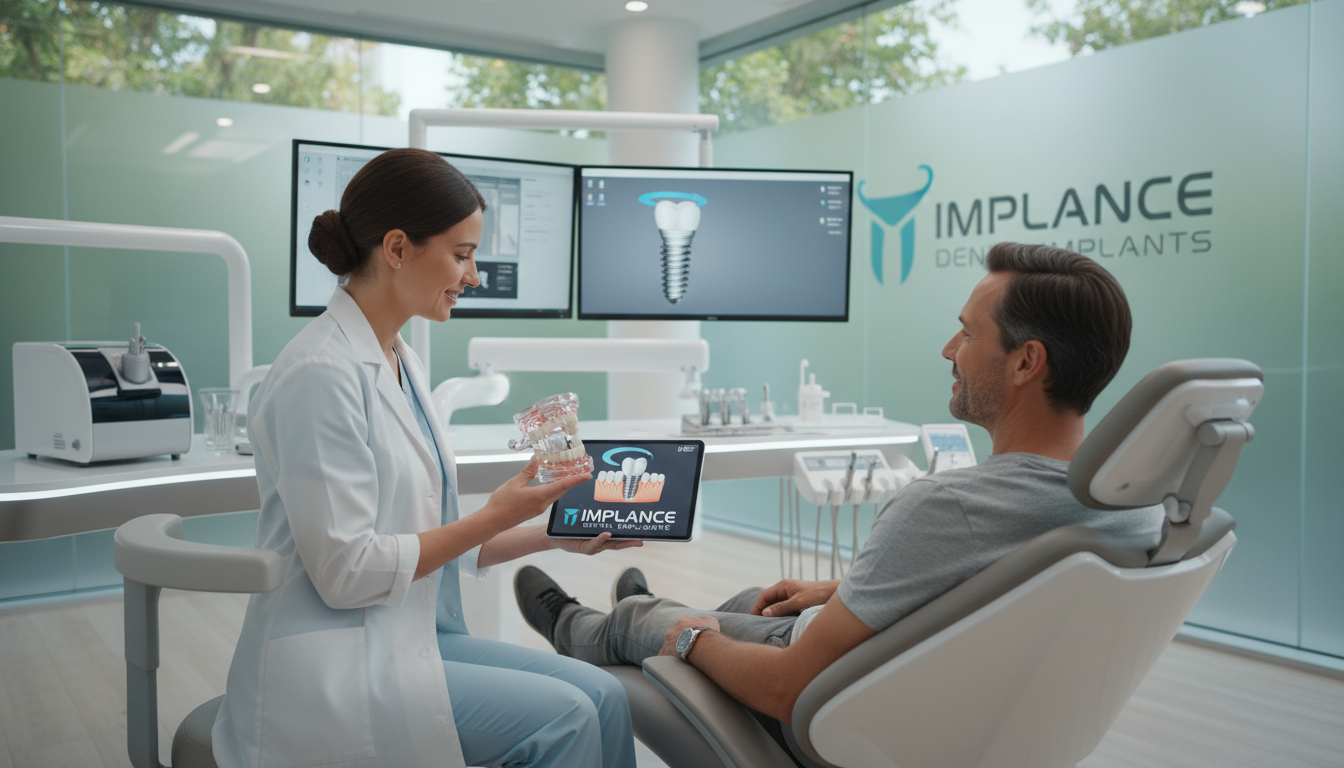
Can a single discovery change how patients reclaim a smile? This question invites a look at a quiet revolution in tooth replacement and care.
Per-Ingvar Brånemark found a stable bond between titanium and bone in 1952. That finding led to the first successful titanium implant in 1965 and set the stage for modern implant technology.
Today, advanced materials and precision engineering give patients durable options that mimic natural teeth. These treatments improve function, comfort, and quality of life for many people.
Choosing the right approach means tailoring care to bone density, tissue health, and personal goals. With innovations in placement and recovery, dental implant surgery now offers higher success and faster healing for suitable candidates.
Key Takeaways
- Origins matter: titanium-bone bonding began a new era in oral care.
- Modern options: implants now restore function and appearance reliably.
- Personalized care: plans match bone density and patient needs.
- Better recovery: advances speed healing and boost success rates.
- Long-term benefits: proper placement supports lasting quality of life.
The Evolution of Dental Restoration
Advances in materials and surgical technique have reshaped how clinicians restore lost teeth and preserve oral health.
Between 2015 and 2025, studies reinforced that modern dental implants offer superior restoration compared with removable prosthetics. Clinicians now favor implants because they restore functionality and help maintain bone.
Design improvements focus on longevity and integration. A well-placed implant bonds with bone to support chewing, speech, and smile aesthetics. This integration is key to long-term success and overall health.
“Contemporary implants deliver predictable outcomes and better quality of life.”
Patients gain options that look and feel like natural teeth. For many, these solutions become a permanent tooth replacement that reduces future dental care needs.
- Restoration options: fixed restorations that mimic teeth
- Longevity: decades of function when cared for properly
- Quality of life: improved comfort and confidence
Implance Dental Implants The Future of Dental Restoration Solutions
Choosing between titanium and zirconia shapes both appearance and long-term function for many patients. Clinicians weigh durability, tissue response, and esthetics when planning implant placement.
Titanium vs Zirconia
Titanium remains a reliable option thanks to decades of predictable osseointegration and strong mechanical performance. Patients with adequate bone often find titanium offers excellent long-term support.
Zirconia appeals when soft-tissue color or metal sensitivity matters. It can deliver improved esthetic outcomes for thin gum biotypes and for those seeking a metal-free approach.
Patient-Centered Approaches
A tailored plan considers medical history, bone quality, and aesthetic goals. Sterngold connection types, such as conical and internal hex, help clinicians match component choice to specific implant procedures and placement needs.
- Benefit: Better predictability with high-quality components.
- Benefit: Streamlined surgery and more comfortable recovery for many patients.
- Goal: A stable foundation that supports long-term oral health and restoration.
Understanding the Science of Osseointegration
Osseointegration explains how a metal post becomes part of living bone, creating a steady foundation for a replacement tooth.
Per-Ingvar Brånemark first described this bond in 1952, and 1965 marked the first successful placement that proved the concept worked in people.
This biological process lets an implant fuse with bone tissue so it can support chewing and speech over many years.
Predictable healing is one key advantage: clinicians now understand how different materials interact with bone. That knowledge improved success and recovery for many patients.
“Osseointegration turned a concept into a reliable clinical practice.”
- Stable structure: integration gives long-term support for artificial teeth.
- Better planning: material science and imaging reduce surprises during treatment.
- More options: innovations help patients with complex needs find effective care.
Advancements in Biocompatible Materials
Advances in alloy chemistry enable stronger, fatigue-resistant supports in tight spaces. These changes matter for clinicians who need reliable, slim posts for complex cases.
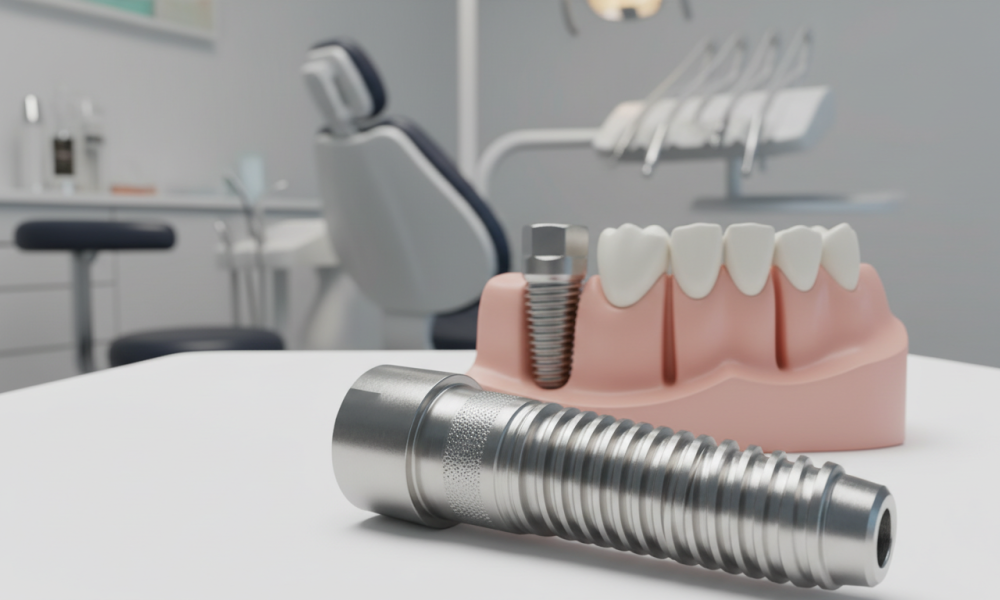
Titanium-Zirconium Alloys
Titanium-zirconium alloys offer higher fatigue resistance than traditional titanium. That strength lets makers produce narrow-diameter implants that still withstand chewing forces.
For many patients with low bone density, these materials improve the chance of a successful dental implant. By enhancing the bond with surrounding tissue, they support better healing and long-term stability.
“Stronger, thinner posts expand treatment options while keeping comfort and durability.”
- Benefit: Improved success rates for compromised bone density.
- Benefit: Thinner components where bulk would be problematic.
- Benefit: Better interaction with bone and tissue for lasting health.
| Property | Titanium | Titanium-Zirconium | Zirconia |
|---|---|---|---|
| Fatigue Resistance | Good | Excellent | Moderate |
| Suitable for Narrow Posts | Limited | Yes | Yes, esthetic cases |
| Bone Interaction | Proven | Enhanced | Good |
| Typical Use | Standard implants | Narrow-diameter implant options | Metal-free choices |
The Role of CAD and CAM in Modern Dentistry
Digital design tools now let clinicians preview restorations with millimeter accuracy before any surgery begins.
CAD and CAM workflows streamline planning and reduce chair time. Clinicians use intraoral scans and software to model a patient’s mouth and design a precise restoration.
This accuracy improves the fit of crowns and abutments. As a result, a dental implant can be placed with less guesswork and fewer adjustments.
- Faster treatment: fewer visits and shorter lab turnaround.
- Better fit: prosthetics match anatomy closely for comfort.
- High-quality materials: CAD/CAM supports durable, esthetic options.
For patients, that means a smoother process and faster return to normal eating and speaking.
“Digital workflows have changed how clinicians plan and deliver care.”
| Benefit | Impact on Treatment | Result for Patient |
|---|---|---|
| Digital planning | Accurate placement maps | Higher success and less time |
| Precision milling | Consistent prosthetic fit | Improved comfort and longevity |
| Material selection | Supports advanced ceramics and alloys | Natural look and durable function |
Precision Through Guided Surgical Procedures
Three-dimensional imaging turns complex bone anatomy into a clear, step-by-step map for surgeons.
Guided surgical workflows use CT scans and 3D models to plan each implant placement with millimeter-level precision. This planning reduces guesswork during the actual surgery.
3D Imaging Benefits
Clinicians map bone volume, identify vital anatomy, and tailor implant positions to support natural teeth. Planning like this improves predictability for patients and care teams.
Surgical Accuracy
Guides created from digital plans help surgeons place implants exactly where intended. That precision lowers the risk of complications and preserves surrounding tissue.
- Less invasive surgery and smaller incisions.
- Shorter chair time and faster recovery for patients.
- Stable foundation for long-lasting restoration.
“When mapping and guided placement align, patients experience safer, more reliable treatment.”
| Benefit | Impact on Procedure | Result for Patient |
|---|---|---|
| 3D planning | Exact implant placement maps | Higher success and fewer surprises |
| Guided guides | Controlled angle and depth | Reduced soft-tissue trauma |
| Predictable workflow | Fewer adjustments during surgery | Faster return to normal life |
Benefits of Nanotechnology in Implant Surfaces
At the nanoscale, implant surfaces speak to bone cells and speed healing. Nanostructured coatings increase bone-to-implant contact. This contact is key for long-term success in dental implant surgery.
By shaping surface features at tiny scales, engineers stimulate bone cell proliferation and guide tissue growth. As a result, implants integrate more effectively with surrounding bone and soft tissue. Patients often see shorter recovery times and more reliable function.
These advancements in modern dentistry create a stronger foundation for artificial teeth. Clinicians use this technology to improve healing, boost success rates, and protect overall oral health.
| Benefit | Effect on Healing | Impact for Patient |
|---|---|---|
| Increased bone contact | Faster osseointegration | Stable restoration |
| Cell stimulation | Enhanced tissue response | Shorter recovery time |
| Optimized surface | Better material integration | Longer-lasting results |
Integrating Robotics into Dental Surgery
Robotic arms now assist oral surgeons with millimeter-level control during delicate placement steps. This shift blends imaging, software, and mechanical accuracy to support clinical decisions.

Real-time Procedural Feedback
Robotics provide live guidance during implant procedures. Sensors and navigation systems feed back position and force data so surgeons can adjust in real time.
By the end of 2020, more than 50 robots were in use across the United States. That growth signals wider adoption of this implant technology in high-precision work.
What this means for patients is greater predictability and fewer surprises. Robots help reduce margin of error in implant placement and speed recovery for many people.
- Higher precision: consistent alignment with digital plans.
- Improved safety: reduced soft-tissue trauma during surgery.
- Predictable outcomes: steadier implant procedures and placement accuracy.
“Robotics represent a major step forward in providing advanced care and reliable results.”
Exploring Stem Cell Potential for Tooth Replacement
Researchers are investigating whether stem cells can one day grow full, functioning teeth from a patient’s own cells. King’s College London has shown early success using human gum cells and mouse embryo stem cells to produce tooth-like structures.
This line of work aims to regenerate bone and soft tissue around a new tooth. By rebuilding natural structure, clinicians hope to improve the long-term success of implant-based care and related treatments.
Though experimental now, the development could change how clinicians approach missing teeth. Using stem cells to support healing may reduce complications and offer more natural outcomes for patients.
- Potential: Grow organic teeth that integrate with bone and gum.
- Benefit: Better long-term health and less reliance on prosthetic parts.
- Goal: Safer, simpler tooth replacement that restores function and confidence.
Addressing Peri-implantitis and Long-term Success
Protective surface science now targets the microbes that drive progressive bone loss. With peri-implantitis affecting an estimated 10% to 50% of cases, prevention is vital for lasting outcomes.
Early action and surface innovation together reduce risk after placement. Clinicians use both mechanical cleaning and advanced coatings to lower bacterial load around the post.
Antimicrobial Coatings
Antimicrobial layers limit biofilm formation at the interface between metal and tissue. These coatings release or repel bacteria, helping to protect nearby bone and soft tissue during the critical healing window.
Bioactive Surfaces
Bioactive textures and chemistries encourage bone cells to attach and grow. By promoting faster osseointegration, these surfaces make implants more resistant to infection and support long-term success.
- Key point: Managing peri-implantitis is essential for patients with varying bone density.
- Key point: Protective surfaces improve healing and reduce failure risk.
- Key point: Ongoing oral health care remains part of the process to preserve results.
“Combining antimicrobial and bioactive strategies strengthens defense against infection and supports durable outcomes.”
For those researching cost and care options, see cost and care options to learn more about long-term planning that supports oral health and implant success.
Enhancing Patient Comfort and Recovery Times
Minimizing trauma at the surgical site helps patients feel better sooner and speeds return to daily life.
Modern approaches pair gentle technique with advanced materials and technology. This reduces how invasive a surgery must be. Patients often need less downtime after a single treatment.
When soft tissue and bone are preserved, healing proceeds more predictably. Comfortable care supports better overall health and long-term success for restored teeth.
These advantages create clear benefits for anyone facing tooth replacement. Faster recovery means less time away from work and family. It also lowers the stress that can slow healing.
“Patient-first planning focuses on comfort, speed of healing, and durable results.”
| Focus | Outcome | Impact for Patient |
|---|---|---|
| Minimally invasive technique | Less tissue trauma | Shorter recovery time |
| Advanced materials | Better bone interaction | Stable long-term results |
| Digital planning and guides | Precise placement | Fewer follow-ups |
Choosing the Right Restorative Partner
Selecting a restorative partner shapes outcomes long before a single procedure begins. Trust and clear processes bring greater precision to every step.
Value of Quality Components
General dentists in the United States perform roughly 500,000 implant placement procedures each year. A strong partner helps clinicians manage that volume with consistent parts and support.
Good components matter for patient comfort, faster healing, and durable results. Choosing reliable suppliers improves the odds of long-term success for each tooth and for overall oral health.
- Consistent quality: reduces chair time and touch-ups.
- Precision fit: supports predictable placement and better function.
- Practical value: bundled offers—such as Sterngold’s $99 all-in-one option—can lower upfront cost without cutting quality.
| Partner Feature | Cost Option | Benefit |
|---|---|---|
| High-grade components | Standard pricing | Improved long-term success |
| All-in-one bundles | $99 starter kits | Streamlined treatment planning |
| Technical support | On-demand help | Better placement and fewer errors |
Conclusion
Clinicians can now plan placement with precision that shortens recovery and boosts long-term success. This progress in dental implant technology and implant technology reflects steady innovations in imaging, materials, and guided surgery. These tools make implant procedures more predictable across the field.
Over the years, advancements in surgery and treatment have transformed how tooth replacement and restoration are approached. Each procedure now follows clearer steps in the planning process, which improves success and reduces time in the chair.
Patients benefit from faster healing, better functionality, and simpler recovery. With focused care and ongoing advancements, dental care and oral health remain central to lasting results. Thank you for following this overview as clinicians continue to refine modern implant procedures.
FAQ
What are the main differences between titanium and zirconia implants?
Titanium is a long-proven metal alloy known for strength and high osseointegration rates. Zirconia is a ceramic option valued for aesthetics and lower allergic risk. Choice depends on bone quality, smile visibility, and patient preference. Clinicians weigh durability, biocompatibility, and the restoration material when recommending one over the other.
How does osseointegration affect implant success?
Osseointegration is the direct bonding of bone to the implant surface. Strong integration stabilizes the fixture, supports chewing forces, and reduces micromovement that can lead to failure. Good surgical technique, sufficient bone density, and appropriate healing time all support successful osseointegration.
What advances in materials improve long-term outcomes?
New alloys like titanium-zirconium and advanced ceramics improve strength and corrosion resistance. Bioactive coatings and surface nano-topography promote faster bone growth. These material advances increase longevity and reduce risks such as rejection or surface degradation.
How do CAD/CAM systems change implant restorations?
CAD/CAM enables precise digital design and milling of abutments and crowns. That precision improves fit, reduces chair time, and helps labs produce consistent restorations. The result is better function, fewer adjustments, and greater patient satisfaction.
What benefits do guided surgical procedures offer?
Guided surgery uses 3D imaging and surgical guides to plan implant position before entering the room. Benefits include more accurate placement, reduced surgical time, and predictable prosthetic outcomes. This approach lowers complications and preserves vital structures.
In what ways does 3D imaging improve planning?
Cone beam CT and 3D scans reveal bone volume, nerve locations, and sinus anatomy. That information allows clinicians to choose implant size, angle, and position tailored to each patient. Better planning reduces surprises during surgery and improves long-term success.
Can nanotechnology on implant surfaces reduce complications?
Yes. Nanotextured surfaces and antimicrobial coatings encourage bone cells to attach while limiting bacterial colonization. These surface innovations speed healing and lower the risk of peri-implant infections that threaten implant stability.
How are robotics and real-time feedback used in implant surgery?
Robotic-assisted systems provide steady guidance and real-time tracking during drilling and placement. Surgeons receive feedback on angulation and depth, improving repeatability and minimizing human error. This leads to safer procedures and more consistent outcomes.
What role might stem cells play in future tooth replacement?
Stem cell research explores regenerating tooth structures and surrounding bone. While full tooth bioengineering is experimental, stem cell therapies show promise for enhancing bone regeneration and soft-tissue healing around implants, potentially reducing the need for grafts.
How is peri-implantitis prevented and managed?
Prevention centers on precise placement, good oral hygiene, and regular maintenance. If infection occurs, treatments include mechanical debridement, antimicrobial agents, and regenerative techniques. Antimicrobial coatings and bioactive surfaces also help reduce incidence.
What are antimicrobial coatings and bioactive surfaces?
Antimicrobial coatings release or resist bacterial adhesion to lower infection risk. Bioactive surfaces actively encourage bone cell attachment and mineralization. Together, they support faster healing and improved long-term integration of the implant.
How do modern approaches improve patient comfort and recovery?
Minimally invasive techniques, guided surgery, and better materials reduce tissue trauma and swelling. Faster osseointegration and precise restorations cut recovery times. Pain management protocols and clear aftercare instructions also help patients recover more comfortably.
What should patients consider when choosing a restorative partner?
Look for clinicians with implant-specific training, experience with digital workflows, and transparent outcome data. Quality components, reputable lab partners, and a clear treatment plan matter. Communication about risks, timeline, and maintenance builds trust and better results.
Why do component quality and lab partnerships matter?
High-quality abutments, screws, and crowns fit better and last longer. Trusted labs using precise CAD/CAM workflows ensure restorations match planning and function. Together, these factors reduce complications and extend the life of the implant-supported tooth.
Related guides
How Long Does a Dental Implant Procedure Take?
Curious if the journey to a restored smile will fit your life? Many patients wonder about the full…

Best Hair Transplant in Istanbul,Turkey
Could one clinic end years of worry and restore your confidence with a clear, tailored plan?Dr. Serkan Aygin…
What is Zygomatic Dental Implant?
Could anchoring into the cheekbone restore a confident smile when the upper jaw can’t?Zygomatic dental implants offer an…