
Can a simple device reshape your approach to weight loss? Many adults wonder if a non-surgical option can deliver real, lasting change without major operations.
The first clinical use of the gastric balloon dates to the 1980s, and devices have evolved a great deal since then. Modern systems, like Orbera, have helped over 300,000 patients worldwide during two decades of study and care.
Choosing a device means weighing health history, daily routines, and short- vs. long-term goals. Understanding treatment duration, how each balloon works in the stomach, and realistic weight expectations helps patients make safe choices.
For more on clinical history and patient outcomes, see a trusted resource on medical tourism and treatment options at medical tourism and treatment.
Key Takeaways
- Non-surgical balloons date back to the 1980s and have improved since then.
- Orbera has treated over 300,000 patients and is well-studied.
- Pick a device based on personal health, lifestyle, and goals.
- Know the expected months of treatment and how the device reduces appetite.
- Discuss long-term plans to turn early loss into lasting weight control.
Understanding the Role of Gastric Balloons in Weight Loss
Many adults turn to a minimally invasive option to jumpstart long-term weight loss without major surgery.
Since the first clinical use in the 1980s, this non-surgical intervention has become a time-tested solution for obesity management. It helps people who have tried diet and exercise but need extra medical support.
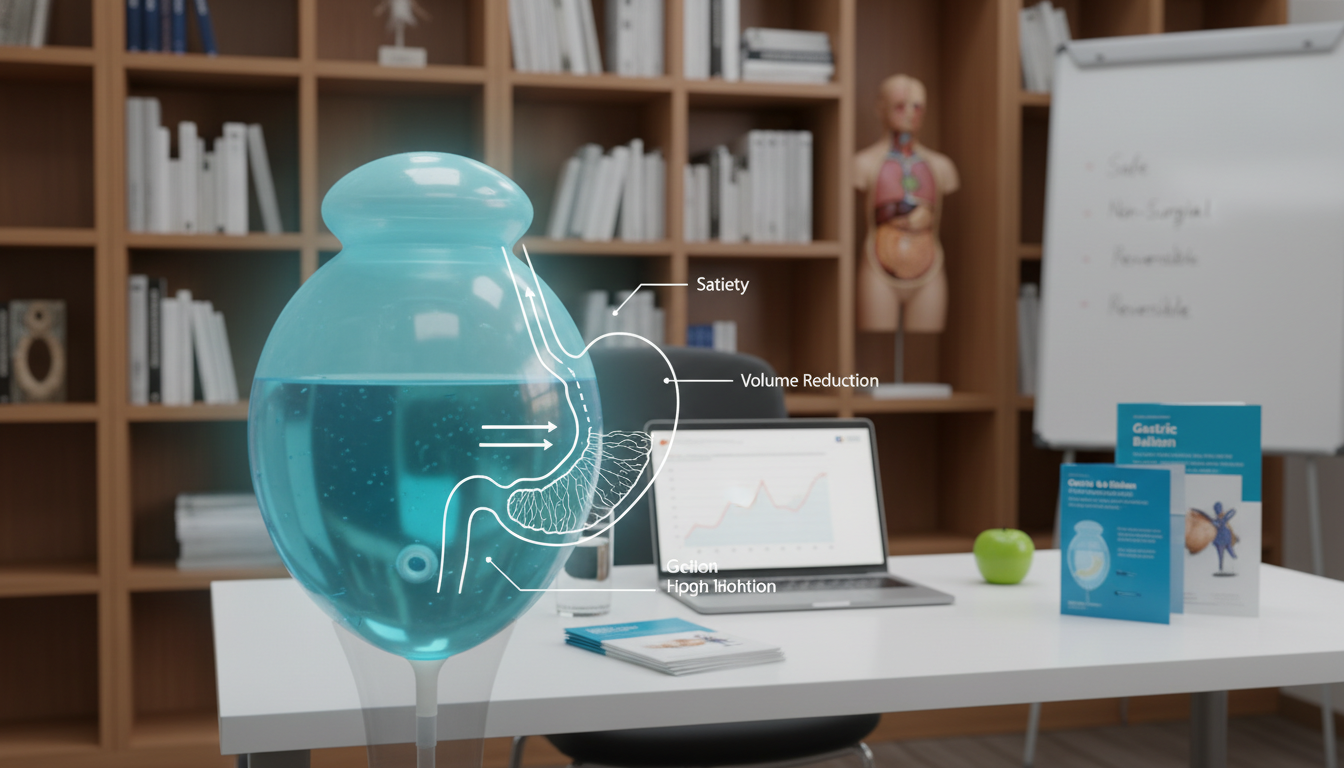
A gastric balloon works by occupying space in the stomach so patients feel full sooner and eat less. That simple change in satiety can lead to steady weight loss when paired with a structured program.
The main benefits include improved appetite control and a guided path toward healthier habits. Clinicians often suggest this procedure for those seeking a less invasive alternative to weight loss surgery.
“Patients report clearer portion control and faster early results, which can motivate ongoing lifestyle changes.”
- Non-surgical use reduces recovery time compared with major operations.
- Helps establish eating patterns that support long-term weight management.
- Serves as an interim intervention for patients not ready for surgery.
Which Gastric Balloon Is Best?
Deciding between two leading devices depends on how long someone wants support and how flexible that support must be.
Orbera is a soft silicone weight loss balloon placed endoscopically, filled with saline, and designed to stay in the stomach for up to six months. Patients often see steady early weight loss — commonly between 20 and 35 pounds — when paired with a structured program.
Spatz3 stands out as the only adjustable option worldwide. Its volume can be changed after placement, allowing the device to remain up to 12 months. That adjustability can help some people reach larger total loss — often reported between 25 and 50 pounds.
Choosing the right type comes down to goals. Pick Orbera for a shorter, focused program and predictable months of support. Choose Spatz3 when a longer, adaptable plan may improve long-term success.
“Both devices are placed endoscopically and filled with saline to help patients feel full and achieve results.”
- Orbera: fixed 6-month placement, durable silicone design, two decades of use.
- Spatz3: adjustable volume, up to 12 months of support, tailored approach.
Comparing Fixed Duration and Adjustable Options
Some people prefer a fixed timeline; others gain value from a device that adapts as they progress.
Duration matters: fixed devices stay for about six months and require endoscopic removal. Adjustable systems can remain up to twelve months, giving more time for steady weight loss and habit change.
The role of volume adjustment is central to comfort and outcomes. The Spatz3 allows clinicians to add or remove saline after placement. This helps ease nausea or increase fullness if progress slows.
“Adjustability lets the care team tailor volume to the patient’s tolerance and goals.”
- Placement fills the device with saline to occupy stomach space and reduce appetite.
- Adjustable volume can be reduced for comfort—fixed devices lack this option.
- Proper removal at the planned time is essential for every patient’s safety.
| Feature | Fixed (6 months) | Adjustable (Up to 12 months) |
|---|---|---|
| Volume change | No | Yes — add or remove saline |
| Typical time in stomach | 6 months | 6–12 months |
| Removal | Endoscopic at 6 months | Endoscopic when treatment ends |
| Patient comfort | Fixed level | Customizable |

The Benefits of Non-Surgical Swallowable Balloons
The swallowable device offers a low-intervention route for steady weight loss that fits busy lives. It avoids anesthesia and endoscopic placement, so patients often return to routine the same day.
Allurion is a capsule-style weight loss balloon that inflates in the stomach and stays for about four months. After that period the device naturally deflates and passes through the body, avoiding a second removal procedure.
- The procedure uses a thin tube via the mouth to guide swallowing—no surgery required.
- Many patients cite convenience and quick recovery as key benefits for lifestyle and work.
- Minor side effects such as nausea or abdominal cramping may occur but tend to be short lived.
- Cost varies by clinic and location, yet the solution remains popular for those avoiding surgery.
“A swallowable option can provide early appetite control and time to build lasting habits.”
| Feature | Swallowable Option | Traditional Endoscopic Option |
|---|---|---|
| Placement | Swallowed with thin tube via mouth | Endoscopic placement under sedation |
| Time in stomach | About 4 months | Typically 6–12 months |
| Removal | Natural deflation and passage | Endoscopic removal required |
| Typical side effects | Nausea, cramping (usually mild) | Similar early effects; sedation risks possible |
Evaluating the Traditional Endoscopic Procedure
A traditional endoscopic procedure gives precise control during placement and clear timelines for follow-up care. In a clinical setting, providers use general anesthesia so the patient rests comfortably during the procedure.
Anesthesia and Sedation
General anesthesia keeps the patient still and pain-free while the silicone balloon is passed through the mouth into the stomach. This controlled environment helps safe placement and reduces discomfort during the procedure.
Risks of Endoscopic Placement
The device is filled with saline once in place to promote early satiety and support weight loss. Because the method uses endoscopy, the balloon must be removed after about six months by a specialist.
- Proven use: time-tested procedure with predictable outcomes for many patients.
- Considerations: anesthesia and endoscopic access carry risks—bleeding, infection, or rare complications.
- Follow-up: planned removal and monitoring are essential for safety and long-term benefits.
“Endoscopic placement provides a structured, clinic-based path to early weight loss while requiring careful follow-up.”
Managing Side Effects and Recovery Expectations
Expect the first days after placement to be the toughest. Most patients report nausea, abdominal cramping, and bloating during the first 3–4 days as the stomach adjusts.
These effects are usually temporary. Over-the-counter remedies help many people, and clinicians often prescribe anti-emetics or antispasmodics when needed to ease symptoms and speed recovery.
When discomfort stems from excess volume, an adjustable option can help. The Spatz3 allows clinicians to reduce fluid so the patient feels better right away.
Follow-up care matters. Success in weight loss depends on following dietary guidance, attending scheduled visits, and reporting persistent symptoms early.
“Mild early side effects are common; prompt management and clear follow-up improve comfort and results.”
- Short-term side effects like nausea or cramping are normal after placement.
- Medicines and small volume adjustments can improve tolerance fast.
- After the device is removed at the planned time, lasting success relies on continued lifestyle changes.
How to Determine Your Eligibility for Treatment
A careful review of a patient’s health and routine helps guide the right treatment choice. The process balances medical history, current weight, and long-term goals to find the safest path forward.
Initial consultation is the first step. Doctors review past surgeries, medications, and any chronic conditions that might affect a weight loss plan.
During the visit, clinicians measure body mass index and discuss lifestyle changes required for success. They also explain options: a swallowable tube-based balloon or an endoscopic device placed through the mouth.
Eligibility often depends on BMI and commitment. Patients must be ready to follow a structured program and attend follow-up visits through placement and removal.
Cost, expected time in the stomach (months), and potential risks are clearly discussed so the patient can consent with confidence.
What clinicians typically evaluate
- Medical history and current medications
- Weight goals and previous attempts at loss
- Suitability for a swallowable or endoscopic placement
- Readiness for lifestyle changes and follow-up care
| Assessment Area | What is checked | How it affects treatment |
|---|---|---|
| Medical history | Surgeries, heart or GI conditions, meds | Determines safety for procedure and anesthesia |
| BMI and weight | Current weight, target loss | Helps choose 4–12 months type and program intensity |
| Lifestyle & goals | Diet habits, activity, support system | Predicts adherence and long-term success |
| Cost & logistics | Procedure price, clinic visits, removal | Affects choice between swallowable or endoscopic option |
The Importance of Lifestyle Programs and Long-Term Success
Sustained weight loss grows from consistent nutrition, activity, and regular follow-up.
The gastric balloon helps create early change, but it is only part of a broader plan. Patients who join a structured lifestyle and nutrition program keep more pounds off after the device leaves the stomach.
Regular consultation with a care team manages side effects like nausea and keeps the patient on track. These visits also help tailor progress over the months and support healthy habits that reduce the need for future surgery.
“The device is a tool—lasting results come from daily choices and ongoing support.”
Key program benefits: better weight management, fewer side effects, and higher chance of lasting success.
| Program Element | Benefit | Frequency | Expected Effect |
|---|---|---|---|
| Nutrition counseling | Smarter eating habits | Monthly | Improved weight loss maintenance |
| Activity plan | Steady calorie burn | Weekly | Higher long-term weight control |
| Medical follow-up | Manage side effects | Every 1–2 months | Safer procedure outcomes |
| Behavior coaching | Build lasting routines | Biweekly to monthly | Greater program success |
Conclusion
A thoughtful choice blends device features with realistic expectations and committed follow-up.
Whether considering the adjustable Spatz3, the long-used Orbera, or the swallowable Allurion, each option offers a different path to early weight loss. Pick the device that fits your timeline, comfort needs, and daily routine.
Prioritize a thorough consultation with a qualified bariatric specialist to match treatment to medical history and goals. Discuss endoscopic steps, adjustability, and recovery before consenting.
Remember: the balloon is a temporary tool to kickstart change. By committing to nutrition and lifestyle programs and regular follow-up, patients improve their chances of lasting, healthier outcomes.
FAQ
What types of intragastric devices are available for weight loss?
Several devices exist: endoscopically placed saline-filled silicone balloons such as ORBERA, adjustable systems like Spatz3, and swallowable capsules that self-inflate (for example, Elipse). Each option varies by placement method, duration in the stomach, and whether volume can be adjusted.
How do adjustable balloons compare with fixed-duration balloons?
Adjustable systems let clinicians change inflation volume to manage tolerance and hunger, which can improve comfort and weight-loss response over time. Fixed-duration balloons have a set volume and are removed after a defined period (commonly six months), offering a simpler protocol but less flexibility.
What are the advantages of a swallowable, non-surgical balloon?
Swallowable balloons avoid endoscopy and general anesthesia, reducing procedural risk and recovery time. They are often easier to place in an outpatient setting and may appeal to patients seeking a less invasive option for temporary weight reduction.
What does endoscopic placement involve and what are the risks?
Endoscopic placement uses a tube passed through the mouth while the patient is sedated or under light anesthesia. Benefits include precise positioning and larger volume capacity. Risks include reactions to sedation, gagging, nausea, ulceration, and in rare cases perforation or obstruction.
How long do weight-loss balloons stay in place?
Duration varies by device: many saline-filled balloons remain for about six months, some adjustable devices can remain longer (up to a year), and certain swallowable balloons are designed to self-empty and pass naturally after a few months. Removal timing should follow the manufacturer and clinician guidance.
What side effects and recovery should patients expect after placement?
Nausea, vomiting, abdominal discomfort, and reflux are common during the first days to weeks. Most symptoms improve with medication, dietary adjustments, and close follow-up. Serious complications are uncommon but require prompt medical attention.
How is eligibility for an intragastric device determined?
Eligibility depends on body mass index (BMI), medical history, previous weight-loss attempts, and overall health. Clinicians assess conditions such as prior abdominal surgery, gastrointestinal disease, pregnancy, and psychiatric factors to decide suitability.
What role does volume adjustment play in treatment outcomes?
Adjusting balloon volume can tailor satiety, reduce side effects, and optimize weight loss. For example, increasing volume may enhance fullness, while reducing it can relieve intolerance. Not all devices allow adjustments, so choice of system affects this option.
How important are lifestyle programs while using a balloon?
Lifestyle support—nutrition counseling, behavioral therapy, and exercise plans—is essential. Balloons are a tool to jump-start change; sustained weight loss depends on developing new habits during and after device therapy.
How long before weight loss is noticeable and how much can patients expect?
Many patients see initial weight loss within weeks. Amounts vary widely based on device type, adherence to lifestyle changes, and individual metabolism. Clinical studies report significant short-term reductions, but long-term success relies on ongoing behavioral support.
What happens when a balloon needs removal?
Endoscopically placed balloons are removed under sedation using an endoscope. Swallowable balloons designed to pass do so naturally; some require endoscopic retrieval if they fail to empty. Follow-up care includes nutrition planning to maintain progress.
Are there cost differences between devices and procedures?
Yes. Costs depend on device type, placement method, clinician fees, anesthesia, follow-up visits, and any required removal procedure. Adjustable and endoscopically placed systems often cost more than swallowable, non-surgical options. Insurance coverage varies—patients should consult providers and insurers.
Can patients with prior cancer or active cancer consider these treatments?
Individuals with current cancer typically require a careful oncologic evaluation before elective weight-loss interventions. Survivors may be candidates after multidisciplinary review, considering treatment history, nutritional status, and timing relative to cancer therapy.
How should someone choose between ORBERA, Spatz3, or a swallowable option?
Choice depends on goals, tolerance for procedures, desired treatment length, need for adjustability, and medical history. ORBERA is a well-studied fixed-volume device; Spatz3 offers adjustment over a longer duration; swallowable systems minimize invasiveness. A consultation with a bariatric clinician will align a device to the patient’s health goals and lifestyle.
Related guides
How Long Does a Dental Implant Procedure Take?
Curious if the journey to a restored smile will fit your life? Many patients wonder about the full…

Best Hair Transplant in Istanbul,Turkey
Could one clinic end years of worry and restore your confidence with a clear, tailored plan?Dr. Serkan Aygin…

What is Zygomatic Dental Implant?
Could anchoring into the cheekbone restore a confident smile when the upper jaw can’t?Zygomatic dental implants offer an…