
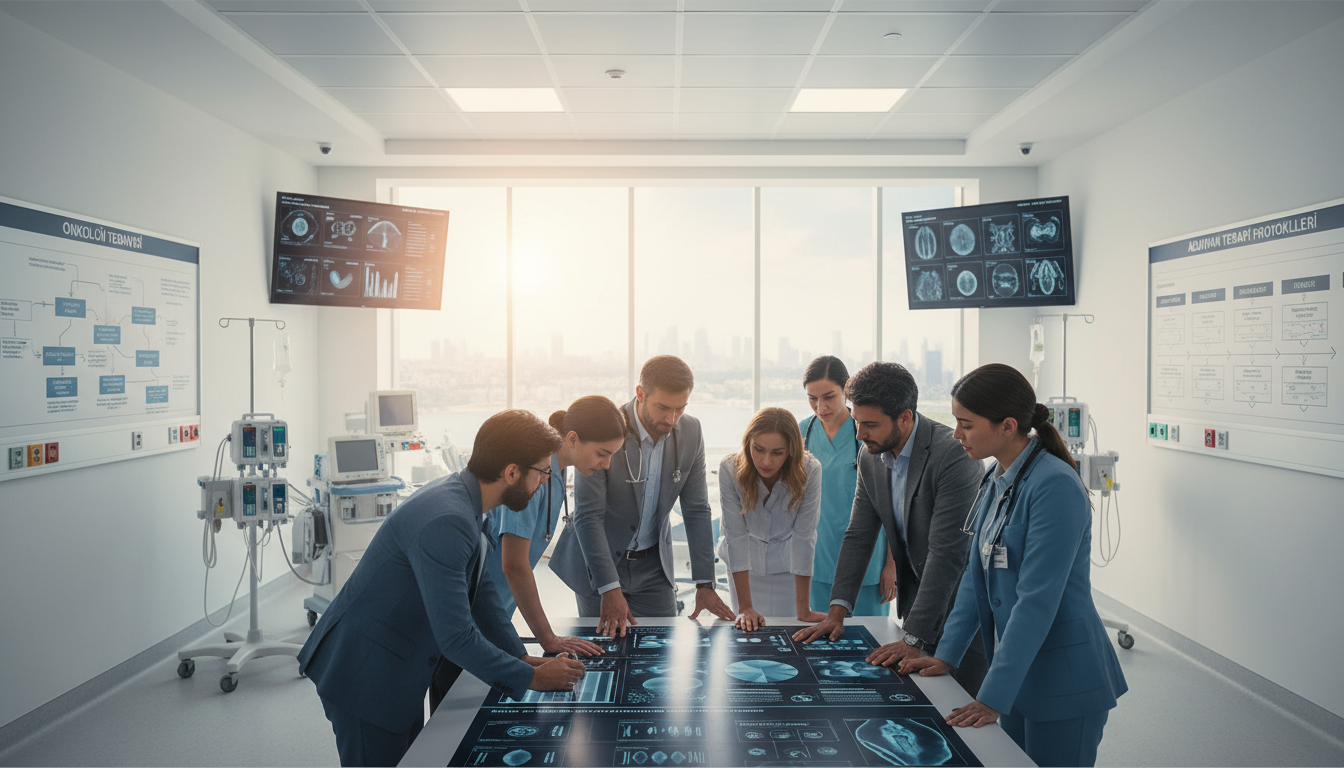
Turkey is now a top choice for people looking for top-notch cancer care. It combines the latest medical tech with expert doctors. This makes Turkey a key place for cancer treatment worldwide.
More and more people are picking Turkey for their complex treatments. They like the focus on personalised care programmes and the skill of Turkish specialists. Turkish hospitals make sure you get the care you need smoothly.
In Turkey, the healthcare system supports patients from start to finish. It aims for the best results in every treatment. Choosing Adjuvant Therapy here means you get modern care that puts your safety first.
Key Takeaways
- Turkey is a leading centre for advanced oncology and cancer management.
- Patients benefit from the integration of cutting-edge technology and expert clinical teams.
- The country offers a highly professional and supportive environment for international visitors.
- Treatment plans are tailored to individual needs to optimise recovery results.
- Turkish medical facilities maintain rigorous standards to ensure high-quality care for all.
The Landscape of Cancer Care in Turkey
Turkey has made a big push for top-notch healthcare. It has invested a lot in its health sector. This means patients get world-class care.
Investment in Medical Infrastructure
Turkish hospitals have been upgraded with new facilities. They now have the latest in diagnostic and treatment tech. This ensures Turkey’s care is on par with the best globally.
Digital health records and modern surgery suites make patient care smoother. These updates are key for safe and effective cancer treatment. Hospitals in big cities have equipment as good as the UK’s.
The Rise of International Oncology Centres
Turkey has seen a rise in special oncology centres. These centres handle complex cases with a multidisciplinary approach. They serve both locals and visitors needing expert care.
These centres have top international accreditations. They show a commitment to safety and quality. Patients get personalised care plans based on their needs and genetic profiles.
Understanding Adjuvant Therapy and Its Clinical Purpose
Adjuvant therapy is a key part of cancer treatment after surgery. It targets any cancer cells left behind. This postoperative therapy helps lower the chance of cancer coming back.
Defining Postoperative Treatment Goals
The main goal of this treatment is to make sure the surgery was successful. Even if most of the tumour is removed, some cancer cells might stay. Adjuvant Therapy helps get rid of these hidden cells.
Patients get treatments like chemotherapy or hormone therapy. These are chosen based on the tumour’s type. This way, treatment is as effective as possible while keeping side effects low.
Distinguishing Adjuvant from Neoadjuvant Approaches
Many people get confused about when cancer treatments happen. Adjuvant and neoadjuvant therapies are different. Knowing this helps manage what to expect during recovery.
| Feature | Adjuvant Therapy | Neoadjuvant Therapy |
|---|---|---|
| Timing | After surgery | Before surgery |
| Primary Goal | Eliminate residual cells | Shrink the primary tumour |
| Clinical Focus | Preventing recurrence | Improving surgical outcomes |
Neoadjuvant therapy makes tumours smaller for easier removal. Adjuvant Therapy is used after surgery. Knowing the difference helps patients understand their treatment’s role in their health.
The Role of Adjuvant Therapy in Modern Oncology
Adjuvant therapy is key in fighting cancer by targeting hidden threats. It follows primary treatments like surgery to improve long-term outcomes. This approach helps increase survival rates for many tumour types.
Reducing the Risk of Recurrence
The main aim is to lower the chance of cancer coming back. Even after surgery, tiny cancer cells might stay. Adjuvant Therapy acts as a safety net, killing these cells before they grow into new tumours.
People often look into chemotherapy in Turkey for these advanced measures. Following a structured plan can significantly lower the risk of cancer spreading. This proactive approach is vital for keeping health stable after diagnosis.
Systemic Control of Micrometastatic Disease
Micrometastatic disease means small cancer cells that can’t be seen by usual scans. These cells move around the body, needing a systemic treatment. Adjuvant Therapy reaches these hidden risks effectively.
Modern oncology uses these treatments to manage disease spread. This ensures even tiny cancer traces are handled with care. The table below shows the main differences between treatment stages.
| Treatment Phase | Primary Objective | Target Area |
|---|---|---|
| Neoadjuvant | Shrink tumour size | Primary site |
| Primary Surgery | Physical removal | Visible tumour |
| Adjuvant Therapy | Prevent recurrence | Systemic/Micrometastatic |
Advancements in Chemotherapy Protocols
Cancer care in Turkish medical centres is evolving fast. They focus on drug therapy based on solid evidence. Hospitals follow international standards to create treatment plans for each patient. This makes care more consistent and reliable across the country.
Standardised Regimens and Dosage Optimisation
Turkish oncology departments use strict protocols for chemotherapy. They use advanced tests to figure out the right dosage for each patient. This careful planning makes treatments more effective and safer.
They keep their treatment plans up to date with the latest research. This means patients get the best drug therapy based on global success stories. It shows Turkish oncology’s commitment to using the latest science to help patients.
Managing Toxicity in Outpatient Settings
Modern oncology centres in Turkey have changed how they deal with side effects. They use outpatient facilities to give patients quality care without long hospital stays. This makes recovery more comfortable and helps patients stay well.
Doctors are trained to prevent and manage discomfort early on. They closely watch patients and provide support to handle side effects. This patient-focused care is key to making chemotherapy a manageable option for recovery.
Precision Radiotherapy Techniques in Turkish Hospitals
The way cancer care is done in Turkey has changed a lot. Now, they use radiotherapy that is very precise. This means patients get treatments that work well and help them stay healthy for a long time.
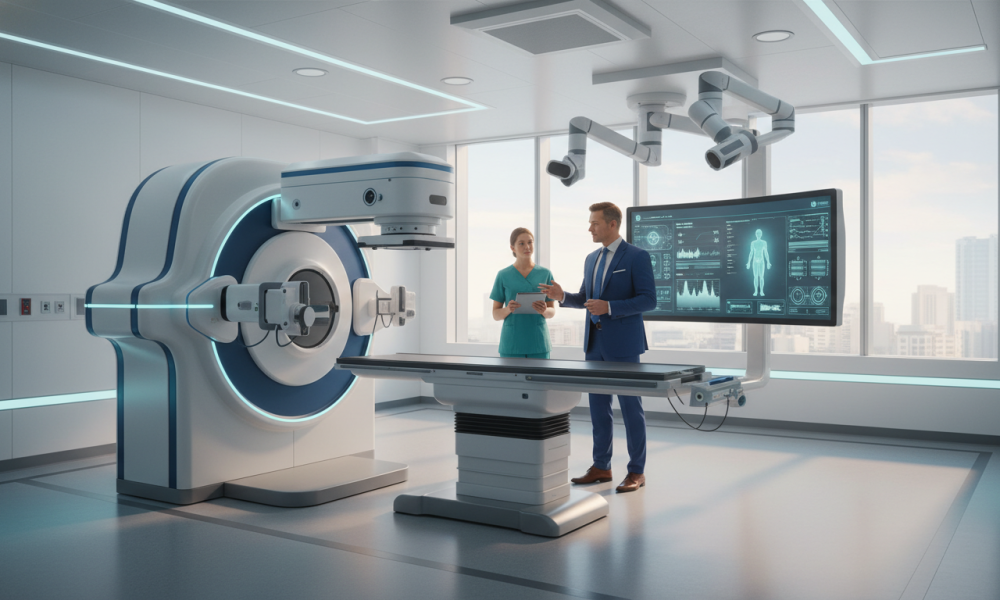
Intensity-Modulated Radiation Therapy (IMRT)
Intensity-Modulated Radiation Therapy, or IMRT, is a big step up in fighting tumours. It lets doctors shape the radiation to fit the tumour perfectly.
They can change how strong the radiation beams are. This way, they can hit the tumour hard but not harm the healthy tissues around it. This makes the treatment safer and helps patients recover faster.
Stereotactic Body Radiotherapy (SBRT) Applications
Stereotactic Body Radiotherapy (SBRT) is great for targeted treatments. It gives high doses of radiation with great accuracy, often in fewer sessions than usual.
SBRT is best for small, hard-to-reach tumours. It’s very precise, which means it doesn’t harm healthy organs much.
| Technique | Primary Benefit | Best Use Case |
|---|---|---|
| IMRT | Tissue Sparing | Complex tumour shapes |
| SBRT | Pinpoint Accuracy | Small, isolated lesions |
| Standard Radiotherapy | Broad Coverage | Generalised treatment |
Targeted Therapy: Personalised Approaches to Treatment
The old days of one treatment for all are gone in Turkish medical centres. Now, doctors use precision medicine to match treatments to each patient’s unique needs. This means the drug therapy chosen is right for the person.
Molecular Profiling and Genetic Testing
Doctors use advanced tools to study a tumour’s genes. They look for specific mutations that make cancer grow. This genetic testing helps pick the best targeted therapy for each patient.
This way, doctors can plan treatments that are likely to work. They avoid treatments that won’t help much. This makes cancer care better today.
Small Molecule Inhibitors and Monoclonal Antibodies
When doctors find the right biomarkers, they use special drugs to stop cancer cells. Small molecule inhibitors get inside cells to stop them from growing. This is a big step forward in drug therapy.
Monoclonal antibodies, on the other hand, target specific proteins on cancer cells. They mark these cells for destruction or stop them from growing. This targeted therapy is precise, protecting healthy cells.
Immunotherapy Developments and Patient Access
Modern oncology in Turkey is changing fast with the use of immunotherapy. These treatments use the body’s own defences to fight cancer. Now, patients can get these treatments in top-notch medical centres.
Checkpoint Inhibitors in Clinical Practice
Checkpoint inhibitors are a big step up in cancer treatment. They stop proteins that stop the immune system from fighting cancer cells. This lets the body attack tumours better.
In Turkey, these drugs are used for many types of solid tumours. Doctors watch patients closely to make sure they get the best care. This precision-based approach means each patient gets the right treatment for their cancer.
Emerging Immunological Research in Turkey
Turkey is becoming a key place for new clinical trials and research. Top hospitals work with international teams to test new immunotherapy agents. This is important for finding new treatments for patients who haven’t responded to usual therapies.
Research is also looking for biomarkers to see who will benefit from treatment. By joining these trials, Turkish centres help the world learn more. They also give patients early access to novel therapeutic agents. This keeps Turkey at the leading edge of cancer care.
| Treatment Feature | Traditional Therapy | Immunotherapy |
|---|---|---|
| Primary Mechanism | Direct cell destruction | Immune system activation |
| Target Specificity | Broad impact on cells | Highly targeted response |
| Clinical Focus | Reducing tumour size | Long-term immune memory |
| Patient Benefit | Standardised protocols | Personalised immunotherapy |
Multidisciplinary Tumour Boards and Treatment Planning
In Turkey, the key to good oncology is teamwork. Multidisciplinary tumour boards bring together experts for each patient. They make sure each person gets a bespoke treatment plan that fits their needs.
Collaborative Decision-Making Processes
Experts from different fields meet to discuss each case. They look at the patient’s health and the disease stage together. This way, they avoid missing important details and follow the latest medical advice.
The main aim is to agree on the best treatment plan. They talk about when to start chemotherapy to match other treatments. This careful planning helps patients get the best results.
Integrating Surgical and Medical Oncology
Good cancer care needs both surgery and medicine to work together. The tumour board makes sure these teams work well together. This is key for planning when to use chemotherapy after surgery.
This teamwork helps manage treatment intensity and keeps the patient’s quality of life in mind. It reduces side effects and keeps treatment effective. Here’s who does what in these boards:
| Specialist Role | Primary Responsibility | Contribution to Planning |
|---|---|---|
| Surgical Oncologist | Tumour resection | Assesses resectability and surgical margins |
| Medical Oncologist | Systemic therapy | Manages chemotherapy and targeted drug protocols |
| Radiation Oncologist | Localised control | Plans precise delivery of radiotherapy beams |
| Radiologist | Diagnostic imaging | Provides detailed analysis of PET-CT and MRI scans |
Evaluating the Effectiveness of Postoperative Therapy
The journey to remission starts with careful postoperative care. In Turkey, doctors use advanced data analytics for every cancer treatment plan. This ensures plans meet top international standards. They focus on results to improve patient health.
Survival Rates and Clinical Outcomes
Doctors track specific indicators to see if treatments work. These metrics show how well the body reacts to surgery or radiotherapy. By looking at these results, doctors can tailor treatments for each patient.
Important data points include:
- Survival rates over five and ten years.
- How long patients stay disease-free after postoperative therapy.
- Patients’ quality of life scores during recovery.
- Control rates of the primary tumour site.
Long-term Monitoring and Follow-up Protocols
Regular follow-ups are key for long-term health. These schedules help catch any tumour return early. This way, doctors can quickly make any needed changes to the cancer treatment plan.
Patients follow a set schedule for tests and blood work. This proactive approach gives patients peace of mind. It helps catch any issues early, boosting chances of long-term health.
Managing Side Effects and Enhancing Quality of Life
In Turkey, modern oncology focuses on the patient’s well-being. It aims to improve quality of life alongside fighting cancer. This approach ensures patients stay healthy in the long run.
Effective cancer treatment needs a team effort. It tackles the disease and keeps patients comfortable. This way, medical teams can lessen the impact of treatment challenges.

Supportive Care and Symptom Management
In Turkish hospitals, managing side effects is key. Teams work with patients to reduce pain and improve nutrition. This helps patients stay strong during treatment.
By tackling issues like fatigue and nausea early, doctors can avoid complications. This makes the cancer treatment more effective.
Psychological Support for Cancer Patients
The emotional side of recovery is just as important as the physical. Turkish oncology centres offer psychological support. This helps patients deal with the stress of a diagnosis.
Professional counselling provides a safe space for patients and their families. It ensures mental health is not ignored. This helps patients cope with the emotional side of treatment.
| Support Service | Primary Benefit | Patient Outcome |
|---|---|---|
| Pain Management | Reduces physical discomfort | Improved daily mobility |
| Nutritional Counselling | Optimises metabolic health | Faster physical recovery |
| Psychological Therapy | Lowers stress and anxiety | Enhanced mental resilience |
Technological Infrastructure in Turkish Oncology Centres
Turkey is a top choice for cancer care, thanks to its investment in cutting-edge medical technology. Its oncology centres have the latest tools. This means patients get the most accurate diagnoses and effective treatments.
Diagnostic Imaging and PET-CT Capabilities
High-resolution diagnostic imaging is key in Turkish hospitals for cancer care. They use advanced PET-CT scanners to track tumour activity. This helps doctors stage cancer accurately and check treatment progress.
These imaging systems pinpoint cancer cells’ location and spread. This lets doctors create treatments that fit each patient’s needs. It’s a data-driven approach that makes treatments safer and more effective.
Robotic Surgery Integration
Turkish oncology centres also use robotic surgery to improve surgery results. This technology lets surgeons do complex tasks with unmatched precision. It makes operations less invasive, which is good for patients.
Patients who have robotic surgery often recover faster and feel less pain. The technology helps remove cancer while keeping healthy tissue safe. Turkey’s focus on innovation keeps it a leader in surgical oncology, giving top-notch care to patients worldwide.
The Patient Journey for International Travellers
Your medical journey starts long before you fly to Turkey. Modern oncology centres know international patients need a structured and transparent process. They focus on clear communication to make sure every step is handled with care.
Consultation and Remote Assessment
First, you’ll go through a detailed remote assessment. This stage lets our medical teams review your UK reports and scans. Virtual consultations are set up to talk about your treatment plan.
This early stage is key for building a good relationship with your oncology team. It’s your chance to ask about the treatment and what to expect. By sorting these details out before you arrive, you’ll feel complete peace of mind knowing your care is ready for you.
Logistics and Support Services for UK Patients
Traveling for medical reasons can be scary. That’s why we offer special support for UK patients. A personal patient coordinator will help with your travel plans. They’ll sort out flights, transfers, and places to stay near the hospital.
Our support team is always ready to help, day or night. They’ll deal with the paperwork so you can focus on getting better. If you need help with local transport or navigating the hospital, our staff is committed to your comfort.
Regulatory Standards and Medical Accreditation
Understanding the accreditation landscape is key to getting top-notch cancer care. When looking for treatment abroad, make sure the facility meets strict safety and operational standards. For those looking, checking out your clinic or hospital is a must to ensure your care’s effectiveness.
JCI Accreditation and Quality Assurance
The Joint Commission International (JCI) is the top standard for healthcare quality and safety worldwide. Many top oncology centres in Turkey have this honour, showing they meet tough international standards. This means they focus on patient care and keep high clinical effectiveness standards.
These hospitals go through detailed checks often to keep their standards high. Choosing a JCI-accredited centre means you’re picking a place that values openness and keeps getting better. This focus on quality is a big part of Turkey’s medical tourism.
Compliance with International Medical Guidelines
Turkish oncology centres also follow global medical guidelines. These guidelines make sure treatments are based on the latest research. This way, hospitals can offer effectiveness in complex cancer treatments.
Medical teams in Turkey work with global institutions to keep up with new developments in oncology. This ensures patients get care that’s both modern and trustworthy. This strict adherence to rules gives patients the confidence their health is in expert hands.
Cost-Effectiveness and Accessibility for UK Patients
Many UK patients find that Turkey offers top-notch oncology services at a lower cost than in the UK. They can get advanced medical technologies without the long waits of public healthcare. This lets them focus on getting better, not worrying about huge medical bills.
Comparing Treatment Costs and Value
Treatment in Turkey is cheaper because of lower costs. Hospitals there offer world-class care, including targeted therapy, at a lower price than UK private clinics. This is due to lower operational costs and an efficient healthcare system.
Patients often find that the total cost of their medical journey is less than similar private procedures in Britain. Here’s a table showing the value for international patients:
| Service Category | Clinical Standard | Relative Cost Efficiency |
|---|---|---|
| Targeted Therapy | High (JCI Accredited) | Significant Savings |
| Immunotherapy | High (International Protocols) | Competitive Pricing |
| Diagnostic Imaging | Advanced (PET-CT) | High Value |
Insurance and Financing Options
Planning the financial side of cancer care is key. Many patients use private medical insurance that covers treatment abroad, with prior authorisation. It’s essential to verify your policy’s international oncology coverage before treatment.
For those without insurance, there are other ways to get immunotherapy and other treatments:
- Medical Loans: Loans for international medical expenses.
- Payment Plans: Turkish oncology centres offer flexible, interest-free payment plans.
- Government Reimbursement: Some patients may get partial reimbursement through cross-border healthcare directives.
The aim is to make sure money doesn’t stop you from getting essential medical care. By looking into these options, you can find a treatment plan that’s both good for your health and your wallet.
Conclusion
Choosing the right place for cancer care is a big decision. Turkey offers advanced medical tech and caring support. It meets the highest international standards.
In Istanbul and Ankara, top hospitals have the latest in oncology services. They match those in the UK. These places focus on creating a care plan just for you.
Turkish doctors keep a close eye on patients after treatment. This helps keep them healthy and boosts survival chances. It’s a big part of their care.
Patients from the UK get easy travel and expert help. The quality of care and easy access make Turkey a great choice for health.
If you’re looking for cancer care, contact top oncology centres. They’re ready to help you understand your options and support you.
FAQ
Q: Why is Turkey increasingly recognised as a premier destination for Adjuvant Therapy?
A: Turkey is a global leader in oncology. It combines top medical technology with expert clinical skills. Places like the Acıbadem Healthcare Group and Memorial Healthcare Group offer advanced cancer care. This care is known for its quality and quick start times, unlike in the UK.
Q: What standard of medical infrastructure can patients expect in Turkish oncology centres?
A: Turkish hospitals have invested heavily in their facilities. They meet international standards. For example, Anadolu Medical Centre, affiliated with Johns Hopkins Medicine, has the latest tools for safe and effective treatments.
Q: What is the primary clinical objective of postoperative therapy?
A: The main goal of postoperative therapy is to remove any cancer cells left after surgery. This treatment aims to lower the risk of cancer coming back. It helps ensure the patient stays cancer-free for a long time.
Q: How does adjuvant therapy differ from neoadjuvant approaches?
A: Adjuvant therapy is given after surgery to target hidden cancer cells. Neoadjuvant therapy is given before surgery to shrink tumours. Both use drugs, but in different ways based on the patient’s cancer type.
Q: How does systemic treatment address the risk of micrometastatic disease?
A: Systemic treatments aim to reach and kill tiny cancer cells throughout the body. This is done through chemotherapy or immunotherapy. It helps prevent these cells from growing into new tumours, improving survival chances.
Q: What advancements have been made in chemotherapy protocols in Turkey?
A: Turkish hospitals use evidence-based chemotherapy regimens. They focus on the right dosage to kill cancer cells while keeping patients healthy. Modern care also manages side effects well, improving patients’ quality of life.
Q: Which precision radiotherapy techniques are utilised in Turkish hospitals?
A: Turkish hospitals use advanced radiotherapy like IMRT and SBRT. Systems like Varian TrueBeam or Elekta Versa HD deliver precise radiation. This reduces harm to healthy tissues and lowers long-term side effects.
Q: How is molecular profiling used to personalise targeted therapy?
A: Targeted therapy starts with detailed tumour testing. This helps doctors find specific cancer markers. They then use drugs that target these markers, tailoring treatment to the patient’s cancer.
Q: What role do checkpoint inhibitors play in immunotherapy treatments?
A: Checkpoint inhibitors, like Pembrolizumab or Nivolumab, are key in Turkey’s immunotherapy. They help the immune system fight cancer more effectively. This approach often has fewer side effects than traditional treatments.
Q: How do Multidisciplinary Tumour Boards improve patient outcomes?
A: At places like Medicana International, each patient’s case is reviewed by a team. This team includes surgeons, oncologists, and radiologists. They create a custom treatment plan, ensuring the best possible outcome.
Q: How is the effectiveness of postoperative therapy monitored over time?
A: Treatment success is closely watched through long-term monitoring. This includes regular blood tests and imaging. It helps catch any signs of cancer coming back early, allowing for quick action.
Q: What support services are available to manage side effects and quality of life?
A: Turkish hospitals offer holistic care for cancer patients. This includes pain management, nutrition advice, and psychological support. These services help manage treatment side effects and support patients emotionally.
Q: What role does robotic surgery play in the Turkish oncology landscape?
A: Turkey is a leader in robotic-assisted surgery, using the da Vinci System. This technology allows for precise, minimally invasive surgery. It leads to less blood loss, smaller scars, and faster recovery, enabling quicker start of adjuvant therapy.
Q: How are international patient logistics managed for those travelling from the UK?
A: International patient services make travel easy. UK patients get remote assessments and consultations before going. Turkish hospitals then offer full support, including airport transfers and translation services, for a smooth experience.
Q: Does JCI accreditation guarantee the quality of care in Turkey?
A: Yes, JCI accreditation is a top standard for healthcare quality. Many Turkish oncology centres have this accreditation. It shows they meet strict medical guidelines and safety standards, like those in the UK and US.
Q: Is cancer treatment in Turkey cost-effective for international patients?
A: Turkey offers advanced cancer treatments at lower costs than in the UK. This doesn’t mean lower quality. It’s due to lower costs and a competitive medical tourism sector. Many hospitals also offer financing options to help plan treatment.
Related guides
Healthcare Content Compliance Guide for Growth
A high-performing treatment page can generate international patient inquiries within hours. It can also create material risk if…
Turkey Hospitals vs Local Hospitals Compared
A lower procedure quote can get a patient’s attention. It should not make the decision on its own.…
Patient Experience That Drives Trust and Growth
A patient who has already uploaded medical records, compared providers, and arranged time away from work is not…