
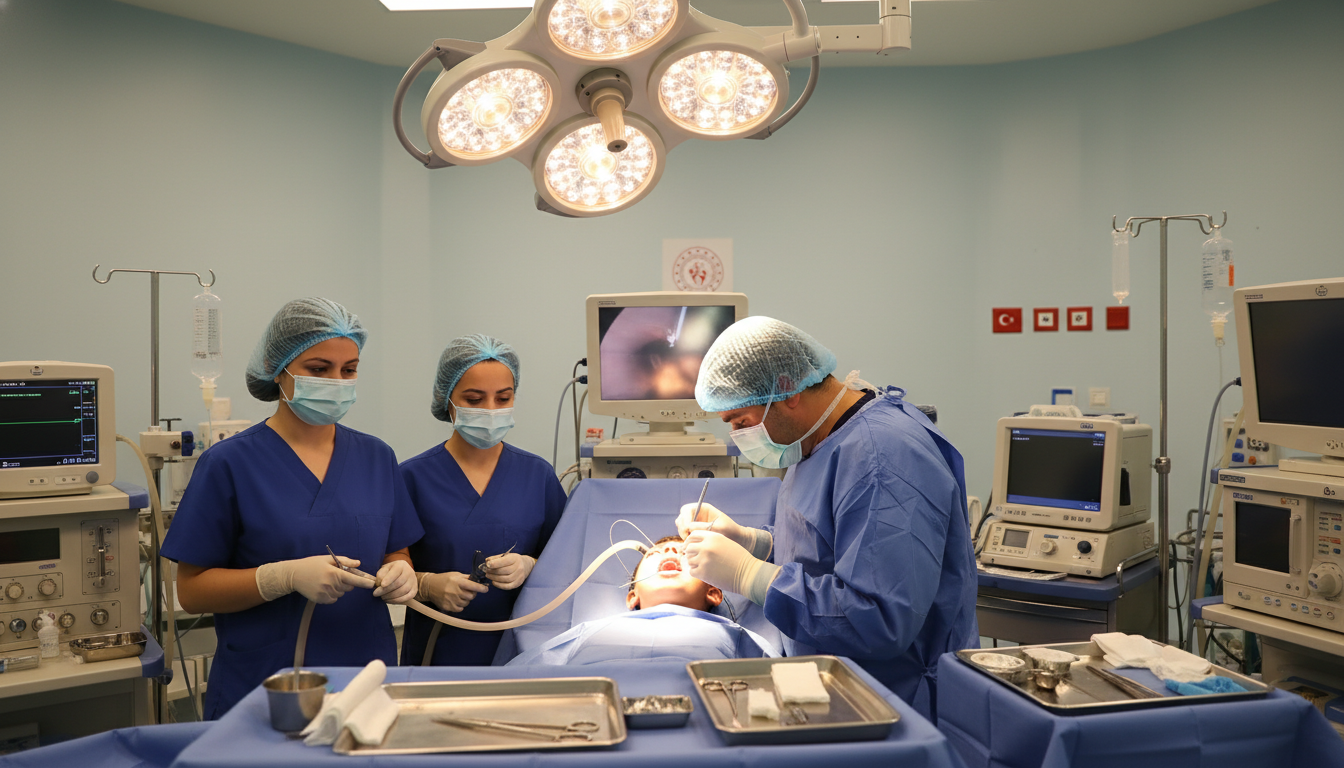
Medical tourism is changing fast. More people from the UK are looking for top-notch healthcare abroad. Turkey is becoming a top choice for ENT treatments, known for its clinical excellence and modern facilities.
Traveling for an Adenoidectomy is now a common choice. It’s about getting safe and good value care. Turkish clinics offer top surgery skills and save a lot of money compared to the UK.
This trend shows people trust healthcare abroad more. By picking a well-known clinic, you get an Adenoidectomy by skilled surgeons in modern facilities. It’s a way to focus on your health while saving money.
Key Takeaways
- Turkey is a top spot for UK patients looking for ENT procedures.
- Clinics there are known for their high standards and modern tech.
- Patients save a lot of money without losing quality care.
- The whole process is made easy for international visitors.
- Choosing a skilled medical team is key for the best health results.
Understanding the Role of Adenoids and the Need for Surgery
The nasopharyngeal tonsils are a key defence for our bodies. But, they sometimes need medical help when they grow too big. These tissues are vital in early life, but long-term problems might mean they need to be removed. Knowing about the biology behind this is key for those thinking about adenoid surgery.
Anatomy and Function of Adenoid Tissue
Adenoids are small tissues in the throat, just behind the nose. They help by catching bacteria and viruses that come in through the nose. This is very important in childhood, when the body is learning to fight off germs.
As kids get older, these tissues usually shrink. By the time they’re teenagers, they’re often too small to matter. But, if they stay big or get inflamed, they can block the airway and cause health problems.
Common Indications for Adenoidectomy in Children
In kids, the main reason for adenoids removal is often because they block the airway. When they get too big, kids have to breathe through their mouth. This can lead to sleep problems, snoring, and even sleep apnoea.
Another sign is when kids keep getting sick. Frequent sinusitis or ear infections can really affect their life. Clinical guidelines say surgery is best when other treatments don’t work.
When Adults Require Adenoid Removal
Adults might also need adenoid surgery for breathing issues. Sometimes, the tissue doesn’t shrink as it should, or it gets inflamed from allergies or pollution. Adults often get this surgery to clear their nasal passages and improve sleep.
| Symptom Category | Paediatric Presentation | Adult Presentation |
|---|---|---|
| Breathing | Mouth breathing and snoring | Chronic nasal obstruction |
| Sleep | Restless sleep and apnoea | Fatigue and poor sleep quality |
| Infections | Recurrent ear and sinus issues | Persistent sinus inflammation |
| Primary Goal | Developmental health | Quality of life improvement |
Why Turkey Has Become a Leading Destination for ENT Procedures
Turkey has quickly become a top place for medical treatments, including ear, nose, and throat (ENT) care. Many people from the UK go there for surgery. They are attracted by the country’s skilled doctors and modern hospitals. When looking for a clinic, Turkey’s advanced setup for complex ENT surgeries is clear.
Advancements in Turkish Healthcare Infrastructure
In the last 20 years, Turkey has invested in top-notch medical technology. Its hospitals have the latest tools and robots for surgery. This means doctors can do precise and less invasive treatments for ear, nose, and throat problems.
The clinics also focus on making the patient experience smooth. They have advanced operating rooms and recovery areas. Every part of the clinic is designed to help patients heal quickly and safely. This makes Turkish clinics as good as those in Western Europe.
Accreditation Standards and International Quality Benchmarks
Keeping patients safe is the main goal for Turkey’s top hospitals. Many have the Joint Commission International (JCI) seal, showing they follow strict global safety rules. This means every part of your care, from the start to after surgery, meets high international standards.
These high standards give international patients confidence. The table below shows what makes these clinics so good.
| Feature | Standard of Care | Patient Benefit |
|---|---|---|
| Clinical Oversight | JCI Accredited | Verified safety protocols |
| Technology | State-of-the-art | Enhanced surgical accuracy |
| Staff Training | Board-Certified | Expert medical guidance |
| Facility Design | Modern Infrastructure | Comfortable recovery environment |
The Adenoidectomy Procedure Explained
Understanding the surgical process is the first step towards better breathing. Modern clinics in Turkey focus on a detailed plan for each patient. This plan covers everything from the first visit to the last recovery steps.
Pre-operative Assessments and Consultations
Before surgery, a detailed check-up is essential. Doctors look at the patient’s health history to find out why they need surgery. This could be due to constant snoring or frequent ear infections.
During this time, the team does several important tests:
- They examine the throat and nose.
- They use endoscopy to see the adenoids.
- They do blood tests to check if the patient can safely have anaesthesia.
Surgical Techniques Used in Modern Clinics
The way to remove adenoids has changed a lot in the last ten years. Now, doctors use new technology to make the process less painful and quicker to heal.
Traditional Curettage Methods
The old way uses a special tool called a curette. The doctor carefully removes the adenoid tissue. This method is effective but takes longer to recover from than newer methods.
Coblation and Radiofrequency Ablation
Today, clinics often use Coblation or radiofrequency ablation instead. These methods use energy to break down the tissue, not cut it. This makes the surgery safer and reduces swelling and bleeding afterwards.
| Feature | Traditional Curettage | Coblation/Radiofrequency |
|---|---|---|
| Tissue Removal | Mechanical scraping | Energy-based dissolution |
| Bleeding Risk | Moderate | Very Low |
| Recovery Time | Standard | Faster |
Choosing the right method depends on the patient’s needs. Talking to a specialist helps make sure the surgery is safe and precise.
Anaesthesia and Patient Safety Protocols
A successful adenoidectomy procedure depends on top-notch anaesthesia. Turkish medical facilities focus on patient safety, using the latest clinical standards. Feeling secure and well-cared for is key for patients in these modern centres.
The Role of Board-Certified Anaesthesiologists
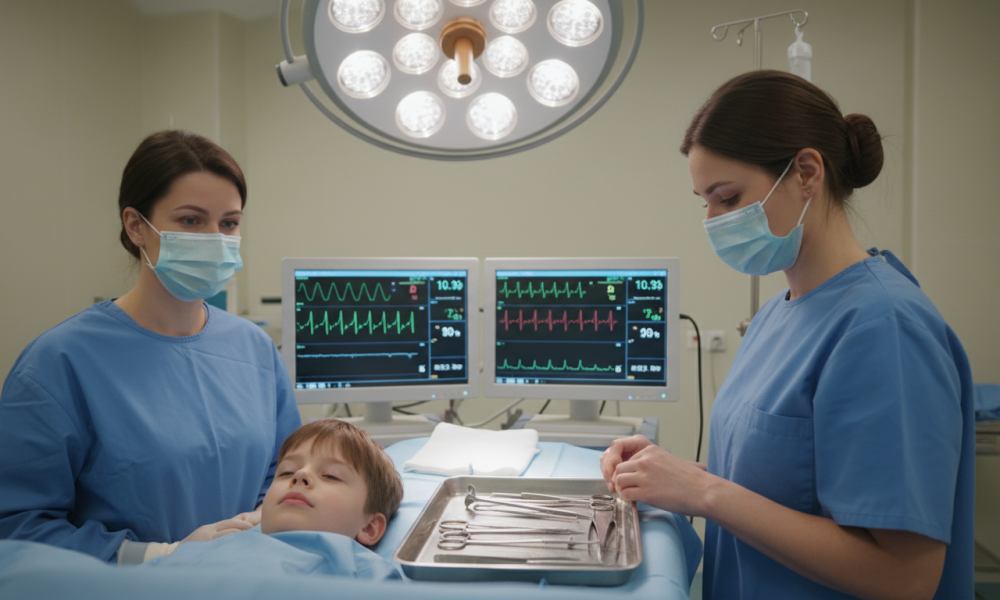
Every operation is watched over by a skilled, board-certified anaesthesiologist. They create a custom anaesthetic plan for each patient, ensuring comfort and safety. Their knowledge is critical, more so when patients look into different surgical options or combined procedures.
These experts stay with the patient throughout the surgery. They keep a close eye on vital signs, letting the surgical team focus on the adenoidectomy procedure. This teamwork keeps the patient stable from start to finish.
Monitoring and Safety Standards During Surgery
Modern clinics in Turkey use the latest technology for safety. They have systems that track heart rate, oxygen levels, and blood pressure in real-time. These strict protocols aim to reduce risks and help patients recover smoothly.
Clincs follow strict international standards. Important safety steps include:
- Continuous pulse oximetry to check oxygen levels.
- Advanced electrocardiogram (ECG) monitoring for heart stability.
- Dedicated recovery areas with experienced nurses.
- Thorough pre-operative checks for anaesthetic sensitivities.
By sticking to these meticulous safety protocols, Turkish hospitals ensure the adenoidectomy procedure is done with great care. This dedication to quality gives patients the confidence to seek treatment abroad.
Adenoidectomy in Children: What Parents Need to Know
Planning a surgical journey for your child abroad can be daunting. But, with the right steps, it can be smooth and stress-free. Knowing about adenoidectomy in children will make you more confident for your trip to Turkey.
Preparing Your Child for the Surgical Experience
Preparation is key for a successful surgery. Start by explaining the surgery in simple terms your child can understand. Honesty is vital, but focus on the good outcomes like better breathing and sleep.
Follow strict guidelines from your chosen facility for practical preparation. Here are important steps to get your child ready for their adenoidectomy:
- Follow fasting instructions: Stick to the “nil by mouth” rules given by the anaesthesiology team.
- Pack comfort items: Bring a favourite toy, blanket, or book to make the hospital feel more like home.
- Organise documentation: Keep all medical records, passports, and consent forms in one place.
Managing Anxiety and Providing Emotional Support
It’s normal to feel anxious before the surgery. Your calmness is a powerful anchor for your child. Staying calm helps them feel safe in an unfamiliar place.
Create a supportive environment during your stay. Let your child share their feelings and validate their emotions. Turkey’s medical staff are experienced in caring for children and aim to make the adenoidectomy as gentle as possible.
Your emotional support is the most important thing. By being positive and reassuring, you’ll help your child recover with confidence and ease.
Adenoidectomy in Adults: Differences and Considerations
Adenoid issues are not just for kids. They can affect adults too. Many think these tissues go away on their own, but they can cause ongoing discomfort.
Enlarged or infected adenoids can make breathing hard. Getting an adenoidectomy in adults can help improve breathing and quality of life.
Why Adenoid Issues Persist into Adulthood
Adenoids usually shrink after puberty, but not always. Some adults have enlarged adenoids, causing nasal blockage or sinus problems.
This can happen due to recurrent inflammation or how the body is structured. If treatments don’t work, surgery might be the best option.
Specific Challenges and Recovery Nuances for Adult Patients
Adults need a special approach for an adenoidectomy. Surgeons must find the main cause of the problem to fix it right.
Adults might find recovery harder than kids. They might feel more pain and take longer to heal. They need to follow the recovery rules closely.
The table below shows how adult and child experiences differ with this surgery:
| Feature | Paediatric Patients | Adult Patients |
|---|---|---|
| Recovery Time | Typically 7-10 days | Usually 14-21 days |
| Pain Management | Generally well-tolerated | Requires diligent monitoring |
| Diagnostic Focus | Growth-related issues | Chronic infection or obstruction |
| Procedure Goal | Preventing developmental delays | Improving daily breathing comfort |
Deciding to have adenoids removal as an adult is big. Knowing about recovery helps prepare for a good outcome and lasting relief.
Comparing Adenoidectomy Cost in Turkey vs the United Kingdom
Understanding the cost of an adenoidectomy is key for anyone thinking about surgery abroad. Many families in the UK face high private healthcare costs. Looking at international options can lead to better quality treatment at a lower cost.
Breakdown of Surgical Expenses and Hidden Costs
When you look at the adenoidectomy cost, don’t just focus on the surgeon’s fee. In the UK, private quotes often don’t include the cost of the anaesthesiologist, hospital fees, and post-op meds. These hidden costs can add up, making the final bill much higher than expected.
In Turkey, clinics offer clear pricing. The quoted cost usually covers the whole surgical team and the operating theatre. This clear pricing helps patients budget better and avoid surprise costs during recovery.
| Expense Category | United Kingdom (Private) | Turkey (Private) |
|---|---|---|
| Surgeon Fees | High | Moderate |
| Hospital Stay | Variable/Daily Rate | Included in Package |
| Anaesthesia | Separate Charge | Included in Package |
Value for Money and All-Inclusive Medical Packages
Choosing Turkey offers the advantage of all-inclusive medical packages. These packages simplify the process for international patients. They often include your stay, airport transfers, and patient support services.
These packages provide exceptional value for your money. You’re not just paying for the surgery, but for a smooth experience. This makes your adenoidectomy cost predictable, letting you focus on your health and recovery.
Selecting the Right Clinic and Surgeon in Turkey
Choosing the right clinic and surgeon for an ENT procedure abroad is paramount. It’s important to do your research to ensure you get the best care. This is as important as knowing who is a good candidate for a gastric sleeve revision in Turkey, as it affects your recovery.
Researching Surgeon Credentials and Experience
Start by checking your surgeon’s professional credentials. Look for board certification in Otorhinolaryngology. This shows they’ve had the right training in ear, nose, and throat surgery. Experience is key, so find surgeons with years of practice in procedures like adenoidectomies.
Also, check if your surgeon is part of national or international medical associations. These groups have strict rules for their members. A surgeon who keeps up with the latest minimally invasive techniques is a good sign.
Evaluating Patient Reviews and Clinical Outcomes
The clinic’s reputation is also shown in patient experiences. Reading verified patient reviews can give you a good idea of what to expect. Look for comments on the clinic’s cleanliness and the nursing staff’s professionalism.
Ask the clinic about their clinical outcomes and safety measures. A good clinic will share their success rates and how they handle risks. By focusing on these, you can feel confident and secure about your choice to get treatment in Turkey.
Navigating the Logistics of Medical Travel
Planning your trip for an adenoidectomy in Turkey is key for UK travellers. Careful planning makes your medical journey stress-free. It lets you focus on your health and recovery.
By sorting out these details early, your trip will be more comfortable. This ensures a smooth experience.
Visa Requirements and Travel Documentation for UK Citizens
UK citizens going to Turkey for medical reasons need to know the entry rules. While some tourists don’t need a visa for short visits, check the latest rules on the official government site. Make sure your passport is valid for at least six months after your arrival.
You’ll also need your medical invitation letter from your clinic. This proves your reason for visiting. Keep it digital and physical. Also, have your travel insurance and flight details ready for airport checks.
Accommodation and Post-Operative Care Facilities
Finding the right place to stay is very important for your recovery. Many patients choose hotels close to the clinic to avoid long travel after surgery. Choose a quiet place for rest to help your body heal.
Some clinics offer packages with partner hotels for medical tourists. These places meet the needs of patients after surgery. They provide soft food and 24-hour support. Comfort is key in the first few days to aid your healing.
Adenoidectomy Recovery: A Timeline for Healing
Knowing how long it takes to heal after an adenoidectomy helps manage expectations. Everyone heals differently, but knowing what to expect can ease anxiety. A clear plan for your adenoidectomy recovery helps you get back to normal quickly and safely.

Immediate Post-Operative Care in the Hospital
After surgery, you’ll go to a recovery area. Medical staff will watch your vital signs closely. You might feel a bit fuzzy as the anaesthesia fades.
Nurses will make sure you’re breathing well and comfortable before you go home. They’ll give you clear instructions for your care.
You might have a sore throat or a bit of earache. These are normal. Clear communication with the nurses is key to address any worries before you leave.
Managing Pain and Dietary Adjustments at Home
At home, managing pain is your main focus. Your surgeon will give you pain meds to follow. It’s important to take them as directed, not when the pain gets bad.
Changing your diet is also important. Eat cool, soft foods like yoghurt or soup for a few days. Drinking lots of water helps your throat heal too.
| Recovery Phase | Expected Symptoms | Recommended Action |
|---|---|---|
| Days 1-3 | Sore throat, mild ear pain | Rest and soft diet |
| Days 4-7 | Decreasing discomfort | Gradual return to normal food |
| Days 8-14 | Minimal soreness | Resume regular activities |
Potential Adenoidectomy Complications and Risk Mitigation
Managing risks is key to top-notch care during an adenoidectomy in Turkey. The procedure is usually safe, but knowing about adenoidectomy complications helps patients and parents feel more secure during recovery.
Recognising Warning Signs During the Healing Process
Most people get better quickly, but watching the healing closely is vital. If you see any signs that don’t seem right, get in touch with your doctor right away.
Keep an eye out for these warning signs after surgery:
- Persistent or heavy bleeding from the nose or throat.
- A high fever that doesn’t go away with usual medicine.
- Severe pain that stops you from drinking fluids.
- Difficulty breathing or snoring that gets worse after surgery.
How Turkish Clinics Minimise Surgical Risks
Turkish clinics focus on safety with strict protocols. Surgeons and anaesthesiologists work together to make sure each adenoidectomy is as safe as possible. This reduces the chance of adenoidectomy complications.
The table below shows the safety steps taken during surgery:
| Safety Protocol | Clinical Benefit | Patient Outcome |
|---|---|---|
| Pre-operative Screening | Identifies underlying health risks | Enhanced surgical planning |
| Advanced Monitoring | Real-time vital sign tracking | Immediate response to changes |
| Sterilisation Standards | Prevents post-surgical infection | Faster, cleaner healing |
By using advanced surgical technology and sticking to international safety standards, Turkish clinics manage risks well. This approach helps you relax, knowing you’re in good hands for a smooth recovery.
Post-Operative Follow-Up and Long-Term Care
Your recovery journey doesn’t stop when you return to the UK. Consistent follow-up care is key for your long-term health. Staying proactive helps you smoothly get back to your daily life, keeping your health first.
Communication with Your Surgeon After Returning to the UK
Modern medical travel uses seamless digital communication to connect across distances. Top Turkish clinics offer patient coordinators for your questions via email or secure messages. Don’t hesitate to contact them if you notice anything odd during your adenoidectomy recovery.
Keep a digital folder of your surgery reports and discharge summaries. Share these with your UK GP to keep them updated on your adenoidectomy. This teamwork makes your healing safer and more effective.
Monitoring Long-Term Respiratory and Auditory Health
The surgery aims to improve breathing and ear health. You should see better sleep and fewer ear infections after your adenoidectomy recovery. If snoring or hearing problems persist, get a professional check-up.
Regular visits to an ENT specialist in the UK are vital. These check-ups confirm the adenoidectomy worked as planned. Stay alert about your breathing and hearing health to keep enjoying the surgery’s benefits for years.
The Importance of Patient-Centric Care in Turkish Hospitals
Turkish hospitals put the patient at the centre of everything. This means your comfort and health are top priorities from the start. They focus on you, not just the treatment, creating a safe and open environment.
Multilingual Support and Personalised Treatment Plans
Good communication is key for a smooth medical trip. Top clinics in Turkey have dedicated multilingual staff who speak English well. This makes sure you’re never confused or worried.
Your medical team will create a personalised treatment plan just for you. It’s based on your health history and what you need to get better. You’ll get:
- Clear explanations of every surgical step in your native language.
- Customised post-operative recovery schedules based on your lifestyle.
- Direct access to medical professionals for any urgent queries.
The Role of Patient Coordinators in Your Journey
A patient coordinator is your main contact, connecting you with the surgical team. They handle all the details, so you can focus on getting better. They arrange everything from appointments to transport, making your visit seamless and stress-free.
The table below shows how coordinators make your experience better than usual:
| Service Area | Standard Medical Travel | Patient-Centric Turkish Model |
|---|---|---|
| Communication | Limited to medical staff | Dedicated 24/7 coordinator |
| Logistics | Patient-managed | Fully assisted by the clinic |
| Support | Clinical focus only | Holistic and emotional support |
Turkish hospitals make sure you’re supported every step of the way. This patient-first philosophy is why many choose Turkey for their ENT procedures. You’re treated as a valued guest, not just a number.
Integrating Your Turkish Surgical Experience with UK Healthcare
It’s important to have good communication between your clinic abroad and your NHS doctor. After adenoid surgery in Turkey, you need to make sure your local doctor knows everything. This helps keep your health records up to date and supports your recovery.
Sharing Medical Records with Your GP
When you get back to the UK, see your General Practitioner quickly. Take all papers from your Turkish surgery, like discharge summaries and medication lists. Make sure these are in English if they’re not.
Your GP needs to know about your adenoid surgery to update your health record. This is important for any future care. It helps your doctor keep an eye on how you’re healing.
Ensuring Continuity of Care Post-Surgery
Sharing papers is just the start. You also need to work with your local healthcare team. If you have any new symptoms, your GP is the first person to talk to. They can set up more tests or send you to a specialist if needed.
Having a plan helps you smoothly move back into your health routine. Below is a list of key steps to follow after you return home.
| Action Item | Priority Level | Responsible Party |
|---|---|---|
| Submit discharge summary to GP | High | Patient |
| Review medication list | High | GP/Pharmacist |
| Schedule follow-up check | Medium | Patient/GP |
| Update NHS health record | Medium | GP Practice |
Conclusion
Choosing an adenoidectomy in Turkey means getting top-notch surgery and care. Modern clinics use the latest tech to help both kids and adults. This can be a great way to tackle long-term breathing problems.
Success starts with doing your homework and getting ready well. Look into the surgeon’s skills and know what to expect. This helps you make a smart choice for your health.
Your health is key in this journey. Work with trusted doctors and talk openly with your team. This way, you can take charge of your recovery and better your life.
FAQ
Q: Why is Turkey becoming a preferred destination for an Adenoidectomy among UK patients?
A: Turkey is known for its top-notch ENT procedures. It offers great care at a lower cost. UK patients choose Turkey for its world-class medical facilities and skilled surgeons. Places like Acibadem Healthcare Group and Memorial Hospitals Group meet high international standards.
Q: What exactly are the indications for adenoids removal in paediatric patients?
A: Doctors remove adenoids in kids when they’re too big or keep getting infected. This is often due to breathing problems, ear infections, or sinus issues. The surgery helps clear the airway, improving breathing and sleep.
Q: Is an adenoidectomy in adults common, and how does it differ from paediatric cases?
A: Adults sometimes need adenoid removal too. It’s needed when adenoids cause breathing issues or infections. Adults might take longer to heal and need more detailed checks before surgery.
Q: What modern surgical techniques are utilised during adenoid surgery in Turkey?
A: Turkish clinics use new methods like Coblation and radiofrequency ablation. These techniques remove tissue carefully, reducing pain and healing time. This means patients can recover faster.
Q: How is patient safety and anaesthesia managed during the procedure?
A: Every surgery is done with a focus on safety. Anaesthesiologists with board certifications oversee the process. Turkish hospitals use advanced systems to monitor patients closely. This ensures safe anaesthesia care.
Q: How does the adenoidectomy cost in Turkey compare to private healthcare in the UK?
A: Adenoidectomy in Turkey is much cheaper than in the UK. Patients can save a lot on surgery, hospital stays, and anaesthesia. Many clinics offer packages that include surgery, stay, and transfers, giving great value.
Q: What should I expect during the adenoidectomy recovery process?
A: Recovery from adenoidectomy is usually a few days of mild pain and a sore throat. Patients are advised to eat soft foods and drink lots of water. Kids usually get back to normal in a week, while adults might take longer. Your team will give you a detailed plan for recovery.
Q: What are the possible adenoidectomy complications, and how are they prevented?
A: Complications like bleeding or changes in voice are possible. Turkish clinics use careful checks and advanced tech to lower these risks. Patients are taught to watch for signs of trouble and have 24/7 medical support.
Q: How can I verify the credentials of an ENT surgeon in Turkey?
A: Check the surgeon’s qualifications and experience in adenoid removal. Look for surgeons in international groups like the European Confederation of Oto-Rhino-Laryngology. Also, read patient reviews and success rates to make sure.
Q: How do I ensure continuity of care with my GP back in the United Kingdom?
A: It’s important to keep your health care going smoothly. Get a detailed medical report and summary in English before leaving Turkey. Share these with your GP in the UK to keep your health records up to date.
Related guides

Healthcare Content Compliance Guide for Growth
A high-performing treatment page can generate international patient inquiries within hours. It can also create material risk if…

Turkey Hospitals vs Local Hospitals Compared
A lower procedure quote can get a patient’s attention. It should not make the decision on its own.…

Patient Experience That Drives Trust and Growth
A patient who has already uploaded medical records, compared providers, and arranged time away from work is not…