
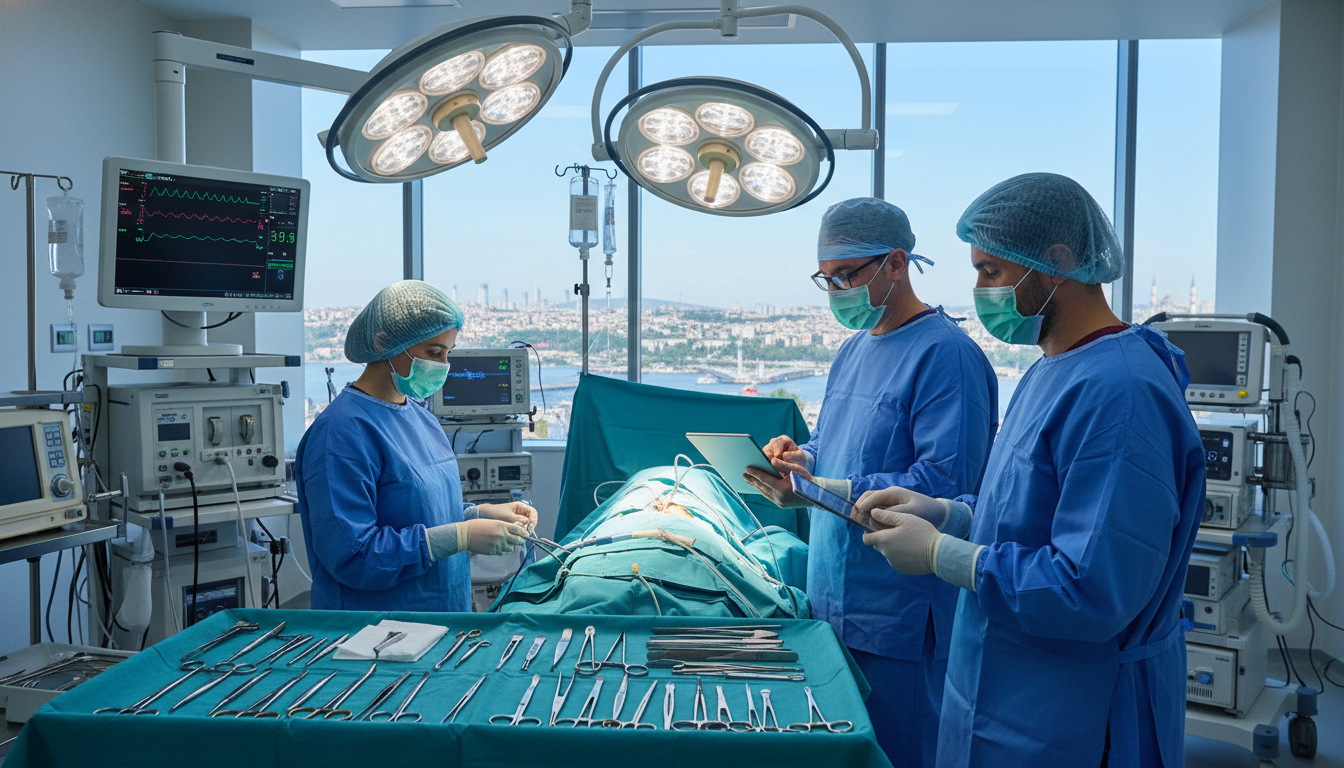
More and more patients from the UK are looking abroad for top-notch medical care. This move shows they trust international healthcare systems. These systems offer timely and professional treatment for urgent needs.
Choosing Appendix Surgery in Turkey is a favourite for those needing quick medical help. Turkish hospitals are known for their modern setup and expert teams.
Patients often say the care they get is better than they expected. Turkish medical centres focus on safety and use the latest tech. This ensures a seamless recovery process for everyone.
Going for professional appendix surgery abroad means you get top-level care fast. You won’t face the long waits common at home. You can trust that your health is in the hands of skilled specialists who care about your wellbeing.
Key Takeaways
- Patients from the UK are increasingly choosing Turkey for high-quality medical interventions.
- Modern facilities in Turkey provide a safe and professional environment for urgent procedures.
- Accessing care abroad helps individuals avoid lengthy waiting lists found in local systems.
- Turkish medical teams are highly specialised and utilise the latest clinical technology.
- The focus on patient safety ensures a comfortable and efficient recovery experience.
Understanding Appendicitis and the Need for Surgical Intervention
When the appendix gets inflamed, your body sends out clear signals for help. This is called appendicitis, where the small tube attached to the large intestine gets blocked and infected. Prompt medical evaluation is key to figuring out the best action for your health.
Recognising the Symptoms of Acute Appendicitis
A sharp pain often starts near the navel and moves to the lower right abdomen. This pain gets worse over time, making it hard to move or cough. Other signs include a low fever, nausea, vomiting, and a drop in appetite.
If you notice these symptoms, it’s important to seek appendicitis treatment right away. Doctors will do a physical check, blood tests, and scans to confirm the inflammation. Early action helps plan the best surgery for appendicitis.
The Risks of Delaying Appendectomy
Ignoring appendix symptoms can lead to serious problems. The biggest risk is a rupture, which spreads bacteria in the belly. This causes severe infection and needs urgent care.
An appendectomy is the usual way to remove the infected organ. Early surgery lowers the chance of long-term health problems. The table below shows how symptoms progress and the risks of waiting too long for care.
| Stage | Primary Symptoms | Clinical Risk |
|---|---|---|
| Early Stage | Mild abdominal discomfort, nausea | Low; manageable with prompt care |
| Advanced Stage | Severe pain, high fever, rigidity | High; risk of organ rupture |
| Critical Stage | Systemic shock, intense pain | Very High; possible peritonitis |
Choosing to have an appendectomy quickly after diagnosis is safer. Professional appendicitis treatment aims to remove the infection source fast. Your health and safety are the main focus when facing acute abdominal issues.
Why Turkey Has Become a Leading Destination for Abdominal Surgery
Modern medical facilities in Turkey now offer top-notch care, matching the best in Western Europe. The country has invested a lot in its medical sector. This has created a strong environment for complex abdominal surgery and other special procedures.
This rapid modernisation means patients get care that is both advanced and highly effective.
Advancements in Turkish Healthcare Infrastructure
The Turkish government and private sector have invested a lot in building top hospitals. These centres have the latest diagnostic tools and surgical technology. This is key for successful appendicitis treatment.
By focusing on innovation, these facilities offer a smooth experience for international patients.
Key features of this modern infrastructure include:
- High-tech operating theatres designed for precision and safety.
- Advanced imaging systems for accurate pre-operative diagnosis.
- Integrated digital health records to ensure continuity of care.
- Dedicated recovery suites that focus on patient comfort and monitoring.
Accreditation and International Standards in Turkish Hospitals
Safety is the top priority for patients going abroad for medical care. Many Turkish hospitals have prestigious international accreditations, like the Joint Commission International (JCI) seal. This shows they meet global standards for clinical excellence and patient safety.
Choosing to have general surgery in Turkey means you’re getting a system focused on accountability. Surgeons and medical staff follow strict protocols, similar to those in the United Kingdom. This ensures your appendicitis treatment is managed with the highest professional care. It gives you peace of mind during your recovery.
The Benefits of Choosing Appendix Surgery in Turkey
Choosing to have surgery abroad is a big decision. Turkey is becoming a top choice for many. It offers Appendix Surgery that is both affordable and of high quality.
Cost-Effectiveness Compared to the United Kingdom
Medical tourism is often driven by the chance to save money. In Turkey, an Appendix Surgery costs much less than in the UK. Yet, the care is just as good.
This means you can get top-notch medical care without breaking the bank. You can find comprehensive surgical packages that cover everything. This includes hospital fees, anaesthesia, and after-care, all for a lot less than in the UK.
Access to World-Class Surgeons and Medical Specialists
Turkey is known for its skilled doctors. Many surgeons do Appendix Surgery after training at top universities. This keeps them up-to-date with the latest medical techniques.
Patients get world-class treatment that fits their needs. Turkey’s mix of advanced surgery and care for the patient makes it a top choice for many.
Types of Appendix Surgery Procedures Available
Modern medicine offers two main ways to remove the appendix. Each method is chosen based on the patient’s health and needs. Your surgical team will decide which one is best for you.
Laparoscopic Appendectomy: The Minimally Invasive Approach
The laparoscopic appendectomy is often the first choice for many. It’s less invasive than traditional surgery. Surgeons make small cuts in the abdomen instead of one big one.
They use a camera and special tools through these small openings to take out the appendix. This method helps you heal faster and feel less pain. It also lowers the chance of infection.
Open Appendectomy: When Traditional Surgery is Necessary
Though less common, an open appendectomy is sometimes safer. It involves a bigger cut in the lower right abdomen. This is chosen for more serious cases.
It’s used when the appendix has burst or there’s a lot of infection. This way, the surgeon can clean the area better. It’s key to stop more problems.
Your doctor will look at your situation to decide the best way to remove your appendix. Whether it’s a laparoscopic or open surgery, your health and safety are the main goals.
The Pre-Operative Process for International Patients
Starting your journey to surgery abroad begins long before you fly to Turkey. A structured and thorough pre-operative process is key for a safe and efficient medical journey. By sorting out admin and clinical needs early, you can relax and focus on healing once you arrive.
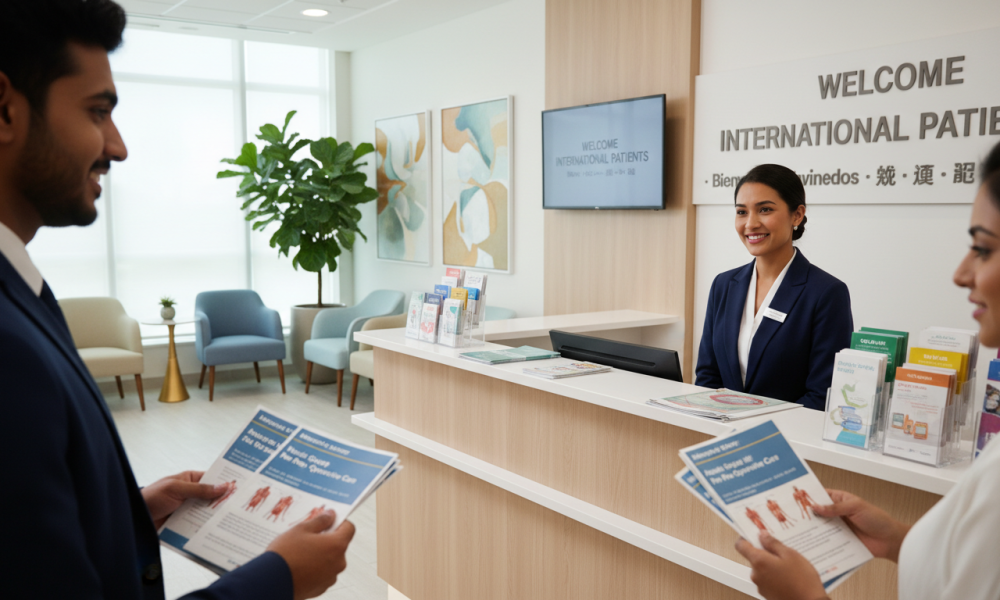
Initial Consultations and Remote Medical Assessments
Your first step is a detailed remote consultation with your Turkish surgical team. They will carefully review your medical history and any recent scans. This virtual check is critical to confirm the need for surgery and tailor the plan to your health.
You can talk about your symptoms and any questions you have. This helps to reduce anxiety and ensures you’re well-informed before traveling. Most clinics use secure online platforms to share your medical records, keeping your data safe.
Preparing for Your Travel and Hospital Admission
After confirming your surgery, focus on the travel and hospital arrangements. Make sure you have all the necessary documents, like your passport and travel insurance, well in advance. Creating a detailed checklist can help manage these tasks without stress.
Your medical facilitator or the hospital’s international patient department will help with admission needs. They will give you clear instructions on fasting, medication, and your hospital stay. Following these instructions meticulously ensures a smooth admission and prepares your surgical team for your arrival.
What to Expect During Your Appendix Surgery in Turkey
When you enter a Turkish operating theatre for your Appendix Surgery, you’ll see precision and care. The environment is made to keep you comfortable while meeting top international standards.
Anaesthesia and Surgical Safety Protocols
Before your Appendix Surgery starts, you’ll talk to an anaesthesiologist. They make sure the anaesthesia is right for you, so you won’t feel pain.
Turkish hospitals follow global safety rules closely. Each theatre has advanced systems to watch your health closely. This meticulous attention to detail means any issues are quickly handled by the team.
The Role of the Surgical Team During the Procedure
Your surgery’s success depends on a team working together. Your surgeon is joined by skilled nurses and assistants. They work together smoothly to do the Appendix Surgery.
Good communication is key in this team. Everyone knows their role, keeping the focus on your recovery. Here’s a look at your surgical team.
| Team Member | Primary Responsibility | Safety Focus |
|---|---|---|
| Lead Surgeon | Performing the procedure | Surgical precision |
| Anaesthesiologist | Managing sedation | Patient comfort |
| Surgical Nurse | Instrument management | Sterile environment |
| Monitoring Technician | Tracking vital signs | Risk mitigation |
Post-Operative Care and Recovery After Appendectomy
The hours after your surgery are key for a smooth recovery. After the Appendectomy is done, you’ll go to a recovery room. Here, doctors will watch you closely as the anaesthesia fades.
Immediate Hospital Recovery and Monitoring
Nurses will often check your blood pressure, heart rate, and oxygen levels. They aim to make you comfortable and safe as you heal. It’s vital to check the clinic’s quality to ensure they meet these standards.
Pain Management and Wound Care Instructions
Managing pain well is a top priority during your recovery after appendectomy. Your team will give you a special pain plan. Always tell the nurses how you’re feeling.
Keeping the wound clean is also critical to avoid infection and ensure healing. You’ll get detailed instructions on how to care for the area before you leave. Following these steps is the best way to help your recovery.
Navigating the Logistics of Medical Tourism in Turkey
For UK citizens thinking about surgery in Turkey, knowing the travel and entry rules is key. Proper planning helps you focus on your health, not travel hassles.
Visa Requirements and Travel Arrangements for UK Citizens
UK citizens don’t need a visa for Turkey visits up to 90 days from 2020. This streamlined entry process makes Turkey easy to reach for medical care.
Book flights to major airports like Istanbul for easy access to top medical facilities. Many clinics offer comprehensive travel packages. These include private airport transfers, so you’re greeted by a driver right away.
Accommodation and Support Services for Patients and Families
Choosing the right place to stay is key for a smooth recovery. Top hospitals in Turkey have dedicated patient suites or partner with quality hotels close to the surgery site.
These places are set up for patients and their families. You’ll find:
- Multilingual patient coordinators for daily help and hospital visits.
- On-site nursing for continuous monitoring in the early recovery days.
- Help with local transport for doctor visits or pharmacy trips.
Using these integrated support services makes recovery easier. A dedicated team handles the logistics, so you and your family can focus on getting better in a safe, professional setting.
Comparing Healthcare Costs: Turkey Versus the United Kingdom
When looking at surgery abroad, the cost difference is big. Private UK healthcare is pricey, but Turkish medical centres are more affordable. This makes emergency surgery cheaper abroad. It’s important to think about these costs when choosing where to get medical care. You can find more information on where to go for medical tourism.
Breakdown of Surgical Fees and Hospital Expenses
In the UK, an appendectomy costs a lot. This includes the surgeon’s fee, anaesthetist charges, and daily hospital room rates. Turkish hospitals offer all-inclusive packages. This means you get everything in one price, without surprise bills later.
These packages cover blood tests before surgery, the surgery itself, and any needed medicines. This makes it clear how much you’ll pay upfront. It’s great for emergency surgery because you don’t have to worry about changing costs.
Hidden Costs and Financial Planning for Medical Travel
While the surgery fee is the biggest cost, you also need to plan for travel costs. This includes flights, local transport, and where to stay. Don’t forget to save extra for any unexpected needs while you recover.
The table below shows a comparison of costs. Remember, these are just estimates. Your actual costs may differ based on your medical needs.
| Expense Category | Private UK Care | Turkish Medical Centre |
|---|---|---|
| Surgical Procedure | High (Variable) | Competitive (Fixed) |
| Hospital Stay | Daily Rate Charges | Included in Package |
| Emergency surgery | Premium Pricing | Standardised Rates |
| Follow-up Consults | Additional Fees | Often Included |
Ensuring Patient Safety and Quality Assurance
Choosing surgery for appendicitis in Turkey means you want the best care. Researching your medical facility is key to a safe and successful surgery. This way, you can trust the quality of care you’ll get.
How to Verify Hospital Credentials and Surgeon Experience
Start by checking if the hospital is accredited internationally. Look for the Joint Commission International (JCI) gold seal. This shows they meet global safety and quality standards. Also, ask about the surgeon’s experience with surgery for appendicitis.
Ask for patient testimonials or case studies. A good clinic will share their success rates and how they do surgeries. Verifying these details helps build a strong foundation for your care.
Understanding Patient Rights and Legal Protections in Turkey
Turkey protects the rights of international patients well. You’ll get clear information about your surgery, including risks and recovery. You’ll get the same care as local patients, thanks to strong health laws.
If you have concerns, there are ways to address them. Understanding your legal protections lets you focus on healing after surgery. Always get a written copy of your rights and responsibilities when you arrive.
Managing Possible Complications and Follow-Up Care
Your health journey doesn’t stop when you leave the hospital in Turkey. Most people recover well after an appendectomy. But, it’s wise to be ready for any surprises.
Identifying Warning Signs During the Recovery Period
Feeling a bit sore is normal while your body heals. But, watch out for certain signs. If you see any of these, get medical help right away:
- A persistent high fever or chills that don’t go away.
- Increasing redness, swelling, or discharge from the incision site.
- Severe abdominal pain that’s not helped by your meds.
- Persistent nausea, vomiting, or trouble keeping fluids down.
- Shortness of breath or chest pain, which needs urgent care.
Early detection of these signs can stop small problems from getting worse. Always have your discharge summary ready. It has important info for any doctor who might help you.
Coordinating Follow-Up Care with Your GP in the UK
It’s key to keep your care going smoothly when you get back to the UK. Book a GP appointment soon after you arrive. They’ll check your surgery notes and see how you’re healing.
Make sure to give your GP all the papers from your Turkish surgery. This includes info on the appendectomy method, any meds, and wound care tips.
Talking well between your Turkish surgeon and your UK GP helps your recovery. If your GP has questions, they can talk to the clinic. This ensures you get the best care for your long-term health.
The Importance of Choosing the Right Medical Facilitator
Finding the right medical facilitator is key when planning surgery abroad. A good agency is like a dedicated partner, taking care of all your medical journey needs. They help connect you with Turkish healthcare providers, making your trip less stressful.
Services Provided by Medical Tourism Agencies
Medical tourism agencies offer many services to make your experience easier. They handle the hard parts, like travel arrangements, so you can focus on getting better. Their main goal is to make your transition from the UK to Turkey smooth.
Some of the main services they provide include:
- Personalised coordination: They manage your hospital visits and talks with doctors.
- Language support: They offer translators to help you talk with medical staff.
- Logistical arrangements: They arrange your travel, local transport, and where you’ll stay.
- Administrative assistance: They help with your travel documents and pre-surgery paperwork.
Evaluating the Reputation of Healthcare Providers
It’s important to do your research before choosing a facilitator or clinic. A good agency will be open about their partnerships and the surgeons they recommend. Look for international accreditation and a history of good patient results.
When looking for a partner, consider these points to make a smart choice:
| Evaluation Criteria | What to Look For | Why It Matters |
|---|---|---|
| Accreditation | JCI or ISO certification | Ensures global safety standards |
| Surgeon Experience | Board certification and specialisation | Guarantees clinical expertise |
| Patient Reviews | Verified testimonials and feedback | Provides insight into service quality |
| Transparency | Clear, itemised cost breakdowns | Prevents unexpected financial stress |
Choose agencies that are open and answer your questions well. A good facilitator will never rush you but will give you all the info you need. By checking these details, you can be sure your health is in good hands during your recovery.
Dietary and Lifestyle Adjustments Post-Surgery
Your health journey doesn’t stop when you leave the hospital. To recover well after an appendectomy, you need to eat right and stay active. Following expert advice helps your body heal fast and keeps you comfortable.
Nutritional Guidelines for a Smooth Recovery
Right after your appendix removal, your stomach might feel a bit off. Start with soft, easy-to-digest foods and slowly add back your usual diet. Eating foods high in fibre helps avoid constipation, a common issue after surgery.
Drinking lots of water is also key for healing. It helps your body work properly. Here are some diet tips to help you recover:
- Eat small meals often to avoid feeling bloated.
- Choose lean proteins like chicken or fish to help your body fix itself.
- Avoid processed foods, spicy foods, and too much caffeine for the first week.
- Eat more fruits and veggies to keep your digestion healthy.
Returning to Physical Activity and Daily Routines
It’s tempting to jump back into your routine quickly, but listen to your body. A good recovery after appendectomy means avoiding hard work for a while. You can do light tasks in a few days, but heavy lifting should wait at least four to six weeks.
Walking is great for keeping blood flowing and preventing problems. Start with short walks and get longer as you get stronger. Always check with your doctor before starting any new exercise after your appendix removal.
| Activity Level | Recommended Timeline | Key Focus |
|---|---|---|
| Light Movement | Days 1-7 | Gentle walking and basic self-care |
| Moderate Activity | Weeks 2-4 | Gradual return to office work |
| Full Resumption | Weeks 6+ | Normal exercise and heavy lifting |
Addressing Common Concerns Regarding Emergency Surgery Abroad
Thinking about emergency surgery in a new place can be scary. But, modern medical tourism aims to ease your worries. It’s normal to feel nervous when facing health issues far from home. Yet, knowing about the strong support systems can make you feel better.
Language Barriers and Communication with Medical Staff
Many worry about language issues when getting medical care abroad. In top Turkish hospitals, this fear is tackled by multilingual medical teams. Many doctors and nurses speak English well, making sure they understand your health history and needs.
If a doctor doesn’t speak English, there are professional translators ready to help. They’re trained in medical terms, so your emergency surgery details are not missed. You’ll get clear, consistent communication during your stay.
Managing Anxiety and Expectations for International Patients
It’s as important to take care of your mental health as your physical recovery. Setting realistic expectations by researching the hospital’s procedures beforehand is helpful. Knowing you’re in the hands of highly qualified professionals can offer comfort during tough times.
To ease your anxiety, consider these steps:
- Stay connected: Use digital tools to keep in touch with family in the UK.
- Ask questions: Don’t be shy to ask your medical team about your emergency surgery.
- Focus on recovery: Follow your doctors’ advice to heal smoothly.
- Utilise support services: Many clinics have patient liaison officers to help your comfort and peace of mind.
By preparing mentally and using the support available, you can face your medical journey with confidence. Remember, your health and safety are the top priority for the surgical team.
Technological Innovations in Turkish Surgical Centres
Modern technology has changed abdominal surgery in Turkey a lot. Top medical centres use digital tools for better precision and safety. This makes complex surgeries more accurate than before.
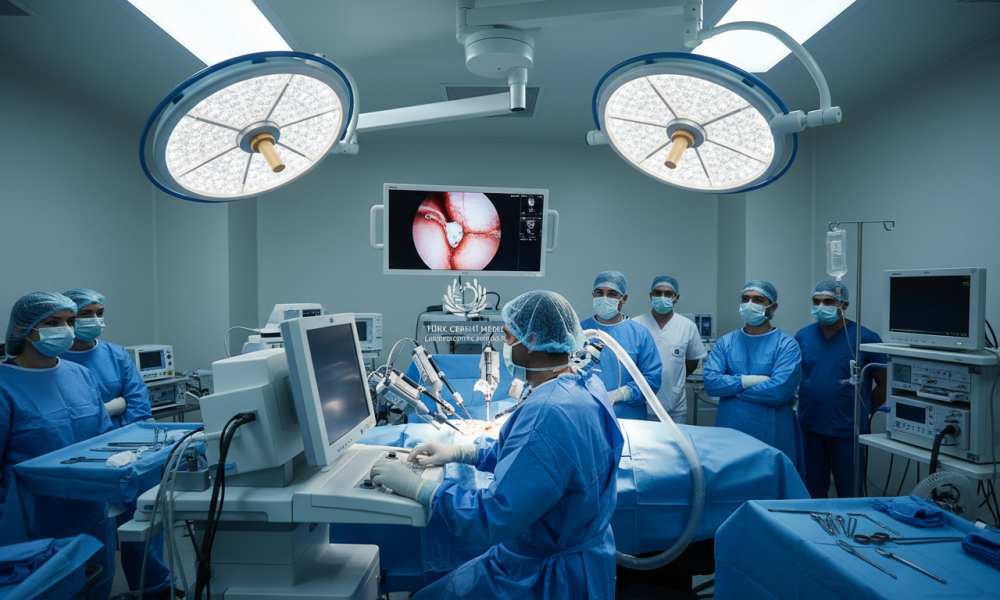
Robotic-Assisted Surgery and Modern Imaging Techniques
Robotic systems, like the Da Vinci, have changed surgery a lot. They give surgeons enhanced 3D visualisation and better control. This is key for precise operations.
Modern imaging lets doctors check things in real time during surgery. This means a laparoscopic appendectomy can be done with less damage. Patients get less blood loss and fewer complications after.
The Future of Minimally Invasive Abdominal Procedures
The future of surgery in Turkey aims for even less invasive procedures. Artificial intelligence is being looked at for planning and making decisions during surgery. This could make abdominal surgery safer and more efficient for patients.
As these technologies get better, recovery times will likely get shorter. Turkish hospitals are leading in these advancements. They ensure patients get top-notch care.
| Feature | Traditional Surgery | Modern Robotic Surgery |
|---|---|---|
| Incision Size | Large (Open) | Micro-incisions |
| Visualisation | Direct view | 3D High-Definition |
| Recovery Time | Extended | Rapid |
| Precision | Manual | Computer-assisted |
Conclusion
Choosing an appendectomy in Turkey is a smart move. It combines top-notch medical care with big savings for UK patients. Istanbul’s modern hospitals offer standards as good as the best in Europe.
Your recovery starts with making the right choices and getting ready well. Pick hospitals and surgeons with good records. This way, your health is always the main thing.
Traveling for medical care is now easier thanks to advanced tech and great support. You get quick treatment without the long waits at home.
Do your homework and talk to trusted medical helpers to make things easier. Getting expert advice helps you feel more confident about your surgery. Start your recovery journey by taking these steps now.
FAQ
Q: Why is Turkey considered a premier destination for appendix surgery among UK patients?
A: Turkey is a top choice for appendix surgery because of its excellent medical facilities and skilled surgeons. UK patients prefer Turkey for its private healthcare and quick access. This meets high international standards, like those from Joint Commission International (JCI).
Q: What are the primary symptoms that indicate a need for urgent appendicitis treatment?
A: Signs include sharp pain near the navel, then in the lower right, fever, nausea, and loss of appetite. Spotting these symptoms early is key. It prevents serious issues like a ruptured appendix or peritonitis, which can be deadly if not treated quickly.
Q: How does the cost of an appendectomy in Turkey compare to private healthcare in the United Kingdom?
A: Appendix removal in Turkey is much cheaper than in the UK. Even with travel and stay costs, it’s a lot less expensive. Yet, the quality of care and the surgeons’ expertise remain top-notch.
Q: What is the difference between a laparoscopic appendectomy and an open appendectomy?
A: A laparoscopic appendectomy uses small cuts and a camera for less pain and quicker healing. An open appendectomy is needed for ruptured appendices or severe infections. It involves a bigger cut to clean the area safely.
Q: How can international patients verify the credentials of Turkish surgeons and hospitals?
A: Look for hospitals with international accreditations like JCI or ISO. Check the surgeons’ backgrounds. Many are part of the Turkish Surgical Association or have trained in Europe and America.
Q: What logistical arrangements are required for UK citizens travelling for surgery in Turkey?
A: UK citizens need a valid passport and might need a Turkish e-Visa. Reputable medical facilitators help with travel, hospital admission, and accommodation for patients and their families.
Q: What does the recovery process involve following a laparoscopic appendectomy in Turkey?
A: Recovery starts with a short hospital stay for monitoring and pain control. Patients get wound care and nutrition advice. They should avoid hard work for weeks to heal properly.
Q: How is follow-up care managed once I return to the United Kingdom?
A: Before leaving, Turkish teams give a detailed report and recovery plan. Share these with your GP in the UK for follow-up care. This ensures a smooth transition of care.
Q: Are language barriers a significant concern during emergency surgery in Turkish hospitals?
A: No, Turkish hospitals have staff who speak many languages and use translators. Surgeons and nurses often speak English well. This ensures clear communication during surgery and after.
Q: What role does technology play in modern appendicitis treatment in Turkey?
A: Turkey leads in medical tech, using robotic surgery and 3D imaging. These tools improve precision and reduce risks. They help patients recover faster, whether it’s a simple or complex surgery.
Related guides

Healthcare Content Compliance Guide for Growth
A high-performing treatment page can generate international patient inquiries within hours. It can also create material risk if…

Turkey Hospitals vs Local Hospitals Compared
A lower procedure quote can get a patient’s attention. It should not make the decision on its own.…

Patient Experience That Drives Trust and Growth
A patient who has already uploaded medical records, compared providers, and arranged time away from work is not…