
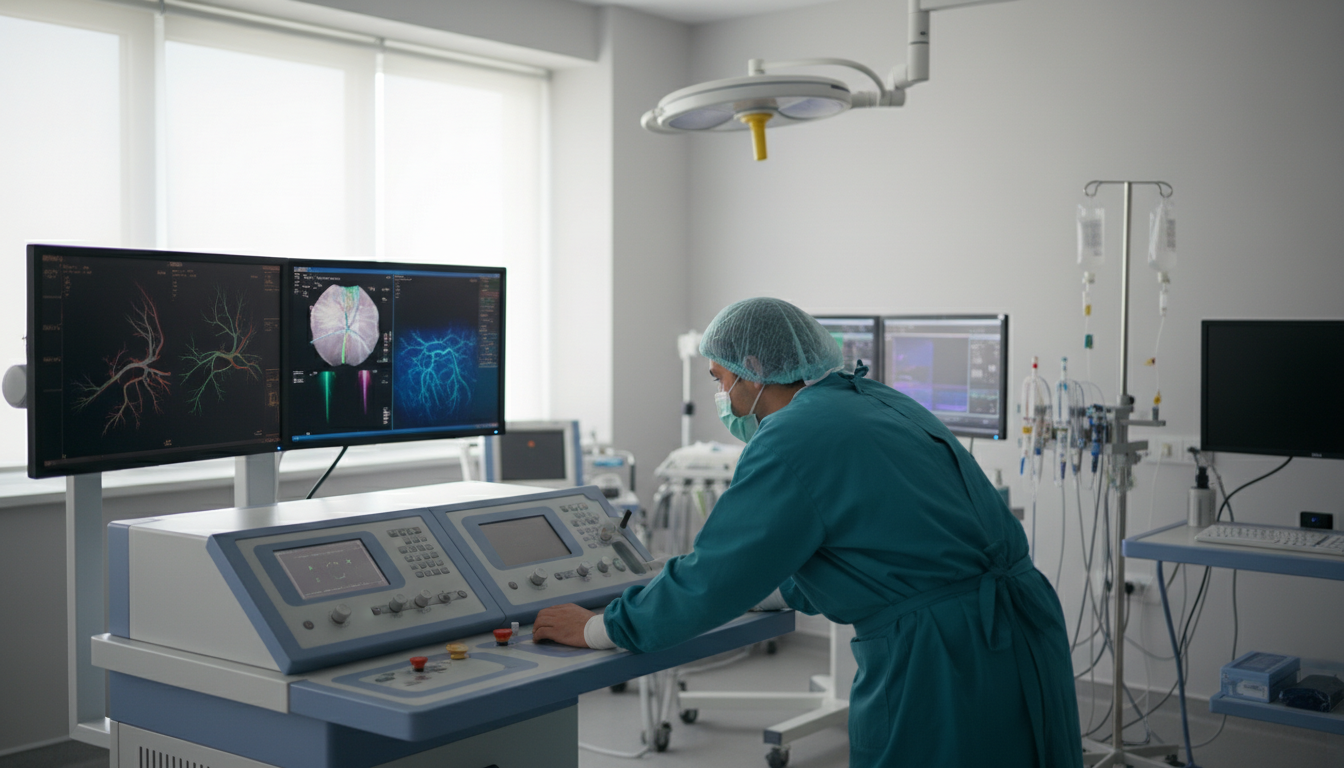
More patients from the United Kingdom are now going abroad for high-quality cardiac diagnostics. Turkey is becoming a top choice for those looking for top-notch medical care. This is because Turkey is dedicated to advanced medical technology and high clinical standards.
When you need an Angiography, getting quick and accurate results is key. Turkey makes it easy for international patients, with expert cardiologists and top facilities. By going this route, you get specialised care that’s both accessible and highly valued in Europe.
It’s important to know what to expect. Modern Angiography services in Turkey make sure your heart health is checked with great care and precision.
Key Takeaways
- Turkey is a top choice for UK patients looking for cardiac diagnostics.
- The country uses the latest medical technology for precise heart checks.
- International patients get top-notch care from skilled medical teams.
- Turkey’s healthcare is known for its high standards.
- Choosing care abroad is a reliable option for quick heart tests.
The Rise of Medical Tourism for Cardiac Care in Turkey
In the last ten years, Turkey has grown its medical facilities a lot. It has become a top place for people looking for heart treatments. The country focuses on using the latest technology and top-notch care.
The growth of this area is thanks to partnerships between the Turkish government and private healthcare. They have invested a lot in building state-of-the-art hospitals. These hospitals meet high international standards, making sure patients get the best care in a modern setting.
Building better hospitals is key to Turkey’s success in medical tourism. Many hospitals now have the latest diagnostic tools, like advanced imaging systems. This lets Turkish doctors do precise and life-saving heart treatments for more patients.
Also, Turkey has made it easier for patients to get medical care by improving support services. From easier admin to special patient departments, everything is set up for international patients. This is why Turkey keeps drawing people who want top clinical expertise and care.
Understanding the Angiography Procedure
Modern medical procedures like angiography give us a clear look at our coronary arteries’ health. They use advanced vascular imaging to see the blood vessels around the heart with great detail. This is key for spotting blockages that could harm our heart health in the long run.
What is Cardiac Catheterisation?
Cardiac catheterisation is a small, non-invasive way for doctors to check the heart’s health. A thin, flexible tube called a catheter is inserted through a blood vessel, usually in the wrist or groin, and guided to the heart.
With the catheter in place, doctors can measure heart pressures and gather important data. This essential diagnostic step helps them find the best treatment for each patient.
The Role of Contrast Dye in Vascular Imaging
To get the best detail, a special contrast dye test is used. This dye is injected through the catheter, making the coronary arteries visible under X-ray.
The dye shows where blood flow might be blocked. This critical enhancement makes the images clear for cardiologists to read accurately.
| Procedure Stage | Primary Objective | Patient Experience |
|---|---|---|
| Preparation | Sterilisation and anaesthesia | Minimal discomfort |
| Catheter Insertion | Accessing the coronary arteries | Sedation provided |
| Dye Injection | Visualising blood flow | Brief warm sensation |
| Image Analysis | Identifying blockages | Resting comfortably |
Why UK Patients Choose Turkey for Cardiovascular Diagnostics
Turkey is becoming a top choice for UK patients looking for top-notch heart tests. It’s known for quick service, unlike the long waits in the UK. Many people now choose to travel abroad for better heart care.
Cost-Effectiveness Compared to the NHS
The main reason for medical tourism is the cost. Private healthcare in Turkey is cheaper than in the UK. This makes it easier for people to get the care they need without breaking the bank.
Travel and stay costs are also low. This makes planning medical trips easier and less stressful for families.
- Transparent pricing models with no hidden fees.
- Lower overheads in private Turkish hospitals compared to UK private clinics.
- Comprehensive packages that often include post-diagnostic consultations.
Reduced Waiting Times for Essential Procedures
Long NHS waiting lists cause a lot of worry. Traveling for tests means getting appointments quickly. This is key for early treatment.
Quick access to cardiac care leads to better health outcomes. It also brings peace of mind. Fast results mean patients can start their treatment plans sooner.
| Service Category | Typical UK Wait Time | Turkish Private Clinic |
|---|---|---|
| Initial Consultation | 4–8 Weeks | 1–3 Days |
| Diagnostic Angiogram | 3–6 Months | 1 Week |
| Follow-up Review | 4–6 Weeks | 24 Hours |
Turkey’s mix of affordability and speed is very appealing. It’s a smart choice for those who can’t wait. This proactive approach helps tackle heart problems early on.
State-of-the-Art Technology in Turkish Hospitals
Modern Turkish medical facilities have invested heavily in cutting-edge technology. This ensures precise patient outcomes. They use the latest diagnostic machinery, meeting or exceeding international standards.
This focus on innovation helps clinicians detect cardiovascular conditions with remarkable accuracy. It’s a big step forward in patient care.
Digital Subtraction Angiography Capabilities
Digital subtraction angiography is a big advancement in the field. It removes bone and soft tissue from images, showing blood vessels clearly. This is great for spotting complex vascular issues that might be missed.
This technology is key for planning treatments. Patients get many benefits from this vascular imaging:
- Clearer views of arteries for better diagnosis.
- Shorter procedure times thanks to fast image processing.
- Less contrast dye needed, making it safer for patients.
Modern Imaging Equipment and Infrastructure
Turkish hospitals have modern infrastructure for cardiac care. They have integrated catheterisation laboratories with the latest angiography systems. These facilities are kept to high standards, ensuring every vascular imaging session is safe and efficient.
The table below shows the main technological advantages in these facilities:
| Feature | Technological Benefit | Patient Impact |
|---|---|---|
| High-Resolution Monitors | Superior image detail | Increased diagnostic accuracy |
| Automated Injectors | Precise contrast delivery | Reduced risk of complications |
| Real-time 3D Mapping | Advanced spatial awareness | Improved surgical planning |
Choosing a facility with advanced angiography equipment ensures quality care. This investment makes the diagnostic process safe and effective. The use of digital subtraction angiography and modern hardware is key to Turkish medical tourism.
Expertise and Qualifications of Turkish Cardiologists
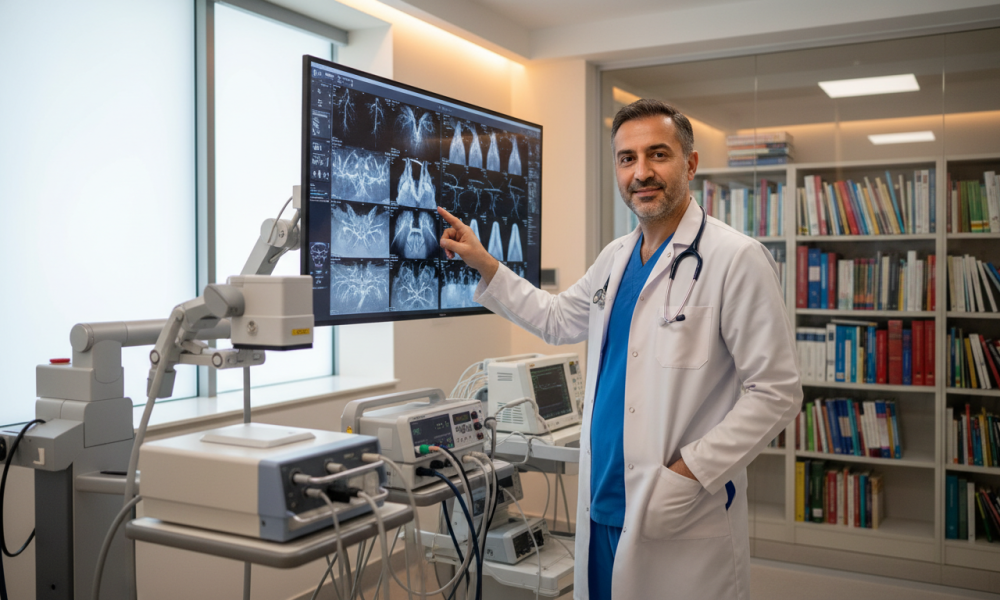
When looking into cardiology treatment in Turkey, knowing your doctor’s credentials is key. People want to be sure their medical team can handle complex heart procedures well. Turkey has invested a lot in its medical staff, making sure they meet top international standards.
Training Standards and International Accreditations
Turkish cardiologists go through a long education journey. It takes over a decade of study and practice. They usually start with a primary medical degree and then do fellowships in cardiology at top universities. Many also gain experience in Europe and the United States.
Hospitals in Turkey often get Joint Commission International (JCI) accreditation. This means they follow strict global safety rules. Choosing an accredited hospital ensures your cardiologist is well-qualified and keeps up with the latest in their field.
Multidisciplinary Approaches to Patient Care
Cardiac care in Turkey is all about teamwork. Instead of just one doctor, hospitals use a multidisciplinary approach. This means cardiologists, radiologists, and anaesthetists work together to plan your care.
This team effort leads to a better understanding of your heart health. By sharing knowledge, the team can reduce risks and improve your health outcomes. This teamwork is what makes the care in Turkey so high-quality.
Preparing for Your Angiographic Procedure Abroad
Starting your medical journey in Turkey requires careful planning. Organising your health records and travel plans is key to a stress-free experience. This ensures your angiographic procedure is done accurately.
Pre-operative Assessments and Medical History
Your clinic will need a detailed health overview before you travel. You must share your medical history, including heart conditions, allergies, and medications. Accurate information helps the team prepare the angiographic procedure for you.
Hospitals often ask for recent blood tests and an ECG from your UK GP. These help assess if you’re ready for the procedure. Clear communication with your consultant is key to avoid delays.
Logistical Planning for International Patients
Planning your travel is as important as the medical side. Book flights that allow rest before your appointment. Working with a medical tourism agency can make booking easier.
Make sure you have all travel documents, like your passport and insurance, ready. A clear plan helps you focus on recovery, not travel worries. Here’s a table with key steps before your angiographic procedure.
| Preparation Category | Action Required | Timeline |
|---|---|---|
| Medical Records | Gather recent ECG and blood reports | 4 weeks prior |
| Medication Review | Consult GP regarding blood thinners | 2 weeks prior |
| Travel Logistics | Confirm flights and local transport | 1 week prior |
| Documentation | Verify insurance and ID documents | 3 days prior |
What to Expect During the Angiogram Interpretation
Going to the catheterisation lab for a heart check can seem scary. But, knowing what happens helps a lot. Professional medical teams in Turkey make sure you know everything. This way, you can feel more confident and clear about your visit.
The Clinical Process in the Catheterisation Laboratory
The first step is cardiac catheterisation. A thin tube is put through a blood vessel to your heart. This lets the team do a detailed coronary angiogram with contrast dye.
They use special imaging to see your blood flow in real-time. This is key for a correct angiogram interpretation.
Your cardiologist and a team of nurses and technicians watch your heart closely. They look at the images right away to find any problems. This quick check means you can talk about treatment plans quickly.
Post-Procedure Recovery and Monitoring
After the procedure, you go to a recovery area. The team checks your puncture site for bleeding and makes sure your blood flow is okay. Your comfort is the main thing they focus on at first.
Nurses keep an eye on your blood pressure and heart rate. Most people are told to rest quietly while the dye is cleared. This careful watching is a safety step to make sure you’re safe.
| Phase | Primary Focus | Patient Experience |
|---|---|---|
| Preparation | Safety Checks | Calm and informed |
| Procedure | Diagnostic Imaging | Monitored and supported |
| Recovery | Observation | Restful and secure |
Safety Protocols and Quality Standards
When you travel abroad for heart checks, knowing the safety standards is key. Turkish medical places have made sure their care is as good as in the UK. They follow global standards to make sure patients get the best and safest care.
JCI Accreditation and Hospital Safety Records
Many top Turkish hospitals have the Joint Commission International (JCI) accreditation. This shows they meet high standards in care and safety. Choosing a place like the HCOR Hospital do Coracao means you’re picking a place that values openness and quality.
These hospitals keep detailed safety records. They are checked often by experts. Patients get top care and can trust their safety. Choosing an accredited hospital means you get:
- Standardised clinical pathways that lower the chance of mistakes.
- Rigorous infection control to keep the environment clean.
- Continuous monitoring of patient results to keep improving.
Managing Risks Associated with Contrast Dye Tests
Many worry about the contrast dye test in heart scans. This dye is needed for clear images of the heart’s arteries. Turkish doctors are skilled in handling any risks, like allergic reactions or kidney problems.
Your medical team will check your health history before the test. They might suggest drinking lots of water before and after to protect your kidneys. Your safety is the main thing. The staff are ready to act fast if anything goes wrong, keeping you safe during the test.
Navigating the Healthcare System in Turkey
Getting around a foreign healthcare system can seem tough. But Turkey makes it easy for UK patients. The country has built a strong healthcare system for visitors.
Turkish hospitals focus on quick and easy care. They aim to make your medical visit smooth from start to finish.
Communication and Language Support for UK Patients
Good communication is key for any medical visit. Top hospitals in Turkey have dedicated international patient departments. Staff there speak English well.
They make sure you understand your diagnosis and treatment. You’ll get medical papers and consent forms in English. This helps avoid any confusion about your care.
Patient Advocacy and Medical Tourism Agencies
Many patients use medical tourism agencies to help. These agencies connect you with hospital staff. They offer comprehensive support during your visit.
They ensure your needs are met and your voice is heard. These agencies handle the details. This lets you focus on getting better.
Using these services makes navigating Turkey’s healthcare system easier. They help with transport and follow-up appointments. You’ll have support every step of the way.
Financial Considerations and Insurance Coverage
When choosing a place for medical care, the cost is a big worry for many. Knowing the total cost early lets you focus on getting better, not worrying about bills. Transparency is key for a smooth medical trip abroad.

Transparent Pricing Models for Medical Procedures
Turkish hospitals often use all-inclusive pricing models. This means you get a clear price for everything: the doctor’s fee, hospital stay, and tests. It helps avoid unexpected bills later.
Always ask for a detailed cost breakdown before booking. Make sure it includes any extra costs, like if you need to stay longer. Clear communication with your hospital helps match your budget with the real costs.
Navigating Private Health Insurance and Reimbursement
Getting your insurance to pay back requires planning and keeping records. Most UK insurers need pre-authorisation for treatments abroad. Check if they cover your cardiac care and what proof they need.
Save all your medical documents and receipts from Turkey. These are vital when you claim back costs in the UK. A good medical tourism agency can help with this, making it easier to get your insurance to pay.
| Cost Category | Standard UK Private Care | Turkish Medical Facility |
|---|---|---|
| Initial Consultation | High | Moderate |
| Diagnostic Imaging | Premium | Competitive |
| Hospital Stay | Variable | All-inclusive |
| Follow-up Support | Limited | Comprehensive |
Recovery and Aftercare Following Your Procedure
After your procedure, your recovery and return home are the main focus. Whether it was a simple test or a complex intervention, the first hours are key. It’s important to check the quality of your clinic or ensure you get the best support.
Immediate Post-Procedure Care in the Clinic
After your cardiac catheterisation, you’ll go to a recovery area. Nurses will watch your vital signs closely. This is to keep the puncture site stable and prevent bleeding. Professional medical teams in Turkey are skilled in these immediate needs.
You’ll stay under watch for hours to check your heart and blood pressure. The team will tell you how to move and drink. Following these tips is key to quick healing.
Planning Your Return Journey to the United Kingdom
Get medical clearance from your cardiologist before flying back to the UK. An angiographic procedure means you must be stable for flying. Talk to your airline about any special needs for heart surgery or tests.
Think about your flight and how you’ll move during it. Some people get help at the airport to avoid heavy lifting. Keep your medical records and Turkish clinic contact in your luggage.
| Recovery Phase | Primary Focus | Recommended Action |
|---|---|---|
| Immediate (0-6 hours) | Haemostasis | Strict bed rest and monitoring |
| Short-term (24 hours) | Stability | Gentle movement and hydration |
| Travel (Post-discharge) | Comfort | Medical clearance and assistance |
| Long-term (1 week) | Follow-up | Consultation with your UK GP |
Comparing Arteriography Options Across Turkish Cities
Turkey is known for its top-notch cardiac care in major cities. Each city brings its own expertise to your arteriography procedure. Knowing the strengths of each region helps you choose the best for your health.
Leading Medical Centres in Istanbul
Istanbul is the main spot for international patients needing advanced heart checks. It has many internationally accredited hospitals with the latest imaging tech. These clinics are set up for patients from the UK.
These places have special international patient departments. Choosing a top centre in Istanbul means you get access to a wide network of experts. They are skilled in complex arteriography tests. Istanbul’s fast service and luxury make it a favourite for many.
Specialised Cardiac Facilities in Ankara and Izmir
Ankara and Izmir also offer top cardiac services, alongside Istanbul. Ankara, being the capital, has university hospitals and research centres. They focus on innovative cardiovascular treatments and are known for their academic and clinical excellence.
Izmir is known for its calm environment, great for recovery. Its hospitals are ready for precise arteriography in a peaceful setting. Whether you like the capital’s vibe or the coastal calm, both cities offer top care for your arteriography needs.
| City | Primary Strength | Patient Focus |
|---|---|---|
| Istanbul | Global Connectivity | International Medical Tourism |
| Ankara | Academic Research | Complex Cardiac Cases |
| Izmir | Recovery Environment | Personalised Patient Care |
Legal and Ethical Considerations for Medical Tourists
Choosing to have cardiac procedures abroad means you must think about the laws and ethics that protect your health. It’s important to be proactive when using healthcare in a foreign country. This ensures your safety and well-being. Knowing the rules helps you make choices that fit your health goals.
Understanding Patient Rights in International Settings
In Turkey, international patients are covered by strong healthcare laws. These laws are similar to many global standards. Hospitals often have Joint Commission International (JCI) accreditation. This means they follow strict rules about patient care and safety.
You have the right to know about your diagnosis, the risks of the procedure, and what to expect. Informed consent is key. Before any procedure starts, your team must explain everything in your language or through an interpreter. You should be able to ask about your doctor’s qualifications and the safety measures at the facility.
Ensuring Continuity of Care with Your UK GP
It’s important to keep in touch with your UK GP for your long-term health. Talk to your GP before you go to make sure they know about your plans. This helps your GP prepare for your return and understand your treatment abroad.
After your procedure, make sure you get a comprehensive medical report in English. This report should have your angiogram results, any medication, and follow-up care advice. Share these records with your GP as soon as you get back. This helps keep your care consistent and lets your GP track your recovery.
| Responsibility | Patient Role | Provider Role |
|---|---|---|
| Informed Consent | Ask detailed questions | Provide clear, honest data |
| Medical Records | Request full documentation | Supply accurate, translated reports |
| Follow-up Care | Consult with UK GP | Offer post-procedure guidance |
| Communication | Disclose health history | Maintain patient confidentiality |
The Importance of Follow-up and Long-term Monitoring
Your recovery journey doesn’t stop when you leave the hospital in Turkey. The initial coronary angiogram is just the start. It’s how you use this info to keep your health in check that really matters. Regular checks help spot any changes early on.
Sharing Diagnostic Results with Local Specialists
When you get back to the UK, it’s essential to share your medical report with your GP or cardiologist. Giving them the full angiography results makes care easier to hand over. This helps your local team tailor your treatment based on your arteriography findings.
Don’t wait to ask for digital copies of your imaging files before leaving the clinic. Having these records makes it easier to keep up with your care. Your local specialist will use this info to decide if you need more treatment or lifestyle changes.
Managing Cardiovascular Health Post-Angiography
Keeping your heart healthy long-term is all about lifestyle choices. Regular check-ups are key to tracking your progress and making sure your meds work. Being proactive helps you keep the benefits of your procedure.
The table below shows a suggested monitoring schedule to keep your heart in top shape.
| Timeframe | Action Required | Focus Area |
|---|---|---|
| 1 Month Post-Op | GP Consultation | Reviewing initial recovery |
| 6 Months Post-Op | Cardiac Screening | Monitoring blood pressure |
| 12 Months Post-Op | Full Review | Assessing long-term outcomes |
Following this structured plan helps you manage your heart health well. Consistent communication with your medical team is key. Always tell your doctor about any new symptoms to keep your health on track.
Common Misconceptions About Medical Tourism
Exploring international healthcare can be tricky. Many in the UK worry about getting treatment abroad, but these fears are often based on old information. By looking at today’s clinical settings, we can see what medical tourism really is.
Addressing Concerns Regarding Quality and Hygiene
Many worry about the cleanliness of hospitals abroad. But, top Turkish clinics follow strict international rules, often more than local ones. They focus on patient safety with strict cleaning and infection control.
Hospitals in Turkey offer a clean, comfy, and efficient place for treatment. They use the same top-notch medical gear as in the UK. So, the care is always high-quality, ensuring patients get safe and professional treatment.
Debunking Myths About International Medical Standards
Some think medical standards abroad are worse than in the UK. But, many Turkish cardiologists are certified worldwide and have trained at top places. Knowing the medical tourism benefits and advantages shows why many choose it for cardiac care.
The table below shows the difference between myths and the real deal of international medical services:
| Common Myth | The Reality | Impact on Patient |
|---|---|---|
| Lower hygiene standards | JCI-accredited facilities | High safety assurance |
| Lack of expertise | Internationally trained staff | Expert clinical outcomes |
| Poor technology | State-of-the-art equipment | Advanced diagnostics |
| No follow-up care | Structured recovery plans | Continuity of health |
Choosing wisely is key to beating these myths. By looking at real data and hospital accreditations, patients can trust their choice. International healthcare is a strong, professional field that changes lives for thousands every year.
Conclusion
Traveling for cardiac diagnostics is a smart choice for those seeking top care without UK’s long waits. Turkey offers excellent medical facilities and skilled cardiologists. They focus on patient safety and quality care.
Here, you get access to the latest imaging tech and modern facilities. These meet strict international standards. This ensures your diagnostic process is smooth and effective. Looking into vascular surgery in Turkey or routine angiographic assessments helps you manage your heart health confidently.
Your success relies on good preparation and follow-up care. Share your diagnostic reports with your local GP for seamless health management back home. This balance of international medical support and local care protects your health for the future.
Start your health journey by researching accredited hospitals and talking to medical experts who know your needs. Your heart needs the best care, no matter where you are. Get the right info to make a smart choice about your heart health.
FAQ
Q: Why is Turkey considered a premier destination for a coronary angiogram?
A: Turkey is a top choice for heart care thanks to big private sector investment and government support. Places like the Acıbadem Healthcare Group and Memorial Hospitals Group offer top-notch angiographic procedure suites. They are as good as those in London but much cheaper.
Q: What exactly is involved in cardiac catheterisation?
A: Cardiac catheterisation is a test where a thin tube is put through a blood vessel to the heart. It lets doctors do vascular imaging, check heart valves, and measure heart pressures. This gives a full view of the heart’s health.
Q: How does a contrast dye test improve angiogram interpretation?
A: A special liquid is used during the test. This contrast dye test makes blood vessels show up on X-ray screens. It helps doctors see exactly where and how bad any blockages are.
Q: Is digital subtraction angiography available in Turkish hospitals?
A: Yes, top Turkish hospitals use digital subtraction angiography (DSA). This tech shows only the blood vessels clearly by removing other images. It’s great for detailed arteriography.
Q: How do Turkish cardiac facilities compare to the NHS regarding waiting times?
A: Turkish hospitals offer quick care, unlike the NHS. They can do a coronary angiogram much faster. This means quicker diagnosis and treatment, which is key for heart health.
Q: Are the cardiologists in Turkey internationally accredited?
A: Yes, many Turkish cardiologists have trained in the UK, USA, or Germany. They work in places like Medical Park and Florence Nightingale Hospitals. These hospitals are JCI (Joint Commission International) accredited, showing they meet global standards.
Q: What should I expect during recovery from an angiographic procedure in Turkey?
A: After the angiographic procedure, you’ll be watched in a recovery ward for hours. Most can move around the same day. You’ll get clear aftercare instructions. You’ll be told to wait 48 hours before flying back to the UK.
Q: How is the language barrier managed for British patients?
A: Top hospitals in Istanbul and Ankara have special international patient departments. They have English-speaking patient coordinators and translators. They help you from the start to the end of your stay.
Q: Can I use my UK private health insurance for treatment in Turkey?
A: Many insurance providers, like Allianz Care or Bupa Global, cover treatment abroad. Check your policy for cardiovascular diagnostics in Turkey. Make sure the hospital uses transparent pricing models for easy payment.
Q: How do I ensure continuity of care with my UK GP after returning home?
A: Turkish hospitals give you a detailed report and images after you leave. Show these to your UK GP or cardiologist. This keeps your treatment plan up to date and your heart health monitored.
Q: What are the risks associated with the contrast dye test?
A: The test is usually safe but can cause a warm feeling or taste. Rarely, it might cause an allergic reaction or affect the kidneys. Turkish hospitals check your kidney function before the test to keep you safe.
Q: Which Turkish cities offer the best facilities for arteriography?
A: Istanbul is the main spot for medical tourism, with many JCI-accredited hospitals. But Ankara and Izmir also have great university hospitals and private cardiac centres for arteriography and surgery.
Related guides

Healthcare Content Compliance Guide for Growth
A high-performing treatment page can generate international patient inquiries within hours. It can also create material risk if…

Turkey Hospitals vs Local Hospitals Compared
A lower procedure quote can get a patient’s attention. It should not make the decision on its own.…

Patient Experience That Drives Trust and Growth
A patient who has already uploaded medical records, compared providers, and arranged time away from work is not…