
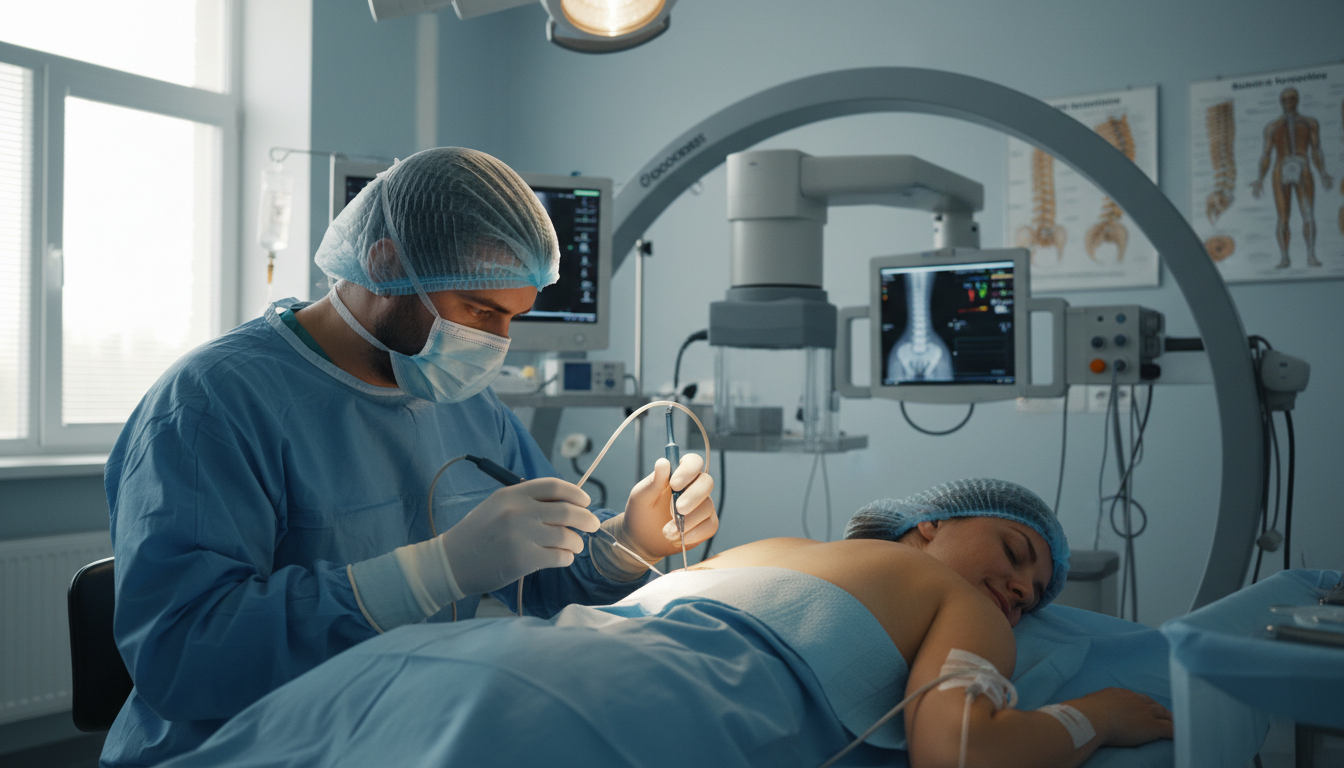
Many patients in the UK are now looking abroad for top-notch spinal care. They want quicker access to special treatments and the best medical facilities. Balloon Kyphoplasty is a key solution for those with painful vertebral compression fractures.
Turkey is becoming a top choice for medical tourism. It offers advanced technology and is more affordable. Patients can avoid long waits and get care from skilled surgeons. If you’re looking, make sure to pick the right orthopaedic clinic for your safety and recovery.
This article is a detailed guide for those seeking spinal relief. We aim to explain how this innovative procedure can improve your life and mobility.
Key Takeaways
- UK patients are increasingly choosing Turkey for specialised spinal treatments.
- The procedure offers a minimally invasive approach to treating painful vertebral fractures.
- Turkey provides a perfect balance of modern medical technology and affordability.
- Selecting the right clinic is vital for achieving the best possible health outcomes.
- Medical tourism allows patients to avoid lengthy waiting times found in domestic healthcare systems.
Understanding Vertebral Compression Fractures and Their Impact
When the spine’s structure is damaged, it can be very painful and change your life. Vertebral compression fractures happen when the spine’s bony block collapses. This can cause a lot of pain and make you shorter.
These injuries often come from small stresses that a healthy spine can handle easily.
The Role of Osteoporosis in Spinal Health
Osteoporosis is the main cause of many of these injuries. It makes bones weak and brittle. This weakens the spine’s ability to support your body’s weight.
Even simple actions like bending or lifting can be dangerous for people with osteoporosis.
To keep the spine healthy, managing bone density is key. Without action, the vertebrae will weaken, leading to more pain and fractures. It’s important to understand this to improve mobility and quality of life.
Symptoms and Clinical Presentation of Spinal Fractures
Spotting spinal fractures early is critical to avoid serious problems. People often feel sharp back pain that gets worse when moving or standing. A noticeable height loss or a rounded upper back, known as a dowager’s hump, is another sign.
If back pain lasts and doesn’t get better with rest, see a doctor. Early diagnosis and treatment can greatly improve recovery chances.
The table below shows how healthy bones differ from those affected by osteoporosis.
| Feature | Healthy Bone | Osteoporotic Bone |
|---|---|---|
| Density | High and robust | Low and porous |
| Fracture Risk | Minimal | High |
| Healing Capacity | Efficient | Slow and compromised |
| Structural Support | Strong | Weakened |
What is Balloon Kyphoplasty?
Balloon Kyphoplasty is a big step forward in treating painful vertebral fractures. It’s a minimally invasive surgery that helps stabilise the spine. It also relieves the severe pain from collapsed vertebrae.
Defining the Minimally Invasive Procedure
The surgery uses a small, special balloon inserted into the fractured vertebra. This is done under local or general anaesthesia. The surgeon then inflates the balloon to gently lift the bone back to its original shape.
After the balloon is taken out, the surgeon fills the space with bone cement. This cement hardens quickly. It gives immediate structural support to the vertebra.
How Balloon Kyphoplasty Differs from Vertebroplasty
Both methods aim to stabilise the spine, but they work differently. Vertebroplasty injects bone cement directly into the fractured vertebra without first making a space.
Balloon Kyphoplasty, on the other hand, uses a balloon to restore the bone’s height before adding cement. This crucial difference helps control where the cement goes. It also lowers the chance of cement leaking into other tissues.
Many patients prefer this minimally invasive surgery because it’s more precise. Choosing Balloon Kyphoplasty over traditional vertebroplasty can lead to better results for those with spinal compression pain.
The Medical Tourism Landscape in Turkey
Turkey is now a top choice for those looking for top spinal care. It has invested a lot in its healthcare, making it a magnet for thousands of visitors each year. This is thanks to advanced surgical techniques and a focus on the patient.
Why Patients from the United Kingdom Choose Turkey
More and more UK patients are choosing Turkey for their spinal health. A big reason is the shorter waiting times compared to back home. This is key for those in pain.
Also, Turkey offers access to top spinal surgeons. These doctors are trained in the best places and use the latest techniques. The whole process is made easy by the good coordination between clinics and travel agencies.
Standards of Care and Accreditation in Turkish Hospitals
Turkish hospitals set high standards, matching those in top countries. Many have Joint Commission International (JCI) accreditation, a mark of quality and safety. This means they follow strict rules on cleanliness and surgery.
They also use the latest technology for better results. From top imaging to modern operating rooms, everything is set up for the best patient care. Here are the main reasons Turkish hospitals are so well-regarded.
| Feature | Turkish Healthcare Standard | Patient Benefit |
|---|---|---|
| Accreditation | JCI and ISO Certified | High safety and quality assurance |
| Waiting Times | Minimal to None | Rapid access to urgent treatment |
| Surgical Expertise | Internationally Trained | Access to advanced spinal techniques |
The Procedure: Step-by-Step Clinical Process
The journey to fix the spine starts with a meticulous approach to safety and precision. Surgeons in Turkey use a strict protocol. This ensures every step is done with care. It helps to reduce risks and increase the chance of long-term relief.
Pre-operative Assessment and Imaging
First, the medical team checks the patient’s spinal health. They use MRI or CT scans to find the fracture’s exact spot. Accurate identification helps the surgeon plan the best way to fix it.
These scans give a detailed view of the spine. The team can see any challenges ahead. This prep is key to a safe and efficient surgery for the patient.
Anaesthesia and Patient Positioning
Keeping the patient comfortable is a top goal. The surgery might use local or general anaesthesia. The anaesthetist keeps a close eye to ensure the patient is safe and pain-free.
Once the patient is sedated, they are placed on the table. Proper alignment is crucial for surgical access to the spine. The surgeon uses imaging to check the patient’s position before starting.
The Insertion of the Balloon and Bone Cement Application
The main part of the surgery is using a balloon to expand the vertebra. The balloon is inflated to restore the vertebra’s height. This step is essential for relieving pressure on the spine.
After the balloon is removed, the surgeon fills the space with bone cement. This hardens quickly, giving the spine immediate support.
Using bone cement is a precise task. It stabilises the fracture, preventing further damage and pain. The surgeon checks the cement’s placement to ensure the spine is supported.
Benefits of Choosing Balloon Kyphoplasty for Pain Relief
Balloon Kyphoplasty is a new way to help people with spinal fractures. It’s a small surgery that fixes the spine and stops the pain quickly.
It helps patients move freely again. Many say they feel much better soon after the surgery.
Restoration of Vertebral Body Height
This surgery aims to make the spine straight again. When a bone breaks, it can make the spine curve and hurt more.
A special balloon is used to open up the broken area. This helps lift the bone back into place.
After that, bone cement is put in to keep the bone stable. This stops it from breaking again and helps the spine stay strong.
Reduction in Chronic Back Pain and Mobility Improvement
Many patients feel much less pain right away. This is because the surgery stops the bone from moving and hurting.
As the pain goes away, people can move more easily. They can stand up straight and walk without pain, improving their life a lot.
People usually get back to their daily activities quickly. This fast recovery is why many choose this treatment for their spine problems.
Candidate Selection and Suitability
Surgeons in Turkey have strict rules to pick the right patients for spinal surgery. They do a detailed check to see if the surgery will help your specific problem.
Identifying Patients Who Benefit Most
This surgery is mainly for pain from broken vertebrae. Doctors look at the bone quality and how long ago the injury happened. These things help predict if the surgery will work well.
People with osteoporosis often get the best results. The surgery helps bring back the height of the vertebrae and makes the spine stable. This can greatly lessen the pain from broken vertebrae.
Contraindications and Medical Considerations
Not everyone can have this surgery. Doctors do a deep look at your medical history to find any risks. They want to make sure the surgery will work for you.
Some conditions make the surgery a bad idea. These include:
- Active spinal infections or systemic sepsis.
- Specific types of malignant spinal tumours that may weaken the bone.
- Severe blood clotting problems that make surgery too risky.
- Fractures that have healed or are stable enough to be treated with physical therapy.
Your medical team will check if you’re healthy enough for the surgery. They make sure you’re safe for anaesthesia and the operation. This careful check is key to keeping patients safe in Turkish hospitals. It makes sure only those who will really benefit get the treatment.
Recovery and Post-Operative Care
After the procedure, your comfort and recovery are top priorities. Many patients feel significant and near-instantaneous relief from the pain of vertebral fractures. This quick relief means you can get back to your daily life sooner than with traditional surgery.
Immediate Post-Procedure Expectations
You’ll be taken to a recovery area where doctors will watch your vital signs. You’ll likely stay in the hospital for a short time to make sure the bone cement sets right. Rest is key in the first few hours to help your body adjust to the spine changes.
You might feel some minor soreness where the needle was inserted, but this is usually managed with pain meds. Most people are encouraged to stand and walk with help soon after. This early movement is a crucial step in avoiding stiffness and keeping blood flowing well.
Long-term Rehabilitation and Spinal Support
While the procedure fixes the fracture, long-term success depends on a good rehab plan. Gentle physiotherapy helps strengthen the muscles around your spine, giving essential support to your vertebrae. Your team will create a custom exercise plan to improve your posture and mobility.
In some cases, you might need a spinal brace for extra stability during healing. It’s important to follow all post-op instructions, including avoiding heavy lifting or hard physical activity. Taking a proactive approach to your spinal health will help you get the most out of your treatment for years.
Risks and Complications Associated with Spinal Surgery
It’s important to know the risks of spinal surgery before you start. Modern methods have made it safer, but it’s good to understand what could happen.
Being informed helps you talk better with your doctors. This is true for spinal care or other surgeries, like a tummy tuck in Turkey. Keeping things open is key.
Understanding Possible Side Effects
Spinal surgery has its own risks. It’s good to talk about these with your doctor. Even though serious problems are rare, knowing about them helps set the right expectations for getting better.
Doctors watch for a few things during and after surgery:
- Cement leakage: Sometimes, the bone cement used to hold the vertebrae in place can leak out of where it’s supposed to be.
- Infection: There’s a small chance of getting an infection that needs treatment.
- Nerve irritation: You might feel some discomfort or numbness if the surgery touches nerves nearby.
Mitigation Strategies Used by Turkish Surgeons
Turkish hospitals focus on keeping patients safe. They use the latest technology and strict rules. Surgeons use real-time fluoroscopic guidance to place bone cement very precisely.
This technology lets the team see the vertebrae live. They can watch the cement flow and reduce the risk of it leaking into the spinal canal or other areas.
Clincs also keep everything very clean to lower the chance of infections. With the experience of local doctors, patients get top-notch care.
Comparing Costs: Turkey versus the United Kingdom
Patients often find that the total cost of balloon kyphoplasty in Turkey is much lower than in the UK. The financial burden of spinal surgery can be overwhelming. Careful research into international healthcare markets helps find quality treatment within budget.
Breakdown of Surgical Expenses
The main price difference is due to lower operational costs in Turkish medical centres. When you get a surgery quote, it includes the surgeon’s fees, theatre use, and anaesthetist’s services. Transparency is vital, so ask for a detailed invoice before agreeing to surgery.
In the UK, private healthcare costs are high due to premium facility fees and consultant charges. Turkish clinics offer all-inclusive packages, which can help avoid unexpected bills during recovery.
| Expense Category | Typical UK Private Cost | Typical Turkey Cost |
|---|---|---|
| Surgeon Fees | High | Moderate |
| Hospital Stay | Premium | Inclusive |
| Anaesthesia | Standard | Standard |
Hidden Costs and Travel Considerations
While the surgical quote might look good, remember to plan for travel costs. Include return flights, recovery accommodation, and local transport. Planning ahead helps keep your budget realistic.
Don’t forget to budget for post-operative meds, follow-up visits, and support services. Setting aside a contingency fund for unexpected costs is wise. This way, you can manage your spinal health journey financially.
Navigating the Logistics of Medical Travel
Planning your spinal treatment abroad needs careful steps for a smooth journey. The thought of surgery can be daunting, but breaking it down helps. This way, you can focus on getting better and improving your health.
Selecting a Reputable Clinic and Surgeon
Finding the right doctor for your treatment is key. Check if they are board-certified and have the right skills for your surgery. Always ask for proof of their success with procedures like balloon kyphoplasty.
Also, make sure the hospital is well-accredited. Look for international standards like those from the Joint Commission International (JCI). Reading reviews from other patients can also give you a good idea of the care quality.
Visa Requirements and Travel Arrangements for UK Citizens
UK citizens going to Turkey for medical reasons need to know the entry rules. British passport holders might not need a visa for short visits, but always check the latest advice. Make sure your passport is valid for at least six months after your trip.
Book flights that land during the day to make getting to the clinic easier. Many hospitals offer packages that include transport from the airport. Planning this ahead of time can save you stress when you arrive.
| Logistical Task | Action Required | Priority Level |
|---|---|---|
| Surgeon Vetting | Verify credentials and experience | High |
| Hospital Accreditation | Check for JCI or equivalent status | High |
| Travel Documents | Confirm visa and passport validity | High |
| Airport Transfers | Arrange pre-booked clinic transport | Medium |
The Importance of Follow-up and Continuity of Care
Your recovery journey doesn’t stop when you leave the clinic in Turkey. The surgery is just the first step towards pain relief. Long-term success needs careful post-operative care. It’s important to see the surgery as the start of a healing process, not just an event.
Coordinating Care Between Turkish and UK Specialists
It’s vital to have good communication between your international team and local UK doctors. Make sure your GP or spinal specialist gets a full report of your surgery. This helps them understand the surgery and any follow-up instructions.
Keeping this connection helps avoid missing information in your medical history. Here are some steps to ensure a smooth transition:
- Ask for a detailed discharge report from your Turkish clinic before you go home.
- Book a GP appointment in the UK within two weeks of returning.
- Keep all imaging results, like X-rays or MRI scans, in a file.
- Let your UK specialist know about any new medications from your stay abroad.
Monitoring Long-term Spinal Stability
Regular check-ups are key to keeping your spine stable over time. Even if you feel better right away, you’ll need regular scans to check the bone cement and for any new fractures. Your local specialist will help track your progress with physical exams.
Focus on several important signs of spinal health to keep you comfortable and mobile. Being proactive helps catch small problems before they get big.
| Monitoring Aspect | Frequency | Purpose |
|---|---|---|
| Clinical Assessment | Every 3-6 months | Check mobility and pain levels |
| Imaging (X-ray/MRI) | Annually | Verify structural integrity |
| Bone Density Scan | As advised | Manage underlying osteoporosis |
Ultimately, continuity of care gives you the confidence to get back to your daily life. Working with both your Turkish and UK medical teams protects your health investment. This ensures the best outcome for your spine.
Technological Advancements in Spinal Interventions
The world of spinal care is changing fast thanks to new technology. Surgeons now use tools that were once thought of as science fiction. This makes treatments safer and more effective. Top hospitals in Turkey are leading the way in this high-quality care.
Modern Imaging and Surgical Equipment in Turkey
Medical facilities in Turkey have invested in top-notch imaging systems. These systems give surgeons clear, 3D views of the spine during surgery. This is key for precise minimally invasive surgery.
Using this tech, doctors can focus on the right vertebrae without harming nearby muscles and ligaments. This method drastically reduces damage after surgery and helps patients recover faster. Many Turkish clinics now have equipment as good as the best in the West.
Future Trends in Minimally Invasive Spinal Surgery
The future of orthopaedic care is all about more automation and digital tools. Robotic systems are being added to surgeries to improve screw placement and cement delivery. These robots are like a sophisticated extension of the surgeon’s hands, ensuring better results.
Looking to the future, minimally invasive surgery will likely use more artificial intelligence. These smart systems can predict problems before surgery starts. As these technologies get more common, patients will see even quicker recoveries and better spinal health in the long run.
Patient Testimonials and Success Stories
Listening to those who have had spinal surgery offers a real look at recovery. Their stories show how surgery can change lives. They share the transformative impact of successful surgery on daily life. This helps others understand the benefits of top-notch care abroad.
Real-world Outcomes for International Patients
Many from the UK say they feel much better after surgery. They talk about a rapid drop in chronic back pain. This lets them do things they couldn’t before. It shows the high skill of Turkish clinics.
Patients often share:
- They move more easily and are more independent.
- They can go back to work or hobbies without pain.
- They need less pain medication over time.
- They sleep better because they don’t wake up in pain.
Managing Expectations and Realistic Results
Success stories are inspiring, but keep things in perspective. Everyone’s health is different, so recovery times and results vary. Individual results are influenced by factors like bone density and overall health.
Talking to your surgeon about what you can expect is key. Setting realistic goals helps you focus on your own progress. This way, you can face your treatment with confidence and clear goals.
Conclusion
Choosing the right path for spinal health is a big decision. It needs a mix of medical knowledge and personal comfort. Turkey is a great option for those with vertebral compression fractures. It offers advanced medical tech and high care standards.
Deciding to get treatment abroad is a big step in your recovery. It’s important to do your research well. This way, you can find a reputable clinic that meets your health needs.
Spinal health affects how you move and feel every day. Turkish hospitals offer effective solutions for better mobility. Take time to look at your options and talk to specialists. This will help you make a choice that’s right for you.
FAQ
Q: What is the primary difference between Balloon Kyphoplasty and vertebroplasty?
A: Both are treatments for vertebral compression fractures. Vertebroplasty uses bone cement to stabilise the bone. Balloon Kyphoplasty first uses a balloon to create space, then adds cement to restore the vertebra’s height.
Q: Why are spinal fractures common in patients with osteoporosis?
A: Osteoporosis makes bones weak and brittle. Even small movements can cause vertebral collapse. This leads to painful fractures and often requires medical treatment to prevent further damage.
Q: Why is Turkey considered a leading destination for UK patients seeking spinal care?
A: Turkey offers top-notch medical care at lower costs. Its hospitals meet global safety standards. UK patients also avoid long waiting times and get to see renowned surgeons.
Q: What are the clinical symptoms that suggest I might need Balloon Kyphoplasty?
A: Look out for sudden, severe back pain that gets worse when standing. Other signs include loss of height, limited mobility, and a hunched posture. A scan is needed to confirm a fracture.
Q: How does the restoration of vertebral body height improve patient outcomes?
A: Restoring height reduces pain and corrects the spine’s alignment. This helps alleviate pressure on nerves. Patients often see a significant pain reduction and improved mobility soon after.
Q: Is the procedure painful, and what type of anaesthesia is used?
A: The procedure is designed to be as painless as possible. Anaesthesia options include local with sedation or general. The small incisions help keep discomfort low.
Q: What are the risks of cement leakage, and how do Turkish surgeons mitigate them?
A: Risks include infection or cement leakage. Turkish surgeons use real-time X-ray to guide the cement. This ensures it stays in the correct place, protecting nerves.
Q: How much can I expect to save on surgical expenses in Turkey compared to the UK?
A: Costs in Turkey are 50% to 70% lower than in the UK. Savings cover surgeon fees, hospital stays, and imaging. Travel costs and visa requirements should also be considered.
Q: What does the recovery and rehabilitation programme involve?
A: Patients often feel better soon after surgery and can walk within hours. A rehabilitation programme, including physiotherapy, is key for long-term success. Turkish clinics work with UK specialists for ongoing care.
Q: Are there any contraindications that would prevent me from having this surgery?
A: Not everyone can have the surgery. Contraindications include infections, bleeding disorders, and certain tumours. A detailed assessment is needed to check if you’re a good candidate.
Q: How is technology advancing in the field of Turkish spinal interventions?
A: Turkish facilities lead in innovation, using the latest robotic systems and 3D imaging. These advancements improve accuracy and speed up recovery for international patients.
Related guides

Healthcare Content Compliance Guide for Growth
A high-performing treatment page can generate international patient inquiries within hours. It can also create material risk if…

Turkey Hospitals vs Local Hospitals Compared
A lower procedure quote can get a patient’s attention. It should not make the decision on its own.…

Patient Experience That Drives Trust and Growth
A patient who has already uploaded medical records, compared providers, and arranged time away from work is not…