

Cardiac health is a big worry for many in the UK. When they face complex aortic root issues, they look for advanced medical solutions. They want both top-notch care and quick action.
Bentall surgery is a cutting-edge fix for serious heart problems. Turkey is now a top spot for this critical surgery. It offers world-class facilities and expert heart teams.
Medical tourism is on the rise, letting patients get vital care fast. By going this route, they get expert care in a place made for healing. It’s all about getting better and keeping the heart healthy for the long haul.
Key Takeaways
- Turkey offers high-quality cardiac care for complex aortic root replacements.
- Patients from the United Kingdom benefit from reduced waiting times for essential procedures.
- The medical infrastructure in Turkey supports advanced heart interventions with modern technology.
- Clinical excellence and professional standards are prioritised for international patients.
- Choosing this route provides a viable alternative for those seeking timely and effective treatment.
Understanding the Complexity of Bentall Surgery
The Bentall procedure is a pinnacle in modern heart surgery. It’s a complex operation for severe heart damage. Patients need to understand the detailed work needed to fix the heart’s main outflow tract.
Anatomy of the Aortic Root and Ascending Aorta
The aortic root is the first part of the aorta, attached to the heart. It has the aortic valve, letting blood flow out. If it gets sick, the heart’s structure is at risk.
The ascending aorta goes from the root to the aortic arch. It faces huge pressure with each heartbeat. A weak wall here can be deadly and needs urgent surgery.
Indications for the Bentall Procedure
Doctors suggest this surgery for aortic valve disease and aneurysms. An aneurysm is when the aortic wall bulges, posing a rupture risk. Bentall Centre Surgery replaces the damaged valve and aorta with a synthetic graft.
The table below shows when this surgery is needed:
| Condition | Anatomical Impact | Surgical Goal |
|---|---|---|
| Aortic Root Aneurysm | Dilation of the aortic base | Stabilisation of the root |
| Aortic Valve Stenosis | Narrowing of the valve opening | Restoration of blood flow |
| Aortic Dissection | Tearing of the vessel layers | Prevention of rupture |
The Evolution of Cardiac Surgical Techniques
Cardiac surgery has changed a lot in recent decades. Early aortic repairs had high failure rates. The Bentall procedure, introduced in the 1960s, changed the game by standardising aortic root replacement.
Now, Turkish hospitals use advanced imaging and robotic tools to improve these techniques. This mix of old wisdom and new tech makes Bentall Centre Surgery safe and effective for UK patients.
Why Turkey Has Become a Hub for Cardiac Excellence
Modern cardiac care in Turkey is now on par with the best Surrey surgery clinic. It offers great value and top-notch expertise. The country has invested a lot in healthcare to give international patients the best treatment. This has made Turkey a top choice for complex surgeries like the Bentall procedure.
Investment in Modern Medical Infrastructure
Turkish hospitals have been updated with the latest medical tech. Surgeons use cutting-edge robotic systems and advanced imaging tools. These tools improve surgery precision. The facilities are designed for a smooth experience, from diagnosis to recovery.
Accreditation Standards in Turkish Hospitals
Patient safety is the main focus in Turkish medical centres. Many hospitals have Joint Commission International (JCI) accreditation. This shows they meet global standards. It means patients get care as good as the UK’s best private hospitals.
The Role of International Medical Tourism Agencies
Getting healthcare abroad can be hard for many. Agencies like those supporting medical tourism agencies help a lot. They handle travel, language, and medical details. This makes the journey easier for patients.
| Feature | Turkish Cardiac Centres | Standard Local Clinic |
|---|---|---|
| Accreditation | JCI International Standards | National Health Standards |
| Technology | Advanced Robotic Systems | Traditional Surgical Tools |
| Patient Support | Dedicated Liaison Services | Standard Administrative Staff |
| Wait Times | Minimal to None | Variable/Extended |
Turkey’s mix of modern tech and support services makes it a great choice. Like a Surrey surgery clinic, these places focus on each patient’s needs. This approach draws thousands of international visitors every year.
The Clinical Benefits of Choosing Bentall Surgery
Bentall Surgery is a game-changer for those with severe aortic root problems. It fixes multiple heart parts at once, giving a comprehensive fix for heart disease. By replacing the aortic valve and the top part of the aorta, it ensures blood flows right and stops more problems.
Long-term Outcomes for Aortic Valve Replacement
This surgery is known for its exceptional durability. People often worry about how long their repairs will last. But this surgery is made to last for many years. It uses a top-notch prosthetic valve and a synthetic graft to fix the heart.
Studies show that patients have much lower rates of needing another surgery. This long-term stability lets people go back to their normal lives. It means they don’t have to deal with more surgeries that might not fix the main problem.
Managing Aortic Dissection and Aneurysms
For serious issues like aortic dissection or complex aneurysms, time is critical. Bentall Surgery is a critical intervention that makes the aorta stable before a rupture. Surgeons remove the weak part and replace it with a strong graft that can handle high pressure.
This method works well for those with connective tissue disorders or high blood pressure. It tackles the aneurysm and the valve in one go, reducing stress on the patient. It’s a highly refined technique that saves lives in emergencies and planned surgeries.
Quality of Life Improvements Post-Recovery
After recovering, most patients see a big change in their physical abilities. They often feel better right away, with less chest pain, shortness of breath, and fatigue. Many can do physical activities they couldn’t before because of their heart issues.
The table below shows the typical improvements seen after recovery:
| Health Metric | Pre-Surgery Status | Post-Surgery Status |
|---|---|---|
| Exercise Tolerance | Severely Limited | Significantly Improved |
| Chest Pain Frequency | Frequent/Chronic | Rare or Absent |
| Cardiac Output | Compromised | Restored to Normal |
| Daily Fatigue Levels | High | Low/Managed |
Choosing Bentall Surgery is a big step towards better health. It’s a choice that focuses on long-term wellness. With skilled surgeons and modern tech, the benefits last long after recovery.
Comparing Bentall Surgery Costs in Turkey versus the United Kingdom
When looking at Bentall surgery, it’s key to compare costs in different places. Many from the United Kingdom are now choosing Turkey for its affordable yet quality cardiac care. Knowing the costs helps make a choice that fits both your health needs and your budget.
Breakdown of Surgical and Hospital Expenses
In Turkey, Bentall surgery costs are all in one package. This includes the surgeon’s fees, the anaesthetist’s work, and the theatre use. It also covers ICU and ward stay costs.
In the UK, private healthcare costs are split. You might get separate bills for the doctor, hospital, and tests. This makes it hard to guess the total cost.
Hidden Costs and Financial Planning
There are extra costs to think about, like flights, hotel, and transport. Also, plan for extra stay if needed. A good plan includes a bit extra for surprises.
Don’t forget about post-op meds and follow-up visits. Keeping a detailed list of these costs helps manage your budget better.
Insurance Considerations for International Procedures
Sorting out insurance for Bentall surgery abroad needs careful checking. UK private insurance often has rules for treatments abroad. Make sure your policy covers this.
Some insurers might pay part of the cost, others need approval first. Talk to your insurer early to know what’s covered. This way, you won’t be surprised by costs later.
| Expense Category | United Kingdom (Private) | Turkey (Private) |
|---|---|---|
| Surgical Procedure | High (Variable) | Competitive (Fixed) |
| ICU & Hospital Stay | Daily Rate Charges | Included in Package |
| Consultant Fees | Separate Billing | Included in Package |
| Total Financial Predictability | Low | High |
Navigating the Patient Journey from the United Kingdom
Starting a medical journey from the UK to Turkey for heart surgery needs careful planning. Choosing a Bentall medical practice means you’re on a safe and comfortable path. Every step is designed to look after you.

Initial Consultations and Remote Diagnostics
First, your team will do a detailed remote check-up. This step is crucial to make sure you’re right for the surgery. They’ll understand your heart needs fully.
You’ll need to send recent medical records, like echocardiograms and CT scans. These help specialists review your case. They can then make sure the Bentall medical practice can give you the right care.
Visa Requirements and Travel Logistics
Planning your travel is easy with the right help. UK citizens usually find Turkey’s entry rules easy to follow. But, always check the latest rules.
Here are some steps to make your travel smooth:
- Check your passport is valid for entry.
- Talk to your clinic about how long to stay for surgery and recovery.
- Get someone to come with you for support during your post-operative period.
Language Support and Patient Liaison Services
Good communication is key in healthcare, even more so when you’re having surgery abroad. Top clinics offer patient liaison services to help with language issues.
These teams are your primary point of contact. They make sure you understand your treatment plan. By choosing a clinic that values clear communication, you’ll know your needs are met throughout your healing journey.
The Role of Skilled Cardiac Specialists in Turkey
In Turkey, a team of skilled specialists is behind every successful heart operation. The country has invested a lot in medical education. This ensures that surgeons have the technical mastery needed for complex surgeries like the Bentall surgery.
Many of these experts have gone through tough training in top medical institutions worldwide. This global experience helps them use the latest surgical techniques every day.
Training and Qualifications of Turkish Surgeons
Turkish cardiac surgeons must meet high national standards before they can do major surgeries. Most senior consultants have board certifications and lots of experience in big cardiac centres.
Their commitment to excellence shows in their work in international research and clinical trials. This keeps their care modern and backed by solid evidence.
Multidisciplinary Team Approaches
Success in surgery often comes from teamwork. In Turkish hospitals, surgeons work with cardiologists, anaesthetists, and perfusionists in a multidisciplinary team.
This team approach makes sure all your health needs are looked after before, during, and after surgery. By sharing their knowledge, the team can tackle any challenges and give you a seamless surgical experience.
Patient-Centric Care Models
Modern Turkish healthcare puts patients first. This model focuses on your individual needs, making sure you’re well-informed and supported during treatment.
Doctors aim to build a strong rapport with you, which helps lower anxiety and boosts recovery. By making you the centre of their care, Turkish specialists keep your health goals in mind.
Pre-operative Assessment and Preparation
Your journey to a healthier heart starts with a key preparation phase. This phase gets your body ready for major heart surgery. It focuses on detailed checks and physical preparation to help you recover well.
Diagnostic Imaging and Cardiac Catheterisation
Surgeons need a clear map of your heart before surgery. They use CT scans and MRI to see your heart’s details. This helps them choose the right graft for you.
Cardiac catheterisation also checks your heart’s arteries. It finds any blockages that need fixing during surgery. Accurate data is key for a precise surgery plan.
Optimising Health Before the Procedure
Getting fit before surgery is important. Light exercise and a healthy diet boost your strength and lung function. It’s also key to manage health issues like high blood pressure.
Talk to your Kingston upon Thames GP about your meds. They’ll check if you need any changes. Your Kingston upon Thames GP will also watch your blood pressure and health before you go. These steps help your body handle surgery better.
Psychological Preparation for Major Surgery
Major heart surgery can make you feel anxious. It’s okay to feel this way. Talking to family or a counsellor can help. Mental strength is as important as physical fitness for surgery.
Think about the benefits of surgery, like a better life and a healthier heart. Having a plan for when you get home and a support network can ease your worries. By getting your mind and body ready, you’re setting yourself up for success.
The Surgical Procedure Explained
Knowing the steps of a Bentall Surgery makes patients feel more at ease. This complex surgery replaces the damaged aortic root and valve with a prosthetic graft. Surgeons do this with extreme care to get the best results for the patient.
Anaesthesia and Intraoperative Monitoring
First, the patient gets general anaesthesia to stay asleep and pain-free. A team of anaesthetists watch the patient’s vital signs closely. They check blood pressure, oxygen levels, and heart rhythm. This constant surveillance is key to keeping the patient stable during the Bentall Surgery.
The Bypass Machine and Surgical Precision
The patient is then connected to a cardiopulmonary bypass machine. This machine takes over the heart and lungs’ job, keeping blood flowing. With the heart stopped, the team can work with high precision on this delicate surgery.
Graft Selection and Valve Integration
The last step is attaching a synthetic graft and a prosthetic valve. The surgeon carefully connects the graft to the coronary arteries. This critical reconstruction is what makes a Bentall Surgery successful, ensuring the heart works well for years.
Post-operative Care and Intensive Care Unit Protocols
Intensive care is key to a good recovery after complex heart surgery. Patients go to a special unit where doctors watch them closely. This place makes sure your body is looked after with precision and care.
Immediate Recovery and Monitoring
When you get to the intensive care unit, you’ll be hooked up to special machines. Doctors keep an eye on your heart, blood pressure, and oxygen levels all the time. This continuous haemodynamic monitoring lets the team act fast if anything changes.
Some patients might think of these standards like a Bentall NHS clinic. But in Turkey, there are more nurses for each patient. This means you get more attention when you need it most. It’s important for keeping you stable while you heal.
Pain Management Strategies
We take pain control seriously after surgery. It helps you rest better and get back to normal faster. Our team uses a multimodal approach, mixing medicines with other methods to keep you comfortable.
We know pain is different for everyone. So, we check how you’re feeling often and adjust your pain relief as needed. This helps avoid too much pain and makes it easier to switch to pills later.
Early Mobilisation and Physiotherapy
Getting you moving early is important to us. It helps your blood flow and lowers the chance of breathing problems. We start physiotherapy within a day to help you move gently.
Physiotherapists will help you with breathing exercises and light exercises. This active participation is key to getting back on your feet. Below is a table showing what you might do in the first few days.
| Recovery Phase | Primary Focus | Expected Outcome |
|---|---|---|
| Day 1 | Haemodynamic Stability | Successful weaning from ventilation |
| Day 2 | Pain Management | Increased comfort and mobility |
| Day 3 | Early Mobilisation | Sitting up and assisted walking |
| Day 4 | Physiotherapy | Improved lung function and strength |
By sticking to these strict rules, we make sure every patient gets the best care. Whether you’re looking at options like a Bentall NHS clinic or international care, our goal is your long-term health and safety.
Managing Possible Risks and Complications
Major cardiac surgery is a big deal that needs careful post-operative safety. Even though some patients compare international standards to those in a Bentall NHS clinic, the main goal of risk reduction is the same everywhere. Taking care of your health during recovery is key to long-term success.
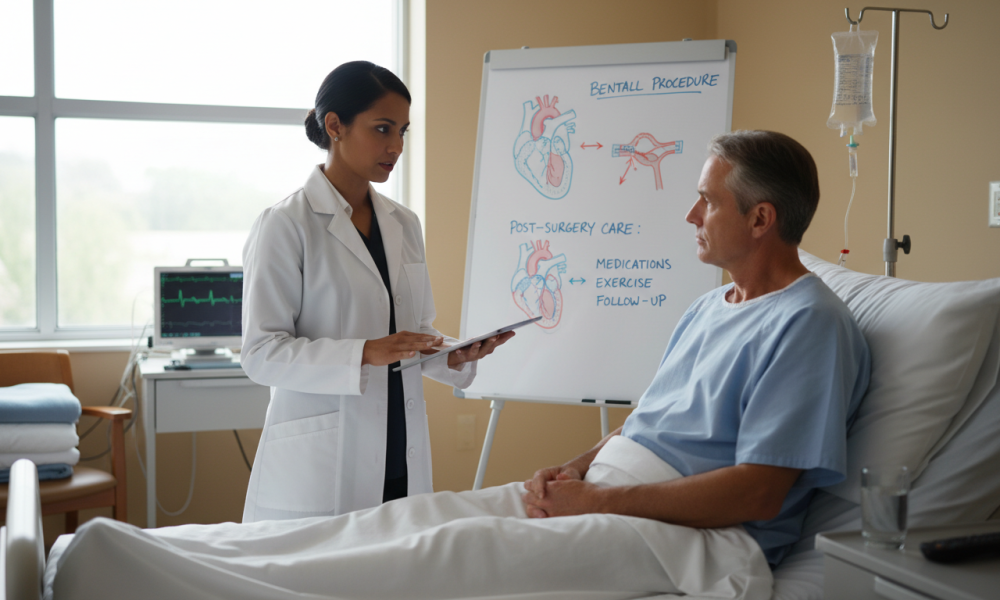
Infection Control and Wound Care
Keeping your surgical site clean is crucial to avoid complications. Always keep the incision area clean and dry, following your team’s dressing instructions. Watch for signs like redness, swelling, or unusual discharge to catch issues early.
If your wound looks different, call your medical team right away. Washing your hands well before touching the area helps prevent infection. Your recovery plan will tell you when to change dressings and how to watch the healing process.
Anticoagulation Therapy Management
After a procedure with a mechanical valve, you’ll need anticoagulation therapy to stop blood clots. This medicine is important for your safety but needs careful management and regular blood tests. Taking your medicine at the same time every day is very important.
Stay close to your healthcare provider to check your International Normalised Ratio (INR). Changes in diet or new medicines can affect how your body handles these drugs. Always talk to your specialist before making any changes to your routine.
Recognising Warning Signs During Recovery
Knowing your body’s signals is important for a good recovery. While some tiredness is normal after surgery, some symptoms need immediate medical attention. Watch for signs like persistent chest pain, shortness of breath, or unexplained fever.
Also, look out for sudden weight gain, swelling in the legs, or heart palpitations. Keeping a symptom log can help your team track your recovery and spot any problems early. Remember, your safety is the top priority, and seeking advice early is always best.
| Monitoring Area | Action Required | Frequency |
|---|---|---|
| Wound Site | Check for redness or heat | Daily |
| Anticoagulation | Blood test for INR levels | Weekly/Bi-weekly |
| Vital Signs | Monitor pulse and blood pressure | Daily |
| Physical Activity | Gradual increase in movement | As prescribed |
The Importance of Follow-up Care After Returning Home
After complex heart surgery, continuity of care is essential for your long-term health. Your surgery in Turkey is just the start. The real work begins when you return home, needing careful planning and professional help.
Keeping in touch with your surgical team and local doctors is key. This helps keep your recovery on track. It also helps avoid complications and makes getting back to normal easier.
Coordinating Care with Your Local GP
When you get back, see your primary care doctor. This is important, like if you live in Kingston upon Thames. Your GP will help manage your health and adjust your meds.
Give your doctor all the hospital papers you got. This includes info on your graft and valve. It helps your doctor keep a good record of your heart health.
Long-term Monitoring of the Aortic Graft
Watching the aortic graft is a critical part of your care. You’ll need imaging tests at regular times. This checks if the repair is holding up well.
| Monitoring Type | Frequency | Purpose |
|---|---|---|
| Echocardiogram | Every 6-12 Months | Assess valve function |
| CT/MRI Scan | Yearly or Bi-annually | Check graft stability |
| Blood Pressure Check | Monthly | Reduce graft stress |
When to Seek Emergency Medical Attention
Most people recover well, but watch for signs that mean you need immediate help. Call emergency services or go to the hospital for sudden chest pain, shortness of breath, or dizziness.
Also, watch for fever, swelling in your legs, or signs of infection at your incision site. These are signs you need to see a doctor right away. Being alert to these signs is important for your health.
Addressing Misconceptions About Medical Tourism
Thinking about heart surgery abroad? It’s key to know the truth from myths. Many from the UK fear that hospitals abroad won’t match the NHS’s standards. But, the world of healthcare has changed, making Bentall Centre Surgery a viable option.
Safety Standards and Regulatory Oversight
Turkey has upgraded its medical setup to meet global standards. Top hospitals have the Joint Commission International (JCI) seal. This means they follow strict rigorous standards for cleanliness and technology.
Regulators in Turkey check these standards often. This ensures safety levels are high, sometimes even higher than in the UK. Such dedication to quality is key in medical tourism today.
The Reality of Post-operative Support
Many worry that support stops after hospital discharge. But, clinics for complex heart surgeries offer comprehensive aftercare plans. These plans include help from liaison officers to keep you and your GP updated.
Thanks to modern tech, your recovery can be monitored remotely. You’ll get clear advice on medicines and wound care before flying back. This proactive approach means you’re never alone in your recovery.
Evaluating Clinic Reputation and Success Rates
Choosing the right place for your Bentall Centre Surgery needs careful research. Look for clinics that share their success rates and patient stories. Also, check the qualifications of the surgeons and their teams.
It’s okay to ask for contact with past patients or details on complication rates. Transparency is a sign of a good clinic. By looking at real data, you can choose wisely for your health and peace of mind.
Patient Testimonials and Success Stories
Real stories from British patients show the benefits of international cardiac care. These accounts highlight the transformative impact of top-notch surgery on health and wellbeing.
Many have moved from local Surrey clinics to Turkish hospitals, finding better care. We share these stories to show the recovery process and high care standards abroad.
Real-world Experiences of UK Patients
Patients feel deeply reassured by the medical teams’ professionalism. One patient said the care in the intensive care unit was outstanding, making them feel supported.
Success stories often talk about the smooth journey from diagnosis to surgery. Clear communication and detailed briefings made them confident in their choice.
Overcoming Challenges in International Healthcare
Going abroad for medical care has its challenges. But, patients have found help with everything from airport transfers to hospital papers.
Language barriers are a worry, but many say the doctors’ English skills made things easy. Adapting to a new environment is easier with good support.
Lessons Learned from the Surgical Journey
Patients stress the need for good preparation before going abroad. They say having all medical records ready is key.
They also compare their experience to local care, saying Turkey’s personalised attention was a highlight. Their advice is to be proactive, ask questions, and trust the surgical teams.
Ethical Considerations in Global Cardiac Surgery
Looking into the ethics of international heart care is complex. It involves understanding patient rights and the duties of healthcare systems. When patients choose to travel for treatment, they face more than just travel plans. They must think deeply about the moral side of global healthcare.
Balancing Cost-Effectiveness with Quality
Many patients are drawn by lower costs compared to home. But, true value is more than just cheaper. It’s important to make sure that saving money doesn’t mean sacrificing quality or safety.
Top-notch facilities stick to high standards, just like international guidelines. Patients should look for clinics that focus on evidence-based medicine, not just low prices. This balance is key for good health in the long run.
The Impact on Local Healthcare Systems
Medical tourism can affect the availability of care in the host country. A good model makes sure international patients don’t take away from local people’s care. Ethical clinics often put their profits back into local health, helping everyone.
Choosing hospitals that support local training and health projects helps make care fairer. This collaborative approach makes medical travel good for both visitors and locals. It turns travel for health into a win-win situation.
Informed Consent and Transparency
Trust is built on clear, honest communication between patients and doctors. Every patient needs to know all about the risks and benefits of their treatment. This is very important in Bentall medical practice, where surgeries are complex.
Getting informed consent is not just a legal thing; it’s a moral duty to respect patients’ choices. Doctors must make sure language doesn’t get in the way of understanding medical information. Good communication helps patients feel ready and in control of their care.
| Ethical Pillar | Patient Responsibility | Provider Responsibility |
|---|---|---|
| Transparency | Ask detailed questions | Provide full disclosure |
| Quality Assurance | Verify hospital accreditation | Maintain clinical standards |
| Sustainability | Respect local resources | Support local healthcare |
Conclusion
Choosing complex cardiac surgery needs clear understanding of your options. Turkey is a strong choice for those looking for top care for aortic issues. It has modern hospitals and skilled surgeons, making it a good option for many.
Your success depends on doing your research and talking to experts. Make sure your clinic is well-qualified and you can talk easily with your team. Planning your travel and recovery well is key for a smooth process.
Looking at international healthcare can be a big help. It offers access to life-saving treatments that can greatly improve your life. By being involved in your care, you can get the best outcomes for your heart.
Talk to your GP to keep your care going after you get back. Keeping an eye on your aortic graft is important for your health. Your recovery begins with making a smart choice today.
FAQ
Q: What exactly is involved in a Bentall Surgery performed in Turkey?
A: Bentall Surgery is a complex heart operation. It treats aortic root disease by replacing the aortic valve, aortic root, and ascending aorta. The coronary arteries are also re-implanted into a synthetic graft. Turkish hospitals use advanced surgical precision and modern technology for this high-risk operation.
Q: Why is Turkey considered a premier destination for this complex heart procedure?
A: Turkey has invested heavily in its medical facilities. Many hospitals have JCI accreditation. The country offers world-class cardiac specialists, team approaches, and patient-centric care. This makes it a top choice for UK patients seeking Bentall medical practice excellence.
Q: How do the clinical outcomes for aortic root replacement in Turkey compare to the UK?
A: Turkey offers high long-term durability and quality of life improvements. Turkish centres follow strict international protocols for aortic dissection and aneurysms. This ensures high success rates and post-operative monitoring standards.
Q: Can I coordinate my initial assessment through a Surrey surgery clinic or a Kingston upon Thames GP?
A: Yes, you can start by consulting your Kingston upon Thames GP or a Surrey surgery clinic. They can help with diagnostic imaging and records. This ensures a smooth transfer of data for remote diagnostics and initial consultations.
Q: What is the cost difference between Bentall Surgery in Turkey versus private healthcare in the United Kingdom?
A: Turkey often offers a significant cost reduction without sacrificing quality. The package includes theatre fees, anaesthesia, intensive care unit stays, and hospital expenses. This transparency helps avoid hidden costs often found in private UK treatment.
Q: Is it possible to receive follow-up care at a Bentall NHS clinic or the Bentall Centre Surgery upon my return?
A: Yes, your Kingston upon Thames GP or a Bentall NHS clinic can oversee your long-term monitoring upon return. Turkish surgeons provide a detailed discharge summary. This ensures your local Bentall Centre Surgery can manage anticoagulation therapy and routine check-ups.
Q: How are the qualifications of Turkish cardiac surgeons verified?
A: Turkish cardiac specialists are often trained in prestigious international institutions. They hold certifications from European and American boards. Patients should evaluate clinic reputation and success rates provided by international medical tourism agencies.
Q: What pre-operative preparations are required for a UK patient travelling abroad?
A: Before leaving, patients undergo diagnostic imaging and sometimes cardiac catheterisation. It’s important to optimise health through lifestyle changes and psychological preparation. Coordinating these steps with a Surrey surgery clinic ensures you’re ready for the major surgery.
Q: What are the protocols for pain management and recovery in the Intensive Care Unit?
A: Post-operative care in Turkey includes immediate recovery monitoring in a ICU. Protocols include haemodynamic monitoring, effective pain management, and early mobilisation. Quick physiotherapy programmes help speed up recovery and prevent complications.
Q: How does the surgical team manage the risks of infection and long-term anticoagulation?
A: Turkish hospitals have strict infection control and wound care protocols. With a mechanical valve, anticoagulation therapy management is a priority. Patients are educated on recognising warning signs and receive a clear follow-up plan for their Bentall medical practice back home.
Q: Are there real-world success stories from other UK patients?
A: Many UK patients share success stories. They talk about overcoming challenges in international healthcare. They highlight the lessons learned about travel logistics, visa requirements, and the language support and patient liaison services in Turkey.
Q: What ethical standards are followed regarding informed consent and transparency?
A: Ethical global cardiac surgery relies on informed consent and total transparency. Turkish facilities balance cost-effectiveness with high clinical standards. This ensures medical tourism is safe and viable for life-saving heart interventions.
Related guides

Healthcare Content Compliance Guide for Growth
A high-performing treatment page can generate international patient inquiries within hours. It can also create material risk if…

Turkey Hospitals vs Local Hospitals Compared
A lower procedure quote can get a patient’s attention. It should not make the decision on its own.…

Patient Experience That Drives Trust and Growth
A patient who has already uploaded medical records, compared providers, and arranged time away from work is not…