

In recent years, more patients from the United Kingdom have been travelling abroad for top-notch cardiac care. Turkey has become a top choice for those looking for quality medical care at lower costs. This is because Turkey focuses on clinical excellence and uses the latest technology in its hospitals.
Balloon Valvuloplasty (Valvotomy) is a popular treatment in Turkey. It’s a minimally invasive procedure that helps with heart valve problems. It improves blood flow without the need for open-heart surgery. Patients get the best care from skilled doctors in modern facilities.
Key Takeaways
- Turkey provides specialised cardiac care that meets rigorous international standards.
- Patients benefit from shorter waiting times compared to the National Health Service.
- The procedure is performed by highly qualified surgeons using modern medical equipment.
- Cost-effectiveness remains a primary driver for those travelling for heart treatments.
- Comprehensive aftercare programmes ensure a smooth recovery for international patients.
Understanding Heart Valve Disease and Treatment Needs
When heart valves don’t open or close right, the whole body’s blood flow is at risk. This is called heart valve disease. It makes it hard for the heart to send oxygen-rich blood to the body. Knowing this is key for finding good medical help.
The Physiology of Mitral and Aortic Valve Stenosis
Stenosis happens when valve flaps get stiff or stuck together. This makes it hard for blood to flow. In mitral valve stenosis, the valve between the left atrium and ventricle gets narrow. This forces the heart to work harder, which can change the heart muscle.
Aortic valve stenosis is when the valve to the aorta gets narrow. This blocks blood from reaching the brain and other important organs. Good blood flow is key for staying healthy and strong.
Recognising Symptoms and the Necessity for Intervention
Spotting heart valve disease early is vital to avoid serious damage. Signs include constant tiredness, breathing hard during light activities, and chest pain without reason. If you see these, you must see a doctor right away.
Ignoring these signs can cause bigger problems like heart failure or irregular heartbeats. Whether it’s mitral or aortic valve stenosis, acting fast can help. Acting now helps keep your life quality and heart health good for the long run.
What is Balloon Valvuloplasty (Valvotomy)?
When heart valves get stiff or narrow, Balloon Valvuloplasty (Valvotomy) can help. It’s a minimally invasive procedure that opens up the valve. This lets blood flow better around the body.
It’s a key treatment for those with valve stenosis. It helps without the need for open-heart surgery.
The Mechanics of Cardiac Catheterisation
The treatment starts with cardiac catheterisation. A cardiologist uses a thin, flexible tube called a catheter. It goes through a blood vessel, usually in the groin or arm, to the heart.
This method lets the team reach the valve with remarkable accuracy. It avoids big cuts.
Once in place, the specialist watches on real-time images. This makes sure the equipment is exactly where it needs to be. Cardiac catheterisation means less recovery time than old surgeries.
How the Procedure Restores Blood Flow
When the catheter gets to the narrowed valve, a small balloon is inflated. This gently opens up the valve. It breaks up the blockages that stop it from moving.
By opening the valve, the Balloon Valvuloplasty (Valvotomy) makes it easier for the heart to pump. Patients often see an immediate improvement in how their heart works.
This minimally invasive procedure relieves pressure on the heart. It helps the heart beat better and improves life quality for those with valve problems.
Why Turkey is a Leading Destination for Cardiac Care
Turkey is leading the way in cardiac care. Over the last ten years, it has invested a lot in its healthcare. This has made it a top choice for heart treatments worldwide.
Advancements in Turkish Medical Infrastructure
Turkish hospitals have modernised quickly. They now use the latest medical technology. This includes high-tech labs for detailed heart procedures.
These hospitals also focus on patient comfort. They have private rooms and advanced monitoring systems. This makes sure patients have a smooth experience.
Accreditation Standards and International Recognition
Safety is a top concern in Turkish hospitals. Many have Joint Commission International (JCI) accreditation. This shows they meet high global standards.
Patients from abroad can trust their care in Turkey. It meets the same standards as top hospitals in the UK or US. The table below shows what makes Turkey’s cardiac care stand out.
| Feature | Standard of Care | Patient Benefit |
|---|---|---|
| Medical Technology | Advanced/Modern | Higher surgical precision |
| Accreditation | JCI Certified | Verified safety protocols |
| Clinical Staff | Internationally Trained | Expertise in complex cases |
| Facility Design | Patient-Centric | Enhanced recovery comfort |
The Benefits of Choosing Balloon Valvuloplasty (Valvotomy) in Turkey
Choosing to travel for medical care is a big decision. Turkey is a top choice for heart valve treatments. It offers clinical excellence and modern facilities for a Balloon Valvuloplasty (Valvotomy).
Access to World-Class Cardiologists
Turkish doctors are known for their top training and dedication to international standards. Many have worked at famous hospitals in Europe and North America.
This experience means patients get the latest treatments. Choosing a Balloon Valvuloplasty (Valvotomy) in Turkey means you get care from experts in complex heart cases.
Cost-Effectiveness Compared to the United Kingdom
Medical tourism is often driven by cost. Turkey’s hospitals offer quality care at a much lower price than the UK.
This doesn’t mean you sacrifice quality or safety. The total cost of your Balloon Valvuloplasty (Valvotomy), including travel, is often less than a private procedure at home.
| Feature | United Kingdom (Private) | Turkey (Cardiac Centre) |
|---|---|---|
| Clinical Expertise | High | High (Internationally Trained) |
| Procedure Cost | Premium Pricing | Highly Competitive |
| Wait Times | Variable | Minimal |
| Technology Standards | Advanced | State-of-the-Art |
Preparing for Your Medical Journey to Turkey
Your journey to better heart health starts long before you fly. Organising your trip well means you can focus on getting better. A well-planned approach helps you feel confident and easy throughout the process.

Initial Consultations and Remote Diagnostics
Today, you can talk to top doctors from home. Before you travel, you’ll have a virtual meeting. This is to check if you’re right for cardiology treatment in Turkey.
You’ll need to share your medical records, like echocardiograms or angiograms. This helps doctors make a personalised care plan for you. This step saves time and makes sure everything is ready for your visit.
Travel Logistics and Accommodation Arrangements
After confirming your treatment, start planning your travel. Book flights that let you arrive calmly, with time to settle before your first hospital visit. Many prefer direct flights to avoid travel tiredness.
Choosing the right place to stay is key for a smooth trip. Here are some tips:
- Proximity: Pick a hotel or apartment close to the hospital to save travel time.
- Comfort: Make sure your place is quiet and comfy for recovery.
- Support: Look if your clinic has a patient service for help with transport and translation.
By sorting these details early, you set up a supportive framework for your medical journey. Good planning lets you concentrate on your health, knowing everything else is taken care of.
The Clinical Pathway for International Patients
The clinical pathway for international patients in Turkey is thorough and expert-led. It ensures personalised care for each patient’s needs. This clear roadmap makes patients feel confident and informed throughout their treatment.
Pre-operative Assessments and Cardiac Imaging
Patients start with a series of diagnostic tests before any treatment. These tests are key to understanding the patient’s heart anatomy. Advanced imaging, like echocardiograms and CT scans, helps doctors see the heart valves clearly.
This detailed preparation is essential before cardiac catheterisation starts. It helps surgeons plan the best approach. This preparation makes the procedure safer and more successful.
The Role of Multidisciplinary Heart Teams
Turkish cardiac care is known for its team effort. This team includes surgeons, anaesthetists, and cardiologists working together. They review all diagnostic results to consider the patient’s health fully.
This team approach ensures that cardiac catheterisation decisions are made with shared knowledge. It reduces risks and improves recovery chances. This collaborative environment is key to Turkey’s top hospitals.
| Assessment Stage | Primary Objective | Clinical Focus |
|---|---|---|
| Initial Screening | Review medical history | Risk assessment |
| Advanced Imaging | Map valve anatomy | Precision planning |
| Team Review | Consensus building | Patient safety |
| Final Clearance | Confirm readiness | Anaesthesia planning |
Inside the Operating Theatre: The Procedure Explained
Modern cardiac suites in Turkey offer a calm and controlled environment for your treatment. You’ll meet a team of specialists focused on your care. This minimally invasive procedure aims for the best results for your heart.
Anaesthesia and Patient Comfort Protocols
Your comfort is top priority in the theatre. A specialist anaesthetist will give you medication to keep you relaxed and pain-free. Feeling at ease is key, and the team watches your vital signs closely.
Advanced monitoring tracks your heart rhythm, blood pressure, and oxygen levels in real-time. This lets the team adjust your care quickly if needed. You’re in safe hands with professionals who put your safety first.
Step-by-Step Execution of the Valvuloplasty
The procedure starts with a thin, flexible tube called a catheter inserted into a blood vessel in the groin. Guided by live X-ray imaging, the cardiologist carefully moves this tube to the narrowed heart valve. This minimally invasive procedure means no open-heart surgery, cutting down your recovery time.
When the catheter reaches the valve, a small balloon at the tip is inflated. This gently stretches the valve opening, improving blood flow through the heart. The balloon is then deflated and removed, finishing the main part of the procedure.
This minimally invasive procedure has a small impact on your body. Most patients find it efficient, needing only a small dressing at the insertion site. This approach is a key part of Turkey’s high-quality cardiac care.
Recovery and Post-operative Care Standards
The move from the operating room to full recovery is done with great care. Each patient gets a tailored care plan to help them heal. This plan makes sure the heart works well after the surgery. This is key for a good recovery and peace of mind.
Immediate Monitoring in the Intensive Care Unit
After the surgery, you’ll go to the Intensive Care Unit (ICU). Here, skilled cardiac nurses and experts watch your vital signs like heart rhythm and blood pressure. They do this all day and night.
This close watch helps the medical team catch and fix any small issues quickly. The main goal is to make sure your heart settles down after the surgery. You’ll have lots of checks and use of special equipment to keep an eye on your heart.
Short-term Rehabilitation and Discharge Planning
When you’re stable, you’ll move to a regular ward for rehab. Here, you’ll start to do more activities with the help of physiotherapists. It’s important to move a bit to avoid problems and get stronger.
Your team will also start planning for your discharge. This includes:
- Medication review: A clear plan for any new or changed heart medicines.
- Activity guidelines: Advice on what activities to avoid in the first few weeks.
- Follow-up coordination: Scheduling visits with your local cardiologist for ongoing care.
Before you go home, you’ll get lots of information about your post-operative lifestyle. The staff will make sure you’re ready and confident for your return home. This support helps you start your recovery on the right path.
Safety and Risk Management in Turkish Hospitals
Thinking about heart procedures abroad? It’s key to know about the strict safety rules in place. Turkish hospitals have top-notch risk management systems for the best patient care. They cater to international patients with a focus on clinical excellence.
Infection Control and Surgical Success Rates
Modern Turkish hospitals follow strict international cleanliness rules. Many top centres have Joint Commission International (JCI) accreditation. This shows they meet global quality and safety standards.
These hospitals are open about their success rates. Surgeons and hospital staff share data on surgical success rates. This helps patients make informed choices based on real results.
Managing Possible Complications During Recovery
Your health is a top priority with a team approach and constant monitoring. If problems come up during recovery, hospitals have specialised intensive care units. These units are staffed by experts in cardiac care.
The recovery process includes close observation and regular checks. Advanced imaging and dedicated nursing support help track progress. This ensures patients get the best care from start to finish.
Comparing Turkish Healthcare with the National Health Service
Understanding the differences between local healthcare and treatment options abroad is key to improving heart health. The National Health Service is vital, but many seek medical intervention abroad for quicker heart care.
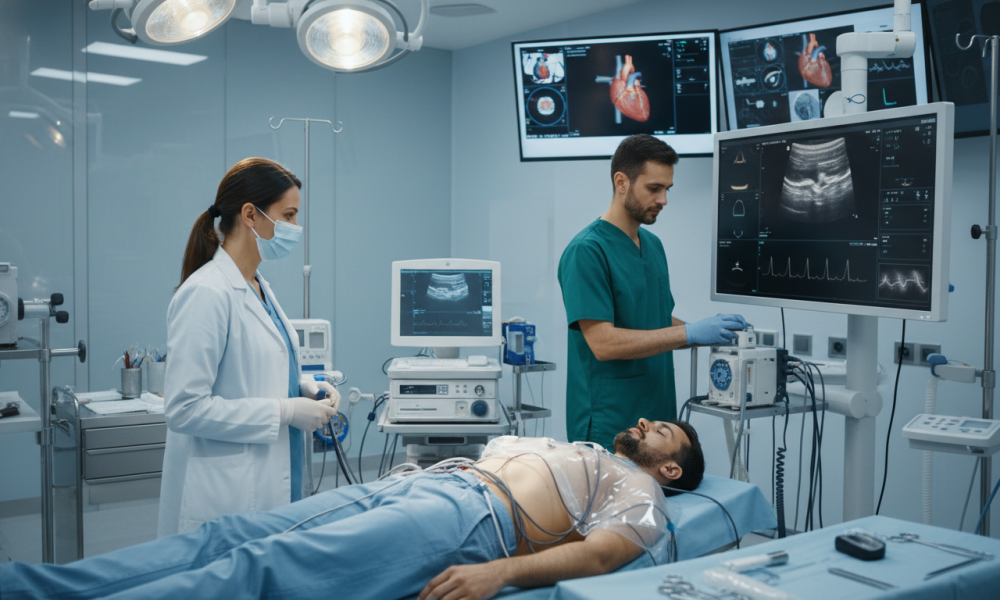
Wait Times and Access to Specialist Care
Many choose Turkey for its shorter waiting lists. In the UK, long delays are common due to high demand and resource issues.
In Turkey, private hospitals offer rapid access to specialists. This means patients can get their procedure sooner, preventing condition worsening.
Continuity of Care Upon Returning to the UK
It’s important to have a smooth transition after your procedure. Make sure you get a detailed summary of your treatment options and surgery steps before leaving.
Top Turkish centres give detailed medical records in English. Share these with your GP when you return. This helps your local team keep up with your care, ensuring effective follow-up monitoring and heart health management.
| Feature | National Health Service | Turkish Private Care |
|---|---|---|
| Wait Times | Often extended | Minimal to none |
| Specialist Access | Referral-based | Direct consultation |
| Medical Records | Internal system | Patient-provided copies |
| Care Continuity | Integrated | Requires patient coordination |
Essential Documentation and Legal Considerations
Getting your paperwork in order is as important as the medical care you’ll receive. It makes sure your move between healthcare systems is smooth and safe. Organising these details early will give you peace of mind during your treatment.
Medical Records Transfer and Translation
Your medical history is key for your Turkish surgical team. It’s essential to get full copies of your recent heart scans, test results, and medicines from your doctor.
These documents need to be translated into Turkish properly. This ensures no important details are missed. Many top hospitals in Turkey have special departments for international patients. They help with the safe transfer of your records. Make sure your records are sent securely to keep your data safe.
Insurance Coverage and Liability Protections
Check your insurance before you go for your surgery. Regular travel insurance might not cover elective surgeries. You might need specialised medical travel insurance.
It’s also key to know your legal rights for your safety. Talk to your chosen provider about:
- If your policy covers any problems after surgery.
- The hospital’s liability protections.
- How to make a claim if something goes wrong.
- If the hospital meets international standards.
By checking these things, you create a strong safety net for your health and money. Good paperwork is your main protection. It makes sure your care is clear, documented, and legal.
Selecting the Right Cardiac Centre in Turkey
Finding the right place for heart surgery is key to a good outcome. Look for a cardiac centre in Turkey that shows clinical excellence and cares for patients. Researching well ensures you get top care during your treatment.
Evaluating Surgeon Experience and Specialisation
Your surgeon’s skills are critical for success. Make sure your cardiologist is board-certified and has experience with balloon valvuloplasty. Ask about their experience to ensure they are safe and skilled.
Choose specialists who are part of global cardiology groups. They use the latest minimally invasive techniques for quicker recovery. Ask about their training and experience with complex cases.
Reviewing Patient Testimonials and Hospital Outcomes
Real feedback from past patients is very helpful. Look for hospitals in Turkey that share transparent success rates and patient satisfaction scores online. These stories show the hospital’s culture and care quality.
Also, check the hospital’s accreditation. Places with international seals, like the Joint Commission International (JCI), follow strict rigorous safety standards. Here’s a table to help compare cardiac centres.
| Selection Criteria | Why It Matters | What to Look For |
|---|---|---|
| Surgeon Credentials | Ensures technical proficiency | Board certification and specialisation |
| Hospital Accreditation | Guarantees safety protocols | JCI or equivalent international seals |
| Success Rates | Predicts clinical outcomes | Published data on procedure success |
| Patient Feedback | Reflects quality of service | Verified reviews and testimonials |
Lifestyle Adjustments Following Heart Valve Treatment
Your journey to better heart health doesn’t stop when you leave the hospital. The treatment fixes the immediate problem, but your long-term success depends on your recovery at home. It’s key to make lasting lifestyle changes after treating heart valve disease.
Dietary Recommendations for Heart Health
Good nutrition is vital for your heart’s health. For those with mitral valve stenosis, eating right helps your heart work less hard and keeps fluids in check. Stick to whole foods that give you energy without overloading your body.
Here are some diet tips to help you recover:
- Reduce sodium intake: Avoid processed foods to keep blood pressure and fluid levels down.
- Prioritise lean proteins: Opt for fish, poultry, and legumes over red meat to control cholesterol.
- Increase fibre: Eat lots of fruits, veggies, and whole grains for better blood flow.
- Stay hydrated: Drink the right amount of water as your doctor advises to keep blood volume right.
Long-term Monitoring and Follow-up Appointments
Regular doctor visits are essential for a good recovery. Even if you feel much better, don’t skip your check-ups. It’s critical for those treated for aortic valve stenosis to keep up with their follow-up schedule.
These visits help your cardiologist check how your heart is doing with tests like echocardiograms. Following your medication plan is also key to avoid problems and keep your heart working well. By being proactive with your health, you safeguard your future wellbeing.
Financial Planning for Your Medical Procedure
When looking at treatment options for heart valve conditions abroad, planning your budget is key. A clear financial plan lets you focus on your health without worrying about money. Researching costs early makes your journey smoother.
Understanding All-Inclusive Treatment Packages
Many top hospitals in Turkey have all-inclusive packages. These cover the surgery, anaesthesia, hospital stay, and post-op meds. Choosing a package can save you money and reduce stress.
When picking a place for medical care, compare these packages well. Make sure you know what’s included in the price. Good cardiac centres are clear about costs, so ask for a detailed breakdown.
Hidden Costs and Budgeting for Travel Expenses
Medical costs are clear, but other expenses can pop up. Plan for flights, local transport, and a comfy place to stay. Also, save for unexpected needs.
Don’t forget to budget for food and travel for a friend if you’re not alone. Look at all treatment options with your travel budget in mind. Good planning keeps your focus on getting better and staying healthy.
Navigating Cultural and Language Differences
Going to Turkey for medical care is more than just getting ready for treatment. It’s about stepping into a new world. The care is top-notch, but it can feel overwhelming. Getting ready for local ways and how to talk to people makes your trip smoother.
The Importance of Patient Liaison Services
Top cardiac centres in Turkey offer special patient liaison services for UK visitors. These experts are like a vital bridge between you and the doctors. They help with everything from paperwork to emotional support.
Having a liaison can really lower your stress before surgery. They explain hospital rules and help with cultural differences. This lets you focus on getting better without worrying about language or logistics.
Communication Strategies with Medical Staff
Good communication is key to great healthcare. Even though many Turkish doctors speak English well, it’s smart to write down your questions. Listing your concerns helps you remember to ask them during your talks with doctors or nurses.
If you’re unsure about advice, ask for more details. You can also ask your liaison to be there for important talks. Talking openly with your healthcare team is the best way to make sure your needs are met and you recover well.
Conclusion
Choosing balloon valvuloplasty in Turkey is a big step towards feeling better. Turkish medical centres use the latest technology and have top cardiologists. This means you get the best care that fits your needs.
Looking after your heart health means doing your homework and knowing your options. Checking hospital standards and surgeon skills helps you plan your care. This careful planning is key to a good recovery and staying healthy long-term.
Deciding to get medical care abroad shows you’re serious about your health. Having clear information and talking openly with doctors helps you feel sure about your choice. You’re on the way to better heart health with strong support and a focus on safety.
Make sure to look over your test results and talk to experts to match your goals. Making informed choices is the best way to get good results. Your heart health journey begins with the right knowledge and a solid plan.
FAQ
Q: Why is Turkey considered a premier destination for Balloon Valvuloplasty (Valvotomy)?
A: Turkey is a top choice for heart care thanks to its advanced medical tech and facilities. Hospitals like Acıbadem Healthcare Group offer top-notch care at lower costs than in the UK or US. They also meet global safety standards, thanks to international accreditations.
Q: What specific conditions does a Balloon Valvuloplasty treat?
A: This treatment helps with heart valve disease, mainly when a valve gets stiff and narrow. It’s often used for mitral and aortic valve stenosis. These conditions can cause breathing issues, tiredness, and chest pain.
Q: How is the procedure performed using cardiac catheterisation?
A: The procedure is less invasive than open-heart surgery. A thin tube with a balloon on the end is guided through blood vessels to the valve. The balloon then inflates to widen the valve, improving blood flow.
Q: What are the main advantages of seeking treatment in Turkey compared to the NHS?
A: One big advantage is the shorter wait times in Turkey. The NHS in the UK often has long waits. Turkey also offers all-inclusive treatment packages, making the experience smoother.
Q: What should I expect during the recovery and post-operative phase?
A: After the procedure, patients are closely monitored in an ICU. The recovery is quicker than with traditional surgery. They’ll get guidance on rehabilitation and follow-up care before returning home.
Q: How do Turkish hospitals manage patient safety and infection control?
A: Top Turkish hospitals have strict infection control and high success rates. They use detailed assessments and imaging to plan each treatment. This ensures careful risk management and safety throughout the patient’s stay.
Q: Is it difficult to communicate with medical staff in Turkey?
A: Leading hospitals in Istanbul and Ankara have patient liaison services for international visitors. These services help with communication, ensuring no language barriers. Many Turkish specialists are also fluent in English, having worked abroad.
Q: What documentation is required for a medical journey to Turkey?
A: Patients need a full set of medical records for initial consultations. These should be translated if needed. It’s also important to check insurance coverage and understand hospital liability before traveling.
Q: What lifestyle changes are recommended after the procedure?
A: Patients should follow a heart-healthy diet and exercise regularly. This helps maintain the benefits of the valvotomy and keeps the heart healthy. Regular check-ups are also key to prevent future heart problems.
Q: How do I select the right cardiac centre and surgeon in Turkey?
A: Look for a surgeon experienced in balloon valvuloplasty. Reading patient testimonials and checking success rates can help. Choosing a hospital with a good track record is essential for a successful outcome.
Related guides

Healthcare Content Compliance Guide for Growth
A high-performing treatment page can generate international patient inquiries within hours. It can also create material risk if…

Turkey Hospitals vs Local Hospitals Compared
A lower procedure quote can get a patient’s attention. It should not make the decision on its own.…

Patient Experience That Drives Trust and Growth
A patient who has already uploaded medical records, compared providers, and arranged time away from work is not…