
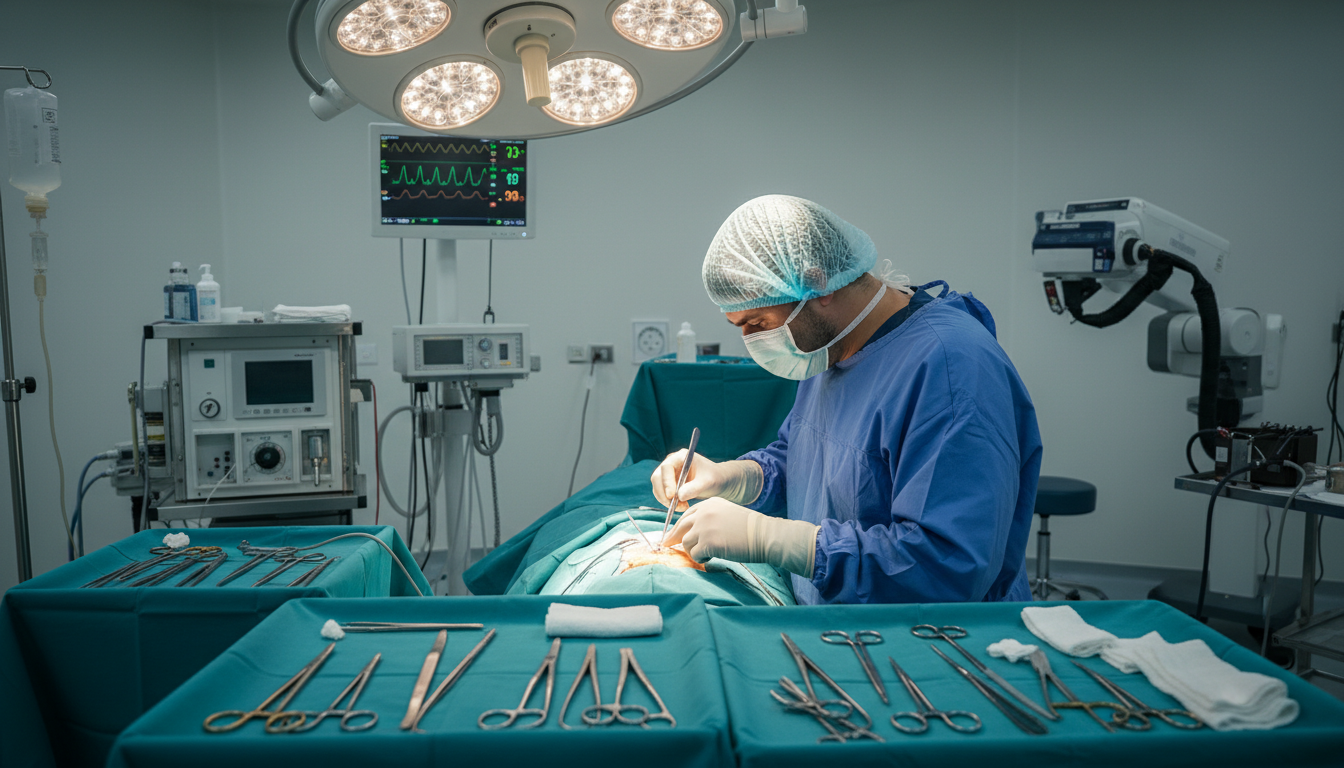
Turkey is now a top choice for people looking for quality medical care. Many from the UK travel there for specialised colorectal treatments. They find it affordable yet of the highest standard.
Finding the Best Fistulectomy Surgery needs careful research. Turkish clinics are known for their modern setups and skilled doctors. They focus on making patients comfortable and helping them recover well.
Starting your treatment in a new country can seem scary. But, it’s often easier than you think. This guide helps you make a smart choice about your health. We want to help you find the exceptional standards of care in Turkey.
Key Takeaways
- Turkey offers advanced medical facilities for complex colorectal procedures.
- International patients benefit from cost-effective and high-quality healthcare services.
- Experienced specialists ensure that every patient receives a personalised treatment plan.
- Modern clinics prioritise patient safety and successful long-term recovery results.
- Comprehensive guidance helps patients navigate their medical journey with confidence.
Understanding Anal Fistulas and the Need for Surgical Intervention
Getting to know about anal fistulas is key to improving your life. This condition is common and can be treated well with the right care.
The Anatomy and Causes of Anal Fistulas
An anal fistula is a small tunnel between the bowel and the skin near the anus. It usually starts from an infected anal gland, which can cause an abscess.
If this abscess doesn’t heal or bursts, it creates a lasting tract. Chronic inflammation is the main cause, needing anal fistula surgery to fix it.
Recognising Symptoms and Seeking Professional Advice
People often feel pain, swelling, or discharge near the anus. These signs can come and go, making some wait too long to get help.
Seeing a specialist quickly is very important. Early diagnosis means more treatment options and a better chance of getting better.
Why Surgical Treatment for Fistula is Necessary
These tracts won’t heal by themselves, so surgical treatment for fistula is usually needed. Without it, infections and tissue damage can get worse.
In some cases, the problem might need advanced treatments like rectal resection to clear the area fully. Choosing the right anal fistula surgery is key to avoiding long-term issues and feeling better.
Choosing surgical treatment for fistula is the best way to get well. It tackles the problem at its source, keeping you healthy in the long run and stopping the cycle of pain.
Why Turkey is a Leading Destination for the Best Fistulectomy Surgery
Turkey is now a top choice for medical tourism, thanks to its advanced surgical treatments. People from the UK are going there for world-class medical care. Turkey offers both top-notch medical skills and great support for patients needing surgical treatment for fistula.
Advancements in Turkish Healthcare Infrastructure
Turkey has built modern medical facilities that match Europe’s best. These places have the latest tools and systems for surgery. This means every operation is done with maximum precision.
Accreditation and International Standards in Turkish Hospitals
The Turkish healthcare system focuses on safety and quality. Many top hospitals have Joint Commission International (JCI) accreditation. This shows they meet global standards for patient safety.
Doctors in these hospitals are highly trained. They follow strict rules to reduce risks and help patients recover better. You can trust that your surgical treatment for fistula is in good hands.
Cost-Effectiveness Compared to the United Kingdom
Choosing Turkey means getting great value for your money. Private healthcare in the UK is getting more expensive. But Turkish clinics offer transparent and competitive pricing without sacrificing quality.
Here are some benefits to think about:
- All-inclusive packages that cover surgery, hospital stays, and medication.
- Shorter waiting times than the NHS, leading to faster intervention.
- Lower costs in Turkish clinics, which means you save money.
Choosing Turkey for surgical treatment for fistula is smart. It’s affordable and you get top medical care. This way, you can take care of your health without breaking the bank.
The Fistulectomy Procedure Explained
Understanding the steps to treat an anal fistula is key to recovery. By explaining the fistulectomy procedure, patients can feel more confident and calm.
Pre-operative Assessments and Diagnostic Imaging
Surgeons need to know the fistula’s exact path before surgery. They use advanced imaging like MRI or endo-anal ultrasound for this.
These methods help the team see the fistula’s location and how complex it is. Accurate mapping is important to protect the anal sphincter muscles during surgery.
Step-by-Step Overview of the Surgical Process
The surgery aims to remove the fistula tract completely. This helps in healing from the inside out. Surgeons open the tract, clean it, and make sure it’s drained well.
There are different options for fistula surgery based on the case. The main goal is to get rid of the infection and prevent it from coming back.
Anaesthesia Options and Patient Comfort
Comfort is a big concern during the surgery. Most places offer general or spinal anaesthesia. General anaesthesia makes you sleep through it, while spinal anaesthesia numbs your lower body.
Your team will talk about these options for fistula surgery at your first meeting. They’ll pick the safest one for you, based on your health and the fistulectomy procedure needs. The right anaesthetic makes the experience smoother and less stressful.
Advanced Techniques in Anal Fistula Treatment
Choosing the right surgical path is key for those looking for effective anal fistula treatment. New medical advancements offer a range of options. These focus on both success and comfort for the patient.
Understanding these methods helps you talk better with your medical team. This ensures the chosen treatment fits your health needs and recovery goals.
Traditional Fistulectomy vs Minimally Invasive Approaches
The standard fistulectomy procedure removes the fistula tract completely. It’s very effective for simple cases. But, it can take longer to heal and might harm the anal sphincter muscles.
Minimally invasive approaches aim to keep healthy tissue intact. These new methods seal the fistula tract with less cutting. This often means quicker recovery and less pain after surgery.
Laser-Assisted Fistula Repair
Laser technology has changed fistula repair by using heat to seal the tract. This method is precise, leaving healthy tissue untouched.
Many patients choose this option because it’s less painful and has a low risk of incontinence. It’s a big step forward in surgery, aiming for a quick recovery.
LIFT and VAAFT Techniques
The Ligation of the Intersphincteric Fistula Tract (LIFT) closes the fistula from between the sphincter muscles. It’s great for complex cases where muscle function is key.
Video-Assisted Anal Fistula Treatment (VAAFT) uses a small camera for a detailed view. This lets the surgeon clean and close the fistula accurately.
| Technique | Primary Benefit | Invasiveness |
|---|---|---|
| Traditional Fistulectomy | High success rate | High |
| Laser-Assisted | Minimal pain | Low |
| LIFT/VAAFT | Sphincter preservation | Low |
Selecting the right technique depends on your condition’s complexity and location. Talking with your surgeon about these options can lead to the best health outcome.
Identifying the Best Surgeon for Fistulectomy in Turkey
Finding the best surgeon for fistulectomy is a big step. It’s important for your health and safety. Turkey has top-notch medical facilities, but the surgeon’s skill matters most. Just like when you choose the right orthopedic clinic, you need to be careful in picking a colorectal specialist.
Evaluating Surgeon Qualifications and Experience
First, check the surgeon’s education and certifications. A good specialist should be part of Turkish medical groups and meet international standards. Experience is key; look for surgeons with lots of fistula repair experience.
Also, ask about their training in new surgical methods. A surgeon who keeps up with new research is more likely to offer the Best Fistulectomy Surgery options. Ask about their background during your first meeting.
The Importance of Specialisation in Colorectal Surgery
Anal fistulas need a deep understanding of the pelvic floor. General surgeons might not have the right focus for complex cases. A specialist in colorectal surgery reduces the risk of problems.
Specialised surgeons can handle tough cases better. They work with teams to ensure your care is top-notch. This focus is key for a good recovery.
Reviewing Patient Testimonials and Success Rates
What patients say can tell you a lot about a surgeon. Look for feedback on communication and support after surgery. While experiences differ, consistent good feedback means a reliable surgeon.
Also, ask about the clinic’s success rates for your procedure. A clear clinic will share their success stories and what to expect. Use the table below to compare surgeons during your search.
| Criteria | What to Look For | Why It Matters |
|---|---|---|
| Board Certification | Active and verified | Ensures legal and ethical standards |
| Colorectal Focus | Specialist training | Minimises risk of recurrence |
| Success Rate | Documented outcomes | Provides confidence in the procedure |
| Communication | Clear, detailed answers | Builds trust and patient comfort |
Preparing for Your Medical Journey to Turkey
Starting your medical trip well before your flight is key. Organising your travel and health needs helps you focus on getting better.
Consultation Processes and Virtual Assessments
Today, you can talk to doctors from home. Before surgery, a virtual consultation helps discuss your health.
This meeting is a chance to find the best surgeon for fistulectomy for you. You can ask about the surgery and what to expect. When choosing a medical destination, these talks help you make a smart choice.
Logistics: Travel, Accommodation, and Aftercare Support
After scheduling surgery, plan your trip. Many use travel agencies for flights and hotels near clinics.
Good aftercare support is vital. Make sure your stay is comfortable for recovery. Having someone local to help can ease your trip.
Preparing Your Medical Records for International Surgeons
Your medical team needs your health history. Start gathering scans and reports early.
Translate these documents if needed. A digital file helps the best surgeon for fistulectomy prepare. This makes your treatment fit your health perfectly.
| Preparation Step | Action Required | Priority |
|---|---|---|
| Virtual Consultation | Discuss history with specialist | High |
| Medical Records | Compile and digitise all scans | High |
| Travel Logistics | Book flights and recovery stay | Medium |
| Aftercare Plan | Confirm local support services | Medium |
Recovery Expectations After Fistula Removal
Your healing journey starts when you wake up after surgery. Knowing about the recovery process is essential. It helps make sure your fistula removal goes well in the long run.
Immediate Post-operative Care in the Hospital
After surgery, you’ll go to a recovery ward. Medical staff will watch your vital signs closely. Nurses will check your dressing often to keep the site clean and stable.
Your surgeon will give you specific wound care instructions before you leave. They’ll tell you how to change dressings and keep the area clean to avoid infection. It’s crucial to follow these instructions for the first stages of healing.
Managing Pain and Discomfort During the Healing Phase
Some discomfort is normal as the anaesthesia wears off. Your team will give you pain relief to use at home. Consistent pain management is key for rest and healing.
Many find warm sitz baths helpful in the first week. Keeping the area clean and dry helps reduce irritation. If pain or inflammation gets worse, call your clinic for advice.
Timeline for Returning to Daily Activities
Most people can slowly get back to their routine after fistula removal. Healing times vary, but here’s what you might expect.
| Recovery Phase | Activity Level | Expected Duration |
|---|---|---|
| Initial Rest | Bed rest and light movement | Days 1–3 |
| Light Activity | Short walks and desk work | Days 4–10 |
| Full Recovery | Return to normal exercise | Weeks 3–6 |
Going back to work depends on your job and surgery type. Most can go back to office jobs in one to two weeks. But, avoid heavy lifting or hard exercise until your surgeon says it’s okay.
Potential Risks and Complications of Fistula Repair
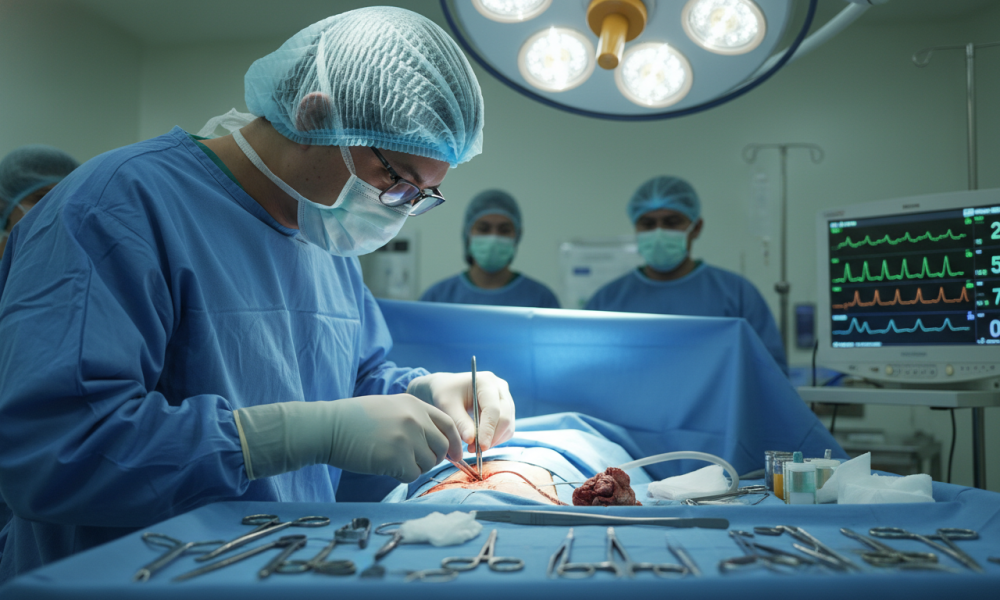
It’s key to know about the risks of any surgery, like fistula repair. Thanks to new medical tech, these surgeries are safer than before. But, it’s vital to remember that all surgeries have risks.
Understanding Common Surgical Risks
Those getting fistula repair should know about possible side effects. Common issues include minor bleeding, infection, or discomfort at the site.
Less often, problems with bowel control or slow healing might happen. Professional surgeons do their best to avoid these. They check you thoroughly before surgery and use careful techniques.
Strategies for Minimising Recurrence Rates
The main aim of fistula removal is to stop it from coming back. Surgeons use special scans to find the whole fistula before starting.
They use new, less invasive methods to close the fistula without harming healthy tissue. Regular checks after surgery are also key. This helps the team keep an eye on healing and fix small problems early.
When to Seek Urgent Medical Attention
Most people get better without issues, but some signs need quick doctor visits. Look out for a high fever or chills, which could mean an infection.
Also, severe or getting worse pain that meds can’t handle needs fast action. If you see a lot of bleeding or odd discharge, call your surgeon right away. This helps keep your recovery on track.
Comparing Healthcare Systems: Turkey versus the United Kingdom
When looking at anal fistula surgery, it’s key to know the differences in healthcare models. People often compare the NHS with Turkey’s fast, private healthcare.
Waiting Times and Access to Specialist Care
Waiting lists are a big reason for medical travel. In the UK, patients often wait a long time for non-urgent care.
In Turkey, medical facilities offer immediate access to specialist care. This means patients can avoid long waits and choose their own appointment times.
Personalised Care Models in Turkish Private Clinics
Turkish private clinics focus on patient-centric philosophy. They give each patient a lot of attention, unlike big systems that can’t do the same.
These clinics make sure patients get care that fits their needs. They offer high-touch service to meet patient concerns, making patients happier.
Continuity of Care Upon Returning Home
It’s important to keep care smooth when returning to the UK. Make sure all important medical information is clear and ready before you leave.
Many Turkish clinics now offer remote monitoring services. This helps keep care going even after you’re back home. By working with your UK GP, your care can stay consistent and safe.
Post-operative Lifestyle and Long-term Management
Recovery doesn’t stop after surgery. Your daily habits are key to the success of your anal fistula treatment. A proactive approach helps your body heal well and lowers the risk of future problems.
Dietary Adjustments to Support Healing
Nutrition is vital after colorectal surgery. Eating foods high in soluble fibre makes stools softer. This reduces strain during bowel movements, helping tissues heal.
Drinking plenty of water is also important. It keeps bowel movements soft and regular. Avoiding spicy or processed foods helps prevent irritation, keeping your anal fistula treatment effective.
Hygiene Practices to Prevent Future Fistulas
Good hygiene is key to preventing infection and keeping skin healthy. Use gentle, fragrance-free cleansers and warm water after each bowel movement. Pat dry with a clean towel instead of rubbing to avoid friction.
Wear loose, breathable cotton underwear to keep the area dry. These habits are highly effective in protecting the surgical site from bacteria. Keeping the area clean reduces the risk of recurrence.
Follow-up Appointments and Remote Monitoring
Regular check-ups are important for tracking your progress. Your surgeon will check the healing site and address any concerns. These visits offer peace of mind and allow for adjustments to your recovery plan.
Modern medicine offers remote monitoring for international patients. Digital consultations let you discuss your recovery with your specialist without constant travel. This integrated approach ensures your anal fistula treatment continues to work well after you return home.
| Focus Area | Recommended Action | Expected Benefit |
|---|---|---|
| Dietary Habits | Increase fibre intake | Reduces bowel strain |
| Daily Hygiene | Gentle cleansing | Prevents infection |
| Monitoring | Remote check-ups | Early issue detection |
| Lifestyle | Hydration | Supports tissue repair |
The Role of Medical Tourism Agencies in Your Treatment
Choosing the right support is as important as picking your surgeon for options for fistula surgery abroad. Without help, finding your way in a foreign healthcare system can be tough. Medical tourism agencies are key, making sure your trip is safe and smooth.
Benefits of Using a Facilitator for Your Surgery
A professional facilitator gives you invaluable peace of mind. They handle all the details of your medical trip. They know the local clinics well and can find you specialists with great success rates. This saves you from the stress of finding healthcare on your own.
Ensuring Transparency and Ethical Standards
Good agencies check hospitals for safety and cleanliness. They follow strict ethical guidelines to give you honest info about your treatment and costs. This is key when you’re looking at different options for fistula surgery to fix your problem for good.
How Agencies Assist with Language Barriers and Logistics
Facilitators help with language issues by providing translation services. They also take care of things like getting you to the airport, booking your stay, and checking on you after surgery. This lets you focus on getting better, not on travel plans.
| Service Feature | Self-Managed Trip | Agency-Assisted Trip |
|---|---|---|
| Clinic Vetting | Patient Responsibility | Professional Verification |
| Language Support | Limited/None | Full Translation Services |
| Logistics Planning | Complex/Time-consuming | Seamless Coordination |
| Emergency Support | Difficult to Access | 24/7 Dedicated Assistance |
Financial Considerations and Insurance Coverage
Managing the costs of your fistula surgery is key to a stress-free recovery. Knowing the financial side helps you plan with confidence. It makes your medical journey clearer.
Understanding the Total Cost of Treatment
The cost of a fistulectomy in Turkey includes surgeon fees, anaesthesia, hospital stay, and tests. Turkish clinics often provide all-inclusive packages. This simplifies your budgeting.
These packages cover everything, so you won’t face unexpected charges. Always ask for a detailed quote before booking your trip.

Navigating Private Health Insurance and Reimbursement
If you have private health insurance in the UK, it might cover surgeries abroad. Talk to your insurer early about reimbursement options for international surgeries.
Be ready to share your diagnosis and treatment plan from your Turkish specialist. Keep all your medical documents safe. They’ll help with your claim when you get back.
Hidden Costs to Consider When Planning Your Trip
Remember, there are costs beyond the surgery. These include flights, recovery stay, and local transport. Also, set aside money for post-op meds and follow-up visits.
Planning for these incidental costs helps you focus on your health. It avoids unexpected financial worries.
| Expense Category | Estimated Local Cost (UK) | Estimated Turkish Cost |
|---|---|---|
| Surgical Procedure | High | Competitive |
| Hospital Stay | Variable | Included in Package |
| Follow-up Care | Often Extra | Usually Included |
| Travel & Lodging | N/A | Additional Budget |
Conclusion
Choosing surgery in Turkey for an anal fistula can greatly improve your life. The country’s high care standards and modern facilities make it a reliable choice. Now, you know how to move forward with confidence.
Your success depends on doing your research and talking clearly with your medical team. Choosing a skilled surgeon means your needs will be the focus. Following your doctor’s instructions after surgery is key to healing well and feeling good.
Knowing your options and preparing for your medical journey empowers you. You’re ready to make a choice that helps your health. Contact trusted clinics for a consultation and take the first step towards a better future.
FAQ
Q: Why is Turkey considered a leading destination for the best fistulectomy surgery?
A: Turkey is a top choice for medical tourism. It has advanced healthcare and many JCI-accredited hospitals. The Acıbadem Healthcare Group and Medical Park are examples.
Patients from the UK come here for top-notch fistulectomy surgery. They also get to see world-renowned colorectal specialists. These experts follow strict safety standards and offer quick service compared to the NHS.
Q: What does the fistulectomy procedure involve?
A: The fistulectomy procedure removes the entire fistula tract. Before surgery, doctors use MRI or endoanal ultrasound to find the fistula’s path. The surgery is done under general or regional anaesthesia.
During the surgery, the tract is removed. This lets the wound heal from the inside out. It closes the abnormal tunnel between the anal canal and the skin.
Q: Why is surgical treatment for fistula usually necessary?
A: An anal fistula is a chronic tunnel that doesn’t heal on its own. Surgical treatment is the only way to fix it. Without surgery, patients risk getting recurring abscesses and infections.
They could also damage their sphincter muscles. This might lead to faecal incontinence.
Q: What are the different options for fistula surgery available in modern clinics?
A: Modern surgery offers many options for fistula treatment. These include minimally invasive techniques like LIFT and VAAFT. Laser-assisted fistula repair is also available.
These methods aim to preserve the sphincter function. They also help patients recover faster than traditional surgery.
Q: How can I identify the best surgeon for fistulectomy in Turkey?
A: To find the best surgeon, look at their experience in proctology and colorectal surgery. Check if they are part of the Turkish Society of Colon and Rectal Surgery.
Review their success rates, board certifications, and patient testimonials. This ensures they have a good track record in fistula removal.
Q: What is the expected recovery timeline after fistula removal?
A: Recovery time varies based on the surgery’s complexity and technique. Patients usually stay in the hospital for 24 to 48 hours.
They can start light activities in one to two weeks. But, full healing may take several weeks. It’s important to follow a special diet and keep the area clean to avoid infection.
Q: Is anal fistula surgery in Turkey more cost-effective than in the UK?
A: Yes, fistula surgery in Turkey is much cheaper than in the UK. It can cost 50% to 70% less. This doesn’t mean lower quality, but Turkey’s lower cost of living and favourable exchange rates.
Many Turkish clinics offer all-inclusive packages. These include the surgery, luxury accommodation, and VIP transfers. This provides great value for British patients.
Q: What are the risks associated with anal fistula treatment?
A: Anal fistula treatment carries risks like infection and bleeding. There’s also a chance of temporary bowel changes. A big worry is the risk of the fistula coming back or affecting continence.
Choosing a skilled surgeon who uses advanced techniques can reduce these risks. They ensure precise tissue management and thorough follow-up.
Q: How do medical tourism agencies assist with the surgical journey?
A: Medical tourism agencies help a lot. They work with top Turkish hospitals. They handle travel and accommodation, provide language help, and arrange virtual consultations.
This makes your journey for fistula removal smooth and focused on your health and recovery.
Q: Can I use my private health insurance for surgery in Turkey?
A: Many health insurance providers, like Bupa Global or Allianz Care, might cover treatments abroad. It’s important to check with your provider and the Turkish hospital’s international patient department.
They can help with the paperwork for reimbursement or direct payment for your surgery.
Related guides

Healthcare Content Compliance Guide for Growth
A high-performing treatment page can generate international patient inquiries within hours. It can also create material risk if…

Turkey Hospitals vs Local Hospitals Compared
A lower procedure quote can get a patient’s attention. It should not make the decision on its own.…

Patient Experience That Drives Trust and Growth
A patient who has already uploaded medical records, compared providers, and arranged time away from work is not…