
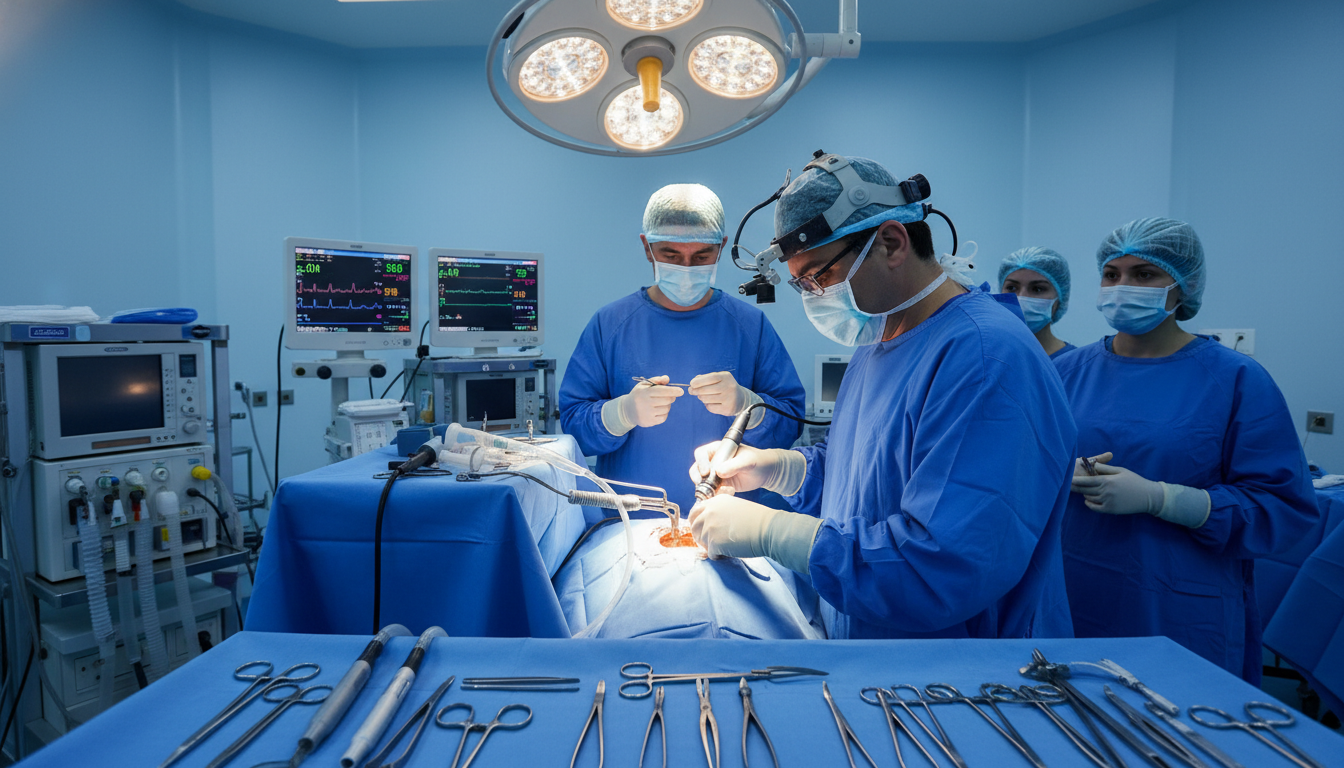
Turkey is now a top choice for complex brain surgeries worldwide. People from the UK are going there for top-notch medical care and modern facilities. This is for life-saving treatments.
When looking for the Best Decompressive Craniectomy Surgery, you need to think about quality and reputation. This guide helps you understand the journey of medical travel. We want to make sure you’re fully supported and well-informed every step of the way.
Key Takeaways
- Turkey is a recognised leader in providing specialised neurosurgical care for international patients.
- UK residents frequently choose Turkish clinics for their high standards and advanced medical technologies.
- Professional medical travel requires thorough research into hospital accreditations and surgeon experience.
- Patients benefit from cost-effective solutions without compromising on the quality of clinical outcomes.
- This guide assists in navigating the essential steps for a safe and successful medical journey abroad.
Understanding the Clinical Need for Decompressive Craniectomy
The human skull protects the brain well against minor injuries. But, it’s a problem when the brain gets severely hurt. Swelling in the brain means there’s no room for it to grow, leading to dangerous pressure increases.
Pathophysiology of Intracranial Pressure
The brain, blood, and cerebrospinal fluid inside the skull must stay the same volume. After a brain injury, swelling, or oedema, can increase this volume. The skull can’t stretch, so the pressure goes up quickly.
This high pressure can cause brain herniation. This is when brain tissue moves into the wrong places. It can cause permanent damage and even death. A decompressive craniectomy creates space for the brain to swell safely.
Indications for Surgical Intervention
Doctors look for certain signs to decide if surgery is needed. A drop in the Glasgow Coma Scale (GCS) score is a key indicator. They also watch for physical signs like fixed or dilated pupils, which show brainstem pressure.
CT scans are important in making these decisions. Surgeons look for signs like:
- Midline shift: A sign that the brain is being pushed off-centre by swelling.
- Compression of the basal cisterns: An indication that the brain is beginning to herniate.
- Refractory intracranial hypertension: Pressure that remains high despite the use of medication and other non-surgical treatments.
When these signs are seen, the surgery is seen as a critical life-saving intervention. By removing part of the skull, the team stops further brain damage. This gives the patient the best chance for recovery.
Why Turkey is a Global Hub for Neurosurgery
Turkey is becoming a key player in neurosurgery worldwide. Over the last ten years, it has invested a lot in healthcare. This has made it a place where patients from all over can get top-notch treatment at good prices.
Looking for brain surgery or a guide to the best orthopedic clinic in Turkey? The country is known for its excellence. It combines cutting-edge technology with skilled doctors, making it a top choice for complex surgeries.
Advancements in Turkish Medical Infrastructure
Turkish hospitals have changed a lot, becoming as good as those in the UK. They have the latest tools like MRI and CT scanners for precise planning. They also use digital health records and robotic surgery for efficient care.
The focus is not just on technology. Turkish hospitals also have special units for intensive care after surgery. This ensures patients get the best care and support during their recovery.
Accreditation and International Standards
Safety is a top priority in Turkish medicine. Many hospitals have Joint Commission International (JCI) accreditation. This means they follow strict quality and safety standards.
Patients can trust these hospitals because they are regularly checked. The table below shows what makes these facilities stand out.
| Standard Category | Focus Area | Patient Benefit |
|---|---|---|
| Clinical Governance | Evidence-based protocols | Consistent surgical outcomes |
| Safety Infrastructure | Advanced monitoring systems | Reduced risk of complications |
| Quality Assurance | Regular JCI audits | High international standards |
| Patient Support | Multilingual care teams | Clear communication and comfort |
Turkey’s strict rules and caring approach build trust with patients from abroad. It’s a place where people can get the care they need for serious neurosurgery.
The Best Decompressive Craniectomy Surgery Options in Turkey
Modern neurosurgery in Turkey uses the latest technology and expert surgeons. Patients from the UK often find the Best Decompressive Craniectomy Surgery in Turkey. Turkish hospitals focus on innovation and safety, giving patients top care.
While some look into corneal transplant in Turkey, neurosurgery is a big draw. These centres handle complex cases with great skill.
Technological Capabilities in Modern Operating Theatres
Turkish hospitals have top-notch operating theatres. They use high-resolution imaging to see brain structures live. Robotic assistance adds stability, beyond what human hands can do.
This tech edge makes Turkey a top choice for treatment. Advanced software helps plan safe paths for surgery. This ensures the Best Decompressive Craniectomy Surgery has high success rates.
Minimally Invasive Approaches to Skull Surgery
Neurosurgery is moving towards smaller cuts. This reduces damage to tissues. These Skull Surgery Options help patients heal faster and avoid complications.
Patients get to leave the hospital sooner and get back to life faster. Turkish neurosurgeons focus on quick recovery. This makes sure patients get better smoothly and quickly.
Evaluating the Expertise of Top Surgeons for Craniectomy
When you face a serious brain condition, your surgeon’s skill is key. Picking the right specialist is a big decision that affects your health and recovery. Look for doctors who focus on excellence and keeping patients safe.
Academic Qualifications and Specialised Training
Good neurosurgeons start with a strong academic base. In Turkey, top surgeons for craniectomy have degrees from top medical schools and have done long residencies. Make sure your doctor is up-to-date with their board certification and keeps learning.
They also get special training in neuro-trauma or vascular neurosurgery. This training helps them master the complex skills needed for brain surgeries. Continuous learning shows they keep up with the latest in surgery.
Experience with Complex Brain Injury Treatment
Practical experience is more important than just degrees. Doctors who do lots of surgeries are better at handling brain injury treatment. Look for those with a good track record in emergency neurosurgery.
When checking a surgeon’s experience, look at these things:
- Case Volume: How many similar surgeries they do each year.
- Multidisciplinary Collaboration: If they work well with a neuro-intensive care team.
- Outcome Data: If they share how well patients do and how they recover.
- Specialisation: If they mainly do trauma-related neurosurgery.
By looking at these points, you can find a surgeon who knows how to handle tough cases. A skilled surgeon in comprehensive brain injury treatment offers both technical skill and strategic planning for recovery.
Surgical Interventions for Brain Swelling
When brain swelling gets too high, surgeons must act quickly to save lives. These surgical interventions for brain swelling aim to ease pressure inside the skull. They help prevent further brain damage by giving swollen tissue room to expand.
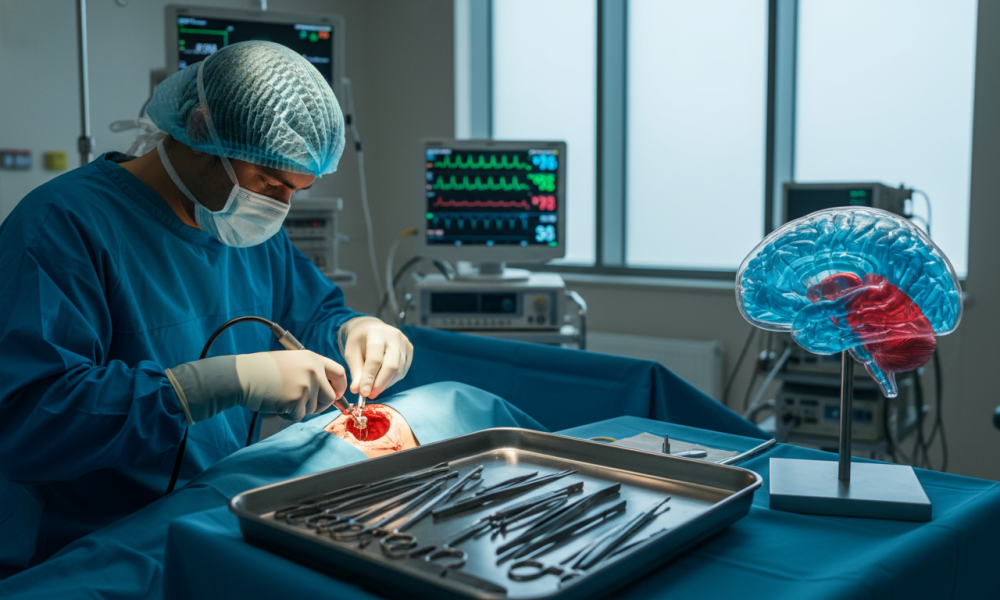
The Mechanics of the Decompressive Procedure
The Craniectomy Procedure removes part of the skull, called a bone flap. This is key because it lets the brain spread out instead of being squished. Surgeons carefully remove the bone flap to avoid harming the brain.
With the bone flap gone, brain pressure drops a lot. This decompressive technique can be a lifesaver for those with severe brain injuries or strokes. The bone flap is kept safe for later use, often in the patient’s own belly tissue.
Managing Post-Operative Intracranial Dynamics
After surgery, the focus is on keeping the brain stable in the ICU. Doctors watch the patient closely to make sure the brain is okay. They must stay alert to avoid any new problems during this critical time.
Keeping the brain stable involves managing blood pressure and oxygen levels. These surgical interventions for brain swelling are just the start of the recovery process. The table below shows what doctors watch for after surgery.
| Monitoring Parameter | Clinical Objective | Frequency |
|---|---|---|
| Intracranial Pressure (ICP) | Maintain below 20 mmHg | Continuous |
| Cerebral Perfusion | Ensure adequate blood flow | Hourly |
| Neurological Assessment | Track cognitive response | Every 4 hours |
| Fluid Balance | Prevent cerebral oedema | Daily |
Following these strict rules helps the medical team get the best results for patients. The Craniectomy Procedure is a key part of modern brain surgery for severe pressure issues. With careful monitoring and skilled care, patients have a better chance of a full recovery.
Benefits of Decompressive Craniotomy
When brain swelling gets too high, surgery is needed to save brain function. Brain Injury Treatment aims to reduce pressure before damage is permanent. This surgery helps the brain recover from severe injury.
Neurological Recovery and Long-term Outcomes
The main goal of this surgery is to fix brain pressure. By removing part of the skull, surgeons give the brain room to grow. This prevents further damage to important brain tissues.
Patients often see better thinking and movement skills after surgery. Decompressive Craniotomy benefits help the brain heal in a stable environment. This stability is key for successful rehabilitation.
Reducing Mortality in Severe Traumatic Brain Injury
Studies show that quick surgery is key in treating severe brain injuries. It helps control brain pressure and lowers the risk of fatal brain damage. Reducing mortality is the main goal of this surgery.
Research shows that patients who get this surgery live longer than those treated with medicine alone. These Decompressive Craniotomy benefits stress the need for skilled surgeons. The surgery gives the body a chance to recover from severe injury.
Patient Safety and Neurosurgery Techniques
Leading Turkish hospitals use advanced neurosurgery techniques with strict safety rules. They focus on patient wellbeing with the latest technology and skilled doctors. This ensures precise and careful surgery for complex cases.
Anaesthesia Protocols and Monitoring
Specialised anaesthesia is key for safe brain surgery. Patients get constant monitoring of vital signs. This includes brain pressure and oxygen levels.
Modern Turkish operating rooms have top-notch neuro-monitoring systems. These systems track brain function during surgery. This helps surgeons avoid problems early on. Such high care standards give patients peace of mind.
Risk Mitigation Strategies in Turkish Hospitals
Turkish hospitals have strong plans to keep patients safe. They follow strict infection control, have team meetings, and use state-of-the-art imaging technology. These steps help lower the chance of problems after surgery.
The table below shows the safety systems used during surgery. They help keep patients stable and reduce risks.
| Monitoring System | Primary Function | Benefit to Patient |
|---|---|---|
| Intracranial Pressure (ICP) Monitor | Tracks fluid pressure in the skull | Prevents brain tissue damage |
| Continuous EEG | Records electrical brain activity | Ensures neurological stability |
| Haemodynamic Monitoring | Tracks blood flow and pressure | Maintains cardiovascular health |
| Pulse Oximetry | Measures blood oxygen levels | Ensures adequate oxygenation |
Turkish medical centres combine neurosurgery techniques with a focus on safety. This makes them a secure place for complex brain surgeries. Patients can trust that their care is in the hands of experts committed to excellence.
The Craniectomy Procedure: A Step-by-Step Overview
Understanding the craniectomy procedure can bring peace of mind. This surgery is precise to relieve pressure in the skull. Knowing the steps helps prepare for recovery.
Pre-operative Assessment and Imaging
The team does a detailed check before surgery. They use advanced neuro-imaging like CT scans or MRI. These help find the swelling’s exact spot and plan the safest entry.
They also check the patient’s health for anaesthesia. This careful prep is key to reduce risks and prepare for surgery challenges.
The Surgical Process and Bone Flap Management
The surgery starts with a scalp incision to expose the skull. The surgeon then removes a bone section to make space for the brain. This bone flap is handled with great care for future use.
After removing the bone, the surgeon opens the dura mater to relieve pressure. Then, the scalp is closed, and the bone flap is stored safely. This meticulous approach keeps the patient stable until the final reconstruction.
Post-Operative Care and Rehabilitation Pathways
Good care after surgery is key to a successful recovery. After the surgery, the main goal is to keep the patient safe and prevent more problems. This is very important to make sure the Decompressive Craniotomy benefits last a long time.
Intensive Care Unit Protocols
Patients go to a special ICU after surgery. Here, doctors watch them closely all the time. They use special machines to check on things like brain pressure and heart rate.
They follow strict rules to keep the brain healthy and avoid infections. This includes careful fluid management and special medicines. It helps the brain heal in the best way possible.
Early Mobilisation and Neuro-Rehabilitation
Getting patients moving early is very important. As soon as they can, physical therapists start them on exercises. This helps keep muscles strong and blood flowing well.
Each patient gets a special rehab plan that fits their needs. It includes speech, occupational, and physical therapy. Early therapy helps patients regain skills and live better lives. Regular rehab is the best way to get back to normal and stay healthy.
Comparing Costs and Value in Turkish Neurosurgery
When looking at a decompressive craniectomy, the mix of quality care and cost is key. Many families want exceptional clinical outcomes but worry about the high costs of private care in Western Europe.
Turkey is becoming a top choice for patients, thanks to its affordable, high-quality neurosurgery. This is due to advanced medical setups and a focus on making care accessible.

Transparent Pricing Models for International Patients
Top Turkish neurosurgical centres make sure costs are clear. They offer all-inclusive packages that cover surgery, anaesthesia, ICU stays, and rehab.
This approach removes the worry of surprise medical bills. Patients get a clear cost breakdown before they travel, making planning easier.
Comparing Costs Against United Kingdom Healthcare
Looking at the cost of neurosurgery, comparing UK private care to Turkey is useful. Turkish care often saves 40% to 60% compared to the UK.
Despite the savings, Turkish hospitals meet strict international standards. Here’s a table showing the value for international patients:
| Service Category | United Kingdom Private (Est.) | Turkey Private (Est.) |
|---|---|---|
| Surgical Consultation | £300 – £500 | £100 – £200 |
| Decompressive Craniectomy | £25,000 – £40,000 | £10,000 – £18,000 |
| Post-Op ICU Care (Per Day) | £2,500 – £4,000 | £800 – £1,500 |
Choosing Turkey for surgery means getting premium medical technology and skilled surgeons at a lower cost. This strategic approach to healthcare makes top-notch neurological care more accessible.
Navigating Medical Tourism for Brain Surgery
Traveling to Turkey for brain surgery is easy with the right help. Planning your medical journey well lets you focus on getting better. Many patients find the move to Turkish healthcare smooth with professional support.
Logistics and Patient Support Services
Top hospitals in Turkey have great patient support services. They handle airport transfers, accommodation, and case managers. This makes your stay stress-free.
Your case manager is your main contact. They help with medical records, pre-op checks, and more. This structured approach eases your mind during tough times.
Language Assistance and Cultural Considerations
Good communication is key for safe neurosurgery. Turkish hospitals use professional medical translators who speak English well. They help you understand your treatment fully.
Cultural sensitivity is also important. Turkish staff respect patients from all backgrounds. Feeling understood and respected helps your healing.
| Service Category | Standard Support | Premium Concierge |
|---|---|---|
| Airport Transfers | Scheduled Shuttle | Private VIP Vehicle |
| Accommodation | Hospital Guest Suite | Luxury Hotel/Apartment |
| Language Support | On-call Interpreter | Dedicated Personal Liaison |
| Documentation | Basic Translation | Full Medical Record Review |
Recovery Expectations After Skull Surgery
Starting a journey for neurosurgical care means understanding the recovery process. When looking at Skull Surgery Options, patients should know about a healing phase. This phase focuses on brain health and comfort.
The first weeks are about watching brain pressure and making sure the surgery site heals well.
Managing Possible Complications
Watching closely after surgery is essential for a smooth recovery. Medical teams in Turkey watch closely for problems like infections or seizures. They act fast to fix these issues.
Patients should tell their team right away if they notice any changes in thinking or feeling.
Acting quickly is key to avoiding long-term problems. Following the doctor’s advice and going to all check-ups helps a lot. Keeping calm and supportive in the first weeks helps the brain heal.
Timeline for Cranioplasty Reconstruction
Cranioplasty, or rebuilding the skull, comes later. It happens after the brain swelling goes down. Doctors usually wait three to six months before doing this.
This wait lets the patient get stronger and the scalp tissue heal. It’s important to protect the area where the bone was removed.
Wearing a helmet when active helps. After the cranioplasty, the focus is on getting back to normal life.
Selecting the Right Hospital for Your Procedure
Finding a hospital with top surgeons for craniectomy is key for the best care. The place where you get treated is as important as the doctors. Make sure your hospital follows strict safety rules and offers top-notch care.
Key Indicators of Quality Care
Look for signs of a top neurosurgical centre. International accreditation shows a hospital meets global care standards. This is a big sign of quality.
Also, check the hospital’s setup and support systems. Important things to look at include:
- Advanced Imaging Technology: High-tech MRI and CT scanners for detailed planning.
- Multidisciplinary Teams: Teams with neuro-intensivists, physiotherapists, and specialists.
- ICU Standards: Modern ICUs with systems to monitor brain pressure.
- Surgical Volume: Hospitals that do many craniectomies show they’re experienced.
Reviewing Hospital Success Rates
Good hospitals are open about their results. Ask for data on how well surgeries go and how they handle problems. Hospitals that share this info show they care about safety.
Also, check what other patients say. Seeing that a hospital has top surgeons for craniectomy makes you more confident. Choose places that give clear info on recovery and support after surgery.
Legal and Ethical Standards in Turkish Neurosurgery
Turkey has strict rules to keep patients safe during complex surgeries. When you need neurosurgery techniques, you can trust that your care is top-notch. This ensures your safety at every step of your medical journey.
Patient Rights and Informed Consent
In Turkey, patient rights are a top priority. Before any surgery, doctors explain the risks and benefits clearly. This way, you can make informed decisions about your health.
Every consent form is carefully checked to make sure it’s clear. Patients are encouraged to ask questions. This open communication is key in all accredited hospitals, building trust and integrity.
Regulatory Oversight of Medical Facilities
The Turkish Ministry of Health closely watches all medical places. Hospitals doing brain surgeries are checked regularly. They must follow international safety rules. This means you get the latest neurosurgery techniques in clean, modern places.
Choosing a hospital that meets these standards is safe. It shows a focus on patient safety. Below is a table showing the main parts of the rules that guide your care.
| Regulatory Pillar | Patient Benefit | Compliance Standard |
|---|---|---|
| Clinical Audits | Consistent quality | Annual Ministry Review |
| Informed Consent | Full transparency | Legal Documentation |
| Facility Licensing | Verified safety | National Accreditation |
| Data Privacy | Confidentiality | GDPR-aligned protocols |
Preparing for Your Medical Journey to Turkey
Starting your journey for neurosurgical care in Turkey needs careful planning. Make sure all the details are sorted out. This lets you focus on getting better and the success of your surgical interventions for brain swelling.
Documentation and Travel Requirements
Before leaving the United Kingdom, you need to gather all the right papers. This makes sure you can enter Turkey smoothly and get into the hospital without trouble.
It’s a good idea to have both a digital and physical folder. This folder should have:
- A valid passport with at least six months of remaining validity.
- Relevant medical visas or travel permits needed by Turkish authorities.
- Comprehensive medical insurance documents that cover international neurosurgical procedures.
- All recent diagnostic imaging, such as MRI or CT scans, in digital format.
- A formal letter of invitation from your chosen Turkish medical facility.
Coordinating Care with Your Home Consultant
Keeping your care consistent is key. It’s important to talk well with your local consultant in the UK and the surgical team in Turkey.
This teamwork makes sure your post-operative recovery goes well when you get back home. Your home consultant should know all about the surgical interventions for brain swelling you had.
Before you leave, make sure your UK medical team knows all about your surgery. This helps them give you the best care when you get back.
Conclusion
Choosing the right path for complex brain surgery is key. It needs a mix of trust in doctors and making informed choices. Turkey stands out with its top-notch medical setup and skilled neurosurgeons. They always put patient safety first.
Hospitals like Acıbadem Healthcare Group and Memorial Hospitals Group show Turkey’s high medical standards. They offer a clear way for international patients to get help for severe brain pressure issues.
Your recovery journey begins with careful research and talking openly with your medical team. Check their credentials and understand your full recovery plan. This way, you control your health outcomes.
Getting professional care is vital for the best support during recovery. Contact trusted clinics today to talk about your needs. Start your journey to neurological wellness.
FAQ
Q: Why is Turkey considered a leading destination for the Best Decompressive Craniectomy Surgery?
A: Turkey is a top choice for decompressive craniectomy surgery. It has invested heavily in medical facilities. Places like Acıbadem Healthcare Group and Memorial Hospitals offer top-notch care. They have skilled neurosurgeons and the latest technology, all at a good price compared to the UK.
Q: Which clinical conditions require urgent surgical interventions for brain swelling?
A: Life-threatening conditions like severe brain injuries, big strokes, or bleeding in the brain need urgent surgery. When the brain pressure gets too high, a craniectomy is done. This helps prevent serious brain damage or herniation.
Q: What are the primary decompressive craniotomy benefits for patients with severe head injuries?
A: Decompressive craniotomy quickly lowers brain pressure and boosts blood flow. It’s shown to cut down on deaths in severe brain injuries. It also helps patients recover better over time.
Q: What are the key stages of a standard craniectomy procedure in a Turkish hospital?
A: The craniectomy process starts with detailed checks using advanced imaging. Then, a big part of the skull is removed. This lets the brain expand safely. Turkish hospitals like Medicana International use cutting-edge technology for precise surgery.
Q: Which neurosurgery techniques are employed to manage intracranial pressure safely?
A: Neurosurgeons use techniques like duraplasty to expand the brain’s covering. They also use microsurgical tools. Real-time monitoring of brain function ensures safe and effective surgery.
Q: How can I identify the top surgeons for craniectomy in Turkey?
A: To find the best craniectomy surgeons, look for those with international fellowships. Many Turkish neurosurgeons have trained in Europe or North America. They have lots of experience in treating complex brain injuries.
Q: What are the common skull surgery options for patients requiring pressure relief?
A: Skull surgery options include removing one side of the skull or both sides. The choice depends on the swelling’s location. The goal is to give the brain enough space to recover.
Q: What specialised brain injury treatment is provided during the post-operative phase?
A: Brain injury treatment goes beyond surgery. In Turkey, patients go to a neuro-intensive care unit. There, a team manages brain pressure and starts early rehabilitation for the best recovery.
Q: How does the cost of neurosurgery in Turkey compare to the United Kingdom?
A: Neurosurgery in Turkey is much cheaper than in the UK. Turkish clinics offer top care at lower prices. They often include packages that cover surgery, stay, and early rehab.
Q: What accreditations should I look for when selecting a Turkish hospital for brain surgery?
A: Look for hospitals with Joint Commission International (JCI) accreditation. This ensures they meet global safety and quality standards. Top Turkish hospitals like Florence Nightingale also have ISO certifications for extra assurance.
Q: How long is the recovery period before a cranioplasty reconstruction can be performed?
A: The bone flap is replaced in a second surgery, called a cranioplasty. This happens between six weeks and several months after the first surgery. During this time, the patient wears a helmet to protect the brain.
Q: What support is available for British patients navigating medical travel to Turkey?
A: Leading Turkish medical providers offer a lot of help for international patients. They have English-speaking coordinators, airport transfers, and help with visas. Hospitals also help keep care smooth when patients return to the UK.
Related guides

Healthcare Content Compliance Guide for Growth
A high-performing treatment page can generate international patient inquiries within hours. It can also create material risk if…

Turkey Hospitals vs Local Hospitals Compared
A lower procedure quote can get a patient’s attention. It should not make the decision on its own.…

Patient Experience That Drives Trust and Growth
A patient who has already uploaded medical records, compared providers, and arranged time away from work is not…