
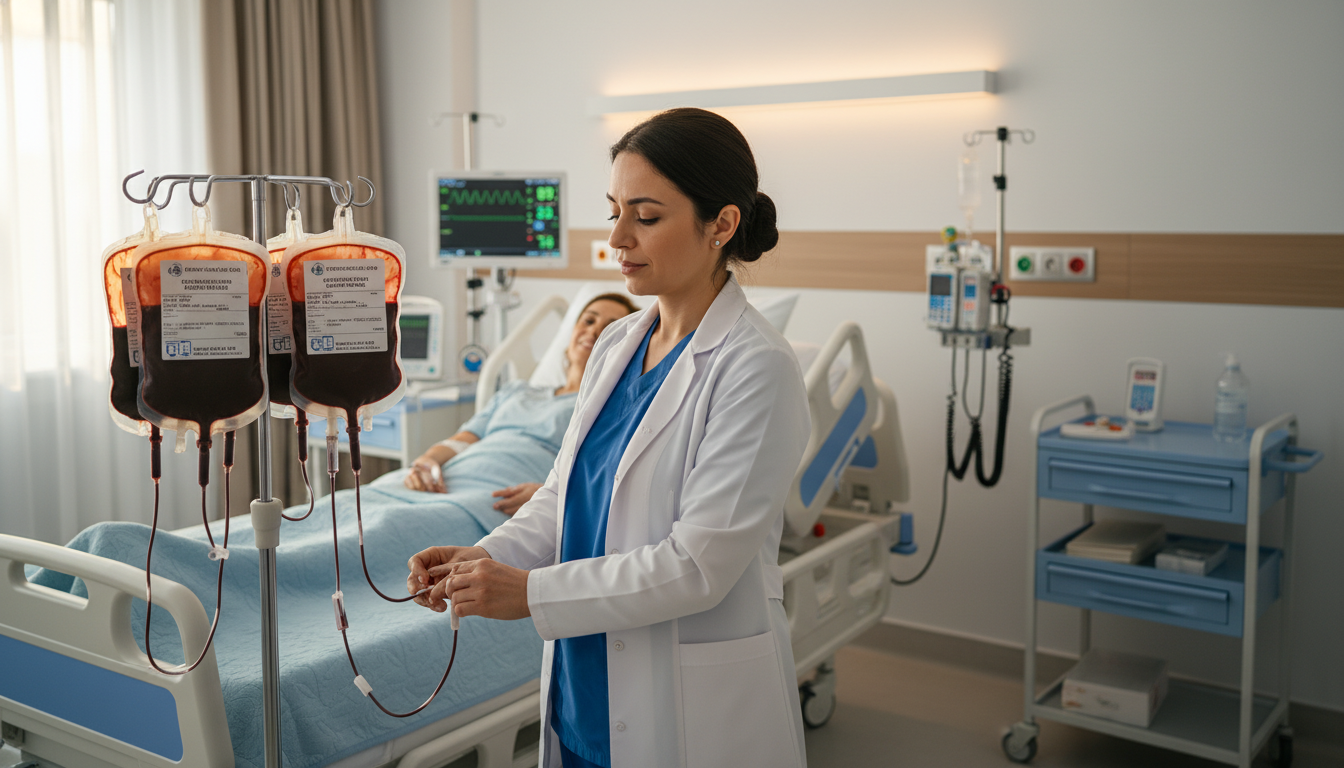
Turkey has quickly become a premier destination for people looking for top-notch medical care. The country has spent a lot on updating its healthcare to meet global standards. This ensures both clinical excellence and patient safety.
The key to Turkey’s success is its advanced vital support services. A safe and efficient Blood Transfusion process is now a vital part of the country’s surgical programs. This makes sure complex surgeries are done with the utmost care.
Turkish hospitals use the latest technology and strict screening to give patients peace of mind. This focus on quality makes a Blood Transfusion in Turkey a trustworthy option. It’s perfect for those needing top surgical support in a world-class setting.
Key Takeaways
- Turkey has modernised its medical facilities to meet international safety standards.
- The country is a leading hub for medical tourism, attracting patients from the United Kingdom.
- Clinical excellence is prioritised through rigorous screening and advanced technology.
- Complex surgical procedures are supported by highly efficient medical services.
- Patient safety remains the primary focus for all healthcare centres across the nation.
The Evolution of the Turkish Blood Transfusion System
The Turkish blood system has come a long way. It started with small, local efforts. These efforts often struggled to meet the needs of all patients.
Then, the government made a big change. They moved to a centralised, state-supported model. This change helped bring all medical facilities together under one Blood Transfusion Service.
Now, this system supports many complex medical procedures. Patients from abroad, like those getting a bone marrow transplant in Turkey, benefit greatly. The Blood Transfusion Service makes sure critical components are ready when needed.
Continuous investment in technology and training has kept improving. The national Blood Transfusion Service now meets international safety standards. This makes both local people and international patients trust the Turkish healthcare system with their health.
Regulatory Framework and Safety Standards
In Turkey, every blood transfusion follows strict rules to keep donors and patients safe. These Blood Transfusion Guidelines make sure each blood unit is thoroughly tested before it’s given to a patient. This high standard builds trust in the healthcare system and makes treatments more effective.
The Role of the Turkish Red Crescent
The Turkish Red Crescent, or Kızılay, is key to Turkey’s blood supply. It works with the Ministry of Health to collect, process, and share blood across the country. This system ensures consistent quality control and quick responses in emergencies.
With many donation centres, the Turkish Red Crescent keeps the blood supply steady and safe. They check every donation carefully. This is essential for keeping the national blood programme trustworthy.
Compliance with International Medical Protocols
Turkey follows global medical standards to ensure top-notch care. These Blood Transfusion Guidelines are updated regularly to keep up with new research. This makes sure Turkey’s medical care meets international standards, giving patients confidence.
The table below shows the main parts of Turkey’s safety plan in healthcare:
| Safety Pillar | Implementation Strategy | Primary Objective |
|---|---|---|
| Donor Screening | Standardised health questionnaires | Risk reduction |
| Laboratory Testing | Nucleic Acid Testing (NAT) | Pathogen detection |
| Traceability | Digital barcode tracking | Unit accountability |
| Quality Assurance | Regular external audits | System compliance |
All hospitals must follow these rules strictly. This careful approach reduces the chance of bad reactions. Turkey’s focus on safety is a key part of its modern healthcare.
Blood Donation Processes and Donor Eligibility
Every successful blood donation starts with checking the donor’s health and medical history. This careful process makes sure the blood supply is safe and effective for those who need it.
Criteria for Voluntary Blood Donors
To keep the donor pool healthy, certain rules are followed. Donors must be between 18 and 65 years old and have a certain weight. This ensures they can safely give blood.
Before donating, donors get a thorough health assessment. This includes checking their blood pressure and haemoglobin levels. It also involves looking at their recent travel or medical history to avoid risks.
Screening Procedures for Infectious Diseases
After a donation, it’s tested for infectious diseases. This is key to keeping recipients safe from infections like HIV, Hepatitis B, and Hepatitis C.
Modern technology is used to check every unit against international safety standards. If a sample shows a problem, it’s thrown away. The donor is also told to see a doctor.
| Category | Requirement | Purpose |
|---|---|---|
| Age Range | 18–65 Years | Donor Safety |
| Health Check | Haemoglobin Levels | Anaemia Prevention |
| Infectious Screening | NAT Testing | Pathogen Detection |
| Blood Donation | Voluntary Status | Ethical Integrity |
Blood Group Systems and Compatibility Testing
Success in complex procedures, like organ transplantation in Turkey, depends on thorough blood group testing. Medical teams check each patient’s biological markers to make sure infusions are safe and work well. This step is key to avoiding dangerous immune reactions during treatment.

Understanding ABO and Rhesus Factors in the Turkish Population
The Turkish population has a wide range of genetic traits, affecting the ABO and Rhesus (Rh) systems. Most people are either A or O, but there are variations that need careful checking. Accurate identification of the blood group is vital for matching donors and recipients.
Doctors use standard tests to find these factors before any treatment. By knowing these traits, hospitals can keep a reliable stock that fits the local needs. This way, they can have rare types ready for emergencies.
Cross-matching Protocols in Clinical Settings
After finding the main blood group, labs do detailed cross-matching to check for compatibility. They mix the donor’s cells with the recipient’s serum to look for bad reactions. This step is a key safety check before the transfusion starts.
Following these strict rules is a must in Turkish hospitals. The verification process usually includes:
- Serological testing to find unexpected antibodies in the patient’s blood.
- Computerised cross-matching to check the donor unit’s electronic records.
- Physical inspection of the blood bag labels to confirm the match.
By sticking to these high standards, medical teams greatly lower the risk of blood problems. Patient safety is always the top priority, making sure every transfusion is done with great care and precision.
The Blood Transfusion Service Infrastructure
The national healthcare system’s backbone is its blood supply management infrastructure. This setup makes sure every Blood Transfusion Service works well to help patients all over the country. It combines local and national efforts to keep vital blood supplies flowing for both regular and emergency care.
Hospital-Based Blood Centres
Local hospital centres are key for patient care. They are essential for handling urgent needs like surgery and bedside tests. They make sure doctors can quickly get blood when it’s needed most.
These centres keep a local stock, which helps them act fast in emergencies. They are the first to help patients in their area with the right blood support.
Centralised Blood Processing Facilities
Big centralised facilities handle the national supply chain’s big picture. They test, process, and store blood for the whole country. They keep the Blood Transfusion Service strong, even when supply and demand change.
These places use the latest tech to keep blood safe for a long time. By focusing on these big tasks, they save money and keep safety high everywhere. Here’s a table showing what each part does.
| Feature | Hospital-Based Centres | Centralised Facilities |
|---|---|---|
| Primary Function | Clinical Application | Processing & Storage |
| Inventory Scope | Local/Immediate | National/Strategic |
| Key Responsibility | Patient Compatibility | Quality Assurance |
| Operational Focus | Urgent Care | Logistical Efficiency |
This two-part system helps the Blood Transfusion Service be both quick to respond locally and steady nationally. It makes sure life-saving blood gets to patients everywhere, no matter where they are.
Clinical Indications for Blood Transfusion
Knowing when a patient needs a blood transfusion is key in modern medicine in Turkey. Doctors follow guidelines to make sure these treatments are only given when needed. This ensures patient safety by weighing risks and benefits.
Surgical Requirements and Anaemia Management
Before surgery, doctors check blood levels to see if a blood transfusion is needed. This helps prevent problems during or after the surgery.
Managing chronic anaemia also needs careful planning. If treatments like iron don’t work, doctors might order a transfusion. This helps improve oxygen delivery to the body’s tissues.
- Preoperative optimisation for major orthopaedic procedures.
- Management of symptomatic anaemia in chronic disease patients.
- Support for patients undergoing complex oncological surgeries.
Emergency Transfusion Protocols in Trauma Care
In trauma care, quick action is vital. Emergency plans ensure patients with severe bleeding get a blood transfusion fast. This helps keep their vital signs stable.
Turkish trauma centres have fast communication between the emergency room and blood bank. This lets them quickly give O-negative blood or specific types in emergencies.
| Clinical Condition | Primary Goal | Urgency Level |
|---|---|---|
| Trauma Haemorrhage | Restore Volume | Immediate |
| Severe Anaemia | Improve Oxygenation | Urgent |
| Elective Surgery | Prevent Complications | Scheduled |
These plans show the life-saving role of Turkey’s healthcare. By making blood products quickly available, hospitals can save lives. This improves survival chances for trauma patients.
The Blood Transfusion Procedure
In Turkey, the journey of a patient getting blood products is very careful. Every Blood Transfusion is done with great attention to detail. This ensures the patient gets the best care possible.
Patient Preparation and Informed Consent
Before the transfusion starts, doctors check the patient’s identity carefully. This step is crucial to avoid mistakes and match the right blood to the patient.
Patients are told all about the Blood Transfusion Procedure. They learn about the benefits and risks. After understanding, they give their consent, which is kept in their medical file.
Monitoring During and After the Infusion
Watching the patient closely is key during the transfusion. Nurses and doctors check vital signs like blood pressure and heart rate often. This helps spot any problems early.
After the transfusion, the team keeps watching the patient. This ensures any late reactions are caught and handled right away.
| Monitoring Stage | Primary Focus | Frequency |
|---|---|---|
| Pre-Infusion | Patient Identity & Consent | Once |
| During Infusion | Vital Signs & Reactions | Every 15-30 Minutes |
| Post-Infusion | Clinical Stability | Hourly for 2 Hours |
Hospitals in Turkey follow a strict Blood Transfusion Procedure. This ensures high-quality care. Patients feel safe knowing their health is in good hands.
Managing Blood Transfusion Risks and Complications
It’s important to know the Blood Transfusion Risks when getting treatment abroad. When you’re looking for a doctor, make sure they follow strict safety rules. Modern hospitals in Turkey use the latest tools to make sure treatments are safe and precise.

Identifying Acute Haemolytic Reactions
An acute haemolytic reaction is a serious issue. It happens when the body attacks the blood from the donor. Doctors watch for signs like fever, chills, or back pain during the transfusion. If they see these signs, they stop the transfusion right away.
Doctors use quick tests to check if the blood is safe. They watch the patient closely to catch any problems early. This quick action helps keep patients safe during a Blood Transfusion.
Long-term Monitoring for Transfusion-Transmitted Infections
Keeping an eye on patients for long-term risks is also key. Hospitals use advanced tests to find infections early. This helps lower the risk of Blood Transfusion Risks for patients from abroad.
If patients feel off after their treatment, they should talk to their doctor. Keeping in touch with the medical team helps catch any late Blood Transfusion Complications quickly. Here’s a list of common reactions doctors watch for during and after a Blood Transfusion.
| Reaction Type | Primary Symptoms | Clinical Action |
|---|---|---|
| Acute Haemolytic | Fever, back pain, hypotension | Stop infusion, hydrate |
| Febrile Non-Haemolytic | Rigors, temperature rise | Antipyretics, monitor |
| Allergic Reaction | Urticaria, itching | Antihistamines, observe |
| Transfusion-Related Lung Injury | Dyspnoea, hypoxia | Oxygen therapy, support |
Quality Assurance in Blood Banking
Every modern blood bank in Turkey aims to keep patients safe. They use strict quality control at every step. This ensures patients get safe and effective blood.
These rules are key to reducing risks. They also help keep the public’s trust in healthcare.
Laboratory Testing and Nucleic Acid Testing (NAT)
Modern blood banks rely on advanced lab tests. Turkey uses Nucleic Acid Testing (NAT) to spot infectious agents better. This method finds viral genetic material early, cutting down disease detection times.
Thanks to NAT, labs can catch even tiny pathogens. This makes blood safer for everyone. Clinical precision is always the focus in testing.
Cold Chain Management and Storage Logistics
Keeping blood products safe is all about the cold chain. Blood must stay at the right temperature from start to finish. Advanced logistics networks watch these temperatures closely.
Special storage places use automated systems to keep track of blood. This means always having fresh, quality blood ready for use. Moving blood safely is also key to keeping it stable.
| Process Stage | Quality Control Measure | Primary Objective |
|---|---|---|
| Laboratory Screening | Nucleic Acid Testing (NAT) | Pathogen Detection |
| Storage Logistics | Temperature Monitoring | Component Integrity |
| Inventory Control | Digital Tracking | Supply Optimisation |
Blood Transfusion Benefits for Medical Tourists
International patients choosing Turkey for complex medical care find a strong and safe blood transfusion system. The country has invested a lot in medical infrastructure. This ensures Blood Transfusion Benefits are available to those coming from abroad for various procedures. This focus on safety gives patients peace of mind during major surgeries.
Access to High-Quality Care for International Patients
Medical tourists look for safety and top clinical care when choosing a treatment destination. Turkey meets these needs by following stringent international medical protocols for blood handling and administration. Patients can expect the same high standards as in top European hospitals.
Advanced screening and testing keep the risk of blood-borne infections very low. By choosing Turkey, international patients get high-quality care backed by a reliable blood supply chain. This service is key to Turkey’s growing fame in global medical tourism.
Integration with Private and Public Healthcare Sectors
A big plus for visitors is the smooth working between private clinics and the public health network. This teamwork ensures a consistent and rapid supply of blood components to private hospitals. This is critical for keeping patients safe during complex surgeries.
The public sector, led by the Turkish Red Crescent, supports the private healthcare sector. This partnership lets private clinics focus on patient care while the public sector handles blood needs. So, medical tourists get the personal touch of private care and the security of a nationalised blood system.
Addressing Challenges in Blood Supply Management
Keeping a steady and safe blood supply is key for Turkey’s healthcare. Health teams face many challenges that affect blood availability. They work hard to make sure blood is always there when it’s needed.
Seasonal Fluctuations in Donation Rates
Managing the blood supply is tough, mainly because of seasonal changes. Holidays, summer, and bad weather lead to fewer Blood Donations. This makes it hard to keep enough blood for patients.
Health experts know these times well. They watch closely for:
- Less donors during holidays and religious events.
- Fewer people donating in the summer.
- Challenges in winter due to bad weather.
Strategies for Maintaining Adequate Inventory Levels
The Turkish health sector uses smart plans to keep blood levels steady. They run proactive recruitment campaigns to find more donors. This helps build a strong donor base.
They also do:
- Targeted Outreach: Send reminders to regular donors online during busy times.
- Mobile Collection Units: Send teams to busy spots to make donating easier.
- Inventory Forecasting: Use data to predict blood needs and plan collections.
These efforts help the healthcare system stay strong. It supports emergency care and surgeries. Thanks to continuous monitoring and community work, the blood supply meets clinical needs.
Technological Advancements in Turkish Haematology
The field of transfusion medicine in Turkey is changing fast. New technologies are being used to improve care. This means better results for patients and higher safety standards.
Digital Tracking Systems for Blood Units
Turkey now has digital systems to track blood units in real-time. This helps healthcare teams keep track of blood supplies. It cuts down on waste and makes sure blood is there when it’s needed.
This new tech links all blood centers together. It makes managing blood supplies easier. Every blood unit is tracked from donation to transfusion. This is key to keeping patients safe.
Innovations in Component Therapy
Turkey is also leading in component therapy. New methods allow for more precise treatments. This means patients get exactly what they need.
These new methods reduce risks and make treatments more effective. Turkish hospitals are using the latest lab equipment. This shows their dedication to top-notch care for everyone.
Conclusion
Turkey has a strong blood transfusion system. It follows strict safety rules and uses the latest medical technology. The Turkish Red Crescent makes sure all blood is safe and meets international standards.
This makes patients feel confident about their care. The country’s haematology is advanced, thanks to digital tracking and precise lab tests. These tools help keep the healthcare system reliable for both locals and visitors.
Healthcare in Turkey focuses on the patient’s needs. Doctors use the latest research to guide their care. This approach ensures patients get the best treatment possible.
The system’s success comes from dedicated donors and efficient hospitals. It manages blood supply well, even when demand changes. This means patients can rely on Turkey’s transfusion services for safety and quality.
Visiting Turkey for haematological care is a smart choice. The country has skilled doctors and the latest equipment. This ensures every blood transfusion is done with care and precision.
FAQ
Q: How does Turkey ensure the safety and efficacy of its national Blood Transfusion Service?
A: Turkey’s healthcare system is run by the Ministry of Health and the Turkish Red Crescent (Türk Kızılay). It has modernised its setup to follow strict Blood Transfusion Guidelines. Turkey uses standardised methods and international standards to ensure top-quality care. This makes Turkey a safe place for surgeries needing blood transfusions.
Q: What are the primary criteria for Blood Donation and donor eligibility in Turkey?
A: Turkey has strict rules for Blood Donation. Donors must pass a detailed health check. This includes looking at their medical history and testing for diseases. It’s all to keep the blood safe for those who need it.
Q: Why is understanding a patient’s Blood Group vital before a procedure?
A: Knowing the right Blood Group, like the ABO and Rhesus factors, is key to avoid bad reactions. In Turkey, places like the Acıbadem Healthcare Group follow strict checks. This makes sure the blood matches the patient, reducing risks.
Q: What does a typical Blood Transfusion Procedure involve for a patient?
A: A Blood Transfusion Procedure starts with getting ready and getting consent. During the transfusion, doctors watch closely for any problems. After, they check the patient is okay and the treatment worked.
Q: What are the possible Blood Transfusion Risks and how are they managed?
A: There are risks like bad reactions or fevers. Turkish hospitals use Laboratory Testing and careful watching to catch and treat these problems fast.
Q: What are the specific Blood Transfusion Benefits for international patients in Turkey?
A: Medical tourists benefit from Turkey’s mix of public and private healthcare. They get access to high-quality blood and expert care. This is vital for big surgeries.
Q: How does a Blood Bank in Turkey maintain the quality of blood components?
A: Turkey’s Blood Banks follow strict rules. They use special storage and tracking to keep blood safe and effective. This ensures it’s ready for use when needed.
Q: How are seasonal fluctuations in blood supply managed by Turkish health authorities?
A: The Turkish Red Crescent tackles seasonal blood shortages with special plans. They run campaigns and use central facilities to keep blood supplies steady all year.
Q: What technological advancements are currently used in Turkish haematology?
A: Turkey uses new tech like digital tracking and advanced treatments. These help give patients the right blood and reduce waste. It makes the Blood Transfusion Service more efficient.
Related guides

Healthcare Content Compliance Guide for Growth
A high-performing treatment page can generate international patient inquiries within hours. It can also create material risk if…

Turkey Hospitals vs Local Hospitals Compared
A lower procedure quote can get a patient’s attention. It should not make the decision on its own.…

Patient Experience That Drives Trust and Growth
A patient who has already uploaded medical records, compared providers, and arranged time away from work is not…