
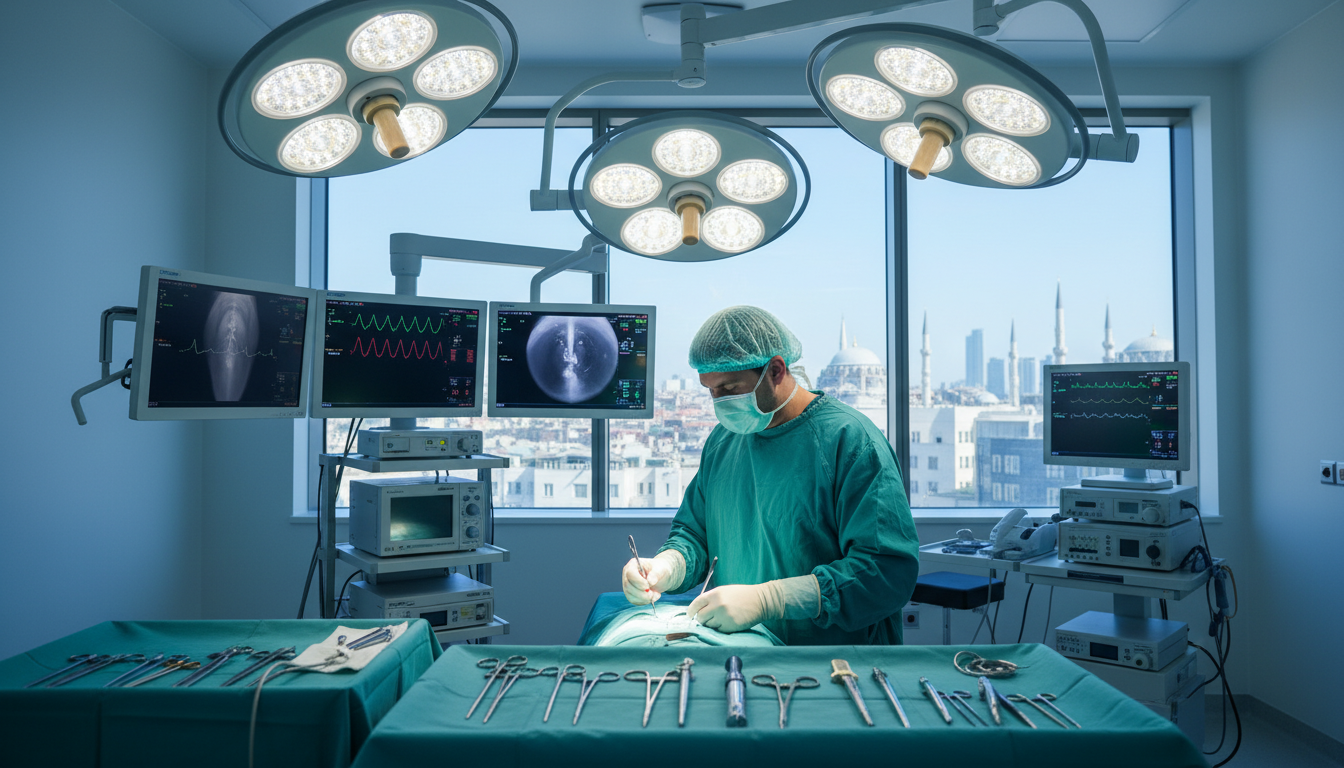
Medical tourism has become a key way for people to find top-notch healthcare outside their home countries. Many from the UK are now choosing Turkey for complex stomach treatments. This choice is because Turkey is known for its world-class medical facilities and expert doctors.
Deciding to have Bile Duct Surgery in another country needs careful thought and research. Our guide is here to help you understand what to expect. We cover the quality of care, safety measures, and why choosing a top Turkish hospital is a good idea.
Turkish clinics are now a top choice for those needing special treatments. Whether you’re just starting or almost ready, knowing about Bile Duct Surgery abroad is important for your peace of mind.
Key Takeaways
- Turkey offers advanced medical infrastructure for complex gastrointestinal procedures.
- British patients benefit from highly qualified specialists and modern hospital environments.
- Thorough research is essential when selecting a clinic for your surgical needs.
- Patient safety and clinical standards remain the top priorities for reputable Turkish centres.
- Understanding the full treatment programme helps ensure a smooth recovery process.
Understanding the Scope of Bile Duct Surgery
Understanding the biliary tract’s anatomy is key. When health issues pop up, bile duct surgery is often the best solution. It helps fix health and digestive problems.
Anatomy and Function of the Biliary System
The biliary system is complex, made of organs and ducts that make and move bile. The liver makes bile, which breaks down fats in digestion. Bile flows through bile ducts.
The gallbladder stores bile until needed by the small intestine. After eating, it releases bile into the common bile duct. This helps your body absorb nutrients and stay healthy.
Common Conditions Requiring Surgical Intervention
Many problems can affect this system, causing pain or serious health issues. Bile duct surgery is often needed to fix blockages or damaged areas.
People often need treatment for:
- Gallstones: Hardened deposits that block bile flow, causing pain.
- Biliary Strictures: Narrowing of ducts that hinders fluid flow.
- Malignant Obstructions: Tumours or growths that block the biliary pathway.
- Choledocholithiasis: Stones in the common bile duct.
Quick treatment is vital to avoid liver or pancreas damage. Expert bile duct surgery can fix these issues. This way, patients can live without pain again.
Why Turkey is a Leading Destination for Biliary Tract Surgery
Turkey has become a top choice for medical tourism, including biliary tract surgery. Patients from the UK are drawn to Turkey for its high-quality care. This is thanks to Turkey’s focus on medical innovation and keeping patients safe.
Advancements in Turkish Healthcare Infrastructure
In the last decade, Turkish hospitals have made huge improvements. They now have modern operating theatres, on par with those in London or Manchester. This allows Turkish surgeons to do complex biliary tract surgery more safely and accurately.
These hospitals use digital health records and advanced diagnostic tools. This means every patient gets a treatment plan made just for them. Many medical tourism agencies work with these top hospitals. This makes the whole care journey smooth and professional.
Accreditation and International Standards
Quality is a big deal in Turkish medicine. Top hospitals have international accreditations, like the Joint Commission International (JCI) seal. These standards mean they follow strict safety rules during biliary tract surgery.
Patients can trust these standards because they’re checked often. The table below shows why Turkey is a safe choice for patients from abroad.
| Quality Indicator | Turkish Standard | Patient Benefit |
|---|---|---|
| JCI Accreditation | High Compliance | Global Safety Standards |
| Surgical Technology | State-of-the-Art | Improved Precision |
| Clinical Oversight | Multidisciplinary | Comprehensive Care |
| Patient Support | Dedicated Teams | Reduced Stress |
Types of Bile Duct Procedures Available
Dealing with biliary health needs a variety of surgical methods. Surgeons in Turkey offer a wide range of treatments. They make sure each bile duct operation fits the patient’s needs.
Cholecystectomy and Gallbladder Removal Techniques
The most common surgery is the cholecystectomy, removing the gallbladder. It’s often done with laparoscopic methods. This makes recovery faster and reduces pain.
During a gallbladder removal, surgeons use small cuts and cameras. This method is precise and lowers the risk of complications from open surgery.
Choledochotomy for Duct Exploration
If stones or blockages are found in the common bile duct, a choledochotomy might be needed. This surgery makes a small cut in the bile duct to clear blockages.
Experts in Turkey are skilled in this delicate surgery. They help restore bile flow. This prevents jaundice and severe infections.
Advanced Hepato-Pancreato-Biliary Surgery
For complex cases, like tumours or structural issues, advanced hepato-pancreato-biliary surgery is available. These surgeries require a lot of skill and often involve reconstructive work.
This field is key for treating bile duct cancer and other serious conditions. Turkish hospitals have the technology for these high-risk surgeries. They aim for the best results for patients from abroad.
| Procedure Type | Primary Purpose | Invasiveness |
|---|---|---|
| Cholecystectomy | Gallbladder removal | Low (Laparoscopic) |
| Choledochotomy | Duct exploration | Moderate |
| HPB Surgery | Complex reconstruction | High |
The Role of ERCP Surgery in Modern Treatment
ERCP surgery is a big step forward in treating bile duct problems. It uses endoscopy and fluoroscopy to see the biliary tree clearly. This makes it a key part of modern gastroenterology, helping doctors fix complex issues with great precision.
Diagnostic and Therapeutic Applications
This procedure is great because it does two things at once. Doctors can find blockages like gallstones or strictures and fix them right away. They can remove stones, put in stents, or take tissue samples for tests.
This way, patients get the care they need in one go. It means no need for many surgeries. Here’s what makes this technique so powerful:
| Function | Primary Action | Clinical Outcome |
|---|---|---|
| Diagnostic | Imaging and Mapping | Accurate Diagnosis |
| Therapeutic | Stone Extraction | Restored Flow |
| Stenting | Duct Support | Preventing Recurrence |
Minimally Invasive Benefits for Patients
Choosing ERCP surgery has big advantages over old methods. It’s done through an endoscope, so no big cuts are needed. This means less harm to the patient during surgery.
Patients see many benefits in their recovery:
- Faster recovery times than old surgery.
- Less chance of infections and other problems.
- Less need for strong pain meds later.
- Shorter stays in hospital, getting back to life sooner.
By using minimally invasive techniques, Turkish medical centres give top-notch care with less hassle. This shows their dedication to modern, patient-focused medicine that cares about safety and comfort.
Expertise of Surgeons Specialising in Bile Duct Surgery
The success of any complex medical procedure depends on the skill and dedication of the surgical team. When considering Bile Duct Surgery, patients should know their medical providers are well-trained and experienced.
Qualifications and Training Requirements
Surgeons in Turkey go through a tough educational journey. They have advanced degrees from top medical schools. They also spend years in residency, learning about general or hepatobiliary surgery.
Many surgeons also get international fellowships. This keeps them up-to-date with the latest Bile Duct Surgery methods. They are often board-certified, showing their dedication to high standards.
Multidisciplinary Team Approaches
Modern healthcare values teamwork. Turkish hospitals use a multidisciplinary team approach for complex cases. This team includes surgeons, radiologists, and oncologists.
Together, they create a treatment plan tailored to each patient. This ensures every detail of your Bile Duct Surgery is thoughtfully planned. It covers everything from diagnosis to recovery.
This team effort offers comprehensive care. It meets both the physical and clinical needs of patients. This teamwork is key to top-notch medical care, focusing on patient safety at every step.
Technological Innovations in Turkish Operating Theatres
Digital technology has changed how surgeries are done in Turkey. Hospitals use the newest medical gear. This makes sure patients get safe and effective care. These new tools help keep success rates high.
Robotic-Assisted Surgical Systems
Robotic systems are key in modern biliary surgeries in Turkey. They give surgeons unparalleled control and stability. This lets them do precise work in the bile ducts.
Using these systems can mean less damage to tissues. This leads to smaller cuts, which lowers the chance of complications. So, many people can get back to their lives sooner.
High-Definition Laparoscopic Imaging
Clear vision is vital in biliary surgeries. Turkish operating rooms have high-definition imaging. This gives superior depth perception and magnification.
These cameras show every detail of the surgery. They help surgeons avoid harming nearby organs or blood vessels. This focus on clear vision keeps patients safe in Turkish hospitals.
Patient Journey from the United Kingdom to Turkey
Traveling from the UK to Turkey for a bile duct procedure is now easy and stress-free. Healthcare providers have made sure international patients are well looked after. They support you from the start to when you return home.
Initial Consultations and Remote Assessments
Before you travel, clinics do thorough remote assessments of your medical history. You can talk to top specialists online. They discuss your bile duct procedure needs with you.
This online stage lets surgeons check your scans and blood tests first. They plan your treatment before you leave the UK. So, you can travel with complete peace of mind and trust in your surgical team.
Logistics of Medical Travel
Turkish medical facilities offer full support for international patients. They have patient coordinators who handle everything. This includes private airport transfers and comfy places to stay near the hospital.
These teams make sure your stay focuses on getting better after your bile duct procedure. They deal with travel details. This lets you focus on your health and enjoy Turkey’s high standards of care.
Pre-operative Preparation and Diagnostic Protocols
For a bile duct procedure in Turkey, a detailed diagnostic plan is key. Surgeons need to know the biliary anatomy well. This helps them plan the best surgery. Early, accurate data reduces risks and speeds up recovery.
Essential Imaging and Blood Tests
Patients get advanced imaging first to see the biliary tree. Tools like Magnetic Resonance Cholangiopancreatography (MRCP) and CT scans are used. These methods give surgeons clear views of any blockages or unusual anatomy.
Also, blood tests are done to check liver health and look for infections. These tests make sure the patient is ready for the bile duct procedure. They watch bilirubin levels and clotting factors closely.
Managing Comorbidities Before Surgery
Many patients have health issues that need to be managed before surgery. Conditions like high blood pressure, diabetes, or heart problems are tackled first. Turkish doctors work with specialists to get these conditions stable.
Getting the patient’s health as good as possible is important. This makes the bile duct procedure safer. The table below shows what tests patients usually need.
| Diagnostic Category | Primary Purpose | Clinical Benefit |
|---|---|---|
| MRCP Imaging | Detailed biliary mapping | High diagnostic accuracy |
| Liver Function Tests | Assess organ health | Reduces surgical risk |
| Blood Coagulation Profile | Check clotting ability | Prevents excessive bleeding |
| Comorbidity Screening | Manage chronic illness | Ensures patient safety |
Anaesthesia and Pain Management Strategies
Patients from the United Kingdom can expect top-notch pain management for biliary procedures in Turkey. The focus is always on patient comfort and safety. If you’re looking into a procedure or a guide to the right clinic, knowing these standards can give you peace of mind.
Modern Anaesthetic Protocols
Turkish hospitals use the latest in anaesthesiology to keep patients stable and comfortable. Before surgery, an anaesthetist carefully reviews your medical history. This meticulous preparation ensures the anaesthetic is tailored to your needs.
During surgery, advanced systems monitor vital signs in real-time. This allows the team to keep the anaesthesia at the right level. Using minimally invasive techniques also reduces stress on the body, making the experience safer.
Post-operative Analgesia Plans
Effective pain management is key to recovery in Turkish hospitals. After surgery, a detailed analgesia plan is put in place to reduce pain. This plan often uses a mix of medications to ensure consistent relief and promote early movement.
The nursing team checks pain levels often using standard tools. They make quick adjustments to keep you comfortable as you recover. This approach helps you regain strength faster and lowers the risk of complications.
| Management Phase | Primary Objective | Key Technique |
|---|---|---|
| Pre-operative | Patient assessment | Anaesthetic consultation |
| Intra-operative | Stability and safety | Real-time vital monitoring |
| Post-operative | Pain reduction | Multimodal analgesia |
| Recovery | Early mobilisation | Structured pain relief |
Recovery Pathways and Post-operative Care
Your journey to full health starts in the recovery room. Professional medical teams in Turkey focus on a structured plan. They ensure every patient gets the support they need in the first hours and days after surgery.
Following a clear rehabilitation plan helps you feel better and recover faster. This phase is essential for long-term success. It requires you to actively participate.
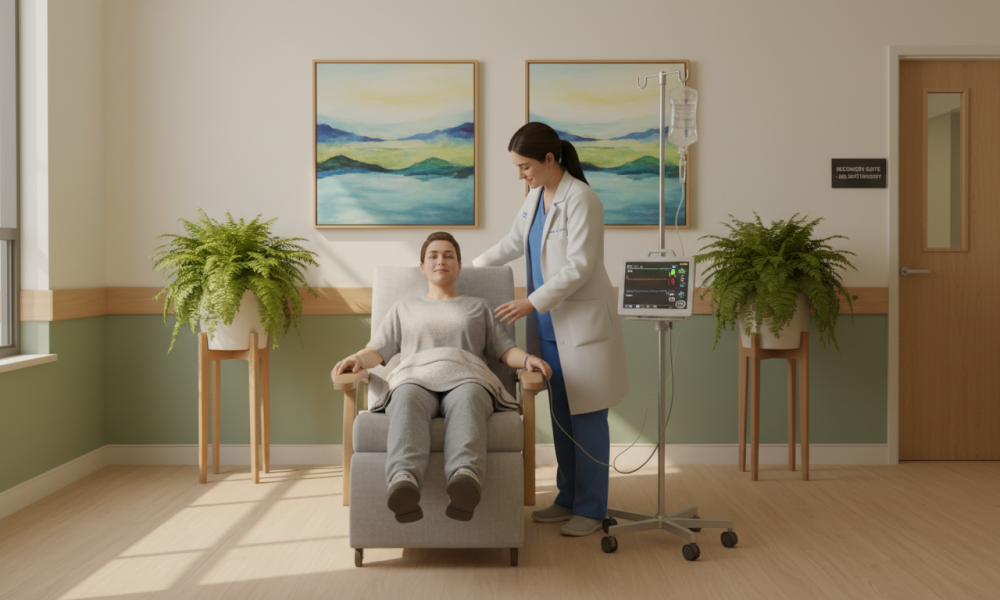
Immediate Hospital Recovery
Right after surgery, you’ll go to a special recovery unit. Nurses and anaesthetists will watch your vital signs closely. They make sure your body is doing well after the surgery.
Managing your pain is a top priority. You’ll get tailored analgesia to stay comfortable. Resting well is important. Early movement is also encouraged. It helps prevent problems and speeds up healing.
Long-term Follow-up and Monitoring
After you go home, your health and recovery are the main focus. You’ll get a detailed plan. It will cover your medication, diet, and what activities to avoid.
Regular check-ups are crucial for your peace of mind. These visits let your surgical team check on you. They’ll do blood tests and answer any questions. Keeping up with these appointments helps catch and fix any problems early.
| Recovery Phase | Primary Focus | Expected Outcome |
|---|---|---|
| Immediate (0-48 hours) | Pain control and vitals | Stabilisation |
| Early (1-2 weeks) | Wound care and mobility | Initial healing |
| Late (4-8 weeks) | Return to normal diet | Full recovery |
Potential Risks and Complication Management
Being open about possible complications is key in top-notch medical care. Bile duct surgery is done with great care, but it’s important for patients to know about recovery. Knowing the difference between normal feelings and real warning signs helps get the best results.
Identifying Early Warning Signs
Keep a close eye on your recovery in the first few days after surgery. Persistent high fever or chills could mean an infection that needs quick medical help. Also, if your belly pain gets worse or jaundice comes back, tell your surgical team right away.
Other signs of trouble include not being able to keep food down, vomiting, or odd drainage from the cut. Bile leaks are rare but can cause a lot of pain or changes in how you feel. Telling your doctors about these symptoms quickly helps stop small problems from getting bigger.
Mitigation Strategies in Turkish Hospitals
Turkish hospitals have strict rules to lower risks during and after bile duct surgery. Doctors use the latest imaging and watch the operation in real-time. These proactive steps help cut down on complications for patients from abroad.
If a problem comes up, hospitals have rapid response teams ready 24/7. These teams are skilled in dealing with complex biliary issues. Turkish hospitals follow strict safety rules and watch patients closely, making them a safe place for bile duct surgery.
Comparing Costs and Value for UK Patients
It’s key for patients to know the cost of a bile duct operation before they decide. Many from the UK face high private healthcare costs. This leads them to look for better, cheaper options in Turkey.
Traveling for medical care can mean getting world-class surgical expertise at lower prices. This is because Turkey has lower costs, not because of lower quality care.
Breakdown of Surgical Expenses
In Turkey, a bile duct operation package is clear and includes everything. It covers the surgeon’s fees, top-notch operating theatres, and anaesthesia costs.
The total cost also includes your hospital stay, nursing care, and medicines. This way, you know the full price before, avoiding surprise bills common in private healthcare.
| Expense Category | United Kingdom (Private) | Turkey (Private) |
|---|---|---|
| Surgeon Fees | High | Moderate |
| Hospital Stay | Premium | Inclusive |
| Post-operative Care | Variable | Comprehensive |
Insurance and Financing Considerations
Planning the financial side of a bile duct operation is important. Check your private medical insurance in the UK to see if it covers international care. It’s essential to know before you book.
Many Turkish clinics have flexible payment plans. This makes top-notch care more reachable for international patients. Financial transparency is key, so you can focus on getting better without worry.
Patient Safety and Quality Assurance Measures
Choosing to have surgery abroad means you need to know about safety standards. Turkish medical facilities prioritise patient wellbeing with strict rules and ethical checks. These steps make sure every part of your surgery meets top international standards.
Infection Control Protocols
Keeping the operating area clean is key to a successful surgery. Turkish hospitals follow stringent infection control measures to lower the chance of complications. They use top-notch air filters and clean all surgical tools thoroughly.
Staff get regular training to keep up with hygiene rules. Hospitals also do audits to check cleanliness and preventative measures. This focus on details makes hospitals safe for complex surgeries.
Patient Rights and Ethical Standards
In Turkey, being open and respectful is at the heart of doctor-patient talks. Every patient gets clear info about their health, the surgery plan, and any risks. This informed consent process lets patients make informed health choices.
Keeping patient privacy and data safe is also a big deal. Medical teams promise to keep everything confidential. By sticking to these professional values, Turkish clinics build trust with patients from around the world.
Navigating Language and Cultural Considerations
Going to Turkey for medical care is more than just getting treatment. It’s about feeling understood and respected. Prioritising your comfort is key in Turkish medical facilities.
Translation Services and Patient Support
Hospitals in Turkey have dedicated patient support teams. They translate for you during consultations and reviews. Most staff speak English well, so your questions are answered clearly.
These teams also help with your stay. They manage your schedule, arrange transport, and are there 24/7 for any issues. This comprehensive support system lets you focus on getting better.
Cultural Sensitivity in Healthcare Settings
Turkish healthcare providers are known for their warm care. They respect international visitors, making your stay welcoming and stress-free. Staff are trained to respect your privacy and preferences.
The table below shows the support features to improve your experience abroad:
| Support Feature | Description | Benefit to Patient |
|---|---|---|
| Professional Translation | Bilingual staff available 24/7 | Clear communication of medical advice |
| Dedicated Case Manager | Personalised point of contact | Reduced stress and logistical ease |
| Cultural Orientation | Briefings on local customs | Increased comfort and confidence |
| Patient Advocacy | Support for rights and privacy | Enhanced trust in the care process |
Turkish hospitals offer medical success and cultural enrichment. You’ll get top care that respects your background and gives you the highest level of professional attention during recovery.
Success Rates and Long-term Outcomes
Successful biliary tract surgery in Turkish medical centres means better health and quality of life. People from the United Kingdom often pick these places for their top-notch care and results. Experienced surgical teams play a big role in this.
These centres are all about excellence. They support patients fully from start to finish. This care shows in the positive feedback from those who’ve had surgery abroad.
Clinical Data and Patient Satisfaction
Studies show that biliary tract surgery in Turkey works well. Hospitals keep a close eye on how patients do after surgery. They focus on safety and success in every procedure.
Patients are very happy with the care they get. They praise the skill of the doctors and the clear communication. This makes them feel confident and well-informed.
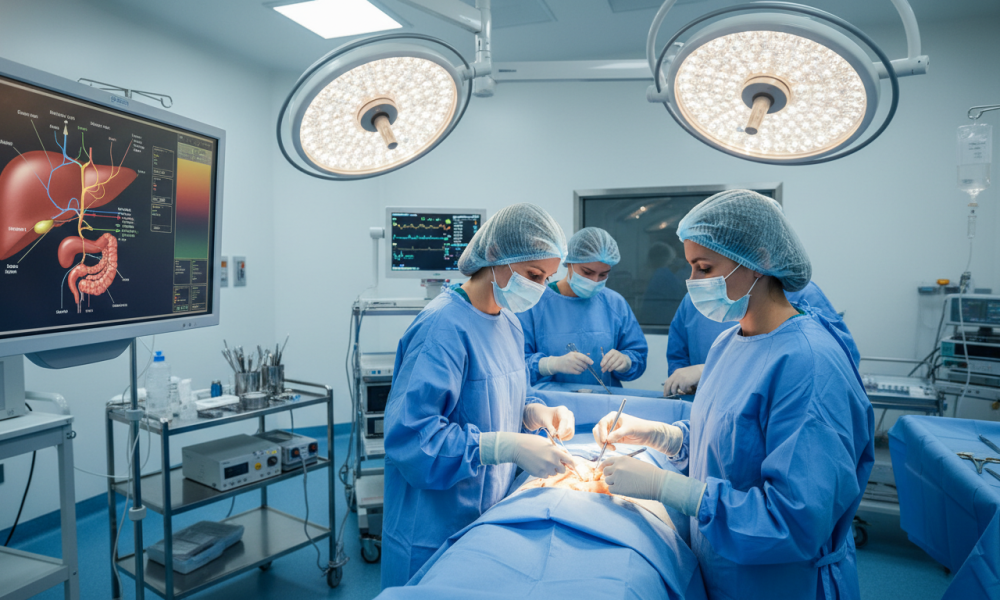
Quality of Life Post-Surgery
The main goal of biliary tract surgery is to fix problems and ease pain. This lets patients get back to their normal lives. Soon after they recover, they start to feel much better.
These surgeries help patients get their independence back. They regain their energy and can live an active life again. Returning to a normal, active lifestyle is a big win for those treated in Turkey.
The table below shows how well patients do after surgery:
| Recovery Metric | Expected Outcome | Patient Benefit |
|---|---|---|
| Symptom Relief | High Success Rate | Improved Comfort |
| Return to Activity | Rapid Progression | Enhanced Mobility |
| Long-term Health | Stable Results | Better Quality of Life |
Advanced tech and skilled surgeons make biliary tract surgery very effective. Patients can be reassured that their health is in good hands. This leads to a brighter, healthier future.
Conclusion
Choosing the right medical treatment is important. Turkey offers top-notch surgical care and modern hospitals for Bile Duct Surgery. Patients from the UK get a safe and excellent care process.
High care standards make your treatment comfortable and effective. Choosing a good clinic means you get the latest technology and skilled surgeons. This focus on quality makes Turkey a great choice for many patients.
Understanding your health options is the first step. Talk to a specialist to discuss your needs and get a personal assessment. Making a smart choice today can lead to a better recovery and a healthier life.
FAQ
Q: Why is Turkey becoming a preferred destination for UK patients requiring bile duct surgery?
A: Turkey is known for its top-notch surgeons and modern facilities. Many UK patients choose Turkey for bile duct surgery. They get quicker appointments, access to JCI-accredited hospitals, and high-quality care.
Q: What common conditions necessitate a bile duct operation?
A: A bile duct operation is needed for blockages in the bile flow. This includes gallstones, narrow ducts, cysts, and cancer. Such operations prevent serious issues like jaundice and infection.
Q: What is the difference between a cholecystectomy and a choledochotomy?
A: A cholecystectomy removes the gallbladder, often for gallstones. A choledochotomy involves making an incision in the bile duct. Both are done in Turkish hospitals using laparoscopic techniques.
Q: How is ERCP surgery used to treat biliary issues?
A: ERCP surgery combines endoscopy and fluoroscopy. It helps diagnose and treat biliary tract conditions. Specialists can clear blockages and place stents without open surgery, leading to quicker recovery.
Q: What expertise is available for complex hepato-pancreato-biliary surgery in Turkey?
A: Turkish medical centres have world-class HPB surgeons. They receive international training and work with radiologists and oncologists. This team approach ensures precise and personal care for complex cases.
Q: What technological advancements are used during a bile duct procedure in Turkish theatres?
A: Turkish operating theatres use the latest technology. This includes robotic systems and high-definition imaging. These tools improve accuracy, reduce blood loss, and lower complication risks.
Q: How do international patients manage the logistics of biliary tract surgery in Turkey?
A: UK patients have a smooth journey. Clinics offer packages with digital consultations before travel. They handle airport transfers, accommodation, and translation services for clear communication.
Q: What pre-operative diagnostic protocols are followed before a bile duct operation?
A: Patients undergo essential tests before surgery. These include MRCP or CT scans and blood panels. Managing health conditions is also a priority to ensure safety under anaesthesia.
Q: Is the cost of gallbladder removal in Turkey significantly lower than in the UK?
A: Yes, gallbladder removal in Turkey is cheaper than in the UK. This is due to lower costs and favourable exchange rates. Yet, the quality of care remains high, meeting international standards.
Q: What does the recovery pathway look like after bile duct surgery?
A: Recovery starts with monitoring in the hospital. Most patients can go back to their hotel within days. Long-term recovery includes a nutrition plan and follow-up care. Turkish clinics provide detailed guidance for safe return to daily activities.
Related guides

Healthcare Content Compliance Guide for Growth
A high-performing treatment page can generate international patient inquiries within hours. It can also create material risk if…

Turkey Hospitals vs Local Hospitals Compared
A lower procedure quote can get a patient’s attention. It should not make the decision on its own.…

Patient Experience That Drives Trust and Growth
A patient who has already uploaded medical records, compared providers, and arranged time away from work is not…