
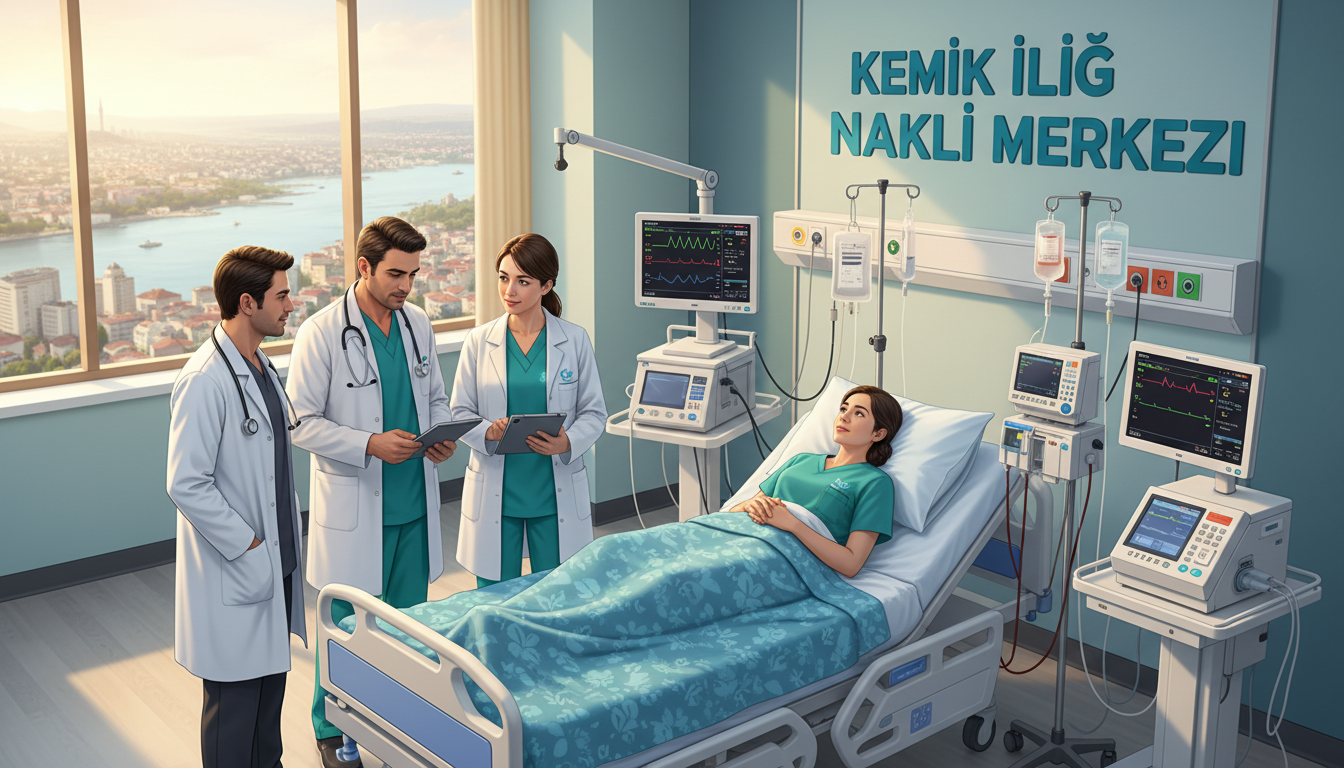
Turkey is now a leading global destination for those needing top-notch haematological care. Many people from around the world pick Turkey for its excellent medical setup and skilled doctors.
Looking for a Bone Marrow Transplant (BMT), patients want the best care and value. Turkey mixes modern facilities with a caring approach to healing.
The country’s healthcare is known worldwide for tackling tough blood disorders. Choosing a Bone Marrow Transplant (BMT) here means getting access to cutting-edge treatments that are also affordable.
Key Takeaways
- Turkey is a premier hub for advanced haematological procedures.
- Patients benefit from highly specialised medical staff and modern technology.
- The country offers a cost-effective alternative for complex medical interventions.
- Clinical outcomes are supported by rigorous international standards and protocols.
- Comprehensive care packages are tailored to meet the needs of international visitors.
Understanding the Bone Marrow Transplant (BMT) Procedure
A hematopoietic stem cell transplant replaces bad marrow with good cells. This is needed when the bone marrow can’t make healthy blood cells. This often happens in leukaemia or lymphoma.
The BMT procedure starts with chemotherapy or radiotherapy to kill off bad cells. Then, healthy stem cells are given to the patient. These cells help rebuild the immune system.
The Biological Basis of Hematopoietic Stem Cell Transplantation
Stem cells can turn into different blood cells. They live in the bone marrow and keep the blood system balanced.
If these cells get sick or stop working, the body can’t fight off infections or carry oxygen. Healthy stem cells give the body a fresh start to make new blood cells.
Types of Transplants: Autologous versus Allogeneic
Choosing the right transplant depends on the patient’s condition and donor availability. There are two main types used today.
An autologous transplant uses the patient’s own stem cells, collected and stored before treatment. An allogeneic transplant uses cells from a matched donor, like a sibling or an unrelated volunteer.
| Feature | Autologous Transplant | Allogeneic Transplant |
|---|---|---|
| Source of Cells | Patient’s own body | Matched donor |
| Primary Risk | Disease recurrence | Graft-versus-host disease |
| Immune Benefit | Minimal | Strong graft-versus-tumour effect |
| Recovery Time | Generally faster | Requires longer monitoring |
Why Turkey is a Leading Destination for Medical Tourism
When looking for a place for a bone marrow transplant, you need to think about the setup, safety, and rules. Turkey has become a top spot for medical tourism by investing a lot in healthcare. This means patients get care that’s as good as the UK’s.
Healthcare Infrastructure and International Accreditation
Turkish hospitals have the latest technology for treating blood diseases. Many have prestigious international accreditations, like the Joint Commission International (JCI) seal. This shows they meet global standards for safety and quality.
Hospitals follow these high standards for every bone marrow transplant. This means treatments are done in clean, efficient places. Patients know their care is checked by global bodies. This focus on quality is key to Turkey’s medical tourism.
The Role of the Turkish Ministry of Health in Quality Assurance
The Turkish Ministry of Health is key in keeping healthcare standards high. It sets strict rules for all medical places, making sure bone marrow transplant procedures are based on solid evidence. This helps keep care at a high level everywhere.
The Ministry also checks hospitals regularly to make sure they meet clinical standards and safety rules. This extra check helps protect patients from abroad. Turkey’s mix of independent checks and government rules makes it a trusted choice for medical care.
Clinical Expertise and Medical Specialisation in Turkey
When looking into a bone marrow transplant in Turkey, the medical team’s quality is key. Patients want to know their care is in skilled hands. Turkey has built a strong medical team for a precise hematopoietic stem cell transplant.
Training and Qualifications of Turkish Haematologists
Turkish haematologists get top-notch training. They study hard and gain experience in Europe and North America. This global perspective means patients get the latest treatments.
Doctors in Turkey keep learning. They go to international meetings and join research projects. This keeps their skills sharp for every hematopoietic stem cell transplant.
Multidisciplinary Approaches to Complex Blood Disorders
Dealing with blood disorders needs a team effort. Turkish hospitals use a multidisciplinary care model. This team includes haematologists, oncologists, and more.
This team approach helps manage each patient’s needs. It’s vital for a hematopoietic stem cell transplant. Patients know they’re in good hands with a dedicated team.
Advanced Facilities and Technology in Turkish Hospitals
Turkish hospitals lead in transplant medicine with advanced tech and clinical skills. They have invested in modern infrastructure for top-notch care for patients from abroad. These facilities handle complex haematological procedures with ease.
State-of-the-Art Laboratory and Diagnostic Capabilities
Turkish medical centres use cutting-edge diagnostic tools for precise patient assessments. They employ high-speed genetic sequencing and advanced flow cytometry. This helps specialists create tailored treatment plans for each patient.
Lab results come back quickly, a big plus for urgent care. This speed is vital for starting life-saving treatments fast. It’s a key advantage for patients needing quick action.
Clean Room Standards and Infection Control Protocols
Keeping a sterile environment is key during transplant recovery. Turkish hospitals follow stringent international clean room standards to safeguard patients. They use HEPA filters for the cleanest air.
Every step in these wards is governed by strict infection control. Staff follow rigorous sanitisation procedures and access is limited. This reduces infection risks, helping patients recover safely and efficiently.
The Bone Marrow Registry and Donor Matching Process
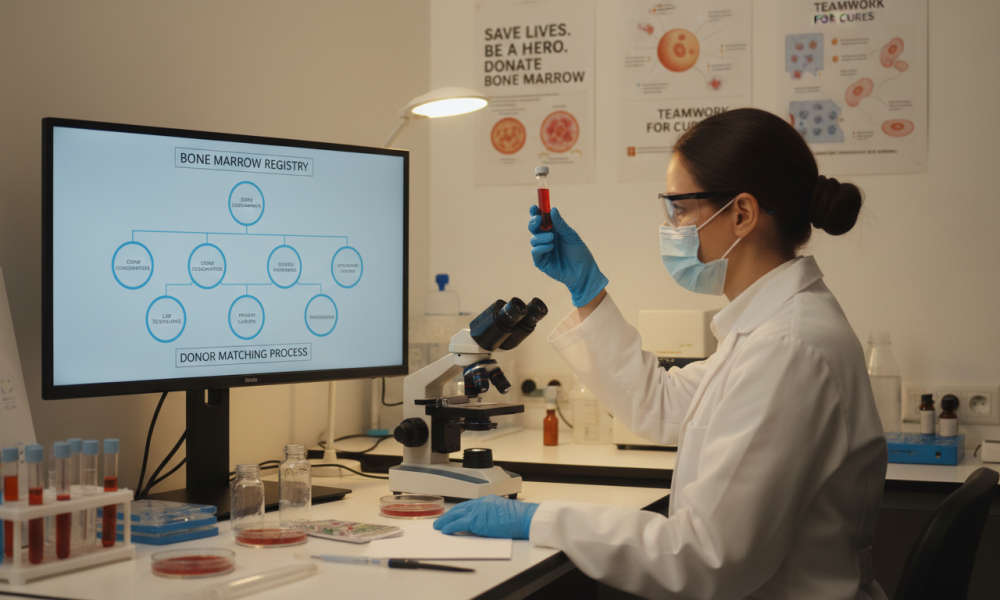
Finding a suitable donor is key for any bone marrow recipient. A complex digital system connects local hospitals with a wide network of volunteers. This system ensures patients have the best chance of finding a match.
How the Turkish Registry Integrates with Global Databases
The Turkish registry is a vital part of the global medical network. It links with worldwide databases, helping doctors find donors across borders. This interconnected approach boosts the chances of finding a match for patients with rare profiles.
Data sharing is carefully managed to protect patient privacy. Turkish hospitals can access millions of donors worldwide through these networks. This teamwork is vital for a quick bone marrow donation, which is often urgent for patients.
Criteria for Selecting Compatible Donors
Choosing a donor is a detailed process. It focuses on Human Leukocyte Antigen (HLA) markers. These must match closely between donor and bone marrow recipient to avoid rejection. Medical teams use high-resolution typing to check for compatibility.
Donors also go through a detailed health check. This ensures their safety and the quality of the stem cells. Every bone marrow donation follows strict guidelines, making the process safe and effective for everyone.
Patient Journey: From Initial Consultation to Treatment
Your journey to a successful BMT procedure starts with a clear and supportive process. We make sure you’re well-informed and confident before you leave the UK. This helps reduce the stress of seeking complex medical care abroad.
Remote Consultations and Medical Record Review
The first step is a detailed virtual consultation with your specialist team in Turkey. Doctors will look at your medical history and current health to plan your BMT procedure. This digital step helps assess your needs without the need for immediate travel.
We ask you to share your medical records, including blood tests and imaging reports. Our team reviews these to create a personalised treatment plan. This careful preparation means your arrival in Turkey focuses on your health needs.
Logistics for International Patients Travelling from the UK
Traveling from the UK for medical treatment is designed to be easy for you. Patient coordinators help with flights, visas, and local transport. We aim to make managing these details simple for you.
When you arrive, a support team will help you get to the hospital. Our goal is to make your experience smooth, so you can focus on recovering and the success of your BMT procedure. Here’s a table showing the key stages of your journey.
| Stage | Action Required | Support Provided |
|---|---|---|
| Initial Contact | Submit medical records | Dedicated case manager |
| Virtual Review | Attend video consultation | Clinical translation services |
| Travel Planning | Book flights and accommodation | Logistics and visa assistance |
| Arrival | Hospital admission | Airport transfer and orientation |
Preparation and Conditioning Regimens Before the Transplant
Patients getting ready for a bone marrow transplant face a tough conditioning phase. This stage is key for long-term success. It makes room in the bone marrow for new, healthy stem cells.
The Role of Chemotherapy and Radiotherapy
The main goal of the conditioning phase is to get rid of sick cells and weaken the immune system. This is often needed for those with leukemia. Doctors use high-dose chemotherapy to clear the marrow well.
Radiotherapy is also used in some cases to target specific body areas. This combination boosts the BMT procedure‘s success rate. It reduces the chance of the body rejecting the new cells, making room for them to grow.
Managing Patient Expectations During the Conditioning Phase
Going through such intense treatment is emotionally and physically tough for patients. It’s important to talk openly with the medical team about side effects like tiredness or nausea. Knowing these symptoms are part of the healing process can ease worries.
Patients should keep their eyes on the long-term recovery goals during this time. Professional psychological support is there to help families deal with the conditioning phase’s challenges. Being well-informed and ready is the best way to face this important step towards health.
Managing Possible Transplant Complications
Patients getting advanced treatments need to know how doctors handle transplant problems. The body takes time to get used to new cells. It’s crucial to have close medical watch to spot and fix any issues fast.
Graft-versus-Host Disease (GvHD) Prevention and Treatment
Graft-versus-Host Disease happens when donor cells see the body as foreign. To stop this, doctors give customised immunosuppressive therapy before and after the transplant. This helps the body accept the new cells safely.
If GvHD symptoms show up, doctors quickly change the medicine. Spotting it early is key to handling these transplant issues. Patients get regular checks on their skin, liver, and gut to watch for any signs of trouble.
Monitoring for Post-Transplant Infections
After the transplant, the immune system is weak, making patients more likely to get infections. Hospitals in Turkey follow strict clean room standards and use isolation to keep things safe. This greatly lowers the chance of getting sick.
Doctors do lots of blood tests and screenings to find viruses, bacteria, or fungi. By catching these early, they can give the right treatment. This careful watching is key to helping patients get better and stay healthy.
Success Rates and Clinical Outcomes in Turkey
Turkey’s medical centres show high survival rates for haematological procedures. Patients from the UK look for top-notch care from international experts. These hospitals stick to strict standards, achieving high success rates on par with the world’s best.
Comparative Analysis of Survival Statistics
Turkish clinics stand out when compared to other top medical spots. They use a bone marrow registry to quickly find donors. This leads to better clinical results. Here’s how they stack up in patient recovery and procedure success.
| Metric | Turkish Centres | Global Average |
|---|---|---|
| Procedure Success | High | Moderate |
| Donor Matching Speed | Rapid | Standard |
| Post-Transplant Survival | Competitive | Competitive |
Factors Influencing Long-Term Recovery
A successful Bone Marrow Transplant (BMT) depends on more than just the surgery. Many factors, both inside and outside the body, affect recovery. Turkish medical teams take a complete approach to manage these factors well.
Important factors for a good long-term outcome include:
- Early Detection: Quick action boosts the success rates of the procedure.
- Donor Compatibility: A wide bone marrow registry ensures the best match for the patient.
- Post-Operative Care: Following strict follow-up and medication plans is key for recovery.
- Patient Health Status: The patient’s health before the Bone Marrow Transplant (BMT) affects how fast their immune system recovers.
Turkish hospitals focus on these areas to help patients recover fully. Their dedication to quality ensures patients get the best care every step of the way.
Personalised Care and Patient Support Services
Every bone marrow recipient needs a care plan that covers their emotional and physical health. The path to recovery is personal and can be tough for patients and their families.
Psychological Support and Counselling for Patients and Families
The emotional impact of a transplant is huge. Turkish hospitals offer top-notch mental health services. They provide dedicated counselling sessions to help patients deal with stress and anxiety.
Family members also get support. This ensures the whole family stays strong. Hospitals offer a safe space for discussing fears and hopes. This helps bone marrow recipients stay positive during their stay.

Language Assistance and Cultural Sensitivity in Healthcare
Getting medical treatment abroad can be scary. But Turkish healthcare makes communication clear. They have professional medical interpreters to help patients understand their treatment.
Staff also understand and respect different cultures. This focus on inclusive care makes every bone marrow recipient feel welcome and supported. They are cared for from the moment they arrive until they go home.
Financial Considerations and Cost-Effectiveness
Many patients from the United Kingdom find Turkey a cost-effective option for complex medical procedures. They can access top-notch facilities without the high costs of private healthcare in the West. The focus is always on high success rates, ensuring quality care without breaking the bank.
Comparing Treatment Costs: Turkey versus the United Kingdom
Turkey’s lower costs come from lower operational costs and better exchange rates. Patients should look at the full package offered by Turkish hospitals. These packages include tests, the procedure, and aftercare, keeping success rates high.
| Cost Category | United Kingdom (Private) | Turkey |
|---|---|---|
| Initial Consultation | High | Moderate |
| Transplant Procedure | Premium | Competitive |
| Post-Op Monitoring | Variable | Inclusive |
Insurance Coverage and Payment Options for International Patients
Understanding the financial side of international treatment is key. Talk to your insurance and the hospital’s international patient department. They can help with coverage and paperwork. Make sure your policy covers treatment abroad before you book.
Hospitals offer flexible payment options to ease the financial burden. You can pay by:
- Direct bank transfers with clear currency conversion.
- Payment plans that fit your treatment schedule.
- Help with medical financing for those who qualify.
Clear financial information lets patients focus on recovery and health. Turkey’s affordability and proven success rates make it a top choice for bone marrow transplants.
Post-Transplant Follow-Up and Long-Term Monitoring
After a bone marrow transplant, keeping healthy is key. You need to work closely with your international team and local GP in the UK. Continuity of care is vital for a smooth recovery at home.
Coordinating Care with Local GPs in the United Kingdom
When you get back, your Turkish team will give you a detailed summary. This summary has all the important info about your treatment and health status. It also has advice for your local GP.
We suggest you see your GP as soon as you arrive. This way, your doctor will know everything about your clinical history and what you need.
Essential Follow-Up Tests and Medication Management
It’s important to keep an eye on your health to catch any transplant complications early. Your recovery plan will include regular blood tests and check-ups. These help track how well your immune system is doing.
It’s also important to take your medicine as directed. This includes drugs to keep your immune system in check and prevent infections.
Here are some important parts of your long-term care plan:
- Regular blood counts to check your blood health.
- Tests for your liver and kidneys to see how your meds are affecting them.
- Screening for transplant complications like infections or problems with the graft.
- Regular visits to adjust your meds as your immune system gets stronger.
By being proactive with these tests, you can manage your health well. Consistent communication with your healthcare team is the best way to ensure a good outcome.
Legal and Ethical Standards in Turkish Transplantation
Patients looking into a hematopoietic stem cell transplant in Turkey can trust a strong ethical framework. The country has a detailed legal system to safeguard everyone’s rights in medical care. This framework makes sure treatments are open, safe, and meet international standards.
Regulatory Frameworks Governing Stem Cell Therapy
The Turkish Ministry of Health sets strict rules for stem cell therapy in hospitals. Each facility must pass regular checks to keep its license. These rules cover lab safety and how biological materials are handled.
By sticking to these stringent requirements, Turkish hospitals offer a safe place for such treatments. This strict oversight means doctors follow proven methods, reducing risks for patients. The main goal is to keep care of the highest quality through constant checks and accountability.
Ethical Guidelines for Bone Marrow Donation
Ethical standards are key in donation processes in Turkey. Donors get all the facts they need to give informed consent. The health and freedom of the donor are top priorities for medical staff.
The table below shows the main parts of the rules and ethics for these critical treatments in Turkey.
| Regulatory Pillar | Primary Objective | Patient Benefit |
|---|---|---|
| Ministry Oversight | Standardised safety protocols | Consistent quality of care |
| Informed Consent | Transparent communication | Full awareness of procedures |
| Donor Protection | Ethical treatment of donors | Safe and reliable supply chain |
| Data Privacy | Confidentiality of records | Secure personal information |
Navigating the Challenges of International Medical Travel
Planning your medical travel can seem daunting, but with the right guidance, it’s easier. When you travel for stem cell therapy, focus on the logistics. This lets you fully focus on your health and recovery.
Visa Requirements and Travel Documentation for UK Citizens
UK citizens going to Turkey for medical reasons need to sort out their travel documents early. It’s key to check the latest rules from the Turkish government, as they can change.
Most British passport holders can enter Turkey for up to 90 days without a visa. But, check if your stem cell therapy needs a medical visa or extra papers from your doctor.
Make sure your passport is valid for at least six months after your arrival in Turkey. Keep digital and physical copies of your medical records and travel insurance. This helps with a smooth border crossing.
Accommodation and Support for Long-Term Stays
Finding the right place to stay is key for your treatment. Many Turkish hospitals have international patient departments. They help book comfortable, sterile, and accessible accommodation near the clinic.
Think about these points for a comfortable stay:
- Stay close to the hospital to avoid travel fatigue.
- Have kitchen facilities if you need special food.
- Look for 24/7 support or translation help for your family.
- Be near pharmacies and local shops.
Staying in serviced apartments can offer a good mix of freedom and support during stem cell therapy. Ask your medical coordinator for advice. They often know the best places for international patients.
Conclusion
Choosing the right path for a bone marrow transplant is a big decision. Turkey is a top choice because it offers advanced medical technology and care tailored to each person. This makes it a leading destination for such treatments.
Institutions like Acıbadem Healthcare Group and Memorial Hospitals Group show the impact of top-notch care. They focus on safety and precision, improving patient outcomes. This ensures that every treatment is carried out with the utmost care.
Patients from the United Kingdom find a smooth experience in Turkey. They get top-notch diagnostic services and caring support. The Turkish medical team works hard to meet each patient’s unique health needs.
If you’re considering a bone marrow transplant, getting the right information is key. Talk to a specialist today to understand your options. They can help you make a decision that’s right for you and your health.
FAQ
Q: Why is Turkey considered a premier destination for a Bone Marrow Transplant (BMT)?
A: Turkey is known worldwide for top-notch haematological treatments. It has advanced medical tech, skilled haematologists, and a strong healthcare system. Many hospitals in Turkey meet international standards, like the Joint Commission International (JCI) accreditation. This means patients get excellent care at a lower cost than in the UK or North America.
Q: What is the biological difference between an autologous and an allogeneic hematopoietic stem cell transplant?
A: An autologous transplant uses the patient’s own stem cells, collected and stored before treatment. An allogeneic transplant uses a donor’s stem cells, which could be a family member or someone from a bone marrow registry. Both aim to help the body make healthy blood cells. The choice depends on the blood disorder being treated.
Q: How does the bone marrow registry in Turkey facilitate donor matching for international patients?
A: The Turkish National Bone Marrow Donor Bank (TÜRKÖK) works with global databases like the World Marrow Donor Association (WMDA). This helps Turkish teams find a compatible donor worldwide. It increases the chances of finding a match for patients without a sibling donor.
Q: What measures are in place to prevent transplant complications such as Graft-versus-Host Disease (GvHD)?
A: Turkish hospitals have strict protocols to prevent transplant issues. They use advanced treatments and monitor patients closely. This helps catch GvHD and infections early, ensuring quick and effective treatment.
Q: How is the conditioning phase managed during the BMT procedure?
A: The conditioning phase uses chemotherapy and sometimes radiotherapy. It kills diseased cells and weakens the immune system. Turkish clinics focus on personal care, supporting patients through this tough time.
Q: Is the medical staff in Turkey proficient in English to assist UK patients?
A: Yes, many Turkish haematologists and staff speak English well. Top hospitals also offer language help and patient coordinators. This ensures clear communication from the start to aftercare.
Q: What are the success rates for bone marrow transplants in Turkish hospitals?
A: BMT success rates in Turkey are high and match global standards. This is thanks to modern labs, strict infection control, and expert teams. Patients are given detailed survival stats to help build trust.
Q: How is follow-up care coordinated once a bone marrow recipient returns to the United Kingdom?
A: After leaving Turkey, patients get a full medical report and a plan for their meds. Turkish doctors often work with UK GPs to ensure follow-up care is done right.
Q: Are there specific visa requirements for UK citizens travelling to Turkey for stem cell therapy?
A: UK citizens can usually get an e-Visa or medical visa for Turkey. Hospitals in Turkey help with the visa process. This makes travel for medical care easy.
Q: What ethical and legal standards govern bone marrow donation in Turkey?
A: All transplant work in Turkey follows strict rules from the Turkish Ministry of Health. These rules ensure donations are ethical, voluntary, and not for profit. Turkey’s laws protect both donors and recipients, following global ethical guidelines.
Related guides

Healthcare Content Compliance Guide for Growth
A high-performing treatment page can generate international patient inquiries within hours. It can also create material risk if…
Turkey Hospitals vs Local Hospitals Compared
A lower procedure quote can get a patient’s attention. It should not make the decision on its own.…

Patient Experience That Drives Trust and Growth
A patient who has already uploaded medical records, compared providers, and arranged time away from work is not…