
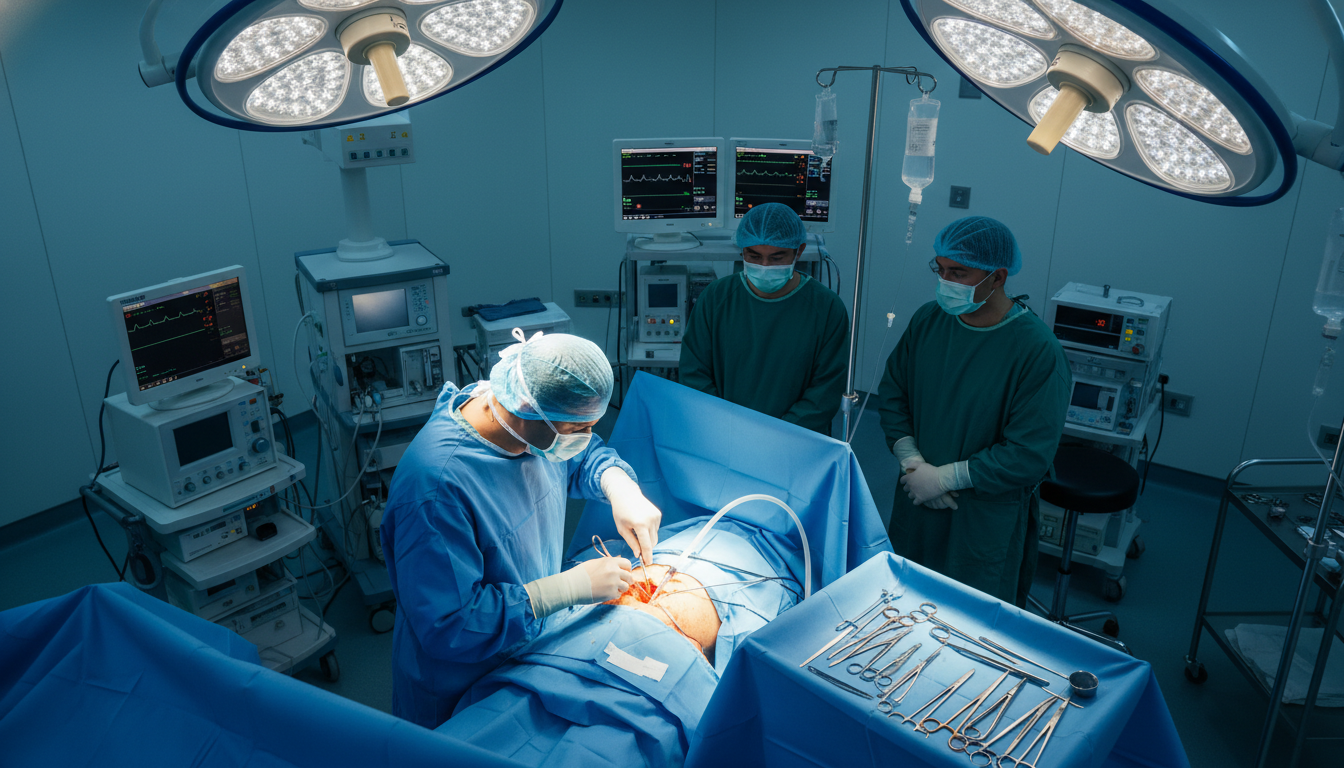
More patients from the United Kingdom are now going abroad for top-notch thoracic care. This trend shows a desire for world-class medical expertise and quicker access to complex respiratory treatments.
Turkey is becoming a top choice for lung intervention needs. It boasts state-of-the-art facilities that meet strict international standards. This ensures every patient gets the best care possible.
Choosing bullectomy surgery in Turkey means getting care from skilled thoracic specialists. They use the latest methods to boost lung function and improve life quality. Many British patients now rely on these clinics for their dedication to safety and patient care.
Thinking about this option? It’s key to know the perks of international healthcare. Getting bullectomy surgery abroad means top treatment and a smooth recovery in a caring setting.
Key Takeaways
- Increasing numbers of UK patients are seeking specialised thoracic care in Turkey.
- Turkish medical centres maintain high professional standards for complex respiratory procedures.
- Patients benefit from advanced technology and highly skilled medical practitioners.
- The decision to travel abroad often results in shorter waiting times for vital interventions.
- Clinics prioritise patient safety and provide extensive support during the recovery period.
Understanding Pulmonary Bullae and the Need for Surgery
Lung tissue can develop air-filled spaces, affecting breathing. These are called bullae, often caused by damaged air sacs. They can press on healthy tissue, making breathing harder.
What are Pulmonary Bullae?
Pulmonary bullae are air pockets in the lungs. They happen when alveoli walls break down. This is common in COPD or emphysema. These spaces don’t help with gas exchange, taking up space without helping oxygen levels.
As bullae grow, they can become very large. This can cause a lot of discomfort and shortness of breath. Effective management often means a doctor’s check to see if these air pockets are harming lung function.
The Clinical Indications for Surgical Intervention
Doctors usually suggest pulmonary surgery when bullae threaten lung health. A big risk is a rupture, which can collapse the lung. Surgeons look at the size and where the bullae are to decide if surgery is needed.
Another key factor is the need for pneumothorax treatment in those with repeated lung collapses. If bullae cause these leaks, removing them can stop future problems. This is key for keeping lungs stable and improving life quality.
The choice to have surgery depends on detailed checks and symptoms. By fixing these issues, doctors aim to improve lung function. This helps patients breathe better and avoid needing emergency pneumothorax treatment often.
The Rise of Medical Tourism for Thoracic Surgery in Turkey
Turkey is now a top spot for advanced surgeries, thanks to its growing medical facilities. Over the last ten years, Turkey has invested a lot in its healthcare. This is seen most in thoracic surgery, where Turkish clinics are now on par with Europe’s best.
Why International Patients Choose Turkish Healthcare
More and more people are choosing Turkey for their healthcare. They find it offers great value and quality. This means they can get top-notch thoracic surgery without long waits.
The patient experience is also improved by Turkey’s focus on hospitality. Turkish hospitals offer support teams to help with everything from travel to communication. This makes sure patients are well cared for from start to finish.
Standards of Care and Accreditation in Turkish Hospitals
Safety is a top priority in Turkey’s healthcare. Many hospitals have international accreditations. Places like the Joint Commission International (JCI) check these hospitals to make sure they meet high global safety standards.
Medical staff in Turkey are always learning and using the latest technology. This means patients can trust they are in safe hands. Turkish hospitals follow strict clinical guidelines to ensure the best care.
Bullectomy Surgery: The Procedure Explained
Many patients find that understanding the surgery helps reduce their anxiety. Knowing what to expect makes recovery and health goals clearer. Breaking down the process into steps helps you feel more confident and clear.
Preparing for Your Surgical Journey
Preparation is key for a successful surgery. Before your bullectomy surgery, your team will check if you’re ready. They’ll do lung tests, blood work, and scans to find the bullae.
It’s also important to prepare mentally. Talk to your specialist about any worries. Resting and following fasting rules are vital for safety under anaesthesia.
The Surgical Process: Step-by-Step
The surgical removal of bullae happens under general anaesthesia. This keeps you comfortable and pain-free. The surgeon makes small chest incisions to reach the lung tissue.
They then remove the damaged air sacs carefully. The surgeon checks the area to make sure everything is okay. A chest drain is used to help the lung heal and remove fluid or air.
After the surgery, you’ll go to a recovery area. The nursing staff will watch your vital signs closely. This careful approach ensures your safety and a quick recovery.
Minimally Invasive Lung Surgery Techniques
The world of lung surgery has changed a lot. Now, doctors in Turkey use new methods that make patients feel better and recover faster. These new ways are less invasive than old ones.
These new methods mean less harm to the chest. Doctors use the latest technology to get great results. They focus on making patients happy and healthy.
Video-Assisted Thoracoscopic Surgery (VATS)
Video-Assisted Thoracoscopic Surgery, or VATS, is a big step forward. It uses small cuts instead of a big one in the chest.
A tiny camera shows what’s happening inside the lungs on a screen. This lets doctors do minimally invasive lung surgery with great skill.
Benefits of Minimally Invasive Approaches
Going for a less invasive surgery has many benefits. It’s better for people coming from abroad for treatment. It makes recovery easier.
Patients say they feel better than with old surgery methods. The good things are:
- Less pain after surgery because of smaller cuts.
- Shorter time in hospital, so patients can go home sooner.
- Quicker recovery, so they can get back to their life faster.
- Lower chance of problems like infections or breathing issues.
Choosing minimally invasive lung surgery means getting the best care. It’s the top choice in modern thoracic medicine.
Selecting the Right Thoracic Surgeon in Turkey
Choosing the right surgeon is key when you’re planning surgery in Turkey. A skilled surgeon means you get top care. Researching well gives you peace of mind and better results.
Evaluating Surgeon Qualifications and Experience
Start by looking for surgeons with board certification. Make sure they have lots of experience in thoracic surgery. Choose those who do many lung surgeries, showing they know complex cases well.
Ask about their experience with bullectomy. A surgeon who often does chest surgery will understand your needs better. Check their professional memberships and hospital ties too.
Questions to Ask Your Prospective Specialist
Make a list of questions for your first meeting. Good communication is key for a great doctor-patient relationship. Here are some questions to ask:
- How many bullectomy procedures have you performed in the last year?
- What specific techniques do you use for this type of thoracic surgery?
- Can you explain the possible risks for my case?
- What’s your usual plan for managing pain after surgery?
- How do you handle any problems that might come up during chest surgery?
These questions help you make a confident choice. A good surgeon will answer clearly about their skills and your care. Your health and safety are the top priorities in this journey.
Hospital Infrastructure and Technology
When it comes to lung procedures, the hospital’s setup is key. Turkey has made big investments in its medical facilities. They aim to meet international standards, ensuring top-notch care for every patient. This is similar to the high standards at the Presidio Ospedaliero Molinette.
Turkish hospitals focus on keeping patients safe. They do this through strict technical checks.
State-of-the-Art Operating Theatres
Modern Turkish hospitals have advanced operating theatres for thoracic surgery. These rooms have high-definition video systems. This gives surgeons a clear view of the lung tissue.
This clear view is key for precise, less invasive surgeries. It helps avoid harming the patient too much.
The theatres also have air filtration systems. These systems keep the area clean, reducing infection risks. Plus, they have real-time monitoring tech. This lets the team keep an eye on vital signs during surgery.
Advanced Diagnostic Imaging Capabilities
Planning before surgery is vital. Turkish medical centres use high-resolution CT scans and 3D imaging. This helps map the lung’s details before surgery.
These tools help surgeons plan better. They can predict and prepare for challenges. This makes the surgery more efficient, leading to faster recovery and better health.
| Technology Feature | Benefit to Patient | Clinical Impact |
|---|---|---|
| High-Resolution CT | Precise mapping | Reduced surgical time |
| HD Video Systems | Enhanced visibility | Increased surgical safety |
| HEPA Filtration | Sterile environment | Lower infection risk |
| Real-time Monitoring | Constant oversight | Improved stability |
Safety Protocols and Patient Care Standards
Excellence in chest surgery means focusing on both skill and safety. Turkish hospitals are very careful about keeping everything clean. This helps patients get the best results from their surgery.
Infection Control and Surgical Safety
Every step of surgery is watched closely for infection. The operating rooms have special air filters to keep germs away. Doctors and nurses follow strict rules to make sure everything is clean.
This careful approach helps avoid problems after surgery. Keeping everything spotless is like a shield for the patient. It’s like the care at Duke University Hospital, where patients come first.
Multidisciplinary Team Approaches
Getting better after chest surgery needs a team effort. You’ll have a team of experts like thoracic surgeons and anaesthetists. They work together to watch over your health.
The team talks often to plan your care. This teamwork helps them react fast to any changes. It’s key for managing serious lung problems.
| Safety Feature | Implementation Method | Patient Benefit |
|---|---|---|
| Sterilisation | High-pressure autoclaves | Reduced infection risk |
| Monitoring | Continuous vital sign tracking | Early complication detection |
| Teamwork | Multidisciplinary review boards | Comprehensive care planning |
| Environment | HEPA-filtered air systems | Enhanced surgical safety |
The Patient Experience for UK Citizens
Traveling from the UK for surgery can seem scary, but Turkish hospitals are ready to welcome you. They have made their processes clear to make British visitors feel supported and informed. They focus on clear communication and understanding different cultures to reduce stress.
Navigating Language Barriers and Communication
Language can be a big worry when traveling abroad. But, top hospitals in Turkey have English-speaking medical staff and translators. This means your medical history and needs will be understood clearly.
Good communication is key for a successful surgery. You’ll find staff who explain things in simple English. This helps you make well-informed decisions about your health and recovery.
Support Services for International Patients
Turkish healthcare has special departments for international patients. These departments handle the practical stuff, so you can focus on getting better. They are your go-to for all non-medical needs, making your stay smooth.
These teams offer many important services for UK citizens:
- Personalised concierge support for local transport and accommodation.
- Cultural orientation to help you feel at home.
- Help with paperwork and insurance to make things easier.
- 24/7 patient advocates for any concerns or questions.
Turkish hospitals make sure your stay is comfortable and efficient. You’ll get top care that focuses on your well-being and peace of mind.
Recovery and Post-Operative Care
Recovery starts right after you wake up from surgery. After pulmonary surgery, your body needs rest and careful watching to heal your lungs well.
Immediate Post-Surgical Monitoring
After surgery, you’ll go to a special recovery area or intensive care. Medical staff will closely monitor your vital signs, like oxygen levels and heart rate.
Pain management is key in the first days. Nurses will give you medicine to keep you comfortable. This helps you breathe better and avoids problems like chest infections.
Long-Term Respiratory Rehabilitation
After leaving the hospital, you’ll start to get your lung function back. Joining a respiratory rehabilitation programme is key to getting your strength back and improving your life quality.
These programmes include breathing exercises and physical activities made just for you. Doing these regularly can really boost your lung power after pulmonary surgery.
It’s important to keep in touch with your doctors to see how you’re doing. Sticking to your recovery plan helps you get the best results from your pulmonary surgery.
Managing Risks and Complications
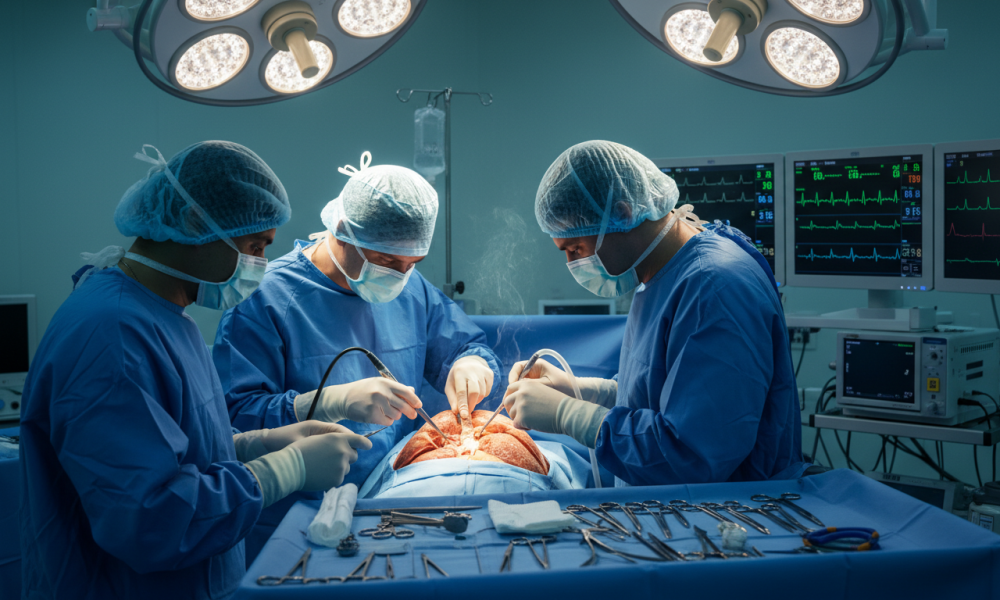
When planning for the surgical removal of bullae, knowing the safety details is key. Thoracic procedures are effective but complex. It’s important to talk openly with your medical team to focus on your health.
Understanding Possible Surgical Risks
Major thoracic surgeries come with risks. These include post-operative infection, minor bleeding, or air leaks from the lung. Early identification of these problems is vital for a smooth recovery.
These risks are common in many surgeries, like a tummy tuck in Turkey. Surgeons watch for these complications closely. Being informed helps you spot symptoms and talk to your team.
Mitigation Strategies in Turkish Medical Facilities
Turkish hospitals have strict mitigation strategies to reduce complications. They use advanced imaging and monitoring to track patients closely. This lets specialists act fast if needed.
They also have multidisciplinary teams to oversee your care. These teams include anaesthesiologists and respiratory therapists. They work together to keep infection rates low and ensure safety. This team effort helps protect your health and supports your recovery.
Cost Analysis of Bullectomy Surgery
Understanding the cost of your medical treatment is key to planning. Many look for ways to get quality care without breaking the bank. By exploring international options, you can find significant savings without losing quality.
Comparing Costs: Turkey versus the United Kingdom
Looking at the cost of bullectomy surgery, there’s a big difference between the UK and Turkey. Turkish hospitals have lower costs, making care more affordable for international patients.
| Service Category | United Kingdom (Private) | Turkey (Private) |
|---|---|---|
| Surgeon Fees | High | Competitive |
| Hospital Stay | Premium | Inclusive |
| Total Estimated Cost | £15,000 – £25,000 | £5,000 – £9,000 |
What is Typically Included in Surgical Packages
Turkish clinics offer all-inclusive packages for a smooth experience. These packages give you total clarity on costs before you go. This way, you won’t face unexpected bills during your recovery.
These packages for bullectomy surgery include important items. You can expect:
- Professional surgeon and anaesthetist fees.
- Standard hospital accommodation and nursing care.
- Pre-operative diagnostic tests and imaging.
- Essential post-operative medications and basic supplies.
- Local transfers between the airport, hotel, and hospital.
It’s always recommended to check your contract. Make sure it covers everything for your bullectomy surgery. This lets you focus on getting better and improving your health.
Logistics and Travel Planning
Planning a trip for surgery abroad requires careful steps. UK patients need to manage their travel well. This way, you can focus on your health and recovery without worrying about travel issues.
Visa Requirements and Travel Documentation
UK citizens going to Turkey for medical reasons must prepare their documents early. It’s essential to check the latest entry rules on the government website. Rules can change often.
Most British passport holders need an e-Visa or meet specific criteria for medical tourists. Keep these documents ready for your trip:
- A valid UK passport with at least six months of remaining validity.
- Your official medical invitation letter from the Turkish hospital.
- Proof of travel and medical insurance.
- Confirmed return flight and accommodation bookings.
Accommodation and Local Transport Considerations
Choosing the right place for recovery is crucial for your comfort. Many prefer serviced apartments or hotels near the hospital. This makes getting to follow-up appointments easier.
Look for places with good accessibility, like lifts and quiet areas. Also, check if they have 24-hour reception. This can be helpful during your recovery.
For local transport, use the dedicated transfer services from your clinic. These services ensure safe and comfortable travel. Using private transport takes away the stress of public transit while you recover.
Legal and Ethical Considerations
Understanding your rights as a patient is key when getting medical care abroad. Procedures like minimally invasive lung surgery are subject to local laws and global medical standards. Knowing this helps you make informed decisions.
Patient Rights and Medical Liability
In Turkey, the Ministry of Health tightly controls healthcare. This means all medical places follow strict rules. You have the right to informed consent, where your surgeon will explain all the risks and benefits before surgery.
If something goes wrong, Turkey has laws about medical mistakes. Hospitals must have insurance to cover these situations. It’s important to check your surgical contract before you go.
Ensuring Continuity of Care Upon Returning Home
Getting better after surgery means your medical info must follow you back to the UK. Make sure your Turkish team gives you a detailed report in English. This should include what surgery you had and any medicines you’re taking.
Seeing your GP soon after coming back is a good idea. They can check on your health and help with any ongoing lung issues. Talking openly with both your international doctors and your local GP is key to your safety.
| Aspect of Care | Turkish Standard | UK Integration |
|---|---|---|
| Informed Consent | Mandatory Documentation | GP Review Required |
| Medical Records | Provided in English | Shared with NHS |
| Liability Coverage | Hospital Indemnity | Patient Insurance |
| Follow-up Plan | Remote Consultation | Local GP Oversight |
Preparing for Your Return to the United Kingdom
Leaving the hospital doesn’t mean your recovery is over. Your return to the UK starts a new chapter in your care. To smoothly transition back into the NHS or private care, you need to plan ahead. By doing so, you can keep the high standards of pneumothorax treatment you got abroad.
Managing Follow-up Appointments with Your GP
Once you’ve set your travel dates, contact your local GP surgery to book a post-operative check-up. It’s essential to schedule this for soon after you arrive. This way, a doctor familiar with your medical history can monitor your recovery.
At your appointment, be ready to talk about your surgery and any medicines you’re taking. Your GP will check how you’re doing and if you need local physiotherapy or respiratory support. This coordinated approach is key to avoiding complications and keeping your health a top priority.
Transferring Medical Records and Imaging
Make sure you get a detailed digital copy of your medical records before leaving the hospital. This should include your surgical report, test results, and any imaging like X-rays or CT scans. Having these documents ready is critical for your ongoing pneumothorax treatment and any future health checks.
If your records are in a language you don’t understand, ask for a certified translation before you go. Upload these files to a secure online portal or give them to your GP’s team. Clear communication about your surgery history is vital for your local doctors to give you the best care when you return.
Success Rates and Long-Term Outcomes
Studies show that surgery for bullous disease greatly improves patient outcomes. When people have lung surgery for pulmonary bullae, the main goal is to improve their lung function. This helps lower the chance of future health problems.

Clinical Evidence and Patient Satisfaction
Research on thoracic surgery shows a link between early treatment and better health. Most patients are very happy after their surgery. They say they feel much better, with less breathlessness and chest pain.
Medical centres keep track of how well patients do after surgery. They check if the lung bullae are gone. This helps patients feel sure they are getting the best care.
Improving Quality of Life Post-Surgery
Going back to daily life often means feeling more energetic and able to do more. Many patients can start doing things they couldn’t before because of their breathing problems. Lung surgery helps them live a more active and enjoyable life.
The mental benefits of better breathing are huge. Patients feel less worried about breathing problems. Here’s what patients often see after they recover.
| Metric | Pre-Operative Status | Post-Operative Status |
|---|---|---|
| Daily Activity Level | Severely Limited | Significantly Improved |
| Respiratory Comfort | Frequent Discomfort | Stable and Pain-Free |
| Lung surgery Success | Baseline Assessment | High Patient Satisfaction |
| Overall Well-being | Low | High |
Conclusion
Deciding to have bullectomy surgery in Turkey is a big step towards better lung health. You’ll get to work with top thoracic surgeons and use modern facilities. These are as good as the best in the UK.
Success depends on your careful research and planning. Make sure to check your clinic well and know all about your treatment. Good communication with your doctors is key for a positive result.
Start by making informed choices about your health. Contact top hospitals in Istanbul or Ankara for a consultation. Taking these steps now can lead to better breathing and a better life.
FAQ
Q: Why is Turkey a preferred destination for UK patients requiring thoracic surgery?
A: Turkey is a top choice for thoracic surgery thanks to its modern medical tech and skilled doctors. Turkish hospitals meet high safety and quality standards, just like the UK’s best private hospitals. The cost of surgery is also lower, making it a good alternative to long NHS waits.
Q: What are pulmonary bullae and when is surgical removal of bullae necessary?
A: Pulmonary bullae are air-filled spaces in the lung, often due to COPD or emphysema. They can make breathing hard. Surgery to remove bullae is needed if they’re big or cause lung collapse.
Q: What is the difference between traditional chest surgery and minimally invasive lung surgery?
A: Traditional chest surgery uses a big cut and opens the ribs. But, minimally invasive surgery, like VATS, uses small cuts and a camera. This method causes less damage, less pain, and faster recovery.
Q: How can I ensure the qualifications of a thoracic surgeon in Turkey?
A: Check a surgeon’s board certifications and memberships, like the Turkish Thoracic Society. Look for experience in minimally invasive surgery. Ask about their success rates to get top care.
Q: What are the common risks associated with bullectomy surgery and how are they managed?
A: Risks include infection, bleeding, and lung leaks. Turkish hospitals use advanced imaging and teams to monitor patients closely. This helps catch and treat problems early.
Q: How does the cost of thoracic procedures in Turkey compare to private treatment in the UK?
A: Surgery in Turkey is 50% to 70% cheaper than in the UK. Turkish hospitals offer clear packages that include everything. This helps patients plan without worrying about quality.
Q: What support is available for UK citizens navigating the healthcare system in Turkey?
A: Top Turkish hospitals have International Patient Departments. They help with language, travel, and accommodation. They ensure clear communication and translated medical records.
Q: What does the recovery and rehabilitation process involve after lung surgery?
A: Recovery starts with close monitoring in a high-dependency unit. Patients then join a respiratory rehab programme. This includes exercises to improve lung function. Most stay in Turkey for 10 to 14 days before flying back.
Q: How do I ensure continuity of care with my GP after returning to the UK?
A: Your Turkish team will give you a discharge pack with reports and meds. See your NHS GP soon to transfer records and discuss follow-up care.
Q: What improvements in quality of life can I expect after successful bullectomy surgery?
A: Bullectomy surgery improves lung function and exercise ability. It removes air spaces, letting healthy tissue expand. Many patients feel less breathless and can do more, improving their life quality.
Related guides

Healthcare Content Compliance Guide for Growth
A high-performing treatment page can generate international patient inquiries within hours. It can also create material risk if…

Turkey Hospitals vs Local Hospitals Compared
A lower procedure quote can get a patient’s attention. It should not make the decision on its own.…

Patient Experience That Drives Trust and Growth
A patient who has already uploaded medical records, compared providers, and arranged time away from work is not…