
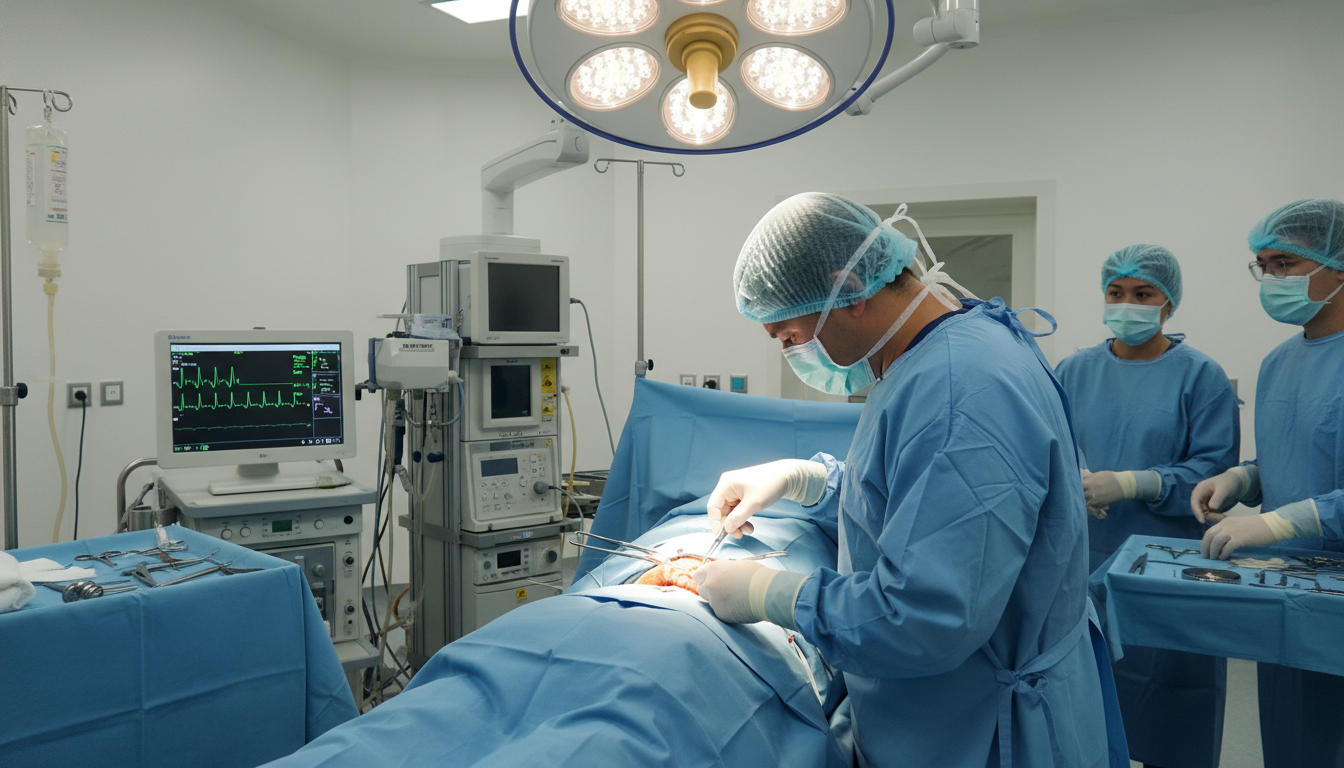
Many people in the UK are now going abroad for top-notch spinal care. Back pain can really mess up your day, so they look for specialised medical solutions elsewhere. Turkey is becoming a top choice for those needing expert help for serious spinal problems.
The country boasts world-class medical facilities that are on par with Europe’s best. By opting for Bulging (Prolapsed Intervertebral) Disc Surgery there, patients get to see top consultants and the newest orthopaedic tech.
This trend shows a move towards efficient and affordable healthcare without sacrificing safety. Patients from abroad can look forward to a smooth journey, from first meeting with doctors to recovery in a top-notch setting.
Key Takeaways
- Turkey is a leading hub for patients seeking advanced spinal treatments.
- Medical facilities in the region utilise state-of-the-art technology for patient care.
- Highly qualified specialists provide personalised treatment plans for chronic back issues.
- UK residents benefit from shorter waiting times and cost-effective medical packages.
- The standard of care meets rigorous international safety and hygiene protocols.
Understanding the Anatomy of a Prolapsed Intervertebral Disc
Your spine has vertebrae with soft discs in between. These discs help absorb shock. They have a tough outer layer and a soft centre. If they weaken, you might need bulging disc surgery to feel better.
The Mechanics of Disc Protrusion and Herniation
When the inner part of the disc pushes against the outer layer, it bulges. If the outer layer tears, the inner gel can leak into the spinal canal. This is called a herniation. It often happens because of age-related wear or sudden back strain.
Common Symptoms and Neurological Implications
A bulging disc can press on nearby nerves, causing pain or numbness. You might feel sciatica, which is pain that goes down your leg. In bad cases, you could lose muscle strength or feel less sensation, showing the nerve is under a lot of pressure.
When Conservative Treatments Fail
At first, people try to manage pain with physiotherapy, rest, or medication. But if these don’t work after a few weeks, your doctor might suggest more serious options. Choosing bulging disc surgery is needed when symptoms don’t get better or get worse, even with trying to recover.
Why Turkey Has Become a Global Hub for Spinal Disc Surgery
Turkey’s rise in medical tourism, focusing on spinal health, is not a coincidence. Over the last ten years, it has heavily invested in its medical sector. Now, many from the UK travel there for bulging disc surgery in clinics that match Europe’s top standards.
Advancements in Turkish Healthcare Infrastructure
Turkey has updated its healthcare by adding the latest technology to its hospitals. These places have top-notch imaging, robotic surgery tools, and modern operating rooms. This means patients get precise, minimally invasive treatments for their spinal issues.
When picking the right orthopedic clinic, you’ll see many offer full care packages. These packages include:
- Access to board-certified neurosurgeons with international training.
- Advanced diagnostic tools for accurate pre-operative planning.
- Modern recovery suites designed for patient comfort and safety.
Accreditation Standards and International Recognition
Safety is the main focus for Turkish medical providers. Many hospitals have Joint Commission International (JCI) accreditation, the highest global healthcare quality mark. This shows they follow strict patient care and surgical outcome protocols.
Thanks to these high standards, Turkey is trusted by patients globally. Whether you need complex spinal surgery or routine bulging disc surgery, you’ll find top professionalism. Turkey’s mix of expert medical staff and strict safety makes it a top choice for spinal care.
Types of Procedures Available for Herniated Disc Surgery
Knowing about spinal procedures helps patients make better health choices. If you need prolapsed intervertebral disc surgery, your doctor will check your case. They aim to ease nerve pressure and minimise recovery time.
Minimally Invasive Disc Surgery Techniques
Today, spinal care leans towards less invasive methods. These new ways let surgeons use smaller cuts. This means less damage to muscles and tissues.
Patients often feel less post-operative pain and get back to normal faster. This is compared to older, more invasive surgeries.
Microdiscectomy and Endoscopic Approaches
Microdiscectomy is a precise method to remove disc parts pressing on nerves. Surgeons use a microscope for clear views. This ensures maximum accuracy.
Endoscopic methods use a tiny camera. It guides the surgeon, making the procedure even less invasive.
Lumbar Disc Surgery vs Cervical Disc Surgery
The spot of your herniated disc decides the surgery type. Lumbar disc surgery targets the lower back. It’s where most weight is carried and wear happens.
This surgery helps with sciatica and lower back pain from nerve compression.
Cervical disc surgery is for the neck. It’s a delicate area with important nerves. The surgery is very special to keep the spinal cord safe.
Both types are key to improving mobility and life quality for those with chronic spinal issues.
The Benefits of Choosing Turkey for Spinal Care
Patients in the UK are now looking abroad for spinal care. They find Turkey offers top-notch care and easy access.
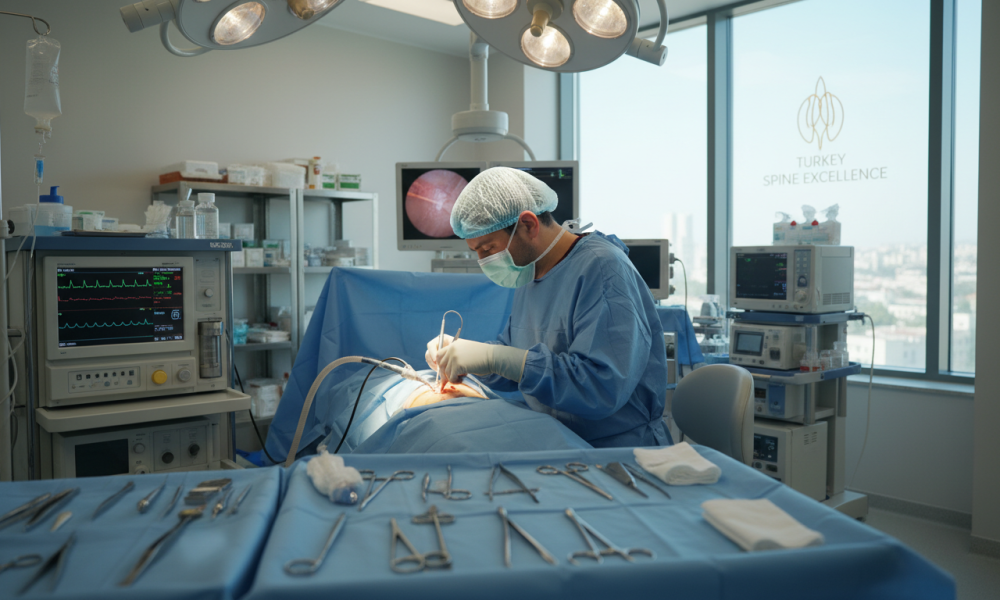
Cost-Effectiveness Compared to the United Kingdom
High costs in the UK often delay treatment. This can hurt your health.
Turkish clinics offer prolapsed intervertebral disc surgery at lower prices. Yet, they use the latest technology, just like in the UK.
| Service Feature | United Kingdom Private | Turkey Medical Hub |
|---|---|---|
| Surgical Expertise | High | High |
| Average Cost | Premium | Competitive |
| Wait Times | Variable | Minimal |
Access to Leading Neurosurgeons and Orthopaedic Specialists
Turkey has many skilled surgeons. They have done international fellowships.
They work together with neurosurgeons and orthopaedic experts. This team approach ensures your spinal health is well cared for.
- Board-certified surgeons with global training.
- State-of-the-art diagnostic and surgical equipment.
- Comprehensive post-operative support teams.
Reduced Waiting Times for Urgent Procedures
NHS waiting lists can be long. This can cause more harm to your spine.
Choosing Turkey means you can get treated quickly. This is key to keeping your life quality high.
Preparing for Your Medical Journey from the United Kingdom
Getting ready for your surgery takes several important steps before you fly. A good plan is essential for a smooth experience. By talking clearly and planning early, you can feel calm about your herniated disc surgery.
Initial Consultations and Remote Diagnostics
Today, you can get medical advice from home in the UK. Many clinics offer virtual chats to talk about your health. This first step helps decide if you’re right for herniated disc surgery.
For a precise check-up, gather these documents:
- Recent MRI or CT scan reports.
- A detailed summary of your current pain levels and mobility issues.
- A list of any medications you are currently taking.
Some might look into treatments like a tummy tuck surgery. But for spinal care, sharing clear diagnostic images is key. These images help the team plan your care before you arrive in Turkey.
Navigating Travel Logistics and Accommodation
After setting your surgery date, focus on travel details. It’s highly recommended to book flights that let you arrive calmly. This gives you time to settle before your hospital stay. Many clinics have patient liaisons to help with these tasks.
Choosing the right place to stay is also key for recovery. Look for places that are:
- Close to the hospital to save travel time.
- Accessible with features like lifts and walk-in showers.
- Quiet for rest and healing.
By sorting these out early, you can focus on healing after your herniated disc surgery. Taking these steps will make you confident and ready for your journey to better spinal health.
What to Expect During Your Stay in Turkey
Patients from the UK often find Turkish hospitals exceed their expectations. From the start, your well-being and the success of your herniated disc surgery are the main focus. The environment is designed to reduce stress and help you recover quickly.
Hospital Facilities and Patient-Centred Care
Modern medical centres in Turkey use the latest technology for safety. They look more like luxury hotels than hospitals, with private rooms and high-speed internet. Patient-centred care is key, making sure your needs are met.
The nursing staff and support teams give you a lot of attention. They focus on:
- Advanced diagnostic equipment for precise planning.
- Comfortable, private recovery suites for rest.
- Nutritional support tailored to your needs after surgery.
- 24/7 nursing care to watch your progress.
The Role of Medical Translators and Patient Liaisons
Communication is key when having surgery in a foreign country. Clinics offer medical translators to help with language barriers. They ensure you understand your treatment plan fully.
Patient liaisons also act as your personal advocates. They handle the logistics of your stay, from transport to discharge paperwork. Their help lets you focus on your health and recovery.
Understanding the Risks and Safety Protocols
When thinking about spinal disc surgery in Turkey, it’s key to know the strict safety rules. Medical tourism has grown, with clinics in Turkey meeting UK standards. This means patients can trust their health is in good hands, with safety measures in place to avoid problems.
Pre-operative Screening and Risk Assessment
Before surgery, doctors do a thorough check of the patient’s health history. They use MRI or CT scans to find the exact spot of the herniation. This helps the medical team plan the safest surgery for the patient.
They also ask for blood tests and heart checks to make sure the patient is safe for anaesthesia. This proactive screening is a key step to reduce risks before surgery. It helps the team prepare for any challenges and get the right equipment ready.
Post-operative Monitoring and Infection Control
After spinal disc surgery, the focus is on careful monitoring in a clean hospital. Turkish hospitals follow global hygiene rules, using top-notch air filters and strict cleaning to stop infections. These steps are crucial for a good recovery.
Patients are watched closely by skilled nurses who check their health and brain function all the time. This constant watch ensures any small problems are fixed right away. It gives international patients peace of mind. Thanks to this high level of care, these hospitals have excellent safety records for complex spinal surgeries.
Recovery and Rehabilitation After Disc Protrusion Surgery
Your journey to health doesn’t end when you leave the operating theatre in Turkey. The recovery phase is a critical period that needs patience and following medical advice. By sticking to a structured plan, you can get the best results from your spinal disc surgery.
Immediate Post-operative Care in the Hospital
Right after your surgery, you’ll go to a recovery ward. Nurses will watch your vital signs closely. Pain management is a big focus in these first hours to keep you comfortable. You’ll be asked to move your limbs gently to keep blood flowing and prevent stiffness.
Medical teams in Turkey are experts in early recovery care. They’ll teach you how to sit, stand, and move safely to protect your spine. This proactive approach lowers the chance of problems and starts your healing journey off right.
Physiotherapy and Long-term Spinal Health
Physiotherapy is key to your long-term recovery. These programmes help you move better and strengthen the muscles around your spine. Doing these exercises is critical for the success of your surgery.
Before you go back to the UK, your physiotherapist will give you a custom exercise plan. It’s important to stick with these exercises when you’re back home. Regular practice keeps your spine strong and prevents future problems.
Keeping your spine healthy for the long term depends on your commitment to these exercises. By making these habits part of your daily routine, you’re protecting your health investment. Staying active and listening to professional advice will help you enjoy the benefits of your treatment for many years.
Comparing Disc Degeneration Surgery Costs
When looking into disc protrusion surgery abroad, knowing the cost is key for UK patients. It’s important to understand the total cost for your spinal health care. This helps you plan your budget and avoid surprises.
Talking clearly with your chosen clinic is the best way to get a full quote. This quote should cover all your care needs.
Breakdown of Surgical Fees and Hidden Expenses
A good medical package should list all costs clearly. This includes the surgeon’s fees, hospital charges, and anaesthesia costs. Make sure the quote includes any pre-operative tests and post-operative meds.
Watch out for hidden expenses that might pop up during your stay. Ask if the quote includes follow-up visits, physiotherapy, or extra hospital time for complications. Transparency is essential, so make sure every service is listed in your agreement before you go.
| Service Component | Standard Inclusion | Potential Extra Cost |
|---|---|---|
| Surgical Procedure | Included | None |
| Hospital Stay | 3-5 Days | Extended Recovery |
| Physiotherapy | Initial Sessions | Long-term Rehab |
| Medication | Post-op Supply | Specialist Drugs |
Insurance Considerations for UK Patients
Getting insurance for disc protrusion surgery in Turkey can be tricky for UK patients. Most UK private insurance doesn’t cover elective surgeries abroad. You need to check with your insurer to see if they cover spinal treatments abroad.
Some might look into the NHS S2 route, but it’s mainly for specific cases, not elective surgery. It’s highly recommended to keep all medical records and bills in English for any claims or care back home. Always talk to a financial advisor or your insurance to know what’s covered.
Selecting the Right Clinic and Surgeon
Finding a qualified specialist for your spinal health is a big step. When planning for disc protrusion surgery, your medical team’s expertise is key. Treat this decision with the same care as any major choice.
Verifying Surgeon Credentials and Experience
Make sure your surgeon is properly certified and trained. It’s smart to check the doctor’s credentials by looking at their professional history. Reputable clinics are open about their surgeons’ backgrounds, so ask for all the details.
Choose surgeons with years of spinal care experience and many successful surgeries under their belt. Check if they belong to international neurosurgical or orthopaedic societies. This shows they meet global standards for disc protrusion surgery.
Reading Patient Testimonials and Success Rates
Reading what past patients say can give you a good idea of the care you’ll receive. Look for stories that cover everything from the first meeting to recovery. Good feedback and clear communication are signs of a trustworthy team.
While success rates are useful, remember each patient is different. Use these numbers as a guide, not a promise for your disc protrusion surgery. By combining clinical data with personal stories, you can make a choice that fits your health needs.
Legal and Ethical Considerations for International Patients
Choosing to have surgery abroad means you need to know the rules. Getting disc degeneration surgery in another country is more than just the medical side. You must understand your legal rights and the ethics of the healthcare providers.
Understanding Your Rights as a Medical Tourist
As a patient from abroad, you deserve top care and clear information. It’s essential to check if your clinic follows local laws and global medical standards. Always ask for a detailed contract that covers your treatment and the clinic’s responsibilities.
Your rights include:
- Clear, written info on the risks of disc degeneration surgery.
- The right to get a second opinion from an independent expert.
- Full details of all costs, including any future care.
- Strong privacy rules for your medical data.
Continuity of Care Upon Returning to the UK
Recovery doesn’t stop when you leave Turkey. To keep your disc degeneration surgery results, you need to connect with your UK healthcare team. Make sure your UK doctor gets all the details of your surgery, including notes and medication lists.
Plan how you’ll share your surgery details with your UK team before you go. This way, they can help with any needed care or checks. This step is crucial for your safety and helps avoid problems from split care.
Managing Expectations for Surgical Outcomes
Setting the right expectations is key to your spinal recovery journey. When you choose disc degeneration surgery, see it as a big step towards better living. It’s not a quick fix.
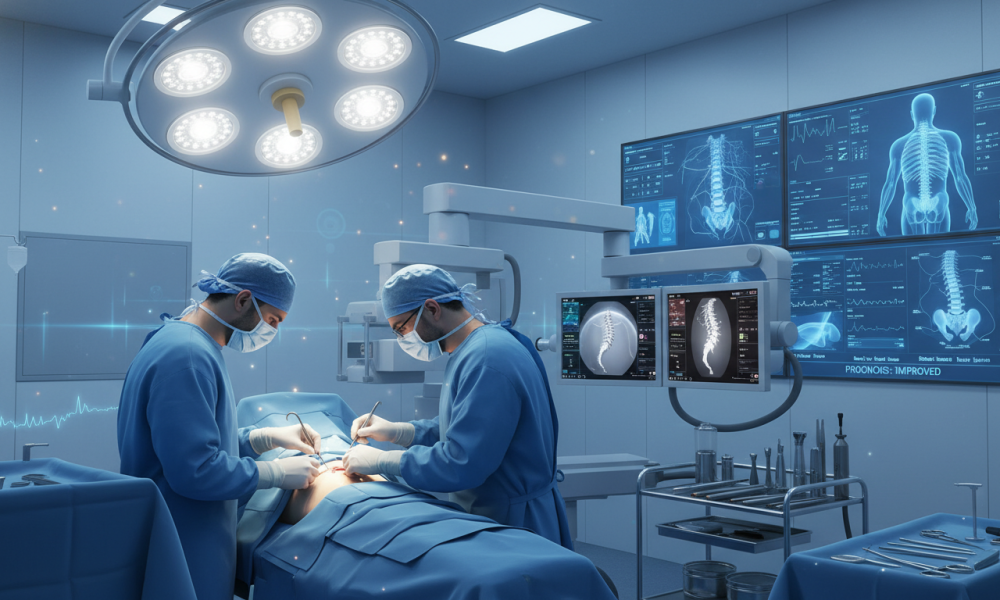
Realistic Goals for Pain Relief and Mobility
Most patients see a noticeable reduction in pain soon after surgery. But, full pain relief might take time as nerves heal and swelling goes down.
Your main goal is to get back to moving easily. You might not jump into sports right away. But, you can do daily tasks with more ease and comfort. Sticking to your recovery plan is key to reaching these goals.
Potential Complications and How They Are Managed
Disc degeneration surgery comes with risks. These can be small, like temporary numbness, or bigger, like infection or hardware problems.
Turkish surgical teams are skilled in reducing these risks. They use thorough checks before surgery and watch closely during it. If a problem happens, they have a quick plan to fix it.
Talking openly with your surgeon helps a lot. Knowing what your treatment can and can’t do helps you stay positive and focused on recovery.
The Future of Spinal Surgery in Turkey
Turkey is changing the face of spinal surgery with its medical innovation. It’s investing in modern facilities, making it a top choice for those needing advanced spinal care.
Technological Innovations in Robotic-Assisted Surgery
Robotic systems are changing spinal surgery. They offer unmatched precision, leading to smaller cuts and quicker healing for minimally invasive disc surgery.
These robots help surgeons work on complex areas with more confidence. The benefits include:
- Clearer views of the surgery area.
- Less chance of harming nearby tissues.
- More accurate placement of implants during lumbar disc surgery.
Ongoing Research and Clinical Excellence
Turkey is always pushing for better medical tools. It’s a place where clinics join global trials to improve cervical disc surgery and other complex surgeries.
This focus on clinical excellence means patients get the best care from the latest research. Turkey is a leading place for spinal health, drawing people worldwide for long-term relief and better mobility.
Conclusion
Choosing surgery in Turkey for a prolapsed intervertebral disc can bring back your mobility and comfort. People from the UK get top-notch medical care and the latest technology at lower costs.
Success depends on your dedication to research and preparation. It’s key to pick a well-known clinic and a skilled neurosurgeon. This is the first step towards getting better.
Understanding your spinal health means knowing about the surgery and recovery. Talking to doctors early helps set achievable goals for your health.
You now know how to handle international spinal care confidently. Taking charge of your treatment lets you overcome chronic pain and enjoy life again.
Contact your healthcare provider today to start your consultation. Your journey to a pain-free life begins with one informed choice.
FAQ
Q: Why is Turkey considered a premier destination for bulging disc surgery for UK patients?
A: Turkey is a top choice for bulging disc surgery due to its advanced medical setup. It has world-class hospitals like the Memorial Healthcare Group and Acıbadem Healthcare Group. UK patients prefer Turkey for quicker access to top spinal care at lower costs.
Q: What is the difference between a disc protrusion and a herniated disc?
A: A disc protrusion happens when the outer layer bulges but stays intact. A herniated disc has a tear, letting the inner material leak. Both may need surgery if they cause nerve compression and pain that doesn’t get better with other treatments.
Q: When should I consider herniated disc surgery over conservative treatments?
A: Consider surgery if other treatments like physiotherapy and medication don’t work after six to twelve weeks. If you have muscle weakness, loss of sensation, or bladder and bowel problems, you might need urgent surgery.
Q: What are the advantages of minimally invasive disc surgery techniques?
A: Minimally invasive surgery uses smaller cuts than traditional surgery. This means less muscle damage, less pain, and a quicker recovery. These methods work well for both lumbar and cervical disc surgeries.
Q: How does the cost of disc degeneration surgery in Turkey compare to the United Kingdom?
A: Surgery in Turkey is much cheaper, often 50% to 70% less than in the UK. This is because of lower costs and a good exchange rate, without sacrificing quality or surgeon expertise.
Q: How can I verify the credentials of a Turkish surgeon?
A: Make sure your surgeon is board-certified and has lots of experience in spinal surgery. Look for surgeons who are members of international groups like Eurospine or NASS. Also, check if the clinic is accredited by Joint Commission International (JCI).
Q: How do I manage initial consultations and remote diagnostics from the UK?
A: Many Turkish clinics offer video calls for initial consultations. You’ll need to send recent MRI scans and medical reports digitally. This helps the team assess you and plan your treatment before you travel.
Q: Will there be a language barrier during my stay in a Turkish hospital?
A: No, Turkish hospitals have translators and patient liaisons who speak English. They help with everything, making sure you get the best care during your stay.
Q: What safety protocols are in place for infection control and post-operative monitoring?
A: Turkish hospitals follow strict infection control rules, meeting international standards. They screen patients before surgery, use clean operating rooms, and closely watch patients after surgery to catch any problems early.
Q: What does the rehabilitation process involve after disc protrusion surgery?
A: Recovery starts with care in the hospital, then a physiotherapy program. The goal is to improve mobility and strengthen the spine. Keep exercising when you return to the UK to maintain spinal health.
Q: Are there any hidden expenses I should prepare for?
A: Most surgery packages include everything, but check if extras like medication or extra stays are covered. Also, see if your insurance covers international treatment.
Q: How is continuity of care managed when I return to the United Kingdom?
A: You’ll get a detailed medical report in English before leaving Turkey. Share this with your UK doctor to ensure your recovery is followed up and future treatments are informed by your surgery.
Q: What is the role of robotic-assisted surgery in Turkey?
A: Turkey leads in using robotic-assisted surgery for spinal procedures. These systems help surgeons be more precise and navigate during surgery, improving outcomes in complex cases.
Q: What are realistic expectations for pain relief after spinal surgery?
A: The main goal of surgery is to stop nerve damage and relieve pain. Most patients see big improvements in pain right away. But, some back soreness might stay during healing. Staying realistic and following your rehab plan is key to success.
Related guides

Healthcare Content Compliance Guide for Growth
A high-performing treatment page can generate international patient inquiries within hours. It can also create material risk if…
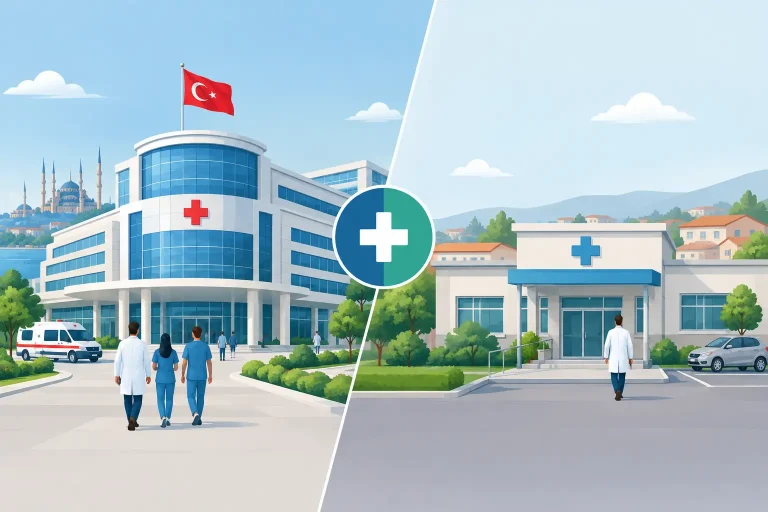
Turkey Hospitals vs Local Hospitals Compared
A lower procedure quote can get a patient’s attention. It should not make the decision on its own.…

Patient Experience That Drives Trust and Growth
A patient who has already uploaded medical records, compared providers, and arranged time away from work is not…