
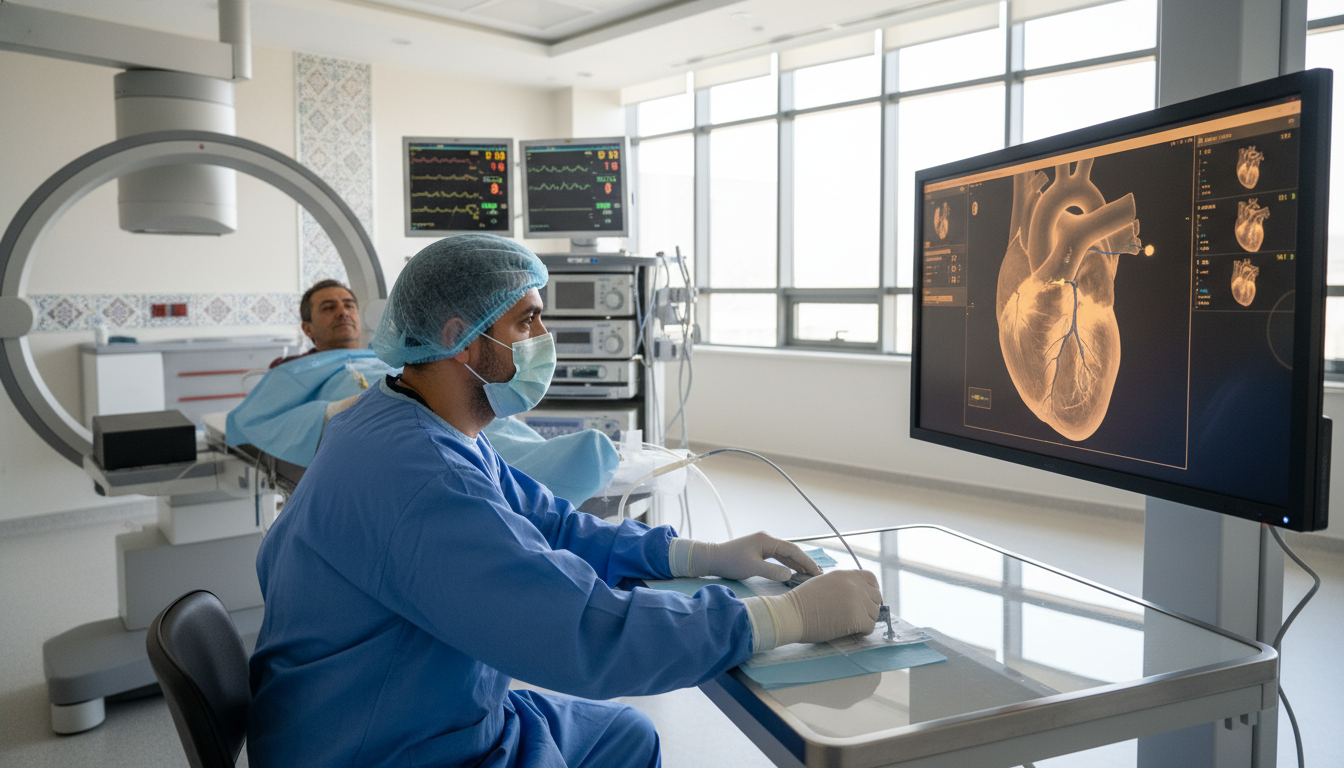
Turkey is now a top choice for people from the UK looking for top-notch medical care. Many are choosing to go abroad for advanced heart treatments. They want a professional and friendly place to get help.
The country is known for its outstanding medical standards. Every patient gets the best care possible. Getting a Cardiac Catheterisation abroad means getting top medical help and a smooth recovery.
More and more people are putting their trust in Turkey for their heart health. They see the modern facilities and the skilled doctors as reasons to believe in Turkey’s care.
Key Takeaways
- Turkey is a leading hub for medical tourism, specific to heart-related procedures.
- British patients enjoy high standards of care, just like in the UK.
- Modern medical facilities provide a safe and professional setting for visitors.
- Qualified specialists use the latest technology for the procedure.
- Traveling for treatment offers a personal and efficient healthcare experience.
The Rise of Medical Tourism for Heart Care in Turkey
More patients are choosing Turkey for heart care. This is because of Turkey’s commitment to excellence and high global health standards. Patients are increasingly seeking alternatives that offer both clinical precision and a supportive recovery environment.
The Evolution of Turkish Healthcare Infrastructure
Turkey’s medical sector has changed a lot in the last 20 years. Lots of money has been spent on new hospital facilities. These now meet the high standards of contemporary cardiology.
These hospitals have the latest labs and surgical suites. Turkey has also focused on training its doctors. Many cardiologists have done fellowships at top international places. This dedication to continuous learning keeps their practices up to date.
Why British Patients Choose Turkey for Cardiology
British patients like Turkey for its quality care and good prices. Turkey’s private healthcare offers seamless access to specialists without long waits. This lets patients focus on getting better and keeping their heart healthy.
The table below shows why UK patients choose Turkey:
| Factor | Turkish Healthcare Advantage | Patient Benefit |
|---|---|---|
| Clinical Standards | JCI Accredited Facilities | High safety and quality assurance |
| Waiting Times | Immediate Consultation | Rapid access to life-saving care |
| Cost Efficiency | Competitive Pricing Models | Significant savings on private care |
| Specialist Expertise | Internationally Trained Staff | World-class medical proficiency |
Turkey’s mix of advanced technology and focus on patients makes it a top choice. By going to Turkey for heart care, patients get a system that values their time and health.
Understanding Cardiac Catheterisation and Its Clinical Purpose
This procedure is key in finding and treating heart disease. Cardiac catheterisation is a non-invasive method that lets doctors see inside the heart. They use a thin tube called a catheter to get to the heart through blood vessels.
Diagnostic Applications of the Procedure
The main aim is to see how blood flows and find problems in the heart’s arteries. During heart catheterisation, a dye is used to highlight blockages. This helps doctors understand the extent of the disease.
This method gives doctors the most accurate information. It lets them check heart pressure and valve health. For top-notch care, places like the HCor Hospital do Coração offer these advanced tests.
Interventional Capabilities During Catheterisation
Cardiac catheterisation also allows for treatments to be done right away. If a big blockage is found, doctors can open the artery with a stent or balloon. This saves time and means fewer procedures for the patient.
This approach makes treatment faster and more efficient. It cuts down hospital time and helps patients get back to their lives sooner. This is a big part of modern cardiology, making sure patients get the best care quickly.
Why Turkey is a Leading Destination for Cardiac Cath Procedures
More and more patients are choosing Turkey for top-notch heart care. The country has invested in creating a healthcare system that matches Europe and North America’s standards. This focus on quality means every Cardiac Cath procedure is done with great care and precision.
Accreditation and International Standards
Turkish hospitals stick to strict safety rules, following global guidelines. Many top hospitals have Joint Commission International (JCI) accreditation, a mark of excellence in patient safety and quality care. They are regularly checked to make sure they meet high standards for equipment and cleanliness.
This commitment to global standards makes these hospitals safe for complex heart treatments. Patients can trust that their Cardiac Cath will be done in a place that values transparency and patient care most.
The Expertise of Turkish Cardiologists
The success of any medical treatment depends on the doctor’s skill. Turkish cardiologists are known for their advanced training and experience. Many have worked in top hospitals in the UK, US, and Germany.
Thanks to their global experience, they bring the newest techniques and best practices to Turkey. Their deep knowledge of Cardiac Cath technology means patients get top treatment that meets their heart health needs.
| Feature | Turkish Standards | Global Benchmark |
|---|---|---|
| Accreditation | JCI Certified | High Compliance |
| Specialist Training | International Fellowships | Advanced Certification |
| Technology | State-of-the-art | Modern Infrastructure |
| Patient Safety | Rigorous Audits | Strict Protocols |
State-of-the-Art Technology in the Modern Cardiac Cath Lab
The catheter lab today is all about precision, safety, and quick diagnosis. Turkish hospitals have spent a lot on top-notch equipment. This ensures every procedure meets global standards.
This focus on innovation lets medical teams do complex tasks with unparalleled accuracy.
Advanced Imaging Systems
Modern labs use high-resolution imaging for real-time feedback during a cardiac cath. This tech helps surgeons navigate blood vessels carefully, lowering complication risks. It also uses low-dose radiation, keeping patients safe in the long run.
3D mapping software gives a detailed heart anatomy view. This is key for spotting blockages missed by older tech. Advanced imaging lets the team make quick, informed decisions during the procedure.
Integration of Digital Health Records
A modern cardiac cath lab needs smooth data flow for top care. Digital health records ensure all medical staff can quickly see a patient’s history. This reduces errors and makes treatment smoother.
The digital integration brings many benefits:
- Enhanced communication among doctors, anaesthetists, and nurses.
- Quick access to past test results, like ECGs or blood tests.
- Automated patient vital tracking for consistent monitoring.
Combining advanced imaging with digital records makes cardiac cath procedures safer. These technologies are key for success in a modern catheter lab. Patients can trust that they’re getting the best care with the latest medical tech.
The Cardiac Catheterisation Procedure: What to Expect
The cardiac cath procedure is designed for your comfort. Knowing what to expect can alleviate anxiety. It makes your visit to a Turkish clinic smoother.
Pre-Procedure Preparation and Fasting
Your medical team will give you specific instructions before your visit. You’ll need to fast to keep your stomach empty. This is important for your safety during the procedure.
- Avoid solid foods for at least six to eight hours before the scheduled time.
- Limit clear liquids as directed by your cardiologist.
- Review your current medications, as some may need to be paused temporarily.
The Role of Local Anaesthesia
Your comfort is a top priority during the heart catheterisation. You’ll stay awake to talk to the medical staff if needed.
A local anaesthetic will be used at the insertion site, usually in the wrist or groin. This numbing agent makes the catheter insertion comfortable. You’ll feel only slight pressure, not pain.
Step-by-Step Execution of the Catheterisation
With the area numbed, the team starts the cardiac cath procedure. A thin, flexible tube called a catheter is inserted through your blood vessels to your heart.
Advanced imaging is used to watch the tube’s path in real-time. This helps the team find any blockages or issues accurately.
After the procedure, the catheter is removed. The site is then secured with a bandage or a closure device. This marks the end of your heart catheterisation.
Coronary Angiography: Precision Diagnostics for Heart Health
Coronary angiography is key for seeing the heart’s blood vessels clearly. It gives doctors a detailed look at the heart’s arteries. This is vital for finding the right treatment.
Thanks to advanced imaging technology, doctors can check the heart’s health accurately.
Identifying Blockages and Narrowing
The main aim is to spot atherosclerosis, or plaque build-up in arteries. This can narrow arteries and block blood flow. Finding these problems early helps prevent bigger heart issues.
Cardiologists use these images to find where blockages are. This helps plan treatments like stent placement. It also helps patients understand their heart condition better.
The Role of Contrast Dye in Imaging
A special dye is used to make arteries show up on X-rays. This dye is radiopaque, blocking X-rays and making arteries stand out. It shows where blood flow is blocked.
The images from this process are very detailed. They show the heart’s arteries better than other scans. This method is safe and works well for heart imaging.
The table below shows how coronary angiography compares to other heart imaging methods.
| Diagnostic Method | Primary Focus | Invasive Nature |
|---|---|---|
| Coronary Angiography | Arterial Mapping | Minimally Invasive |
| Echocardiogram | Valve Function | Non-Invasive |
| Cardiac MRI | Tissue Structure | Non-Invasive |
Safety Standards and Cardiac Catheterisation Risks
Knowing the safety steps in Turkish hospitals can ease worries about cardiac catheterization risks. People from the United Kingdom often want to know their health is in good hands. Turkish hospitals follow international rules to make sure every cardiac cath procedure is safe and controlled.
Mitigating Possible Complications
Doctors in Turkey focus on keeping patients safe by doing detailed checks before surgery. They look at each patient’s health to make the procedure safer. Advanced imaging technology and clean operating rooms also help prevent infections or mistakes.
Cardiologists and their team follow strict safety rules during the procedure. Their skill helps spot and handle any sudden changes quickly. This careful focus is key to the top-notch care in Turkish heart centres.
Post-Procedure Monitoring Protocols
After the procedure, patients go to a special recovery area for close watching. Doctors keep an eye on heart rate and blood pressure to make sure they’re recovering well. These strict monitoring protocols help catch any small problems before they get big.
The table below shows the main safety steps and monitoring actions to keep patients safe during and after the procedure.
| Safety Phase | Primary Objective | Monitoring Method |
|---|---|---|
| Pre-Procedure | Risk Assessment | Comprehensive Health Screening |
| During Procedure | Procedural Safety | Real-time Imaging and Vital Tracking |
| Post-Procedure | Early Detection | Continuous Cardiac Telemetry |
Cardiac Catheterisation Benefits for Long-Term Heart Health
Cardiac catheterisation is a key way to manage long-term heart health. It gives doctors a detailed look at the heart’s inner workings. This helps patients live better lives.
Improved Accuracy in Treatment Planning
This diagnostic tool is very precise. Doctors can make highly tailored treatment plans thanks to it. This means treatments are more effective, with less guesswork.
Doctors can pinpoint where and how serious heart problems are. This leads to better care plans that change as needed. Patients get care that fits their health over time.
Minimally Invasive Advantages
This procedure is designed to be gentle on the body. It’s minimally invasive, which means less pain and quicker recovery. Patients often leave the hospital sooner than with old-school surgeries.
It’s great for people who want to get back home fast. The low risk of complications also means better health in the long run. Choosing Cardiac Catheterisation Benefits means getting precise care and a smooth recovery.
Navigating the Patient Journey from the United Kingdom
Choosing to get cardiac care in Turkey is a big decision. It’s made easier with structured logistical support. Traveling from the UK, knowing every detail is taken care of makes you feel more at ease.
A well-planned trip lets you focus on your health and recovery. It’s all about making your journey smooth.
Travel Logistics and Coordination
Top Turkish clinics offer packages that make travel easy for international patients. These packages include seamless airport transfers. You’ll be greeted by a professional driver at the airport.
Modern hospitals also partner with local hotels. They offer comfortable places to stay close to the medical facility. This helps with your recovery.
Booking your flight to match your medical appointment is key. Many patients arrive a day or two early to rest. Your clinic will help plan your travel and clinical schedule to reduce stress.
Language Support and Patient Liaison Services
Good communication is vital for a successful medical trip abroad. Top hospitals in Turkey have dedicated patient liaison officers who speak English. They are your main contact with your medical team.
These services make sure you understand your treatment and aftercare. Having a translator during consultations gives you peace of mind. It prevents any misunderstandings about your heart health. This support makes you feel at home.
| Service Feature | DIY Travel Planning | Medical Agency Support |
|---|---|---|
| Airport Transfers | Self-arranged | Included/Private |
| Language Assistance | Limited/None | Professional Interpreter |
| Accommodation | Standard Hotel | Medical-Grade/Recovery Suite |
| Coordination | Manual | Dedicated Liaison Officer |
Cardiac Catheterisation Recovery and Post-Procedure Care
Your journey to better heart health doesn’t stop after the catheterisation lab. The procedure is small, but your body needs careful healing. Prioritising your rest and following medical advice are key during this time.
Immediate Post-Operative Care in the Hospital
Right after your Heart Catheterisation, you’ll go to a recovery area. Here, doctors watch your vital signs and the puncture site. They check for bleeding or swelling.
You’ll need to lie flat for a few hours. This helps the entry site in your groin or wrist seal. Nurses will tell you when it’s okay to sit up, eat, or walk. Staying hydrated is also key, as it helps your kidneys clear the dye.
Returning Home and Follow-Up Requirements
When you’re cleared to go back to the UK, travel carefully. Avoid heavy lifting or hard exercise for a few days. Most people can do light activities in a week, if they listen to their body.
Book a follow-up with your GP or cardiologist soon after you get back. Share your procedure report with your UK team. This ensures your care is smooth and well-coordinated. Always remain vigilant for signs of infection or discomfort at the puncture site. If you notice anything odd, call a healthcare professional right away.
Following these steps helps you manage your heart health long-term. Combining top-notch care abroad with careful follow-up at home maximises the benefits of your Heart Catheterisation. A successful Cardiac Catheterisation Recovery is a team effort between you and your doctors.
Selecting the Right Hospital and Specialist in Turkey
Finding the right cardiology care in Turkey needs careful planning. Your health is your most valuable asset. It’s important to check your medical team’s credentials. A thorough research will help you pick a place that fits your health needs.
Researching Hospital Credentials
Start by checking if the hospital is well-known internationally. Look for Joint Commission International (JCI) accreditation. This shows the hospital follows strict safety rules and cares for patients well.
Also, see if the hospital works with famous clinics abroad. Many top Turkish hospitals team up with European or American clinics. Transparency is key. Ask about their success rates in cardiac procedures.
Verifying Surgeon Qualifications
After finding a good hospital, look at the cardiologist’s qualifications. A good cardiologist should be board-certified and have lots of experience. Check if they belong to groups like the Turkish Society of Cardiology.
Good communication is also key. Make sure your doctor speaks English well. This makes talking about your health easier. Look at their career history to feel sure about your choice.
| Verification Criteria | Why It Matters | Where to Check |
|---|---|---|
| JCI Accreditation | Ensures global safety standards | Official JCI website |
| Board Certification | Confirms clinical expertise | Hospital staff profiles |
| English Proficiency | Enables clear communication | Direct consultation/CV |
| Procedure Volume | Indicates hands-on experience | Clinical department reports |
Comparing Costs and Quality of Care for UK Patients
Choosing where to have a heart procedure is about finding the best balance. Many UK patients look abroad for timely and top-notch heart care. They want exceptional medical standards without the long waits at home.

Transparent Pricing Models
Reputable Turkish clinics offer a big plus: transparent pricing models. Patients get a clear cost breakdown before any procedure. This means no surprise bills later.
These packages include the surgical team, hospital stay, and post-op meds. It’s all upfront, making it easier to budget. This way, families can plan without worry.
Value for Money Compared to Private UK Care
Looking at costs, Turkish clinics offer great value. Private care in the UK is top-notch but pricey. Turkey provides world-class care at a better price.
The table below shows the main differences in cost and service:
| Feature | Private UK Care | Turkish Medical Tourism |
|---|---|---|
| Pricing Structure | Often variable/itemised | All-inclusive packages |
| Waiting Times | Subject to availability | Minimal to none |
| Clinical Standards | High | High (Internationally accredited) |
| Overall Value | Premium cost | High cost-effectiveness |
The key is finding a balance between affordability and quality. Many see Turkey as a better deal. It offers advanced care and support without breaking the bank.
Legal and Ethical Considerations for International Patients
Choosing to have cardiac procedures abroad means knowing your legal rights is key. It’s important to understand your rights and the medical facility’s duties. Researching these points ensures your experience is safe and clear.
Patient Rights and Informed Consent
Every patient has the right to know about their medical care. Before any treatment starts, you must get a full explanation of risks, benefits, and other options. This is called checking out the doctor for your treatment.
Informed consent is more than just signing a form. It’s a conversation between you and your cardiologist. You should ask questions until you understand your treatment fully. If you don’t speak the local language, the hospital must provide a translator.
Insurance and Liability Coverage
Getting the right insurance is key to your medical travel plan. Regular travel insurance usually doesn’t cover medical procedures. You need specialised medical tourism coverage that includes complications, follow-up care, and emergency repatriation.
Knowing about liability coverage helps manage your expectations. Turkish hospitals meet high standards, but it’s good to know their liability in case of errors. Checking this before your procedure gives you significant peace of mind.
| Consideration | Patient Responsibility | Hospital Responsibility |
|---|---|---|
| Informed Consent | Ask detailed questions | Provide clear, translated information |
| Medical Insurance | Purchase specialised coverage | Verify insurance acceptance |
| Legal Recourse | Understand local regulations | Maintain transparent medical records |
| Documentation | Keep copies of all agreements | Provide signed, formal contracts |
Conclusion
Looking after your heart health needs careful planning and top-notch medical care. Turkey is a great place for this, with its advanced technology and skilled doctors for heart procedures.
Choosing to have heart care abroad is a big decision. Make sure to check the hospital’s reputation and the doctor’s skills. Talking to the medical team is key to understanding your treatment.
Good clinics in places like Istanbul offer clear communication and support. Your health is in their hands, so it’s important to choose wisely. This way, you can get the best care and recover well.
Talking to your GP in the UK is a good first step before going abroad for treatment. This helps keep your medical history in line with your heart health plan. Being informed helps you make the best choice for your future.
FAQ
Q: Why is Turkey considered a premier destination for a Cardiac Cath Procedure for British patients?
A: Turkey is a top choice for British patients due to its modern healthcare. It has invested heavily in specialised facilities. This offers high-quality care at a lower cost than in the UK.
Q: What are the primary Cardiac Catheterisation Benefits for my long-term heart health?
A: The procedure is very accurate and minimally invasive. This means shorter hospital stays and less scarring. It also leads to a quicker recovery, improving heart health.
Q: What role does Coronary Angiography play during the process?
Coronary Angiography maps the heart’s blood vessels. It uses a specialised contrast dye and advanced imaging. This helps doctors find and treat blockages effectively.
Q: What should I expect inside a modern Cardiac Cath Lab in Turkey?
A: In a modern Cardiac Cath Lab in Turkey, you’ll find the latest technology. Places like Acıbadem Healthcare Group and Memorial Health Group have high-resolution imaging. This ensures precise and safe treatments.
Q: Are there significant Cardiac Catheterization Risks I should be aware of?
A: While there are risks, they are managed carefully. Turkish hospitals follow strict safety protocols. They also use local anaesthesia to reduce discomfort and risks.
Q: How do Turkish hospitals ensure the quality of a Heart Catheterisation?
A: Quality is ensured through international accreditations and world-class specialists. Many cardiologists have trained in renowned global institutions. This ensures they meet the highest standards.
Q: What does the Cardiac Catheterisation Recovery process involve for international patients?
A: Recovery starts with close observation in the hospital. After discharge, patients get detailed care instructions. British patients should also follow up with their local GP or cardiologist.
Q: How is the patient journey managed from the United Kingdom to Turkey?
A: Top Turkish facilities offer patient liaison services for a smooth journey. They handle travel, airport transfers, and language support. This makes the transition easy for British patients.
Q: Is the cost of a Cardiac Cath in Turkey transparent for UK residents?
A: Yes, Turkish medical providers offer clear pricing. This includes the cost of the procedure, hospital fees, and tests. It’s a cost-effective option for UK residents.
Q: What are the legal and ethical protections for patients undergoing treatment in a Turkish Catheter Lab?
A: Patients are protected by informed consent and strict regulations. The Turkish Ministry of Health oversees the healthcare sector. Patients should check their insurance and liability coverage.
Related guides

Healthcare Content Compliance Guide for Growth
A high-performing treatment page can generate international patient inquiries within hours. It can also create material risk if…

Turkey Hospitals vs Local Hospitals Compared
A lower procedure quote can get a patient’s attention. It should not make the decision on its own.…

Patient Experience That Drives Trust and Growth
A patient who has already uploaded medical records, compared providers, and arranged time away from work is not…